Bedroom Paint Color Ideas For Couples: Creating Your Shared Sanctuary
Choosing a bedroom paint color with your partner? It sounds romantic, right? Then the reality hits: one of you loves calming neutrals, the other is drawn to bold, dramatic hues. Suddenly, your dream bedroom feels like a design battleground.
But it doesn’t have to be. Your bedroom isn’t just a place to sleep; it’s your shared sanctuary, a space for connection, relaxation, and intimacy. The colors you choose together play a massive role in setting that mood. This isn’t just about picking a pretty shade; it’s about crafting an environment that reflects both your personalities and strengthens your bond.
Forget the generic lists of ‘romantic colors.’ We’re diving deep into how to navigate conflicting tastes, leverage color psychology for connection, and find the perfect palette that makes both of you feel truly at home. Let’s create a bedroom that’s a true reflection of your love story.
The Psychology of Shared Hues: What Colors Mean for Couples
Colors are more than just visual. They have a profound impact on our emotions, our mood, and even our relationships. In a shared space like the bedroom, the chosen palette can enhance intimacy, promote relaxation, or even subtly create distance if not chosen thoughtfully.

For couples, understanding color psychology isn’t about rigid rules, but about being aware of the general feelings certain colors evoke. Do you want more passion, more peace, or better sleep together? The right color can be a silent, supportive partner in your relationship.
Here’s a quick look at how different color families generally impact a couple’s space:
| Color Family | Primary Mood for Couples | Impact on Intimacy & Connection | Best For… |
|---|---|---|---|
| Blues | Calm, Trust, Serenity | Promotes open communication, reduces stress, fosters a sense of security. | Relaxing sleep, stress relief, fostering emotional connection. |
| Greens | Balance, Growth, Nature, Peace | Creates a harmonious, rejuvenating environment; supports mutual growth. | Naturalists, couples seeking freshness and stability. |
| Warm Neutrals (Creams, Taupes) | Comfort, Warmth, Simplicity | Offers a welcoming, non-distracting backdrop for connection; versatile. | Timeless appeal, easy to personalize with accents, foundation for any style. |
| Cool Neutrals (Grays) | Sophistication, Calm, Modernity | Provides a sophisticated, grounding base; good for balancing vibrant personalities. | Contemporary aesthetics, creating a refined, tranquil retreat. |
| Pinks/Reds (Muted & Deep) | Passion, Warmth, Romance, Energy | Sparks romance and warmth; can be overstimulating if too bright/dominant. | Boosting intimacy (in muted forms or accents), adding a romantic touch. |
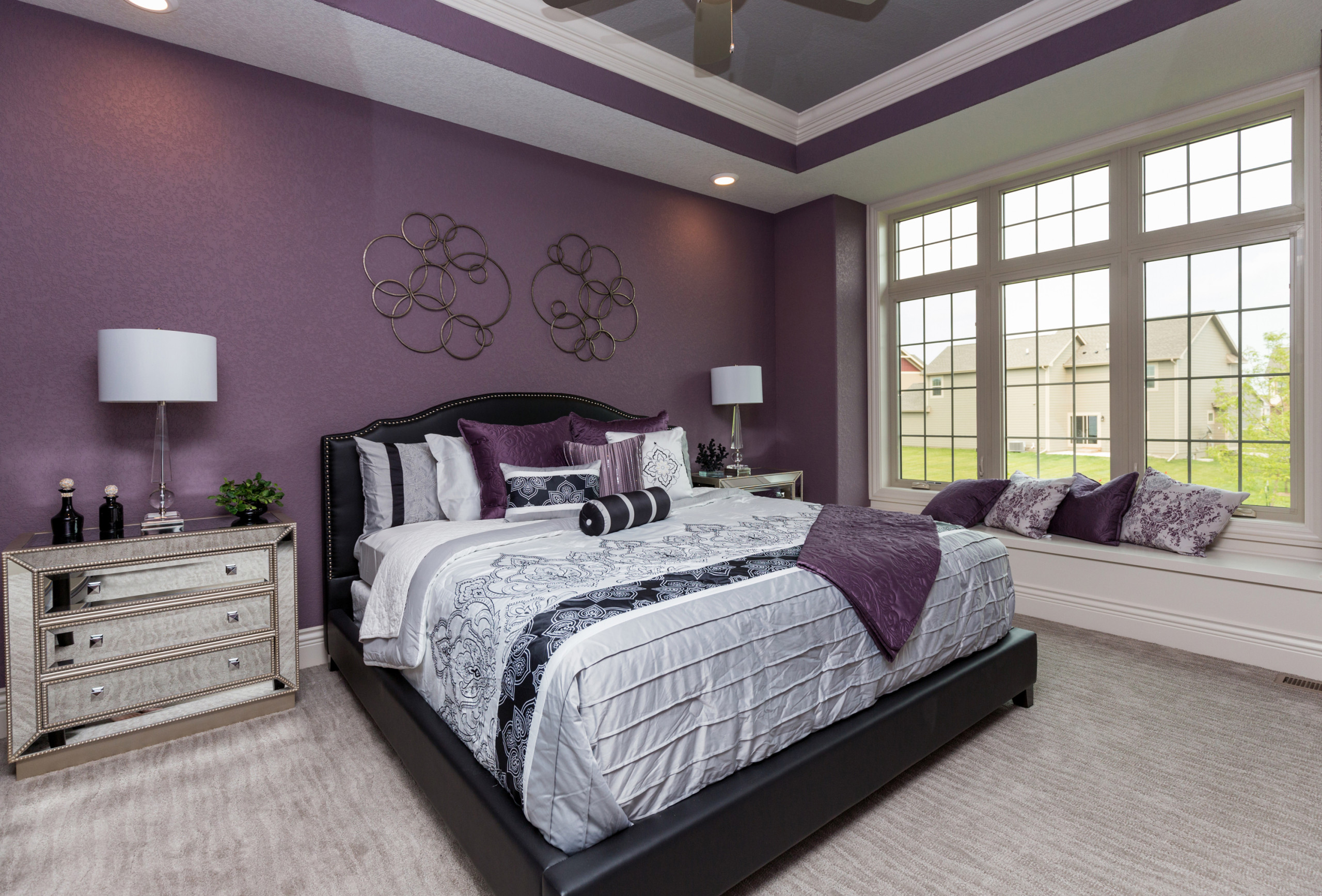
| Deep Purples/Burgundy | Luxury, Creativity, Depth, Intimacy | Evokes sensuality and luxury; can create a deeply intimate and cozy atmosphere. | Dramatic flair, creating a bold and unique romantic space. |
Navigating Conflicting Tastes: A Couple’s Guide to Color Harmony
This is where the rubber meets the road. Most couples aren’t perfectly aligned on every design choice, and that’s okay! The goal isn’t to force one person’s preference on the other, but to find a beautiful, livable compromise that makes both of you excited to walk into your bedroom. Think of it as another opportunity to practice communication and teamwork.
Step 1: Honest Communication & Vision Boarding
Before you even look at paint swatches, talk. Seriously, talk. What ‘feeling’ do you each want your bedroom to evoke? Is it a tranquil escape, a cozy den, a vibrant love nest? Focus on adjectives first, not colors.
Then, start a shared digital or physical vision board. Both of you should pin or cut out images of bedrooms you like, regardless of whether you think your partner will agree. Don’t filter yourselves. Once you have a good collection, sit down together and look for common themes:
- Are there similar textures (e.g., natural wood, plush fabrics)?
- Do you both gravitate towards light-filled or moody spaces?
- Are there recurring colors, even if they’re not the primary wall color?
- What elements do you absolutely dislike? (Equally important!)
This exercise helps you identify shared desires and understand each other’s aesthetic leanings, moving beyond just ‘I like blue’ vs. ‘I like yellow.’
Step 2: The Neutral Ground Strategy
When preferences clash, a well-chosen neutral base color is your secret weapon. Neutrals aren’t boring; they’re incredibly versatile and provide a calming backdrop that allows each partner’s personal touches (through decor) to shine. This strategy helps create a cohesive, peaceful environment even if your accessory styles differ.
The key is to pick a neutral that leans either warm or cool, depending on the overall mood you want. Warm neutrals (like creamy whites, taupes, or greiges with brown undertones) create a cozy, inviting feeling. Cool neutrals (like grays with blue or green undertones) feel more modern, crisp, and serene.

| Neutral Base Color | Characteristics for Couples | Best For Styles Like… | Potential Downsides |
|---|---|---|---|
| Creamy Off-Whites | Warm, soft, bright yet inviting. A classic choice that feels fresh. | Farmhouse, Shabby Chic, Coastal, Minimalist (with warm touches). | Can feel too stark if not warmed up with textures/lighting. |
| Greige (Gray + Beige) | The ultimate compromiser. Offers the sophistication of gray with the warmth of beige. | Transitional, Contemporary, Modern Farmhouse, Eclectic. | Undertones can be tricky; test samples extensively. |
| Soft Taupe | Rich, earthy, cozy. Adds depth without being dark, very grounding. | Bohemian, Rustic, Traditional, Mediterranean. | Can sometimes pull purple or pink depending on light. |
| Light Gray | Clean, sophisticated, modern. Creates a serene and airy feel. | Modern, Scandinavian, Industrial, Contemporary. | Can feel cold if not balanced with warm textures and lighting. |
Step 3: Strategic Accents & Compromise Zones
Once you have your harmonious neutral base, it’s time to infuse both your personalities! This is where you get to introduce those bolder or more specific color preferences without overwhelming the shared space.
- The Accent Wall: One partner loves a deep emerald green, the other prefers calm. Paint one wall (often the one behind the bed) in the bolder color. This creates a focal point and allows for that splash of personality without dominating the entire room.
- Textiles and Linens: This is a fantastic ‘compromise zone.’ If one of you loves warm, vibrant colors and the other prefers cool tones, you can blend them in bedding, throw pillows, and blankets. A neutral duvet with throw pillows in both your favorite accent colors is a perfect example.
- Art and Decor: Your framed photos, a large piece of art, vases, or decorative objects are prime opportunities to inject personal style and color. These are also easily changed if tastes evolve!
- “His & Hers” Zones: While the room is shared, designated areas can reflect individual preferences. Perhaps one side of the bed has a lamp with a specific color base, or distinct nightstand decor that speaks to each of you.
Top Bedroom Paint Color Families for Couples (with Specific Ideas)
Ready for some inspiration? These color families are consistently popular choices for couples, striking a balance between serenity, romance, and personal expression. Remember to always consider the specific shades and undertones, as they make all the difference.
Serene & Romantic Blues (The Calm Collective)
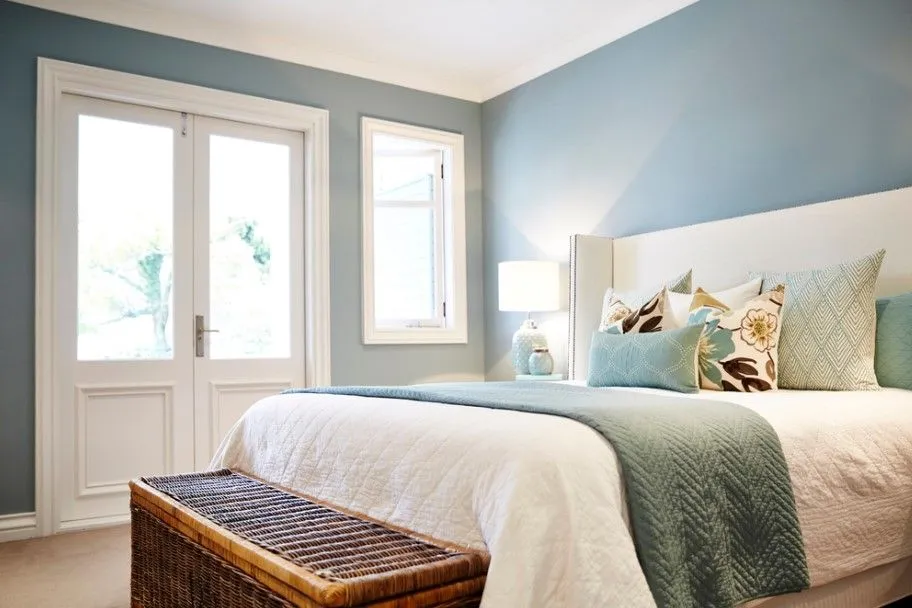
Blues are a perennial favorite for bedrooms, and for good reason. They are inherently calming, associated with tranquility, stability, and trust. For couples, a blue bedroom can foster a sense of peace, making it easier to unwind and connect after a long day.
- Why it works for couples: Promotes relaxation, reduces anxiety, and creates a stable, trustworthy atmosphere. Excellent for sleep.
- Specific Shades:
- Soft Sky Blue: Light, airy, and expansive. Perfect for making smaller rooms feel larger and brighter. Think light steel blue.
- Dusty Blue/Denim Blue: A more sophisticated, muted blue with gray undertones. Offers depth without being overwhelming. Think cadet gray or steel blue.
- Deep Navy Blue: Dramatic and grounding. Creates a cozy, intimate cocoon, especially effective in larger rooms or as an accent wall. Think navy blue.
- Pairings: Pair lighter blues with crisp white trim and natural wood for a coastal feel. Darker blues shine with metallic accents (gold, brass) and rich textures like velvet or faux fur.
Warm & Inviting Neutrals (The Harmonious Haven)
Neutrals are anything but boring when chosen with intention. They provide a sophisticated, warm backdrop that allows the focus to remain on intimacy and connection. They’re incredibly versatile, adapting to changing styles and tastes over the years.
- Why it works for couples: Creates a sense of comfort, warmth, and timeless elegance. Provides a blank canvas for both partners’ decor choices.
- Specific Shades:
- Creamy Off-Whites: Softer than stark white, these shades have subtle yellow or beige undertones that add warmth and coziness. Think linen or alabaster.
- Warm Grays (Greige): The perfect blend of gray and beige, greige offers the best of both worlds – modern sophistication with inviting warmth. It’s truly a universal crowd-pleaser. Think gainsboro with a hint of beige.
- Soft Taupes: A deeper, richer neutral that brings an earthy, grounding presence to the room. Excellent for creating a cozy, intimate atmosphere. Think taupe.
- Pairings: Neutrals are incredibly forgiving. Introduce pops of color through artwork, bedding, or throw pillows. Natural wood furniture, lush plants, and varied textures (knits, linen, wool) will elevate the space.
Lush & Grounding Greens (The Natural Connection)
Bringing the outdoors in, greens evoke feelings of nature, growth, and renewal. They’re inherently calming and stress-reducing, making them an excellent choice for a couple’s retreat, symbolizing a fresh start or continued growth in your relationship.
- Why it works for couples: Promotes peace, harmony, and a sense of well-being. Connects you to nature, which can be grounding.
- Specific Shades:
- Sage Green: Soft, muted, and sophisticated. It’s a very serene shade that pairs beautifully with almost anything. Think sage green.
- Moss Green: A deeper, richer green with warm, earthy undertones. Creates a cozy, enveloping atmosphere, especially effective in rooms with good natural light. Think moss green.
- Eucalyptus Green: A cool, slightly gray-green that feels fresh and spa-like. Ideal for a tranquil, minimalist bedroom. Think eucalyptus.
- Pairings: Complement greens with natural materials like rattan, jute, and light woods. Gold or copper metallic accents add warmth and elegance.
Passionate & Cozy Reds/Pinks (The Intimate Embrace)
While bright reds might be too stimulating for a bedroom, muted or deep shades of red and pink can be incredibly romantic and warm. They evoke passion and warmth, but should be used thoughtfully to avoid overwhelming the senses in a space dedicated to rest.
- Why it works for couples: Sparks romance, warmth, and a feeling of intimacy. Can be energizing in moderation.
- Specific Shades:
- Blush Pink: Soft, tender, and universally appealing. Creates a gentle, romantic, and comforting atmosphere without being overtly feminine. Think pale pink.
- Terracotta: An earthy, muted reddish-orange that brings warmth, character, and a touch of bohemian romance. Think terracotta.
- Muted Berry/Deep Burgundy: Rich, luxurious, and deeply romantic. Best used as an accent wall or through rich textiles and decor to avoid making the room feel too dark or heavy. Think burgundy or dark red.
- Pairings: Balance warmer shades with cool neutrals (like grays or crisp whites). Metallic accents (especially gold) and dark wood furniture enhance the luxurious feel.
Sophisticated & Moody Grays/Charcoals (The Modern Retreat)
For couples who appreciate a sleek, modern aesthetic and a sense of grounded tranquility, deeper grays and charcoals can create an incredibly sophisticated and intimate atmosphere. They are timeless and provide a powerful backdrop for personal expression.
- Why it works for couples: Evokes elegance, modernity, and a deep sense of calm. Can make a room feel like a luxurious, personal retreat.
- Specific Shades:
- Charcoal Gray: A deep, rich gray that adds drama and sophistication. It’s surprisingly versatile and can make colors pop against it. Think charcoal.
- Deep Slate Gray: A cool, almost blue-gray that brings a serene, yet refined energy. Excellent for creating a calming, uncluttered feel. Think dark slate gray.
- Warm Gray (with brown undertones): Avoids the coldness sometimes associated with gray. Offers a cozy, enveloping feel while maintaining a modern edge. Think a deeper greige.
- Pairings: Contrast dark grays with crisp white trim, lighter bedding, and metallic accents (silver, chrome, or even rose gold). Introduce warmth with wood tones and soft, plush textiles.
Beyond the Walls: Integrating Your Couple’s Palette
Your bedroom color journey doesn’t end with paint. To truly create a harmonious and romantic space, think about how the chosen wall color flows into the rest of your decor. This is another prime opportunity for both partners to infuse their individual tastes while maintaining a cohesive look.
:strip_icc()/BEHR_Mystere-d1a5af38499441328a8e35914ef739b1.jpg "25 Calming Bedroom Paint Colors for a Restful Retreat")
- Curtains, Bedding, and Throw Pillows: These are your biggest allies for adding texture, pattern, and accent colors. If your walls are neutral, you can go bolder here. If your walls are a strong color, opt for more subdued or complementary tones in your linens. Consider luxurious fabrics like linen, velvet, or silk for added romance.
- Art and Photography: Personalize your space with artwork that speaks to both of you or photos that celebrate your journey together. The colors in your art can either match your wall color for a subtle look or provide vibrant contrast.
- Furniture Choices: Dark wood, light wood, painted furniture – each brings a different energy. Ensure your furniture complements your chosen wall color. For instance, light woods can brighten a dark gray room, while dark woods add sophistication to a creamy neutral space.
- Lighting: Setting the Mood: Lighting is often overlooked but crucial for a couple’s bedroom. Install dimmers on your overhead lights. Add bedside lamps with warm, soft bulbs for reading and creating a cozy ambiance. Consider an interesting statement fixture that both of you love. The right lighting can transform any paint color into a romantic glow.
Practical Considerations for Couples’ Paint Projects
Before you rush to the paint store, a few practicalities are worth discussing together to ensure a smooth painting experience and a result you both love.
Room Size & Light
- Small Rooms: Lighter colors (pale blues, soft greens, creamy whites) tend to make a small room feel more spacious and airy. Darker colors can work to create a cozy, intimate ‘jewel box’ effect, but be mindful of natural light.
- Large Rooms: Larger rooms can handle deeper, richer hues (navy, charcoal, deep greens) without feeling overwhelming. These can make a big room feel more inviting and less cavernous.
- Natural Light: Observe how light changes in your bedroom throughout the day. A color might look vibrant in morning sun but dull in evening light. Rooms facing north often benefit from warmer colors, while south-facing rooms can carry cooler tones well.
Paint Finishes & Durability
The sheen of your paint affects how the color appears and how durable it is. For bedrooms, most couples prioritize a soft, inviting look and easy maintenance.
- Flat/Matte: Offers a soft, velvety look that hides imperfections well. Ideal for a cozy, sophisticated feel, but less durable and harder to clean.
- Eggshell/Satin: The most popular choice for bedrooms. Offers a subtle sheen, is more durable than flat, and much easier to wipe clean. Great balance of aesthetics and practicality.
- Semi-Gloss/High-Gloss: Highly durable and reflective, but usually too shiny for bedroom walls. Best reserved for trim, doors, or furniture.
For a couple’s bedroom, an eggshell or satin finish is usually the sweet spot, providing a lovely soft glow that’s also practical for daily life.
Testing Samples Together
This cannot be stressed enough: always test paint samples in your actual bedroom. Buy small sample pots and paint swatches (at least 2’x2′) on different walls. Observe them at different times of day, under natural and artificial light. Do this together! What looks great on a tiny swatch in the store can look drastically different on your wall.
Final Tips for a Love-Filled Lair
Your shared bedroom should be a reflection of your unique partnership. It’s a space where you both feel comfortable, cherished, and at peace. Don’t let the painting process become a source of stress; instead, embrace it as a fun project you tackle together.
- Focus on Comfort: Ultimately, the most important aspect of your bedroom is that it feels like a comforting haven for both of you.
- Don’t Rush the Process: Take your time with samples, discuss your feelings, and enjoy the journey of creating your dream space together.
- It’s Your Space: While advice is helpful, the final decision should always come from what truly resonates with both of you. This is your personal sanctuary, after all.
By approaching your bedroom paint choice with communication, creativity, and a little strategic compromise, you’ll not only choose the perfect color but also strengthen your bond in the process. Happy painting, lovebirds!