How to Paint Pine Bedroom Furniture: The Definitive Guide to a Flawless Finish
Got a pine dresser, nightstand, or bed frame that’s seen better days? Maybe it’s still sturdy but sporting that dated orange-yellow hue that screams the 90s. Pine furniture is a fantastic candidate for a DIY glow-up. It’s affordable, durable, and with the right approach, can be transformed into a stylish, modern centerpiece for your bedroom.
But here’s the kicker: painting pine isn’t just about slapping on a new coat of color. Pine has a few quirks – those infamous knots and its resinous nature can cause frustrating bleed-through if not handled correctly. And because it’s a softer wood, durability is key for bedroom pieces that get daily use.
Don’t worry, you don’t need to be a professional painter to achieve a beautiful, lasting finish. I’m going to walk you through every single step, from selecting the right supplies to applying the perfect topcoat, so you can tackle your pine bedroom furniture project with confidence and avoid common pitfalls. Get ready to give your beloved pieces a second life!
Why Paint Pine Bedroom Furniture?
Painting pine furniture isn’t just a trend; it’s a smart move for several reasons:
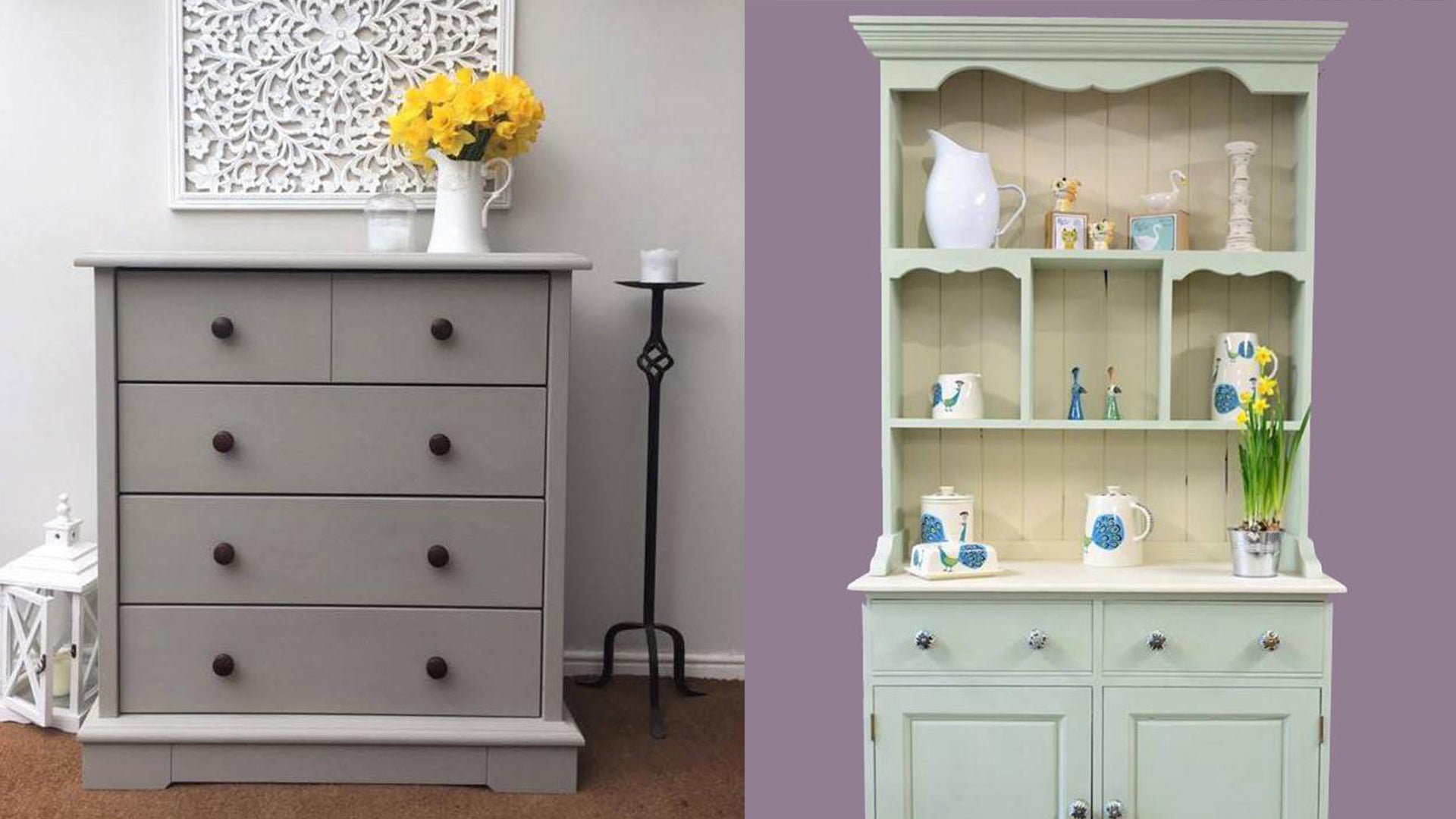
- Modern Makeover: That honey-yellow pine often clashes with contemporary bedroom aesthetics. A fresh coat of paint instantly updates the look, allowing it to blend seamlessly with modern decor.
- Cost-Effective Transformation: Instead of buying new, painting existing furniture is an incredibly budget-friendly way to revitalize your bedroom and achieve a designer look without the hefty price tag.
- Personalization: You get to choose the exact color and finish that reflects your personal style, creating a truly unique piece that fits your vision.
- Conceal Imperfections: Paint can cleverly hide minor scratches, dings, or stains that have accumulated over years of use, giving your furniture a pristine appearance.
Understanding Pine: Your Furniture’s Foundation
Before you even think about cracking open a paint can, it’s crucial to understand the material you’re working with. Pine isn’t like other woods, and knowing its characteristics is your first step towards a successful paint job.
The Good, The Bad, and The Knotty
Pine is a beautiful, light-colored softwood, commonly used for furniture due to its availability and ease of working. However, its characteristics present specific challenges for painting:
- Softness: Pine is a relatively soft wood, making it prone to dents and scratches. This means your painted finish will need a good topcoat for durability, especially for high-traffic bedroom surfaces like dresser tops.
- Porosity: Pine is quite porous. This means it will absorb paint readily, potentially requiring more coats. More importantly, it means it can absorb moisture unevenly, which can affect adhesion if not properly primed.
- Resinous Knots: This is pine’s biggest painting challenge. Pine contains natural resins and sap, particularly concentrated in its knots. If not sealed correctly, these resins will bleed through your primer and paint, creating unsightly yellow or brown stains.
- Yellowing Over Time: Unpainted pine naturally yellows and darkens with age, contributing to that “dated” look many people want to change.
Understanding these traits is why proper preparation and the right choice of primer are absolutely non-negotiable for painting pine.
Unfinished vs. Previously Finished Pine
The preparation steps will vary slightly depending on whether your pine furniture is brand new and unfinished, or if it’s been previously painted, varnished, or stained.

- Unfinished Pine: This is generally easier. You’ll primarily focus on cleaning, light sanding for adhesion, and then priming to seal those notorious knots.
- Previously Finished Pine: This requires a bit more elbow grease. You’ll need to thoroughly clean, degrease, and often sand more aggressively to ensure proper adhesion for your new layers of paint and primer. Sometimes, stripping an old, flaky finish might be necessary, but often, a good sanding is sufficient.
The Essential Toolkit: Gathering Your Supplies
A successful painting project starts with the right tools and materials. Don’t skimp here; quality supplies make a significant difference in the final outcome and ease of your work.
Cleaning & Prep Essentials
- Degreaser/Cleaner: A good quality household degreaser (like TSP substitute or a furniture cleaner) is essential for removing grime, oils, and wax.
- Sandpaper: Assorted grits: 120-150 grit for initial sanding/scuffing, and 220-320 grit for sanding between coats of primer and paint. Sanding sponges or a sanding block are helpful.
- Wood Filler: For filling any dents, holes, or deep scratches.
- Caulk: To fill small gaps or seams, especially if you want a super smooth, seamless finish.
- Tack Cloths: Absolutely vital for picking up fine dust after sanding.
- Drop Cloths/Plastic Sheeting: To protect your floors and surrounding areas.
- Painter’s Tape: For masking off areas you don’t want to paint (e.g., hardware).
- Gloves & Safety Glasses: Protect your hands and eyes from chemicals and dust.
Primers That Perform
This is where many DIY painters go wrong with pine. A standard primer might not cut it. You need a primer specifically designed to block stains and tannins.
- Shellac-Based Primer (e.g., Zinsser B-I-N): This is your absolute best friend for pine. It’s highly effective at sealing knots and blocking sap/resin bleed-through. It dries quickly and provides excellent adhesion. It’s alcohol-based, so it has a strong odor and requires good ventilation and denatured alcohol for cleanup.
- Oil-Based Stain-Blocking Primer: A good second choice. Also effective at blocking stains but has a longer drying time and requires mineral spirits for cleanup.
- Water-Based Stain-Blocking Primer: While some advanced water-based primers claim stain-blocking capabilities, they are generally less reliable for severe pine knot bleed than shellac or oil-based options. Use with caution for pine.
Paints Perfect for Pine
The type of paint you choose will impact the look, durability, and application process.
- Latex/Acrylic Paint (Water-Based):
Pros: Easy cleanup with water, low VOCs, quick drying, wide color range. Good flexibility and less prone to cracking. Available in various sheens.
Cons: Can be less durable than oil-based without a strong topcoat, may show brush strokes if not applied carefully.
Best Use: General purpose for bedroom furniture, especially if you prioritize easy cleanup and low odor. Requires a good quality primer. - Oil-Based Paint:
Pros: Extremely durable, smooth finish, excellent leveling (fewer brush strokes). Ideal for high-traffic pieces.
Cons: Strong odor, longer drying and cure times, requires mineral spirits for cleanup, can yellow over time with light colors.
Best Use: When maximum durability and a super smooth finish are priorities, particularly for dresser tops or frequently used pieces. - Chalk Paint:
Pros: Known for its matte, velvety finish. Often requires minimal prep (no sanding/priming on many surfaces). Easy to distress for a vintage look.
Cons: Not inherently durable; absolutely requires a wax or topcoat for protection. Limited color palette compared to standard paints.
Best Use: Achieving a distressed, farmhouse, or shabby chic aesthetic without extensive prep. - Milk Paint:
Pros: Creates a very authentic, aged, chippy look, especially when used without a bonding agent. Environmentally friendly. Comes in powder form.
Cons: Can be challenging to work with for a smooth, non-chippy finish without a bonding agent. Requires a topcoat.
Best Use: For a truly antique, weathered, or naturally distressed appearance.
Topcoats for Durability
Especially for bedroom furniture, a topcoat is vital to protect your paint job from scratches, dings, and general wear and tear.

- Polyurethane (Oil-Based):
Pros: Extremely durable, heat and water-resistant. Creates a hard, protective layer.
Cons: Can yellow over time, especially over light paint colors. Strong odor and slower drying. Mineral spirits cleanup.
Best Use: Over oil-based paints, or when maximum protection is needed and slight yellowing is acceptable (e.g., over darker colors). - Polycrylic (Water-Based Polyurethane):
Pros: Dries clear, non-yellowing. Low odor, easy water cleanup. Faster drying.
Cons: Less durable than oil-based polyurethane, can be prone to scratching. Not recommended over oil-based paints.
Best Use: Over water-based paints (latex/acrylic) or chalk paint when you need a clear, protective, non-yellowing finish. - Furniture Wax:
Pros: Easy to apply, gives a soft, natural sheen. Often used with chalk paint.
Cons: Less durable than polyurethanes, requires reapplication over time, not as water-resistant. Can attract dust.
Best Use: Primarily with chalk paint for a matte, protected finish with a soft feel.
Application Tools
- High-Quality Brushes: Angled brushes (1.5-2.5 inch) for cutting in and detailed areas. A good synthetic brush for water-based paints, natural bristles for oil-based. Don’t buy cheap brushes – they shed bristles and leave streaks.
- Foam Rollers: For large, flat surfaces like dresser tops or side panels. They help achieve a smooth, virtually brush-stroke-free finish. Look for a ‘smooth’ or ‘cabinet’ finish roller.
- Paint Trays & Liners: For holding paint and easy cleanup.
- Paint Sprayer (Optional): If you have one and are comfortable using it, a sprayer can provide the smoothest, factory-like finish. It requires careful setup, thinning of paint, and thorough cleanup.
The Step-by-Step Transformation: Painting Pine Like a Pro
Now that you have your supplies, let’s get down to the actual painting. Follow these steps meticulously for the best results.
Step 1: Prepare Your Workspace (Safety First!)
Find a well-ventilated area, preferably outdoors or in a garage with open doors/windows. Lay down drop cloths or plastic sheeting to protect your floor. Good lighting is crucial to spot imperfections. Wear gloves and safety glasses.
Step 2: Clean Your Furniture Thoroughly
Remove all hardware (knobs, pulls, hinges). Give the entire piece a thorough cleaning with your degreaser/cleaner and a damp cloth. This removes years of dirt, oil, grime, and any furniture polish or wax buildup. Rinse with clean water and let it dry completely. Don’t skip this; dirt and grease are adhesion killers!
Step 3: Repair & Fill (For a Smooth Canvas)
Inspect your furniture for any dents, gouges, or holes. Use wood filler to patch these imperfections. Apply it with a putty knife, slightly overfilling the area. Once dry (check product instructions), sand it smooth with 150-grit sandpaper. For any small gaps or seams, a bead of paintable caulk can create a seamless look, especially if you’re aiming for a modern finish. Allow caulk to dry completely.

Step 4: Sanding – The Foundation of Success
Sanding is arguably the most important step for paint adhesion and a smooth finish.
- For unfinished pine: Lightly sand the entire piece with 150-grit sandpaper. This opens up the wood grain, allowing the primer and paint to grip better.
- For previously finished pine (varnish/stain): Sand more thoroughly with 120-150 grit sandpaper to scuff up the existing finish. You don’t necessarily need to sand down to bare wood unless the finish is severely damaged or peeling. The goal is to create a dull, etched surface for the new layers to adhere to.
Always sand with the grain of the wood. After sanding, vacuum up all the dust, then wipe the entire surface repeatedly with a tack cloth until it feels perfectly smooth and dust-free. Any dust left behind will be trapped in your paint.
Step 5: Prime Time! Sealing Those Knots & Boosting Adhesion
For pine, primer is your secret weapon. It prevents those notorious knots from bleeding through and provides a uniform, adherent surface for your paint.
I highly recommend a shellac-based primer like Zinsser B-I-N for pine. It’s unmatched for blocking sap and stains.

- Apply Thin Coats: Using a good quality brush or roller, apply a thin, even coat of primer. Over-applying can lead to drips and a textured finish.
- Focus on Knots: Pay extra attention to knots. You might want to apply a second, localized coat directly over any prominent knots before priming the entire piece a second time.
- Dry and Sand: Allow the first coat of primer to dry completely according to manufacturer instructions (shellac primers dry fast!). Then, lightly sand the entire primed surface with 220-grit sandpaper. This removes any minor imperfections or grain raise, making your subsequent paint coats smoother.
- Second Coat: Wipe away dust with a tack cloth and apply a second thin coat of primer. Two coats of primer are usually best for pine, especially for lighter paint colors. Sand again with 220-grit sandpaper after the second coat dries, then wipe clean with a tack cloth.
Step 6: Paint Application – Bringing Your Vision to Life
Finally, the fun part! You’re ready to apply your chosen paint.
- Stir Thoroughly: Stir your paint well (don’t shake, as this creates bubbles).
- First Coat (Thin!): Apply your first coat of paint. Remember, thin, even coats are always better than one thick, drippy coat. Use your brush for edges and details, and a foam roller for large, flat surfaces to minimize brush marks.
- Dry Time: Allow the paint to dry completely according to the manufacturer’s recommendations. Rushing this step can lead to peeling or an uneven finish.
- Sanding Between Coats: Lightly sand the entire painted surface with 220-320 grit sandpaper. This smooths out any minor imperfections, brush strokes, or dust nibs. Remove all sanding dust with a tack cloth.
- Subsequent Coats: Apply a second coat of paint. Most projects require 2-3 coats for full, even coverage, especially if you’re painting a light color over dark pine or using water-based paint. Repeat the dry-sand-clean process between each coat.
- Achieving a Smooth Finish: For a super smooth finish, use a foam roller, or consider adding a paint conditioner (like Floetrol for water-based paint) which helps the paint level out and reduces brush marks. Always apply paint in one direction, overlapping strokes slightly.
Step 7: The Final Flourish – Applying Your Topcoat
A topcoat is crucial for protecting your newly painted pine bedroom furniture, especially surfaces like dresser tops that see a lot of action.
- Choose Wisely: Select a topcoat compatible with your paint type. Polycrylic for water-based paints, polyurethane (oil-based) for oil-based paints. If using chalk paint, wax or polycrylic are common choices.
- Wait for Dry Time: Ensure your final paint coat is completely dry – often 24 hours – before applying the topcoat.
- Thin, Even Coats: Apply 2-3 thin, even coats of your chosen topcoat. For polycrylic/polyurethane, use a high-quality synthetic brush or foam applicator. Avoid overworking it to prevent bubbles.
- Sand Lightly Between Coats: Lightly sand with 320-grit sandpaper between topcoat layers (after drying) for the smoothest finish. Remove dust with a tack cloth.
- Cure Time: This is critical! While your furniture might feel dry to the touch in a few hours, paint and topcoats need time to fully harden and cure (often 7-30 days, depending on the product and humidity). Be gentle with your furniture during this period to avoid nicks or damage. Avoid placing heavy objects, hot items, or excessive moisture on it until fully cured.
- Reattach Hardware: Once cured, carefully reattach your hardware.
Choosing Your Perfect Paint & Finish for Bedroom Furniture
The right paint and finish can elevate your bedroom furniture from functional to fabulous. Consider both aesthetic and durability.
Aesthetic vs. Durability
- High-Traffic Surfaces: For dresser tops, nightstand surfaces, or anything that will hold lamps, drinks, or be frequently touched, prioritize durability. A satin or semi-gloss finish with a strong polyurethane topcoat is ideal.
- Low-Traffic Surfaces: Headboards, bed frames, or cabinet doors might prioritize aesthetics more. A matte or eggshell finish with wax or polycrylic can look beautiful and be sufficient.
Finish Types Explained
- Matte/Flat: No shine, conceals imperfections well. Least durable, hardest to clean. Best for decorative pieces.
- Eggshell: Very subtle sheen, easy to clean. A popular choice for a soft, modern look in bedrooms.
- Satin: Smooth, velvety appearance with a moderate sheen. More durable and easier to clean than eggshell. A great all-around choice for bedroom furniture.
- Semi-Gloss: Noticeable shine, very durable and easy to clean. Best for pieces that get heavy use or if you want a more reflective, modern look.
- Gloss: High shine, very durable, and easiest to clean. Shows imperfections more readily. Bold and dramatic.
Paint Type Comparison Table
| Paint Type | Pros | Cons | Best Uses for Pine Furniture |
|---|---|---|---|
| Latex/Acrylic (Water-Based) | Easy cleanup, low odor, fast drying, wide color range. Good flexibility. | Less durable than oil without strong topcoat, can show brush strokes. | General bedroom furniture, low-VOC preference. Requires good primer & topcoat. |
| Oil-Based Paint | Extremely durable, smooth finish, excellent leveling. | Strong odor, long dry/cure times, mineral spirit cleanup, can yellow. | High-traffic surfaces (dresser tops), demanding maximum durability and glass-like finish. |
| Chalk Paint | Minimal prep (often no sanding/priming), matte finish, easy to distress. | Requires wax/topcoat for durability, limited colors, not inherently tough. | Distressed, shabby chic, or farmhouse style bedroom furniture. |
| Milk Paint | Authentic aged/chippy look, eco-friendly. | Tricky for smooth finish without bonding agent, requires topcoat, powder form. | Achieving a genuinely antique, naturally distressed or chippy aesthetic. |
Troubleshooting Common Pine Painting Problems
Even with the best preparation, sometimes things go awry. Here’s how to fix common issues when painting pine.
Knot Bleed-Through
- What it is: Yellow or brown stains appearing on your painted surface, especially over knots. This is sap/resin bleeding through.
- Prevention: The best prevention is a high-quality shellac-based primer. Two coats, focusing extra on the knots, is key.
- Fix: If it happens, don’t just paint over it. The stain will likely reappear. Lightly sand the affected area, apply another coat or two of shellac-based primer directly over the stain, let it dry, then repaint the area.
Streaks & Brush Marks
- What it is: Uneven lines or textures left by your brush or roller.
- Causes: Too much paint on the brush, paint drying too fast, using a low-quality brush, not painting in long, even strokes.
- Fix: For minor marks, lightly sand with 320-grit sandpaper, clean, and apply another thin coat. For more severe streaks, you might need to sand back to the primer and repaint. Use a paint conditioner, quality tools, and work quickly in consistent strokes.
Peeling Paint
- What it is: Paint lifting or flaking off the surface.
- Causes: Poor surface preparation (not cleaning or sanding enough), applying paint to a dirty or greasy surface, painting over a glossy surface without scuffing, or applying paint that’s too thick.
- Fix: You’ll need to scrape off all the peeling paint, sand the area thoroughly to create a good profile for adhesion, clean, prime, and repaint. This is why prep is so critical!
Bumps & Dust Nibs
- What it is: Small, gritty particles or bumps in your dried paint finish.
- Causes: Dust in the air, dirty surface, or debris from your brush/roller.
- Prevention: Work in a clean, dust-free environment. Use tack cloths after every sanding step. Use high-quality, clean brushes and rollers.
- Fix: Lightly sand the affected area with 320-grit sandpaper, clean thoroughly with a tack cloth, and apply another thin coat of paint or topcoat.
Maintenance & Care for Your Newly Painted Pine Furniture
To keep your transformed pine bedroom furniture looking pristine for years to come:
- Gentle Cleaning: Use a soft, damp cloth with mild soap (like dish soap diluted in water) for cleaning. Avoid harsh chemical cleaners or abrasive scrubbers, which can damage the finish.
- Protect Surfaces: Use coasters under drinks and felt pads under lamps or decor to prevent scratches and water rings, especially on high-traffic surfaces.
- Avoid Direct Sunlight: Prolonged exposure to direct sunlight can fade paint colors over time.
- Touch-Ups: Keep a small amount of your leftover paint for minor touch-ups.
Painting pine bedroom furniture can be an incredibly rewarding project. It takes patience and attention to detail, but the results – a beautiful, personalized, and updated piece – are well worth the effort. By understanding the unique challenges of pine and following these expert steps, you’ll achieve a durable, flawless finish that you’ll love for years to come. Now go on, give that old pine a new life!