Unlock Your Dream Bedroom: The Ultimate Guide to Chalk Paint Colors for Furniture
Tired of staring at the same old, uninspiring bedroom furniture? Do you dream of a refresh that feels personal, cozy, and utterly & ;you,& ; all without the daunting price tag or complex DIY? If that& ;s a resounding YES, then you& ;re in the right place. Chalk paint is an absolute game-changer for transforming bedroom pieces, offering a unique blend of ease, versatility, and a stunning matte finish that just screams comfort.
But with a rainbow of shades available, how do you choose the perfect chalk paint colors to create that serene, stylish sanctuary you crave? That& ;s exactly what we& ;re going to dive into. Forget generic color lists; this guide is all about helping you select shades that align with your bedroom& ;s unique light, existing decor, and most importantly, the mood you want to evoke when you step through that door. Let& ;s transform your bedroom from simply a place to sleep into your favorite retreat.
Why Chalk Paint is Your Bedroom Furniture’s Best Friend
Before we get to the fun part & ; picking colors & ; let& ;s quickly chat about why chalk paint is the undisputed champion for bedroom furniture makeovers. It& ;s not just a trend; it& ;s a revelation for DIY enthusiasts and design lovers alike.
The Magic of a Matte Finish
Unlike glossy or satin finishes, chalk paint dries to a beautiful, velvety matte that feels soft and inviting. This unique texture is absolutely perfect for a bedroom, where you want to create a sense of calm, warmth, and understated elegance. It absorbs light beautifully, giving your furniture a sophisticated, aged look without being overtly & ;shabby chic,& ; unless that’s the look you’re going for.
DIY-Friendly Transformation
Here’s the kicker: with most chalk paints, you can skip the tedious sanding and priming steps! Yes, you read that right. As long as your furniture is clean and structurally sound, you can often dive straight into painting. This makes a bedroom furniture revamp incredibly fast and accessible, even for beginners. Imagine transforming an old dresser in a single weekend!
Unparalleled Versatility
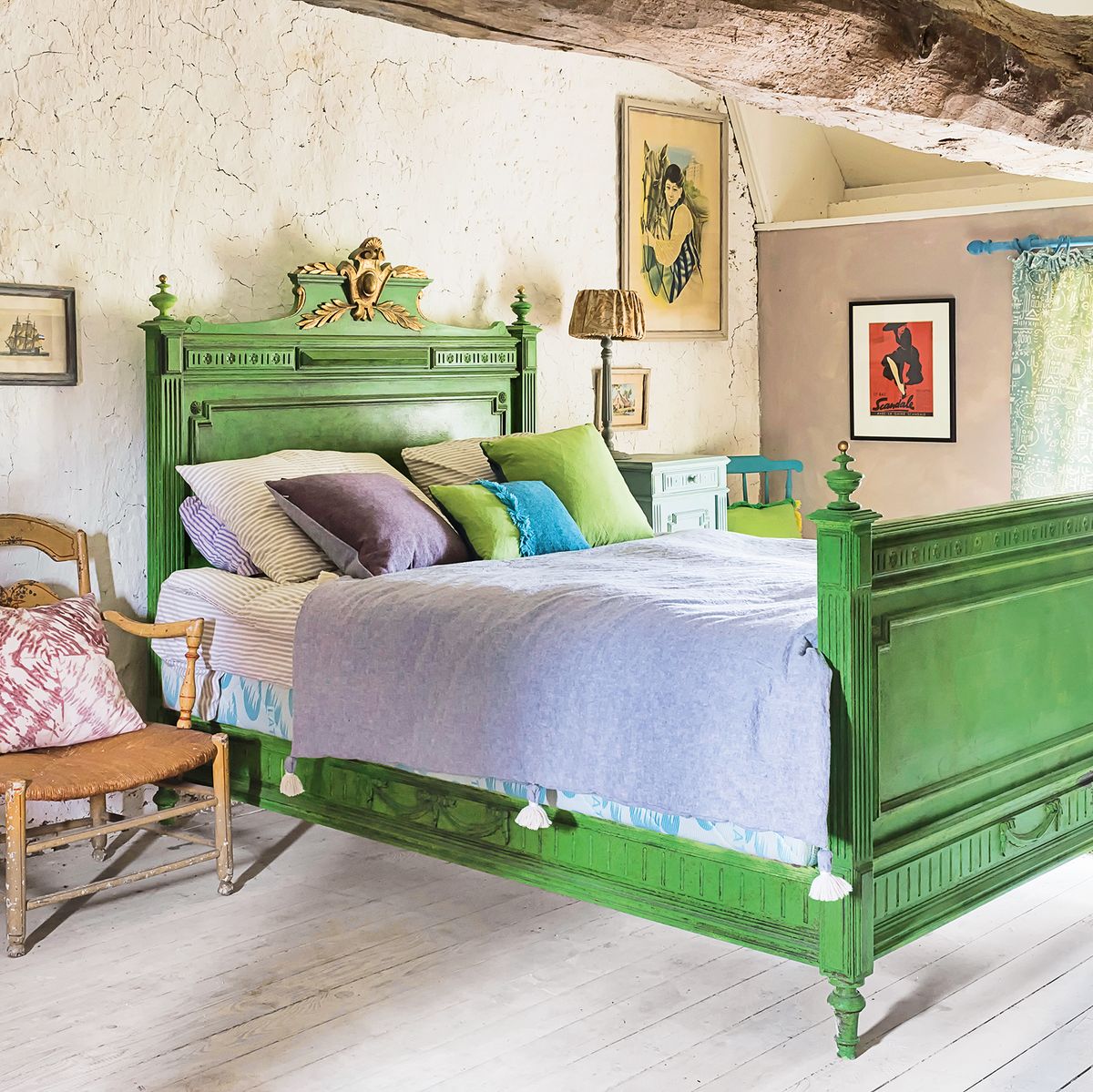
Chalk paint adheres wonderfully to a vast array of surfaces: wood, laminate, metal, even fabric. This means your tired old dresser, bedside tables, headboard, or even a forgotten armchair can all get a cohesive, beautiful new look. It’s fantastic for mixing and matching furniture styles, allowing you to unify disparate pieces with a single color or create intriguing contrasts.
Budget-Friendly Revamp
Why spend a fortune on new furniture when you can breathe new life into existing pieces? Chalk paint offers an incredibly cost-effective way to update your bedroom& ;s aesthetic. A small tin of paint can go a long way, especially on smaller items like nightstands, making a huge impact without a huge investment.
Choosing Your Palette: Key Factors for Bedroom Harmony
Selecting the perfect chalk paint color isn& ;t just about what looks pretty on a swatch. It& ;s about understanding how color interacts with your specific space. Think of your bedroom as a symphony & ; every element needs to play in harmony.
Consider Your Bedroom’s Natural Light
Natural light is the ultimate mood-setter. A north-facing room with cool, indirect light will make colors appear darker and cooler, while a south-facing room bathed in warm, direct light will brighten and warm up any shade. Test swatches on your furniture in different parts of the room throughout the day to see how the color truly behaves. Don’t skip this step & ; it’s a game-changer!
Evaluate Existing Decor and Style
Are your walls a vibrant accent or a calming neutral? What colors are in your bedding, curtains, or rug? Your chalk-painted furniture should either complement these elements or provide a deliberate, striking contrast. Think about your overall bedroom style: is it farmhouse, bohemian, modern minimalist, traditional, or something eclectic? The paint color should support and enhance this aesthetic.
Define Your Desired Mood
This is perhaps the most crucial factor for a bedroom. What do you want to feel when you& ;re in this space?
Tranquil and serene? Soft blues, greens, and muted neutrals.
Cozy and intimate? Warm greys, dusty rose, or deeper earthy tones.
Romantic and inviting? Creamy whites, soft lavenders, or gentle pastels.
Energized and inspiring (for a creative space)? Deeper blues or greens as an accent.
Your bedroom furniture colors play a huge role in shaping this emotional landscape.
Room Size Matters
In a smaller bedroom, lighter colors on furniture can make the space feel more open and airy. They reflect light, preventing the room from feeling cramped. For larger bedrooms, you have more freedom to experiment with darker or bolder shades to create intimacy, define zones, or make a dramatic statement without overwhelming the space.

The Best Chalk Paint Colors for Bedroom Furniture: A Curated Selection
Alright, let’s get specific! Here& ;s a breakdown of chalk paint color categories that shine in the bedroom, complete with ideas and practical tips.
Serene Neutrals: The Foundation of Calm
Neutrals are never boring when it comes to bedroom furniture. They are the unsung heroes that create a tranquil, timeless backdrop, allowing other elements of your decor to pop. They& ;re incredibly versatile and adapt beautifully to changing trends.
- Classic White: Crisp, clean, and bright. Perfect for a fresh, airy, minimalist, or modern farmhouse look.
- Off-White/Cream (e.g., Old White, Linen White): Softer than pure white, adding warmth and a hint of vintage charm without feeling yellow. Ideal for shabby chic or classic styles.
- Light Grey (e.g., Paris Grey, Chicago Grey): Sophisticated and calming. Can lean cool or warm depending on its undertones. A fantastic modern neutral.
- Beige/Greige (Grey-Beige): Earthy and grounding. Adds warmth without being too dark. Excellent for natural, rustic, or bohemian spaces.
| Color | Mood Evoked | Best For | Tips |
|---|---|---|---|
| Classic White | Fresh, Clean, Spacious | Small rooms, modern, minimalist, coastal styles | Pair with natural wood tones or metallic hardware for contrast. |
| Off-White/Cream | Warm, Inviting, Vintage | Traditional, shabby chic, farmhouse, cozy spaces | Soft distressing enhances the vintage feel. |
| Light Grey | Sophisticated, Calming, Modern | Contemporary, Scandinavian, industrial chic, guest rooms | Blends well with pops of bright color in textiles. |
| Beige/Greige | Earthy, Grounding, Natural | Bohemian, rustic, natural, or layered neutral schemes | Excellent base for rattan, wicker, and other natural textures. |
Soothing Cool Tones: Embrace Tranquility
Cool colors & ; blues, greens, and purples & ; are inherently calming and perfect for a bedroom designed for relaxation. They evoke feelings of peace, nature, and serenity, helping to create a truly restful environment.
- Soft Blues (e.g., Louis Blue, Duck Egg Blue): Reminiscent of the sky or gentle sea, these blues are incredibly tranquil. They can make a room feel expansive and airy.
- Gentle Greens (e.g., Olive, Pale Sage, Celadon): Bringing the outdoors in, greens are known for their restorative and balancing qualities. Think nature-inspired calm.
- Muted Lavender/Grey-Purple (e.g., Paloma): A sophisticated take on purple, offering a touch of romance and creativity without being overwhelming.
| Color | Mood Evoked | Best For | Tips |
|---|---|---|---|
| Soft Blues | Peaceful, Calm, Expansive | Coastal, classic, airy, small bedrooms that need brightening | Combine with white linens and natural wood for a refreshing feel. |
| Gentle Greens | Restorative, Natural, Balanced | Bohemian, farmhouse, botanical themes, rooms with lots of plants | Works beautifully with brass hardware and terracotta accents. |
| Muted Lavender | Romantic, Creative, Soothing | Feminine, eclectic, French country, spaces with low light | Pair with creams and soft greys to avoid overwhelming the space. |
Cozy Warm Hues: Creating an Inviting Retreat
Warm colors add a layer of comfort, intimacy, and cheer to a bedroom. While you might shy away from overly bright reds or oranges, muted, dusty versions of warm tones can create an incredibly inviting and cozy sanctuary.
- Dusty Pinks/Rose: Feminine, romantic, and gentle. Creates a soft, comforting atmosphere without being saccharine.
- Muted Terracotta/Clay: Earthy and grounding, bringing warmth and a touch of Mediterranean or bohemian flair.
- Warm Greys with Undertones: Greys with a hint of beige, brown, or even pink can offer sophisticated warmth, perfect for a subtle cozy feel.
- Soft Yellows/Creamy Gold: Use sparingly for a touch of sunshine and cheer, particularly effective in rooms that lack natural light.
| Color | Mood Evoked | Best For | Tips |
|---|---|---|---|
| Dusty Rose/Pink | Romantic, Soft, Gentle | Feminine, vintage, nurseries, creating a soft glow | Beautiful with gold accents or light wood furniture. |
| Muted Terracotta | Earthy, Grounding, Warm | Bohemian, Southwestern, rustic, sunnier rooms | Pair with deep greens or creamy whites for a balanced look. |
| Warm Greys | Sophisticated, Cozy, Inviting | Transitional, modern traditional, any space needing subtle warmth | Excellent with both warm and cool accent colors. |
Bold Accents & Deep Tones: For a Statement-Making Bedroom
Don& ;t be afraid to go dark! Deeper, richer chalk paint colors can add incredible drama, sophistication, and a sense of luxury to your bedroom. They work particularly well on a single statement piece like a dresser or headboard, acting as a powerful focal point.
- Deep Navy/Midnight Blue (e.g., Napoleonic Blue): Classic, elegant, and surprisingly calming. Creates a feeling of depth and sophistication.
- Charcoal Grey: Modern, chic, and grounding. A powerful neutral that pairs well with almost anything.
- Emerald Green/Deep Teal: Jewel tones bring opulence and a touch of the exotic. Great for creating a lush, moody vibe.
- Rich Plum/Deep Aubergine: Luxurious and mysterious, perfect for a romantic or dramatic bedroom setting.
| Color | Mood Evoked | Best For | Tips |
|---|---|---|---|
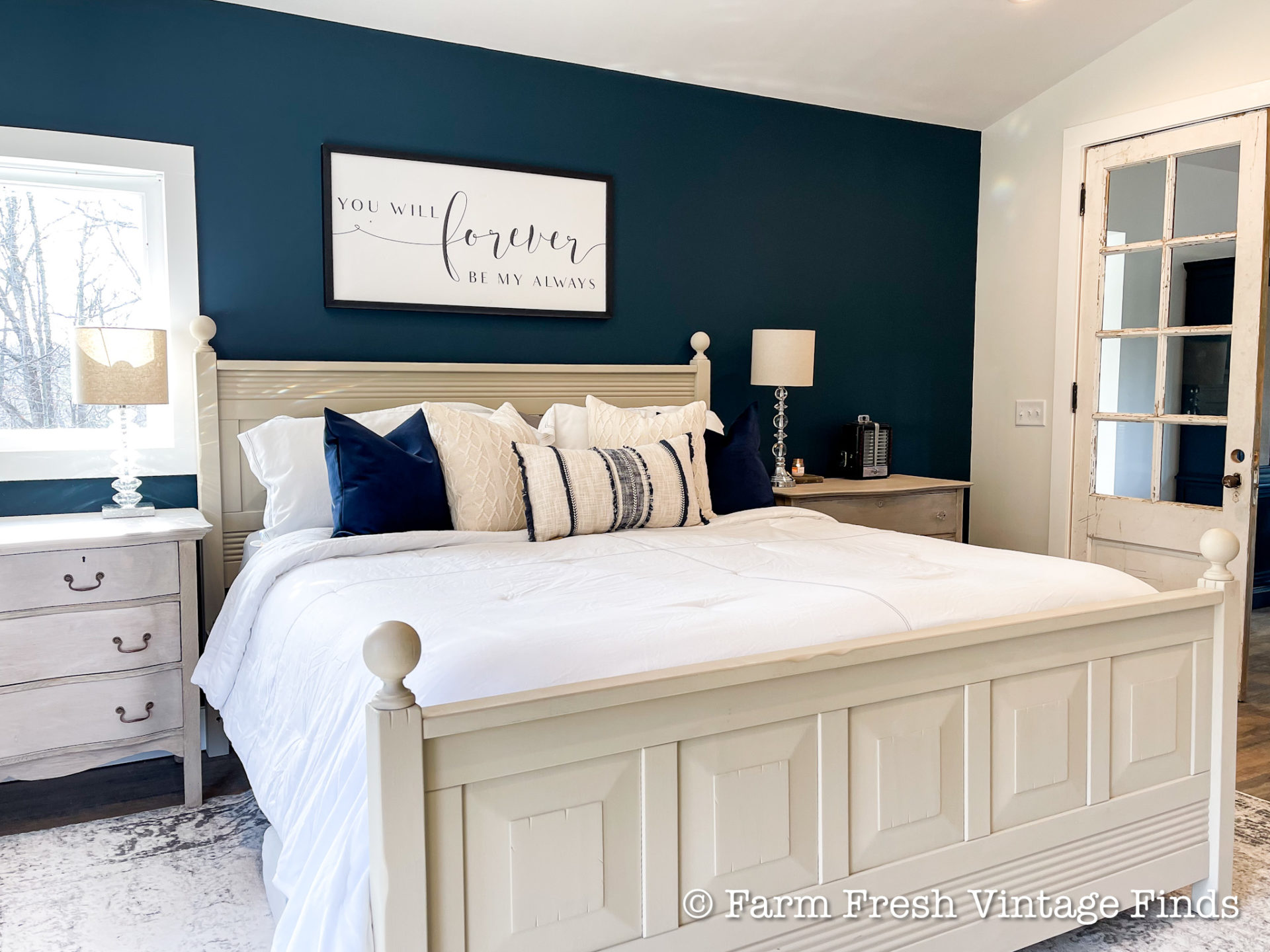
| Deep Navy Blue | Sophisticated, Calming, Luxurious | Statement pieces, traditional, masculine, nautical themes | Stunning with brass hardware or crisp white details. |
| Charcoal Grey | Modern, Grounding, Chic | Industrial, contemporary, minimalist, contrasting light walls | Pair with vibrant art or plants to keep it from feeling too stark. |
| Emerald/Deep Teal | Opulent, Moody, Rich | Eclectic, maximalist, art deco, luxurious bohemian | Looks incredible with gold or dark wood accents. |
Chalk Paint Color Combinations for Bedroom Furniture
Sometimes, one color isn’t enough! Chalk paint is fantastic for creating multi-tonal effects and unique finishes.
Two-Tone Techniques
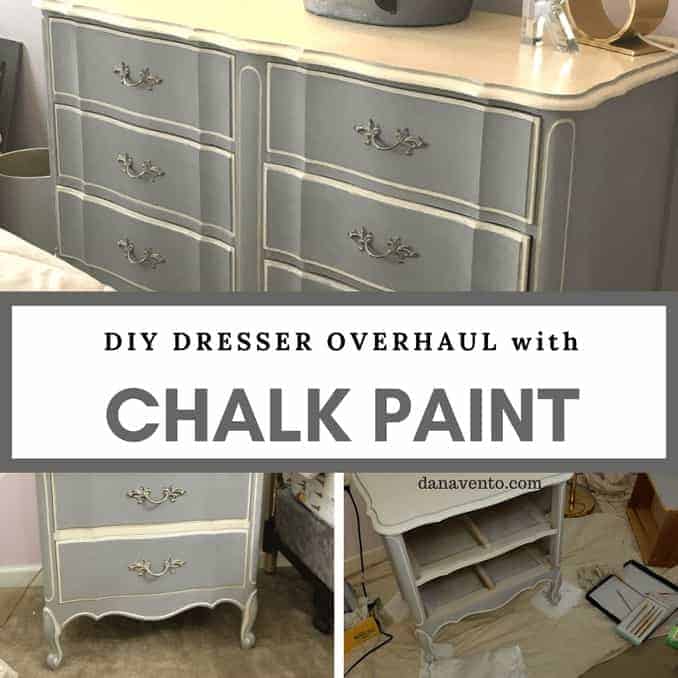
Consider painting the body of a dresser one color (e.g., a light grey) and the drawer fronts a slightly darker or complementary shade (e.g., a charcoal or muted blue). You can also paint the main piece and then use a contrasting color on detailed moldings, feet, or inside drawers for a delightful surprise. Think soft white with a pastel pink inside the drawers of a vanity.
Distressing for Shabby Chic
For that classic, charmingly aged look, distressing is key. Apply two contrasting colors, letting the bottom color show through when you lightly sand or scuff the edges and raised details. A popular combination is a darker base (like a deep blue or green) with a lighter top coat (like cream or white), then gently distressed to reveal glimpses of the undercoat. This adds depth and character, perfect for a romantic or farmhouse bedroom.
Layering Colors for Depth
Instead of full distressing, you can create subtle layers. Apply one color, let it dry, then apply a very thin, almost dry-brushed layer of a slightly different shade on top. This creates a multi-dimensional, organic finish that’s sophisticated and unique. Imagine a soft beige base with a whisper of light grey dry-brushed over it.
Beyond Color: Finishing Touches for Your Chalk Painted Furniture
The color is only part of the magic. The finishing touches are what truly elevate your chalk-painted bedroom furniture.
The Importance of Sealing
Chalk paint, while beautiful, is porous. To protect your beautiful new finish, especially on high-traffic bedroom furniture like dressers and nightstands, you must seal it.
- Clear Wax: The traditional choice, offering a soft sheen and a durable, breathable finish. It cures over several weeks and provides a lovely hand-rubbed feel. Different colored waxes (dark, white) can also be used for antiquing or liming effects.
- Clear Topcoat/Polyurethane: For surfaces that will see a lot of wear and tear (like a dresser top that holds lamps, books, and drinks), a water-based clear topcoat offers superior protection and durability. It dries harder and is often more resistant to moisture and scratches than wax alone.
Hardware Hacks
Don& ;t underestimate the power of new hardware! Swapping out old knobs and pulls for fresh, modern, or vintage-inspired ones can completely transform a piece. Gold, brass, matte black, or crystal hardware can perfectly complement your new chalk paint color and elevate the entire look. If your existing hardware is unique or good quality, consider spray painting it in a metallic finish to match your new aesthetic.

Accessorizing Your Newly Painted Pieces
Once your furniture is painted and sealed, think about what goes on and around it. Soft textiles (a beautiful runner on a dresser, a cozy throw on a chair), strategically placed lamps, a stack of art books, or a fresh vase of flowers can tie the entire look together, reinforcing the mood you& ;ve created with your chosen chalk paint colors.
Step-by-Step: Painting Your Bedroom Furniture with Chalk Paint
Ready to grab your brush? Here’s a quick run-through of the process.
Preparation is Key (But Simple!)
While sanding and priming are often optional, cleaning is not! Wipe down your furniture thoroughly with a degreaser (like TSP substitute) or mild soap and water to remove any dirt, grime, or grease. Let it dry completely. If your furniture has a very slick, glossy finish, a light scuff sanding might help with adhesion, but it’s often not strictly necessary with quality chalk paint.
Applying Your First Coat
Stir your chalk paint well. Apply thin, even coats using a good quality brush (natural bristles are often preferred for chalk paint) or a foam roller for smoother surfaces. Don’t overload your brush. The first coat will likely look streaky and uneven & ; don& ;t panic! This is normal. Let it dry completely, typically 30 minutes to an hour.
Second Coat & Touch-ups
Apply a second thin coat. This is where the magic happens, and you’ll see beautiful, opaque coverage emerge. For deeper colors or if you want a perfectly smooth, non-distressed finish, a third coat might be necessary. Allow each coat to dry fully between applications. If distressing, do it lightly after the paint is dry but before sealing, using fine-grit sandpaper.
The Waxing/Sealing Process
Once your paint is completely dry, it’s time to seal. If using wax, apply it sparingly with a wax brush or lint-free cloth, working in small sections. Wipe off any excess immediately. Repeat for a second coat if desired for added durability. If using a topcoat, follow the manufacturer’s instructions for application, typically applying thin coats with a brush or roller. Allow the wax or topcoat to fully cure before heavy use (this can take several days to weeks for wax).
Ready to Transform Your Bedroom?
Chalk paint offers an incredible opportunity to infuse your bedroom with personality, style, and the exact mood you desire. By carefully considering your room’s unique characteristics and the psychological impact of different colors, you can select shades that transform your furniture from mundane to magnificent.
Don’t be afraid to experiment! Grab some sample pots, test them in your space, and trust your instincts. The beauty of chalk paint is its forgiving nature. If you don’t love it, you can always paint over it. So go ahead, unleash your inner designer, and create the serene, stylish bedroom retreat you’ve always dreamed of. Your perfect color is waiting!
Frequently Asked Questions
Do I really not need to sand or prime before using chalk paint?
For most projects, yes, you can skip sanding and priming! Chalk paint is formulated to adhere well to many surfaces without extensive prep. However, always ensure your furniture is thoroughly cleaned and free of grease. For very slick, glossy, or heavily damaged surfaces, a light scuff sand or an initial coat of primer might improve adhesion and overall finish durability, but it’s often not strictly necessary.
How much chalk paint do I need for a dresser or bedside table?
This depends on the size of the furniture and the brand of chalk paint, as coverage varies. Generally, a small 8 oz (250 ml) pot is enough for one or two bedside tables with two coats, while a 1 liter (33.8 oz) tin can cover a large dresser or even a small chest of drawers with two coats. Always check the specific coverage instructions on your chosen paint tin, and it’s often better to have a little extra than to run out mid-project.
What’s the difference between chalk paint wax and a clear topcoat?
Chalk paint wax is the traditional sealer, providing a soft, breathable finish that cures over time (typically 3 weeks). It enhances the matte look and offers good protection against daily wear. Clear topcoats (like water-based polyurethane) offer a harder, more durable, and water-resistant finish, making them ideal for high-traffic surfaces like dresser tops. Topcoats are faster-curing but can alter the matte finish slightly, often giving a satin or semi-gloss sheen depending on the product.
How durable is chalk paint on bedroom furniture?
When properly sealed with wax or a topcoat, chalk paint is quite durable for bedroom furniture. Waxed pieces are resistant to scratches and spills but require gentle cleaning. Topcoated pieces offer superior resistance to moisture and heavy use. For areas like dresser tops that see daily items (lamps, drinks, etc.), a durable clear topcoat is often recommended for maximum longevity.
Can I use chalk paint on an existing lacquered or varnished piece?
Absolutely! Chalk paint is famous for its ability to adhere to previously finished surfaces without prior stripping or heavy sanding. Just ensure the surface is clean, dry, and free of any loose flakes. The paint will bond directly to the lacquered or varnished surface, giving it a completely new look.
How do I clean chalk painted furniture?
For waxed chalk-painted furniture, simply wipe with a damp, soft cloth. Avoid harsh chemical cleaners, as they can strip the wax. For topcoated furniture, a mild soap and water solution is usually sufficient. Always blot spills quickly to prevent staining, especially on waxed surfaces.
What kind of brush should I use for chalk paint?
A natural bristle brush is often preferred for applying chalk paint as it helps create that characteristic textured, slightly rustic finish. Round or oval brushes are popular for getting into crevices and achieving a hand-painted look. For smoother finishes, a synthetic brush or a foam roller can also be used, particularly on flat surfaces.