Bedroom Wall Color Ideas with Grey Furniture: Your Definitive Guide to a Dream Space
Ah, grey furniture. It’s the little black dress of interior design – sophisticated, versatile, and undeniably chic. But here’s the kicker: while grey offers incredible flexibility, choosing the perfect bedroom wall color to complement it can feel surprisingly daunting. You want a sanctuary, not a sterile showroom or a mismatched mess, right?
I get it. You’ve invested in that beautiful grey bed frame, dresser, or nightstands, and now you’re staring at blank walls, wondering how to translate your vision of a serene, stylish bedroom into reality. The good news? Grey is a fantastic canvas. The even better news? You’ve landed on the definitive guide to making those walls sing alongside your grey pieces. I’m going to walk you through everything, from decoding your grey’s undertones to expert tips on testing colors, ensuring you create a bedroom you absolutely love waking up in.
Ready to transform your bedroom from ‘just okay’ to ‘oh-my-gosh-I-love-it’?
Decoding Your Grey: Understanding Your Furniture’s Undertones
This is arguably the most crucial step, and it’s where many people stumble. Not all greys are created equal! Your grey furniture isn’t just ‘grey’; it has an undertone that dictates which wall colors will truly harmonize and which might clash. Ignoring this is like trying to match an outfit without knowing if your shirt is a cool blue or a warm teal – it just won’t work perfectly.
Why Undertones Matter: The Secret to Harmony
Think of undertones as the subtle colors peeking through the dominant grey. They can be blue, green, purple, or even beige and brown. Identifying your furniture’s undertone will unlock a world of complementary wall colors, ensuring your room feels cohesive and thoughtfully designed, not haphazard.
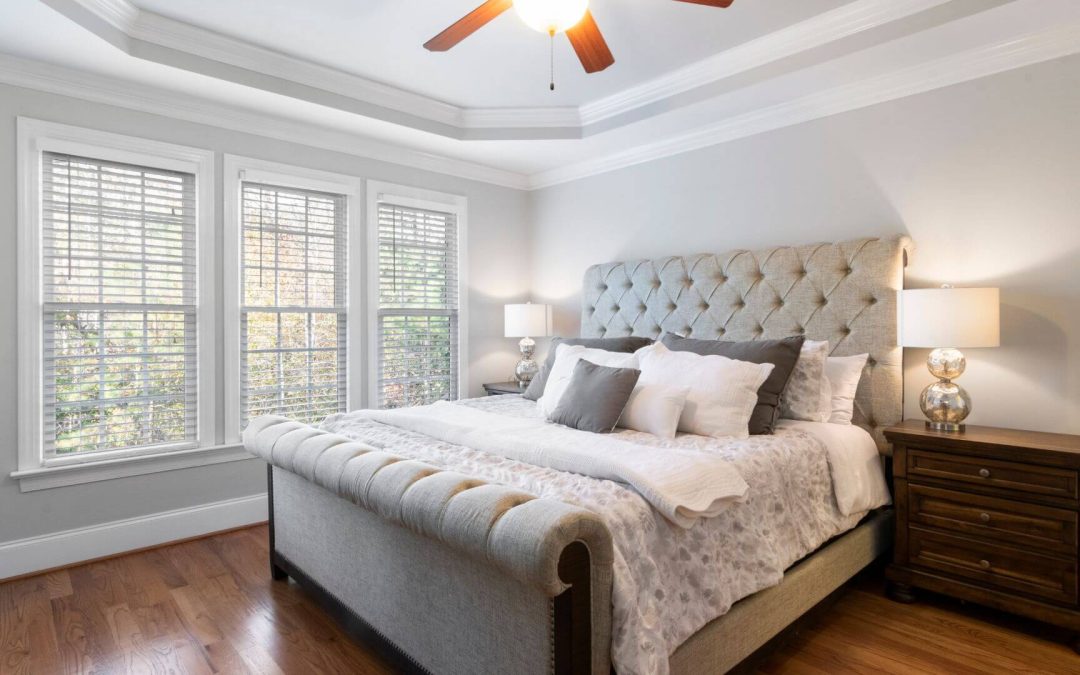
- Cool Greys: If your grey furniture leans towards blue, green, or even a hint of purple, you have a cool grey. These often feel crisp, modern, and serene.
- Warm Greys: If your grey has a subtle warmth – a whisper of beige, brown, or even a soft purple-pink – it’s a warm grey. These tend to feel cozier, more inviting, and traditional.
How to spot them: Place a pure white piece of paper next to your grey furniture. Does the grey look more bluish? Greenish? Or does it seem to have a brownish or yellowish cast? That’s your undertone!
Light vs. Dark Grey Furniture: How It Influences Paint Saturation
The depth of your grey furniture also plays a role. Lighter grey furniture often works beautifully with slightly more saturated or darker wall colors, providing a lovely contrast without overwhelming the space. On the other hand, darker grey furniture (like charcoal or deep slate) can handle lighter, airier wall colors for contrast, or lean into moody, rich hues for a dramatic, enveloping feel. It’s all about balancing the visual weight.
The Core Color Palettes: Perfect Pairings for Any Grey Furniture
Now that you’re a grey undertone expert, let’s dive into the exciting part: specific wall color palettes! I’ve broken them down into categories based on the mood and style they create, giving you a clear direction for your bedroom.
The Serene & Calming Palette: Blues, Greens, & Neutrals
If your goal is a tranquil, restful retreat, these are your go-to hues. They evoke nature, peace, and timeless elegance, making them ideal for bedrooms. These often pair exceptionally well with cool grey furniture, enhancing its crispness, but can also balance warm greys by introducing a refreshing element.
- Soft Blues (Sky, Periwinkle, Dusty Blue): Imagine sleeping under a clear sky. Blues are naturally calming and universally loved. A soft, desaturated blue prevents the room from feeling cold, instead offering a peaceful, airy atmosphere. They sing next to cool grey furniture and provide a soothing contrast to warm greys.
Expert Pick: Benjamin Moore ‘Palladian Blue’ or Sherwin-Williams ‘Sea Salt’ (leans slightly green). - Muted Greens (Sage, Olive, Mint): Connecting with nature is a powerful way to reduce stress. Sage green, with its earthy undertones, is incredibly sophisticated and works with almost any shade of grey. Mint offers a lighter, fresher take, while deeper olives bring a grounding, organic feel. Perfect for creating a sanctuary.
Expert Pick: Farrow & Ball ‘Sage Green’ or Sherwin-Williams ‘Clary Sage’. - Crisp Whites & Off-Whites: The ultimate classic. White walls with grey furniture create a fresh, bright, and endlessly versatile look. Opt for a pure white for a modern, gallery-like feel, or an off-white with warm undertones (like cream or ivory) to soften the contrast and add a touch of coziness. This pairing works with any grey furniture undertone.
Expert Pick: Benjamin Moore ‘Chantilly Lace’ (crisp) or ‘White Dove’ (soft, warm). - Greiges & Taupes: For a sophisticated, monochromatic harmony, look no further than greige (grey + beige) or taupe (grey + brown). These colors bridge the gap between cool and warm, making them incredibly adaptable. They create a seamless, envelop-like feel, especially beautiful with warm grey furniture, where they can blend almost imperceptibly.
Expert Pick: Benjamin Moore ‘Revere Pewter’ or Sherwin-Williams ‘Agreeable Gray’.
The Warm & Inviting Palette: Pinks, Terracottas, & Earth Tones
If your grey furniture feels a bit cool, or you simply crave a bedroom with inviting warmth and a touch of romance, these colors are your allies. They introduce softness and personality, making the space feel less stark and more welcoming. These are particularly stunning with cool grey furniture, as they provide a beautiful balance.
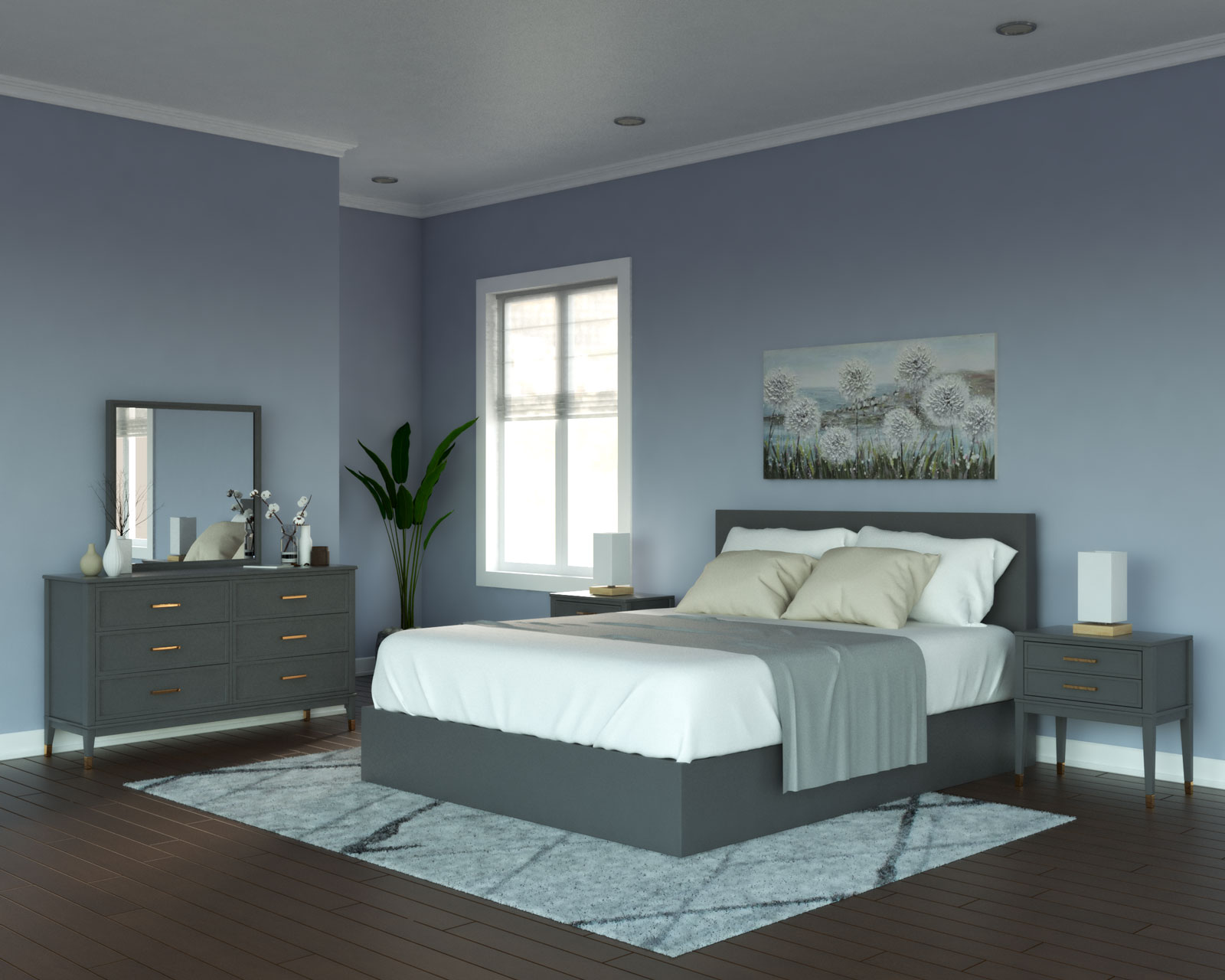
- Dusty Pinks & Blushes: Far from juvenile, muted pinks are incredibly chic and sophisticated. They add a gentle warmth, a hint of romance, and a surprisingly modern edge. A blush pink wall next to charcoal grey furniture is a match made in design heaven, creating a soft yet striking contrast.
Expert Pick: Farrow & Ball ‘Pink Ground’ or Sherwin-Williams ‘Exquisite Pink’. - Warm Neutrals (Beige, Cream, Sand): These foundational colors bring an undeniable coziness and timeless elegance. They’re perfect for softening cool grey furniture or enhancing the existing warmth of a warm grey. Think of creamy lattes and sun-drenched beaches – instantly relaxing.
Expert Pick: Benjamin Moore ‘Muslin’ or Sherwin-Williams ‘Accessible Beige’. - Terracotta & Rust (Subtle Accents): While perhaps too bold for an entire bedroom, softer, desaturated terracotta or rust tones can be phenomenal on an accent wall, especially with light grey furniture. They inject an organic, earthy warmth and depth that feels sophisticated and unexpected.
The Bold & Dramatic Palette: Deep Tones & Jewel Hues
For those who aren’t afraid to make a statement, these rich, deep colors create an atmosphere of luxury, moodiness, and high style. They are incredibly impactful and can transform a bedroom into a dramatic, enveloping retreat. These often work best with lighter grey furniture to provide a striking contrast, or with darker grey furniture for a deeply monochromatic, luxurious feel.
- Charcoal & Deep Greys: Embrace the grey! Painting your walls a darker shade of grey than your furniture (or even the same shade for an enveloping feel) creates a sophisticated, moody, and very modern look. This works exceptionally well in bedrooms where you want a cozy, cave-like sleep environment. Pair with crisp white trim for definition.
Expert Pick: Benjamin Moore ‘Kendall Charcoal’ or Farrow & Ball ‘Down Pipe’. - Navy Blues & Deep Teal: Rich and opulent, navy blue walls with grey furniture exude a classic, strong aesthetic. Deep teal offers a more adventurous, jewel-toned depth. Both create a feeling of calm authority and luxury, especially striking with light to medium grey furniture.
Expert Pick: Benjamin Moore ‘Hale Navy’ or Sherwin-Williams ‘Indigo Batik’. - Emerald Greens: Luxurious and vibrant, emerald green makes a powerful statement. While bold, in a bedroom, it can feel regal and enveloping. This works beautifully as an accent wall or in a room with abundant natural light, paired with light grey or warm grey furniture to balance the intensity.
Expert Pick: Benjamin Moore ‘Forest Green’ or Sherwin-Williams ‘Evergreen Fog’ (softer). - Dark Plums & Berries: For a truly romantic and opulent bedroom, deep plum or berry tones can be breathtaking. They are rich, warm, and unexpected, creating a luxurious and intimate atmosphere. Best paired with lighter, cool grey furniture to allow the wall color to truly pop.
Expert Pick: Farrow & Ball ‘Brinjal’ or Sherwin-Williams ‘Elderberry’.
The Bright & Energetic Palette: Yellows & Corals (Accent Focus)
While often used with caution in bedrooms, specific bright hues can bring a joyful, uplifting energy. I generally recommend these for accent walls or in very desaturated forms to maintain a restful atmosphere. They can be wonderful for injecting personality and warmth, especially with cooler grey furniture.
- Soft Golds & Muted Yellows: A creamy, desaturated yellow or a soft, buttery gold can bring warmth and sunshine into a room. Avoid anything too bright or primary, which can be overstimulating. These shades are best as an accent or in smaller doses, particularly with cool, dark grey furniture to provide a cheerful contrast.
Expert Pick: Benjamin Moore ‘Hawthorne Yellow’ (historic, soft) or Sherwin-Williams ‘Butter Up’. - Coral & Peach (Subtle Touches): If you love vibrancy, a muted coral or soft peach can be incredibly playful and warm. It’s an optimistic color that pairs surprisingly well with grey, adding a touch of modern femininity or tropical zest. Again, consider this for an accent wall or in very light, desaturated forms.
Expert Pick: Sherwin-Williams ‘Coral Reef’ (in a lighter tint) or ‘Demure Peach’.
To help visualize these pairings, here’s a quick comparison:
| Palette Name | Key Colors | Ideal Mood | Best with Grey Undertone | Key Takeaway |
|---|---|---|---|---|
| Serene & Calming | Soft Blues, Muted Greens, Whites, Greiges | Tranquil, Restful, Airy | Cool & Warm Greys | Timeless peace, versatile pairings. |
| Warm & Inviting | Dusty Pinks, Warm Neutrals, Terracottas | Cozy, Romantic, Harmonious | Cool Greys (for balance), Warm Greys (for enhanced warmth) | Adds softness and depth, prevents sterility. |
| Bold & Dramatic | Charcoal, Navy, Deep Teal, Emerald, Dark Plum | Luxurious, Sophisticated, Enveloping | Light Greys (for contrast), Dark Greys (for monochromatic drama) | Creates a statement, intimate and chic. |
| Bright & Energetic | Soft Golds, Muted Yellows, Peach, Coral | Uplifting, Cheerful, Playful | Cool Greys | Best for accents or very desaturated versions; adds vibrancy. |
Beyond Color: Factors to Consider for Your Bedroom Sanctuary
Choosing a wall color isn’t just about what looks good on a swatch; it’s about how that color interacts with the entire environment of your bedroom. These often-overlooked factors can make or break your final decision.
Natural Light (Orientation): The Game Changer
The direction your bedroom window faces dramatically impacts how paint colors appear throughout the day. This is a HUGE factor!
:max_bytes(150000):strip_icc()/MaryPatton_Lupton-16-4552f4762d9e43fe9868882545f655d6.jpeg "15 Best Gray Bedroom Color Schemes and Design Ideas")
- North-Facing Rooms: Receive indirect, cool light. Colors can appear darker and more muted. Embrace warm tones (pinks, creams, soft yellows) to counteract the coolness, or lean into cool blues/greens for a sophisticated, icy feel.
- South-Facing Rooms: Bathed in warm, bright light all day. Almost any color works here! Cool tones (blues, greens) can feel refreshing, while warm tones will glow.
- East-Facing Rooms: Get bright, warm morning light, then cooler light for the rest of the day. Warm colors will feel cheerful in the morning; cool colors will offer calm in the afternoon. Consider how you use the room most.
- West-Facing Rooms: Receive warm, intense afternoon light. Cool tones can help balance the warmth, or you can amplify the sunset glow with warm colors.
Room Size & Ceiling Height: How Colors Impact Perception
- Small Rooms: Lighter colors tend to make a space feel larger and more open. If you want to go dark in a small room, embrace it! A deep, moody color can make a small room feel cozy and intimate, like a luxurious jewel box.
- Large Rooms: Can handle deeper, more saturated colors without feeling overwhelmed. Lighter colors will make a large room feel even more expansive.
- Low Ceilings: Painting the ceiling a lighter color than the walls (or a crisp white) can visually lift it.
- High Ceilings: Consider painting the ceiling the same color as the walls for an enveloping effect, or a slightly darker shade to bring it down visually.
Desired Mood & Style: What’s Your Bedroom Vibe?
Your wall color is a major player in setting the overall mood and style of your bedroom. Think about the feeling you want to evoke:
- Modern/Minimalist: Crisp whites, light greys, muted blues.
- Farmhouse/Rustic: Warm whites, greiges, sage greens.
- Scandinavian: Pure whites, light blues, very pale greys.
- Boho/Eclectic: Earthy greens, soft pinks, warm neutrals with vibrant accents.
- Glam/Luxurious: Deep navies, emeralds, charcoals, rich plums.
Existing Elements: Flooring, Trim, Bedding, Artwork
Don’t just think about the walls and furniture in isolation. Your wall color needs to play nicely with everything else already in the room:
- Flooring: Light wood, dark wood, carpet, or tiles all have their own tones.
- Trim & Doors: White trim offers crisp contrast; off-white softens it. You can even paint trim the same color as the walls for a seamless, modern look.
- Bedding & Textiles: These are key! Use your duvet, pillows, and curtains to pull in accent colors or reinforce your chosen palette.
- Artwork & Decor: If you have a favorite piece of art, consider pulling a color from it for your walls.
Paint Finish Matters: Matte, Eggshell, Satin, Semi-Gloss
The sheen of your paint isn’t just about durability; it significantly impacts how the color appears.
- Matte/Flat: Hides imperfections, provides a soft, sophisticated look. Best for ceilings and low-traffic areas like bedrooms. Can be harder to clean.
- Eggshell/Satin: Most popular for walls. Offers a subtle sheen, more durable and easier to clean than flat. Great balance of look and function.
- Semi-Gloss/Gloss: Highly durable, reflective, and easy to clean. Best for trim, doors, and furniture. Not typically used for entire walls in a bedroom as the high sheen can be too distracting.
Expert Tips for Choosing & Testing Your Perfect Wall Color
You’ve got the theory, now let’s talk practical application. Avoid common pitfalls and ensure you absolutely love your final choice.
The Power of Swatches: Don’t Skip This Step!
Please, I beg you, do not pick a color from a tiny paint chip and commit to painting your entire room. Paint chips are misleading!
:strip_icc()/bhg-gray-bed-printed-rug-red-1900_BHG_Johnson_702-da0b6abcc6ec41ffadec0c6773b9bf0b.jpg "37 Gray Bedroom Ideas for a Relaxing Retreat")
- Buy sample pots: Get 3-5 of your top contenders.
- Paint large swatches: Paint at least 1×1 foot squares on at least two different walls (ideally, one with more light, one with less).
- Observe throughout the day: See how the color changes in natural light, artificial light, morning, afternoon, and evening.
- Compare with furniture: Place a piece of your grey furniture or a swatch of its fabric directly next to the painted samples.
Observe Throughout the Day: Light Changes Everything
Seriously, this is critical. A color that looks gorgeous at noon might appear completely different under your bedside lamp or in the early morning light. Live with your swatches for a few days to truly understand their chameleon nature.
Consider the ‘Fifth Wall’: Ceiling Color
Often overlooked, the ceiling is a huge surface area! While white is the default, consider:
- Lighter tint of your wall color: For a seamless, sophisticated look.
- Pale blue: Can mimic the sky, making the room feel open and airy.
- Same color as the walls: Creates a cozy, enveloping, and dramatic ‘box’ effect, especially striking in darker hues.
Accent Walls & Color Blocking: Strategic Use of Bold Choices
If a bold color feels too overwhelming for an entire room, an accent wall is your best friend. Typically, the wall behind the bed is the prime candidate. You can also experiment with color blocking – painting a portion of a wall or creating geometric shapes to add visual interest without full commitment.
Bringing it All Together: Bedding, Art & Accessories
Wall color and furniture are the foundation, but bedding, curtains, rugs, artwork, and decorative objects are the finishing touches that bring the room to life. Use them to:
- Reinforce your palette: Echo your wall color in throw pillows or a blanket.
- Introduce accent colors: Add pops of complementary or contrasting hues in smaller doses (e.g., mustard yellow throw with a blue wall).
- Add texture: Different textures (linen, velvet, knits) add depth and warmth, preventing the room from feeling flat.
Common Mistakes to Avoid
- Ignoring undertones: This is the biggest one! A cool blue-grey wall with warm beige-grey furniture can look ‘off’.
- Choosing paint from a tiny chip: As mentioned, samples are non-negotiable.
- Not considering artificial light: Different light bulb temperatures (warm white vs. cool white) affect how colors appear.
- Over-saturating a small room: Unless aiming for a deliberate jewel-box effect, very dark or bright colors can shrink a small space.
- Forgetting the ‘rest of the house’: While bedrooms can be distinct, ensure there’s still a cohesive flow with adjacent spaces.
My Top 5 ‘No-Fail’ Wall Color Recommendations for Grey Furniture
To give you a head start, here are my personal top picks that almost always look fantastic with grey furniture, regardless of its specific undertone, offering universally appealing vibes.

- Classic White/Off-White: You simply can’t go wrong. A crisp white like Benjamin Moore ‘Chantilly Lace’ creates an effortlessly modern and bright space, allowing your grey furniture to be the star. For a softer touch, an off-white like Sherwin-Williams ‘Alabaster’ adds subtle warmth and coziness without losing brightness.
Why it works: Provides a clean, fresh backdrop that highlights the grey, making the room feel larger and airier. It’s truly timeless. - Serene Sage Green: This muted, earthy green, like Benjamin Moore ‘Sage Mountain’ or Sherwin-Williams ‘Evergreen Fog’, is a marvel of versatility. It’s calming, organic, and sophisticated. It beautifully complements both cool and warm greys by introducing a natural, grounding element.
Why it works: Brings a touch of nature indoors, promoting relaxation and well-being. It’s subtle enough for a bedroom but rich enough to feel intentional. - Tranquil Dusty Blue: Think of a clear, slightly hazy sky. A soft, desaturated blue such as Farrow & Ball ‘Light Blue’ or Sherwin-Williams ‘Upward’ (their 2024 color of the year!) creates an incredibly peaceful and airy atmosphere. It works particularly well with cool grey furniture for a monochromatic blend or provides a gentle, refreshing contrast to warm grey furniture.
Why it works: Blues are universally associated with calm and serenity, making them perfect for a restful sleep space. Dusty blues avoid feeling childish or overly cold. - Sophisticated Greige/Taupe: For a nuanced, enveloping look that feels incredibly chic, a greige like Benjamin Moore ‘Revere Pewter’ or Sherwin-Williams ‘Agreeable Gray’ is stellar. These colors sit perfectly between grey and beige, offering warmth without being overtly brown, and coolness without being stark. They create a seamless, cohesive backdrop for most grey furniture.
Why it works: Offers subtle depth and warmth, creating a sophisticated, tailored feel. It’s a ‘chameleon’ color that adapts beautifully to different lighting and styles. - Subtle Blush Pink: Don’t let misconceptions about pink deter you! A sophisticated, desaturated blush pink, like Benjamin Moore ‘First Light’ or Farrow & Ball ‘Calamine’, is incredibly soft, inviting, and modern. It adds a gentle warmth and a touch of romance, making it particularly stunning with darker, cool grey furniture for a beautiful contrast.
Why it works: Introduces softness and femininity without being overtly ‘girly’. It’s unexpectedly chic and creates a very cozy, intimate ambiance.
Choosing the right wall color for your bedroom with grey furniture is an art, but it doesn’t have to be a struggle. By understanding your grey, considering the mood you want to create, and thoughtfully testing your options, you’re well on your way to designing a space that’s not just beautiful, but perfectly reflects your style and promotes ultimate relaxation. Happy painting!
Frequently Asked Questions
How do I know if my grey furniture is cool or warm?
To determine your grey furniture’s undertone, place a sheet of pure white paper next to it. If the grey appears to have hints of blue, green, or purple, it’s a cool grey. If it looks more like it has beige, brown, or subtle pink/yellow hues, it’s a warm grey. This simple trick helps you choose complementary wall colors.
Can I use dark wall colors with dark grey furniture?
Absolutely! Using dark wall colors with dark grey furniture can create a incredibly sophisticated, moody, and intimate ‘jewel box’ effect in a bedroom. This works best in rooms with ample natural light or if you desire a truly cozy, enveloping sanctuary. Contrast with light bedding and accents to prevent the room from feeling too heavy.
What paint finish is best for a bedroom?
For bedroom walls, a matte or eggshell finish is generally recommended. Matte (or flat) paint hides imperfections beautifully and offers a soft, non-reflective look, perfect for creating a serene atmosphere. Eggshell provides a slightly more durable and washable surface with a subtle sheen, making it a popular choice for most bedrooms.
How can I brighten a room with dark grey furniture?
To brighten a room with dark grey furniture, choose light and airy wall colors like crisp whites, soft off-whites, pale blues, or light sage greens. Incorporate reflective surfaces (mirrors), metallic accents, ample lighting (both natural and artificial), and light-colored bedding and curtains to visually expand the space and counteract the darkness of the furniture.
Should my accent wall be lighter or darker than the main walls?
An accent wall can be either lighter or darker, depending on the effect you want to achieve. A darker accent wall provides drama and depth, making a statement. A lighter accent wall can highlight a feature (like a bed) while keeping the overall room feeling brighter and more spacious. The key is that it contrasts noticeably with the main walls to draw attention.
Is grey furniture going out of style?
While design trends evolve, grey furniture is considered a timeless neutral and is unlikely to go completely ‘out of style.’ Its versatility allows it to adapt to various aesthetics, from modern to classic. Newer trends might see warmer greys or greiges gaining popularity, but classic cool and charcoal greys remain a strong, sophisticated choice for many years to come.
What role does natural light play in choosing a wall color?
Natural light is a critical factor. North-facing rooms receive cooler, indirect light, making colors appear darker. South-facing rooms get bright, warm light, allowing most colors to flourish. East-facing rooms are brightest in the morning, while west-facing rooms receive warm afternoon light. Always test paint swatches in your room at different times of day to see how the light transforms the color.