The Definitive Guide to Choosing the Best Paint Color for Your Dining Room with Cherry Furniture
Staring at your gorgeous cherry dining room furniture, you know it brings warmth and classic elegance to your home. But then you look at your walls, and suddenly, the perfect paint color feels like an impossible puzzle. Cherry wood, with its rich, reddish-brown tones, is both a blessing and a challenge. It commands attention, setting a luxurious foundation, but finding a wall color that complements it without clashing or making the room feel heavy? That’s where many people stumble.
You want a dining room that feels inviting, sophisticated, and distinctly you. You don’t want a color that makes your cherished cherry pieces look dated or dull. The good news? You absolutely can achieve that perfect harmony. This guide will cut through the noise, offering clear, actionable advice and specific paint color recommendations to transform your dining space from simply functional to truly breathtaking.
Decoding Cherry Wood: Understanding Its Undertones and Character
Before we dive into color swatches, let’s understand your star player: cherry wood. It’s not just “brown.” Cherry is known for its:
- Warmth: It inherently carries significant warm undertones.
- Reddish Hues: Often ranging from a deep reddish-brown to a lighter, almost golden-red. These red notes are crucial for color pairing.
- Aging Process: Cherry darkens beautifully over time, deepening in richness and character.
- Grain: A relatively fine, uniform grain, which contributes to its polished look.
The goal isn’t to fight the cherry’s natural warmth or make it disappear. Instead, we want to select a paint color that either enhances its richness, cools its intensity, or provides a balanced backdrop, allowing the furniture to truly shine. Think of it as a dance partner – some colors will lead, some will follow, but all should move together gracefully.
Your Dining Room’s Personality: What Mood Are You Crafting?
Your dining room isn’t just where you eat; it’s where memories are made. Are you hosting grand dinner parties or enjoying intimate family meals? The mood you want to create heavily influences your color choice.
Formal & Elegant: Rich, Deep Tones
For a sophisticated, traditional dining experience, lean into colors that exude luxury. Think deep, saturated hues that create a sense of grandeur and intimacy, perfect for evening entertaining.
Bright & Airy: Lighter, Reflective Hues
If you prefer a more open, spacious, and perhaps slightly less formal feel, lighter colors will be your friend. They reflect light, making the room feel larger and fresher, while still allowing the cherry to stand out.
Cozy & Intimate: Muted, Earthy Options
To create a comforting, welcoming ambiance – a place where conversations linger – consider muted, earthy tones. These colors feel grounded and harmonious, complementing the natural origins of the wood.
Modern & Fresh: Unexpected Pairings
Don’t be afraid to break from tradition. Modern design often uses color to create striking contrasts or subtle sophistication. Think cool tones to balance cherry’s warmth or unique, unexpected hues for a contemporary twist.
The Top Paint Colors That Harmonize with Cherry Furniture
Here’s where we get specific. These are the color families that consistently perform beautifully with cherry wood, along with actual paint examples to get you started.
1. Sophisticated Neutrals: The Timeless Foundation
Neutrals are never boring when chosen correctly. They provide a calm, elegant backdrop that lets your cherry furniture be the star, preventing the room from feeling overwhelmed. The key is to select neutrals with warm undertones.
- Greige: A beautiful blend of gray and beige, greige offers the sophistication of gray with the warmth of beige. It’s incredibly versatile.
- Paint Examples: Benjamin Moore Revere Pewter HC-172 (a classic balance of warm and cool), Sherwin-Williams Agreeable Gray SW 7029 (a very popular, well-balanced greige).
- Warm Whites & Creams: Far from stark, these whites have subtle yellow, brown, or pink undertones that prevent them from looking cold. They bring brightness and an airy feel.
- Paint Examples: Benjamin Moore Simply White OC-117 (a clean, warm white), Sherwin-Williams Alabaster SW 7008 (a soft, warm, off-white).
- Taupe: A deep, brownish-gray that’s rich and inviting. It’s perfect for creating a cozy, enveloping atmosphere.
- Paint Examples: Benjamin Moore Edgecomb Gray HC-173 (a light, warm greige that leans taupe), Farrow & Ball Skimming Stone No. 241 (a soft, light taupe).
2. Earthy Greens: Nature’s Perfect Complement
Green is directly opposite red on the color wheel, making it a natural complementary color for cherry. It cools down the red tones of the wood, creating a balanced and naturally serene environment. Earthy greens are particularly stunning.
- Sage Green: Muted and sophisticated, sage green brings a tranquil, spa-like feel. It’s subtle enough not to compete but strong enough to make a statement.
- Paint Examples: Sherwin-Williams Clary Sage SW 6178, Benjamin Moore October Mist 1495 (their Color of the Year 2022, a gentle, earthy green).
- Deep Forest Green: For a truly dramatic and luxurious dining room, a rich, dark forest green can be absolutely captivating. It evokes old-world charm and depth.
- Paint Examples: Benjamin Moore Salamander 2050-10, Farrow & Ball Studio Green No. 93.
- Moss Green: A slightly lighter, more vibrant green than forest green, but still grounded in earthy tones.
- Paint Examples: Sherwin-Williams Evergreen Fog SW 9130, Benjamin Moore Peale Green HC-121.
3. Serene Blues: Cooling the Warmth
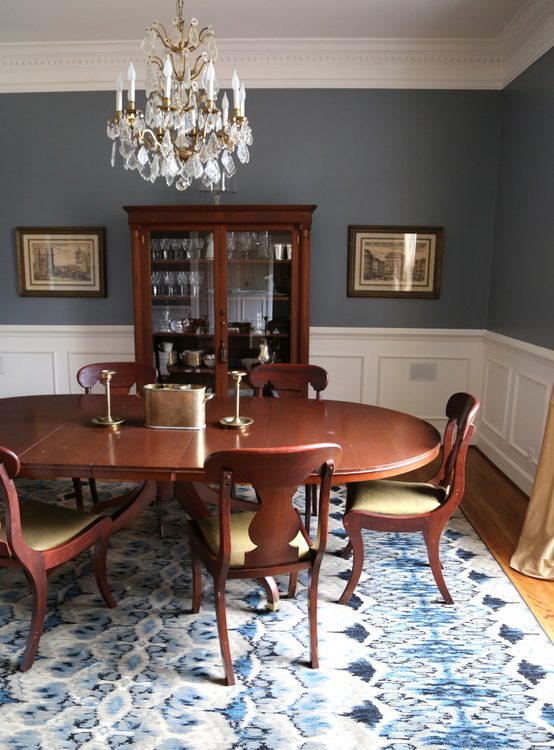
Blues, especially those with gray undertones, are excellent for creating a sophisticated contrast with cherry wood. They introduce a calming coolness that beautifully offsets the wood’s inherent warmth, providing a fresh and elegant backdrop.
- Dusty Blue/Slate Blue: These muted blues are neither too bright nor too dark. They offer a refined, airy quality that feels both classic and contemporary.
- Paint Examples: Benjamin Moore Palladian Blue HC-144 (a light, airy blue-green-gray), Sherwin-Williams Misty SW 6232.
- Navy Blue: For a bold, dramatic, and utterly sophisticated dining room, navy blue is a showstopper. It makes cherry furniture pop and feels incredibly luxurious, especially in rooms with good natural light.
- Paint Examples: Benjamin Moore Hale Navy HC-154 (a perennial favorite), Sherwin-Williams Naval SW 6244.
- Teal: A vibrant blend of blue and green, teal can introduce a touch of exoticism and modern flair while still providing a cool contrast to the cherry.
- Paint Examples: Sherwin-Williams Aegean Blue SW 9138, Benjamin Moore Newburg Green HC-158.
4. Rich Grays: Modern Elegance with a Hint of Warmth
While some grays can be too cool, specific warm grays can create a stunning, contemporary look with cherry furniture. The trick is to ensure the gray has discernable brown, greige, or even green undertones to avoid clashing with the cherry’s warmth.
- Warm Gray: These grays lean more towards greige or have subtle brown or purple undertones. They offer a modern alternative to traditional beige while maintaining warmth.
- Paint Examples: Benjamin Moore Classic Gray OC-23 (a light, warm gray that never feels cold), Sherwin-Williams Repose Gray SW 7015 (a versatile gray with warm undertones).
- Charcoal Gray: For a truly bold and dramatic statement, especially in a spacious dining room, a deep charcoal gray creates an incredibly chic and sophisticated atmosphere. It allows the cherry to glow with a powerful contrast.
- Paint Examples: Benjamin Moore Kendall Charcoal HC-166, Sherwin-Williams Peppercorn SW 7674.
5. Muted Reds/Burgundies: Leaning into Luxury
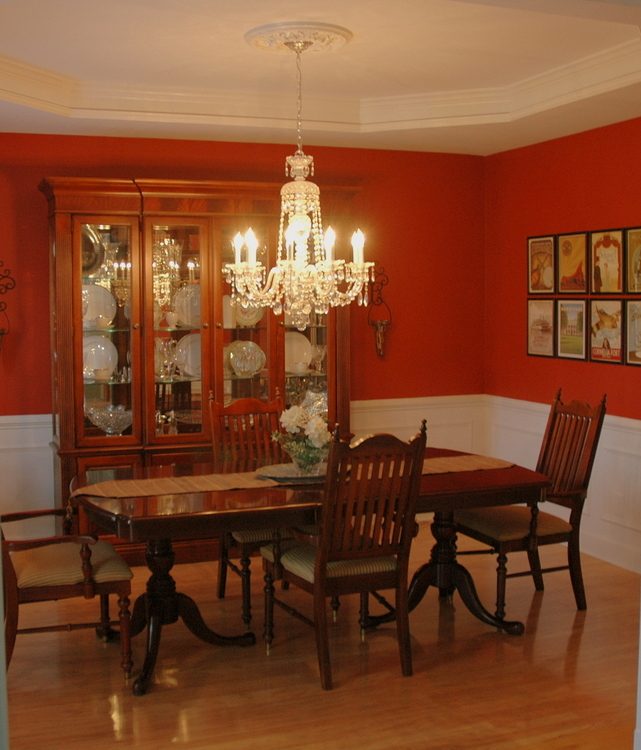
This is for the brave and those who adore a truly opulent, traditional dining room. An analogous color scheme, using shades of red or burgundy, can create a deeply saturated, incredibly cozy, and luxurious space. The key is to choose muted, historical versions rather than bright, primary reds.
- Deep Berry Tones: Think rich cranberry, claret, or deep plum. These colors share undertones with cherry wood, creating a seamless, enveloping feel.
- Paint Examples: Benjamin Moore Dinner Party AF-300, Sherwin-Williams Raisin SW 7630.
- Terra Cotta: An earthy, brownish-red that brings warmth and a Mediterranean or Southwestern vibe. It’s less formal than deep berry but equally inviting.
- Paint Examples: Benjamin Moore Adobe Orange 2171-10 (more orange, but has the earthy feel), Sherwin-Williams Spiced Cider SW 7701.
6. Unexpected Pops: For the Bold & Unique
If you’re looking to infuse personality and a curated feel, consider these less conventional but equally impactful choices:
- Soft Gold/Mustard: A sophisticated mustard or deep gold can bring out the golden undertones in some cherry wood, creating a rich, old-world glamour. Best used in rooms with ample natural light or as an accent.
- Paint Examples: Benjamin Moore Honeycomb 2154-40, Sherwin-Williams Fun Yellow SW 6902 (use sparingly or as an accent).
- Deep Plum: Similar to deep berry tones but with a stronger purple influence, plum can be incredibly chic and dramatic. It’s luxurious and pairs beautifully with the brown and red notes in cherry.
- Paint Examples: Benjamin Moore Dark Plum 2073-10, Sherwin-Williams Plum Dandy SW 6271.
Navigating Your Dining Room’s Unique Challenges
Every dining room is different. Consider these factors before making your final decision.
Small Rooms
In a smaller dining room, light-reflective colors are usually your best bet. Warm whites, light greiges, or pale blues can make the space feel larger and airier. If you choose a darker color, embrace it fully to create a dramatic, jewel-box effect rather than just a cramped feeling.
Low Light
Dining rooms with minimal natural light present a unique opportunity. You can either:
- Amplify Light: Go for very light, reflective colors (like warm whites) to bounce what little light there is.
- Embrace the Mood: Lean into the darkness with deep, moody hues (like forest green, navy, or charcoal). These colors create an incredibly intimate and sophisticated ambiance, especially when paired with good artificial lighting. Avoid dull mid-tones, which can make a low-light room feel drab.
Open Concept
If your dining room flows into another space, consider how the colors transition. You might opt for a harmonious neutral throughout and use the dining room’s color as a subtle accent, or select a color that complements the adjacent room’s palette. Ensure there’s a visual break or a natural point for the color change.
Formal vs. Casual Dining
A formal dining room often suits deeper, richer, more saturated colors or crisp, elegant neutrals. A casual dining space might be better served by lighter, airier colors, or more vibrant, earthy tones that feel relaxed and welcoming.
The Cherry Furniture Paint Color Decision Matrix
Use this table to quickly narrow down your options based on your desired aesthetic and room conditions. Remember, these are starting points – your personal taste is the ultimate guide!
| Desired Mood | Room Size | Light Conditions | Recommended Color Family | Specific Paint Examples |
|---|---|---|---|---|
| Formal & Elegant | Medium to Large | Any (especially effective with artificial light) | Deep Greens, Navy Blue, Muted Berry/Plum, Charcoal Gray | BM Salamander, SW Naval, BM Dinner Party, SW Peppercorn |
| Bright & Airy | Small to Large | Good Natural Light | Warm Whites, Light Greige, Dusty Blue, Pale Sage | BM Simply White, SW Agreeable Gray, BM Palladian Blue, SW Clary Sage |
| Cozy & Intimate | Small to Medium | Low to Medium Light | Taupe, Muted Moss Green, Warm Gray, Terra Cotta | BM Edgecomb Gray, SW Evergreen Fog, BM Classic Gray, SW Spiced Cider |
| Modern & Fresh | Medium to Large | Good Natural Light | Teal, Warm Gray (with green/blue undertones), Deep Plum | SW Aegean Blue, SW Repose Gray, BM Dark Plum |
Common Mistakes to Avoid When Pairing Paint with Cherry Furniture
You’re armed with great options, but knowing what to steer clear of is just as important:
- Ignoring Undertones: This is the biggest pitfall. A gray with strong blue undertones might clash with cherry’s warmth, making both feel ‘off.’ Always consider the warm/cool balance.
- Too Much Competing Red/Orange: While some analogous reds work, a bright, primary red or orange wall can make cherry furniture disappear or create an overly aggressive, overwhelming space.
- Stark, Cold Whites: Pure, cool whites can make cherry wood look harsher and create a cold, unwelcoming dining room. Always opt for whites with warm undertones.
- Overly Vibrant, Distracting Colors: Your dining room should feel cohesive. Avoid overly saturated or neon colors that draw attention away from your beautiful furniture and create visual chaos.
- Going Too ‘Matchy-Matchy’: Don’t try to find a paint color that exactly matches the cherry wood. This usually flattens the space and makes the furniture blend in rather than stand out.
Beyond the Walls: Harmonizing Your Dining Room Decor
Paint is a huge step, but remember that your dining room is a symphony of elements. Consider how these complement your cherry furniture and new wall color:
:max_bytes(150000):strip_icc()/24Dining-c5f53fc7a5be48cc963f618a367f6ad2.jpg "What Color Paint Goes With Cherry Wood?")
- Area Rugs: A rug can anchor the room, define the dining area, and introduce additional texture and color. Choose a rug that echoes your wall color or introduces a complementary pattern.
- Curtains/Drapery: Fabrics add softness and can layer in more color or pattern. Look for textiles that align with your chosen mood – rich velvets for formality, sheer linens for airiness.
- Lighting Fixtures: Good lighting is essential, especially with dark furniture. Consider a statement chandelier. Metals like brass, bronze, or wrought iron often pair beautifully with cherry.
- Artwork & Mirrors: These are opportunities to introduce contrasting colors, metallics, or reflective surfaces that enhance the room’s depth and character.
- Metallic Accents: Gold, brass, and bronze often look stunning with cherry wood, highlighting its warmth. Silver and chrome can work with cooler wall colors to provide a modern edge.
Testing is Key: Don’t Skip This Crucial Step
I can give you all the paint color names in the world, but your specific dining room’s light, existing decor, and personal taste are unique. Never skip the sampling step!
- Get Samples: Purchase small sample pots of your top 2-3 choices.
- Paint Large Swatches: Apply generous swatches (at least 2’x2′) on different walls of your dining room. Don’t just rely on tiny cards.
- Observe in Different Lights: Watch the colors throughout the day and evening, under both natural and artificial light. Colors change dramatically!
- Live with It: Leave the swatches up for a few days to truly get a feel for how they interact with your cherry furniture and the overall ambiance.
Ready to Transform Your Dining Room?
Choosing the best paint color for your dining room with cherry furniture doesn’t have to be daunting. By understanding the character of your wood, envisioning your desired mood, and leveraging the power of complementary and harmonious colors, you’re well on your way to creating a dining space that’s both beautiful and uniquely yours. Whether you opt for a serene green, a sophisticated neutral, or a dramatic navy, the right paint color will elevate your cherry furniture and make your dining room the heart of your home.
”
}
{ “content”: “
The Definitive Guide to Choosing the Best Paint Color for Your Dining Room with Cherry Furniture
Staring at your gorgeous cherry dining room furniture, you know it brings warmth and classic elegance to your home. But then you look at your walls, and suddenly, the perfect paint color feels like an impossible puzzle. Cherry wood, with its rich, reddish-brown tones, is both a blessing and a challenge. It commands attention, setting a luxurious foundation, but finding a wall color that complements it without clashing or making the room feel heavy? That’s where many people stumble.
You want a dining room that feels inviting, sophisticated, and distinctly you. You don’t want a color that makes your cherished cherry pieces look dated or dull. The good news? You absolutely can achieve that perfect harmony. This guide will cut through the noise, offering clear, actionable advice and specific paint color recommendations to transform your dining space from simply functional to truly breathtaking.
Decoding Cherry Wood: Understanding Its Undertones and Character
Before we dive into color swatches, let’s understand your star player: cherry wood. It’s not just “brown.” Cherry is known for its:
- Warmth: It inherently carries significant warm undertones.
- Reddish Hues: Often ranging from a deep reddish-brown to a lighter, almost golden-red. These red notes are crucial for color pairing.
- Aging Process: Cherry darkens beautifully over time, deepening in richness and character.
- Grain: A relatively fine, uniform grain, which contributes to its polished look.
The goal isn’t to fight the cherry’s natural warmth or make it disappear. Instead, we want to select a paint color that either enhances its richness, cools its intensity, or provides a balanced backdrop, allowing the furniture to truly shine. Think of it as a dance partner – some colors will lead, some will follow, but all should move together gracefully.
Your Dining Room’s Personality: What Mood Are You Crafting?
Your dining room isn’t just where you eat; it’s where memories are made. Are you hosting grand dinner parties or enjoying intimate family meals? The mood you want to create heavily influences your color choice.
Formal & Elegant: Rich, Deep Tones
For a sophisticated, traditional dining experience, lean into colors that exude luxury. Think deep, saturated hues that create a sense of grandeur and intimacy, perfect for evening entertaining.
Bright & Airy: Lighter, Reflective Hues
If you prefer a more open, spacious, and perhaps slightly less formal feel, lighter colors will be your friend. They reflect light, making the room feel larger and fresher, while still allowing the cherry to stand out.
Cozy & Intimate: Muted, Earthy Options
To create a comforting, welcoming ambiance – a place where conversations linger – consider muted, earthy tones. These colors feel grounded and harmonious, complementing the natural origins of the wood.
Modern & Fresh: Unexpected Pairings
Don’t be afraid to break from tradition. Modern design often uses color to create striking contrasts or subtle sophistication. Think cool tones to balance cherry’s warmth or unique, unexpected hues for a contemporary twist.
The Top Paint Colors That Harmonize with Cherry Furniture
Here’s where we get specific. These are the color families that consistently perform beautifully with cherry wood, along with actual paint examples to get you started.
1. Sophisticated Neutrals: The Timeless Foundation
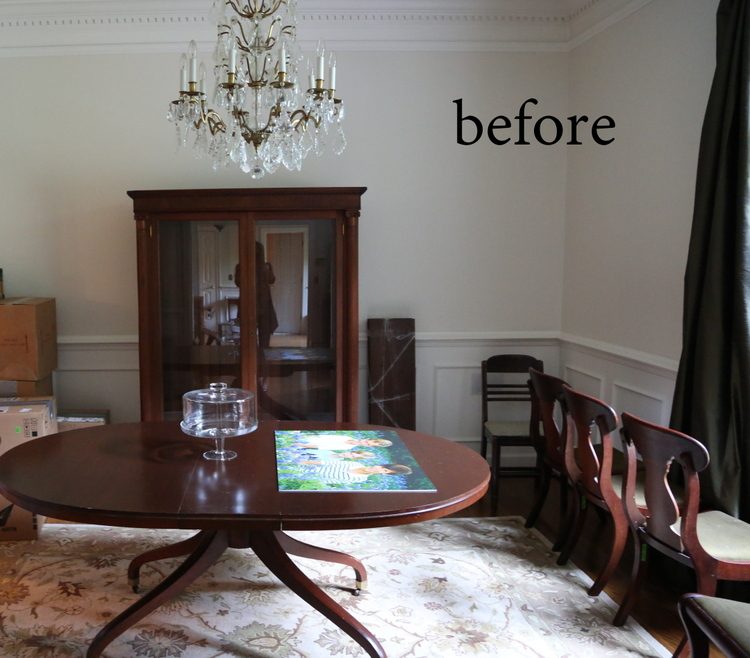
Neutrals are never boring when chosen correctly. They provide a calm, elegant backdrop that lets your cherry furniture be the star, preventing the room from feeling overwhelmed. The key is to select neutrals with warm undertones.
- Greige: A beautiful blend of gray and beige, greige offers the sophistication of gray with the warmth of beige. It’s incredibly versatile.
- Paint Examples: Benjamin Moore Revere Pewter HC-172 (a classic balance of warm and cool), Sherwin-Williams Agreeable Gray SW 7029 (a very popular, well-balanced greige).
- Warm Whites & Creams: Far from stark, these whites have subtle yellow, brown, or pink undertones that prevent them from looking cold. They bring brightness and an airy feel.
- Paint Examples: Benjamin Moore Simply White OC-117 (a clean, warm white), Sherwin-Williams Alabaster SW 7008 (a soft, warm, off-white).
- Taupe: A deep, brownish-gray that’s rich and inviting. It’s perfect for creating a cozy, enveloping atmosphere.
- Paint Examples: Benjamin Moore Edgecomb Gray HC-173 (a light, warm greige that leans taupe), Farrow & Ball Skimming Stone No. 241 (a soft, light taupe).
2. Earthy Greens: Nature’s Perfect Complement
Green is directly opposite red on the color wheel, making it a natural complementary color for cherry. It cools down the red tones of the wood, creating a balanced and naturally serene environment. Earthy greens are particularly stunning.
- Sage Green: Muted and sophisticated, sage green brings a tranquil, spa-like feel. It’s subtle enough not to compete but strong enough to make a statement.
- Paint Examples: Sherwin-Williams Clary Sage SW 6178, Benjamin Moore October Mist 1495 (their Color of the Year 2022, a gentle, earthy green).
- Deep Forest Green: For a truly dramatic and luxurious dining room, a rich, dark forest green can be absolutely captivating. It evokes old-world charm and depth.
- Paint Examples: Benjamin Moore Salamander 2050-10, Farrow & Ball Studio Green No. 93.
- Moss Green: A slightly lighter, more vibrant green than forest green, but still grounded in earthy tones.
- Paint Examples: Sherwin-Williams Evergreen Fog SW 9130, Benjamin Moore Peale Green HC-121.
3. Serene Blues: Cooling the Warmth
Blues, especially those with gray undertones, are excellent for creating a sophisticated contrast with cherry wood. They introduce a calming coolness that beautifully offsets the wood’s inherent warmth, providing a fresh and elegant backdrop.
- Dusty Blue/Slate Blue: These muted blues are neither too bright nor too dark. They offer a refined, airy quality that feels both classic and contemporary.
- Paint Examples: Benjamin Moore Palladian Blue HC-144 (a light, airy blue-green-gray), Sherwin-Williams Misty SW 6232.
- Navy Blue: For a bold, dramatic, and utterly sophisticated dining room, navy blue is a showstopper. It makes cherry furniture pop and feels incredibly luxurious, especially in rooms with good natural light.
- Paint Examples: Benjamin Moore Hale Navy HC-154 (a perennial favorite), Sherwin-Williams Naval SW 6244.
- Teal: A vibrant blend of blue and green, teal can introduce a touch of exoticism and modern flair while still providing a cool contrast to the cherry.
- Paint Examples: Sherwin-Williams Aegean Blue SW 9138, Benjamin Moore Newburg Green HC-158.
4. Rich Grays: Modern Elegance with a Hint of Warmth
While some grays can be too cool, specific warm grays can create a stunning, contemporary look with cherry furniture. The trick is to ensure the gray has discernable brown, greige, or even green undertones to avoid clashing with the cherry’s warmth.
:max_bytes(150000):strip_icc()/StudioSHK-4b828aa147094edf833420b5b3ff8196.jpeg "What Color Paint Goes With Cherry Wood?")
- Warm Gray: These grays lean more towards greige or have subtle brown or purple undertones. They offer a modern alternative to traditional beige while maintaining warmth.
- Paint Examples: Benjamin Moore Classic Gray OC-23 (a light, warm gray that never feels cold), Sherwin-Williams Repose Gray SW 7015 (a versatile gray with warm undertones).
- Charcoal Gray: For a truly bold and dramatic statement, especially in a spacious dining room, a deep charcoal gray creates an incredibly chic and sophisticated atmosphere. It allows the cherry to glow with a powerful contrast.
- Paint Examples: Benjamin Moore Kendall Charcoal HC-166, Sherwin-Williams Peppercorn SW 7674.
5. Muted Reds/Burgundies: Leaning into Luxury
This is for the brave and those who adore a truly opulent, traditional dining room. An analogous color scheme, using shades of red or burgundy, can create a deeply saturated, incredibly cozy, and luxurious space. The key is to choose muted, historical versions rather than bright, primary reds.
- Deep Berry Tones: Think rich cranberry, claret, or deep plum. These colors share undertones with cherry wood, creating a seamless, enveloping feel.
- Paint Examples: Benjamin Moore Dinner Party AF-300, Sherwin-Williams Raisin SW 7630.
- Terra Cotta: An earthy, brownish-red that brings warmth and a Mediterranean or Southwestern vibe. It’s less formal than deep berry but equally inviting.
- Paint Examples: Benjamin Moore Adobe Orange 2171-10 (more orange, but has the earthy feel), Sherwin-Williams Spiced Cider SW 7701.
6. Unexpected Pops: For the Bold & Unique
If you’re looking to infuse personality and a curated feel, consider these less conventional but equally impactful choices:
- Soft Gold/Mustard: A sophisticated mustard or deep gold can bring out the golden undertones in some cherry wood, creating a rich, old-world glamour. Best used in rooms with ample natural light or as an accent.
- Paint Examples: Benjamin Moore Honeycomb 2154-40, Sherwin-Williams Fun Yellow SW 6902 (use sparingly or as an accent).
- Deep Plum: Similar to deep berry tones but with a stronger purple influence, plum can be incredibly chic and dramatic. It’s luxurious and pairs beautifully with the brown and red notes in cherry.
- Paint Examples: Benjamin Moore Dark Plum 2073-10, Sherwin-Williams Plum Dandy SW 6271.
Navigating Your Dining Room’s Unique Challenges
Every dining room is different. Consider these factors before making your final decision.
Small Rooms
In a smaller dining room, light-reflective colors are usually your best bet. Warm whites, light greiges, or pale blues can make the space feel larger and airier. If you choose a darker color, embrace it fully to create a dramatic, jewel-box effect rather than just a cramped feeling.
Low Light
Dining rooms with minimal natural light present a unique opportunity. You can either:
- Amplify Light: Go for very light, reflective colors (like warm whites) to bounce what little light there is.
- Embrace the Mood: Lean into the darkness with deep, moody hues (like forest green, navy, or charcoal). These colors create an incredibly intimate and sophisticated ambiance, especially when paired with good artificial lighting. Avoid dull mid-tones, which can make a low-light room feel drab.
Open Concept
If your dining room flows into another space, consider how the colors transition. You might opt for a harmonious neutral throughout and use the dining room’s color as a subtle accent, or select a color that complements the adjacent room’s palette. Ensure there’s a visual break or a natural point for the color change.
Formal vs. Casual Dining
A formal dining room often suits deeper, richer, more saturated colors or crisp, elegant neutrals. A casual dining space might be better served by lighter, airier colors, or more vibrant, earthy tones that feel relaxed and welcoming.
The Cherry Furniture Paint Color Decision Matrix
Use this table to quickly narrow down your options based on your desired aesthetic and room conditions. Remember, these are starting points – your personal taste is the ultimate guide!
| Desired Mood | Room Size | Light Conditions | Recommended Color Family | Specific Paint Examples |
|---|---|---|---|---|
| Formal & Elegant | Medium to Large | Any (especially effective with artificial light) | Deep Greens, Navy Blue, Muted Berry/Plum, Charcoal Gray | BM Salamander, SW Naval, BM Dinner Party, SW Peppercorn |
| Bright & Airy | Small to Large | Good Natural Light | Warm Whites, Light Greige, Dusty Blue, Pale Sage | BM Simply White, SW Agreeable Gray, BM Palladian Blue, SW Clary Sage |
| Cozy & Intimate | Small to Medium | Low to Medium Light | Taupe, Muted Moss Green, Warm Gray, Terra Cotta | BM Edgecomb Gray, SW Evergreen Fog, BM Classic Gray, SW Spiced Cider |
| Modern & Fresh | Medium to Large | Good Natural Light | Teal, Warm Gray (with green/blue undertones), Deep Plum | SW Aegean Blue, SW Repose Gray, BM Dark Plum |
Common Mistakes to Avoid When Pairing Paint with Cherry Furniture
You’re armed with great options, but knowing what to steer clear of is just as important:
- Ignoring Undertones: This is the biggest pitfall. A gray with strong blue undertones might clash with cherry’s warmth, making both feel ‘off.’ Always consider the warm/cool balance.
- Too Much Competing Red/Orange: While some analogous reds work, a bright, primary red or orange wall can make cherry furniture disappear or create an overly aggressive, overwhelming space.
- Stark, Cold Whites: Pure, cool whites can make cherry wood look harsher and create a cold, unwelcoming dining room. Always opt for whites with warm undertones.
- Overly Vibrant, Distracting Colors: Your dining room should feel cohesive. Avoid overly saturated or neon colors that draw attention away from your beautiful furniture and create visual chaos.
- Going Too ‘Matchy-Matchy’: Don’t try to find a paint color that exactly matches the cherry wood. This usually flattens the space and makes the furniture blend in rather than stand out.
Beyond the Walls: Harmonizing Your Dining Room Decor
Paint is a huge step, but remember that your dining room is a symphony of elements. Consider how these complement your cherry furniture and new wall color:
- Area Rugs: A rug can anchor the room, define the dining area, and introduce additional texture and color. Choose a rug that echoes your wall color or introduces a complementary pattern.
- Curtains/Drapery: Fabrics add softness and can layer in more color or pattern. Look for textiles that align with your chosen mood – rich velvets for formality, sheer linens for airiness.
- Lighting Fixtures: Good lighting is essential, especially with dark furniture. Consider a statement chandelier. Metals like brass, bronze, or wrought iron often pair beautifully with cherry.
- Artwork & Mirrors: These are opportunities to introduce contrasting colors, metallics, or reflective surfaces that enhance the room’s depth and character.
- Metallic Accents: Gold, brass, and bronze often look stunning with cherry wood, highlighting its warmth. Silver and chrome can work with cooler wall colors to provide a modern edge.
Testing is Key: Don’t Skip This Crucial Step
I can give you all the paint color names in the world, but your specific dining room’s light, existing decor, and personal taste are unique. Never skip the sampling step!
- Get Samples: Purchase small sample pots of your top 2-3 choices.
- Paint Large Swatches: Apply generous swatches (at least 2’x2′) on different walls of your dining room. Don’t just rely on tiny cards.
- Observe in Different Lights: Watch the colors throughout the day and evening, under both natural and artificial light. Colors change dramatically!
- Live with It: Leave the swatches up for a few days to truly get a feel for how they interact with your cherry furniture and the overall ambiance.
Ready to Transform Your Dining Room?
Choosing the best paint color for your dining room with cherry furniture doesn’t have to be daunting. By understanding the character of your wood, envisioning your desired mood, and leveraging the power of complementary and harmonious colors, you’re well on your way to creating a dining space that’s both beautiful and uniquely yours. Whether you opt for a serene green, a sophisticated neutral, or a dramatic navy, the right paint color will elevate your cherry furniture and make your dining room the heart of your home.