Beyond Basic Gray: Why Dark Gray Is Your Bedroom’s Best-Kept Secret for Serenity and Style
Let’s be honest: you’re tired of the same old beige or predictable light gray. You’re scrolling through Pinterest, seeing those incredibly chic, unbelievably cozy bedrooms, and a common thread emerges – a sophisticated, enveloping dark gray. But maybe you’re hesitant. Will it be too dark? Too gloomy? Will your bedroom feel like a cave instead of a sanctuary?
I hear you. And I’m here to tell you that dark gray, when done right, isn’t just a color; it’s a mood. It’s the secret ingredient to a bedroom that feels luxurious, peaceful, and utterly stylish. It’s the visual equivalent of a warm hug after a long day, promising deep relaxation and a sophisticated aesthetic. Forget everything you thought you knew about dark colors making a room feel small. We’re about to transform your bedroom into a tranquil retreat that’s both bold and beautiful.
The Psychology of Dark Gray: More Than Just a Shade
Color profoundly impacts our mood and well-being, and dark gray is a master of emotional evocation. It’s not just a trend; it’s a timeless choice rooted in how we experience space and light.
Creating a Tranquil Sanctuary
Imagine stepping into a room that immediately makes you feel calm, protected, and removed from the day’s stresses. That’s the power of dark gray. Its depth absorbs light, creating a soothing, cocoon-like atmosphere that’s ideal for a bedroom. It minimizes distractions and encourages the mind to wind down, making it an excellent choice for promoting deeper, more restful sleep. Think of it as wrapping your bedroom in a soft, elegant blanket.
Sophistication and Drama
There’s an undeniable elegance to dark gray. It’s sophisticated without being stuffy, dramatic without being overwhelming. It acts as a powerful backdrop, allowing your furniture, artwork, and textiles to truly pop. This color choice speaks volumes about your taste, signaling a space that is thoughtfully designed and intentional. It exudes a quiet confidence that elevates the entire aesthetic of your room.
Versatility Unveiled
Unlike some bold colors that can feel limiting, dark gray is incredibly versatile. It pairs beautifully with almost any other color, from crisp whites to vibrant jewel tones, and complements a wide range of design styles – from minimalist modern to rustic farmhouse, and even opulent traditional. It provides a grounding foundation that allows you to experiment with different textures and accent colors without ever feeling out of place.
Navigating the Nuances: Understanding Dark Gray Undertones
Here’s where many people stumble. Not all dark grays are created equal. The subtle undertones within a dark gray can drastically change how it feels in your room. Understanding these nuances is crucial to choosing a shade you’ll truly love.
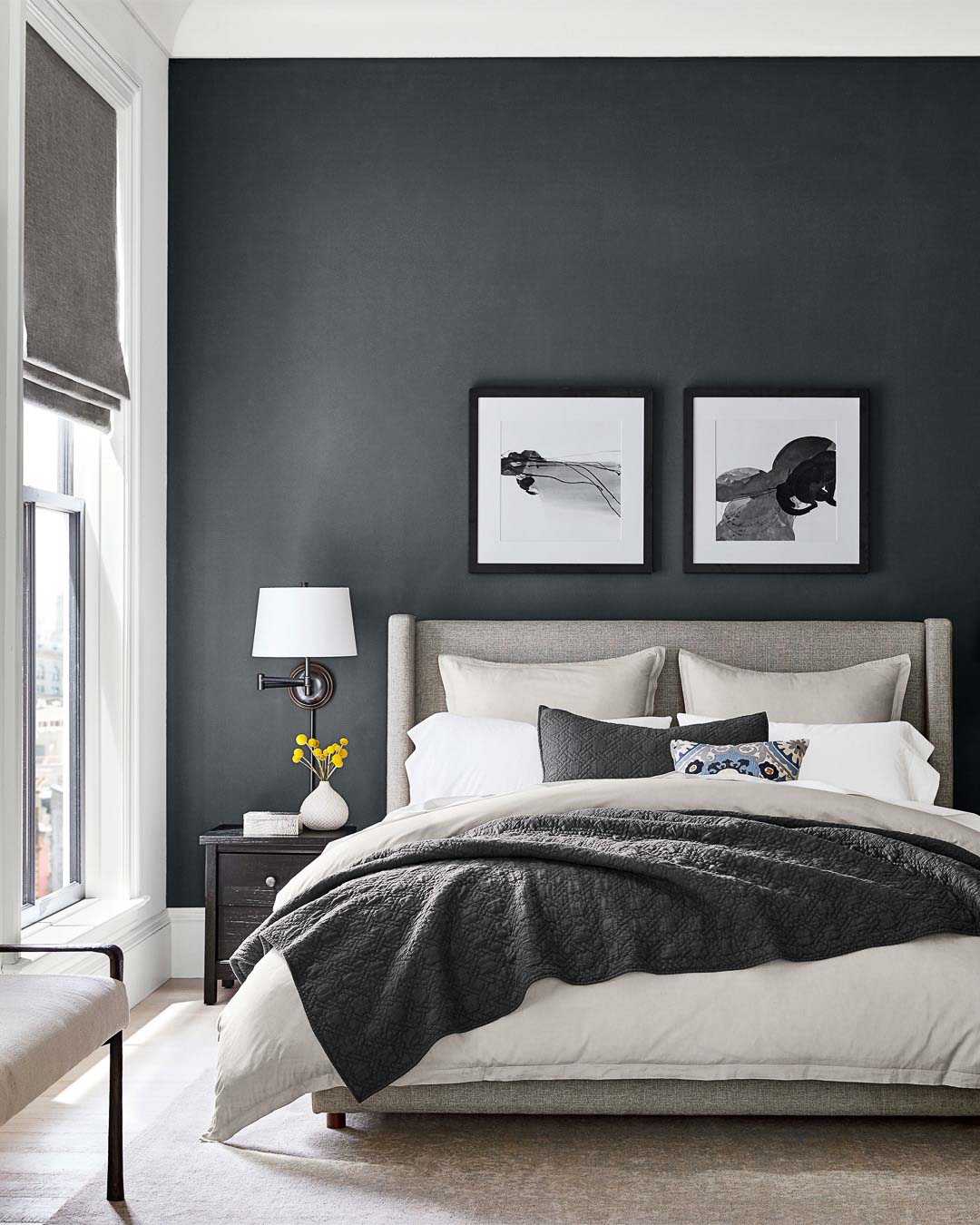
Blue Undertones: Cool, Calm, and Collected
Dark grays with blue undertones lean towards the cooler side of the spectrum. They evoke a sense of serenity, reminiscent of a stormy sky or deep ocean waters. These grays are perfect for creating a truly tranquil and contemplative space. They often pair beautifully with cool whites, silver metallics, and deep blues or greens.
Green Undertones: Organic, Earthy, and Muted
Grays with a hint of green bring an organic, earthy quality to a room. They feel more grounded and natural, often working well in spaces seeking a connection to the outdoors. Think of them as sophisticated neutrals that can be paired with natural wood tones, muted greens, and creamy off-whites for a calm, restorative vibe.
Brown/Warm Undertones (Greige): Cozy, Inviting, and Grounded
When dark gray meets brown, you get ‘greige’ – a wonderfully warm and inviting shade. These grays have a cozy, comforting feel, making them ideal for bedrooms where warmth is a priority. They pair exceptionally well with warmer woods, brass accents, and soft creams or taupes. If you’re worried about a dark gray feeling too cold, a greige is your answer.
Purple Undertones: Rich, Luxurious, and Unexpected
While less common, some dark grays carry a subtle purple undertone. These shades add a layer of richness and luxury, leaning into a more dramatic and opulent aesthetic. They work beautifully with deep plums, charcoal blacks, and metallic accents like gold or copper for a truly decadent feel.
To help you visualize, here’s a breakdown of how these undertones manifest:
| Undertone Type | Description | Best For | Mood Evoked |
|---|---|---|---|
| Blue | Cool, crisp, often feels like a deep twilight. | Modern, coastal, or minimalist spaces. Rooms needing a calming effect. | Serene, peaceful, sophisticated, contemplative. |
| Green | Earthy, muted, can appear almost sage-like in certain lights. | Natural, organic, or industrial aesthetics. Connecting indoors with outdoors. | Grounded, calming, natural, restorative. |
| Brown (Greige) | Warm, inviting, a true blend of gray and beige. | Traditional, farmhouse, or cozy modern spaces. Rooms with natural wood. | Cozy, comforting, warm, inviting. |
| Purple | Rich, deep, sometimes appearing as a smoky plum. | Glamorous, eclectic, or luxurious settings. Adding a touch of drama. | Luxurious, dramatic, sophisticated, opulent. |
Choosing Your Perfect Dark Gray: Room by Room Considerations
Selecting the right dark gray isn’t just about picking a pretty swatch; it’s about how that color will live and breathe in your specific bedroom. Environmental factors play a huge role.
Light Matters: How Natural and Artificial Light Transforms Dark Gray
This is probably the single most important factor. Paint colors are chameleons, changing dramatically throughout the day and under different lighting conditions.

- North-facing rooms: These rooms tend to receive cooler, indirect light. A dark gray with warm (brown/greige) or green undertones can prevent the room from feeling too chilly.
- South-facing rooms: Bathed in warm, abundant light all day, these rooms can handle cooler dark grays (blue or true grays) beautifully, balancing the warmth with a sophisticated coolness.
- East/West-facing rooms: These rooms experience dynamic light changes. East-facing rooms get bright morning light, while west-facing rooms get warm afternoon sun. A balanced dark gray or one with subtle green undertones often performs well, adapting throughout the day.
- Artificial lighting: Pay attention to your light bulbs. Warm white bulbs (2700K-3000K) will bring out the warmer undertones in your dark gray, making the room feel cozier. Cool white bulbs (4000K+) can enhance blue undertones and make the room feel crisper, but potentially colder.
Room Size and Scale: Debunking the “Too Small” Myth
The biggest fear people have: “Will dark gray make my small bedroom feel even smaller?” Not necessarily! It’s all about how you embrace it.
- Small rooms: Instead of making a small room feel claustrophobic, dark gray can create a cozy, enveloping cocoon. The lack of distinct edges can actually blur the boundaries, making the room feel more expansive and intimate rather than confined. Use a matte finish for maximum absorption and softness. Incorporate plenty of light-colored bedding, mirrors, and strategic lighting to prevent it from feeling too heavy.
- Large rooms: Dark gray can bring much-needed intimacy and grounding to a spacious bedroom. It helps define the space and prevents it from feeling cavernous. Here, you have more freedom to play with bolder accent colors and richer textures.
Ceiling and Trim: To Paint or Not to Paint?
- Monochromatic look: For a truly immersive, modern, and cocoon-like effect, consider painting your ceiling the same dark gray as your walls (in a flat or matte finish for ceilings). This blurs the lines and can surprisingly make the walls feel taller as there’s no visual break.
- Contrasting trim: If you want to define the architectural features, crisp white trim creates a striking contrast against dark gray walls. This traditional approach brightens the room and highlights the elegance of the dark walls. Another option is to use a slightly lighter shade of gray on the trim for a subtle, sophisticated contrast.
Designer Favorites: Popular Dark Gray Paint Colors & Why They Work
While testing swatches in your own space is paramount, it’s helpful to know what designers consistently reach for. These popular shades offer a great starting point, having been proven to work beautifully in countless homes.
Benjamin Moore’s Enduring Charms
- Kendall Charcoal (HC-166): A truly versatile, rich, deep charcoal gray with slight green/brown undertones that prevent it from feeling cold. It’s incredibly grounding and works well in almost any light, offering sophistication and warmth.
- Chelsea Gray (HC-168): A slightly lighter, sophisticated mid-to-dark gray with subtle green/yellow undertones. It’s a fantastic option if you’re dipping your toes into darker colors, offering depth without being overtly dramatic.
- Midnight Oil (2123-10): A very dark, almost black charcoal with deep blue undertones, perfect for creating a truly moody, dramatic, and elegant space.
- Notre Dame (AF-470): A dark gray with a distinctive purple undertone, providing a unique and luxurious feel.
Sherwin-Williams’ Sophisticated Palette
- Urbane Bronze (SW 7048): Officially a ‘greige’ or ‘bronze,’ this is a very dark, warm gray-brown that creates an incredibly cozy and organic feel. It was even their Color of the Year! It’s perfect for a sanctuary vibe.
- Iron Ore (SW 7069): A soft black/very dark charcoal gray that leans warm. It’s a beautifully grounding color that provides depth and sophistication without feeling stark.
- Peppercorn (SW 7674): A dark, slightly cool gray that is deep and dramatic without being black. It has a slight blue undertone, making it feel very contemporary and calm.
Farrow & Ball’s Depth and Richness
- Tar (No. 293): A very dark, almost black gray with a unique softness. It creates an incredibly enveloping and intimate atmosphere, often described as having a warm, welcoming depth.
- Licorice (No. 294): A slightly lighter dark gray than Tar, still with significant depth and a nuanced, earthy feel.
Other Notable Mentions
- Clare Paint Shade: A balanced, medium-to-dark gray that can read either warm or cool depending on the light, making it quite versatile.
- Backdrop Paint Highline Shadow: A deep, classic charcoal gray that offers a true sophisticated darkness.
Here’s a quick reference for some top dark gray paint colors:
| Brand | Color Name | Primary Undertone | Best Use Case/Mood |
|---|---|---|---|
| Benjamin Moore | Kendall Charcoal (HC-166) | Green/Brown | Versatile, sophisticated warmth, grounding. |
| Benjamin Moore | Chelsea Gray (HC-168) | Green/Yellow | Transitional dark gray, subtle depth. |
| Benjamin Moore | Midnight Oil (2123-10) | Blue | Dramatic, elegant, very deep. |
| Sherwin-Williams | Urbane Bronze (SW 7048) | Brown/Greige | Cozy, organic, modern sanctuary. |
| Sherwin-Williams | Iron Ore (SW 7069) | Warm Black/Charcoal | Deep, grounding, sophisticated. |
| Sherwin-Williams | Peppercorn (SW 7674) | Blue | Contemporary, calm, dramatic. |
| Farrow & Ball | Tar (No. 293) | Warm Black/Charcoal | Enveloping, intimate, soft depth. |
Harmonizing Hues: Complementary Colors and Accents
One of dark gray’s superpowers is its ability to play well with almost any other color. This allows for incredible flexibility in your bedroom’s decor. The key is to create balance and contrast.
Crisp Whites and Off-Whites: Classic Contrast
For a clean, timeless, and sophisticated look, pair dark gray with crisp whites or soft off-whites. This classic combination provides a striking contrast that keeps the room feeling fresh and airy, preventing it from becoming too heavy. Think white bedding, white trim, or light-colored curtains.
Warm Woods and Natural Textures: Adding Organic Warmth
To infuse your dark gray bedroom with warmth and a touch of organic serenity, incorporate natural wood tones. Light oak, walnut, or even distressed wood furniture provides beautiful contrast and grounding. Layer in natural textures like linen, wool, jute, or rattan through bedding, rugs, and decorative accents for an inviting, tactile experience.
Metallics: Gold, Silver, Brass for Glamour
Metallics truly shine against a dark gray backdrop. Gold and brass bring warmth and luxury, perfect for light fixtures, decorative objects, or furniture hardware. Silver and chrome offer a sleek, modern touch, enhancing the coolness of blue-toned grays. Don’t be afraid to mix metals for an eclectic, curated feel.
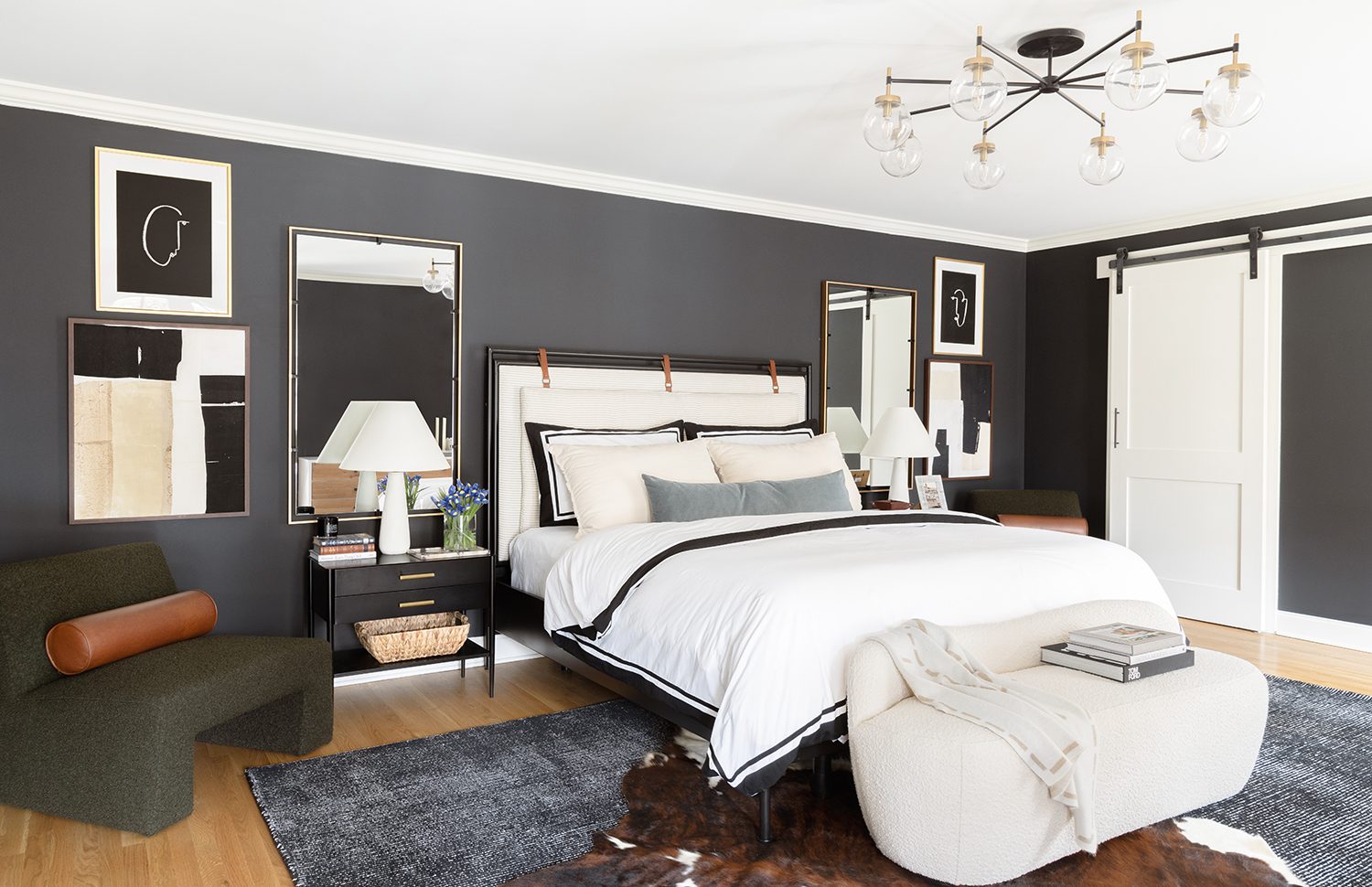
Vibrant Pops of Color: Mustard, Coral, Emerald Green, Deep Teal for Personality
Dark gray is the ultimate canvas for bold color accents. A splash of mustard yellow or deep coral can inject energy and warmth. Emerald green or deep teal adds a touch of jewel-toned luxury and sophistication. Use these colors sparingly through throw pillows, a statement armchair, artwork, or a single piece of decor to prevent overwhelming the calm of the dark gray.
Soft Neutrals: Greiges, Taupes, Light Blues/Greens for Layered Serenity
For a truly serene and layered look, combine your dark gray with other soft neutrals. Lighter shades of gray, greige, taupe, or muted blues and greens can create a harmonious, monochromatic-adjacent palette that feels incredibly sophisticated and calming. This approach builds depth without introducing stark contrasts, perfect for a peaceful bedroom.
Beyond the Walls: Integrating Dark Gray Through Decor
The walls are just the beginning. To truly complete your dark gray bedroom, think about how this sophisticated shade can be woven into every aspect of your decor.
Textiles and Fabrics: Linens, Velvets, Knits
Layering textiles is essential to making a dark gray bedroom feel cozy and inviting. Opt for luxurious textures like a plush velvet headboard, a chunky knit throw, crisp linen sheets in an off-white, or a faux fur rug. These tactile elements add depth and prevent the room from feeling flat.
Furniture Choices: Light Wood, Dark Wood, Upholstered Pieces
Your furniture can either blend in or stand out. Light-colored wood (like birch or light oak) offers a beautiful contrast and keeps the room feeling bright. Darker woods (like walnut or espresso) can create a more cohesive, moody, and sophisticated look. Upholstered pieces in a contrasting light neutral or a pop of color can break up the darkness beautifully.
Artwork and Mirrors: How to Make Them Pop
Dark gray walls provide an incredible gallery backdrop. Light-colored or vibrant artwork will absolutely sing against them. Large mirrors with interesting frames can also expand the perception of space and bounce light around, preventing the room from feeling too enclosed. Consider art with metallic accents or bold, abstract patterns.
Lighting Fixtures: Enhancing the Mood
Layered lighting is crucial in a dark gray room. Beyond your main overhead light, include bedside lamps (with warm bulbs!), floor lamps, and even wall sconces. The interplay of light and shadow on dark walls adds incredible depth and atmosphere. Choose fixtures in interesting materials like brass, matte black, or frosted glass to complement your chosen aesthetic.

Greenery: Bringing Life to a Moody Space
Don’t underestimate the power of plants! Lush green foliage provides a vibrant, natural contrast against dark gray walls. Large floor plants or smaller potted plants on nightstands or dressers add life, freshness, and a touch of biophilic design that perfectly balances the depth of the gray.
Essential Tips for Painting Your Bedroom Dark Gray
Ready to take the plunge? A few practical tips will ensure your dark gray bedroom transformation goes smoothly.
Sample, Sample, Sample: The Golden Rule
I cannot stress this enough. Never skip sampling. Paint large swatches (at least 2’x2′) directly onto your walls, or use large peel-and-stick samples. Observe them at different times of day – morning, afternoon, evening – and under both natural and artificial light. The way a color looks on a tiny chip in a store will be completely different in your room.
Choose the Right Finish: Matte, Eggshell, Satin – Impact on Depth and Durability
- Matte/Flat: This is often the preferred choice for dark bedroom walls. It absorbs light, creating a rich, velvety, and sophisticated look that hides imperfections beautifully. It enhances the cocoon-like feel.
- Eggshell/Satin: These finishes have a slight sheen, making them more durable and easier to clean than matte. They reflect a bit more light, which can be desirable for some, but might diminish the deep, velvety effect of a truly dark color. Use these for trim or if extreme durability is a must.
- Semi-Gloss/Gloss: Generally too shiny for bedroom walls, these are best reserved for doors, trim, or statement furniture pieces where you want a high-impact, reflective surface.
Prep Work is Key: Clean Walls, Primer
For any dark paint color, proper preparation is non-negotiable. Clean your walls thoroughly to remove dust and grime. Use a high-quality primer, especially if you’re painting over a drastically different color or if your walls have imperfections. A tinted primer (closer to your dark gray) can save you coats of expensive paint and ensure a more even, rich finish.
Don’t Forget the Ceiling: For a Truly Immersive Experience
As mentioned, consider painting the ceiling the same dark gray, but in a flat finish. This creates a truly immersive, sophisticated, and intimate atmosphere, blurring the lines between walls and ceiling for a seamless, cozy effect. It’s a bold move that pays off in spades for a bedroom sanctuary.
Embracing dark gray in your bedroom is a decision to embrace sophistication, tranquility, and a touch of modern drama. It’s an investment in a space that nurtures rest and reflects impeccable style. By understanding undertones, considering your room’s unique light, and thoughtfully curating your decor, you can transform your bedroom into the ultimate dark gray sanctuary you’ve been dreaming of. Don’t be afraid to go dark; your serene, stylish haven awaits.
Frequently Asked Questions
Will a dark gray bedroom make my space feel smaller?
Not necessarily. While intuition might suggest dark colors shrink a room, dark gray can actually create a sophisticated, cozy, and immersive ‘cocoon-like’ effect, especially in a matte finish. By blurring the edges of the room, it can make the space feel intimate rather than confined. Pairing it with light bedding, strategically placed mirrors, and good lighting prevents it from feeling claustrophobic.

What kind of lighting works best with dark gray walls?
Layered lighting is key. Use warm white bulbs (2700K-3000K) for all fixtures, as they enhance the coziness and bring out the warmth in dark grays. Incorporate a mix of overhead lighting, bedside lamps, and floor lamps to create ambient light and eliminate harsh shadows. Decorative fixtures in metallics or interesting materials can also add visual interest against the dark backdrop.
Should I paint my ceiling dark gray too?
For a truly immersive, modern, and cocoon-like experience, painting the ceiling the same dark gray as the walls (in a flat or matte finish) is highly recommended. This blurs the lines, making the walls feel taller and creating a seamless, sophisticated enclosure that’s perfect for a bedroom sanctuary. If you prefer contrast, crisp white or a lighter gray on the ceiling will work.
What are the best accent colors for a dark gray bedroom?
Dark gray is incredibly versatile. Excellent accent colors include crisp whites/off-whites for contrast, warm woods and natural textures for grounding, metallics (gold, brass, silver) for glamour, and vibrant pops of color like mustard yellow, emerald green, deep teal, or coral for personality. Soft neutrals like taupe or muted blues/greens can also create a layered, serene palette.
How do I choose between different dark gray undertones?
Consider the existing elements in your room (furniture, flooring), the amount and direction of natural light, and the mood you want to create. Blue undertones are cool and serene; green undertones are earthy and restorative; brown/greige undertones are warm and cozy; purple undertones are luxurious and dramatic. Always sample large swatches on your walls and observe them throughout the day.
Is dark gray a good color for promoting sleep?
Yes, dark gray is an excellent choice for promoting sleep. Its deep, light-absorbing qualities create a calm, enveloping, and cave-like atmosphere that minimizes visual distractions and encourages relaxation. This aids in winding down the mind and preparing the body for rest, contributing to a more tranquil sleep environment.
What paint finish should I use for dark gray bedroom walls?
For dark gray bedroom walls, a matte or flat finish is generally recommended. This finish absorbs light, creating a rich, velvety, and sophisticated look that hides imperfections and enhances the cozy, cocoon-like feel. If durability or washability is a higher priority, an eggshell or satin finish can be used, though these will have a slight sheen and reflect more light.