How Much Does It Really Cost to Paint Interior Walls Per Square Foot? Your Ultimate Guide
Staring at drab walls? Dreaming of a fresh new color palette? Painting your home’s interior is one of the most impactful upgrades you can make, instantly transforming a space and boosting your mood. But before you dive headfirst into swatches and paint chips, one crucial question looms large: “How much is this actually going to cost me per square foot?”
It’s a common question, and the answer, unfortunately, isn’t a simple, single number. You’ll find figures ranging from a dollar to upwards of ten dollars per square foot. Confusing, right? That’s because the cost isn’t just about the paint itself; it’s a intricate dance of labor, prep work, paint quality, and even the nooks and crannies of your home. As someone who’s navigated countless painting projects, I can tell you that understanding these variables is key to setting a realistic budget and avoiding sticker shock.
In this guide, we’re going to break down the true cost of painting interior walls per square foot. We’ll cover everything from the basic wall-only estimates to comprehensive full-interior overhauls, dive deep into the factors that drive prices up or down, and equip you with actionable strategies to get the best value for your investment. Let’s get your painting project off the ground, beautifully and affordably.
The Quick Answer: Average Interior Wall Painting Costs Per Square Foot
Let’s cut right to it. If you’re looking to paint just the interior walls of your home, without touching ceilings, trim, or doors, you’re generally looking at a range of $1.50 to $3.50 per square foot. This figure typically includes both labor and standard paint materials.
Why such a range? Because even for “walls only,” factors like surface condition, paint quality, and the complexity of the room still play a role. But for a quick budgeting estimate, this is your starting point.
Here’s a snapshot of typical costs for just walls:

| Project Type | Average Cost Per Square Foot (Walls Only) | What’s Typically Included |
|---|---|---|
| Basic Wall Painting | $1.50 – $2.50 | Minor prep (dusting, light cleaning), 1-2 coats of standard latex paint, basic masking and drop cloth protection. |
| Standard Wall Painting | $2.50 – $3.50 | More extensive prep (patching nail holes, minor crack repair), 2 coats of quality paint, full masking, furniture moving (limited). |
Beyond Walls: Understanding Full Interior Painting Costs Per Square Foot
Most homeowners aren’t just painting walls in isolation. They’re often looking to refresh ceilings, trim, and doors as well. When you include these elements, the complexity and labor required increase significantly, and so does the per-square-foot cost.
For a comprehensive interior painting project that includes walls, ceilings, trim, and doors, the average cost typically falls between $2.75 to $6.00 per square foot. Some intricate or high-end projects might even push this higher.
Why the jump? Painting trim and ceilings requires precision, specialized tools, and often more time per linear foot or square foot than simply rolling a wall. Cutting in around trim, protecting floors, and working overhead on ceilings are all more labor-intensive tasks.
| Project Type | Average Cost Per Square Foot (Full Interior) | What’s Typically Included |
|---|---|---|
| Standard Full Interior | $2.75 – $4.50 | Walls, ceilings, standard trim (baseboards, door/window casings), and interior doors. Includes standard prep, 2 coats of good quality paint. |
| Premium/Complex Full Interior | $4.50 – $6.00+ | All above, plus extensive prep, multiple intricate trim elements (crown molding, wainscoting), high ceilings, specialty paints, furniture protection/moving. |
What Drives the Price? Key Factors Influencing Your Painting Quote
Now that you have a general idea of the cost, let’s pull back the curtain on why these prices fluctuate so much. Understanding these factors is crucial for making informed decisions and communicating effectively with your chosen painter.
1. Surface Condition & Prep Work (The Hidden Labor)
This is arguably the biggest variable in your painting costs. Paint doesn’t adhere well to dirty, damaged, or uneven surfaces. Good painters spend a significant portion of their time (and your money) on prep work, which includes:
- Cleaning: Removing dirt, grease, and grime.
- Patching & Repair: Filling nail holes, cracks, dents, and repairing drywall damage.
- Sanding: Smoothing out patched areas and old paint for a uniform finish.
- Priming: Essential for drastic color changes, covering stains, or ensuring even adhesion on new or repaired drywall.
- Masking & Taping: Protecting floors, windows, trim, and fixtures.
If your walls are in pristine condition, requiring minimal prep, your cost per square foot will be on the lower end. However, if you’re dealing with years of wear and tear, extensive damage, or old wallpaper that needs removal, expect the prep work to significantly increase the labor hours and thus, the overall cost.

2. Paint Quality & Type (More Than Just Color)
The paint itself typically accounts for 10-20% of the total project cost, but its quality has a profound impact on the outcome and longevity. Don’t let a painter skimp here to save a few bucks. Better quality paints:
- Cover Better: Often require fewer coats, saving labor time.
- Last Longer: Resist fading, chipping, and wear.
- Wash Better: Easier to clean and maintain.
- Look Better: Offer richer, more vibrant colors and smoother finishes.
Here’s how different paint qualities and types can affect your budget:
| Paint Quality/Type | Approximate Cost Per Gallon | Impact on Per Square Foot Cost |
|---|---|---|
| Builder-Grade/Basic | $20 – $35 | Lowest material cost, but may require more coats, increasing labor. Less durable. |
| Mid-Range/Good Quality | $35 – $60 | Good balance of cost and performance. Standard choice for most projects. |
| Premium/High-End | $60 – $100+ | Higher material cost, but superior coverage, durability, and finish. Can save on labor with fewer coats. |
| Specialty Paints (Low VOC, Antimicrobial, etc.) | $50 – $150+ | Specific functional benefits, often at a premium. Consult for specific needs. |
3. Room Complexity & Features (Angles, Heights, Details)
Not all square footage is created equal. A large, empty rectangular room with standard 8-foot ceilings is far easier and quicker to paint than a room with:
- High Ceilings: Requires scaffolding or taller ladders, more time, and specialized equipment. Each foot over 8 adds complexity.
- Architectural Features: Crown molding, wainscoting, built-in shelves, intricate trim, multiple windows, and doors all increase labor. Cutting in around these details takes skill and time.
- Furniture & Obstacles: If your painter has to spend hours moving and protecting furniture, it adds to the labor cost. An empty room is always cheaper to paint.
- Tight Spaces: Hallways, stairwells, and small bathrooms can be more challenging due to limited maneuvering space.
4. Labor Rates & Location (It’s Regional!)
Labor is the largest component of painting costs, often accounting for 70-85% of the total. Several factors affect labor rates:
- Geographic Location: Painters in high cost-of-living areas (e.g., major cities like New York or San Francisco) will charge significantly more than those in rural or less expensive regions.
- Painter Experience & Reputation: Highly experienced, reputable painters with excellent reviews and proper insurance will command higher rates. You’re paying for their skill, efficiency, and peace of mind.
- Seasonality: Painting demand can fluctuate. Spring and summer are often peak seasons, while fall and winter might offer slightly lower rates in some areas, especially for interior work.
5. Number of Coats & Color Change (Light to Dark, Dark to Light)
Most standard paint jobs require two coats for optimal coverage and durability. However:
- Drastic Color Changes: Going from a very dark color to a very light one (or vice-versa) almost always requires an extra coat of primer and potentially three or even four coats of the new color. This adds significantly to both paint material costs and labor time.
- Poor Quality Paint: As mentioned, cheaper paints often have lower pigment concentration, meaning they require more coats to achieve full coverage, inadvertently increasing labor costs.
6. Additional Services (Beyond the Brush)
Sometimes, a painting project isn’t just about applying paint. You might need:

- Wallpaper Removal: This is a labor-intensive, messy job that adds significant cost, often charged per linear foot or square foot for removal itself, plus any wall repairs afterward.
- Drywall Repair: Beyond minor patching, extensive drywall repair (e.g., water damage, large holes) will be an additional charge.
- Texture Application/Removal: Want to add or remove a textured finish? This is a specialized service that adds cost.
- Deep Cleaning/Dusting: If your home is particularly dusty or dirty, some painters might charge for pre-cleaning.
Cost Breakdown by Room Type & Size (Practical Examples)
While per-square-foot is a good metric, it’s often helpful to visualize costs by common room types. These estimates assume standard ceiling heights (8-10 feet), good wall condition, and mid-range paint quality. These are for painting walls, ceilings, and trim unless specified.
| Room Type | Approximate Square Footage (Floor) | Estimated Total Cost Range |
|---|---|---|
| Small Bedroom | 100-150 sq ft | $350 – $750 |
| Medium Bedroom/Living Room | 150-250 sq ft | $600 – $1,250 |
| Large Master Bedroom/Family Room | 250-400 sq ft | $1,000 – $2,400 |
| Hallway (standard) | 50-100 sq ft | $200 – $600 |
| Small Bathroom | 40-80 sq ft | $250 – $600 (higher per sq ft due to complexity) |
| Kitchen (Walls Only) | 100-200 sq ft | $400 – $1,000 (often higher due to cabinets, appliances) |
Remember, these are estimates. A small bathroom, for instance, often has a higher per-square-foot cost because of the many fixtures, tight spaces, and need for moisture-resistant paints, increasing labor complexity despite low square footage.
DIY vs. Hiring a Pro: Where Your Money Goes
This is the classic dilemma. Can you save money by doing it yourself? Absolutely, on paper. But consider what you’re really investing – or saving.
DIY Costs:
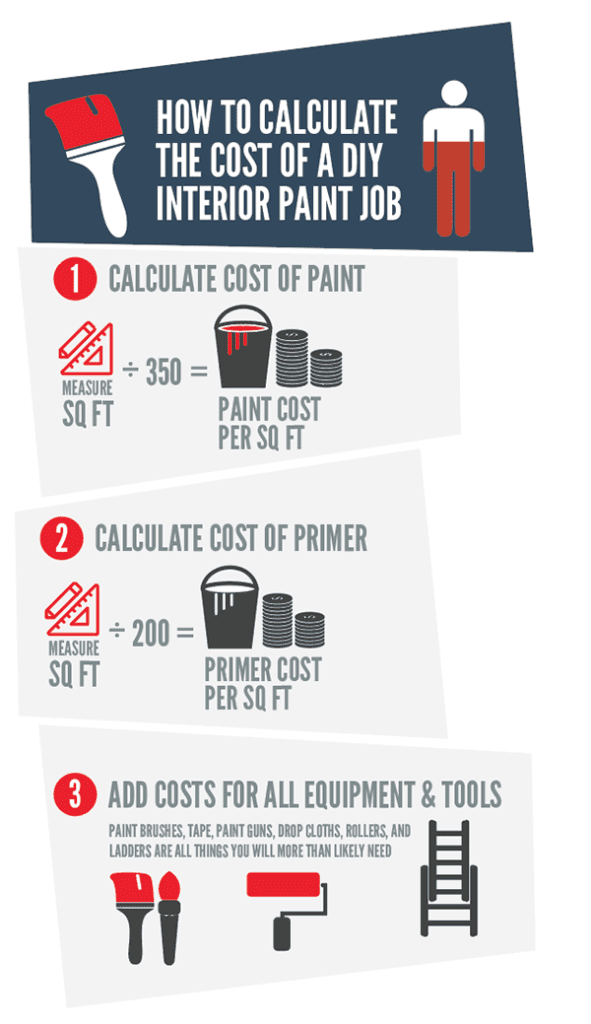
- Materials: Paint, primer, brushes, rollers, trays, tape, drop cloths, cleaning supplies, spackle, sandpaper.
- Tools: Ladders, extension poles (if you don’t own them).
- Time: Your most valuable asset. Prep, paint, dry time, cleanup, multiple coats – this can easily eat up several weekends.
- Skill & Experience: Achieving a professional, smooth finish without drips, streaks, or missed spots requires practice.
- Frustration: Let’s be honest, painting can be tedious and physically demanding.
Professional Costs:
- Labor: This is the bulk of the cost, covering the painter’s expertise, efficiency, insurance, and crew.
- Materials: Often included, sometimes marked up slightly. Pros often get contractor discounts on paint.
- Equipment: Pros have all the right tools – ladders, sprayers, specialized brushes, and prep materials.
- Guaranteed Work: Reputable painters offer warranties or guarantees on their work.
- Peace of Mind: No stress, no mess, just a beautifully painted room.
While DIY saves on labor, it costs you time and potentially a less-than-perfect finish. For simple rooms with minimal prep and standard colors, DIY might be a good option. For complex spaces, high ceilings, or if you simply value your time, hiring a pro is often the smarter investment.
| Cost Factor | DIY Project | Professional Project |
|---|---|---|
| Labor | Your time (unpaid) | 70-85% of total cost |
| Paint & Materials | Retail price, typically 15-25% of total if DIY | Contractor rate, typically 10-20% of total |
| Equipment (Ladders, Sprayers, etc.) | Purchase or rent | Included in labor rate |
| Quality & Finish | Varies greatly by skill | High-quality, guaranteed |
| Time Investment | High | Low (for homeowner) |
How to Get an Accurate Painting Estimate (Don’t Get Surprised!)
The best way to get a clear picture of your actual costs is to get detailed estimates. Don’t rely solely on per-square-foot averages. Here’s how to ensure you get a reliable quote:
- Get Multiple Quotes (3-5): Always. This allows you to compare prices, approaches, and personalities. Don’t automatically go with the cheapest; value and quality are paramount.
- Be Specific About Your Needs: Clearly communicate what you want painted (walls only, walls+trim+ceiling, specific doors, built-ins?). Point out any areas needing special attention (e.g., extensive drywall repair, old wallpaper).
- Ask for a Detailed Breakdown: A good quote should itemize labor, paint, and other materials. It should specify the number of coats, type of paint, and what prep work is included.
- Understand What’s NOT Included: Clarify if furniture moving, picture hanging, or touch-ups are part of the quote, or if they’re extra.
- Check References and Insurance: Ask for proof of liability insurance and workers’ compensation (if they have employees). This protects you in case of accidents or damage. Get references and check their online reviews.
- Walk-Through with Each Painter: Have each potential painter walk through your home with you. This ensures they see the actual condition of your walls and understand the scope of work.
- Get Everything in Writing: Never agree to work based on a verbal quote. A clear, written contract protects both parties.
Smart Ways to Reduce Your Interior Painting Costs
While you want a quality job, there are smart ways to save money without compromising the finished product:
- Do Your Own Prep Work: If you’re handy, patch nail holes, spackle minor dents, and clean your walls thoroughly before the painters arrive. This significantly reduces their labor time.
- Move Furniture: Clear the room completely or move all furniture to the center, covering it yourself. Every minute a painter spends moving your belongings is billable time.
- Choose Similar Colors: Sticking to colors close to your existing ones, or selecting colors that require only two coats, will reduce paint and labor costs compared to drastic changes.
- Buy Your Own Paint (with Painter’s Approval): Some painters allow you to purchase paint, potentially saving you on their markup. However, ensure it’s the quality and type they recommend, and verify this upfront. They may also have preferred brands or contractor pricing.
- Consider Off-Season Painting: In some regions, interior painters may offer slightly lower rates during their slower seasons (e.g., late fall or winter, when exterior work isn’t possible).
- Focus on Key Areas: Instead of painting the entire house, prioritize high-impact areas like living rooms, entryways, or main bedrooms.
The Real ROI of a Professional Paint Job (It’s More Than Just Aesthetics)
Beyond the immediate visual appeal, investing in a professional interior paint job offers several long-term benefits:
- Increased Home Value: A fresh, clean, and modern paint job significantly enhances your home’s curb appeal and can yield a high return on investment (ROI) when selling. Buyers often prioritize move-in ready homes.
- Protection & Longevity: Quality paint protects your walls from moisture, wear, and tear, extending the life of your surfaces and preventing more costly repairs down the line.
- Improved Indoor Air Quality: Choosing low-VOC (Volatile Organic Compound) paints can significantly improve the air quality in your home, especially important for families with allergies or respiratory sensitivities.
- Personal Well-being: A beautifully painted home simply feels better. Colors can influence mood, and a refreshed space can boost your overall enjoyment and pride in your home.
Final Brushstrokes: Making Your Interior Painting Project a Success
Painting your interior walls is an investment – an investment in your home’s aesthetics, protection, and your personal comfort. While the per-square-foot cost provides a useful starting point, remember that the true value lies in the details: the quality of the prep work, the paint chosen, the skill of the painter, and the overall transformation of your space.
Don’t be afraid to ask questions, compare quotes diligently, and prioritize professionalism over the absolute lowest price. A well-executed paint job will bring you joy for years to come and proves to be a wise decision in the long run. Now, go forth and embrace the colors!
Frequently Asked Questions
What’s included in the “per square foot” painting cost?
The ‘per square foot’ cost for interior wall painting typically includes labor for preparation (minor patching, cleaning, masking), applying 1-2 coats of standard latex paint, and basic cleanup. For a full interior job (walls, trim, ceilings), it includes the additional labor for these detailed areas and more extensive masking.

Does paint quality significantly impact the price?
Yes, paint quality significantly impacts the overall price. While paint materials are a smaller portion of the total cost (10-20%), higher quality paints often cover better (requiring fewer coats, thus saving labor), last longer, are more durable, and provide a superior finish. Investing in good paint can lead to better long-term value.
Is it cheaper to paint interior walls yourself?
DIY painting can save you a substantial amount on labor costs, which typically make up 70-85% of a professional painting quote. However, you’ll still need to purchase all materials and equipment, and you must factor in your time, effort, and the potential for a less professional finish if you lack experience.
How do I calculate the square footage of my walls for painting?
To calculate wall square footage, measure the length of each wall and multiply it by the height of the wall. Sum these measurements for all walls in a room. For a quick estimate, you can multiply the perimeter of the room by the ceiling height. Don’t subtract for windows and doors unless they are unusually large, as the labor to cut around them often offsets the paint saved.
What’s the difference between painting walls only and a full interior paint job?
Painting ‘walls only’ focuses exclusively on the vertical surfaces, typically with a quick roll and cut-in where walls meet ceilings and trim. A ‘full interior paint job’ includes walls, ceilings, trim (baseboards, door/window casings), and often interior doors. This is significantly more labor-intensive due to the detail work involved in painting different surfaces and often different colors/sheens.
Should I get multiple quotes for an interior painting project?
Absolutely. It’s highly recommended to get at least 3-5 detailed quotes from different painting contractors. This allows you to compare pricing, understand what’s included in each bid, assess their professionalism, and make an informed decision based on value, not just cost.
How long does interior wall painting typically take?
The duration of interior wall painting varies greatly depending on the size and complexity of the space, the amount of prep work needed, and the number of coats. A single small room might take a professional crew 1-2 days, while a full average-sized home could take anywhere from 3-7 days or more.