Beyond Beige: The Definitive Guide to Bedroom Wall Colors for Men
Let’s be honest: your bedroom isn’t just a place to crash. It’s your sanctuary, your personal reset button, the first thing you see in the morning and the last thing at night. And if you’re like most men, you want that space to reflect who you are – a blend of comfort, style, and functionality. But when it comes to wall colors, the advice often falls into bland stereotypes or overwhelming choices.
Forget the generic ‘masculine’ palettes. This isn’t about fitting a mold; it’s about crafting an environment that genuinely supports your well-being, expresses your taste, and feels like home. You deserve a bedroom that energizes you, calms you, and inspires you. Let’s find your perfect palette.
Decoding Your Sanctuary: What Makes a “Man’s” Bedroom Color?
Here’s the truth: there’s no single color inherently ‘for men.’ What matters is the mood, aesthetic, and functionality you want your bedroom to embody. It’s about personal expression, not rigid gender norms. We’re moving beyond the idea that men’s bedrooms must be dark, brooding, or devoid of personality.
Instead, let’s focus on three core principles:
- Functionality: Does the color promote good sleep? Is it easy on the eyes? Does it work with the room’s natural light?
- Comfort: Does it create a relaxing, inviting atmosphere? Does it make you feel at ease in your own space?
- Personal Expression: Does it align with your individual style, whether that’s minimalist, rustic, modern, or classic?
By prioritizing these, you’ll choose a color that serves you, not a stereotype.
The Core Palette: Timeless Bedroom Wall Colors That Always Deliver
While personal preference is king, certain color families consistently deliver on the promise of a sophisticated, comfortable, and highly functional bedroom for men. These aren’t just colors; they’re mood-setters.
Sophisticated Grays: The Modern Man’s Neutral
Gray isn’t just ‘safe’ – it’s incredibly versatile and endlessly elegant. From the lightest silver to the deepest charcoal, grays provide a grounding and sophisticated backdrop that can feel both modern and timeless.
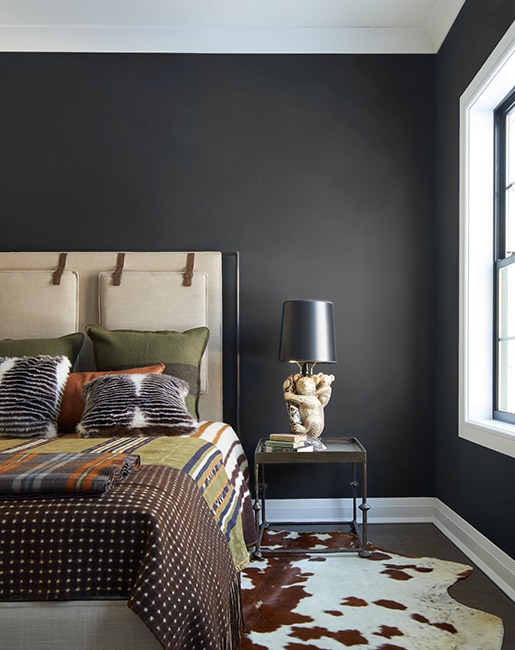
Why it works: Grays are calming, sophisticated, and provide an excellent foundation for layering textures and bolder accents. They reduce visual clutter, promoting a sense of order and tranquility. A darker gray can create a cocoon-like intimacy, while a lighter shade can make a room feel expansive and airy.
Pairing: Grays play well with almost anything. Think warm wood tones for a natural feel, industrial metallics (like brushed nickel or black iron), or crisp whites for a sharp contrast. You can easily introduce pops of color through bedding, artwork, or decorative objects – think a rich navy, a forest green, or even a deep mustard yellow.
Example Shades: Look for conceptual names like “Urban Stone” (a mid-tone gray), “Charcoal Depth” (a deep, rich gray), or “Silver Mist” (a light, airy gray with cool undertones).
Deep Blues: Serenity, Strength, and Focus
Blue is consistently one of the most popular colors for bedrooms, and for good reason. Deep blues, like navy, indigo, or even a stormy teal, are not only beautiful but also scientifically proven to promote feelings of calm and reduce stress. They represent stability, trust, and introspection.
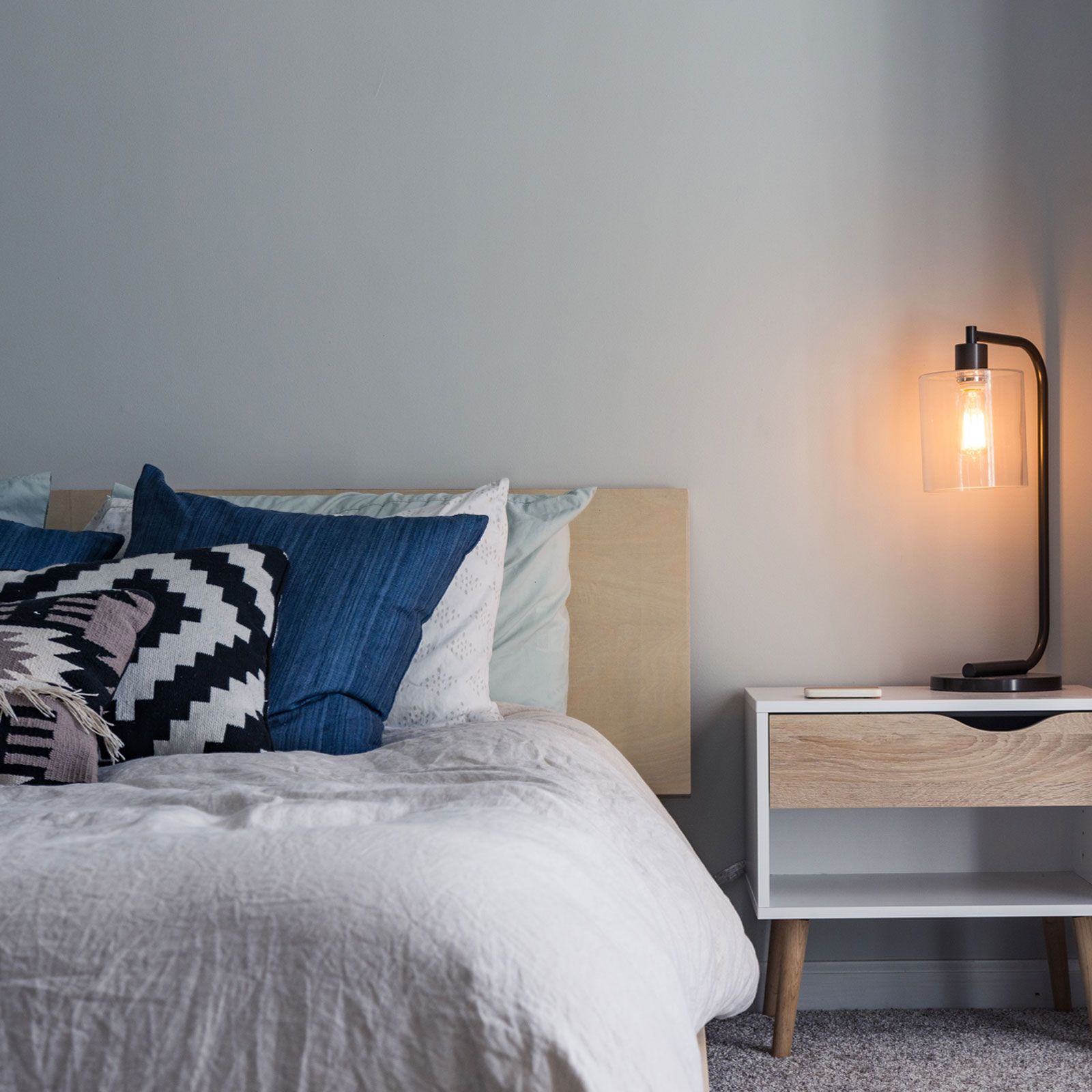
Why it works: A deep blue can transform a bedroom into a serene retreat, ideal for unwinding after a long day. It’s a color associated with the sky and ocean, evoking natural tranquility. Darker blues can feel incredibly luxurious and intimate, while slightly lighter, muted blues maintain a peaceful vibe without feeling too heavy.
Pairing: Contrast deep blues with crisp whites or creams for a classic nautical feel. Introduce warm wood tones for grounding, or metallic accents like brass or copper for a touch of refined elegance. Leather furniture also looks fantastic against a blue wall.
Example Shades: Consider “Midnight Ocean” (a classic deep navy), “Indigo Calm” (a muted, sophisticated indigo), or “Stormy Teal” (a blue-green that adds a touch of mystery).
Earthy Greens: Bringing Nature’s Calm Indoors
If you’re looking to create a bedroom that feels organic, refreshing, and deeply restorative, earthy greens are your answer. Shades like sage, olive, moss, or deep forest green connect us to nature, reducing stress and promoting a sense of well-being.
Why it works: Green is the color of balance and harmony. In a bedroom, it can lower heart rate and blood pressure, making it an excellent choice for promoting restful sleep. Earthy greens are sophisticated without being overly formal, offering a subtle yet impactful aesthetic.
Pairing: Embrace natural materials! Think light or dark wood furniture, leather accents, and natural fiber textiles like linen or wool. Black metal details, crisp white trim, or even a touch of terracotta or rust can beautifully complement green walls.
Example Shades: Explore “Sage Whisper” (a soft, muted green), “Olive Grove” (a rich, warm olive), or “Forest Retreat” (a deep, calming forest green).
Understated Neutrals: Warm Whites, Creams, and Greiges
Don’t mistake ‘neutral’ for ‘boring.’ The right warm white, creamy beige, or ‘greige’ (a blend of gray and beige) can create a canvas of understated sophistication, making your bedroom feel expansive, bright, and incredibly inviting. These colors are the foundation of a truly versatile design.
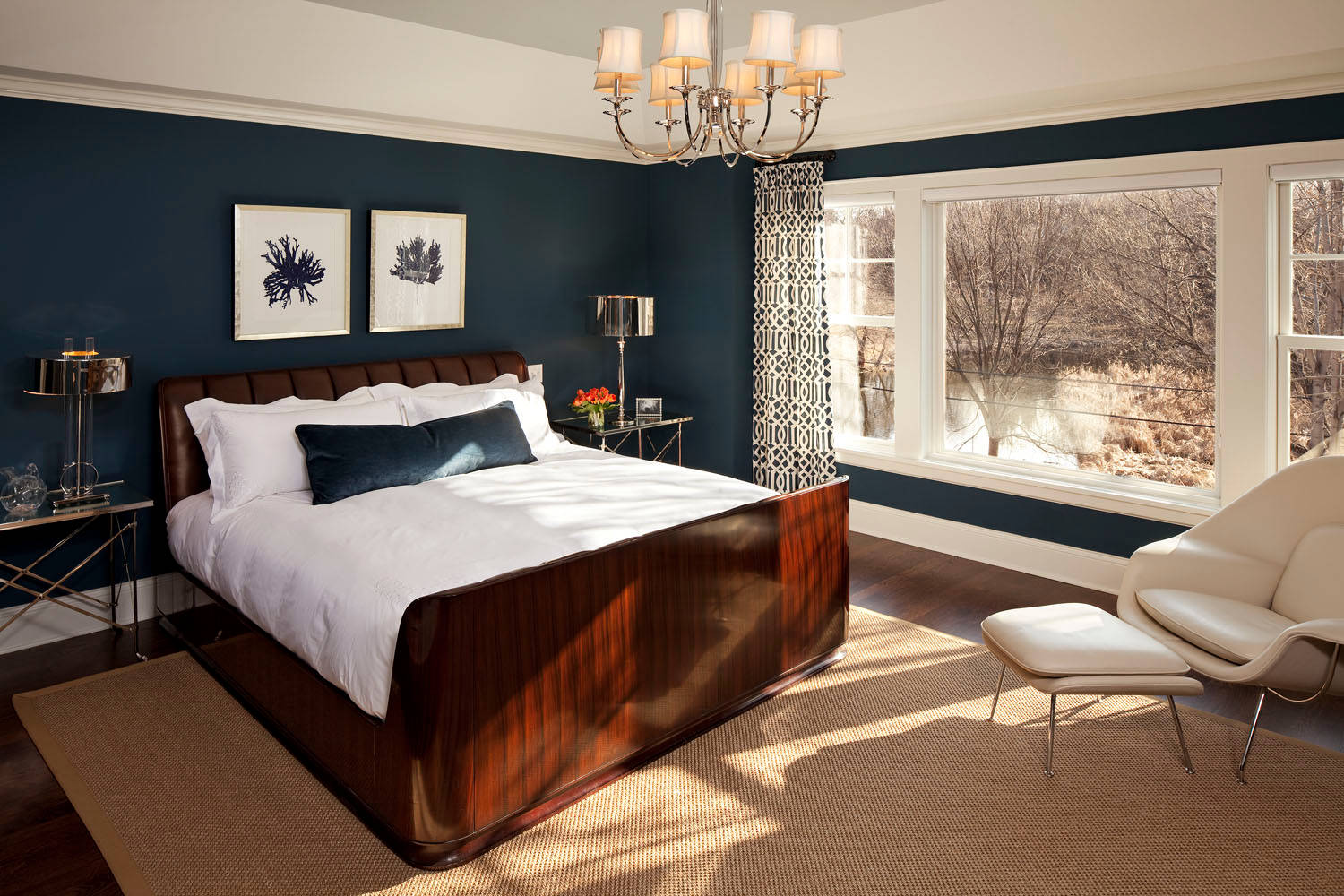
Why it works: These neutrals are timeless. They make smaller rooms feel larger and brighter, reflect natural light beautifully, and provide a clean, uncluttered backdrop for your life. They allow textures, furniture, and art to truly shine, giving you maximum flexibility to evolve your decor over time.
Pairing: The beauty of understated neutrals is that they work with literally *any accent color or material. Introduce texture through chunky knits, layered bedding, or a jute rug. Add depth with dark wood furniture, black metal accents, or a statement piece of art. Even a single vibrant armchair can pop against these walls.
Example Shades: Look for conceptual names like “Pale Oat” (a warm, barely-there beige), “Warm Linen” (a creamy off-white), or “Coastal Sand” (a perfect greige that leans warm).
Bold & Moody: Black, Deep Burgundy, and Slate
For the man who isn’t afraid to make a statement, bold and moody colors create an atmosphere of unparalleled drama, intimacy, and modern sophistication. These aren’t for the faint of heart, but when done right, they create a truly unforgettable space.
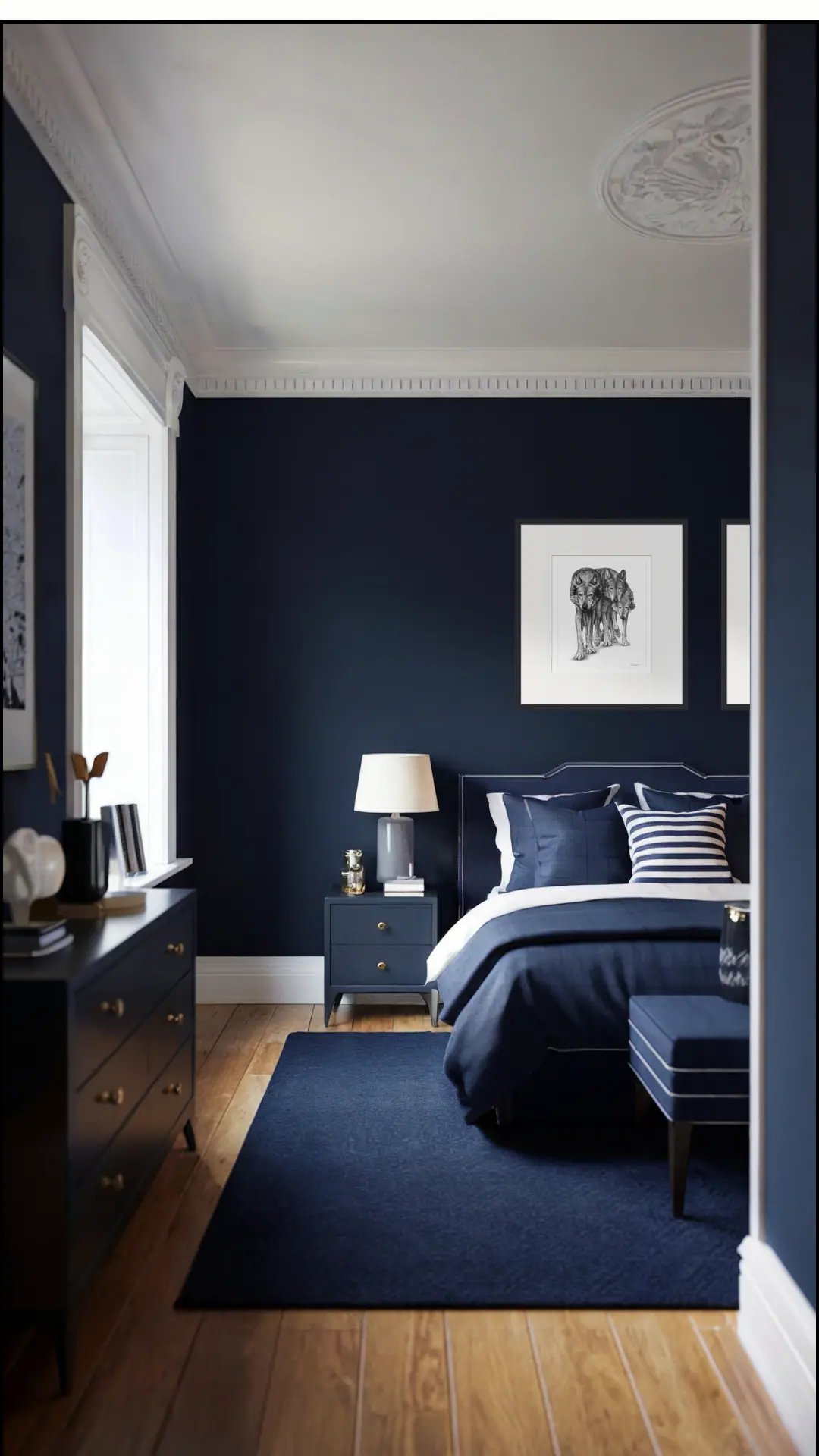
Why it works: Dark walls absorb light, making a room feel incredibly cozy, intimate, and cocoon-like – perfect for a bedroom. They exude confidence and can be surprisingly calming by reducing visual distractions. Black or deep burgundy creates a luxurious, high-end feel.
Pairing: Strategic lighting is paramount here. Use layered lighting to highlight specific areas and prevent the room from feeling like a cave. Contrast with metallics (gold, copper, polished chrome) for a touch of glamour. Rich textures like velvet, dark wood, or deep-pile rugs add to the luxurious feel. Introduce crisp white linens or a single vibrant piece of art to prevent overwhelming darkness.
Example Shades: Imagine “Onyx Shadow” (a soft black), “Crimson Depth” (a deep, sophisticated burgundy), or “Slate Horizon” (a dark, rich gray-blue).
Beyond the Walls: Complementary Elements for a Cohesive Look
Your wall color is just the beginning. The magic happens when you consider how everything else in the room interacts with it. A cohesive design elevates a simple paint job into a truly personalized sanctuary.
The Power of Contrast: Trim, Ceilings, and Accent Walls
- Trim: Crisp white trim against a darker wall color creates a defined, classic look. Matching your trim to the wall color creates a seamless, modern, and often larger-feeling space.
- Ceilings: Don’t always default to white! Painting your ceiling a slightly lighter shade of your wall color can create a sophisticated, enveloped feel. For dark walls, a light ceiling provides balance.
- Accent Walls: Use an accent wall to introduce a bolder color, a different texture (like wood paneling or brick veneer), or a pattern without committing to the entire room. It’s an excellent way to define a headboard area or a reading nook.
Lighting is Everything
Lighting profoundly impacts how your chosen wall color appears. A color swatch will look different in a brightly lit showroom than in your actual bedroom.

- Layered Lighting: Combine ambient light (overhead), task lighting (bedside lamps), and accent lighting (spotlights on art) to create depth and flexibility.
- Color Temperature: “Warm” light (yellowish tones, ~2700K-3000K) makes colors feel cozier and richer, ideal for bedrooms. “Cool” light (bluish tones, ~4000K+) can make colors appear starker.
- Natural Light: Observe how light changes throughout the day. Rooms with ample natural light can handle darker colors, while dimly lit rooms benefit from lighter, reflective hues.
Textures and Materials
Even with a single wall color, you can add immense interest and comfort through varying textures. This is especially vital in minimalist or monochromatic schemes.
- Wood: From sleek modern finishes to rustic reclaimed wood, it adds warmth and grounding.
- Leather: A classic masculine material that adds sophistication and a tactile element.
- Metal: Introduce industrial edge with black iron, warmth with brass or copper, or sleekness with chrome.
- Textiles: Think chunky knit throws, plush rugs, linen bedding, or a velvet armchair. These soften the space and invite touch.
Furniture & Decor Choices
Your furniture should complement, not compete with, your wall color. Choose pieces that align with your desired aesthetic – whether it’s the clean lines of modern minimalist furniture or the robust forms of a rustic lodge style.
- Keep it Cohesive: Ensure your furniture, art, and decorative items work together to reinforce the overall mood.
- Personal Touches: This is your space. Display objects that are meaningful to you – books, photos, souvenirs.
- Art: Art can introduce complementary colors, break up large expanses of wall, or serve as a vibrant focal point.
Choosing YOUR Perfect Palette: A Step-by-Step Guide
Ready to commit? Here’s a practical approach to ensure you pick a color you’ll love for years to come.
Step 1: Define Your Desired Mood
Before you even look at paint chips, ask yourself: How do I want to feel when I walk into my bedroom? Relaxed? Energized? Sophisticated? Cozy? This fundamental decision will narrow down your options significantly and guide all subsequent choices.
Step 2: Consider Your Room’s Natural Light
The direction your room faces drastically affects how a color appears. This is a critical factor often overlooked.
- North-facing rooms: Receive cooler, indirect light. Warm colors (reds, yellows, warm grays) or rich, saturated tones can prevent the room from feeling too cold.
- South-facing rooms: Bathed in warm, abundant light all day. Can handle almost any color, including cooler tones that might appear too stark elsewhere.
- East-facing rooms: Get bright morning light, then cooler light in the afternoon. Colors will look truest in the morning.
- West-facing rooms: Experience warm, intense afternoon and evening light. Colors chosen here will glow beautifully in the evening.
Step 3: Factor in Existing Furniture & Flooring
Unless you’re planning a complete overhaul, your wall color needs to harmonize with your existing big-ticket items. Take photos of your bed, dresser, and flooring. Bring them with you when looking at samples, or try to match undertones (warm wood tones with warm paint colors, cool metals with cool paint colors).
Step 4: Sample, Sample, Sample!
This is arguably the most important step. Paint swatches are too small. Purchase sample pots of your top 2-3 choices and paint large squares (at least 2’x2′) on different walls in your bedroom. Observe them at different times of day and under various lighting conditions. This investment will save you from a costly mistake.
Step 5: Don’t Forget the Sheen
The paint’s finish (sheen) dramatically affects how light reflects and how durable the surface is. Here’s a quick guide:
| Sheen Level | Description | Best For Bedrooms | Pros | Cons |
|---|---|---|---|---|
| Matte / Flat | No shine, velvety texture. | Excellent – Hides imperfections, rich color depth. | Hides flaws well, provides sophisticated look, rich color. | Less durable, harder to clean. |
| Eggshell | Slight, subtle sheen like an eggshell. | Very Good – Good balance of durability and low-sheen. | More durable than flat, easy to clean, still hides flaws well. | Slightly more reflective than flat. |
| Satin | Smooth, velvety finish with a soft sheen. | Good (especially for high-traffic areas or kids’ rooms). | Very durable, highly washable, good for active spaces. | Can highlight wall imperfections, more reflective. |
| Semi-Gloss | High durability, noticeable shine. | Not recommended for walls; typically for trim, doors, cabinets. | Extremely durable, very easy to clean. | Too shiny for walls, highlights every imperfection. |
Expert Tips for Flawless Execution
- Prep Work is Paramount: Don’t skip cleaning, patching holes, and taping. Proper preparation ensures a professional finish.
- Quality Tools Matter: Good quality brushes, rollers, and painter’s tape make a significant difference in ease of application and final result.
- Ventilate: Always ensure good ventilation when painting. Use low-VOC (Volatile Organic Compound) paints for better indoor air quality.
- Two Coats are Standard: Most colors will require two coats for full, even coverage, especially if you’re going from a light color to a dark one, or vice-versa.
Color Combinations for a Winning Bedroom Design
Sometimes it helps to see how colors work together in a complete scheme. Here are some popular and effective combinations for men’s bedrooms:
| Scheme Name | Primary Wall Color | Accent Color(s) | Mood Created | Ideal Pairings (Furniture/Decor) |
|---|---|---|---|---|
| Modern Industrial | Charcoal Gray | Brick Red, Burnt Orange, Black | Urban Sophistication, Edgy | Black metal bed frame, reclaimed wood dresser, exposed bulbs, leather chair. |
| Coastal Calm | Stormy Blue | Crisp White, Sandy Beige, Light Gray | Relaxed Serenity, Airy | Light wood furniture, linen bedding, natural fiber rug, rattan accents. |
| Rustic Retreat | Olive Green | Warm Cream, Dark Wood, Terracotta | Earthy Tranquility, Cozy | Chunky wood bed, leather armchair, wool throws, cast iron details. |
| Sleek Minimalist | Greige (Gray-Beige) | Black, White, Polished Chrome | Clean Simplicity, Modern | Floating shelves, minimalist platform bed, geometric art, glass elements. |
| Bold & Dramatic | Navy Blue | Gold, Copper, Rich Emerald Green | Luxurious Depth, Intimate | Velvet headboard, dark wood nightstands, brass lighting, opulent textures. |
Your bedroom is a reflection of your personality and your needs. It’s a space where you begin and end your day, so it deserves thoughtful consideration. By choosing a wall color that speaks to you – not to an outdated idea of what a ‘man’s room’ should be – you’ll create a sanctuary that is uniquely yours, providing comfort, style, and a perfect backdrop for your life.
Embrace the process, trust your instincts, and remember that the best color for your bedroom is the one that makes you* feel perfectly at home.
Frequently Asked Questions
What are the most popular bedroom wall colors for men?
While personal taste varies, sophisticated grays (from light silver to charcoal), deep blues (navy, indigo), earthy greens (sage, olive), and warm neutrals (greige, off-white) are consistently popular choices for creating inviting and stylish men’s bedrooms. Bold options like deep burgundy or soft black are also gaining traction for dramatic, intimate spaces.
How do I choose a bedroom color that reflects my personality?
Start by defining the mood you want your bedroom to evoke: calm, energetic, sophisticated, cozy, or minimalist. Consider your favorite colors from your wardrobe or surroundings. Look for shades within those color families that align with your desired mood. Don’t be afraid to experiment with samples on your walls to see how they look in your room’s unique lighting.
Are dark wall colors suitable for men’s bedrooms?
Absolutely! Dark wall colors like charcoal gray, deep navy, or even soft black can create a very intimate, sophisticated, and cocoon-like atmosphere, perfect for a bedroom. They can make a space feel luxurious and dramatic. However, it’s crucial to balance them with ample lighting (both natural and artificial) and lighter accents to prevent the room from feeling too small or oppressive.
What’s the best paint finish for a bedroom?
For bedroom walls, a flat (matte) or eggshell finish is generally recommended. Flat paint offers a rich, velvety look and hides imperfections well, creating a sophisticated aesthetic. Eggshell provides a slight sheen, is more durable, and easier to clean than flat, making it a good all-around choice for a balance of aesthetics and practicality.
How does natural light affect bedroom wall colors?
Natural light significantly impacts how a paint color appears. North-facing rooms receive cooler, indirect light, making colors look more muted. South-facing rooms get warm, abundant light, making colors appear brighter. East-facing rooms have bright morning light, while west-facing rooms get intense, warm afternoon light. Always test paint samples on your walls and observe them throughout the day to ensure you like how the color shifts.
Should I use an accent wall in a man’s bedroom?
An accent wall can be an excellent way to add visual interest, introduce a bolder color, or highlight a specific feature like the headboard. It allows you to experiment with a darker or more vibrant shade without overwhelming the entire room. Consider using a different texture, such as wood paneling or a wallpaper with a subtle pattern, for added depth.
What colors pair well with gray bedroom walls?
Gray is incredibly versatile! It pairs beautifully with warm wood tones, industrial black metals, and crisp white for a modern look. For color accents, consider deep blues (navy, teal), earthy greens (forest, sage), or even rich, warm tones like burnt orange or mustard yellow to add personality and warmth against a gray backdrop.