Beyond Beige: Mastering Bedroom Paint Ideas with Dark Wood Furniture
You’ve got that stunning dark wood furniture in your bedroom – maybe a grand sleigh bed, a stately dresser, or a pair of elegant nightstands. It’s beautiful, timeless, and adds a certain gravitas to your space. But here’s the rub: sometimes, that very elegance can feel… heavy. You start wondering, “How do I choose a paint color that doesn’t make my room feel like a cave? How can I make this dark wood pop, not disappear?”
If you’re nodding along, you’re in the right place. I’m here to tell you that your dark wood bedroom doesn’t have to be a dungeon, nor does it have to be boring. With the right paint choices, you can transform your bedroom into a sanctuary that feels both sophisticated and utterly inviting. Forget the generic beige – we’re going to dive deep into colors, concepts, and actionable strategies that will help you select the perfect palette to complement your cherished dark wood pieces.
The Timeless Appeal (and Common Dilemmas) of Dark Wood Furniture
There’s a reason dark wood furniture has graced homes for centuries. It exudes a sense of luxury, stability, and tradition. Whether it’s a rich mahogany, a deep walnut, or a striking espresso finish, dark wood offers a grounding presence and a beautiful contrast that can make a room feel inherently sophisticated. It’s the kind of furniture that tells a story, often becoming a treasured heirloom.
However, its very strengths can present design challenges. The deep tones of dark wood can absorb light, making a room feel smaller or darker than it actually is. It can sometimes feel dated if not paired thoughtfully, or overwhelm a space, making it feel less like a cozy retreat and more like a cavern. The key, then, is to leverage its elegance while introducing elements that create balance, contrast, and visual interest. Our goal is to make your dark wood the star, without letting it dominate the entire show.
The Foundational Principles: How Color Interacts with Dark Wood
Before we grab paint swatches, let’s understand the underlying principles of why certain colors sing with dark wood, and others fall flat. It’s more than just aesthetics; it’s about how light, shadow, and perception play together.
Contrast is Key: Light vs. Dark, Warm vs. Cool
This is arguably the most important rule. Dark wood needs contrast to shine. Pairing it with other dark elements can lead to a monotone, oppressive space. But contrast isn’t just about light and dark; it’s also about warm and cool tones.
- Light & Dark Contrast: Think crisp white walls with a dark walnut bed. The light walls reflect light, making the room feel open, while the dark wood provides a strong, elegant anchor.
- Warm & Cool Contrast: Dark wood often has warm undertones (red, orange, yellow). Pairing it with cool-toned paints (blues, greens, cool grays) creates a sophisticated tension that’s visually appealing. Conversely, warm-toned paints can create a cozier, more inviting harmony.
Undertones Matter: Decoding Your Wood and Paint
Every piece of wood, no matter how dark, has an undertone. It might be reddish (like cherry or mahogany), yellowish (some oaks, walnuts), or even a cooler, grayish brown. The same applies to paint colors. Understanding these undertones is crucial for creating a cohesive look.
- Warm Wood Undertones (Red, Orange, Yellow): These often pair beautifully with cool-toned paints (blues, greens, grays) for a striking contrast, or with warm neutrals to enhance coziness.
- Cool Wood Undertones (Grayish Brown): These can handle both warm and cool paint colors, offering more versatility. They often look stunning with deep jewel tones or crisp whites.
A simple trick: hold a white piece of paper next to your dark wood to better see its true undertone.

The Power of Light: Natural vs. Artificial Impact
Paint colors are chameleons. They change dramatically depending on the light source. A color that looks perfect under the bright fluorescent lights of a paint store might look entirely different in your bedroom.
- Natural Light: North-facing rooms tend to have cooler, softer light, which can make colors appear more muted. South-facing rooms get warmer, brighter light, intensifying colors. East-facing rooms get morning sun (warm), west-facing rooms get afternoon sun (warm).
- Artificial Light: Incandescent bulbs emit a warmer, yellow light, while LED and fluorescent lights can range from cool to warm. Always test paint swatches in your room at different times of day and with your typical lighting on.
Room Size & Ambiance: How Paint Choices Affect Perception
Your paint color choice isn’t just about aesthetics; it’s about shaping the feel of your room.
- Smaller Rooms: Lighter colors tend to expand a space, making it feel larger and more open. Using a monochromatic scheme (variations of the same color) can also visually enlarge a room.
- Larger Rooms: You have more freedom here. Deeper, richer colors can create a cozy, enveloping atmosphere, or you can use bold colors for a dramatic statement.
| Paint Color Type | Impact with Dark Wood Furniture | Best For… |
|---|---|---|
| Light Neutrals (Whites, Greiges) | Creates high contrast, brightens, highlights wood. | Small rooms, modern aesthetics, minimalist designs. |
| Cool Colors (Blues, Greens) | Soothes, creates serene contrast, feels fresh. | Bedrooms for relaxation, coastal or traditional styles. |
| Warm Colors (Deep Reds, Golds, Earth Tones) | Cozy, rich, inviting, can enhance wood’s warmth. | Larger rooms, rustic, traditional, or bohemian vibes. |
| Dark, Saturated Colors (Navy, Charcoal) | Creates dramatic, luxurious, enveloping feel. | Master bedrooms, bold statements, intimate settings. |
Top Paint Color Palettes That Harmonize with Dark Wood
Now that we’ve covered the basics, let’s explore specific color families that really shine when paired with dark wood furniture. I’ll give you ideas, and even some popular examples to get you started.
The Bright & Airy Collection: Opening Up Your Space
If your goal is to brighten, lighten, and create a sense of spaciousness, these are your go-to options. They provide a beautiful, crisp contrast to dark wood, making the furniture stand out as elegant anchors.
Warm Whites & Creams: The Classic Choice, Reimagined
This isn’t your stark, cold builder white. Warm whites have subtle undertones of yellow, pink, or beige that prevent them from feeling sterile. They reflect light beautifully and create a fresh, clean backdrop that lets your dark wood shine. Creams offer a slightly softer, cozier version of white, adding a touch of vintage charm.
- Why they work: High contrast, maximum light reflection, timeless elegance.
- Popular Examples: Benjamin Moore ‘White Dove’, Sherwin-Williams ‘Alabaster’, Farrow & Ball ‘Wimborne White’.
Light Greys & Greiges: The Sophisticated Neutral
Greige (a blend of gray and beige) and light grays are incredibly versatile. They offer more depth than pure white but still keep the room feeling light and contemporary. A light gray with a blue or green undertone can beautifully complement warm dark woods, while a greige with a slight warmth can create a harmonious, cozy feel.
- Why they work: Modern, sophisticated, provides a subtle contrast that’s less stark than white, hides imperfections better.
- Popular Examples: Benjamin Moore ‘Revere Pewter’ (greige), Sherwin-Williams ‘Agreeable Gray’ (greige), Farrow & Ball ‘Skimming Stone’ (light greige).
Soft Pastels: Gentle Hues for a Serene Sanctuary
Think muted blues, soft greens, or whispery lavenders. These delicate shades introduce color without overwhelming the space. They create a serene, calming atmosphere, making them perfect for a bedroom. The light, airy quality of pastels forms a gentle contrast with the richness of dark wood.
- Why they work: Calming, adds a touch of color without sacrificing lightness, feels fresh and peaceful.
- Popular Examples: Benjamin Moore ‘Palladian Blue’ (soft blue-green), Sherwin-Williams ‘Sea Salt’ (light green-gray), Farrow & Ball ‘Calluna’ (muted lavender).
The Deep & Dramatic Collection: Embracing Sophistication
If you’re looking to create a bedroom with gravitas, a luxurious feel, or simply crave a bold statement, these deeper hues are your allies. They don’t shy away from your dark wood; instead, they embrace it, creating a rich, enveloping ambiance.
Rich Blues: From Nautical to Regal
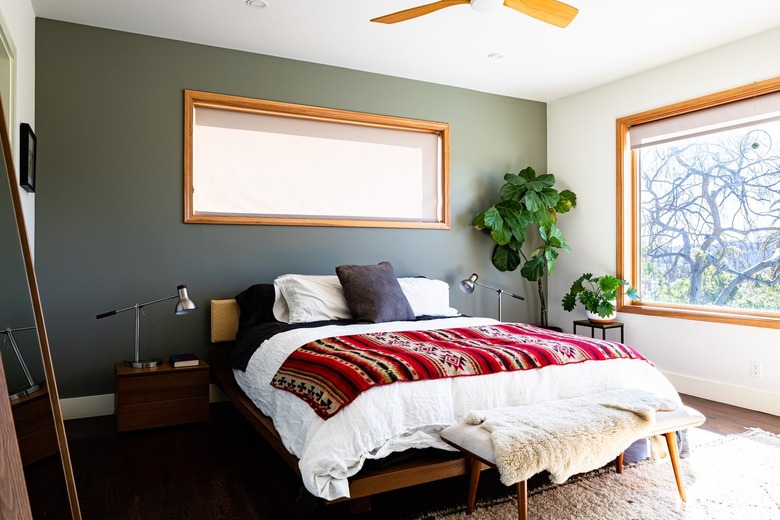
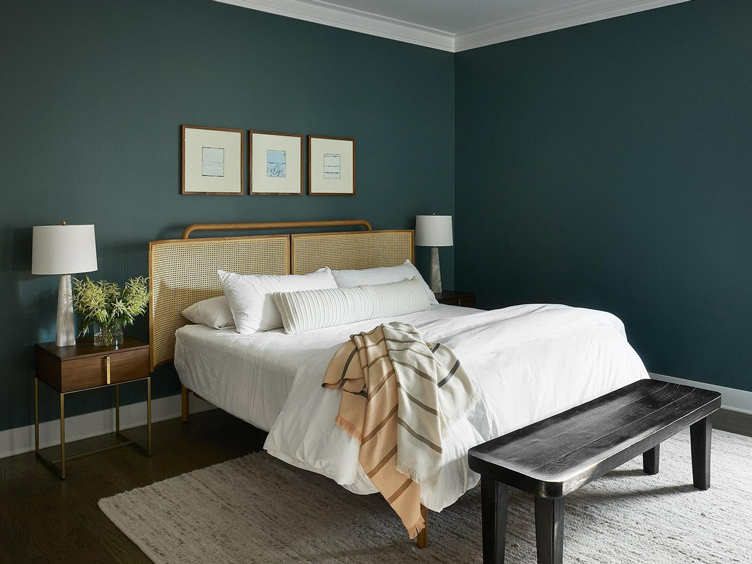
Deep blues, like navy or a dark teal, are incredibly chic with dark wood. They evoke a sense of calm and stability, making them ideal for a bedroom. Navy creates a classic, almost masculine look, while a deep teal or sapphire can feel more exotic and vibrant. These colors offer a beautiful cool contrast to the warmth of most dark woods.
- Why they work: Sophisticated, calming, excellent cool contrast, can make a room feel grand.
- Popular Examples: Benjamin Moore ‘Hale Navy’, Sherwin-Williams ‘Naval’, Farrow & Ball ‘Hague Blue’.
Lush Greens: Nature’s Embrace
From deep forest greens to more muted olive or moss tones, green is a fantastic choice for pairing with dark wood. It brings the outdoors in, creating a sense of tranquility and connection to nature. Deeper greens offer a rich, jewel-toned backdrop that feels both luxurious and grounding.
- Why they work: Organic, soothing, sophisticated, creates a natural harmony.
- Popular Examples: Farrow & Ball ‘Green Smoke’, Benjamin Moore ‘Backwoods’, Sherwin-Williams ‘Evergreen Fog’.
Charcoal & Deep Greys: Modern Edge with Timeless Appeal
For a contemporary, urbane feel, charcoal or deep gray walls can be stunning. They offer a more subtle, tonal contrast with dark wood, creating a sleek and sophisticated look. This palette often feels very modern and can be warmed up with textiles and accessories.
- Why they work: Chic, contemporary, sophisticated, creates a strong, defined space.
- Popular Examples: Sherwin-Williams ‘Peppercorn’, Benjamin Moore ‘Kendall Charcoal’, Farrow & Ball ‘Down Pipe’.
Earthy Browns & Terracottas: Warmth and Grounding
While this might seem counter-intuitive, certain rich, warm browns or even muted terracottas can work beautifully, especially if your dark wood has strong red or orange undertones. The key is to choose shades that are distinct enough from your furniture to avoid a monolithic look, perhaps a shade lighter or with a different undertone to create subtle depth.
- Why they work: Cozy, grounding, creates a harmonious, warm cocoon.
- Popular Examples: Benjamin Moore ‘Lenox Tan’, Sherwin-Williams ‘Biltmore Buff’, Farrow & Ball ‘Setting Plaster’ (a pinky terracotta).
The Unexpected & Vibrant Collection: Adding Personality
Feeling a little bolder? Don’t shy away from colors that truly make a statement. These hues can add personality and a unique twist to a dark wood bedroom, proving that traditional furniture can be thoroughly modern.
Muted Yellows/Golds: Sunny & Inviting
A soft, buttery yellow or a rich, muted gold can bring incredible warmth and light to a bedroom with dark wood. It creates a cheerful, optimistic atmosphere and beautifully complements the warm tones found in many dark woods.
- Why they work: Uplifting, warm, inviting, offers a bright contrast.
- Popular Examples: Benjamin Moore ‘Weston Flax’, Sherwin-Williams ‘Ivoire’.
Soft Corals/Blush Pinks: Feminine Touch with Modern Contrast
A dusty rose, a soft blush, or a muted coral can introduce a delicate, feminine, and surprisingly modern touch. These colors offer a beautiful, gentle contrast to dark wood, preventing the room from feeling too heavy and adding a hint of romance and softness.
- Why they work: Romantic, soft, modern, adds warmth and gentleness.
- Popular Examples: Farrow & Ball ‘Pink Ground’, Benjamin Moore ‘Mesa Peach’.
Deep Plum/Burgundy: Luxurious & Dramatic
For sheer drama and luxury, deep purples or rich burgundies can be magnificent. These jewel tones create an opulent, intimate atmosphere that is perfectly complemented by dark wood. Think of a sophisticated, velvet-lined box – incredibly chic and cozy.

- Why they work: Opulent, dramatic, sophisticated, creates an intimate setting.
- Popular Examples: Farrow & Ball ‘Brinjal’, Sherwin-Williams ‘Raisin’.
Beyond the Walls: Complementary Elements to Elevate Your Design
Paint is a huge player, but it’s just one part of the symphony. To truly master your dark wood bedroom design, you need to think about all the other elements that contribute to the overall feel. These pieces work in tandem with your paint choice to create a cohesive, inviting space.
Ceilings: The Fifth Wall
Don’t neglect your ceiling! Painting it a crisp white will always make a room feel taller and brighter. However, for a more enveloping, cozy feel, consider painting the ceiling a lighter shade of your wall color, or even the same deep color for a truly dramatic, intimate effect, especially in larger rooms.
Trim & Doors: The Framing Elements
Crisp white trim is a classic choice that provides a clean outline and highlights your wall color. Alternatively, you can paint trim the same color as your walls for a seamless, modern look, or a slightly lighter/darker shade for subtle architectural interest. Dark wood doors can be stained to match your furniture, or painted a contrasting color to add a pop.
Flooring: Grounding Your Palette
If you have dark wood floors, lighter paint colors become even more crucial to balance the room. Add light-colored rugs to break up the expanse of dark flooring and introduce texture. For lighter floors, you have more freedom with darker wall colors.
Textiles: Bedding, Curtains, and Throw Pillows
This is where you bring in layers of softness, pattern, and additional color. Light-colored bedding (whites, creams, light grays) is almost always a winning strategy with dark wood furniture, instantly brightening the bed area. For curtains, choose fabrics that either match your wall color for a seamless look, or a contrasting light shade to soften windows. Introduce textures like linen, velvet, or chunky knits for depth.
Lighting: Your Room’s Best Friend
Layered lighting is non-negotiable in a dark wood bedroom. Since dark wood absorbs light, you need to compensate. Think about:
- Ambient Lighting: A ceiling fixture or recessed lights to provide overall illumination.
- Task Lighting: Reading lamps on nightstands or sconces.
- Accent Lighting: Up-lights for plants, picture lights, or dimmable lamps to create mood.
Ensure bulbs provide warm, inviting light rather than harsh, cool tones.
Metallics: A Touch of Shine
Gold, brass, and copper accents bring warmth and a touch of glamour that beautifully complements dark wood. Silver or chrome can lean more contemporary and cool. Use them in lamp bases, picture frames, decorative objects, or curtain rods to add reflective surfaces.
Greenery: Bringing Life In
Plants are a simple yet incredibly effective way to soften the intensity of dark wood. Their natural green hues provide a vibrant, organic contrast, adding freshness and life to the room. Consider large floor plants or smaller potted plants on dressers and nightstands.
Practical Application: Making Your Paint Choices a Reality
Choosing a color is just the beginning. The real magic happens in the execution. Here’s how to ensure your vision translates perfectly onto your walls.
Testing is Non-Negotiable: Live With Your Colors
Seriously, do not skip this step. Paint store swatches are tiny and often misleading. Purchase sample pots of your top 2-3 choices. Paint large swatches (at least 2’x2′) on different walls in your bedroom, perhaps on poster board you can move around. Observe them throughout the day, in natural light and artificial light. See how they interact with your dark wood furniture. What looks great in the morning might feel off at night.
Considering Sheen: More Than Just a Finish
The sheen (or finish) of your paint dramatically affects how it looks and performs. It dictates how much light the paint reflects and how durable it is.
| Sheen Type | Characteristics | Best For Bedrooms |
|---|---|---|
| Matte/Flat | No shine, hides imperfections well, rich color depth. Less durable, harder to clean. | Walls where you want a soft, sophisticated look and don’t need frequent cleaning. |
| Eggshell | Slight sheen, more durable than flat, still hides imperfections. Most popular choice. | General bedroom walls for a balance of aesthetics and practicality. |
| Satin | Smooth, pearl-like sheen, very durable and easy to clean. Can highlight imperfections. | Trim, doors, high-traffic areas, or walls if you want a subtle glow. |
| Semi-Gloss | High shine, extremely durable and washable. | Trim and doors only; too reflective for most bedroom walls. |
Small Room vs. Large Room Strategies
- For Small Bedrooms: Stick to lighter, cooler colors to expand the space. Whites, very light grays, or soft pastels are excellent. Minimize clutter and use reflective surfaces (mirrors, metallics) to bounce light around.
- For Large Bedrooms: You can afford to go darker and bolder. Embrace deep jewel tones, charcoals, or rich blues to create an intimate, cocoon-like atmosphere. You can also use accent walls with bolder patterns or textures.
The 60-30-10 Rule: A Design Pro’s Secret
This simple interior design rule ensures balance in any space:
- 60% Dominant Color: This is typically your wall color, the most prevalent hue in the room.
- 30% Secondary Color: Your dark wood furniture often takes up this percentage, along with large textiles like rugs or curtains.
- 10% Accent Color: This is your pop of color, found in throw pillows, artwork, decorative objects, or plants.
By consciously applying this rule, you can create a harmonious and visually appealing bedroom.
What to Avoid: Common Pitfalls with Dark Wood Furniture
Even with the best intentions, it’s easy to make mistakes. Here are a few things to steer clear of when painting your bedroom with dark wood furniture:
- Overwhelming the Room with Too Much Dark: While a dramatic dark wall can work in large spaces, pairing dark walls, dark furniture, dark floors, and minimal lighting in a small room is a recipe for a truly oppressive, cave-like feeling. Balance is key.
- Ignoring Undertones: Choosing a paint color with clashing undertones (e.g., a very cool gray with a very warm, reddish wood) can make both the paint and the furniture look ‘off’ or muddy. Always consider the wood’s inherent warmth or coolness.
- Choosing ‘Builder Beige’ Without Thought: While some neutral beiges can work, a flat, uninspired beige can make dark wood look even heavier and the room feel bland. If you opt for beige, ensure it has a nuanced undertone that complements your wood, or lean into a greige.
- Skipping Test Swatches: I’ll say it again: test your paint! What looks good on a screen or a tiny chip can be drastically different on your wall. This step prevents costly and time-consuming repaints.
- Underestimating Lighting Needs: Dark wood absorbs light. If your room is naturally dim, relying solely on a single overhead light won’t cut it. Invest in layered lighting to brighten and create ambiance.
- Matching Everything Perfectly: Don’t try to find a paint that’s an exact match for your dark wood. This often creates a dull, uninteresting space. Instead, aim for complementary colors that offer contrast and visual interest.
Your Dark Wood Bedroom, Reimagined
See? Your dark wood furniture isn’t a design constraint; it’s an opportunity. It provides a foundation of elegance and sophistication, ready for you to build upon. By understanding the interplay of color, light, and texture, you can choose a paint color that not only complements your furniture but transforms your entire bedroom into a space you adore.
![8 Colour Schemes for Dark Wood Furniture [Trending Picks]](https://kukabyarterio.com/wp-content/uploads/2024/10/dark-wood-furniture-colour-schemes.webp "8 Colour Schemes for Dark Wood Furniture [Trending Picks]")
Whether you lean towards bright and airy whites, calming blues and greens, or embrace the drama of rich, saturated hues, remember to test your choices, consider all elements of the room, and trust your instincts. Go forth, experiment, and create the dark wood bedroom of your dreams!
Frequently Asked Questions
What is the best paint color to lighten a bedroom with dark wood furniture?
To significantly lighten a bedroom with dark wood furniture, opt for warm whites (like Benjamin Moore ‘White Dove’ or Sherwin-Williams ‘Alabaster’), light greiges (such as Benjamin Moore ‘Revere Pewter’), or very pale, cool pastels (like a muted sky blue or seafoam green). These colors reflect the most light, creating an airy and spacious feel while providing a crisp contrast to the dark wood.
Can I use dark paint colors in a bedroom with dark wood furniture?
Yes, absolutely! Using deep, saturated colors like navy blue, forest green, or charcoal gray can create an incredibly luxurious, dramatic, and intimate atmosphere. The key is to balance the darkness with ample lighting (layered ambient, task, and accent lighting), lighter textiles (bedding, curtains), and reflective metallic accents to prevent the room from feeling too heavy or cave-like.
How do I choose a paint color that complements my dark wood’s undertones?
First, identify your dark wood’s undertone (reddish, yellowish, grayish). For warm, reddish/yellowish wood, cool-toned paints (blues, greens, cool grays) create a beautiful contrast. For cooler, grayish wood, you have more flexibility, and both warm neutrals (creams, warm greiges) and jewel tones can work well. Always test large paint swatches on your wall next to the furniture to see how the undertones interact in your specific lighting.
What kind of paint sheen is best for a bedroom with dark wood furniture?
For bedroom walls, eggshell is generally the most popular choice as it offers a slight sheen, good durability, and is easier to clean than flat paint, while still hiding minor imperfections. Matte or flat finishes provide a sophisticated, velvety look and excellent color depth but are less durable. Avoid semi-gloss or gloss on walls, as they are too reflective and can highlight imperfections, best saved for trim and doors.
Should my bedroom ceiling be white if I have dark wood furniture?
Painting your ceiling a crisp white is a classic choice that will make the room feel taller and brighter, especially beneficial with dark wood furniture. However, for a more dramatic or cozy effect in larger rooms, you could paint the ceiling a lighter shade of your wall color, or even the same deep wall color to create an enveloping, intimate ‘cocoon’ feel. Consider your room’s size and desired ambiance.
How important is lighting in a dark wood bedroom?
Lighting is extremely important! Dark wood furniture absorbs light, so without adequate lighting, the room can feel dim and heavy. Implement layered lighting: ambient (overhead), task (reading lamps), and accent (for mood or highlighting decor). Use bulbs with a warm color temperature to create an inviting atmosphere, and consider dimmers for flexibility.
What are some common mistakes to avoid when decorating a dark wood bedroom?
Avoid overwhelming the room with too much darkness (dark walls, dark furniture, dark floors without balance). Don’t ignore the undertones of your wood or paint, as clashing tones can look muddy. Always test paint swatches on your walls in different lighting conditions before committing. Lastly, don’t forget to incorporate lighter textiles, reflective accents, and greenery to balance the richness of the dark wood.