Master the Art of Acrylic Shadows: Your Definitive Guide to Depth & Realism
Ever look at a painting and feel like something’s missing? Like it’s flat, lifeless, or just… off? Chances are, the shadows aren’t doing their job. Shadows aren’t merely dark blobs; they’re the unsung heroes of painting, the architects of depth, form, and emotion. They tell a story about light, about the object, and about the very atmosphere of your scene.
If you’ve struggled with making your acrylic paintings pop, if your shadows look muddy or cartoonish, or if you simply want to elevate your artistic game, you’re in the right place. I’m going to walk you through everything you need to know about painting shadows with acrylics, from understanding the science of light to mixing vibrant, believable darks that breathe life into your artwork.
Forget everything you thought you knew about just adding black paint. We’re diving deep into color theory, practical mixing techniques, and the subtle nuances that separate amateur attempts from truly compelling art. Let’s transform your understanding of shadows and, by extension, your entire painting process.
Why Shadows Aren’t Just “Dark”: Understanding the Fundamentals
Before we even touch a brush, we need to understand what shadows actually are and how they function. Think of shadows not as an absence of light, but as areas where light is less direct, less intense, or completely blocked. They are critical for conveying three-dimensionality on a two-dimensional surface.
The Anatomy of Light and Shadow
Not all shadows are created equal. There are distinct types, and understanding them is your first step toward painting them realistically:
- Cast Shadows: These are the shadows an object casts onto another surface. They are defined by the object’s shape, the light source’s direction, and the surface it falls upon. Cast shadows help ground an object, showing its relationship to its environment.
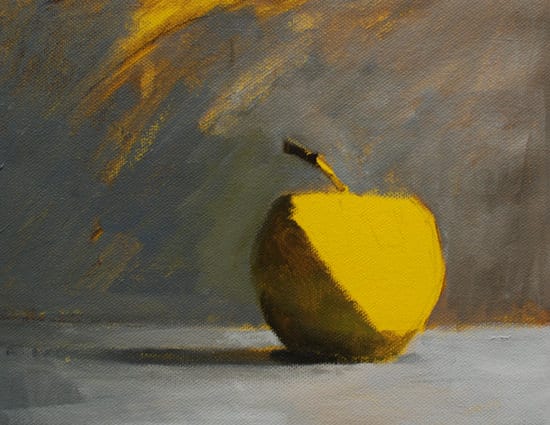
- Form Shadows: These are the shadows that appear on the object itself, defining its three-dimensional form. Think of the shaded side of an apple or the underside of a curved vase. Form shadows show volume and curvature.
- Occlusion Shadows: These are the darkest parts of a shadow, found where two surfaces meet, or where an object rests directly on a surface, completely blocking out light. Think of the tiny sliver of shadow under a cup’s rim or where a book meets a table. These are often the deepest, most saturated darks in your painting.
Here’s a quick overview of these shadow types:
| Shadow Type | Description | Key Role in Painting |
|---|---|---|
| Cast Shadow | The shadow an object projects onto another surface, defined by the object’s outline and light direction. | Grounds the object, indicates light source, creates spatial relationships. |
| Form Shadow | The shaded area on the object itself, resulting from its curvature and orientation away from the light. | Defines volume, shape, and three-dimensionality of the object. |
| Occlusion Shadow | The darkest point where an object is closest to or touches a surface, completely blocking light. | Adds maximum contrast, anchoring the object and intensifying depth. |
Light Source is Everything: How Direction and Intensity Dictate Shadow
The type of light hitting your subject profoundly affects its shadows. Is the light hard and direct (like harsh sunlight) or soft and diffused (like an overcast day)?
- Hard Light: Creates crisp, sharp-edged shadows with clear boundaries. Think strong summer sun.
- Soft Light: Produces softer, more gradual shadows with feathered edges. Think a cloudy day or indirect indoor light.
The direction of your light source dictates the shape and placement of your cast shadows. Light from above will cast shadows below. Light from the side will cast shadows to the opposite side. Observing this relationship is fundamental to accurate shadow placement.
Beyond Black: The True Colors of Shadows
This is where many beginners stumble. Shadows are almost never pure black. They are influenced by the color of the object, the color of the light, the color of the surrounding environment, and even atmospheric conditions.
- Value: This is how light or dark a color is. Shadows are, by definition, lower in value than the illuminated areas. Getting the value right is your top priority.
- Temperature: Shadows can be warm or cool. Generally, if the light source is warm (like a sunset), the shadows will tend to be cooler (blues, purples). If the light source is cool (like fluorescent light or an overcast sky), the shadows will tend to be warmer (reddish-browns, muted oranges). This contrast adds incredible vibrancy.
- Saturation: Shadows are typically less saturated (more muted or desaturated) than the colors in direct light. However, they aren’t necessarily dull. A touch of subtle color within a shadow can make it sing.
- Reflected Light: This is the secret ingredient! Light bounces off surrounding surfaces and into the shaded areas of an object. This reflected light brightens the form shadow slightly and often introduces a subtle color from the bouncing surface. Ignoring reflected light makes your objects look flat and cut out.
Prepping Your Palette: Essential Acrylics for Shadow Work
Now that you’re thinking like a light detective, let’s talk paint. Acrylics are fantastic for shadows because they dry quickly, allowing for easy layering and glazing.
The “No Black” Debate: Why You Should (Mostly) Avoid It
Many art instructors preach “never use black paint,” and for good reason. Pure black pigment (like Mars Black or Ivory Black) can often make shadows look flat, dull, and lifeless. It deadens the surrounding colors and removes the subtle shifts in temperature and saturation that make shadows interesting.
Instead, we’re going to mix our own vibrant, rich darks that maintain color integrity and depth. However, there are exceptions: sometimes a tiny bit of black in an occlusion shadow can provide that ultimate deep void, but it’s used sparingly and intentionally.
Go-To Colors for Rich Shadows (Beyond Complementary)
While mixing a color with its complement (e.g., red + green) is a valid way to create a muted dark, it’s just one tool. Here’s a palette of colors I frequently reach for to build dynamic shadows:
- Blues: Ultramarine Blue is a warm blue that mixes beautifully with browns and reds for rich, deep neutrals. Phthalo Blue (Green Shade) is an intense, cool blue excellent for creating very cool, dark shadows, especially when mixed with a transparent brown like Burnt Umber.
- Violets: Dioxazine Purple is a stunning, deep, transparent purple that can create gorgeous, nuanced darks. It’s especially effective in shadows under cool light or when painting foliage.
- Earth Tones: Burnt Umber (a warm, dark brown) and Raw Umber (a cooler, greenish-brown) are staples. They are versatile for desaturating colors and creating deep, earthy shadows. Sepia is another fantastic, rich, dark brown.
- Reds/Crimsons: Alizarin Crimson or Quinacridone Red can add warmth and depth to shadows, especially when mixed with blues or greens, creating a beautiful muted plum or brownish-red.
- Greens: While less common as a direct shadow color, a deep, desaturated green like Hooker’s Green or a mixed green (Ultramarine Blue + Cadmium Yellow Medium, then desaturated with Burnt Umber) can be incredible for subtle color shifts within a shadow.
Step-by-Step: Painting Shadows with Acrylics Like a Pro
Ready to get your hands (and brushes) dirty? This systematic approach will help you build convincing shadows layer by layer, harnessing the power of acrylics.
Step 1: Observe Your Reference (Crucial Foundation)
Before you even pick up a brush, study your subject or reference image intensely. Ask yourself:
- Where is the light source coming from?
- What is the overall color temperature of the light (warm or cool)?
- Where are the cast shadows? What are their shapes? How sharp or soft are their edges?
- Where are the form shadows on the object itself?
- Can you detect any reflected light within the shadows? What color is it?
- Where are the darkest occlusion shadows?
Don’t guess. Trust your eyes. Squinting can help you simplify values and see the overall shadow shapes more clearly.
Step 2: Establish Your Light Source & Mid-Tones
Before you dive into shadows, lay down your mid-tones and highlights on the illuminated areas of your subject. This gives your shadows something to contrast against and helps you judge their relative value accurately. You’re building the foundation upon which your shadows will define form.
Step 3: Mix Your Base Shadow Color (Start Light!)
This is where the magic happens. Remember, we’re not using black. Here are some reliable starting points for mixing your shadow colors:
- For Warm Light (e.g., sunlight, incandescent): Mix a cool blue (Ultramarine Blue or Phthalo Blue) with a warm earth tone (Burnt Umber or Raw Sienna) and a touch of Alizarin Crimson for depth. You can also mix the object’s local color with its complement, then desaturate with an earth tone.
- For Cool Light (e.g., overcast sky, fluorescent): Mix a warm red (Cadmium Red Medium) or orange (Cadmium Orange) with a cool blue (Phthalo Blue) or Dioxazine Purple. Or, simply mix Burnt Umber with Ultramarine Blue for a rich, neutral dark.
Always start lighter and less saturated than you think you need. Acrylics dry darker, and it’s much easier to add more paint to deepen a shadow than to lighten it. Keep a separate mixing area on your palette for shadow colors.
Step 4: Block in Cast Shadows (Shape & Placement)
Using your mixed base shadow color, carefully block in the shapes of your cast shadows. Pay close attention to their angles, length, and form. These shadows should clearly define the space around your object. At this stage, you’re focusing on the overall shape and value, not intricate details. Keep the edges relatively soft at first; you can sharpen them later.
Step 5: Define Form Shadows (Volume & Curvature)
Now, move to the object itself. Apply your shadow mix to the areas that recede from the light. Think about the curve and planes of your object. The shadow won’t be uniform; it will lighten slightly as it gets closer to a reflected light source or as the form gently turns toward the light.
Step 6: Introduce Reflected Light (Adding Life)
While your form shadows are still wet or easily glaze-able, subtly introduce hints of reflected light. Mix a slightly lighter, warmer, and more saturated version of your shadow color, possibly tinted with a color from a nearby surface. Apply this gently to the edges of the form shadow that face the ground or another object. This small detail dramatically enhances realism and prevents your shadows from looking like flat cutouts.
Step 7: Refine Edges (Hard vs. Soft – A Game Changer)
This is where mastery lies. Not all edges are created equal. The closer an object is to the surface it casts a shadow on, the sharper the edge of the cast shadow. As the shadow moves away from the object, its edge softens and diffuses.
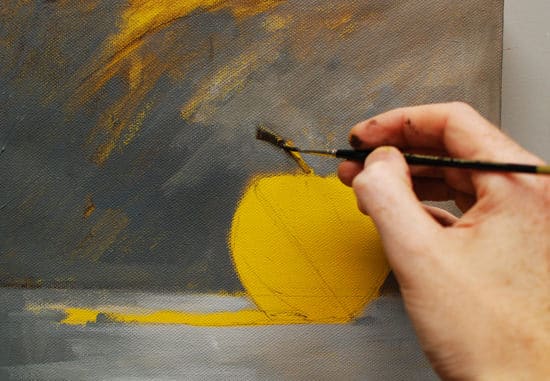
- Sharp Edges: Use a smaller, finer brush with slightly thicker paint to create crisp lines where light and shadow meet abruptly, or for cast shadows very close to the object.
- Soft Edges: While the paint is still wet, use a clean, damp brush to gently blend the edge of a shadow into the lighter area, creating a gradient. Or, use a dry brush to feather out a dried edge. This is crucial for form shadows and distant cast shadows.
Step 8: Deepen Occlusion Shadows (The Darkest Dark)
Once your initial shadows are dry, identify the occlusion shadows – those tiny, intensely dark spots where objects meet surfaces or where light is completely blocked. Mix a slightly darker, richer version of your shadow color (you might even add a tiny, tiny speck of black if absolutely necessary for ultimate depth, but use caution!) and apply it precisely to these areas. This creates maximum contrast and really grounds your object.
Step 9: Glazing & Layering for Depth (Leveraging Acrylics)
Acrylics excel at glazing. Once a shadow layer is dry, you can mix a transparent wash (thinned paint with a glazing medium or water) of your shadow color and apply it over existing shadows. This deepens the value and enriches the color without making it opaque or muddy. Build up layers gradually, allowing each to dry, to achieve incredible depth and luminosity in your shadows.
Common Acrylic Shadow Mistakes & How to Fix Them
Even seasoned artists make these blunders. Knowing them helps you avoid and correct them.
Muddy or Flat Shadows (Lack of temperature/value variation)
The Problem: Your shadows look dull, lifeless, or just like a dark smear. This usually happens when you use too much black, or your shadow color lacks internal temperature shifts.
The Fix: Stop using pure black! Focus on mixing vibrant darks using blues, browns, and reds. Introduce subtle color shifts within the shadow (e.g., a cooler blue-purple closer to the object, a warmer brown-red further away). Ensure your shadow has appropriate reflected light to break up monotonous darks.
Uniformly Hard Edges (Ignoring atmospheric perspective)
The Problem: Every shadow edge is razor-sharp, making your painting look stiff and unnatural, like a cut-and-paste job.
The Fix: Remember the rule of edges: closer and harder, further and softer. Use a soft, damp brush to feather out the edges of form shadows and cast shadows that are distant from the light source or the object casting them. Practice blending wet-into-wet with acrylics or softening dried edges with thin glazes.
Shadows Too Dark or Too Light (Incorrect value assessment)
The Problem: Your shadows don’t contribute to depth; they either disappear or overwhelm the piece.
The Fix: This comes down to observation. Squint at your reference to simplify values. Use a value scale (a strip of paper with shades from white to black) to compare the darkness of your shadow mix to the reference. Always start lighter and build up value through thin layers.
Forgetting Reflected Light (Stiff, lifeless shadows)
The Problem: Your shaded areas look like a void, disconnected from the rest of the painting.
The Fix: Always look for reflected light within the shadow. It’s often subtle, but crucial. Introduce a slightly lighter, warmer, or color-shifted tone into the form shadow where light bounces in. This adds dimension and integrates the object into its environment.
Using Black Directly (The easy way out, but often dull)
The Problem: As discussed, pure black kills vibrancy and makes your shadows flat.
The Fix: Mix your own darks! Use combinations like Ultramarine Blue + Burnt Umber, Dioxazine Purple + Phthalo Green, or even a deep brown + Alizarin Crimson. These custom darks will have far more life and integrate better with your overall color palette.
Advanced Techniques for Next-Level Shadows
Once you’ve mastered the basics, here are a few ways to push your shadow game even further.
Atmospheric Perspective in Shadows
Just like objects in the distance appear lighter and bluer, distant shadows will also be lighter, cooler, and less distinct. Incorporate this by adding a touch more white or a lighter blue to your shadow mix for elements further back in your painting. This enhances the illusion of depth.
Adding Subtle Color Shifts within Shadows
Don’t just use one shadow color. Observe how the light might shift slightly, or how different objects cast different hues into a single shadow area. For example, a shadow on grass might have a touch more green near the light source, fading to a bluer tone further away. These subtle shifts add realism and richness.
Textural Shadows (for different surfaces)
A shadow cast on a rough brick wall will have a different texture than a shadow on smooth polished concrete. Use your brushstrokes and paint consistency to mimic this. A dry brush technique can suggest rough surfaces, while smoother, thinner applications suit sleek ones. The texture of the surface affects how light is absorbed and thus, how the shadow appears.
Putting It All Together: Practice Makes Perfect
Painting shadows effectively with acrylics is a skill that develops with practice and keen observation. Start simple:
- Still Life with Basic Shapes: Set up a simple still life with a white egg or a cube under a single light source. Observe. Paint.
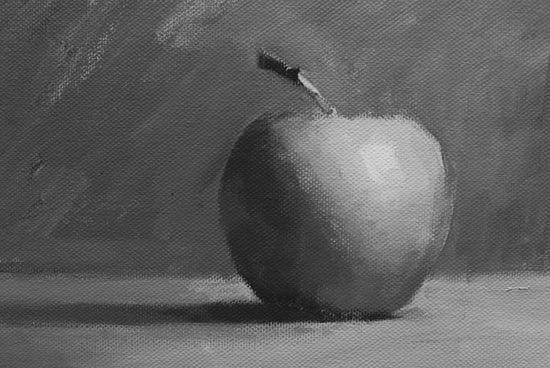
- Monochromatic Studies: Practice painting shadows using only one color and white. This forces you to focus purely on value.
- Photo References: Work from photos, but remember to interpret, not just copy. Identify the light source, shadow types, and reflected light.
Embrace the learning process. Your first shadows might not be perfect, but with each attempt, your eye will sharpen, and your hand will become more confident. Soon, you’ll be creating shadows that transform your acrylic paintings from flat images into vibrant, three-dimensional worlds.
Now go forth, observe the light, and paint some incredible shadows!
”
}
{ “content”: “
Master the Art of Acrylic Shadows: Your Definitive Guide to Depth & Realism
Ever look at a painting and feel like something’s missing? Like it’s flat, lifeless, or just… off? Chances are, the shadows aren’t doing their job. Shadows aren’t merely dark blobs; they’re the unsung heroes of painting, the architects of depth, form, and emotion. They tell a story about light, about the object, and about the very atmosphere of your scene.
If you’ve struggled with making your acrylic paintings pop, if your shadows look muddy or cartoonish, or if you simply want to elevate your artistic game, you’re in the right place. I’m going to walk you through everything you need to know about painting shadows with acrylics, from understanding the science of light to mixing vibrant, believable darks that breathe life into your artwork.
Forget everything you thought you knew about just adding black paint. We’re diving deep into color theory, practical mixing techniques, and the subtle nuances that separate amateur attempts from truly compelling art. Let’s transform your understanding of shadows and, by extension, your entire painting process.
Why Shadows Aren’t Just “Dark”: Understanding the Fundamentals
Before we even touch a brush, we need to understand what shadows actually are and how they function. Think of shadows not as an absence of light, but as areas where light is less direct, less intense, or completely blocked. They are critical for conveying three-dimensionality on a two-dimensional surface.
The Anatomy of Light and Shadow
Not all shadows are created equal. There are distinct types, and understanding them is your first step toward painting them realistically:
- Cast Shadows: These are the shadows an object casts onto another surface. They are defined by the object’s shape, the light source’s direction, and the surface it falls upon. Cast shadows help ground an object, showing its relationship to its environment.
- Form Shadows: These are the shadows that appear on the object itself, defining its three-dimensional form. Think of the shaded side of an apple or the underside of a curved vase. Form shadows show volume and curvature.
- Occlusion Shadows: These are the darkest parts of a shadow, found where two surfaces meet, or where an object rests directly on a surface, completely blocking out light. Think of the tiny sliver of shadow under a cup’s rim or where a book meets a table. These are often the deepest, most saturated darks in your painting.
Here’s a quick overview of these shadow types:
| Shadow Type | Description | Key Role in Painting |
|---|---|---|
| Cast Shadow | The shadow an object projects onto another surface, defined by the object’s outline and light direction. | Grounds the object, indicates light source, creates spatial relationships. |
| Form Shadow | The shaded area on the object itself, resulting from its curvature and orientation away from the light. | Defines volume, shape, and three-dimensionality of the object. |
| Occlusion Shadow | The darkest point where an object is closest to or touches a surface, completely blocking light. | Adds maximum contrast, anchoring the object and intensifying depth. |
Light Source is Everything: How Direction and Intensity Dictate Shadow
The type of light hitting your subject profoundly affects its shadows. Is the light hard and direct (like harsh sunlight) or soft and diffused (like an overcast day)?
- Hard Light: Creates crisp, sharp-edged shadows with clear boundaries. Think strong summer sun.
- Soft Light: Produces softer, more gradual shadows with feathered edges. Think a cloudy day or indirect indoor light.
The direction of your light source dictates the shape and placement of your cast shadows. Light from above will cast shadows below. Light from the side will cast shadows to the opposite side. Observing this relationship is fundamental to accurate shadow placement.
Beyond Black: The True Colors of Shadows
This is where many beginners stumble. Shadows are almost never pure black. They are influenced by the color of the object, the color of the light, the color of the surrounding environment, and even atmospheric conditions.
- Value: This is how light or dark a color is. Shadows are, by definition, lower in value than the illuminated areas. Getting the value right is your top priority.
- Temperature: Shadows can be warm or cool. Generally, if the light source is warm (like a sunset), the shadows will tend to be cooler (blues, purples). If the light source is cool (like fluorescent light or an overcast sky), the shadows will tend to be warmer (reddish-browns, muted oranges). This contrast adds incredible vibrancy.
- Saturation: Shadows are typically less saturated (more muted or desaturated) than the colors in direct light. However, they aren’t necessarily dull. A touch of subtle color within a shadow can make it sing.
- Reflected Light: This is the secret ingredient! Light bounces off surrounding surfaces and into the shaded areas of an object. This reflected light brightens the form shadow slightly and often introduces a subtle color from the bouncing surface. Ignoring reflected light makes your objects look flat and cut out.
Prepping Your Palette: Essential Acrylics for Shadow Work
Now that you’re thinking like a light detective, let’s talk paint. Acrylics are fantastic for shadows because they dry quickly, allowing for easy layering and glazing.
The “No Black” Debate: Why You Should (Mostly) Avoid It
Many art instructors preach “never use black paint,” and for good reason. Pure black pigment (like Mars Black or Ivory Black) can often make shadows look flat, dull, and lifeless. It deadens the surrounding colors and removes the subtle shifts in temperature and saturation that make shadows interesting.
Instead, we’re going to mix our own vibrant, rich darks that maintain color integrity and depth. However, there are exceptions: sometimes a tiny bit of black in an occlusion shadow can provide that ultimate deep void, but it’s used sparingly and intentionally.
Go-To Colors for Rich Shadows (Beyond Complementary)
While mixing a color with its complement (e.g., red + green) is a valid way to create a muted dark, it’s just one tool. Here’s a palette of colors I frequently reach for to build dynamic shadows:

- Blues: Ultramarine Blue is a warm blue that mixes beautifully with browns and reds for rich, deep neutrals. Phthalo Blue (Green Shade) is an intense, cool blue excellent for creating very cool, dark shadows, especially when mixed with a transparent brown like Burnt Umber.
- Violets: Dioxazine Purple is a stunning, deep, transparent purple that can create gorgeous, nuanced darks. It’s especially effective in shadows under cool light or when painting foliage.
- Earth Tones: Burnt Umber (a warm, dark brown) and Raw Umber (a cooler, greenish-brown) are staples. They are versatile for desaturating colors and creating deep, earthy shadows. Sepia is another fantastic, rich, dark brown.
- Reds/Crimsons: Alizarin Crimson or Quinacridone Red can add warmth and depth to shadows, especially when mixed with blues or greens, creating a beautiful muted plum or brownish-red.
- Greens: While less common as a direct shadow color, a deep, desaturated green like Hooker’s Green or a mixed green (Ultramarine Blue + Cadmium Yellow Medium, then desaturated with Burnt Umber) can be incredible for subtle color shifts within a shadow.
Step-by-Step: Painting Shadows with Acrylics Like a Pro
Ready to get your hands (and brushes) dirty? This systematic approach will help you build convincing shadows layer by layer, harnessing the power of acrylics.
Step 1: Observe Your Reference (Crucial Foundation)
Before you even pick up a brush, study your subject or reference image intensely. Ask yourself:
- Where is the light source coming from?
- What is the overall color temperature of the light (warm or cool)?
- Where are the cast shadows? What are their shapes? How sharp or soft are their edges?
- Where are the form shadows on the object itself?
- Can you detect any reflected light within the shadows? What color is it?
- Where are the darkest occlusion shadows?
Don’t guess. Trust your eyes. Squinting can help you simplify values and see the overall shadow shapes more clearly.
Step 2: Establish Your Light Source & Mid-Tones
Before you dive into shadows, lay down your mid-tones and highlights on the illuminated areas of your subject. This gives your shadows something to contrast against and helps you judge their relative value accurately. You’re building the foundation upon which your shadows will define form.
Step 3: Mix Your Base Shadow Color (Start Light!)
This is where the magic happens. Remember, we’re not using black. Here are some reliable starting points for mixing your shadow colors:
- For Warm Light (e.g., sunlight, incandescent): Mix a cool blue (Ultramarine Blue or Phthalo Blue) with a warm earth tone (Burnt Umber or Raw Sienna) and a touch of Alizarin Crimson for depth. You can also mix the object’s local color with its complement, then desaturate with an earth tone.
- For Cool Light (e.g., overcast sky, fluorescent): Mix a warm red (Cadmium Red Medium) or orange (Cadmium Orange) with a cool blue (Phthalo Blue) or Dioxazine Purple. Or, simply mix Burnt Umber with Ultramarine Blue for a rich, neutral dark.
Always start lighter and less saturated than you think you need. Acrylics dry darker, and it’s much easier to add more paint to deepen a shadow than to lighten it. Keep a separate mixing area on your palette for shadow colors.
Step 4: Block in Cast Shadows (Shape & Placement)
Using your mixed base shadow color, carefully block in the shapes of your cast shadows. Pay close attention to their angles, length, and form. These shadows should clearly define the space around your object. At this stage, you’re focusing on the overall shape and value, not intricate details. Keep the edges relatively soft at first; you can sharpen them later.
Step 5: Define Form Shadows (Volume & Curvature)
Now, move to the object itself. Apply your shadow mix to the areas that recede from the light. Think about the curve and planes of your object. The shadow won’t be uniform; it will lighten slightly as it gets closer to a reflected light source or as the form gently turns toward the light.
Step 6: Introduce Reflected Light (Adding Life)
While your form shadows are still wet or easily glaze-able, subtly introduce hints of reflected light. Mix a slightly lighter, warmer, and more saturated version of your shadow color, possibly tinted with a color from a nearby surface. Apply this gently to the edges of the form shadow that face the ground or another object. This small detail dramatically enhances realism and prevents your shadows from looking like flat cutouts.
Step 7: Refine Edges (Hard vs. Soft – A Game Changer)
This is where mastery lies. Not all edges are created equal. The closer an object is to the surface it casts a shadow on, the sharper the edge of the cast shadow. As the shadow moves away from the object, its edge softens and diffuses.
- Sharp Edges: Use a smaller, finer brush with slightly thicker paint to create crisp lines where light and shadow meet abruptly, or for cast shadows very close to the object.
- Soft Edges: While the paint is still wet, use a clean, damp brush to gently blend the edge of a shadow into the lighter area, creating a gradient. Or, use a dry brush to feather out a dried edge. This is crucial for form shadows and distant cast shadows.
Step 8: Deepen Occlusion Shadows (The Darkest Dark)
Once your initial shadows are dry, identify the occlusion shadows – those tiny, intensely dark spots where objects meet surfaces or where light is completely blocked. Mix a slightly darker, richer version of your shadow color (you might even add a tiny, tiny speck of black if absolutely necessary for ultimate depth, but use caution!) and apply it precisely to these areas. This creates maximum contrast and really grounds your object.
Step 9: Glazing & Layering for Depth (Leveraging Acrylics)
Acrylics excel at glazing. Once a shadow layer is dry, you can mix a transparent wash (thinned paint with a glazing medium or water) of your shadow color and apply it over existing shadows. This deepens the value and enriches the color without making it opaque or muddy. Build up layers gradually, allowing each to dry, to achieve incredible depth and luminosity in your shadows.
Common Acrylic Shadow Mistakes & How to Fix Them
Even seasoned artists make these blunders. Knowing them helps you avoid and correct them.
Muddy or Flat Shadows (Lack of temperature/value variation)
The Problem: Your shadows look dull, lifeless, or just like a dark smear. This usually happens when you use too much black, or your shadow color lacks internal temperature shifts.

The Fix: Stop using pure black! Focus on mixing vibrant darks using blues, browns, and reds. Introduce subtle color shifts within the shadow (e.g., a cooler blue-purple closer to the object, a warmer brown-red further away). Ensure your shadow has appropriate reflected light to break up monotonous darks.
Uniformly Hard Edges (Ignoring atmospheric perspective)
The Problem: Every shadow edge is razor-sharp, making your painting look stiff and unnatural, like a cut-and-paste job.
The Fix: Remember the rule of edges: closer and harder, further and softer. Use a soft, damp brush to feather out the edges of form shadows and cast shadows that are distant from the light source or the object casting them. Practice blending wet-into-wet with acrylics or softening dried edges with thin glazes.
Shadows Too Dark or Too Light (Incorrect value assessment)
The Problem: Your shadows don’t contribute to depth; they either disappear or overwhelm the piece.
The Fix: This comes down to observation. Squint at your reference to simplify values. Use a value scale (a strip of paper with shades from white to black) to compare the darkness of your shadow mix to the reference. Always start lighter and build up value through thin layers.
Forgetting Reflected Light (Stiff, lifeless shadows)
The Problem: Your shaded areas look like a void, disconnected from the rest of the painting.
The Fix: Always look for reflected light within the shadow. It’s often subtle, but crucial. Introduce a slightly lighter, warmer, or color-shifted tone into the form shadow where light bounces in. This adds dimension and integrates the object into its environment.
Using Black Directly (The easy way out, but often dull)
The Problem: As discussed, pure black kills vibrancy and makes your shadows flat.
The Fix: Mix your own darks! Use combinations like Ultramarine Blue + Burnt Umber, Dioxazine Purple + Phthalo Green, or even a deep brown + Alizarin Crimson. These custom darks will have far more life and integrate better with your overall color palette.
Advanced Techniques for Next-Level Shadows
Once you’ve mastered the basics, here are a few ways to push your shadow game even further.
Atmospheric Perspective in Shadows
Just like objects in the distance appear lighter and bluer, distant shadows will also be lighter, cooler, and less distinct. Incorporate this by adding a touch more white or a lighter blue to your shadow mix for elements further back in your painting. This enhances the illusion of depth.
Adding Subtle Color Shifts within Shadows
Don’t just use one shadow color. Observe how the light might shift slightly, or how different objects cast different hues into a single shadow area. For example, a shadow on grass might have a touch more green near the light source, fading to a bluer tone further away. These subtle shifts add realism and richness.
Textural Shadows (for different surfaces)
A shadow cast on a rough brick wall will have a different texture than a shadow on smooth polished concrete. Use your brushstrokes and paint consistency to mimic this. A dry brush technique can suggest rough surfaces, while smoother, thinner applications suit sleek ones. The texture of the surface affects how light is absorbed and thus, how the shadow appears.
Putting It All Together: Practice Makes Perfect
Painting shadows effectively with acrylics is a skill that develops with practice and keen observation. Start simple:
- Still Life with Basic Shapes: Set up a simple still life with a white egg or a cube under a single light source. Observe. Paint.
- Monochromatic Studies: Practice painting shadows using only one color and white. This forces you to focus purely on value.
- Photo References: Work from photos, but remember to interpret, not just copy. Identify the light source, shadow types, and reflected light.
Embrace the learning process. Your first shadows might not be perfect, but with each attempt, your eye will sharpen, and your hand will become more confident. Soon, you’ll be creating shadows that transform your acrylic paintings from flat images into vibrant, three-dimensional worlds.
Now go forth, observe the light, and paint some incredible shadows!