The Ultimate Guide: Best Paint Colors for a Bedroom with White Furniture
You’ve made a smart choice. Your bedroom is graced with that crisp, elegant, and incredibly versatile white furniture. It’s a timeless foundation, a blank canvas awaiting your personal touch. But now comes the exciting (and sometimes daunting) part: What paint color do you choose to make your bedroom sing? How do you ensure your walls don’t just ‘match’ but truly enhance the beauty of your white pieces, creating the exact mood you crave?
Forget the endless scrolling and second-guessing. I’m going to walk you through everything you need to know, from understanding your room’s unique personality to picking the perfect hue that transforms your bedroom into a sanctuary you’ll adore.
Why White Furniture is Your Best Design Friend
Let’s be clear: white furniture isn’t just a trend; it’s a design superpower. It offers unparalleled flexibility and benefits:
The Blank Canvas Advantage
White furniture acts like a neutral anchor, allowing you to experiment with virtually any wall color, bedding, and decor without worrying about clashes. It’s forgiving and adaptable, meaning your style can evolve without needing a complete furniture overhaul. Think of it as the perfect foundation for any design direction you choose.
Reflective Qualities & Space Enhancement
White is a master of illusion. It reflects light, making rooms feel brighter and more spacious. This is particularly beneficial in smaller bedrooms or those with limited natural light. Your white dresser or bed frame isn’t just furnishing a space; it’s actively contributing to its perceived size and luminosity.
Before You Dip That Brush: Key Considerations for Your Bedroom
Picking a paint color isn’t just about what looks good in the can. It’s about how that color interacts with your specific space. Let’s break down the critical factors:
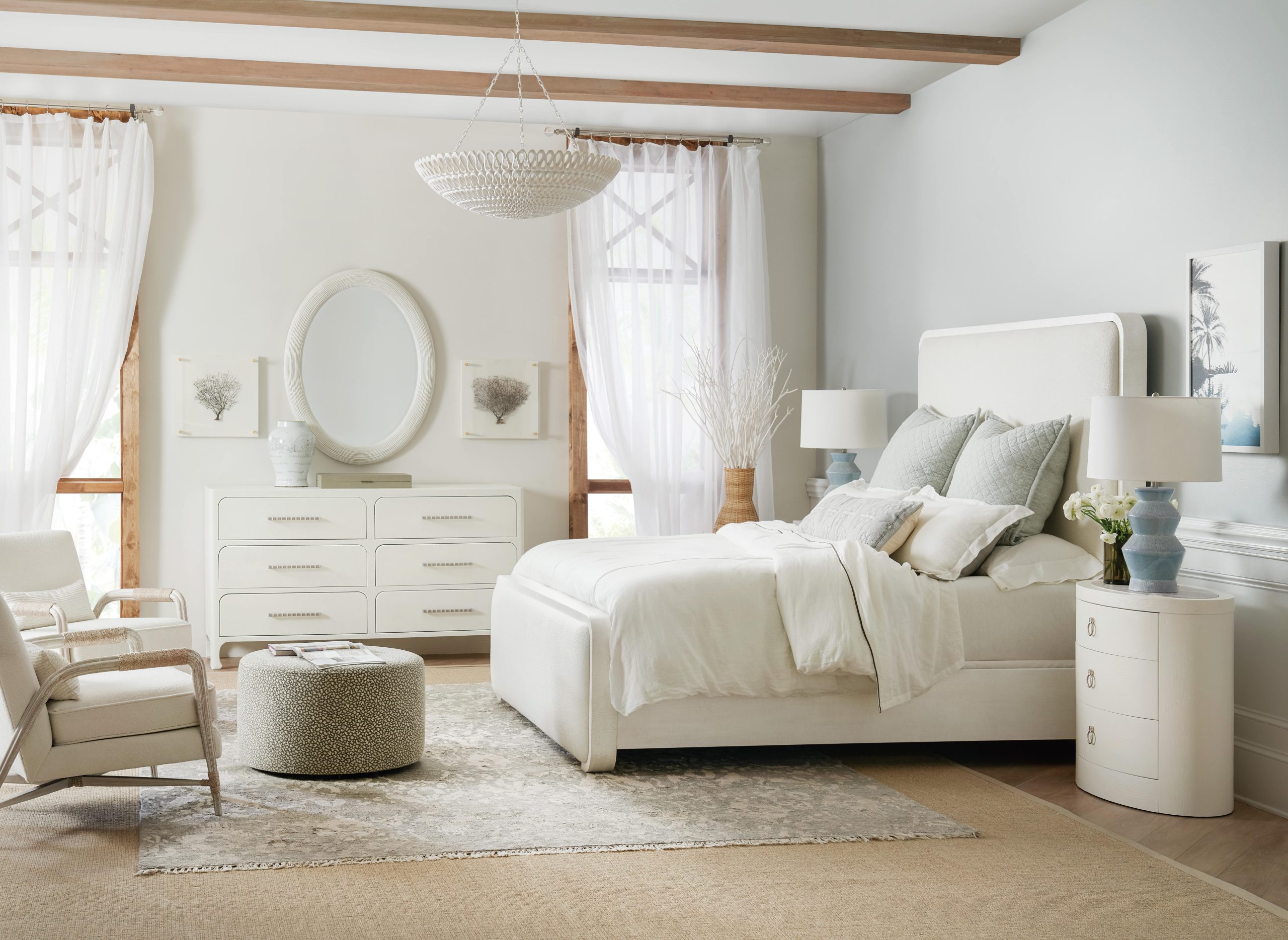
Understanding Your Room’s Natural Light (North, South, East, West)
Natural light is the most powerful determinant of how a paint color will appear. Ignoring it is a common mistake!
- North-Facing Rooms: Receive cooler, dimmer light throughout the day. Opt for warm colors (creamy whites, soft yellows, terracotta) to prevent the room from feeling too cold or stark.
- South-Facing Rooms: Bathed in abundant, warm, bright light all day. Nearly any color works here, but cool tones (blues, greens, grays) can help balance the warmth and prevent the space from feeling too hot.
- East-Facing Rooms: Get bright, warm morning light, then cooler light in the afternoon. Embrace cooler tones (pale blues, greens, cool grays) to feel refreshing in the morning and prevent the afternoon coolness from making the room feel dreary.
- West-Facing Rooms: Experience warm, intense afternoon light and cooler mornings. Mid-tone colors with warm undertones can look stunning as the light changes, or embrace deeper, rich hues that come alive in the evening glow.
Room Size Matters: Making Small Spaces Feel Bigger
If your bedroom is on the smaller side, paint color can be your secret weapon. Generally, lighter colors make a room feel more expansive by reflecting light. Pale neutrals, pastels, and even lighter shades of cool colors can visually push the walls back. If you love a darker color, consider it for an accent wall or choose a shade with high LRV (Light Reflectance Value) to avoid feeling enclosed.
What Mood Are You Chasing? (Calm, Energetic, Romantic, Sophisticated)
Color profoundly impacts mood and emotion. Your bedroom should be your sanctuary, so decide what feeling you want to evoke:
- Calm & Serene: Think soft blues, gentle greens, warm grays, muted lavenders.
- Energetic & Uplifting: Consider brighter pastels, soft yellows, or even a strategic pop of coral.
- Romantic & Cozy: Blush pinks, deep plums, warm terracotta, creamy whites.
- Sophisticated & Elegant: Charcoal gray, navy blue, deep forest green, rich beige.
Consider Your Existing Decor (Textiles, Art, Flooring)
Your walls aren’t in isolation. Take stock of your bedding, curtains, artwork, and flooring. Do they lean warm or cool? Are there dominant patterns or colors you want to complement or contrast? Your paint color should harmonize with these elements, tying the entire room together into a cohesive, inviting space. For instance, if you have warm wooden floors, a cool gray can provide a beautiful contrast, while a creamy beige will enhance the warmth.
Your Go-To Palette: Top Paint Color Families for White Furniture
With white furniture as your foundation, the world of color truly opens up. Here are the most effective color families to consider, each with its own unique benefits:
Neutral Sophistication: Timeless & Versatile
Neutrals are never boring when paired with white furniture. They create a backdrop of quiet elegance, allowing your furniture and any colorful accents to truly shine. They’re perfect for a serene, uncluttered aesthetic.
:max_bytes(150000):strip_icc()/bedroom-paint-color-ideas-2000-fb11fb605d4142f1813ea930e2a1ad48.jpg "Home Decor Experts' 7 Best Bedroom Paint Colors")
- Soft Grays (Warm vs. Cool): Cool grays (with blue or green undertones) provide a crisp, modern feel, especially stunning with sleek white furniture. Warm grays (greiges with beige or yellow undertones) offer a cozier, more inviting atmosphere, perfect for a relaxed vibe.
- Creamy Beiges & Greiges: These are fantastic for adding warmth without committing to a strong color. They create a sophisticated, comforting cocoon, especially beautiful in north-facing rooms that crave warmth. Greige, a blend of gray and beige, offers the best of both worlds – modern and warm.
- Warm Whites (Yes, More White!): Don’t dismiss other shades of white! A warm white with subtle yellow, peach, or pink undertones can add incredible depth and coziness, preventing an all-white room from feeling sterile. It creates a seamless, ethereal look.
| Neutral Hue | Mood Created | Ideal Room Conditions | Best With White Furniture |
|---|---|---|---|
| Soft Gray | Calm, Modern, Sophisticated | Versatile, especially effective in bright rooms (cool gray) or north-facing (warm gray). | Sleek, contemporary white pieces; adds a crisp contrast. |
| Creamy Beige / Greige | Warm, Cozy, Elegant, Earthy | Adds warmth to north-facing rooms; creates a serene backdrop in any light. | Traditional, rustic, or distressed white furniture; enhances natural textures. |
| Warm White | Soft, Ethereal, Tranquil, Expansive | Small rooms, rooms lacking natural light; creates a seamless, spacious feel. | Any style of white furniture; creates a monochromatic, minimalist aesthetic. |
Serene Pastels: Softness & Lightness
Pastels are the epitome of tranquility and gentle charm. They introduce color without overwhelming the space, making them perfect for creating a dreamy, relaxing bedroom with white furniture.
- Pale Blues & Greens (Mint, Sage, Sky): These hues are inherently calming and refreshing. Pale blue is reminiscent of a clear sky, promoting relaxation. Sage green connects you to nature, fostering a sense of peace. Mint green adds a touch of playful freshness.
- Blush Pinks & Lavenders: Soft pinks bring a romantic, gentle warmth, ideal for a nurturing and cozy feel. Lavender, with its soothing undertones, adds a touch of sophisticated calm and can promote restful sleep.
- Light Yellows: A very pale, buttery yellow can bring cheer and brightness, especially beneficial in rooms that feel a bit dim. It’s uplifting without being overwhelming, adding a gentle glow.
| Pastel Hue | Mood Created | Ideal Room Conditions | Best With White Furniture |
|---|---|---|---|
| Pale Blue | Calm, Serene, Refreshing | East-facing rooms (morning refresh), bright rooms; creates an airy feel. | Coastal, shabby chic, or minimalist white furniture; enhances a clean look. |
| Sage Green / Mint Green | Peaceful, Natural, Harmonious | Any room where a connection to nature is desired; small rooms feel fresh. | Bohemian, Scandinavian, or modern white furniture; adds organic texture. |
| Blush Pink / Lavender | Romantic, Gentle, Soothing, Dreamy | Rooms needing softness and warmth; creates an intimate atmosphere. | Vintage, feminine, or glam white furniture; ideal for a delicate touch. |
| Light Yellow | Cheerful, Uplifting, Bright | North-facing rooms, or those needing a boost of sunshine. | Cottage, traditional, or transitional white furniture; adds a sunny glow. |
Deep & Dramatic: Making a Bold Statement
For those who love intensity and sophistication, deep hues can transform a bedroom with white furniture into a luxurious, inviting retreat. White provides the perfect contrast, allowing these rich colors to truly pop.
- Navy Blues & Charcoal Grays: These deep, saturated colors create an incredibly sophisticated and grounding effect. Navy can feel nautical or opulent, while charcoal gray provides a modern, sleek backdrop. Both pair beautifully with white for a crisp, high-contrast look.
- Forest Greens & Deep Plums: Forest green brings the serene depth of nature indoors, creating a calming yet impactful space. Deep plum or aubergine adds a touch of mystery, luxury, and romance, especially captivating when paired with bright white.
- Bold Black (Accent or Full Wall): Don’t shy away from black! Used thoughtfully, it can be incredibly chic and dramatic. A black accent wall behind a white headboard creates powerful contrast, while a full room in soft black can feel like a sophisticated, cozy cocoon.
| Deep Hue | Mood Created | Ideal Room Conditions | Best With White Furniture |
|---|---|---|---|
| Navy Blue | Sophisticated, Grounding, Regal | Larger rooms, rooms with good natural light; creates depth. | Classic, traditional, or modern white furniture; striking contrast. |
| Charcoal Gray | Elegant, Contemporary, Urban Chic | Modern spaces, industrial themes; pairs well with metal accents. | Sleek, minimalist white furniture; provides a dramatic backdrop. |
| Forest Green / Deep Plum | Luxurious, Serene, Mysterious | Rooms desiring a rich, enveloping feel; perfect for creating drama. | Transitional, eclectic, or glam white furniture; creates a jewel-box effect. |
| Bold Black | Dramatic, Chic, Modern, Intimate | As an accent wall or in well-lit rooms; can make a large room feel cozy. | Minimalist, industrial, or high-contrast white furniture; very striking. |
Earthy & Organic: Bringing Nature Indoors
If you’re drawn to natural textures and a grounding aesthetic, earthy tones are a fantastic choice. They bring warmth, authenticity, and a connection to the outdoors, beautifully complementing the crispness of white furniture.
- Terracotta & Rust: These warm, sun-baked hues evoke a Mediterranean or desert vibe. They’re inviting, vibrant, and incredibly grounding, adding a rich, natural warmth that stands out against white.
- Warm Olives & Muted Browns: Olive green is sophisticated and organic, bringing a subtle natural elegance. Muted browns, like a rich taupe or mushroom, create a deeply comforting and stable atmosphere. They pair wonderfully with natural wood accents and plants.
| Earthy Hue | Mood Created | Ideal Room Conditions | Best With White Furniture |
|---|---|---|---|
| Terracotta / Rust | Warm, Grounding, Bohemian, Vibrant | Rooms needing warmth and character; pairs well with natural textures. | Bohemian, rustic, or eclectic white furniture; adds a global feel. |
| Warm Olive / Muted Brown | Organic, Calming, Stable, Natural | Any room desiring a connection to nature; creates a comforting retreat. | Scandinavian, modern farmhouse, or minimalist white furniture; organic contrast. |
Beyond the Walls: Accent Walls & Creative Combos
Sometimes, a full room color isn’t the only answer. White furniture also provides a brilliant opportunity for more creative paint applications.
The Power of a Single Statement Wall
An accent wall is a fantastic way to introduce a bolder color or pattern without overwhelming the space. Choose the wall behind your headboard to draw attention to your bed and create a focal point. This works exceptionally well with deep blues, greens, or even a sophisticated wallpaper pattern, allowing the white furniture to pop against the backdrop.
Two-Tone Walls & Architectural Interest
Consider painting the bottom half of your walls a deeper color and the top half a lighter shade (or even white). This can add architectural interest, make ceilings appear higher, and introduce color in a more subtle way. Horizontal stripes or geometric patterns can also be incredibly chic, especially in contrasting shades or a monochrome palette with white.

The Pro’s Playbook: Advanced Tips for Perfecting Your Bedroom Color
Ready to level up your paint choice? Here are some insider tips that pros use to achieve stunning results:
Don’t Forget the Undertones! (Warm vs. Cool Whites)
Even white furniture has an undertone – it’s rarely a pure, sterile white. Does your furniture lean slightly warm (creamy, yellowish) or cool (blueish, grayish)?
- Warm White Furniture: Pair with warm wall colors (beiges, creamy pastels, warm grays) for a harmonious, cozy feel. Or, use cool colors (blues, cool greens) for a balanced, sophisticated contrast.
- Cool White Furniture: Works beautifully with cool wall colors (blues, grays, cool greens) for a crisp, clean look. You can also introduce warmth with peachy tones or soft yellows to soften the starkness.
The Magic of Paint Finishes (Matte, Eggshell, Satin)
The sheen of your paint affects how color appears and how durable it is:
- Matte/Flat: Absorbs light, creating a rich, velvety appearance. Hides imperfections well, but less durable and harder to clean. Ideal for low-traffic bedroom walls.
- Eggshell: Slightly more sheen than matte, offering a soft glow. More durable and easier to clean than flat. A popular choice for bedrooms.
- Satin: A soft, pearl-like sheen. Very durable and washable, making it good for high-traffic areas, but can highlight wall imperfections more. Less common for bedroom walls, but great for trim.
For bedrooms, matte or eggshell are generally preferred for their ability to create a soft, inviting atmosphere that complements white furniture beautifully.
Always Sample! How to Test Colors Effectively
This is arguably the most critical step. Never buy gallons of paint based on a tiny chip! Get sample pots and paint large swatches (at least 2’x2′) on at least two different walls in your bedroom.
- Observe at Different Times: Watch the color throughout the day – morning, noon, and night – as natural light changes.
- Check Artificial Light: See how it looks under your bedroom lamps.
- Compare Against Furniture: Place a piece of your white furniture or a white sheet next to the swatch to see the true interaction.
- Live With It: Leave the swatches up for a few days before making a decision.
Common Mistakes to Avoid When Painting with White Furniture
Even with the best intentions, missteps can happen. Steer clear of these common errors:
:max_bytes(150000):strip_icc()/131388791_1387731984915988_4840594025920657850_n-2fd4c433fe064f5aaafb83b757c50874.jpg "40 White Bedrooms That Are Anything But Boring")
Ignoring Natural Light
As discussed, light dictates everything. A color you love in a brightly lit store might look dull or overwhelming in your specific bedroom.
Not Testing Colors
This cannot be stressed enough. Skipping samples is a recipe for disappointment and wasted money. Colors appear dramatically different on a large wall than on a small swatch.
Forgetting the Ceiling & Trim
The ceiling and trim are part of your room’s overall color scheme. Painting your ceiling a very slightly tinted white can soften the space, while trim should either match your white furniture’s undertone or provide a clean, crisp contrast.
Overlooking Undertones
The subtle undertones of both your white furniture and your chosen paint color can make or break the harmony of a room. A cool-toned gray with a warm-toned white furniture set can feel disjointed if not carefully considered.
Ready to Transform Your White Furniture Bedroom?
Your white furniture isn’t just a design choice; it’s an invitation to create a truly personalized and beautiful bedroom. It provides the stability and elegance that allows your walls to become a vibrant expression of your style, whether you opt for serene neutrals, gentle pastels, or dramatic deep hues.
Take your time, consider the light, embrace the mood you want to create, and most importantly, experiment with samples. With these insights, you’re not just picking a paint color; you’re crafting an experience, a sanctuary where comfort meets impeccable style. Go ahead, make your white furniture shine!
Frequently Asked Questions
What are the best neutral paint colors for a bedroom with white furniture?
For a serene and timeless look, consider soft grays (both warm greiges and cool grays), creamy beiges, and even warm whites. These colors provide a sophisticated backdrop that lets your white furniture stand out without creating stark contrast, promoting a calm and cohesive atmosphere.
Can I use dark paint colors in a bedroom with white furniture?
Absolutely! White furniture provides a brilliant contrast to deep, dramatic hues. Colors like navy blue, charcoal gray, forest green, or even a bold black can create a luxurious, sophisticated, and intimate feel. The white furniture prevents the room from feeling too heavy and adds a crisp, clean edge to the darker walls.
How does natural light affect my paint color choice with white furniture?
Natural light is crucial. North-facing rooms with cool light benefit from warm colors (creams, soft yellows) to prevent starkness. South-facing rooms with abundant warm light can handle cooler tones (blues, grays) to balance the warmth. East-facing rooms (morning sun) pair well with refreshing cool tones, while west-facing rooms (afternoon warmth) can embrace richer, mid-tones that come alive with the changing light.
What type of paint finish is best for a bedroom with white furniture?
For bedrooms, a matte or eggshell finish is generally recommended. Matte absorbs light, creating a rich, velvety look that hides imperfections well and provides a soft, inviting atmosphere. Eggshell offers a slightly higher sheen, making it more durable and easier to clean, while still maintaining a gentle appearance that complements white furniture beautifully.
Should I match my wall paint to the undertone of my white furniture?
Considering undertones is a pro tip! If your white furniture has a warm (creamy/yellowish) undertone, pairing it with warm wall colors (beiges, warm grays) creates harmony. If your furniture has a cool (blueish/grayish) undertone, cool wall colors (blues, cool grays) will enhance a crisp, clean aesthetic. You can also intentionally contrast undertones for a dynamic, balanced look.
How can I make a small bedroom with white furniture feel larger?
To make a small bedroom feel larger, opt for lighter paint colors. Pale neutrals, soft pastels (like sky blue or mint green), and even warm whites reflect light, visually pushing the walls back and making the space feel more expansive. Ensure good lighting and minimalist decor to enhance the effect.
Is it okay to paint a bedroom with white furniture all white?
Yes, an all-white bedroom can be incredibly chic and serene! To prevent it from feeling sterile, choose a warm white with subtle undertones (peach, yellow, pink) for the walls to add depth and coziness. Layer textures with bedding, curtains, and rugs, and incorporate natural elements like wood or plants to create visual interest and warmth.