The Definitive Guide to Choosing the Best Paint Color for a Small Powder Room with No Windows
Ah, the powder room. That tiny, often overlooked space that guests invariably visit. And if yours is small, with no natural light, you know the challenge: how do you make it feel welcoming, stylish, and anything but a cramped closet?
It’s not just about picking a pretty color; it’s about a strategic choice that combats the lack of windows, leverages artificial light, and maximizes every square inch. As someone who’s wrestled with countless windowless spaces, I can tell you: the right paint color is your secret weapon. It can transform a claustrophobic box into a charming jewel box or a surprisingly spacious sanctuary.
The Challenge of a Windowless Powder Room: More Than Just Four Walls
Without natural light, your powder room is a blank canvas that’s entirely at the mercy of your artificial lighting. This isn’t necessarily a bad thing, but it means traditional rules often go out the window (pun intended!). Here’s why these spaces are uniquely tricky:
- No Natural Light Cues: Colors appear drastically different under incandescent, LED, or fluorescent lights compared to natural daylight.
- Perceived Size: Dark colors can feel oppressive, while light colors can expand the space – but not always.
- Lack of Depth: Flat, uninspired colors can make the room feel one-dimensional and dull.
- Mood Setter: A powder room is often a brief, impactful experience for guests. You want it to leave a positive impression.
Your goal is to choose a color that not only looks good but works harmoniously with your lighting to create the desired mood and perception of space.
Immediate Impact: Our Top Paint Color Picks for Windowless Powder Rooms
Before we dive deep into the ‘why,’ let’s get you some quick wins. Based on extensive experience with these tricky spaces, here are the categories that consistently deliver fantastic results:
- Light & Bright Neutrals: Think crisp whites, warm off-whites, and pale greiges. They reflect light beautifully and maximize a sense of openness.
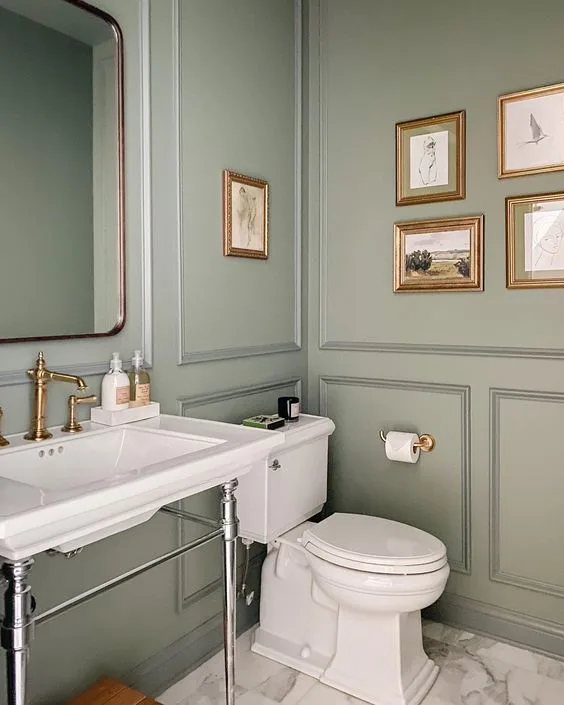
- Serene & Subtle Hues: Soft blues and gentle greens can create a calming, spa-like atmosphere, even without windows.
- Bold & Beautiful Statements: Don’t shy away from rich, deep colors! When done right, they can create a sophisticated, ‘jewel box’ effect that feels intentional and luxurious.
Understanding Light & Space: The Science Behind Your Color Choice
Choosing paint for a windowless room isn’t just aesthetic; it’s physics and psychology. Let’s break down the fundamentals that will guide your decision.
The Power of Light Reflectance Value (LRV)
Every paint color has an LRV, a number on a scale from 0 (absolute black, absorbing all light) to 100 (pure white, reflecting all light). In a small, windowless powder room, LRV is your best friend. A higher LRV means the paint reflects more light, making the space feel brighter and potentially larger. However, a super high LRV isn’t always the answer if you want a cozy or dramatic feel.
Most designers aim for an LRV of at least 60 for bright, airy windowless spaces, but don’t be afraid to go lower if you’re deliberately creating a moody, sophisticated vibe.
The Impact of Artificial Lighting: Your Room’s True Sun
This is arguably the most crucial factor. Since there’s no natural light, your artificial lighting dictates how paint colors appear. You absolutely must consider your light bulbs’ characteristics:
- Color Temperature (Kelvin):
- Warm White (2700K-3000K): Has a yellowish glow, making colors feel cozier and often bringing out warm undertones in paint.
- Cool White (3500K-4100K): Has a bluer, crisper light. It can make colors feel cleaner, but sometimes a bit sterile if not balanced.
- Daylight (5000K-6500K): Mimics natural daylight, often making colors appear truest, but can be too stark for a small powder room.
- Color Rendering Index (CRI): This measures how accurately a light source reveals the true colors of objects compared to natural light. Aim for bulbs with a CRI of 90 or higher for the best color accuracy in your powder room.
Pro Tip: Always test paint samples under the *exact lighting conditions you’ll have in your powder room. A color can look entirely different under warm LED recessed lights versus cool LED vanity sconces.
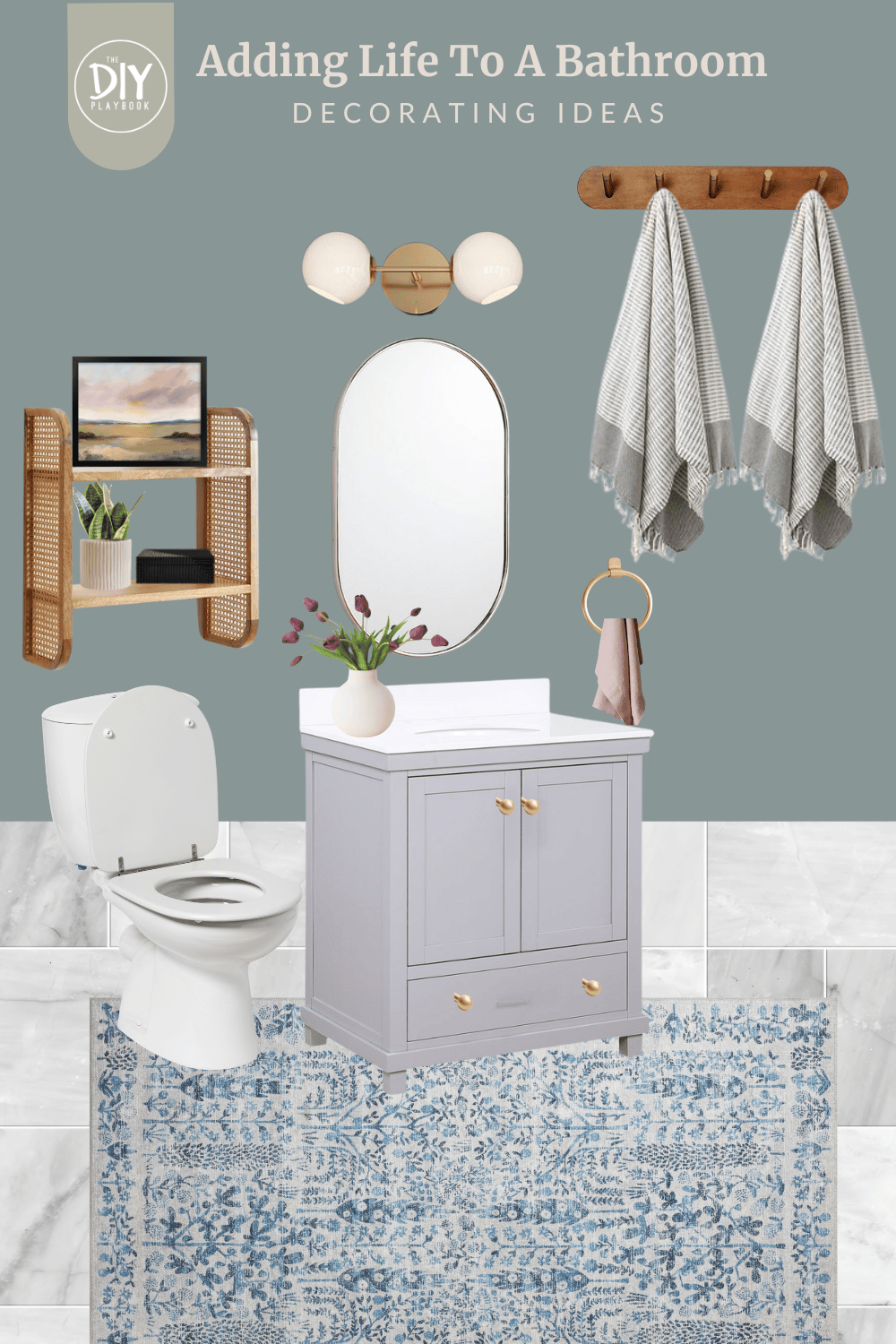
Best Paint Colors for a Small Powder Room with No Windows: A Deep Dive
Let’s get into the specifics. Here are the color families that excel in windowless powder rooms, complete with popular examples from leading brands.
The Bright Brigade: Light & Airy Neutrals
These are the go-to choices for maximizing light and creating a sense of spaciousness. They’re safe bets that always deliver.
- Crisp Whites:
Pure whites reflect nearly all light, making a windowless room feel as bright and open as possible. They provide a clean, modern backdrop.
- Pros: Maximizes light, creates a clean slate, versatile.
- Cons: Can feel stark or sterile without warm lighting and thoughtful decor.
- Popular Examples: Benjamin Moore Chantilly Lace OC-65 (very clean, crisp), Sherwin-Williams Pure White SW 7005 (soft white with minimal undertones).
- Warm Whites/Off-Whites:
These whites have subtle undertones of yellow, beige, or gray, adding a much-needed layer of warmth to an otherwise potentially cold, windowless space.
- Pros: Softens the light, feels inviting and cozy, prevents starkness.
- Cons: Can sometimes appear too yellow or dingy if the lighting is off.
- Popular Examples: Benjamin Moore White Dove OC-17 (soft, creamy white), Sherwin-Williams Alabaster SW 7008 (a popular creamy white).
- Pale Greys:
A sophisticated neutral that offers more depth than white but still reflects light well. Greys can be cool or warm, depending on their undertones.
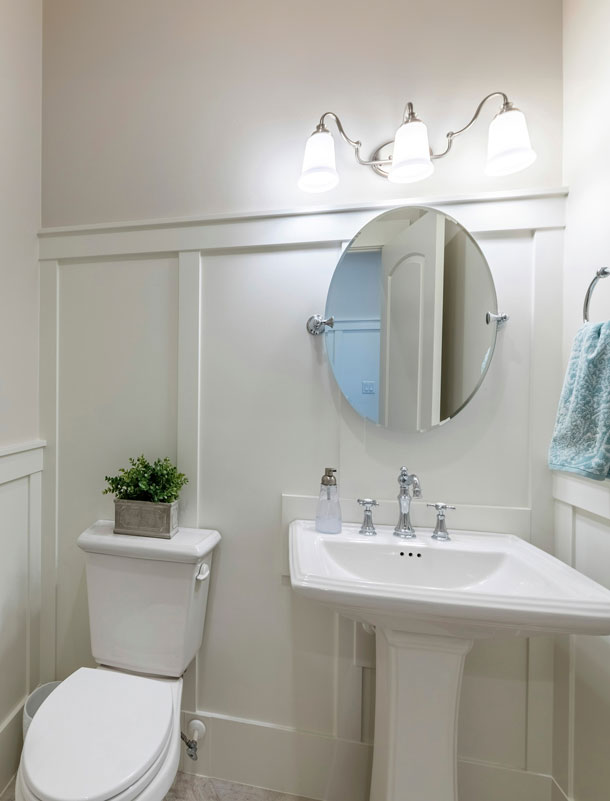 Image Source: mjkloss.com
- Pros: Modern, chic, versatile, provides a subtle contrast without overwhelming.
- Cons: Can sometimes feel cold if the undertones are too blue or purple and not balanced with warm lighting.
- Popular Examples: Sherwin-Williams Light French Gray SW 0055 (a true, neutral gray), Benjamin Moore Gray Owl OC-52 (a light gray with a slight green/blue undertone).
- Soft Beiges/Creams:
These bring natural warmth and an earthy feel, making the powder room feel grounded and comfortable. They’re excellent for traditional or rustic aesthetics.
- Pros: Naturally warm and inviting, timeless, pairs well with wood tones.
- Cons: Can sometimes look dated if the undertones are too yellow/orange, especially under warm lighting.
- Popular Examples: Benjamin Moore Pale Oak OC-20 (a beautiful warm greige), Sherwin-Williams Accessible Beige SW 7036 (a very popular, balanced beige).
Serene Sanctuaries: Subtle Hues for Tranquility
If you want a touch more personality without sacrificing an airy feel, soft blues and greens are perfect for creating a calm, spa-like vibe.
- Pale Blues:
Evoke feelings of calm and cleanliness. Light blues can sometimes visually recede, making a small room feel a little larger.
- Pros: Calming, clean, can make a space feel more expansive.
- Cons: Can lean cool; ensure warm lighting is used to prevent a chilly feel.
- Popular Examples: Sherwin-Williams Sea Salt SW 6204 (a popular coastal-inspired blue-green-gray), Benjamin Moore Palladian Blue HC-144 (a classic soft blue-green).
- Soft Greens:
Connect us to nature, even indoors. Sage and muted greens are refreshing and provide a subtle pop of color.
- Pros: Refreshing, natural, soothing, works well with various decor styles.
- Cons: Some greens can feel muddy if the lighting isn’t bright enough.
- Popular Examples: Sherwin-Williams Evergreen Fog SW 9130 (a calming, chameleon green), Benjamin Moore Sage Tint 458 (a gentle, earthy sage).
The Unexpected Statement: Embracing Deeper & Richer Tones
This is where things get exciting! Contrary to popular belief, you can go dark in a small, windowless powder room. The trick is to embrace the lack of light and create a dramatic, sophisticated “jewel box” effect.
- Deep Blues/Greens:
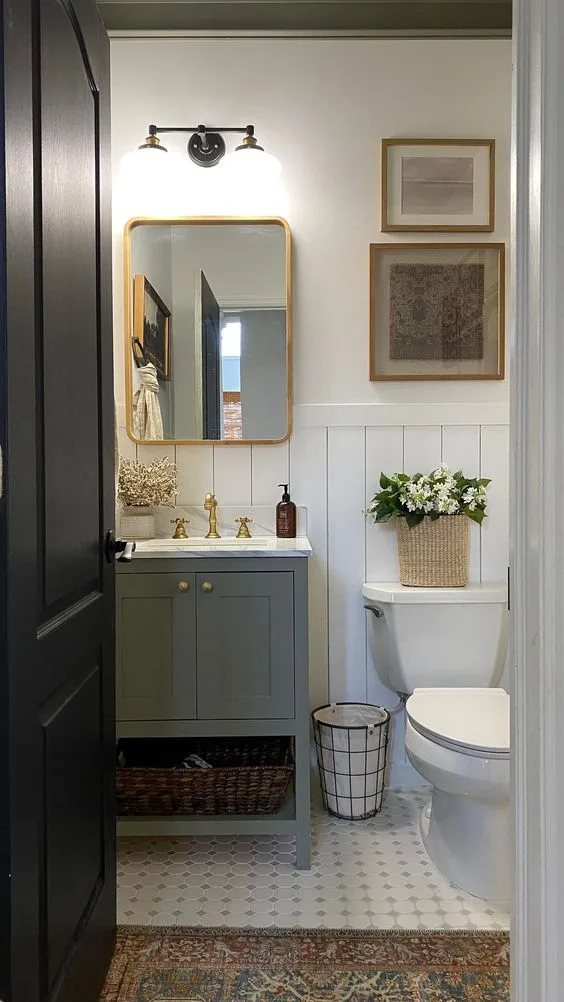
Rich, saturated blues and greens create an incredibly luxurious and intimate atmosphere. Think of a beautifully wallpapered accent wall, but with paint!
- Pros: Sophisticated, dramatic, hides imperfections, creates intimacy.
- Cons: Requires careful lighting design; can make the room feel smaller (but intentionally so).
- Popular Examples: Benjamin Moore Hale Navy HC-154 (a timeless, deep navy), Sherwin-Williams Peppercorn SW 7674 (a rich, charcoal gray with brown/green undertones, great for drama).
- Warm Blushes/Terracottas:
Unexpected and incredibly chic, soft pinks and muted terracottas add warmth and a touch of playful sophistication. They absorb light but create a glowing, inviting space.
- Pros: Unique, warm, sophisticated, flattering to skin tones.
- Cons: Can be challenging to coordinate with existing fixtures; ensure it doesn’t look too childish.
- Popular Examples: Benjamin Moore First Light 2102-70 (a soft, airy pink), Sherwin-Williams Romance SW 6323 (a delicate, subtle blush).
- Bold Jewel Tones (e.g., Emerald, Sapphire, Amethyst):
If you’re truly daring, jewel tones can make a windowless powder room feel like a tiny, luxurious retreat. The key is excellent lighting and reflective surfaces.
- Pros: High impact, luxurious, memorable, creates a unique experience.
- Cons: Can be overpowering if not balanced, requires careful decor choices.
- Popular Examples: Benjamin Moore Hunter Green 2041-10 (a rich, classic deep green), Sherwin-Williams Naval SW 6244 (a sophisticated, deep blue).
Here’s a comparison table to help you visualize the different approaches:
| Color Family | Best For | Mood Created | Typical LRV Range | Key Considerations for Windowless Rooms |
|---|---|---|---|---|
| Crisp Whites | Maximizing brightness & openness | Clean, modern, expansive | 75-90+ | Requires warm lighting to avoid starkness. Use varying textures. |
| Warm Whites / Off-Whites | Adding coziness & softening light | Inviting, soft, comforting | 70-85 | Test carefully for yellow/dingy undertones with your specific lighting. |
| Pale Greys / Greiges | Sophisticated neutral base, subtle depth | Modern, calm, understated elegance | 60-75 | Beware of cool undertones feeling chilly. Balance with warm metals/wood. |
| Soft Blues / Greens | Creating a serene, spa-like atmosphere | Tranquil, fresh, clean | 55-70 | Use warm-neutral lighting to prevent colors from appearing too cold or muddy. |
| Deep Blues / Greens | Dramatic, luxurious ‘jewel box’ effect | Intimate, sophisticated, elegant | 10-30 | Requires ample, well-designed artificial lighting (layered) and reflective decor. |
| Warm Blushes / Terracottas | Unique, cozy, inviting warmth | Playful, sophisticated, glowing | 40-60 | Flattering to skin tones. Pair with complementary metals like brass or copper. |
Beyond Color: Essential Considerations for Your Windowless Powder Room
Paint color is just one piece of the puzzle. To truly transform your windowless powder room, you need to consider the supporting cast.

The Magic of Paint Sheen: Why Flat is a Faux Pas
In a powder room, especially one without windows, paint sheen is critical. Flat paint absorbs light and can look dull. Higher sheens reflect light, which is exactly what you want.
- Eggshell/Satin: My personal favorite for most powder rooms. It offers a subtle glow, is more durable and washable than flat, and still looks sophisticated.
- Semi-Gloss: Highly reflective and very durable. Great for trim and doors, but can be used on walls for a high-impact, reflective effect, especially with deep colors.
- High-Gloss: A bold choice for walls, creating an almost lacquered, mirror-like finish that bounces light everywhere. Requires perfectly smooth walls and an expert painter.
Opt for at least an eggshell finish on the walls. It will instantly make your chosen color appear more vibrant and help distribute the artificial light.
Artificial Lighting: Your Design MVP
I cannot stress this enough: good lighting is non-negotiable in a windowless powder room. Think layered lighting:
- Ambient Lighting: An overhead flush mount, semi-flush mount, or small chandelier provides overall illumination.
- Task Lighting: Sconces on either side of the mirror (at eye level) are ideal for flattering light without shadows. A light bar above the mirror can work but is less flattering.
- Accent Lighting: Consider a small puck light in a niche, or even under-cabinet lighting for the vanity, to add depth and interest.
Ensure all your bulbs have consistent color temperature and a high CRI for the best results.
Strategic Decor: Mirrors, Metals, and More
Leverage decor to amplify your paint choice and overcome the lack of windows.
- Large Mirrors: The bigger, the better! A large mirror reflects light and visually doubles the space. Consider an oversized mirror that nearly fills a wall.
- Metallic Accents: Gold, silver, brass, or chrome finishes on fixtures, frames, or decor items will bounce light around the room.
- Glossy Surfaces: A polished stone vanity top or a reflective tile backsplash will contribute to the light play.
- Art and Texture: Don’t forget wall art! A striking piece can draw the eye and add personality. Textured wallpaper on one wall can also add depth.
The Power of Trim and Ceiling Colors
These elements play a huge role in defining the space:
- Crisp White Trim: A classic choice that provides a clean contrast, making the wall color pop and framing the space.
- Monochromatic Scheme: Painting the trim the same color as the walls (in a different sheen, like semi-gloss) can create a seamless, enveloping feel that makes the walls seem to disappear, often making the room feel larger.
- Ceiling Color: Generally, keeping the ceiling white (or a very light version of the wall color) helps lift the room. However, for a dramatic ‘jewel box’ effect, consider painting the ceiling the same deep color as the walls for a truly immersive experience.
Your Step-by-Step Guide to Choosing the Perfect Powder Room Color
Feeling overwhelmed? Don’t be! Follow these steps, and you’ll confidently choose a color you love.
- Assess Your Existing Elements: Look at your flooring, vanity, countertop, and fixtures. Do they have warm or cool undertones? Your paint color should harmonize with these permanent elements.
- Define the Mood: Do you want a bright and airy feel? A serene, spa-like retreat? Or a bold, dramatic statement? This will narrow down your color family choices.
- Sample, Sample, Sample! Never, ever skip this step. Buy paint samples of your top 2-3 choices. Paint large swatches (at least 18×18 inches) on poster board or directly on the walls.
- Test with Your Lighting: View your painted samples at different times of day (even though there’s no natural light, your artificial lights will be on at various times) and under all* your installed light fixtures. Observe how the color changes.
- Live With It: Leave the samples up for a few days. See how they make you feel. Does it spark joy? Does it clash with anything?
- Consult Your Gut (and maybe a Pro): Ultimately, it’s your space. Trust your instincts. If you’re truly stuck, a quick consultation with an interior designer can save you headaches.
Common Pitfalls to Avoid in Windowless Powder Rooms
Steer clear of these common mistakes to ensure your powder room project is a success:
- Ignoring Lighting: As we’ve discussed, this is the biggest mistake. Poor lighting will make even the best paint color fall flat.
- Too Much Clutter: A small space quickly feels overwhelmed. Keep decor minimal and intentional.
- Choosing the Wrong Sheen: Flat paint in a high-traffic, high-moisture area like a powder room is a recipe for disaster in terms of durability and light reflection.
- Picking Colors in Natural Light: Never choose paint in a well-lit showroom or another room with windows. Your powder room’s unique artificial lighting will completely change its appearance.
- Forgetting the Ceiling: A bright ceiling can make the room feel taller. A dark ceiling can enhance a moody vibe. Don’t leave it as a forgotten white canvas if you’re going for drama.
Choosing the best paint color for a small powder room with no windows is a fun design challenge, not a limitation. By understanding how light, color, and finish interact, you can create a truly stunning space that feels intentional, beautiful, and utterly welcoming. Don’t be afraid to experiment, trust your vision, and transform that overlooked space into a little gem!
”