Gray Color for Bedroom Walls: The Definitive Guide to Your Tranquil Sanctuary
Staring at a blank bedroom wall, or perhaps a color that& ;s just… not quite right? You& ;re not alone. The quest for the perfect bedroom ambiance often begins and ends with color, and for many, that journey leads straight to gray. But let& ;s be honest, "gray" isn& ;t just one color. It& ;s an entire universe of shades, undertones, and moods. Choose wrong, and your sanctuary can feel dull, cold, or even sterile. Choose right, and you& ;ve unlocked a world of serene sophistication, timeless elegance, and unparalleled versatility.
I get it. The sheer number of gray paint chips can be overwhelming. Is it too blue? Too brown? Will it feel like a dungeon or a spa? My goal today is to cut through the confusion and equip you with the knowledge to select the absolute best gray for your bedroom walls – a gray that reflects your personal style and transforms your space into the tranquil haven you deserve. Let& ;s demystify gray, shall we?
Why Gray Reigns Supreme in the Bedroom (When Done Right)
Forget the old adage that gray is boring. When deployed thoughtfully, gray is anything but. It& ;s the ultimate chameleon, adapting to almost any style, from minimalist modern to cozy farmhouse. Here& ;s why it& ;s a power player in bedroom design:
The Psychology of Gray: Calm, Sophisticated, and Versatile
In interior design, color psychology is no joke. The colors we surround ourselves with profoundly impact our mood and well-being. Gray, in particular, is associated with:
-
Calm & Serenity: Its neutral nature provides a soothing backdrop, perfect for unwinding after a long day. It doesn& ;t demand attention but rather supports relaxation.
-
Sophistication & Elegance: Gray instantly elevates a space, lending an air of understated luxury. It feels refined and deliberate.
-
Balance: Often perceived as a bridge between black and white, gray embodies balance and harmony, creating a stable foundation for your decor.
-
Timeless Appeal: Unlike trendy colors that come and go, a well-chosen gray remains stylish for years, saving you from frequent repaints.
More Than Just "Neutral": The Underrated Power of Gray
While gray is indeed a neutral, it& ;s an active one. It doesn& ;t just fade into the background; it sets the stage. It allows other elements in your bedroom – your bedding, artwork, furniture, and lighting – to truly shine. It can be:
-
A Perfect Foundation: Think of gray walls as a blank canvas, but one that already has depth and character. This makes decorating incredibly easy.
-
Enhancing Other Colors: Gray has a unique ability to make accent colors pop, whether it& ;s a vibrant throw pillow, a rich wooden headboard, or a collection of colorful books.
-
Creating Depth: Different shades of gray, or gray with varying undertones, can add layers of visual interest and dimension to a room, preventing it from feeling flat.
Decoding Gray: Understanding Undertones is Your Secret Weapon
Here& ;s where most people get tripped up. The biggest reason a gray wall might feel "off" or "dull" is a misunderstanding of its undertones. An undertone is the subtle color you see peeking through the main shade. It& ;s what makes one gray feel warm and another feel cool. Mastering this is key to choosing a gray you& ;ll love.
Warm Grays: Cozy & Inviting (Greige, Taupe-Gray, Gray-Brown)
Warm grays have undertones of beige, brown, yellow, or even a hint of purple/red. They feel incredibly inviting, comforting, and prevent a room from feeling stark or cold. If you& ;re worried about your bedroom feeling too "modern" or "cold," a warm gray is likely your answer.
They are particularly fantastic for:
-
North-facing rooms: These rooms tend to get cooler, indirect light, and warm grays can counteract that chill.
 Image Source: cocolapinedesign.com
 -
Traditional or rustic decor styles: They pair beautifully with natural wood tones, antique furniture, and cozy textiles.
-
Creating a "greige" look: A popular blend of gray and beige, greige offers the best of both worlds – the sophistication of gray with the undeniable warmth of beige.
| Warm Gray Undertone | Feeling/Mood | Best Paired With |
|---|---|---|
| Beige/Brown (Greige, Taupe-Gray) | Cozy, earthy, sophisticated | Cream, off-white, deep greens, warm wood tones, brass/gold accents |
| Yellow/Gold | Sunny, uplifting, subtle warmth | Mustard, terracotta, soft blues, natural textures |
| Red/Purple (Lilac-Gray, Muted Plum-Gray) | Luxurious, romantic, unexpected depth | Blush pink, emerald green, charcoal, silver accents |
Cool Grays: Serene & Modern (Blue-Gray, Green-Gray, Purple-Gray)
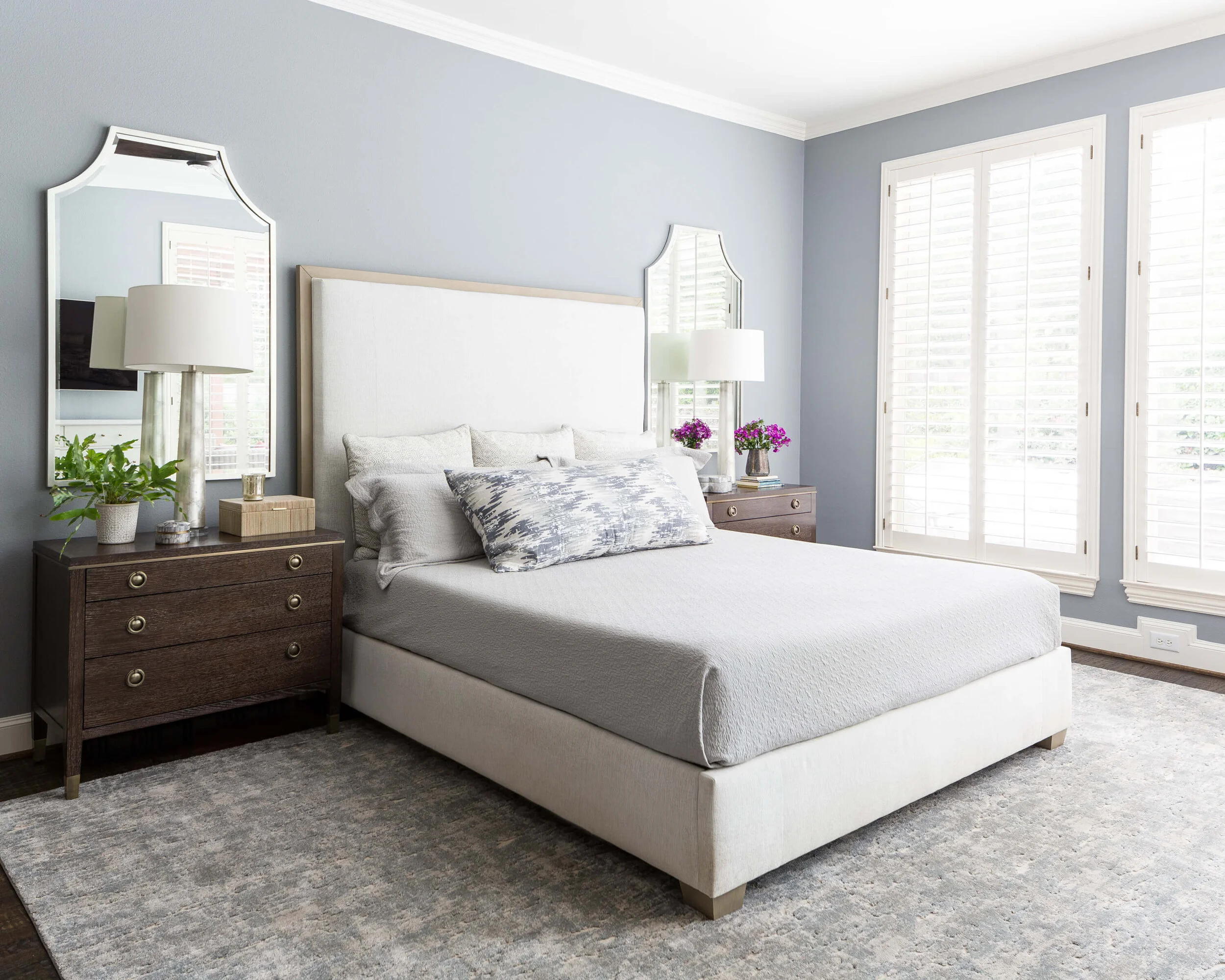
Cool grays have undertones of blue, green, or sometimes a definite purple. They evoke a sense of calm, tranquility, and a clean, crisp aesthetic. If you& ;re aiming for a spa-like retreat or a sleek, contemporary bedroom, cool grays are your go-to.
They shine in:
-
South-facing rooms: These rooms often receive abundant warm, bright light, which cool grays can temper, preventing the space from feeling too hot or glaring.
-
Modern or coastal design: Their crispness complements clean lines, minimalist decor, and natural elements like linen and white.
-
Creating a "spa-like" atmosphere: Blue-grays and green-grays are inherently soothing and promote relaxation.
| Cool Gray Undertone | Feeling/Mood | Best Paired With |
|---|---|---|
| Blue (Blue-Gray, Slate Gray) | Calm, refreshing, sophisticated, airy | White, navy blue, silver, cool wood tones, crisp linens |
| Green (Green-Gray, Sage-Gray) | Earthy, tranquil, organic, balanced | White, cream, blush pink, deep charcoal, natural fibers, plants |
| Purple (Periwinkle-Gray, Heather Gray) | Elegant, introspective, calming, unique | Deep jewel tones (emerald, sapphire), white, silver, velvet textures |
True Grays: The Balanced Blend
These are the rare, almost pure grays with minimal discernible undertones. They sit perfectly between warm and cool, offering a clean, crisp, and truly neutral base. They can sometimes be challenging to find, as even a tiny bit of pigment can pull them in one direction or another. When you find one, they& ;re exceptionally versatile.
Choosing Your Perfect Gray: A Step-by-Step Approach
Now that you& ;re an undertone expert, let& ;s apply that knowledge to your specific bedroom. This isn& ;t just about picking a pretty shade; it& ;s about selecting the *right shade for your unique space.
Step 1: Assess Your Room& ;s Natural Light
This is arguably the most critical factor. Natural light profoundly changes how a color appears throughout the day.
-
North-Facing Rooms: Receive cooler, indirect light. Warm grays with beige or yellow undertones can prevent the room from feeling too cold. Light to medium grays work best.
-
South-Facing Rooms: Bathed in warm, bright light all day. Cool grays with blue or green undertones can temper the brightness and prevent the room from feeling too hot. Almost any depth of gray can work here.
-
East-Facing Rooms: Get bright, warm morning light, then cooler light in the afternoon. A balanced or slightly warm gray can transition well throughout the day.
-
West-Facing Rooms: Receive warm, intense light in the afternoon/evening. Cool grays can balance this out, especially if you spend evenings in the room. Lighter grays might feel washed out by direct afternoon sun.
Step 2: Consider Room Size and Ceiling Height
-
Small Bedrooms: Generally, lighter grays with cool undertones can make a small room feel more expansive and airy by reflecting light. However, a very dark, moody gray can also work to create a cozy, intimate "jewel box" effect, especially if paired with bright white trim and plenty of artificial light.
-
Large Bedrooms: You have more flexibility! Medium to dark grays can create a sense of intimacy and sophistication. Don& ;t be afraid to go bold.
Image Source: carlaaston.com -
Low Ceilings: Stick to lighter grays on the walls and consider painting the ceiling an even lighter shade (or pure white) to visually lift it.
Step 3: Harmonize with Existing Decor & Furniture
Your gray walls should complement, not clash with, what& ;s already in the room:
-
Flooring: Is it warm wood, cool tile, or neutral carpet? Match your gray& ;s undertone to prevent jarring contrasts.
-
Furniture: Do you have dark wood, light wood, painted pieces, or upholstered items? A gray can either blend seamlessly or provide a striking contrast.
-
Bedding & Textiles: These are often the largest blocks of color (besides the walls) in a bedroom. Consider how your chosen gray will interact with your duvet, pillows, and curtains.
-
Artwork & Accessories: Gray walls make an excellent gallery backdrop, allowing colors in your art to truly pop.
Step 4: Test, Test, Test (Paint Swatches are Your Best Friend)
This step is non-negotiable. Do NOT skip it. Paint large swatches (at least 2& ;x2& 😉 directly on several walls in your bedroom, or use large peel-and-stick samples. Observe them:
-
At different times of day: Morning, midday, evening, with natural light and with your artificial lighting on.
-
Next to your existing furniture and textiles: See how they interact.
-
With a white background: If your walls aren& ;t white, tape a piece of white paper next to the swatch. This helps you truly see the undertone without interference from the old wall color.
What looks perfect in the store or online can look drastically different in your unique space. Trust me on this one; a few dollars spent on samples can save you hundreds (and a headache) later.
Popular Gray Shades We Love for Bedrooms
While I can& ;t recommend specific brand names, I can describe the types of popular gray shades that consistently perform well in bedrooms. Think of these as archetypes to guide your search.
Light & Airy Grays (e.g., "Silver Drop," "Classic Gray")
These grays are barely-there, often with subtle cool undertones, providing a fresh and expansive feel. They are perfect for:
-
Bedrooms that lack abundant natural light, as they help reflect what little light there is.
-
Creating a minimalist, Scandinavian, or coastal aesthetic.
-
Achieving a crisp, clean backdrop that allows colorful bedding or art to take center stage.
 Image Source: pinterest.com
Medium Depth Grays (e.g., "Agreeable Gray," "Revere Pewter")
These are the workhorses of the gray family – versatile, balanced, and incredibly popular. They often lean towards a warm greige, making them adaptable to many decors.
-
They provide enough saturation to feel substantial without overpowering a room.
-
Excellent for creating a cozy yet sophisticated atmosphere.
-
They pair well with both light and dark furniture, allowing for flexible design choices.
Dark & Moody Grays (e.g., "Charcoal," "Iron Ore")
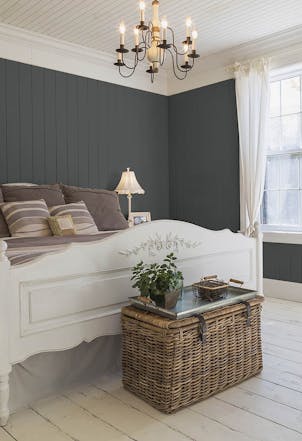
Don& ;t shy away from the drama! Dark grays, often with blue or green undertones, can create incredibly luxurious and intimate bedroom spaces.
-
They make a bold statement and feel incredibly sophisticated.
-
Perfect for creating a cozy, cocoon-like feeling, especially in larger rooms.
-
Require careful consideration of lighting (both natural and artificial) to ensure the room doesn& ;t feel too dim or oppressive. Use plenty of layered lighting.
-
They look stunning with crisp white trim, metallic accents (gold, silver), and rich textures like velvet or faux fur.
Greige: The Best of Both Worlds
Greige isn& ;t just a trend; it& ;s a modern classic. It perfectly blends the warmth of beige with the sophistication of gray. If you& ;re on the fence about cool vs. warm or worried about gray feeling too cold, greige is your safe (and stylish) bet.
-
It adds warmth without being overtly beige, and sophistication without being stark gray.
-
Extremely versatile, working with almost any decor style and lighting condition.
-
A fantastic choice for open-concept homes where you need a color that flows seamlessly between different rooms.
Elevating Your Gray Bedroom: Complementary Colors & Textures
Once your gray walls are painted, the real fun begins: bringing the room to life! Gray is an incredible foundation, but it needs friends to truly sing. Don& ;t let your room fall flat by only using gray.
Bringing in Warmth: Wood Tones, Gold, Cream, Soft Pinks
To ensure your gray bedroom feels inviting and cozy, balance it with warm elements:
-
Natural Wood Tones: Rich walnut, rustic oak, or even light birch can add organic warmth and texture. Think headboards, nightstands, dressers, or flooring.
:max_bytes(150000):strip_icc()/Gibbs-Ave-134-9b2a24f2bc9448d7800258c65c193aa2.jpeg "40 Blue-Gray Paint Colors to Inspire Your Next Reno") Image Source: thespruce.com
Image Source: thespruce.com -
Metallic Accents: Gold, brass, and copper instantly add a touch of luxury and warmth. Use them in light fixtures, hardware, mirrors, or decorative objects.
-
Cream & Off-White: Instead of stark white, opt for softer creams or off-whites in bedding, curtains, or trim. They provide contrast without feeling cold.
-
Soft Pinks & Blushes: A blush pink throw, velvet pillow, or piece of art can introduce a subtle, romantic warmth that beautifully contrasts with most grays.
Adding Contrast: Deep Blues, Emerald Greens, Black Accents
For depth and visual interest, introduce stronger contrasting colors:
-
Deep Blues: Navy, sapphire, or even a dusty blue can create a serene and sophisticated pairing with gray, especially cool grays.
-
Emerald & Forest Greens: These rich, earthy tones bring a touch of nature indoors and provide a striking, luxurious contrast, particularly with warmer grays or greiges.
-
Black Accents: A strategic use of black (e.g., photo frames, lamp bases, a slim iron bed frame) can ground the space, add definition, and provide a chic, modern edge.
-
Mustard & Ochre: A pop of rich yellow can energize a gray space and provide a beautiful, sophisticated contrast, especially with medium to dark grays.
Texture is Key: Linens, Velvets, Wools, Metallics
A room without texture feels flat. Gray walls, especially, benefit from a variety of tactile surfaces to create a layered, inviting feel:
-
Soft Linens: In bedding and curtains, linen adds a relaxed, breathable texture.
-
Luxurious Velvets: Throw pillows, an upholstered headboard, or a reading chair in velvet bring opulence and depth.
-
Cozy Wools & Knits: Chunky knit throws, wool rugs, or sheepskin accents enhance comfort and warmth.
-
Natural Materials: Woven baskets, rattan furniture, wooden decor, and live plants infuse organic texture and life.
-
Reflective Surfaces: Mirrors, glass, and metallics (gold, silver, brass) add sparkle and help bounce light around the room, preventing dullness.
Gray Wall Paint Finishes: Understanding the Sheen
The finish (or sheen) of your paint isn& ;t just about how shiny it looks; it impacts durability, how it reflects light, and how it performs in a bedroom environment. For bedroom walls, you& ;re generally looking at flat, matte, eggshell, or satin.
| Paint Sheen | Characteristics | Best For Bedroom Walls |
|---|---|---|
| Flat/Matte | No sheen, absorbs light, hides imperfections well, rich color depth. | Excellent for creating a soft, sophisticated look. Ideal for adult bedrooms where walls don& ;t get much abuse. Less washable. |
| Eggshell | A subtle, low sheen, very popular, more durable than flat, good color richness. | Highly recommended for bedrooms. Offers a beautiful finish that& ;s slightly more washable and durable than flat, without being shiny. |
| Satin | Smooth, velvety appearance with a noticeable sheen, very durable and washable. | Good choice for kids& ; bedrooms or high-traffic areas if you want more durability. Can sometimes look a bit too shiny for a truly calming adult bedroom. |
| Semi-Gloss/Gloss | High sheen, very reflective, extremely durable and easy to clean, highlights imperfections. | Generally too reflective for bedroom walls, often used for trim, doors, or accent pieces. Can create a more modern, stark feel. |
For a truly tranquil and sophisticated gray bedroom, I generally steer clients towards matte or eggshell finishes. They absorb light beautifully, providing a soft, luxurious backdrop that enhances relaxation.
Common Gray Bedroom Mistakes to Avoid
Armed with knowledge, let& ;s ensure you sidestep the pitfalls that lead to "hate your gray walls" moments.
Choosing a Gray Without Considering Undertones
This is the number one culprit for dissatisfaction. A gray that looks perfectly neutral on a small chip can reveal strong blue, green, or even purple undertones once it& ;s on all four walls. Always identify the undertone and ensure it harmonizes with your vision.
Not Testing Swatches in Your Room
I cannot stress this enough. Every room is different. The light, the floor, the existing furniture – they all influence how a color appears. A swatch viewed in a store under fluorescent lights is practically useless for predicting how it will look in your home.
Ignoring Your Room& ;s Natural Light
As discussed, the direction your windows face dramatically impacts the perceived warmth or coolness of a gray. A cool gray in a north-facing room can feel like an icebox. A warm gray in a south-facing room might feel too yellow or dingy.
Forgetting About Texture and Layers
A monochromatic gray room can work, but it requires a masterful layering of textures, shades, and sheen levels. If you simply paint gray walls and use only gray bedding, it can feel flat and uninspired. Bring in different materials, patterns, and varying depths of color.
Too Much Gray Without Contrasting Elements
While gray is wonderful, a bedroom composed entirely* of gray can lack life. Introduce accent colors through pillows, throws, art, plants, and decor. Use white or a softer off-white for trim and ceilings to create crisp boundaries and visual breaks.
The Verdict: Is Gray Right for Your Bedroom?
Absolutely! Gray is not just a trend; it& ;s a timeless design choice that offers unmatched versatility, serenity, and sophistication. It provides a peaceful retreat, a chic backdrop, and an adaptable canvas for personal expression.
By understanding undertones, carefully assessing your room& ;s unique characteristics, and embracing the power of complementary colors and textures, you can transform your bedroom into a tranquil sanctuary with the perfect shade of gray. So, go forth with confidence, armed with your samples, and prepare to fall in love with your gray bedroom walls. You& ;re not just painting a room; you& ;re crafting an experience.
Frequently Asked Questions
What undertones make gray feel warm or cool?
Warm grays typically have undertones of beige, brown, yellow, or even subtle red/purple, making them feel cozy and inviting. Cool grays, on the other hand, feature undertones of blue, green, or definite purple, creating a serene, crisp, and modern feel.
Can gray walls make a bedroom feel small?
Not necessarily. Lighter grays with cool undertones can actually make a small room feel more expansive and airy by reflecting light. While dark grays can make a room feel smaller, they can also create a cozy, intimate, and sophisticated "jewel box" effect, especially when balanced with ample lighting and contrasting elements.
What colors go best with gray bedroom walls?
Gray is highly versatile. For warmth, pair with natural wood tones, gold/brass accents, cream, or soft pinks. For contrast and depth, consider deep blues, emerald greens, mustard yellow, or strategic black accents. Don’t forget to incorporate various textures like linen, velvet, and wool for added richness.
Is gray still a popular color for bedrooms?
Yes, absolutely! While some trends come and go, gray has solidified its place as a timeless and sophisticated neutral. Its versatility allows it to adapt to various design styles, ensuring it remains a popular and elegant choice for creating tranquil bedroom environments.
How do I test gray paint colors before committing?
Always test paint colors by applying large swatches (at least 2’x2′) directly onto several walls in your bedroom. Observe them at different times of day (morning, midday, evening, with artificial light) and next to your existing furniture and decor. This crucial step helps you see how the color truly interacts with your room’s unique lighting and elements.
Should all walls in a gray bedroom be the same shade?
While painting all walls the same shade of gray creates a cohesive and calming look, you can also experiment. An accent wall in a slightly darker or different-toned gray, or even a complementary color, can add depth and interest. However, for a truly serene bedroom, a single, well-chosen gray on all walls often works best as a tranquil backdrop.
What kind of lighting works best with gray walls?
Layered lighting is key for gray walls. Maximize natural light during the day. For artificial lighting, use a mix of ambient (ceiling fixtures), task (bedside lamps), and accent lighting (mood lighting). Warm white bulbs (2700K-3000K) tend to enhance the warmth of gray and create a cozy atmosphere, while cooler bulbs (3500K-4000K) can emphasize the cool undertones of gray and create a crisp, modern feel.