Revamp Your Retreat: The Ultimate Guide to Painting Bedroom Furniture Like a Pro
Tired of your bedroom furniture looking… well, tired? That old dresser, those nightstands, or even a dated headboard can drag down the entire vibe of your personal sanctuary. You know that feeling: walking into a room that just doesn’t quite feel you anymore.
But here’s the secret: you don’t need to splurge on a brand-new set to transform your space. With a little elbow grease and the right guidance, you can give your bedroom furniture a stunning, fresh lease on life. Painting furniture is one of the most impactful and rewarding DIY projects you can tackle, and I’m here to show you exactly how to do it, step-by-step, so you achieve professional results without the stress.
Why Paint Your Bedroom Furniture? More Than Just a Color Change
So, why bother with paint when you could just buy something new? The reasons go beyond aesthetics:
Breathing New Life into Old Pieces
Good quality, solid wood furniture often outlasts trends. Instead of discarding a perfectly functional piece because its finish is scratched or its color is out of style, paint offers a sustainable and beautiful solution. You’re preserving craftsmanship and giving it a modern update.
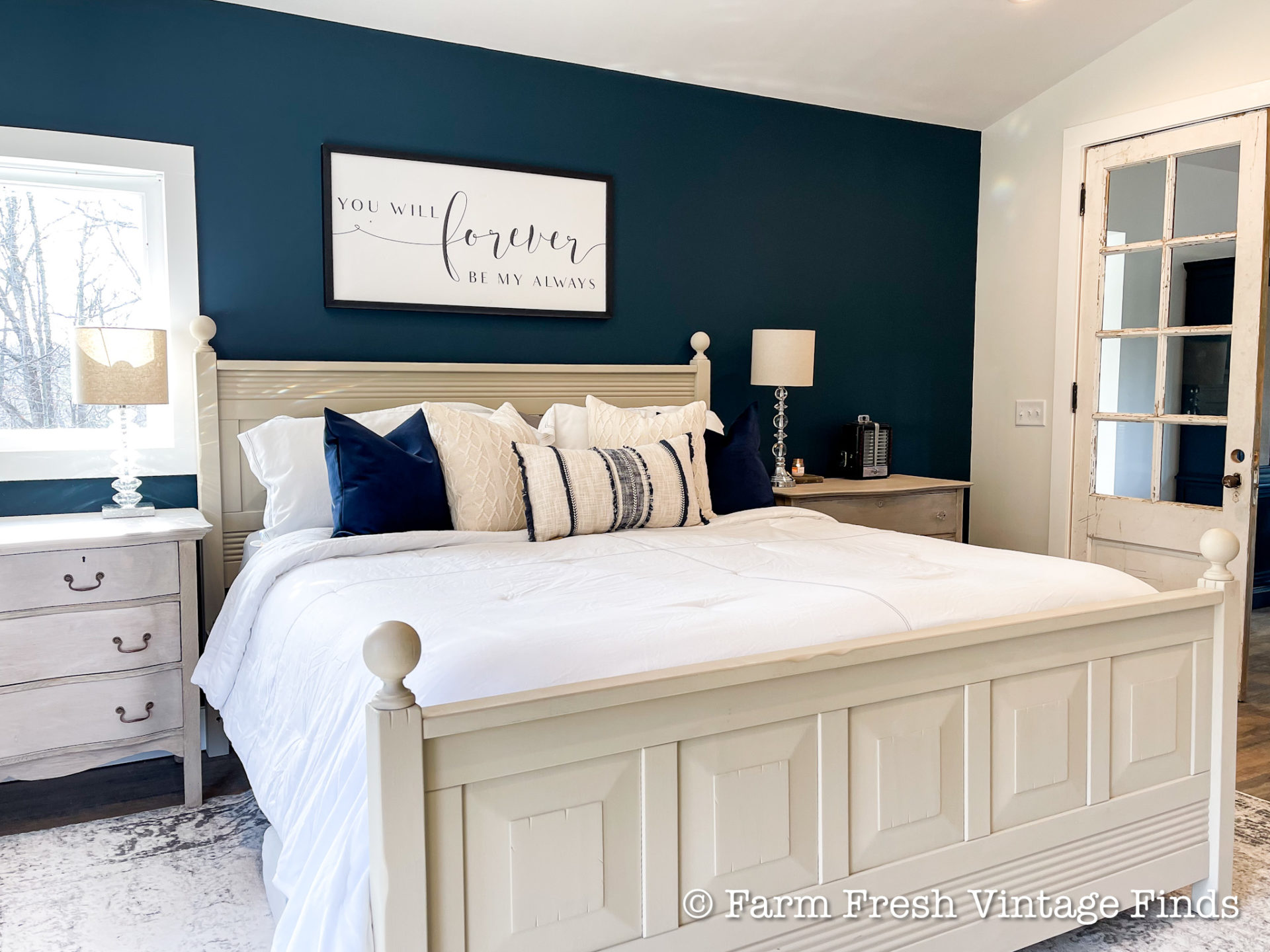
Cost-Effective Bedroom Makeover
Let’s be real: furniture can be expensive. A full bedroom set can set you back thousands. Painting existing or secondhand pieces can save you a significant amount of money, allowing you to allocate your budget to other decor elements like bedding, art, or lighting.
Expressing Your Personal Style
This is where the magic happens! Mass-produced furniture often lacks personality. By choosing your own colors, finishes, and even hardware, you can infuse your unique style into your bedroom. Imagine a bold emerald green dresser, a serene matte white nightstand, or a distressed antique bed frame – all crafted by your own hands to perfectly match your vision.
Before You Begin: Planning Your Bedroom Furniture Paint Project
Success in furniture painting is 90% preparation. Rushing this phase is the mistake beginners make. Let’s get you set up for success.
Choosing the Right Piece: What to Look For (and Avoid!)
Whether you’re repurposing an existing piece or hunting for a secondhand gem, scrutinize your potential project:
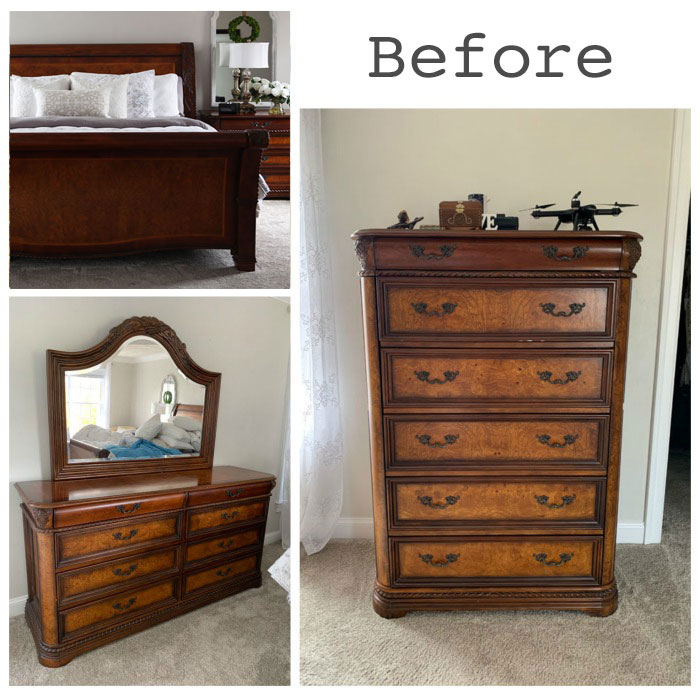
- Look for solid construction: Joints should be sturdy. Wobbly legs or drawers are red flags.
- Minimal damage: Small scratches and dings are fine – they’ll be sanded out. Deep gouges, missing veneer, or structural cracks will require extensive repairs and might not be worth the effort for a beginner.
- Smooth surfaces: While ornate details can be beautiful, they are much harder to paint smoothly than flat surfaces. Start simple if it’s your first rodeo.
- Check drawers: Ensure they slide easily. Sticking drawers can be fixed, but it adds another layer to your project.
- Material matters: Solid wood, MDF, and particle board can all be painted, but solid wood generally holds paint better and is more durable long-term. Laminate can be painted, but often requires a specific type of primer (like a bonding primer).
Picking Your Perfect Palette: Color & Finish Considerations
The color is crucial, but don’t overlook the finish, also known as the sheen. The sheen impacts durability, appearance, and how easy it is to clean.
| Paint Sheen | Description & Appearance | Pros for Furniture | Cons for Furniture |
|---|---|---|---|
| Flat/Matte | No shine, velvety appearance. | Hides imperfections well, sophisticated look. | Harder to clean, less durable without a topcoat. |
| Eggshell/Satin | Subtle, soft sheen, like an eggshell or pearl. | Most popular for furniture, durable, easy to clean, hides minor flaws. | Requires careful application to avoid brush strokes. |
| Semi-Gloss | Noticeable shine, reflects a good amount of light. | Very durable, highly washable, ideal for high-traffic or kid’s rooms. | Shows imperfections more easily, requires very smooth application. |
| High-Gloss | Mirror-like, high-shine finish. | Dramatic, modern look, extremely durable and easy to clean. | Highlights every single imperfection, very difficult to apply perfectly without a sprayer. |
For most bedroom furniture projects, I personally lean towards a satin finish. It offers a beautiful balance of elegance, durability, and ease of maintenance.
Essential Tools & Materials Checklist (Don’t Skip This!)
Gather everything before you start. Nothing derails a project faster than running to the store mid-paint job!
- Drop cloths or old sheets: Protect your floor and surrounding areas.
- Painter’s tape: For drawers, hardware holes, or areas you don’t want to paint.
- Screwdriver/drill: To remove hardware.
- Cleaning supplies: Dish soap, warm water, old rags, or a degreaser like TSP (trisodium phosphate) cleaner.
- Sanding supplies:
- Sanding block or orbital sander: For larger, flat surfaces.
- Sanding sponges: For contoured areas and corners.
- Sandpaper: 120-grit (for initial rough sanding/scuffing) and 220-grit (for smoothing between coats).
- Tack cloth or microfiber cloth: To remove sanding dust.
- Primer: High-quality bonding primer (essential for good adhesion, especially on slick surfaces or if skipping heavy sanding). Stain-blocking primer if dealing with knotty wood or old stains.
- Paint: Your chosen color and sheen. Look for paints specifically formulated for furniture or cabinets for extra durability.
- Applicators:
- High-quality angled paintbrush: For cutting in and detailed areas.
- Small foam rollers or mohair rollers: For smooth, even coverage on flat surfaces.
- Paint tray.
- (Optional) Paint sprayer: For the smoothest, most professional finish, especially on larger pieces.
- Topcoat/Sealer: Polyurethane (water-based is recommended for lighter colors to avoid yellowing), Polycrylic, or Furniture Wax.
- New hardware (optional): A quick way to update the look.
- Safety gear: Nitrile gloves, safety glasses, respirator mask (especially when sanding or using oil-based products).
The Step-by-Step Blueprint: How to Paint Bedroom Furniture Flawlessly
Alright, tools are ready, vision is clear. Let’s get painting!
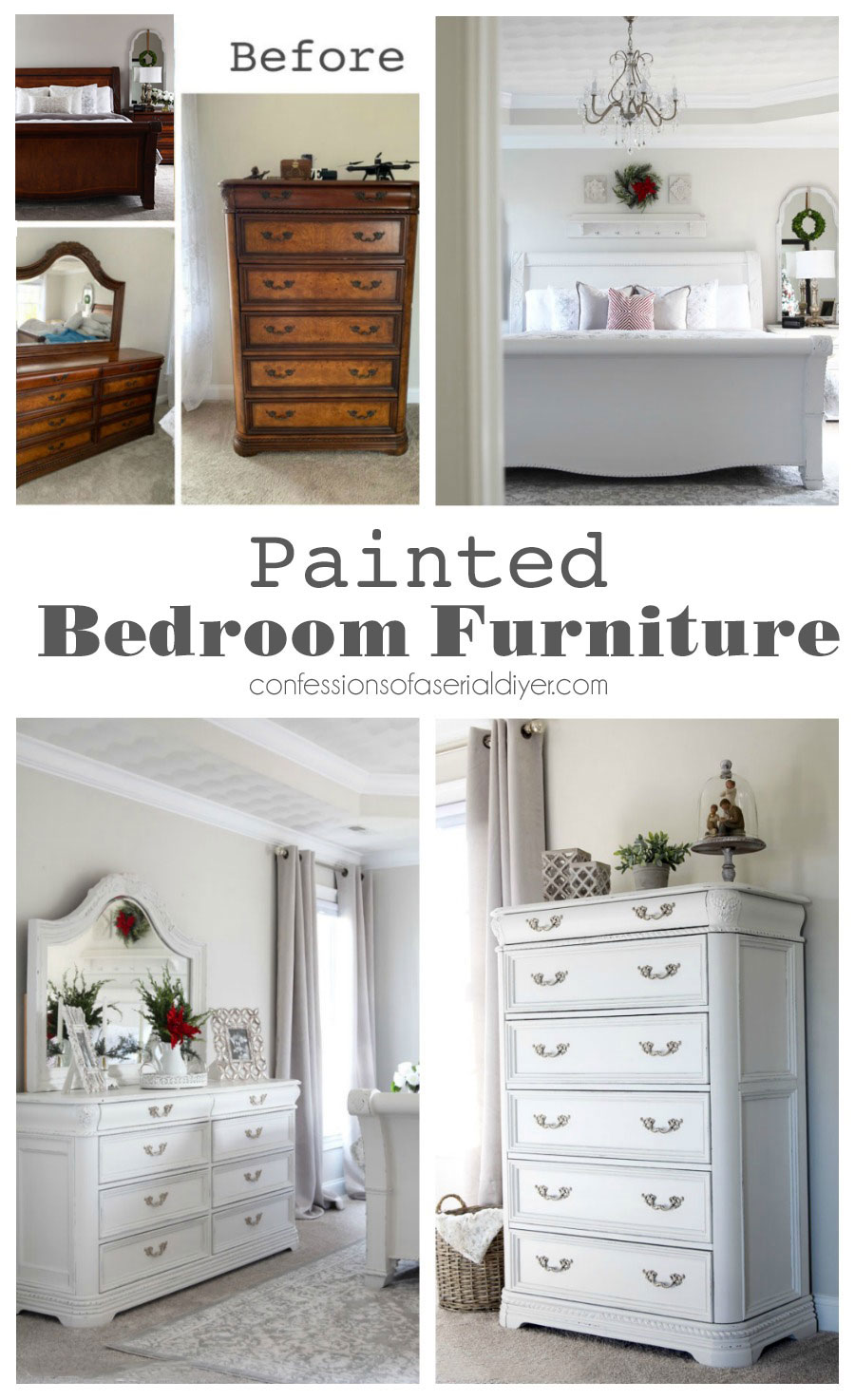
Step 1: Prep Work is Power (Cleaning & Hardware Removal)
This isn’t just about removing visible dirt; it’s about creating a clean, grease-free surface for your paint to adhere to. If you skimp here, your paint will chip and peel.
- Disassemble: Remove all drawers, doors, and any removable shelving. Take off all hardware (handles, pulls, hinges). Keep hardware in labeled bags so you know where everything goes back.
- Clean Thoroughly: Mix a few drops of dish soap with warm water, or use a dedicated degreaser like TSP. Wipe down every surface you plan to paint. Pay extra attention to greasy spots, old polish residue, or grime buildup. Rinse thoroughly with clean water and allow to dry completely. Any residue will prevent paint adhesion.
- Minor Repairs: Fill any small holes or dents with wood filler. Let it dry, then sand smooth.
Step 2: The Critical Sanding Stage (To Sand or Not to Sand?)
Sanding creates a ‘tooth’ for the primer and paint to grip. Think of it like roughening up a slick surface so something else can stick better.
- Traditional Method (Recommended for Best Adhesion):
- Using 120-grit sandpaper (or an orbital sander), lightly sand all surfaces. You’re not trying to remove the existing finish entirely, just scuff it up until it looks dull, not shiny. This takes away the slickness.
- For hard-to-reach areas and details, use a sanding sponge.
- Pro Tip: Sand in the direction of the wood grain to avoid visible cross-grain scratches.
- “No-Sand” Method (Requires Specific Primers/Paints):
- Some chalk paints or all-in-one furniture paints claim to require no sanding or priming. While this can be true for certain finishes and specific paint types, for maximum durability and adhesion, especially on slick or glossy pieces, I still recommend at least a light scuff sand and a good bonding primer.
- If you choose a no-sand paint, ensure the surface is meticulously clean and degreased.
- Clean Dust: After sanding, use a vacuum with a brush attachment, then wipe down all surfaces thoroughly with a tack cloth or a damp microfiber cloth to remove all dust. This is crucial for a smooth finish.
Step 3: Priming for Perfection (Why it Matters)
Primer is your insurance policy. It creates a uniform base, blocks stains from bleeding through, and helps the paint adhere better and last longer.
- Apply First Coat: Using your angled brush for corners and details and a foam roller for flat surfaces, apply a thin, even coat of high-quality bonding primer. Don’t go too thick; drips are harder to fix in primer.
- Dry Time: Allow the primer to dry completely according to manufacturer instructions (usually 1-2 hours).
- Light Sand (Optional but Recommended): Once dry, lightly sand the primed surface with 220-grit sandpaper or a fine sanding sponge. This removes any tiny bumps or imperfections and creates an even smoother surface for your paint.
- Clean Dust: Wipe away all sanding dust with a tack cloth.
- Second Coat (If Needed): If you’re painting a very dark piece a light color, or if you had any bleed-through from knots or stains, apply a second thin coat of primer. Repeat the light sand and dust removal after drying.
Step 4: Painting Time! Achieving a Smooth Finish
This is where your vision starts to come alive! Remember: several thin coats are always better than one thick coat.
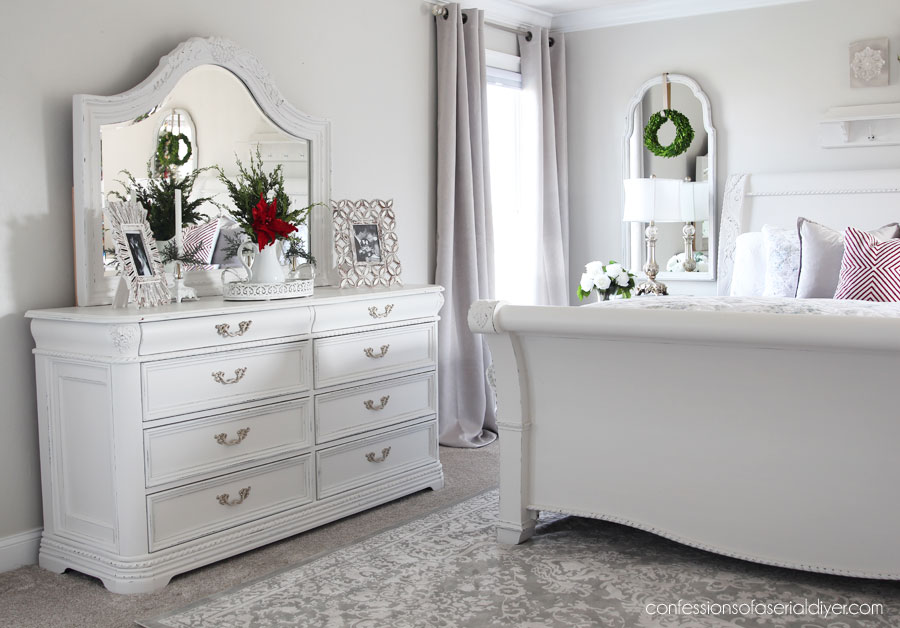
Brushing & Rolling Techniques
- First Thin Coat: Apply your first coat of paint. For brushes, load a moderate amount of paint and use long, even strokes in the direction of the grain. For rollers, roll out excess paint in the tray and apply with light, overlapping passes.
- Dry Time: Let the first coat dry completely (check paint can for recommended time, usually 2-4 hours).
- Light Sand & Clean: Lightly sand with 220-grit sandpaper if there are any bumps or brush marks, then remove dust with a tack cloth. This step is key for a truly smooth finish.
- Subsequent Coats: Apply a second thin coat, repeating the dry, sand, and clean steps. Most furniture pieces require 2-3 coats for full, opaque coverage, especially if you’re going from dark to light.
Mastering the Paint Sprayer (When to Use One)
If you have multiple pieces, or desire an ultra-smooth, factory-like finish with no brush marks, a paint sprayer is a fantastic investment. Even an affordable HVLP (High Volume Low Pressure) sprayer can produce incredible results.
- Preparation is Key: Mask off any areas you don’t want painted with painter’s tape and plastic sheeting.
- Thin Your Paint: Most paints need to be thinned with water (for latex) or mineral spirits (for oil-based) to the correct consistency for your sprayer. Always test on a scrap piece first.
- Even Passes: Hold the sprayer a consistent distance from the furniture (usually 6-12 inches) and use even, overlapping passes. Release the trigger at the end of each pass, not in the middle.
- Thin Coats: Apply multiple *very thin* coats, allowing adequate dry time between each, just like with brushing.
Step 5: The All-Important Top Coat (Protecting Your Work)
A topcoat protects your beautiful paint job from scuffs, scratches, and daily wear and tear. It’s especially crucial for bedroom furniture that sees frequent use.
- Choose Your Topcoat:
- Water-based Polyurethane/Polycrylic: Durable, clear, dries quickly. Recommended for most projects, especially lighter colors as it resists yellowing.
- Oil-based Polyurethane: Very durable, but can yellow over time, making it less ideal for white or light-colored furniture.
- Furniture Wax: Creates a soft, low-sheen finish. Less durable than polyurethanes, requiring reapplication over time.
- Apply Thin Coats: Apply 2-3 thin coats of your chosen topcoat. For polyurethane/polycrylic, use a foam brush or a fine-bristled brush. For wax, use a soft, lint-free cloth.
- Light Sanding: Lightly sand with 400-grit sandpaper between coats of polyurethane/polycrylic for the smoothest finish, wiping away dust with a tack cloth.
- Cure Time: This is critical! While dry to the touch in hours, most topcoats need several days, even weeks, to fully cure and reach their maximum hardness. Be gentle with your furniture during this time.
Step 6: Reassembly & Final Touches (Hardware & Curing)
You’re almost there! This is the rewarding part where you see your vision come to life.
- Wait for Dryness: Ensure all painted and top-coated surfaces are completely dry to the touch before reassembling.
- Install Hardware: Reattach old hardware or install your shiny new pulls and knobs. Be careful not to scratch your fresh paint.
- Careful Handling: Even if dry, your furniture’s finish is still curing for up to 30 days. Handle with care during this period. Avoid placing heavy objects, dragging items across surfaces, or using harsh cleaners.
- Line Drawers (Optional): Add decorative paper or fabric to the inside of drawers for an extra touch of polish.
Common Painting Pitfalls & How to Avoid Them
Even seasoned DIYers encounter issues. Here’s how to troubleshoot or prevent common problems:

Drips, Runs, and Brush Marks
- Cause: Too much paint on your brush/roller, or applying too thick of a coat.
- Fix: If wet, quickly wipe off excess with your brush. If dry, sand down the offending area with 220-grit, clean, and reapply a thin coat.
- Avoid: Always offload excess paint from your brush or roller. Apply multiple thin coats instead of one heavy one.
Poor Adhesion & Peeling Paint
- Cause: Inadequate cleaning, insufficient sanding/priming, or applying paint over an incompatible finish.
- Fix: Scrape off peeling paint, thoroughly clean, sand well, apply a bonding primer, then repaint. This is a fixable, but time-consuming issue.
- Avoid: Don’t skip cleaning and sanding! Always use a quality bonding primer, especially on glossy or tricky surfaces.
Uneven Coverage
- Cause: Not enough coats, paint thinning too much (or not enough), or inconsistent application.
- Fix: Apply additional thin, even coats until opacity is achieved.
- Avoid: Be patient. Most projects require 2-3 coats. Ensure your paint is mixed well and applied uniformly.
The Dreaded “Sticky” Finish
- Cause: Insufficient dry time between coats, high humidity, or not allowing the final topcoat to fully cure.
- Fix: Air out the piece in a well-ventilated area. If stickiness persists after a few weeks, lightly sand with very fine grit (400+) and reapply a fresh, thin coat of topcoat, ensuring proper dry and cure times.
- Avoid: Adhere strictly to dry times on paint/topcoat cans. Work in a well-ventilated area, and avoid painting on extremely humid days.
Beyond the Basics: Advanced Tips for a Pro Finish
Distressing Techniques for a Shabby Chic Look
Want a worn, antique feel? After your final paint coat (but before the topcoat), lightly sand edges and raised details with fine-grit sandpaper to reveal the original finish or a base coat underneath. Seal with a matte or satin topcoat.
Adding Stencils or Decorative Details
Once your base coats are dry, use painter’s tape to secure stencils. Apply a contrasting color with a sponge or stencil brush, dabbing lightly to prevent bleeding. Remove the stencil while the paint is still slightly wet. For freehand details, use a fine artist’s brush.
Upgrading Hardware for Instant Impact
Don’t underestimate the power of new hardware! Swapping out old knobs and pulls for stylish, modern, or vintage-inspired pieces can completely transform the look of your painted furniture. Measure your existing hole spacing to ensure a perfect fit, or be prepared to fill old holes and drill new ones.
Project Timeline & Curing Guide
How long will this actually take? While active painting time is relatively short, waiting for coats to dry and cure is the longest part. Here’s a realistic breakdown:
| Stage | Estimated Active Time | Estimated Wait/Dry Time | Total Estimated Time |
|---|---|---|---|
| 1. Prep & Cleaning | 1-2 hours | 1 hour (for drying) | 2-3 hours |
| 2. Sanding | 1-2 hours | 0 (immediate dust removal) | 1-2 hours |
| 3. Priming (2 coats) | 1 hour (30 min per coat) | 2-4 hours (1-2 hrs per coat) | 3-5 hours |
| 4. Painting (3 coats) | 1.5 hours (30 min per coat) | 6-12 hours (2-4 hrs per coat) | 7.5-13.5 hours |
| 5. Top Coat (2-3 coats) | 1 hour (20-30 min per coat) | 4-8 hours (2-3 hrs per coat) | 5-9 hours |
| 6. Reassembly & Curing | 0.5-1 hour | 7-30 days (for full cure) | ~1-4 weeks |
| Total Project Day(s) | 5-7 hours | ~2-3 days (active painting stages) | Total time investment spread over a weekend (for painting) plus weeks for curing. |
Maintaining Your Newly Painted Furniture
You’ve put in the work, now make sure your beautiful creation lasts!
Cleaning & Care Tips
- Gentle is Key: For daily dusting, use a soft, dry microfiber cloth.
- Mild Cleaning: For spills or marks, use a damp cloth with a very mild soap (like diluted dish soap). Avoid harsh chemical cleaners, abrasive scrubbers, or polishes that can damage the painted finish.
- Avoid Moisture: Don’t let water sit on the surface for extended periods, especially on edges or seams, as it can seep under the paint or topcoat.
- Coasters: Use coasters under drinks and felt pads under lamps or decor to prevent scratches.
Touch-Ups & Repairs
Accidents happen. Keep a small amount of your leftover paint and topcoat for future touch-ups. For small nicks, clean the area, lightly sand with very fine-grit paper (400+), dab on paint with a small artist’s brush, and then apply a thin layer of topcoat. For larger damage, you may need to re-prep and repaint a larger section to blend it seamlessly.
See? Painting your bedroom furniture isn’t nearly as daunting as it might seem. It’s a journey, a creative outlet, and a truly rewarding way to transform your space on a budget. With this guide, you have the knowledge and confidence to tackle your next project. Go ahead, pick up that paintbrush, and start creating the bedroom retreat you’ve always dreamed of!
”