Transform Your Bedroom: The Definitive Guide to Accent Wall Paint Color Ideas
Dreaming of a bedroom that feels uniquely ‘you’ – a space that’s both a peaceful sanctuary and a stylish statement? You’re not alone. Often, our bedrooms can feel a bit… flat. Four matching walls, functional furniture, and a general lack of personality. But what if you could inject character, depth, and a touch of drama with just one wall?
Enter the bedroom accent wall. It’s not just a trend; it’s a timeless design hack that allows you to play with color, texture, and mood without committing to an entire room overhaul. Choosing the right paint color for this star wall, and pairing it perfectly with your other walls, is the secret sauce to creating a truly captivating bedroom.
Why an Accent Wall is Your Bedroom’s Best Friend
Think of an accent wall as the focal point of your bedroom, drawing the eye and grounding the space. It’s an opportunity to express your style, enhance architectural features, or even cleverly alter the perception of a room’s size.
Instant Drama, Minimal Effort
A single accent wall can transform a drab room into a dynamic one with relatively little paint and effort. It allows you to experiment with bolder colors or deeper hues that might feel overwhelming if painted on all four walls. It’s a low-risk, high-reward design move.
Personalize Your Sanctuary
Your bedroom should be your ultimate retreat, a reflection of your personality and a haven for relaxation. An accent wall provides a canvas to infuse your favorite colors, convey a specific mood, or highlight elements that make the room feel uniquely yours.
Defining Space and Focus
In open-concept homes or larger bedrooms, an accent wall can subtly define different zones within the room – perhaps separating a sleeping area from a reading nook or a home office corner. It naturally draws attention to a specific area, making your bed or a piece of art stand out.
Decoding Your Bedroom: Which Wall Should Be the Accent?
This is often the first, and most crucial, question. Choosing the right wall is paramount to achieving a cohesive and impactful design. It’s not just about picking your favorite wall; it’s about understanding your room’s layout, natural light, and existing features.
The Headboard Wall: A Classic Choice
For most bedrooms, the wall behind your headboard is the most intuitive and popular choice for an accent wall. Why? Because the bed is naturally the focal point of the room. By painting this wall, you enhance that focus, creating a dramatic backdrop that makes your bed, and often your bedding, truly pop. It immediately draws attention to the most important element of your sleep sanctuary.
:max_bytes(150000):strip_icc()/SPR-bedroom-accent-wall-ideas-7099564-6d9b6deeb2bd466cbb965459bf99ad5c.jpg "25 Bedroom Accent Wall Ideas to Try at Home")
The Focal Wall: Beyond the Bed
Sometimes, the headboard wall isn’t the best candidate. Perhaps you have a stunning window with a view, a built-in bookshelf, a fireplace, or a beautiful piece of art that you want to highlight. In such cases, the wall housing this architectural feature or design element becomes your ‘focal wall’. The accent color will draw the eye to this feature, making it a statement.
Considering Room Size and Layout
- Small Bedrooms: For smaller rooms, choose a wall that doesn’t make the room feel narrower. Often, the longest wall or the wall with the bed works best. Using a slightly darker, but not overwhelmingly dark, shade can add depth without shrinking the space. Avoid painting a short wall a very dark color if you want the room to feel larger.
- Large Bedrooms: Larger rooms offer more flexibility. You can be bolder with your accent wall choice and color. A dark accent wall in a spacious room can create a sense of intimacy and coziness, preventing it from feeling cavernous.
The Role of Natural Light
Consider how natural light hits your chosen accent wall throughout the day. A wall that receives direct sunlight might make a vibrant color appear even brighter, while a wall in perpetual shadow could make a deep hue appear almost black. Test your paint samples on the actual wall and observe them at different times before committing.
The Psychology of Bedroom Colors: Setting the Mood
Colors have a profound impact on our emotions and well-being, especially in a space like the bedroom where relaxation and rest are key. Choosing your accent and main wall colors wisely can significantly influence the mood of your sanctuary.
Calming & Serene: Blues, Greens, Neutrals
These colors are universally recognized for their calming properties. Blues evoke feelings of peace and tranquility, reminiscent of the sky and ocean. Greens connect us to nature, promoting balance and rejuvenation. Soft grays, creams, and warm whites provide a gentle backdrop, allowing the mind to unwind. They are perfect for creating a truly restful sleep environment.
Cozy & Inviting: Warm Tones, Deep Hues
If your goal is a snug, welcoming retreat, lean into warmer hues. Think terracotta, muted rust, deep berry, or rich caramel. When used as an accent, these colors can envelop the room in warmth and comfort, making it feel like a perpetual hug. Paired with softer neutrals on the main walls, they create a harmonious balance of warmth without being overstimulating.
Bold & Energetic: Jewel Tones, Darker Shades (with caution for bedrooms)
For those who crave drama and sophistication, jewel tones like emerald green, sapphire blue, or amethyst purple can be incredibly impactful. Darker shades like charcoal or navy also fall into this category, offering a moody yet refined aesthetic. While they add energy, use them strategically as an accent to avoid overwhelming a bedroom, which should primarily be a place of rest.
Sophisticated & Moody: Grays, Blacks, Deep Navys
A deep, moody aesthetic can be incredibly chic and, surprisingly, calming when done right. Charcoal gray, deep slate, true navy, or even a soft black can create a luxurious, cocoon-like feel. These colors are fantastic for making white linens pop and for creating a high-contrast, modern look. The key is to balance them with lighter elements and good lighting.
Curated Bedroom Accent Wall Color Combinations (Main + Accent)
This is where the magic happens! Don’t just pick a single accent color; think about the entire palette. The main wall color should complement the accent wall, creating a harmonious and balanced space. Here are some carefully curated combinations, designed to inspire different moods and styles:
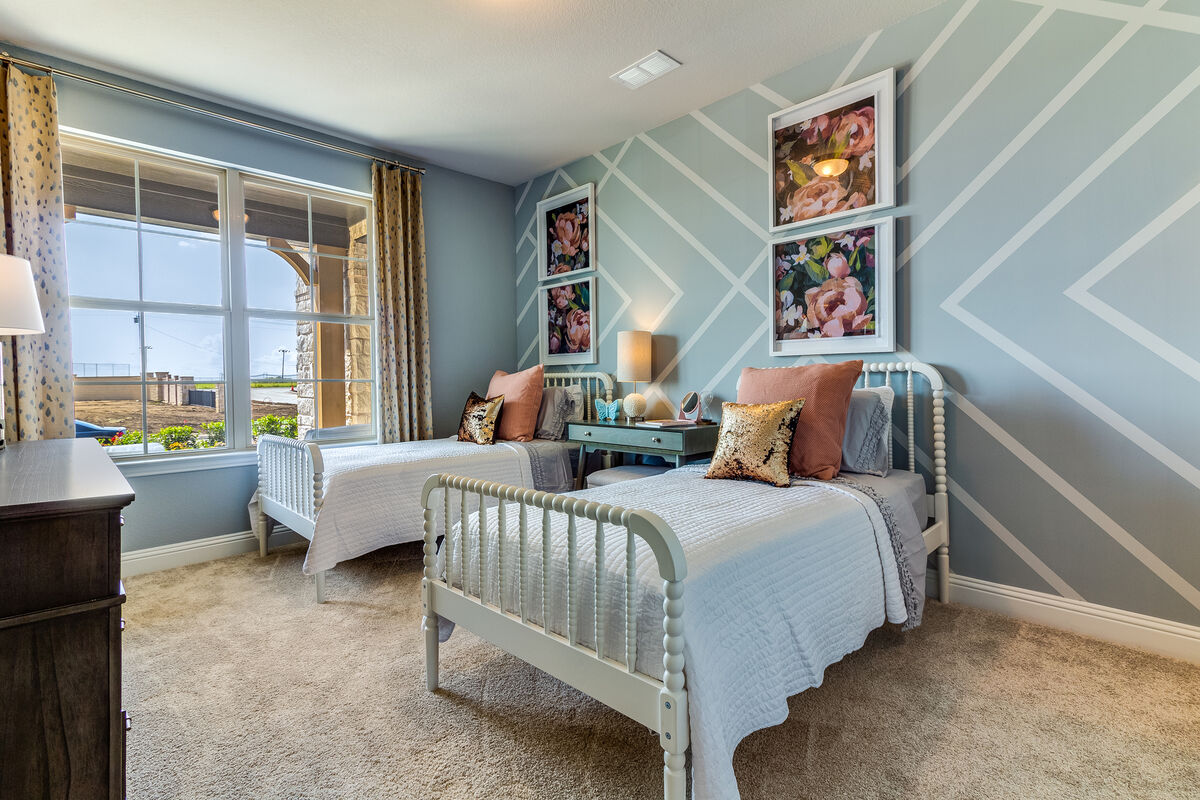
| Accent Wall Color (Vibe) | Recommended Main Wall Color | Mood & Aesthetic | Key Decor Tip |
|---|---|---|---|
| Deep Navy Blue (Serene, Sophisticated) | Light Gray or Crisp White | Calm, luxurious, coastal-inspired. Promotes relaxation. | Introduce warm wood tones, natural textures, and metallic accents (brass, gold) to add warmth and elegance. |
| Forest/Emerald Green (Nature-Inspired, Grounded) | Soft Beige or Warm Off-White | Earthy, tranquil, rejuvenating. Brings the outdoors in. | Combine with potted plants, woven textiles, and natural wood furniture for an organic feel. |
| Charcoal Gray (Modern, Moody) | Mid-tone Gray or Cool White | Sleek, sophisticated, urban. Creates a cozy, enveloping effect. | Pop with bright white bedding, geometric patterns, and industrial or minimalist furniture. |
| Dusty Rose/Blush Pink (Soft, Romantic) | Creamy White or Light Greige | Gentle, romantic, comforting. Feminine but sophisticated. | Use plush fabrics, soft lighting, and fresh flowers. Can be paired with gold or rose gold accents. |
| Terracotta/Burnt Orange (Warm, Bohemian) | Warm White or Sandstone Beige | Earthy, vibrant, cozy. Evokes a global or desert aesthetic. | Layer with Moroccan rugs, macrame hangings, and natural wood or rattan furniture. |
| Muted Teal (Vibrant, Calm) | Soft Off-White or Light Aqua | Refreshing, serene, creative. A balanced blend of blue’s calm and green’s vitality. | Works well with mid-century modern furniture, metallic accents, and pops of yellow or coral. |
| Dark Plum/Amethyst (Regal, Mysterious) | Light Gray or Creamy White | Luxurious, dramatic, intimate. Creates a deep, sophisticated atmosphere. | Pair with velvet textures, dark wood furniture, and silver or gold accents for a lavish feel. |
Serene Retreat: Soft Blues & Greens
Imagine waking up in a room that feels like a breath of fresh air. A deep navy blue accent wall paired with soft, almost cloud-like pale blue or light gray main walls creates an instant calming effect. For a more organic feel, try an emerald green accent against creamy off-white walls. These combinations promote tranquility, making your bedroom a true haven from the outside world.
Cozy Haven: Warm Neutrals & Terracottas
If warmth and comfort are your priorities, look to the earthy spectrum. A rich terracotta or burnt orange accent wall can bring a rustic, global charm. Balance this vibrant warmth with main walls painted in a soft sandstone beige or a warm white. This palette wraps your room in a cozy embrace, perfect for chilly evenings.
Modern Chic: Grays & Charcoals
For a sleek, contemporary bedroom, contrast is key. A bold charcoal gray accent wall offers a striking backdrop that instantly modernizes the space. Pair it with lighter shades of gray or a crisp, cool white on the remaining walls. This combination is sophisticated, effortlessly chic, and provides a perfect canvas for minimalist decor or pops of vibrant color.
Nature Inspired: Earthy Greens & Browns
Bring the tranquility of the forest indoors. An accent wall in a deep sage or forest green, especially one with a slight blue undertone, can be incredibly grounding. Complement this with main walls in a soft beige, greige, or even a very light taupe. This creates a natural, soothing environment that feels both sophisticated and connected to the outdoors.
Dramatic Flair: Deep Jewel Tones & Rich Hues
Ready to make a statement? Consider an accent wall in a jewel tone like a sumptuous deep plum or a rich ruby red (used sparingly for mood). To prevent the room from feeling too heavy, balance these intense colors with lighter, more neutral main walls – think a soft greige, a warm taupe, or a creamy off-white. This combination delivers undeniable drama and luxury.
Subtle Sophistication: Tonal Contrast
An accent wall doesn’t always have to be a dramatically different color. Sometimes, the most sophisticated look comes from using different shades of the same color family. For instance, a mid-tone gray on your main walls beautifully complements a slightly darker, deeper charcoal gray accent wall. This creates subtle depth and elegance without overpowering the space, maintaining a cohesive and harmonious feel.
Beyond Paint: Adding Texture and Dimension to Your Accent Wall
While paint is a fantastic tool, an accent wall can be so much more than just a different color. Integrating texture can add incredible depth, interest, and a bespoke feel to your bedroom.
Wallpaper Wonders
Wallpaper has made a huge comeback! From subtle grasscloth textures to bold geometric patterns, or even sophisticated floral prints, wallpaper can transform your accent wall into a work of art. It introduces visual interest that paint alone often can’t achieve. Remember to choose a pattern that complements your overall bedroom aesthetic.
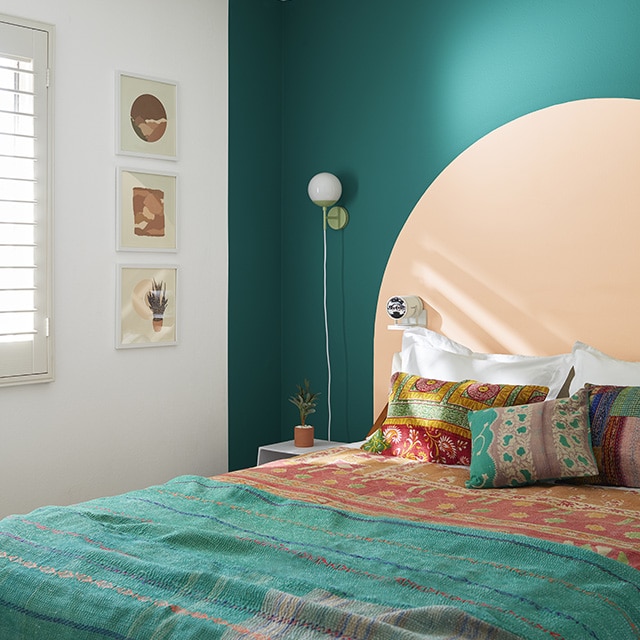
Wood Paneling or Shiplap
For a rustic, farmhouse, or even modern Scandinavian vibe, consider wood paneling or shiplap. This adds a beautiful three-dimensional element that changes how light interacts with the wall, creating shadows and depth. You can leave it natural, paint it white for a classic look, or even paint it in your chosen accent color for an extra layer of texture.
Murals & Decals
Feeling artistic? A hand-painted mural can be a truly unique accent. If that’s too daunting, high-quality wall decals offer a removable and often more affordable alternative. From abstract designs to nature-inspired scenes, these can make your accent wall incredibly personal.
Fabric or Upholstered Panels
For ultimate luxury and softness, consider upholstering your accent wall with fabric panels. This not only adds a plush, tactile element but can also improve acoustics in the room. Velvet, linen, or even a textured woven fabric can create a truly indulgent headboard effect.
Practical Tips for Painting Your Bedroom Accent Wall
Ready to get started? A little preparation goes a long way to ensure a professional-looking finish.
Prep Work is Key
Don’t skip this! Clean your walls thoroughly to remove dust and grime. Fill any holes or cracks, then sand smooth. Use painter’s tape to create crisp, clean lines around edges, trim, and ceilings. Protect your floors and furniture with drop cloths. Proper prep ensures your beautiful accent wall truly shines.
Choosing the Right Paint Finish
- Matte/Flat: Offers a velvety, non-reflective finish that hides imperfections well. Great for a sophisticated, deep color look, especially in bedrooms where durability isn’t the primary concern.
- Eggshell/Satin: Slightly more durable and washable than matte, with a soft sheen. A good balance between aesthetics and practicality for main walls and some accent walls.
- Semi-Gloss/Gloss: Very durable and reflective. Generally not recommended for entire bedroom walls due to its high sheen, but can be used for trim or specific textured accent elements.
Sampling Colors: Don’t Skip This Step!
Paint colors look different on a swatch than they do on a large wall, and they look different in your home than in the store. Buy small sample pots and paint large swatches (at least 2×2 feet) directly on your accent wall. Observe them at different times of day and night, with both natural and artificial light. This is the single most important step to avoid disappointment.
Lighting Matters: Day vs. Night
As mentioned, natural light plays a huge role. But also consider your artificial lighting. Warm light bulbs (2700K-3000K) will bring out the warmer tones in your paint, making blues appear softer and grays richer. Cooler light bulbs (4000K+) will emphasize blues and greens, making warm colors appear muted. Test your samples under the lighting conditions you typically use.
Common Accent Wall Mistakes to Avoid
An accent wall is a powerful tool, but like any powerful tool, it can be misused. Steer clear of these common pitfalls:
:strip_icc()/dazeydenandwww.dazeyden.com-a766d5000d7b43a089ee6fa2b8a19a6c.jpg "12 Best Accent Wall Colors")
Choosing the Wrong Wall
Don’t just pick a wall at random. As discussed, the accent wall should either naturally draw attention or be strategically chosen to create focus. An accent wall on a wall with too many interruptions (multiple windows, doors, large closets) can look disjointed rather than intentional.
Overwhelming the Space
While bold is good, overwhelming is not, especially in a bedroom. A very dark or highly saturated color in a tiny room without enough light or balancing neutrals can make the space feel claustrophobic. Balance is key – if your accent wall is dark, ensure your other walls, bedding, and decor provide contrast and brightness.
Ignoring Existing Decor
Your accent wall shouldn’t exist in a vacuum. It needs to harmonize with your existing furniture, bedding, curtains, and artwork. Take photos of your bedroom and bring them with you when selecting paint samples. Ensure the new color complements your existing color palette and style.
Forgetting the Finish
The paint finish matters. A high-gloss finish on a dark accent wall can be too reflective and distracting in a bedroom. Stick to matte or eggshell for a softer, more sophisticated look that absorbs light rather than bounces it around.
Elevate Your Design: Complementary Decor for Your Accent Wall
Once your accent wall is painted, it’s time to bring the whole room together. The right decor can enhance its impact and create a cohesive, polished look.
Artwork & Mirrors
An accent wall is the perfect backdrop for artwork. Choose pieces that either complement the wall color (e.g., a painting with similar hues) or provide a striking contrast. Large mirrors can also work wonders, reflecting light and making the room feel larger, especially against a darker accent wall.
Textiles & Bedding
Your bedding is a huge part of your bedroom’s aesthetic. If your accent wall is a deep, rich color, crisp white or light neutral bedding will pop beautifully. Conversely, if your accent wall is a soft neutral, you can introduce richer colors or patterns through your duvet, throw pillows, and blankets.
Lighting Fixtures
Consider wall sconces, pendant lights, or even a statement floor lamp near your accent wall. Lighting can highlight the color and texture, adding another layer of dimension and setting the mood. Dimmers are a fantastic addition to control the ambiance in a bedroom.
:max_bytes(150000):strip_icc()/rs-shop-every-room-bedroom-real-simple-home-2024-d10bf2ace8e0448d927b9c34ce5158a9.jpg "19 Accent Wall Ideas to DIY Your Dream Bedroom")
Ready to Transform Your Bedroom?
An accent wall is more than just a painted surface; it’s a design opportunity to infuse your personality, enhance your room’s architecture, and create a truly unique sanctuary. By carefully considering the psychology of color, the dynamics of your space, and the harmony of your decor, you can craft a bedroom that you’ll love waking up to and winding down in.
Don’t be afraid to experiment with samples, trust your instincts, and embark on this exciting journey to a more vibrant, personal, and utterly irresistible bedroom. Happy painting!
Frequently Asked Questions
Which wall is best for an accent wall in a bedroom?
The most common and effective choice is the wall behind your bed’s headboard, as the bed is naturally the room’s focal point. Alternatively, choose a wall with a prominent feature like a large window, fireplace, or built-in shelving that you want to highlight.
Should my accent wall be lighter or darker than the other walls?
Typically, an accent wall is painted a darker or more saturated color than the other walls to create contrast and visual interest. However, you can also use a vibrant lighter color against deeper neutrals, or even a slightly darker shade from the same color family for a subtle, sophisticated tonal effect. The goal is distinction, not necessarily just darker.
How do I choose an accent wall color that matches my existing decor?
Take cues from your existing furniture, bedding, and artwork. Look for a prominent color in your textiles or a complementary shade to your larger furniture pieces. Bring paint samples home and view them against your current decor and in different lighting conditions to ensure harmony. It should complement, not clash.
Can I have a dark accent wall in a small bedroom?
Yes, but with caution. A dark accent wall can add depth and coziness to a small room if done correctly. Choose the longest wall to avoid making the room feel narrower, and balance the darkness with plenty of light-colored bedding, furniture, and reflective surfaces (like mirrors) to prevent it from feeling overwhelming or claustrophobic.
What kind of paint finish is best for a bedroom accent wall?
For bedrooms, a matte or eggshell finish is generally recommended for accent walls. Matte offers a soft, velvety look that hides imperfections and absorbs light, creating a sophisticated feel. Eggshell provides a bit more durability and a subtle sheen, making it slightly easier to clean while still maintaining a soft appearance.
How many walls can be an accent wall in a bedroom?
Generally, it’s best to stick to just one accent wall in a bedroom to maintain its impact and prevent the space from feeling chaotic or busy. The idea of an ‘accent’ is to highlight a single focal point. More than one can dilute the effect and make the room feel disjointed rather than cohesive.
Should the trim around the accent wall be painted the same color or a different one?
For a seamless, modern look, you can paint the trim the same color as the accent wall. This creates a bold, continuous block of color. Alternatively, painting the trim in a crisp white or the color of your main walls provides a clean contrast that frames the accent wall beautifully. Your choice depends on the desired aesthetic.