How to Paint Bedroom Furniture White: Your Definitive Guide to a Flawless Finish
Dreaming of a bedroom that feels fresh, bright, and utterly serene? Painting your existing bedroom furniture white is one of the quickest, most impactful ways to achieve that look without breaking the bank. Forget the fear of brush strokes, drips, or yellowing – I’m here to tell you it’s absolutely achievable, and you can do it beautifully.
This isn’t just another DIY guide; it’s your definitive roadmap to transforming those dated dressers, nightstands, and bed frames into stunning white focal points. We’re going to dive deep, covering every single step from picking the perfect shade of white to the essential prep work that separates a professional finish from a DIY disaster. Get ready to fall in love with your bedroom all over again.
Why White? The Timeless Appeal of Painted Furniture
Before we grab our brushes, let’s talk about why white furniture remains a perennial favorite. It’s not just a trend; it’s a design staple that offers a multitude of benefits for any bedroom.
Brighten Your Space
White reflects light, instantly making a room feel larger and more open. This is especially beneficial for smaller bedrooms or spaces that lack natural light. It creates an airy, spacious feel that darker furniture simply can’t achieve.
Versatility in Decor
White is the ultimate neutral. It provides a clean canvas, allowing you to easily change your room’s aesthetic with different linens, wall colors, or accessories. From coastal farmhouse to minimalist modern, white furniture adapts effortlessly.
Modernizes Old Pieces
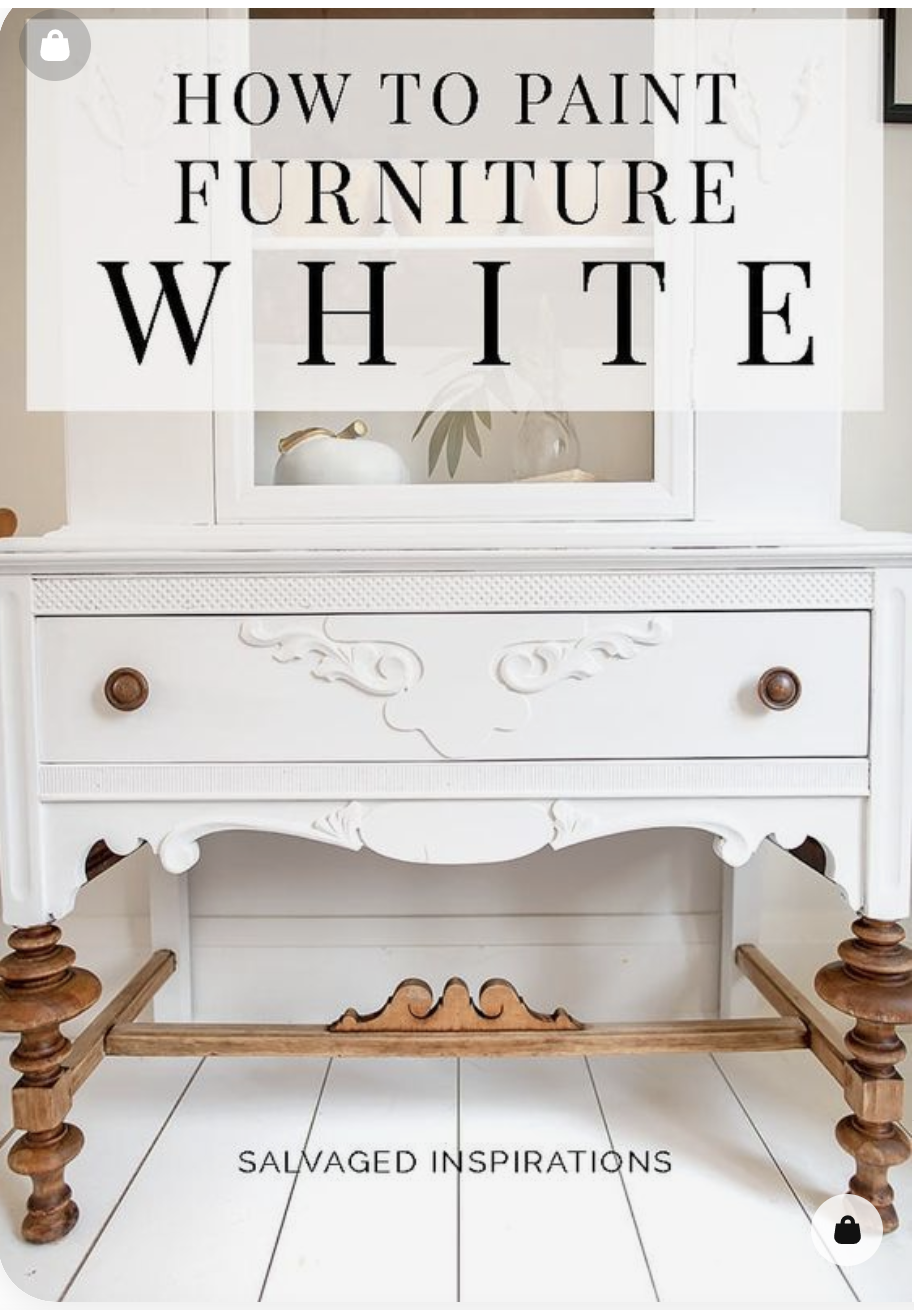
Got a hand-me-down dresser or a thrift store find? A fresh coat of white paint can erase decades of wear and tear, transforming an outdated piece into a contemporary treasure. It’s truly a magical makeover for tired wood or laminate.
Enhances Perceived Size
Much like white walls, white furniture can trick the eye into perceiving more space. It creates visual continuity, reducing clutter and contributing to a calm, organized atmosphere – perfect for winding down after a long day.
Choosing Your “Perfect” White: More Than Just a Shade
When you hear “white paint,” you might think it’s straightforward. Oh, how wrong you are! Walk into any paint store, and you’ll be faced with dozens, if not hundreds, of white options. The secret to success here is understanding undertones.
The “perfect” white for your furniture will depend on your room’s lighting, existing wall colors, and overall desired mood. Here’s a quick breakdown:
- Warm Whites: These have yellow, pink, or brown undertones. They feel soft, inviting, and can prevent a room from feeling too stark. Great for traditional, farmhouse, or cozy styles.
- Cool Whites: These carry blue, gray, or green undertones. They create a crisp, clean, and modern look. Ideal for contemporary, minimalist, or coastal aesthetics.
- Pure Whites: Minimal undertones, often very bright. Use with caution; they can feel very sterile in certain lights.
Pro Tip: Always get samples! Paint swatches directly onto a hidden area of your furniture (or a scrap piece of wood) and observe them throughout the day in different lighting conditions. This is non-negotiable for choosing a white you’ll love.

| White Shade Example | Undertone | Mood/Style | Best For |
|---|---|---|---|
| Sherwin-Williams “Alabaster” | Subtle Yellow/Beige | Soft, Creamy, Cozy | Farmhouse, Traditional, Southern Charm |
| Benjamin Moore “White Dove” | Hint of Greige/Warm Gray | Versatile, Classic, Elegant | Transitional, Shabby Chic, Modern Classic |
| Farrow & Ball “Wimborne White” | Minimal Yellow | Pure, Bright, Clean | Period Homes, Clean Contemporary |
| Benjamin Moore “Chantilly Lace” | Almost No Undertone | Crisp, Modern, True White | Minimalist, Contemporary, High Contrast |
| Sherwin-Williams “Extra White” | Subtle Blue/Gray | Cool, Bright, Modern | Contemporary, Coastal, Gallery-like |
Gather Your Arsenal: Essential Supplies You’ll Need
Preparation is 80% of the job, and having the right tools makes all the difference. Don’t skimp on quality here; it truly pays off. Here’s what you’ll need to gather:
| Category | Supply | Why It Matters |
|---|---|---|
| Cleaning | TSP (Trisodium Phosphate) cleaner or heavy-duty degreaser | Removes grease, grime, and old waxes essential for paint adhesion. |
| Clean rags or sponges | For cleaning and wiping down surfaces. | |
| Prep | Sanding sponges or sandpaper (120, 180, 220-grit) | Creates a profile for primer/paint to stick, smooths surfaces. |
| Wood filler or spackle | To fill dents, scratches, or hardware holes for a smooth finish. | |
| Painter’s tape (FrogTape or similar) | Protects areas you don’t want painted (e.g., hardware, edges). | |
| Drop cloths or old sheets | Protects your floor and surrounding areas from drips. | |
| Painting | High-quality stain-blocking primer (e.g., Zinsser B-I-N Shellac-Based) | Crucial for preventing bleed-through and ensuring true white color. |
| High-quality white paint (furniture enamel or acrylic-latex) | The star of the show! Choose a durable, non-yellowing formula. | |
| Good quality synthetic paint brushes (angled sash brush for details) | Avoids brush marks and shedding bristles. | |
| Small foam roller or mohair roller (for smooth surfaces) | Achieves an incredibly smooth, virtually brush-stroke-free finish. | |
| Paint tray & liners | Keeps paint organized and makes cleanup easier. | |
| Finishing | Protective topcoat (e.g., water-based polycrylic) | Adds durability and prevents chips, scratches, and yellowing. |
| Safety & Misc. | Nitrile gloves | Protects your hands from chemicals and paint. |
| Mask or respirator (especially for oil-based products) | Protects your lungs from fumes. | |
| Screwdriver/drill | For removing hardware. | |
| Tack cloth or lint-free cloth | Picks up fine dust after sanding. |
Before You Begin: Prepping Your Furniture for Painting
This is where the magic (or disaster) happens. Skimping on prep will lead to a peeling, chipping, or discolored finish. Don’t skip these steps!
Step 1: Clean, Clean, Clean!
First, remove all hardware (knobs, pulls, hinges) and set them aside. Use a screwdriver or drill. Then, thoroughly clean the entire piece of furniture. Dust, grime, oils from hands, and even old furniture polish can prevent paint from adhering properly. Mix a solution of TSP (following manufacturer instructions) or a strong degreaser with warm water and scrub the entire surface. Rinse thoroughly with clean water and a separate cloth, then allow it to dry completely. Any residue will cause problems.
Step 2: Repair Imperfections
Inspect your furniture for any dents, gouges, or deep scratches. Use wood filler or spackle to fill these imperfections. Apply a thin layer with a putty knife, slightly overfilling the area. Let it dry completely according to product instructions. For larger repairs, you might need to apply multiple thin layers.
Step 3: Sanding – The Non-Negotiable Step (Mostly!)
This is often the most dreaded step, but it’s critical for paint adhesion. You’re not necessarily stripping the piece down to bare wood (though you can if needed). For most projects, you’re scuff-sanding to create a “profile” for the primer to grip onto.
- Rough Sanding (120-grit): If your furniture has a very glossy finish, deep scratches, or old, failing paint, start with 120-grit sandpaper to remove the sheen and smooth out larger issues.
- Medium Sanding (180-grit): After rough sanding, or if your piece is in decent condition, move to 180-grit. This is generally a good starting point for creating that crucial “tooth” for paint.
- Fine Sanding (220-grit): Always finish with 220-grit sandpaper for a smooth, even surface. This will remove any sanding marks from coarser grits and ensure a baby-smooth feel before priming.
What about “No-Sanding” paints? While some products claim “no sanding required,” I highly recommend at least a light scuff-sand with 220-grit. It takes minimal effort and dramatically improves adhesion and durability, especially for high-traffic bedroom furniture. The last thing you want is your beautiful white finish peeling off in a few months.
Step 4: Dust Removal – Critical for Smoothness
After sanding, your furniture will be covered in fine dust. This dust will cause a gritty finish if not completely removed. Use a shop-vac with a brush attachment to remove as much as possible, then wipe the entire piece down thoroughly with a damp (not wet) cloth. Finally, use a tack cloth. These sticky cloths are designed to pick up every last speck of fine dust. Don’t skip the tack cloth!
Step 5: Taping and Protecting
If you couldn’t remove certain hardware or want crisp lines around glass or other elements, apply high-quality painter’s tape. Lay down drop cloths or old sheets to protect your workspace from paint drips and overspray.
The Foundation: Priming for Success
For white paint, primer isn’t just a suggestion; it’s absolutely mandatory. Why? White paint is notoriously translucent, and without proper priming, you’ll fight against tannin bleed-through (yellowing from the wood’s natural oils), existing dark colors showing through, or uneven absorption. A good primer creates a uniform base, locks in stains, and ensures your white paint looks true to color.
| Primer Type | Pros | Cons | Best For |
|---|---|---|---|
| Shellac-Based Primer (e.g., Zinsser B-I-N) |
|
|
Absolutely essential for raw wood, knotty pine, mahogany, or any piece prone to bleed-through. My recommendation for white furniture. |
| Oil-Based Primer (e.g., Zinsser Cover Stain) |
|
|
Good alternative to shellac for bleed-through, especially if you need more working time. |
| Water-Based Primer (e.g., Zinsser 1-2-3, KILZ 2) |
|
|
Okay for previously painted light-colored furniture that isn’t prone to bleed-through. Not recommended for raw wood or dark existing finishes if you want pure white. |
Application Tips for Primer:
- Apply thin, even coats. Two thin coats are always better than one thick one.
- Use a quality synthetic brush or foam roller for smooth application.
- Allow each coat to dry completely according to manufacturer instructions.
- Lightly sand with 220-grit sandpaper between primer coats (especially if using water-based, which can raise grain) and before your first coat of paint. This ensures a silky smooth finish. Wipe away dust with a tack cloth.
Painting It White: Achieving that Silky Smooth Finish
This is the exciting part! With all the prep work done, you’re ready to lay down that beautiful white. Remember: patience and thin coats are your best friends.
Choosing the Best White Paint for Furniture
Not all white paints are created equal, especially when it comes to durability and yellowing resistance. Here’s what to look for:
| Paint Type | Pros | Cons | Recommendation for White Furniture |
|---|---|---|---|
| Acrylic-Latex (Water-Based) |
|
|
Highly recommended. Look for an interior trim/cabinet/door enamel for extra durability. Best choice for avoiding yellowing. |
| Oil-Based (Alkyd) |
|
|
Avoid for pure white furniture due to yellowing risk, unless specifically formulated as a non-yellowing alkyd-hybrid. |
| Chalk Paint |
|
|
Good for a shabby chic or farmhouse white look, but requires a quality topcoat for bedroom furniture. |
| Milk Paint |
|
|
Similar to chalk paint, for a very specific distressed or antique white aesthetic. Less common for a sleek modern white. |
Paint Sheen: For bedroom furniture, I generally recommend satin or semi-gloss. These sheens offer excellent durability, are easy to clean, and provide a subtle luster without being overly shiny. Flat or matte finishes show every scuff mark and are harder to wipe clean.
Application Techniques for a Flawless Finish
The goal is a smooth, even, brush-stroke-free surface. Here’s how:
- Thin Coats are King: Never apply a thick coat of paint. It will lead to drips, uneven drying, and an ugly, textured finish. Aim for 2-3 (or even 4) thin coats for full coverage, especially with white.
- Brush, Roll, or Spray:
- Brushes: Use a high-quality synthetic angled brush for cutting in edges, details, and areas the roller can’t reach. Load the brush moderately and paint with the grain of the wood.
- Rollers: For flat surfaces (tops, sides of dressers), a small foam roller or a 4-inch mohair roller is your secret weapon for a smooth finish. Roll on thin coats, overlapping slightly.
- Sprayer: If you have access to a paint sprayer, this is the ultimate way to achieve a factory-smooth finish with no brush marks. Ensure good ventilation and proper thinning of your paint (check manufacturer instructions).
- Work in Sections: Don’t try to paint the entire piece at once. Work on one section at a time (e.g., a dresser top, then a side panel, then a drawer face), ensuring wet edges overlap to avoid lap marks.
- Allow Proper Drying Time: Read your paint can! Adhere strictly to the recommended drying time between coats. Rushing this step will lead to peeling or an uneven finish.
- Light Sanding Between Coats (Optional but Recommended): After your first coat of paint (and subsequent coats if desired), lightly sand the entire surface with 220-grit or even 320-grit sandpaper. This knocks down any tiny imperfections, dust nibs, or raised grain, leaving you with an incredibly smooth base for the next coat. Always wipe away sanding dust with a tack cloth before reapplying paint.
Dealing with Bleed-Through or Yellowing During Painting
If, despite priming, you see yellowish or reddish stains “bleeding through” your white paint, don’t panic. This is usually tannin bleed from the wood. Stop painting, let the area dry, and apply another coat (or two) of shellac-based primer over the bleeding spots. Once dry, you can resume painting with your white topcoat. If your paint itself is starting to yellow, it’s likely an oil-based paint that’s oxidizing, and you might need to switch to a water-based acrylic-latex enamel.
The Grand Finale: Applying a Protective Topcoat
You’ve put in all that hard work, so don’t let it go to waste! A protective topcoat is vital for bedroom furniture, which sees daily use. It shields your beautiful white paint from scratches, chips, water rings, and everyday wear and tear. This is especially important for tabletops and drawer fronts.
| Topcoat Type | Pros | Cons | Best Use for White Furniture |
|---|---|---|---|
| Water-Based Polycrylic |
|
|
My top recommendation for white furniture. Provides excellent protection without changing the paint color. Available in various sheens. |
| Oil-Based Polyurethane |
|
|
Strongly advise against using on white furniture due to yellowing. Reserve for dark woods or colors where yellowing is acceptable. |
| Furniture Wax |
|
|
Best for chalk-painted furniture where a distressed or soft, aged look is desired. Not for sleek, modern white finishes. |
Application Tips for Topcoat:
- Ensure your final coat of paint is completely dry and cured according to manufacturer instructions before applying topcoat. Rushing this can lead to cloudiness or peeling.
- Apply 2-3 thin coats of polycrylic. Use a high-quality synthetic brush (for water-based products) or a foam applicator.
- Sand lightly with 320-grit sandpaper between coats of polycrylic for the smoothest finish. Wipe thoroughly with a tack cloth after sanding.
- Allow the final topcoat to cure fully before placing heavy objects or using the furniture roughly. This can take several days to a few weeks, depending on humidity and product.
Common Mistakes to Avoid When Painting White Furniture
Even with the best intentions, it’s easy to fall into common traps. Learn from these frequently made errors to ensure your project is a success:
- Skipping or Rushing Prep: Seriously, this is the mistake. Skipping cleaning or sanding will lead to poor adhesion, chips, and a rough finish. Don’t do it!
- Not Using a Quality Stain-Blocking Primer: Especially with dark wood or knotty pine, white paint will *always show bleed-through without the right primer.
- Applying Thick Coats of Paint: This inevitably leads to drips, uneven coverage, and brush marks. Multiple thin coats are the secret to a smooth, professional finish.
- Not Allowing Proper Dry Time: Impatience is your enemy. Paint and primer need to dry and cure. Rushing between coats or before applying a topcoat can ruin all your hard work.
- Using Oil-Based Polyurethane on White Paint: It will* yellow over time, turning your beautiful white into a dingy cream or yellow. Stick to water-based polycrylic.
- Ignoring Ventilation: Especially with shellac or oil-based products, fumes can be strong and unhealthy. Work in a well-ventilated area, wear a mask, and take breaks.
- Not Cleaning Tools Properly: Dried paint on brushes or rollers will transfer to your next coat, causing lumps and streaks. Clean tools immediately after use.
Maintaining Your Beautiful White Furniture
Once your white furniture is painted and fully cured, maintaining its pristine look is straightforward:
- Regular Dusting: A soft, dry microfiber cloth is your best friend.
- Spot Cleaning: For minor scuffs or marks, use a slightly damp cloth with a mild soap (like dish soap) and gently wipe. Avoid abrasive cleaners.
- Protect Surfaces: Use coasters under drinks and placemats under decorative items to prevent scratches and water rings.
- Touch-Ups: Keep a small amount of your leftover paint and topcoat. If chips or scratches occur, you can carefully dab a tiny amount with an artist’s brush.
Painting bedroom furniture white is a truly rewarding DIY project that can dramatically transform your space. By following these detailed steps and paying attention to the critical details like prep and proper product selection, you’ll achieve a durable, beautiful finish that you’ll be proud to show off. Now go forth and create that bright, serene bedroom you’ve been dreaming of!