How to Paint a Large Room Quickly: The Definitive Speed-Painting Guide
Staring down the barrel of a massive room that needs a fresh coat of paint? It can feel like a Herculean task, a weekend-devouring project that makes you want to just close the door and pretend it doesn’t exist. But what if I told you that painting a large room doesn’t have to be a multi-day ordeal? What if you could significantly cut down the time without cutting corners on quality?
You’re in the right place. This isn’t just another general painting guide. This is your definitive resource for conquering expansive walls and high ceilings with speed and efficiency. We’re going to dive into the pro techniques, the essential tools, and the mindset shift that will transform your large room painting project from a marathon into a brisk sprint. Ready to get those walls looking fantastic, fast? Let’s get to work.
The Speed-Painting Mindset: It Starts Before the Brush Hits the Wall
Think of painting a large room quickly like a strategic game. Your first move isn’t picking up a brush; it’s mentally preparing and planning. Without the right approach, you’ll find yourself running in circles, wasting precious time and energy.
Quality Over Quantity (of Coats): Why Premium Paint Saves Time
This is arguably the most critical decision you’ll make for speed. Don’t skimp on paint! High-quality paints, especially those marketed as ‘paint and primer in one’ or ‘one-coat coverage,’ are your best friend for large rooms. They offer better hide (opacity), which often means you can get away with just one or two coats instead of three or more with cheaper alternatives. This directly translates to massive time savings.
- Better Coverage: Superior pigments and binders mean fewer passes.
- Smoother Application: High-quality paints typically roll and spray more easily.
- Durability: A better finish lasts longer, so you won’t be repainting soon.
Consider the cost difference in paint per gallon versus the time you’ll save. Your time is valuable!
Strategic Planning: Your Blueprint for Rapid Progress
Before any paint touches anything, you need a plan. Walking into a large room with a roller and hoping for the best is a recipe for inefficiency. Here’s what to think about:
- Visualizing the Workflow: Where will you start? Which walls will you tackle first? What’s your path around the room?
- Supplies Check: Do you have *everything* you need? Running to the store mid-project is a colossal time-waster.
- Timing: When will you prime? When will you apply the first coat? When will you apply the second? Planning dry times is crucial.
- Ventilation Strategy: How will you ensure good airflow to speed up drying? Open windows? Fans?
Team Up: Painting a Large Room Solo vs. Duo (or More!)
If speed is your ultimate goal for a large room, consider enlisting help. Even one extra person can cut your painting time in half, sometimes more. Here’s how to divvy up tasks efficiently:

- One Cuts, One Rolls: The most common and effective method. One person meticulously cuts in edges, while the other follows immediately behind with the roller, keeping a wet edge.
- Prep Team: One person can handle patching and sanding, while another takes care of taping and drop cloths.
- Sprayer & Backroller: If using a sprayer, one person sprays, and another immediately back-rolls to ensure even coverage and smooth out texture.
Even if it’s just you, mentally breaking the room into sections and focusing on completing one section at a time will keep you from feeling overwhelmed and maintain momentum.
Essential Tools for Rapid Large Room Painting
The right tools aren’t just about making the job easier; they’re about making it faster, especially when dealing with expansive surfaces. Investing in these items will pay dividends in time saved.
The Paint Sprayer Advantage: Unmatched Speed for Big Walls
For truly large rooms, especially those with high ceilings or intricate trim, a paint sprayer is a game-changer. It applies paint incredibly quickly and achieves a smooth, professional finish that’s hard to replicate with a roller. However, it requires more setup and masking time.
| Method | Speed (Application) | Setup/Cleanup Time | Finish Quality | Best For |
|---|---|---|---|---|
| Roller & Brush | Moderate to Slow | Low | Good (can leave roller texture) | Smaller rooms, textured walls, DIYers on a budget. |
| Paint Sprayer (Airless) | Extremely Fast | High (extensive masking) | Excellent (factory-smooth) | Very large rooms, new construction, complex trim, multiple rooms. |
While the initial masking with a sprayer takes longer, the actual paint application is so fast that for a large room, you’ll often save significant overall time. Renting a quality airless sprayer is an option if you don’t want to buy one.
Rollers & Extension Poles: Maximize Coverage, Minimize Bending
Even if you’re not using a sprayer, upgrading your roller game is essential for speed in large rooms:
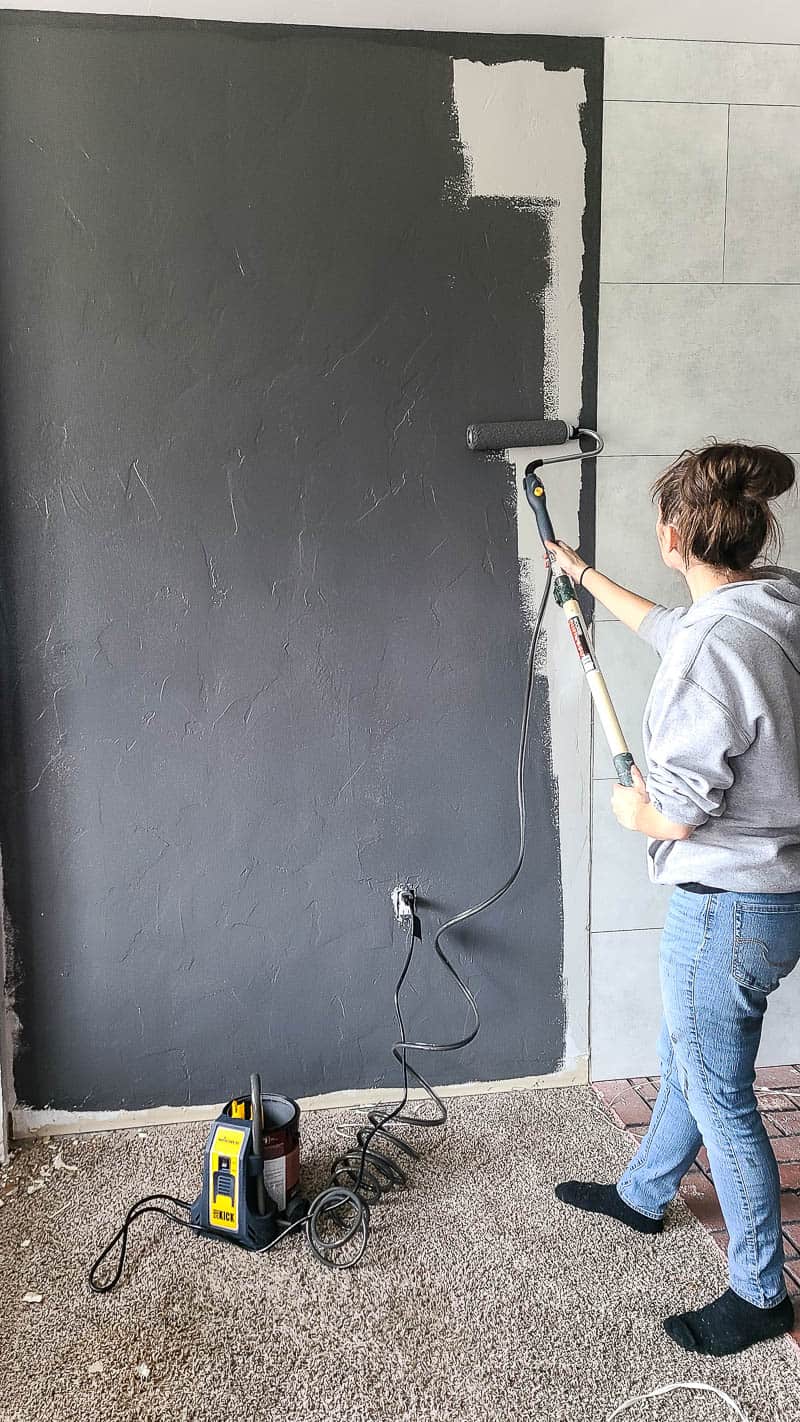
- Wide Rollers: Ditch the standard 9-inch roller for an 18-inch roller. This immediately doubles your coverage per stroke. You’ll need an 18-inch roller frame and pan.
- Extension Poles: A sturdy, adjustable extension pole (4-8 feet) is non-negotiable. It allows you to reach high walls and ceilings without ladders, covering more surface area faster and reducing back strain.
- Right Nap Length: For smooth or lightly textured walls, a 3/8-inch nap is usually ideal for good coverage without too much texture. For more textured walls, you might go up to 1/2-inch.
Cutting-In Tools: Brushes and Edgers for Precision and Speed
Precision is key for cutting in, but speed is also possible:
- Quality Angled Sash Brush: A 2.5-inch or 3-inch angled brush (like a Purdy or Wooster) holds more paint and allows for sharper lines with fewer dips.
- Paint Pail with Handle: Instead of lugging around a heavy gallon can, pour paint into a smaller, handheld pail with a built-in magnet for your brush. It’s lighter and more ergonomic.
- Edging Tools (Use with Caution): While some swear by paint edgers, they can sometimes leave a slight texture difference or require more cleanup. Practice first if you’re considering one. For large rooms, mastering a steady hand with a quality angled brush is often faster in the long run.
Smart Prep Gear: Dispensing Systems, Drop Cloths, and Tape
- Large Drop Cloths: Invest in canvas or heavy-duty plastic drop cloths that cover large areas quickly. Overlapping smaller ones is a tripping hazard and takes more time.
- Paint Dispenser/Pump: If using 5-gallon buckets, a pump makes transferring paint to roller pans or sprayer reservoirs much faster and cleaner.
- Painter’s Tape and Masking Film: Opt for wider tape (1.5-inch or 2-inch) and consider tape with attached plastic film for quickly masking off large windows or baseboards.
Prepping Your Large Room for Maximum Speed
I know, I know. Prep is boring. But it’s also where you win or lose the speed game. Skimp on prep, and you’ll spend double the time on touch-ups and clean-up later. Do it right, and the painting process itself will fly by.
Emptying & Protecting: The “Center-Island” Method
Instead of completely emptying a large room, push all furniture to the center. Cover everything with a single, large drop cloth or multiple overlapping ones, securely taped together to create a “furniture island.” This clears the perimeter walls and makes moving around much easier and faster.
- Remove all wall hangings, outlet covers, and light switch plates.
- Move small items out of the room completely.
- Protect floors with canvas drop cloths, extending them right up to the baseboards.
Cleaning & Patching: A Smooth Surface is a Fast Surface
Dirt, dust, and grime will prevent paint from adhering properly, leading to more coats or an uneven finish. Patching holes and cracks is also essential for a professional look.
- Wipe Down: Use a damp cloth with a mild cleaner (like TSP substitute) to wipe down walls and baseboards. Rinse with clean water. Let dry completely.
- Patch & Sand: Fill any nail holes or small dents with spackle. Sand smooth once dry. For larger imperfections, use drywall compound. Dust off sanding residue.
Strategic Taping & Masking: Where to Tape, Where to Skip
Taping can be tedious, but doing it correctly saves time by eliminating messy mistakes.
- Baseboards: Tape along the top edge of baseboards. Consider using painter’s tape with attached masking film for faster coverage.
- Windows/Doors: Use tape around the frames. If using a sprayer, mask off the glass and large sections of the frames with plastic sheeting or masking paper.
- Ceiling (Optional): If you have a very steady hand, you can often skip taping the ceiling line, especially if painting the ceiling first. However, if you’re concerned about drips, a thin strip of tape can save touch-up time.
- Don’t Tape Everything: If you’re painting your trim the same color as the walls (or using a paint and primer in one that covers existing trim color well), you might be able to skip taping between walls and trim. This is a huge time saver.
Priming for Efficiency: When and How to Prime a Large Space
While premium paints often have primer built-in, there are times when dedicated priming is still faster in the long run:
- Dramatic Color Change: Going from dark to light, or vice-versa, benefits from a tinted primer to reduce the number of paint coats.
- New Drywall/Repairs: Fresh drywall or patched areas will soak up paint unevenly without a primer, leading to a splotchy finish.
- Stains: Use a stain-blocking primer to prevent old stains from bleeding through your new paint.
Apply primer just like paint – top to bottom, keeping a wet edge. If using a sprayer, this step will be incredibly fast.
The Rapid Painting Workflow: From Ceiling to Finish
Once prep is done, it’s time for the action. Following a systematic approach ensures efficiency and prevents missed spots or re-dos.
Top-Down Approach: Ceiling First, Walls Second, Trim Last
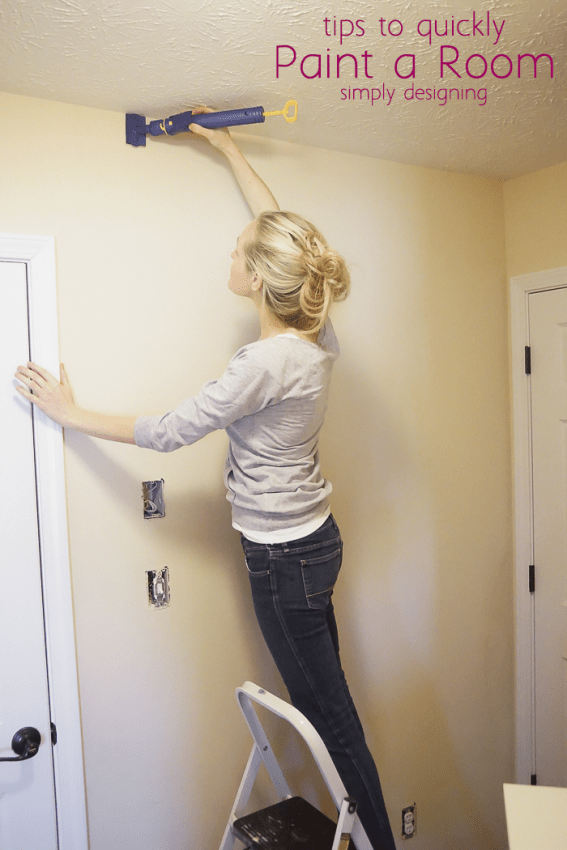
This is the golden rule for painting. Gravity is not your friend when painting! Any drips from the ceiling will fall onto unpainted walls, and wall drips will fall onto unpainted trim. This saves massive cleanup and touch-up time.
- Ceiling: Always start here. If you’re not painting the ceiling, consider taping off the wall-ceiling line carefully.
- Walls: Once the ceiling is dry, move to the walls.
- Trim and Doors: These are the last elements to paint.
Cutting-In with Speed and Precision (First Pass)
Cutting in means painting the edges where walls meet the ceiling, corners, and around trim. Do this before rolling the main wall surfaces.
- Load Your Brush Correctly: Don’t overload the brush. Dip about 1/3 of the bristles into the paint. Tap off excess, don’t wipe.
- “Draw” a Line: Start a few inches away from the edge, then slowly move the brush towards the line, letting the bristles fan out slightly. Maintain steady pressure.
- Work in Sections: Cut in a 4-6 inch wide strip along all edges of one wall, then immediately roll that wall. This helps maintain a “wet edge.”
Rolling/Spraying the Walls: Techniques for Fast Coverage
This is where you make real progress on a large room.
For Rollers:
- Load Evenly: Don’t just dip the roller. Roll it back and forth in the pan’s ribbed section to distribute paint evenly over the entire nap.
- The “W” or “M” Pattern: Instead of vertical stripes, roll paint onto the wall in a large “W” or “M” pattern, then fill in the empty spaces without lifting the roller. This ensures even coverage and prevents lap marks.
- Keep a Wet Edge: Always work from an unpainted section back into a freshly painted, still-wet section. This prevents visible lines where paint overlaps. Work from top to bottom.
- Maintain Pressure: Apply consistent, medium pressure. Don’t press so hard that paint squeezes out the sides of the roller.
For Sprayers:
- Practice First: If new to spraying, practice on a large piece of cardboard. Get a feel for the distance, speed, and overlap.
- Consistent Motion: Move the sprayer at a consistent speed, keeping it perpendicular to the wall. Overlap each pass by about 50%.
- Feather Edges: Release the trigger at the end of each pass and start spraying off the wall, moving onto it. This prevents heavy build-up at the edges.
- Back-Rolling (Optional but Recommended): Even with a sprayer, a quick back-roll with a dry roller can help embed the paint into the surface, especially on textured walls, and ensure adhesion.
Second Coats & Touch-Ups: Minimizing Downtime
Don’t rush the second coat. Read your paint can for recommended dry times (usually 2-4 hours). Applying a second coat too soon can pull up the first coat, creating a mess and delaying the project further.
- Scheduled Break: Use the drying time to clean brushes, grab a snack, or prep the next room.
- Efficient Touch-Ups: Only touch up after the final coat is completely dry. Use a small artist’s brush for precision.
Painting Trim and Doors: The Fastest Way
If you’re painting trim and doors a different color, tackle them last. You’ll either freehand them with a quality angled brush or carefully tape around them after the walls are dry.
- Brush Strokes: Paint trim with the grain of the wood.
- Door Disassembly: For maximum speed and quality, remove doors from their hinges and paint them horizontally on sawhorses. This allows for faster application without drips. If keeping them on hinges, paint panels first, then rails, then stiles.
Time-Saving Hacks & Pro Tips for Large Room Projects
These are the little tricks that pros use to shave minutes off every task, which add up to hours in a large room.
Batching Tasks: Do All Prep, Then All Paint
Avoid switching constantly between tasks. Dedicate time solely to prep (moving furniture, cleaning, patching, taping), then dedicate time solely to painting (cutting in, rolling, second coats). This reduces mental fatigue and wasted motion.
The “Wet Edge” Principle: Avoid Lap Marks and Redo’s
This is crucial for large walls. Always paint from a dry area into a still-wet area. Don’t let a section dry before blending the next section into it. This prevents ugly lines and uneven sheen.
Keeping Tools Fresh: Overnight Storage for Brushes & Rollers
If you’re painting multiple coats or over several days, don’t clean your brushes and rollers thoroughly between coats. Instead:
- Wrap Tightly: Wrap brushes and roller covers tightly in plastic wrap (Saran wrap works great), then aluminum foil.
- Seal and Store: Place wrapped tools in an airtight plastic bag and put them in the refrigerator. They’ll stay fresh for a few days, saving you cleaning time. Let them come to room temperature before resuming.
Ventilation and Drying: Speeding Up Cure Times
Good airflow is vital for quick drying and healthier air quality.
- Open Windows: Create a cross-breeze.
- Fans: Place fans strategically to move air across the painted surfaces, but avoid aiming them directly at wet paint, which can cause uneven drying or texture.
- Dehumidifier: If you live in a humid climate, a dehumidifier can significantly speed up drying times.
Common Mistakes That Slow You Down (and How to Avoid Them)
Even with the best intentions, certain pitfalls can derail your speed-painting efforts.
Poor Prep: The Hidden Time Sink
As mentioned, neglecting cleaning, patching, and masking upfront will lead to hours of correcting mistakes later. Dried paint drips on floors, uneven patches showing through, or dusty walls causing adhesion issues are all huge time-wasters. Invest the time in prep, and you’ll gain it back tenfold in painting speed.
Skimping on Materials: False Economy
Buying cheap paint, flimsy rollers, or low-quality brushes might save a few dollars initially, but it will cost you significantly in time and frustration. Cheap paint requires more coats, cheap rollers shed lint, and cheap brushes don’t hold paint well or give clean lines. Quality tools are an investment in efficiency.
Rushing the Dry Time: Patience is a Virtue
The biggest temptation when painting quickly is to apply the next coat before the previous one is fully dry. Resist! This can cause paint to peel, blister, or create an uneven finish that will require sanding and repainting. Always adhere to the manufacturer’s recommended drying times between coats.
Painting a large room quickly is absolutely achievable when you combine smart planning, the right tools, and efficient techniques. By adopting a pro-level mindset and avoiding common mistakes, you can transform that daunting space into a beautifully finished room in record time. So, grab your wide roller, your trusted angled brush, and get ready to conquer those walls!
Frequently Asked Questions
What’s the absolute fastest way to paint a large room?
The absolute fastest way to paint a large room is to use an airless paint sprayer for the main wall and ceiling surfaces, combined with meticulous upfront masking. While masking takes longer, the paint application itself is incredibly rapid, covering vast areas in minutes, significantly reducing overall project time compared to rollers and brushes.
Should I use a paint sprayer for a large room?
Yes, for a large room, a paint sprayer is highly recommended if speed and a smooth finish are priorities. It covers surfaces much faster and more evenly than traditional rollers. However, be prepared for increased setup time for masking off all areas you don’t want painted, as overspray is a significant consideration.
How do I protect furniture quickly in a large room?
To quickly protect furniture in a large room, gather all items to the center of the room, creating a ‘furniture island.’ Cover this island with one or two large canvas or heavy-duty plastic drop cloths, taping them securely together and to the floor around the perimeter. This clears the walls and allows for easy movement.
Is it faster to cut in first or roll first?
It is always faster and more efficient to cut in (paint edges with a brush) first, and then immediately follow with the roller while the cut-in paint is still wet. This allows you to blend the rolled paint seamlessly into the cut-in edges, avoiding visible lap marks and ensuring a consistent finish.
How can I avoid lap marks when painting a large wall quickly?
To avoid lap marks on large walls, always maintain a ‘wet edge.’ Apply paint in a ‘W’ or ‘M’ pattern, then fill it in without lifting the roller, working from an unpainted section back into the still-wet paint. This ensures consistent coverage before the paint has a chance to dry and create visible lines.
What size roller is best for painting a large room quickly?
For painting a large room quickly, an 18-inch roller is highly recommended over the standard 9-inch. It covers twice the surface area with each pass, significantly reducing the time spent rolling. Pair it with a sturdy extension pole for maximum reach and efficiency.
How many coats of paint will I need for a large room to paint quickly?
The number of coats depends on your paint quality and existing color. Using a high-quality, paint-and-primer-in-one product, especially for similar color changes, often allows for just one to two coats. For dramatic color changes (e.g., dark to light), a tinted primer followed by one or two coats of premium paint will still be faster than multiple coats of cheaper paint.