How to Paint a Living Room with Two Colors: The Definitive Guide to Stunning, Stylish Spaces
Tired of a single-color living room that feels… well, a little flat? Imagine a space that flows, intrigues, and feels uniquely you. Painting your living room with two colors isn’t just about throwing a second hue on the wall; it’s about unlocking a new dimension of design, adding character, and creating a truly captivating environment. It’s a project that might seem intimidating at first, but with the right strategy and a few pro tips, you’ll achieve a high-end, custom look that will make your single-tone neighbors green with envy.
Forget the generic. We’re diving deep into transforming your living room from ordinary to extraordinary, exploring not just *how to paint with two colors, but how to design with them for maximum impact.
Why Two Colors? The Transformative Power of Dual Tones in Your Living Room
Why stop at one when two can do so much more? A thoughtful two-color scheme in your living room isn’t just a trend; it’s a powerful design tool that offers a myriad of benefits.
Elevating Aesthetics and Defining Zones
In open-concept homes, two colors can subtly delineate areas without needing physical walls. Imagine a warm, inviting tone in your main seating area transitioning seamlessly into a lighter, brighter shade for a reading nook or a home office corner. It adds visual structure and makes your home feel both cohesive and intelligently designed.
Adding Depth and Visual Interest
Monochromatic rooms can sometimes lack dynamism. Introducing a second color instantly adds depth, creating focal points and drawing the eye. Whether it’s a striking accent wall, a clever horizontal split, or a painted ceiling, the interplay of two shades makes your living room feel more layered and thoughtfully curated.
Reflecting Personal Style
Your living room is often the heart of your home, and its design should speak volumes about you. Two colors allow for greater creative expression. You can combine a calming neutral with a bold, energetic hue, or blend two harmonious tones to achieve a serene sanctuary. It’s an opportunity to truly personalize your space beyond standard decor.
.jpg "Two New Living Room Paint Colors - Dream Green DIY")
Decoding Your Design: Where to Apply Two Colors in Your Living Room
When it comes to two-color schemes, your options extend far beyond just painting the top and bottom halves of a wall. Let’s explore the diverse and impactful ways you can apply dual tones in your living room.
The Classic Horizontal Split (Two-Tone Walls)
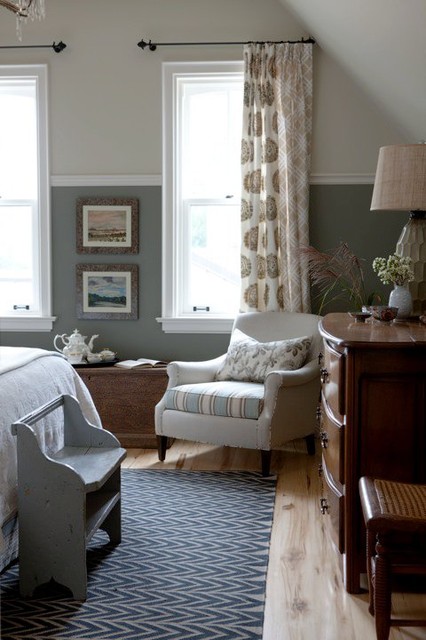
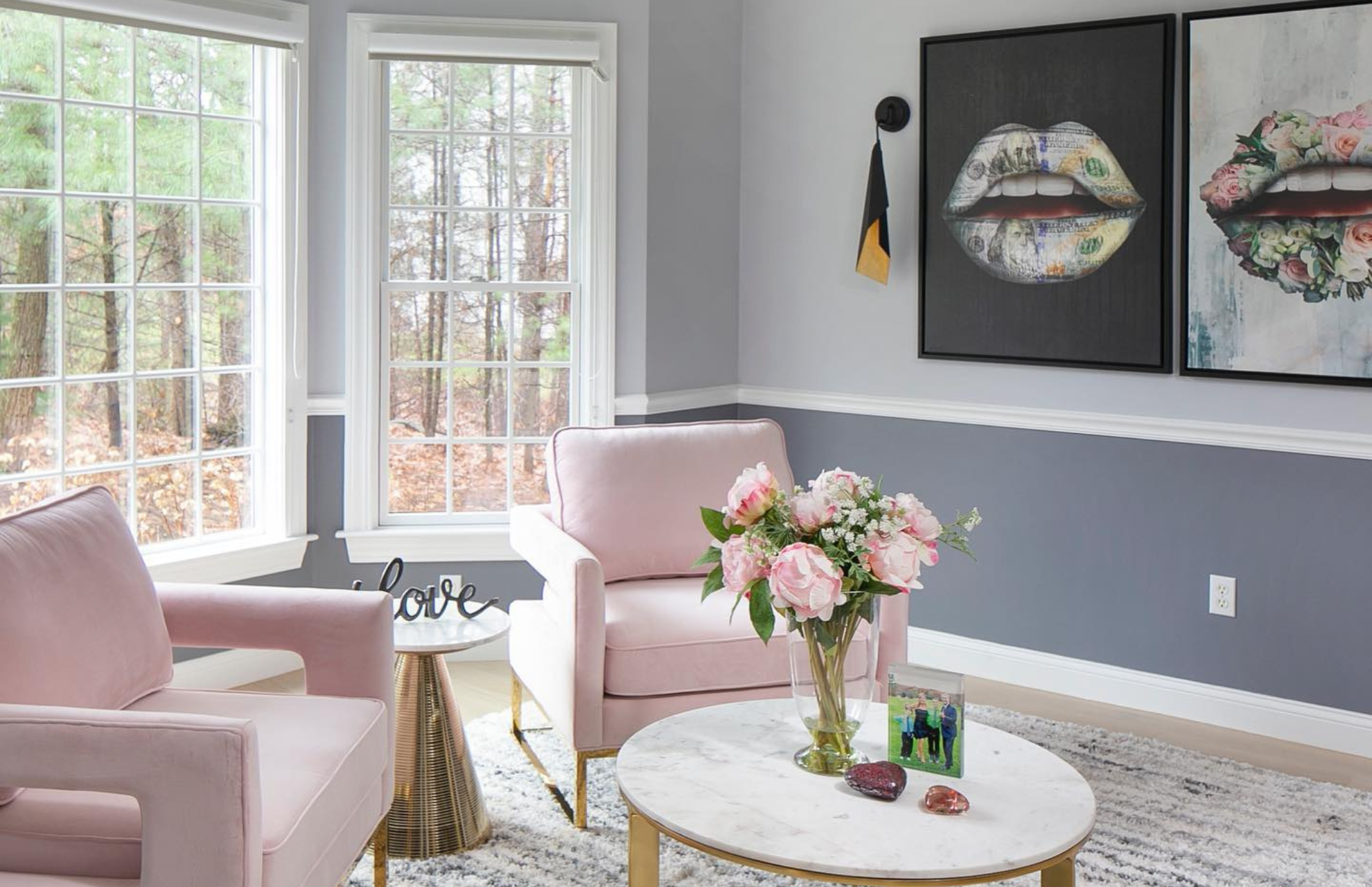
This is probably what first comes to mind when you think of two-color rooms. Dividing a wall horizontally can create a stunning visual effect, reminiscent of traditional wainscoting or paneling, but with a modern twist.
- When it works best: This technique is excellent for rooms with high ceilings, as it can visually lower them, making the space feel cozier. It’s also fantastic for creating a sense of balance and structure, especially if you have furniture that would benefit from being grounded by a darker lower half.
- Common mistakes to avoid: The biggest pitfall is choosing the wrong split height. Avoid a perfect 50/50 split, which can feel uninspired. Aim for the rule of thirds: split the wall roughly one-third or two-thirds of the way up. Also, be mindful of clashing colors or placing a very dark color on the top, which can make a room feel top-heavy and oppressive.
Striking an Accent Wall
The accent wall is a tried-and-true method for adding a second color. It’s less commitment than painting the entire room and can dramatically transform a single surface.
- Choosing the right wall: Select a wall that naturally serves as a focal point. This could be the wall behind your sofa, a fireplace, or your entertainment center. The idea is to draw attention to an architectural feature or a key piece of furniture.
- How to integrate with existing decor: Ensure your accent color complements your main wall color and ties into your existing furniture, rugs, and artwork. Use throw pillows, blankets, or decorative objects in the accent color to spread the hue throughout the room, making it feel intentional and cohesive.
Bold Color Blocking and Geometric Patterns
For those with a contemporary aesthetic and a love for the avant-garde, color blocking or geometric patterns offer a truly artistic statement.
- For modern, artistic statements: This involves painting distinct shapes, lines, or blocks of color on a wall. Think a large rectangle behind a console table, a vertical stripe to emphasize height, or even an abstract mural. It’s perfect for adding an edgy, gallery-like feel.
- Using architectural features: Instead of just flat shapes, you can use existing architectural elements like door frames, built-in shelves, or even window frames as natural dividers or outlines for your color blocks.
Ceiling and Wall Contrast (The Fifth Wall)
Don’t forget the ceiling! Traditionally left white, painting your ceiling a second color can have a profound impact on the perceived size and mood of your living room.
- Making a room feel taller or cozier: A lighter ceiling than your walls can make a room feel more expansive and airy. Conversely, painting a ceiling a darker, richer color than your walls can make a very high-ceilinged room feel more intimate and cozier, wrapping you in color.
Adjacent Walls: Subtle Shifts
This technique is perfect for open-plan living spaces where you want to subtly differentiate areas without hard lines.
- For open-plan spaces, delineating areas: You might paint the living room area one color and the adjoining dining area a complementary second color. The transition happens at an inside corner, creating a natural break. This helps define zones without breaking up the visual flow.
Highlighting Architectural Features (Alcoves, Fireplaces, Built-ins)
Got a beautiful built-in bookshelf, a charming alcove, or a grand fireplace? Use a second color to make these features pop.
- Drawing attention to unique elements: Painting the inside of an alcove or the back wall of a built-in unit a contrasting color immediately draws the eye, turning these functional elements into decorative focal points. For fireplaces, you can paint the mantel and surround a different color than the wall behind it to emphasize its grandeur.
Master Your Palette: Choosing the Perfect Two Colors for Your Living Room
Selecting two colors isn’t just about picking your favorites; it’s about understanding how they interact with each other and the environment. This is where design magic happens.
Understanding Color Theory Basics for Dual Tones
- Complementary Colors: Opposites on the color wheel (e.g., blue and orange, red and green). They create high contrast and vibrancy, best used when you want a bold, energetic space. Use one as dominant, the other as an accent.
- Analogous Colors: Colors next to each other on the color wheel (e.g., blues and greens). They create a serene, harmonious, and cohesive look with less contrast but plenty of visual interest.
- Monochromatic Scheme: Using different shades, tints, and tones of a single color. This creates depth and sophistication while maintaining a very calm, unified feel. Think pale blue walls with a deeper navy accent.
- Contrasting: Not necessarily complementary, but clearly distinct. This could be a dark and light neutral, or a neutral paired with a vibrant hue. Creates clear definition and modern appeal.
Factors to Consider: Light, Space, and Existing Decor
- Natural light exposure: Rooms facing north tend to have cooler, softer light, benefiting from warmer paint colors to prevent a cold feel. South-facing rooms get bright, warm light, allowing you to play with cooler tones to balance the warmth.
- Room size: Lighter colors tend to make a room feel larger and more open, while darker colors can make a room feel cozier and more intimate. If splitting horizontally, a lighter color on top can visually lift the ceiling.
- Furniture, flooring, and artwork integration: Your paint colors aren’t chosen in a vacuum. They should harmonize with your existing larger pieces of furniture, your flooring (wood, carpet, tile), and any significant artwork you plan to display. Bring home paint samples and observe them against your existing elements at different times of day.
Popular Two-Color Combinations for Living Rooms
Need some inspiration? Here are some tried-and-true combinations that work beautifully in living rooms.
| Color Combination | Effect & Mood | Best For |
|---|---|---|
| Light Neutral + Deep Accent (e.g., Greige + Navy Blue) | Sophisticated, grounded, expansive yet focused. | Creating a focal point (accent wall), smaller rooms needing depth, traditional or modern styles. |
| Two Tones of the Same Hue (e.g., Pale Blue + Medium Blue) | Serene, cohesive, visually interesting without high contrast. | Adding subtle dimension, calming atmospheres, monochromatic schemes, transitional spaces. |
| Warm + Cool Balance (e.g., Terracotta + Sage Green) | Inviting, dynamic, natural, earthy. | Eclectic styles, rooms with good natural light, creating a biophilic design feel. |
| High Contrast (e.g., Crisp White + Charcoal Grey) | Modern, dramatic, artistic, bold. | Contemporary spaces, defining zones clearly, minimalist aesthetics. |
| Earthy & Organic (e.g., Cream + Olive Green) | Calm, rustic, comforting, connected to nature. | Bohemian, natural, or minimalist aesthetics, creating a tranquil retreat. |
The Importance of Paint Sheen and Finish
Don’t overlook the role of paint sheen! It significantly impacts how your two colors look and perform.
- Flat/Matte: Offers a sophisticated, non-reflective finish that hides imperfections well. Great for main wall colors, especially in living rooms where durability isn’t the primary concern.
- Eggshell/Satin: Most popular for living rooms. Offers a soft, low sheen that’s more durable and washable than flat, making it practical for high-traffic areas.
- Semi-Gloss/Gloss: Highly reflective and very durable. Best for trim, doors, and architectural features you want to highlight. Can create a striking contrast when paired with a flatter wall color.
You can use different sheens for your two colors – perhaps a matte for the dominant wall color and a satin for an accent stripe or block to add subtle textural contrast.
Get Ready to Roll: Essential Supplies for a Two-Color Project
Having the right tools is half the battle. Skimping on supplies can lead to frustration and a less-than-perfect finish. Here’s what you’ll need:
:strip_icc()/corner-orange-two-tone-paint-062a85fc-6409a7cf1d2a443db113834088c13e0d.jpg "Two-Tone Walls Are a Low-Lift, Big-Impact Paint Option")
High-Quality Painter’s Tape (Frog Tape vs. Blue Tape)
- Blue Painter’s Tape (e.g., ScotchBlue): Good for general masking and less critical areas. Offers decent adhesion and clean removal for up to 14 days.
- Frog Tape (Delicate Surface or Multi-Surface): The gold standard for crisp lines, especially on two-tone projects. It’s treated with PaintBlock Technology, which reacts with the paint to form a micro-barrier, preventing bleed. Highly recommended for the dividing line between your two colors.
Brushes and Rollers
- Cut-in brushes: Angled sash brushes (2-2.5 inches) are ideal for cutting in along ceilings, baseboards, and corners. Invest in a good quality brush; it makes a huge difference.
- Rollers: Choose the right nap (thickness) for your wall texture.
- 1/4 inch (smooth surfaces): Best for very smooth walls, doors, or trim.
- 3/8 inch (most walls): The most versatile nap for lightly textured to smooth walls.
- 1/2 inch (medium textured walls): For walls with a bit more texture, like plaster.
- Extension poles: Save your back and reach high areas easily.
Drop Cloths and Tarps
Protect your floors, furniture, and anything you don’t want painted. Canvas drop cloths are durable and less slippery than plastic. Plastic sheeting is good for covering large items.
Measuring Tools
- Laser level: An absolute game-changer for creating perfectly straight horizontal or vertical lines. Don’t rely solely on a tape measure for long lines.
- Tape measure and pencil: For initial marking and specific measurements.
Cleaning and Prep Supplies
- Spackle/joint compound: For filling nail holes and minor dings.
- Sandpaper (fine-grit): For smoothing patched areas.
- TSP or degreaser: For cleaning walls, especially in high-traffic areas or where there might be grease/grime.
- Primer: Crucial, especially if you’re making a drastic color change or painting over repairs.
Safety Gear
- Painter’s gloves: Keep your hands clean.
- Eye protection: Always a good idea, especially when cutting in overhead.
- Stepladder: Essential for reaching upper sections and ceilings safely.
The Step-by-Step Blueprint: How to Paint Your Two-Color Living Room Like a Pro
Ready to get started? Follow these steps for a smooth, professional-looking two-color paint job.
Step 1: Prep Your Space (Clean, Repair, Prime)
This is arguably the most important step for a flawless finish. Do not skip it!
- Empty the room: Remove all furniture if possible, or move it to the center and cover it with plastic sheeting.
- Protect surfaces: Lay down drop cloths. Cover light fixtures, outlets, and switches with painter’s tape (or remove covers).
- Clean walls: Wipe down walls with a damp cloth or a TSP solution to remove dust, dirt, and grease. Rinse with clean water.
- Repair imperfections: Fill any nail holes or cracks with spackle. Sand smooth once dry.
- Prime (if necessary): If you’re painting over a very dark color with a light one, or vice-versa, or if you’ve made significant repairs, a coat of primer will ensure even color coverage and better adhesion. Tint your primer closer to your final color for even better results.
Step 2: Mark Your Line or Area
Precision is key for a two-color job. A slight wobble will be very noticeable.
- Measure carefully: For a horizontal split, use your tape measure to determine your desired height (remember the rule of thirds!). Mark light pencil dots along the entire length of the wall.
- Use a laser level: Project a perfectly straight line connecting your pencil marks. If you don’t have a laser level, use a long level and gently draw a light pencil line.
- Outline accent areas: For color blocking or geometric patterns, sketch your design lightly with a pencil.
Step 3: Apply Painter’s Tape
This is where your choice of tape (Frog Tape, hint hint!) and technique make a difference.
- Apply tape along your marked line: Ensure the tape edge is precisely where you want the color division to be. For a horizontal split, typically the tape goes on the side of the line you don’t want to paint with the current color.
- The “seal” trick for crisp lines: Once your tape is firmly in place, paint a very thin coat of your base color (the color that will be underneath the tape) along the edge of the tape. Let it dry completely. This effectively seals the tape edge, preventing the second color from bleeding underneath.
- Press firmly: Run your finger or a plastic putty knife along the tape edge to ensure it’s completely adhered, especially after the seal coat.
Step 4: Paint the First Color (Usually the Lighter One)
It’s generally easier to paint the lighter color first, especially if it’s the dominant color, and then tape over it for the darker accent.
- Cut in: Use your angled brush to paint along the ceiling, baseboards, corners, and around any windows or doors.
- Roll: Use your roller to fill in the larger wall sections, working in ‘W’ or ‘M’ patterns, then rolling straight down to even out the paint.
- Allow full drying time: Check your paint can for recommended drying times between coats. If applying a second coat of the first color, let the first coat dry completely before adding the second.
Step 5: Paint the Second Color
Once your first color is completely dry (and ideally, you’ve sealed the tape with the first color as described in Step 3), it’s time for the second hue.
- Cut in over tape: Carefully cut in along the taped line with your second color.
- Roll: Fill in the remaining areas with your roller.
- Two coats, if necessary: Many colors benefit from a second coat for full opacity and depth. Allow adequate drying time between coats.
Step 6: The Tape Reveal (The Critical Moment!)
This is where all your hard work pays off!
- When to remove tape: This is debated, but generally, for the crispest line, remove the tape when the paint is still slightly wet but not tacky. If you wait until it’s completely dry, the paint film might bond to the tape, causing it to peel off along with your freshly painted line. If the paint is too wet, it could smudge. Find that sweet spot.
- Pull at an angle: Gently pull the tape slowly, at a 45-degree angle, away from your freshly painted line.
Step 7: Touch-Ups and Cleanup
- Minor bleed correction: If you have any small bleeds, use a small artist’s brush and the original color to carefully touch them up. A damp rag can sometimes wipe away fresh bleeds before they dry.
- Clean tools: Clean brushes and rollers thoroughly with water (for latex paint) or mineral spirits (for oil-based). Store them properly for future use.
- Recaulk/Reinstall: Replace any outlet covers, light fixtures, and caulk around trim if needed.
Pro Tips & Troubleshooting for Flawless Two-Tone Walls
Even with the best intentions, painting can present challenges. Here’s how to anticipate and overcome them.
Achieving Laser-Sharp Lines Every Time
- The base color seal trick: As mentioned in Step 3, painting a thin layer of the base color* over the edge of your painter’s tape before applying the second color is a game-changer. This fills any tiny gaps under the tape, ensuring only the base color seeps through, making your final line incredibly sharp.
- Using a caulk line for textured walls: If your walls have significant texture (like orange peel), tape alone might not suffice. Once your tape is down, run a very thin bead of paintable caulk along the edge of the tape where your second color will meet. Smooth it with a wet finger, then paint over it. Remove the caulk and tape together when the paint is still wet for a perfectly straight, sealed line.
Avoiding Paint Bleed
- Tape quality: Invest in Frog Tape for the most critical lines.
- Proper adhesion: Ensure the tape is pressed down firmly and completely, with no air bubbles or lifted edges.
- Not overloading brushes/rollers: Applying too much paint can force it under the tape. Use lighter coats.
Dealing with Uneven Surfaces
Old houses or imperfect drywall can make straight lines a nightmare. A laser level helps, but if the wall itself is wavy, consider a technique that isn’t dependent on a perfectly straight line, such as painting up to a chair rail, picture rail, or crown molding. Alternatively, embrace a slightly softer, hand-painted line for a rustic or artistic feel.
When to Prime (Always a good idea with drastic changes)
Primer isn’t just for new drywall. It’s essential:
- When significantly changing color (e.g., dark to light).
- When painting over glossy finishes.
- After patching holes or repairs (to prevent flashing).
- When dealing with stains or odors.
Primer creates a uniform surface for your topcoats, ensuring true color and better adhesion, which is especially important when two colors meet.

The Importance of Drying Time Between Coats
Patience is a virtue in painting. Rushing can lead to tacky paint, smudges, uneven coverage, and a greater risk of peeling when removing tape. Always adhere to the manufacturer’s recommended drying times on the paint can. Humidity can also extend drying times, so factor that in.
Beyond the Brush: Living with Your Newly Painted Living Room
Once the last drop cloth is folded and the paint cans are stored, your beautifully transformed living room awaits its next chapter.
Furnishing and Decorating Your Dual-Tone Space
Your two-color scheme provides an incredible foundation for your decor. Use your secondary color in your accents – throw pillows, blankets, vases, or even a piece of art. Conversely, if your secondary color is subtle, introduce bolder elements through your furniture. The goal is to create balance and cohesion, letting the colors guide your choices without overpowering the space.
The Long-Term Impact: How Two Colors Can Evolve with Your Home
A well-chosen two-color scheme is more than just a passing trend; it’s a design investment. It can make your living room feel larger, cozier, more sophisticated, or more playful – adapting to the seasons and evolving with your personal style. It’s a testament to the power of thoughtful design, turning a simple paint job into a statement of artistry and comfort.
Painting your living room with two colors is an exciting venture that promises a rewarding transformation. With careful planning, the right tools, and attention to detail, you’ll create a living space that not only looks professionally designed but truly feels like home. So, pick up those brushes, choose your palette, and get ready to create a living room that’s a masterpiece of dual-tone design!