How Much Does It Cost to Paint Kitchen Walls and Ceiling in 2024/2025? (The Definitive Guide)
Dreaming of a fresh new look for your kitchen? A coat of paint on the walls and ceiling can transform the space, making it feel brighter, cleaner, and more modern. But before you dive in, the burning question is: “How much is this actually going to cost me?”
You’re not alone. Figuring out the budget for a kitchen paint job, whether you’re tackling it yourself or hiring a professional, involves more than just the price of a can of paint. From meticulous prep work to the type of finish, many factors influence the final price tag.
As an expert who’s seen countless kitchen transformations, I’m here to give you the most accurate, up-to-date breakdown of what you can expect to pay for painting your kitchen walls and ceiling in the USA for 2024 and heading into 2025. Let’s get down to the numbers, so you can budget with confidence.
The Quick Answer: Average Costs to Paint Your Kitchen Walls & Ceiling
Let’s cut right to the chase. For painting the walls and ceiling of an average-sized kitchen, you can expect a wide range, primarily depending on whether you DIY or hire a professional.
On average, professionally painting kitchen walls and ceilings can cost anywhere from $600 to $1,800. This range typically covers a standard kitchen size (around 100-200 sq. ft.) and includes labor, materials, and basic prep.

If you’re a DIY enthusiast, your costs will primarily be for materials and tools, often landing in the $150 to $400 range, assuming you have the time and skill.
Here’s a quick overview:
| Kitchen Size (Sq. Ft.) | Professional Cost (Walls & Ceiling) | DIY Material Cost (Walls & Ceiling) |
|---|---|---|
| Small (Up to 75 sq. ft.) | $400 – $800 | $100 – $250 |
| Medium (75 – 150 sq. ft.) | $600 – $1,200 | $150 – $350 |
| Large (150 – 250 sq. ft.) | $1,000 – $1,800+ | $250 – $450+ |
Average Cost Per Square Foot Breakdown (Walls & Ceilings)
Painters often quote by the square foot of surface area (not floor area). For kitchen walls and ceilings, this typically ranges from $2 to $6 per square foot, with the average hovering around $3.50 to $4.50. This figure usually includes labor, paint, and basic preparation. Higher-end work, extensive prep, or premium paints can push this closer to $8 per square foot or more.
- Walls: $2.00 – $5.00 per square foot
- Ceilings: $2.50 – $6.00 per square foot (often slightly higher due to working overhead and potential for more spatter)
Breaking Down the Costs: What You’re Really Paying For
Understanding the components of your painting estimate will help you budget more effectively and identify potential areas for savings. It’s not just the paint; it’s the expertise, time, and hidden factors that accumulate.
Professional vs. DIY: A Cost Comparison
This is often the first decision point. Let’s look at a typical comparison:

| Factor | DIY Approach | Hiring a Professional |
|---|---|---|
| Cost Focus | Materials, tools, your time | Labor, materials, expertise, insurance |
| Typical Expense | $150 – $400 | $600 – $1,800 |
| Time Commitment | 1-3 full days (plus drying time) | 1-2 days (less for you, efficient for them) |
| Quality/Finish | Varies widely based on skill & patience | Professional, consistent, warrantied |
| Tools/Equipment | Purchase or rent (rollers, brushes, ladders, drop cloths) | Provided by painter |
Pros of DIY: Significant cost savings on labor, sense of accomplishment, full control over the process.
Cons of DIY: Time-consuming, potential for mistakes, requires purchasing tools, physical labor, cleanup.
Pros of Professional: Superior finish quality, saves your time, often faster completion, painter handles prep and cleanup, typically insured.
Cons of Professional: Higher overall cost, less control over the exact process.
Labor Costs: The Biggest Piece of the Pie
When you hire a professional painter, labor typically accounts for 70-85% of the total project cost. This isn’t just for applying paint; it covers expertise, prep work, setup, cleanup, and overhead.
- Hourly Rates: Painters might charge $40-$100 per hour per person, depending on their experience, location, and the complexity of the job. For a kitchen, you might have 1-2 painters for 1-2 days.
- Project-Based Bids: More commonly, painters will provide a flat fee for the entire project after assessing your kitchen. This is usually more predictable for you.
- Factors Influencing Labor:
- Experience: Highly skilled or specialty painters command higher rates.
- Location: Metropolitan areas and regions with higher costs of living will have higher labor rates.
- Prep Work Required: If your kitchen walls and ceiling are greasy, damaged, or require extensive patching, sanding, and cleaning, labor costs will increase significantly. This is particularly true for kitchens where grease buildup is common.
- Ceiling Height: Vaulted or very high ceilings require specialized equipment (taller ladders, scaffolding) and more time, increasing labor.
- Detail Work: If you have intricate trim around cabinets or doors that needs careful cutting in, this adds time.
Material Costs: Paint, Primer & Supplies
After labor, materials are the next significant expense. Don’t skimp here, especially for a kitchen, where durability and washability are paramount.
- Paint Types for Kitchens: You’ll want paint formulated for high-moisture, high-traffic areas. Look for features like:
- Washability: Essential for cleaning food splatters and grime.
- Durability: To withstand frequent cleaning and general wear and tear.
- Mildew/Mold Resistance: Critical in areas prone to humidity and moisture.
- Low-VOC (Volatile Organic Compounds): Healthier for indoor air quality, especially in a food prep area.
- Cost Per Gallon by Quality:
Paint Quality Cost Per Gallon Economy Grade (Not recommended for kitchens) $20 – $35 Mid-Range / Good Quality (Often suitable) $35 – $60 Premium / High-End (Best for kitchens, often self-priming) $60 – $100+ *A typical kitchen of 100-200 sq. ft. of wall/ceiling surface area will likely need 1-2 gallons per coat, possibly more with high ceilings.
- Primer Necessity and Cost:
- Essential for: Sealing new drywall, covering dark colors, blocking stains (especially grease in kitchens), ensuring proper paint adhesion.
- Cost: $20 – $50 per gallon. A professional will almost always use a primer, especially in a kitchen.
- Tools and Supplies: For DIY, budget for brushes, rollers, roller covers, paint trays, painter’s tape, drop cloths, cleaning supplies, sandpaper, patching compound. This can add $50-$150.
Kitchen-Specific Factors That Drive Up the Price
Kitchens aren’t like other rooms. Their unique environment comes with specific challenges that can impact your painting cost.
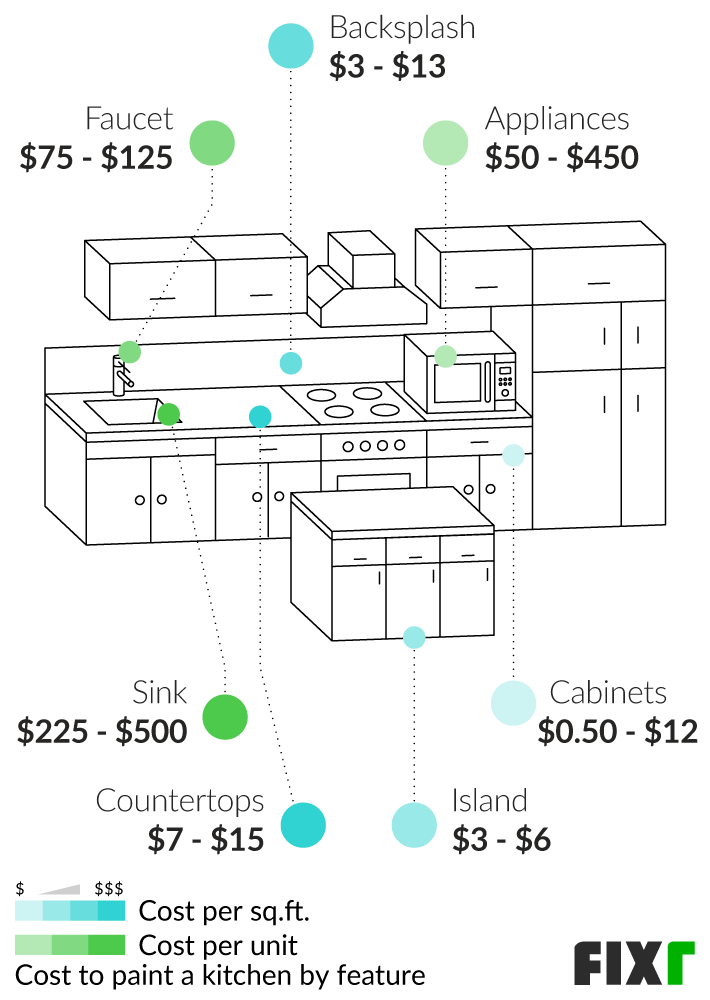
- Prep Work (Crucial for Kitchens): This is non-negotiable and often more intensive in a kitchen. Grease, food splatters, and moisture residue must be thoroughly cleaned from walls and ceilings before painting. Poor prep leads to poor adhesion and a quickly failing paint job. Expect to pay more for this essential step, or dedicate serious DIY time to it.
Cost Impact: +10% to 30% on labor, depending on condition. - Ceiling Height: Standard ceilings are 8-9 feet. Anything higher requires more time, more paint, and potentially specialized equipment like extension poles or scaffolding, increasing labor costs.
Cost Impact: +15% to 25% for 10-12 ft ceilings, more for vaulted. - Room Size & Layout: A large, open-concept kitchen will naturally cost more than a small, enclosed galley kitchen due to more surface area. Complex layouts with many angles, doors, and windows also mean more cutting in and masking.
Cost Impact: Direct correlation to square footage. - Condition of Existing Surfaces: Are your walls riddled with holes from old decor? Is the old paint peeling? Extensive repairs, patching, sanding, and smoothing out imperfections add significant labor.
Cost Impact: +10% to 50% for significant repairs. - Number of Coats: Typically, a primer and two coats of paint are recommended, especially for color changes or in a kitchen environment. If you’re going from a very dark color to a light one, or vice versa, a third coat might be necessary.
Cost Impact: Each additional coat adds to both labor and material costs. - Paint Color Change: Drastic color changes (e.g., dark red to light gray) usually require more coats of paint and potentially a tinted primer to achieve full coverage without bleed-through.
Cost Impact: +15% to 25% for labor and materials. - Geographic Location: Costs of living and labor rates vary significantly across the USA. Painting in New York City or San Francisco will be more expensive than in a rural area in the Midwest.
Cost Impact: Can vary by 20% to 50%. - Time of Year/Urgency: Some painters have peak seasons (e.g., spring/summer). If you need a rush job or schedule during their busiest times, you might pay a premium.
Cost Impact: +5% to 15% for rush jobs.
How to Get an Accurate Quote for Your Kitchen Painting Project
Don’t just pick the first painter you find. Getting a precise estimate requires a bit of effort on your part to ensure you’re comparing apples to apples and getting the best value.
- Be Specific About Your Needs: Clearly state you want the kitchen walls and ceiling painted. Specify if you want trim included, if you’re keeping appliances in place, or if there’s any specific damage you want addressed.
- Get Multiple Bids (3 is Ideal): Contact at least three different painting contractors. This helps you understand the average cost in your area and compare their approaches.
- Ask for a Detailed Breakdown: A good quote should itemize labor, materials (paint type, brand, finish), prep work (cleaning, patching, sanding), and any extra services. Beware of vague “total project” bids.
- Walk-Through with Each Painter: Have the painter physically inspect your kitchen. This allows them to see the condition of the walls, ceiling height, amount of prep needed, and current paint color, leading to a much more accurate estimate.
- Check References & Insurance: Ask for references and ensure the painter carries liability insurance and workers’ compensation (if they have employees). This protects you from potential issues.
Smart Ways to Save Money on Your Kitchen Paint Job
While some costs are fixed, there are definitely ways to reduce the overall expense without sacrificing quality.
- Handle Prep Work Yourself: This is where you can save significantly on labor. Thoroughly clean the walls and ceiling of grease and grime, fill small holes, sand rough spots, and remove outlet covers. Just make sure you do it right, or you’ll negate the savings.
- Move Appliances & Furniture: Clearing the kitchen of anything that can be moved (small appliances, tables, chairs) will save the painter time and effort, which can be reflected in your quote.
- Choose Mid-Range Paint: While premium paint is great, a high-quality mid-range paint from a reputable brand (like Sherwin-Williams, Benjamin Moore, Behr) often offers excellent durability and washability for kitchens without the top-tier price tag.
- Stick to Lighter Colors (Often): If you’re painting over a very dark color, it might require more coats. If you’re going for a lighter shade, sticking to a similar hue can sometimes reduce the need for extra coats.
- Off-Peak Season: If your schedule allows, consider painting during a painter’s off-peak season (often late fall or winter). They might be more willing to negotiate rates.
Choosing the Right Paint & Finish for Your Kitchen
Selecting the right paint isn’t just about color; it’s about functionality, especially in a kitchen. The paint you choose for your kitchen walls and ceiling needs to withstand a unique environment.
- Why Kitchen Paint Needs to Be Special:
- Durability: Kitchens are high-traffic areas. You need paint that can resist scuffs and dings.
- Washability: Food splatters, grease, and general grime are inevitable. The paint needs to be easily wiped clean without damaging the finish.
- Moisture Resistance: Cooking creates humidity. Paint should resist moisture buildup and the growth of mold and mildew.
- Recommended Finishes: The glossier the finish, the more durable and washable it tends to be. However, gloss also highlights imperfections more.
- Satin: My personal go-to for kitchen walls. It offers a soft, subtle sheen, excellent washability, and good durability without being overly reflective. It hides minor imperfections better than semi-gloss.
- Semi-Gloss: Ideal for areas that need frequent scrubbing, like cabinet doors, trim, or high-splash zones. It’s very durable and easy to clean, but its higher sheen can show wall imperfections more readily.
- Eggshell: Can be used on kitchen walls for a slightly softer look than satin, but it’s less durable and washable. If you choose eggshell, ensure it’s a high-quality, scrubbable kitchen-specific formula.
- Flat/Matte: Generally not recommended for kitchen walls or ceilings due to poor durability and washability.
- Mold/Mildew Resistance: Many modern kitchen and bath paints come with additives that inhibit mold and mildew growth. This is a worthwhile investment for ceilings, especially, which can be prone to condensation.
- Low-VOC Options: For a healthier home environment, opt for low- or zero-VOC paints. These emit fewer harmful chemicals into the air, which is particularly important in areas where food is prepared and consumed.
DIY or Hire a Pro? Making the Right Decision for Your Kitchen
The choice between doing it yourself and hiring a professional largely depends on your specific circumstances and priorities.
- Skills & Experience: Be honest with yourself. Are you confident in your painting skills, especially for cutting in around cabinets, dealing with potential ceiling texture, or achieving a smooth, professional finish? If not, a pro is often worth the investment.
- Time Commitment: Do you have several days free to dedicate to prep, painting multiple coats, and meticulous cleanup? A professional can often complete the job in a fraction of the time.
- Budget: If your budget is extremely tight, DIY is the clear winner for cost savings on labor. However, factor in the cost of tools you might not own.
- Desired Finish Quality: If you want a flawless, long-lasting finish that adds value to your home, a professional painter is likely your best bet. Their experience and specialized tools often lead to superior results.
For a kitchen, where the paint needs to stand up to heavy use and moisture, and where a clean, bright appearance is key, hiring a reputable professional often provides peace of mind and a better return on investment in the long run.

The Takeaway: Your Kitchen Walls & Ceiling, Beautifully Painted
Painting your kitchen walls and ceiling is one of the most impactful, yet relatively affordable, home improvement projects you can undertake. While the average costs can range from $150 for a DIY project to over $1,800 for a professionally handled, larger kitchen with extensive prep, understanding the factors involved empowers you to make informed decisions.
Remember that the initial investment in quality paint and thorough prep work (whether you DIY or hire a pro) will pay dividends in a longer-lasting, more beautiful finish. Don’t underestimate the unique demands of a kitchen environment – choose durable, washable paints and ensure meticulous preparation.
Whether you grab the brush yourself or entrust your kitchen to the experts, a fresh coat of paint will undoubtedly rejuvenate your space, making it a more enjoyable and inspiring place to cook, gather, and live.
Frequently Asked Questions
What is the average cost to professionally paint kitchen walls and a ceiling?
The average cost to professionally paint kitchen walls and a ceiling in the USA ranges from $600 to $1,800. This typically covers a standard kitchen size (100-200 sq. ft.) and includes labor, materials, and basic preparation. Factors like kitchen size, ceiling height, and surface condition can significantly influence the final price.
How much does it cost to DIY paint kitchen walls and a ceiling?
If you choose to DIY, your costs will primarily be for materials and tools, typically ranging from $150 to $400. This assumes you have the time, basic skills, and are prepared to handle all the necessary prep work, painting, and cleanup yourself.

Why is painting a kitchen often more expensive than other rooms?
Kitchens often require more extensive preparation due to grease, food splatters, and moisture buildup. This means more cleaning, patching, and potentially specialized primers. Additionally, kitchen paint needs to be more durable and washable (often satin or semi-gloss finishes), which can sometimes be pricier per gallon than standard wall paints.
What type of paint and finish is best for kitchen walls and ceilings?
For kitchen walls, a satin finish is highly recommended for its balance of durability, washability, and subtle sheen. For ceilings, a high-quality, mildew-resistant flat or matte paint specifically designed for ceilings, or even a satin paint for extreme washability, is ideal. Look for paints labeled for kitchen & bath, which often include mold/mildew inhibitors and enhanced scrubbability.
How can I reduce the cost of painting my kitchen?
You can save money by doing the prep work yourself (thorough cleaning, patching, sanding), moving all appliances and furniture out of the way, choosing a high-quality mid-range paint instead of the most expensive premium options, and getting multiple quotes to ensure competitive pricing.
How long does it take to paint a kitchen’s walls and ceiling?
For a professional painter, a typical kitchen (walls and ceiling) can usually be completed in 1 to 2 days, including prep, priming, and two coats of paint. If you’re doing it yourself, plan for 2 to 3 full days, as you’ll likely work at a slower pace and need to account for longer drying times between coats.
Should I paint the ceiling the same color as the walls in my kitchen?
While it’s a matter of personal preference and design style, painting the ceiling the same color as the walls can make a kitchen feel larger and more cohesive. However, using a classic white or off-white ceiling paint is also a popular and timeless choice that helps reflect light and brighten the space. Ensure the ceiling paint has appropriate mildew resistance.