Beyond Basic: The Definitive Guide to the Best Paint Colors for Men’s Bedrooms
Your bedroom isn’t just a place to crash; it’s your sanctuary, your personal retreat from the world. It should reflect your style, your comfort, and your identity. But when it comes to choosing the right paint color, it can feel like a minefield of outdated stereotypes and overwhelming options. Forget the bland, generic advice – this isn’t about slapping on a ‘masculine’ label; it’s about crafting a space that feels uniquely *you.
As someone who’s helped countless individuals transform their personal spaces, I understand the desire for a room that’s both functional and deeply personal. We’re diving deep into colors that evoke strength, sophistication, comfort, and character, without sacrificing an ounce of personal expression. Let’s find the perfect hue to make your bedroom your ultimate haven.
Decoding “Masculine” Colors: It’s More Than Just Dark Tones
The term “masculine colors” often conjures images of dark grays, navies, and deep browns. While these are fantastic choices, the truth is, a truly masculine space is defined by its intentionality, comfort, and how well it reflects the individual who inhabits it. It’s about selecting colors that evoke a desired mood – whether that’s calm, focus, energy, or relaxation – and combining them with purpose.
The Psychology of Color: Setting the Mood
Colors have a profound impact on our mood and perception of a space. Understanding this is key to choosing wisely:
- Blues often symbolize tranquility, stability, and intelligence. Perfect for creating a calming, focused environment.
- Greens are associated with nature, growth, and harmony. They can bring a sense of balance and serenity.
- Grays represent sophistication, neutrality, and timelessness. They are incredibly versatile and serve as excellent backdrops.
- Browns & Earth Tones evoke warmth, stability, and ruggedness, grounding a space with natural comfort.
- Darker Hues (Charcoal, Black) convey drama, luxury, and intimacy, making a room feel cozy and enveloping.
Breaking Free from Stereotypes: Why Personalization Matters
Your bedroom should be an extension of your personality, not a generic interpretation of ‘masculine’. Are you a minimalist? An adventurer? A connoisseur of classic style? The best color is one that speaks to you. We’ll explore a wide spectrum of options, ensuring you find a shade that resonates with your taste and enhances your daily life.
The Core Palette: Timeless & Versatile Options
Let’s get into the specific colors that consistently hit the mark for men’s bedrooms, offering both style and substance.
Sophisticated Neutrals: The Foundation of Any Stylish Space
Neutrals are anything but boring; they are the bedrock of sophisticated design. They provide a calm canvas, allowing furniture, art, and personal touches to truly shine. Plus, they offer incredible versatility if your style evolves.
- Grays (Charcoal, Slate, Greige): The king of versatility. Charcoal gray offers depth and a modern edge, while slate gray leans cooler, evoking a sleek, urban feel. Greige (a mix of gray and beige) provides warmth without sacrificing sophistication, making it incredibly inviting. Grays are fantastic for creating a grounded, contemporary space.
- Whites & Off-Whites (Creamy, Warm, Crisp): Often overlooked, a well-chosen white can be incredibly powerful. A crisp white creates a clean, minimalist aesthetic, reflecting light and making a room feel expansive. A warm white with subtle yellow or beige undertones offers softness and coziness, preventing the room from feeling stark. Think of shades like “Alabaster” or “Navajo White” (generic names, of course).
- Beiges & Tans (Earthy, Sandstone): For a truly warm and organic feel, beiges and tans are unbeatable. A rich, earthy beige or a sandy tan brings a natural, comforting vibe. They pair beautifully with natural wood tones, leather, and woven textures, creating a robust and inviting environment. These colors are excellent for a rustic, traditional, or even a contemporary space seeking warmth.
Deep & Dramatic Hues: For a Bold Statement
Ready to make a statement? These colors are for those who embrace depth, luxury, and a touch of the dramatic. They create intimate, enveloping spaces perfect for unwinding.
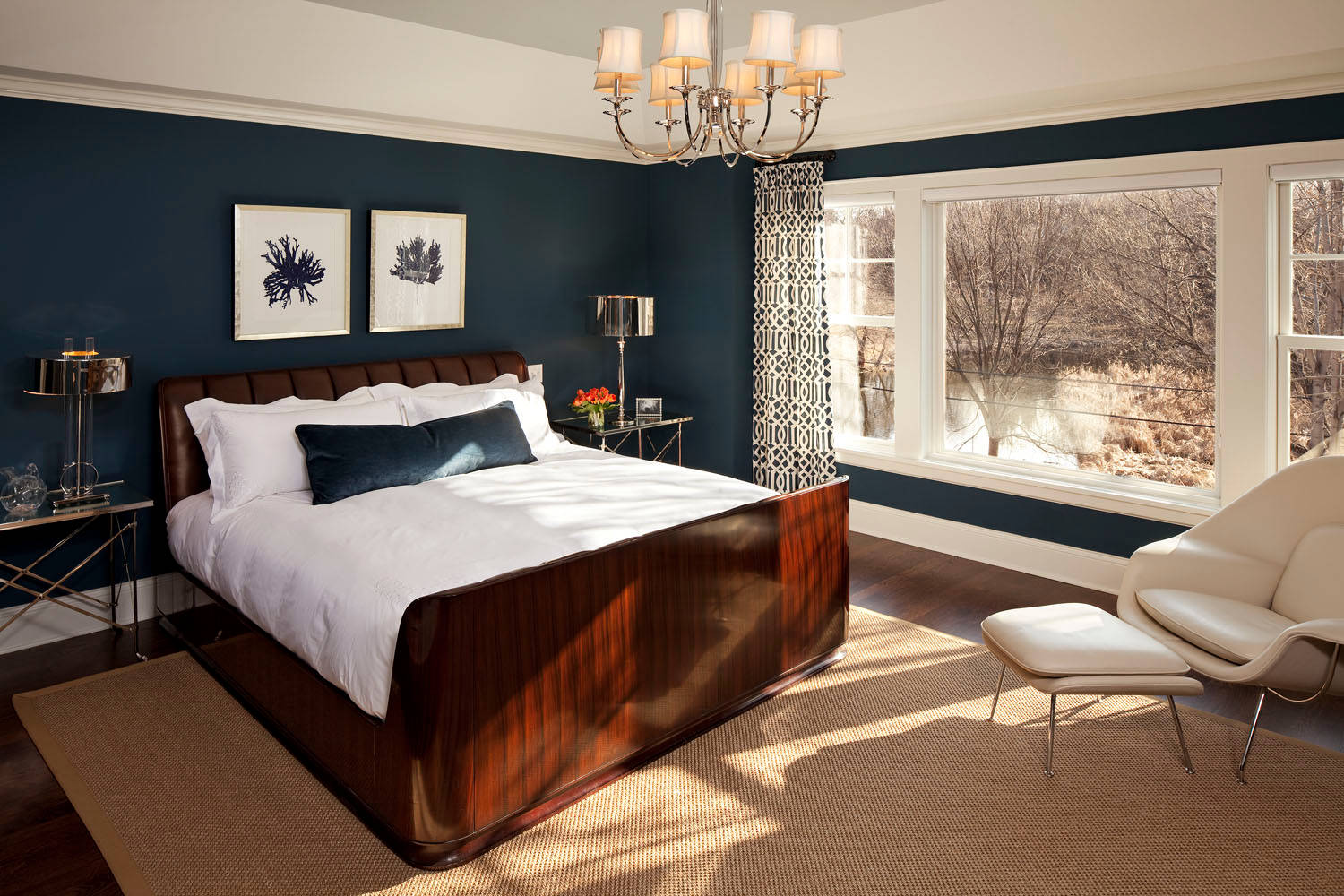
- Navy Blues (Midnight, Deep Sea): A timeless classic. Navy blue is inherently calming, yet commanding. It’s perfect for creating a serene escape that feels both elegant and grounded. Pair it with crisp whites or warm grays for contrast, or with rich wood tones for a nautical or traditional feel. It’s particularly effective in bedrooms where you want to foster relaxation and deep sleep.
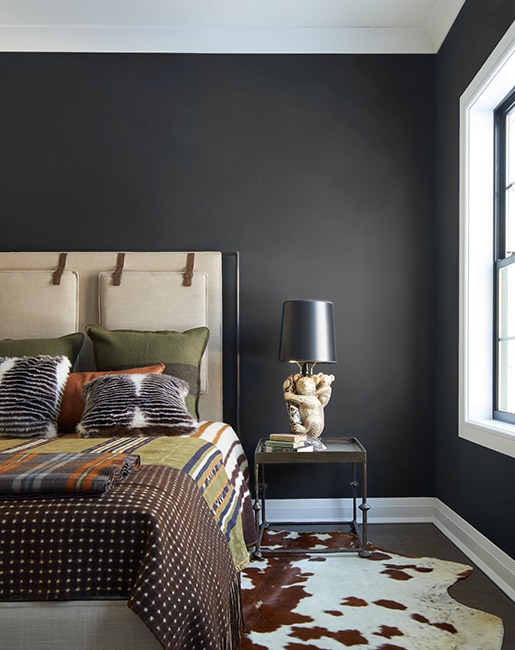
- Charcoal Grays & Blacks (Ebony, Soot): For the ultimate modern, luxurious, or industrial aesthetic, these dark powerhouses deliver. Ebony black or a deep, near-black soot gray creates an intimate, almost cocoon-like atmosphere. They make art pop and textures feel richer. Crucially, balance them with lighter elements – white trim, light bedding, metallic accents – to prevent the room from feeling too oppressive.
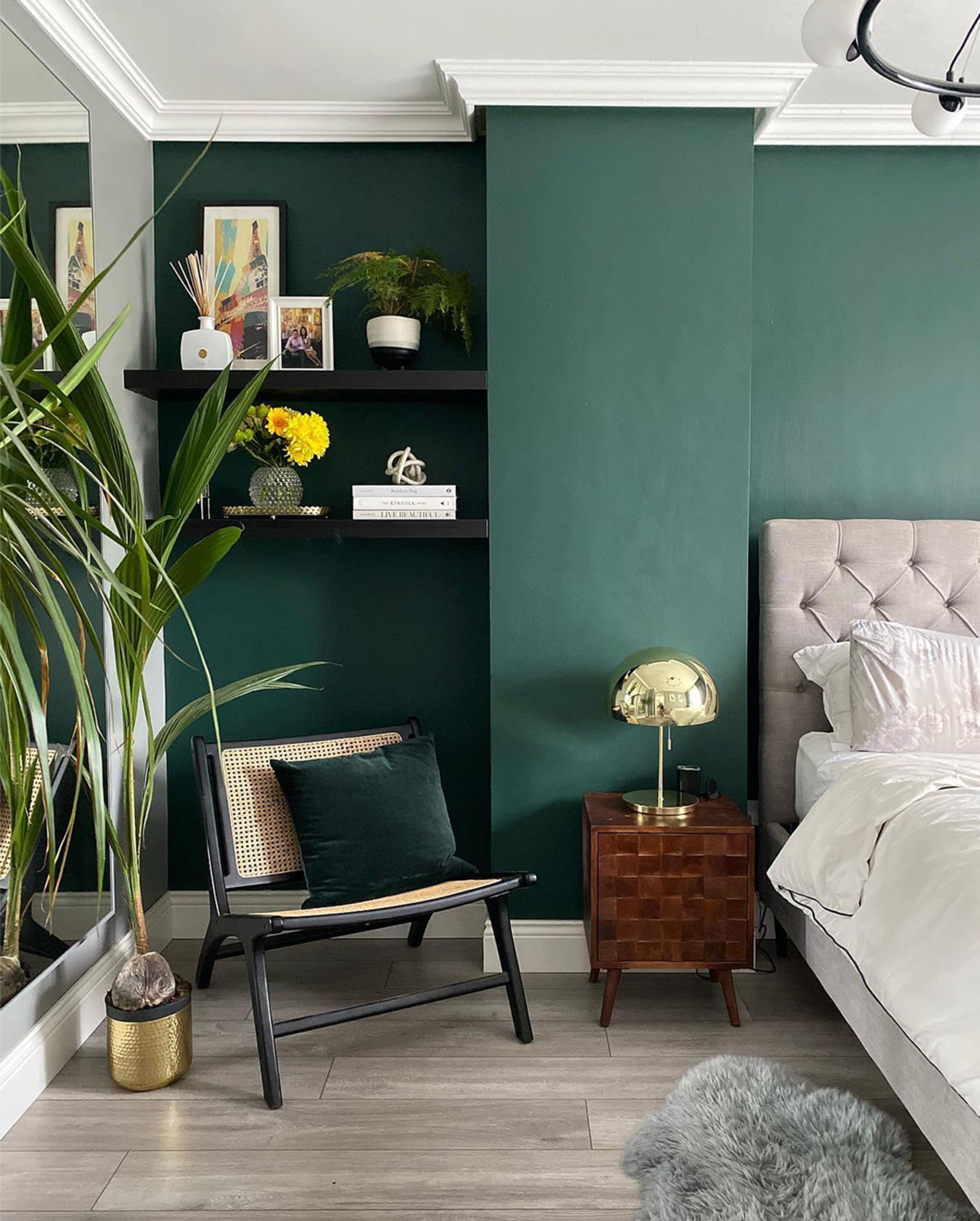
- Dark Greens (Forest, Hunter): Connecting with nature while exuding sophistication, deep greens are having a moment. A lush forest green or a muted hunter green brings the tranquility of the outdoors in. These colors are sophisticated, calming, and pair wonderfully with natural materials like wood and leather, as well as metallic accents for an elevated look.
Earthy & Grounded Tones: Connecting with Nature
If you prefer a natural, robust, and enduring aesthetic, these earthy tones are your go-to. They provide warmth, comfort, and a sense of enduring quality.
- Warm Browns (Chocolate, Espresso): Nothing says cozy comfort quite like a rich brown. A deep chocolate brown or a dark espresso can make a bedroom feel incredibly warm and secure. They are reminiscent of leather, wood, and coffee, creating a grounded and inviting space. These colors work exceptionally well with traditional or rustic decor.
- Terracotta & Rust (Desert, Adobe): For a unique, character-filled, and surprisingly versatile choice, look to the warm, sun-baked hues of terracotta or rust. These colors are earthy yet vibrant, bringing warmth and a touch of adventure. They pair beautifully with natural wood, off-whites, and even deep blues for a striking contrast. They evoke a global, artisanal, or bohemian feel.
- Olive & Sage Greens (Army Green, Moss): More subdued than their darker counterparts, olive green and sage green offer a tranquil, muted connection to nature. An army green has a utilitarian, grounded feel, while moss green is softer and more serene. They are excellent for creating a calm, understated, and timeless bedroom, especially when combined with light wood, black accents, or creamy whites.
Injecting Personality: Accent Colors & Strategic Combinations
While a primary wall color sets the foundation, strategic accent colors can elevate your space, adding depth, interest, and a clear reflection of your personal style. This is where you can truly make the room sing.
Strategic Pops: When to Use Bolder Hues
Don’t be afraid to introduce a vibrant accent in smaller doses. These aren’t for the whole room, but rather for an accent wall, bedding, or decor items:
- Mustard Yellow: A sophisticated pop against navy, charcoal, or deep green. It brings warmth and a touch of retro charm without overwhelming the space.
- Burnt Orange: Earthy and energetic, burnt orange can be stunning with deep grays, creams, or even olive greens, adding a touch of rustic warmth or mid-century modern flair.
- Deep Teal: A rich blend of blue and green, teal offers a luxurious, jewel-toned accent. It’s particularly striking with warm browns, gold metallics, or crisp whites.
- Deep Burgundy/Wine: For a truly opulent and dramatic touch, a deep burgundy can add sophistication and warmth, especially when paired with dark woods, grays, or even a subtle gold.
The Power of Two: Effective Color Pairings
Often, the magic happens in how colors interact. Here are some winning combinations:
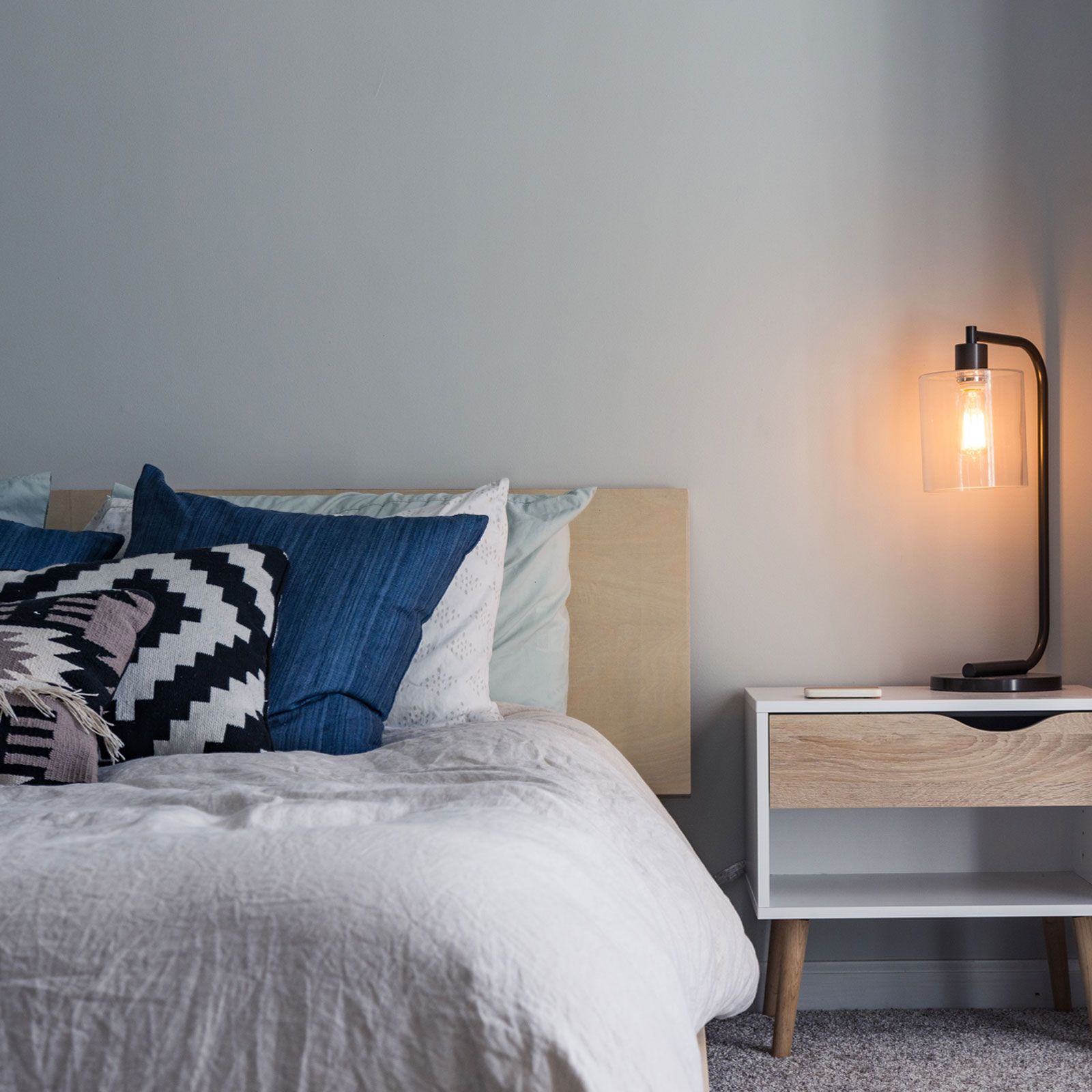
- Navy Blue + Warm Gray: A classic, sophisticated pairing. The warmth of the gray prevents the navy from feeling too cold, creating a balanced and inviting space.
- Charcoal Gray + Rich Wood Tones: Modern industrial elegance. The depth of charcoal beautifully highlights the natural warmth and grain of medium to dark woods.
- White + Black Accents: Timeless minimalism. A primarily white room with strategic black accents (picture frames, lighting fixtures, furniture legs) creates striking contrast and a clean, contemporary feel.
- Deep Green + Creamy White: Earthy serenity. The soft cream balances the intensity of the green, creating a peaceful, natural, and refined atmosphere.
- Greige + Navy/Dark Teal: Contemporary comfort. Greige provides a warm, neutral backdrop that allows bolder blues or teals to stand out without dominating.
Beyond the Hue: Critical Factors for Choosing Your Paint Color
Choosing the color is just one piece of the puzzle. How that color interacts with its environment is equally important.
Lighting is Everything: Natural vs. Artificial Light
This is arguably the most crucial factor. A color can look entirely different from the swatch to your wall because of light.
- Natural Light:
- North-facing rooms: Receive cooler, bluer light. Colors here can appear more muted or even a bit grayed out. Warm colors (reds, yellows, oranges) can help counteract this coolness.
- South-facing rooms: Bathed in warm, bright light throughout the day. Almost any color will look great, but cool colors might appear less intense, and warm colors might feel more vibrant.
- East-facing rooms: Get bright, warm light in the morning, which fades to cooler light in the afternoon. Consider colors that can handle this shift – perhaps a balanced neutral.
- West-facing rooms: Receive warm, intense light in the afternoon and evening. Colors can appear very saturated. Cool colors might offer a refreshing contrast.
- Artificial Light:
- Incandescent (older bulbs): Cast a warm, yellowish glow, making colors appear warmer.
- LEDs (modern bulbs): Come in various color temperatures (warm white, cool white, daylight). ‘Warm white’ LEDs (around 2700K-3000K) are most common for bedrooms and will have a similar warming effect to incandescent. ‘Cool white’ or ‘daylight’ LEDs (4000K+) will make colors appear truer but can feel clinical. Always check your bulbs!
Room Size & Layout: Making Small Rooms Feel Bigger, Large Rooms Cozier
- Small Rooms: Lighter colors tend to make a space feel larger and more open by reflecting light. However, a bold, dark color can create an incredibly intimate, cozy, and luxurious ‘jewel box’ effect, making a small room feel intentional and special rather than cramped. It’s about how you embrace the size.
- Large Rooms: Can handle darker, more saturated colors without feeling overwhelming. These hues can help define the space, make walls feel closer, and create a cozier, more inviting atmosphere. Using different shades on different walls or an accent wall can also break up a large space.
Existing Decor & Furniture: Harmonizing Your Space
Before picking up a brush, take stock of what’s already in the room: your bed frame, dresser, rug, artwork, and curtains. Your paint color should complement these elements, not clash with them. If you have a dominant piece, like a dark wood bed or a vibrant piece of art, choose a wall color that either echoes its tones or provides a harmonious contrast.
Paint Finish Matters: Flat, Eggshell, Satin, Semi-Gloss
The sheen of your paint affects both its appearance and durability:
- Flat/Matte: Offers a sophisticated, velvety look that hides imperfections well. Ideal for ceilings and walls where durability isn’t a top concern. Less washable.
- Eggshell/Low Sheen: A subtle, soft sheen, resembling an eggshell. More durable and washable than flat, making it a popular choice for bedrooms.
- Satin: A slightly higher sheen than eggshell, offering good durability and a smooth finish. Good for high-traffic areas, but can be a bit too reflective for all bedroom walls for some.
- Semi-Gloss: High durability and shine, excellent for trim, doors, and baseboards, as it stands up to frequent cleaning. Generally too shiny for entire walls in a bedroom.
Your Step-by-Step Color Selection Journey
Ready to commit? Here’s how to ensure you pick the perfect shade.
Inspiration Gathering: Boards, Samples, Vision
Start broad. Look at design magazines, online galleries, or even nature. Create a mood board, digital or physical, collecting images of rooms, textures, and art that resonate with you. This helps you identify patterns in your preferences and articulate the overall vibe you’re aiming for.
Sampling is Non-Negotiable: Live with the Color
Do NOT skip this step. Buy sample pots of your top 2-3 choices. Paint large swatches (at least 2×2 feet) on several walls in your bedroom. Observe them at different times of day – morning, noon, evening, with natural light and artificial light. See how they interact with your furniture and existing decor. This is the only way to truly gauge how a color will behave in your* space.
Don’t Forget the Ceiling: A Fifth Wall Opportunity
While often painted a standard white, the ceiling is a powerful design element. Painting it a lighter shade of your wall color can create a seamless, enveloping effect, making the room feel taller and more cohesive. A very dark ceiling in a dark room can enhance the intimate, moody atmosphere. Consider it an extension of your chosen palette.
Elevating Your Space: Expert Tips for a Masterful Finish
Beyond the color itself, these details make all the difference.
- Tip 1: Test, Test, Test. As mentioned, sampling is crucial. Paint large swatches on multiple walls and observe them over several days. The light changes, your mood changes, and so will your perception of the color.
- Tip 2: Consider the Trim. White trim is classic and clean, providing a crisp contrast. However, painting trim the same color as the walls (in a different sheen, like semi-gloss) can create a sophisticated, seamless, and enveloping look. Darker trim can also add an unexpected, dramatic touch.
- Tip 3: Focus on Cohesion. Your bedroom paint color should tie into the rest of your home’s aesthetic, even if subtly. Think about the flow from your hallway or adjacent rooms. A consistent palette, even with varying shades, creates a sense of harmony throughout your living space.
Recommended Paint Colors for Men’s Bedrooms: At a Glance
To help you visualize, here’s a summary of popular and effective choices:
| Color Family | Mood & Vibe | Ideal Pairing Examples | Best For Style |
|---|---|---|---|
| Charcoal Gray | Sophisticated, Modern, Intimate, Grounded | White trim, light wood, leather, metallic accents, mustard yellow/burnt orange pops | Modern, Industrial, Minimalist, Urban Chic |
| Navy Blue | Calming, Classic, Regal, Serene | Crisp white, warm gray, natural wood, brass/gold accents, cream | Traditional, Coastal, Contemporary, Preppy |
| Forest/Hunter Green | Earthy, Sophisticated, Tranquil, Natural | Light wood, black, cream, leather, deep teal, terracotta | Rustic, Bohemian, Traditional, Modern Organic |
| Greige | Warm Neutral, Versatile, Understated, Comfortable | White, navy blue, charcoal gray, rich wood, deep green, muted pastels | Transitional, Contemporary, Farmhouse, Minimalist |
| Warm White/Off-White | Clean, Bright, Expansive, Cozy (with warm undertones) | Black, natural wood, muted blues, greens, any accent color | Minimalist, Scandinavian, Coastal, Contemporary |
| Terracotta/Rust | Warm, Earthy, Unique, Adventurous, Characterful | Cream, olive green, deep blue, natural wood, black iron | Bohemian, Rustic, Global, Southwestern |
| Olive Green | Muted, Natural, Grounded, Subtle Sophistication | Cream, black, light wood, white, burnt orange, dark brown | Mid-Century Modern, Natural, Industrial, understated Contemporary |
Choosing the best paint color for your bedroom is a deeply personal journey. It’s an opportunity to create a space that truly reflects who you are and provides the comfort and functionality you need. By considering these core palettes, understanding color psychology, and paying attention to crucial environmental factors, you’re well-equipped to select a color that transforms your bedroom into the ultimate personal sanctuary. Don’t be afraid to experiment, trust your instincts, and create a space that feels like home, in every sense of the word.
Frequently Asked Questions
What are the most popular paint colors for men’s bedrooms?
Popular choices often revolve around sophisticated neutrals like charcoal gray, greige, and warm whites. Deep, dramatic hues such as navy blue, forest green, and rich browns are also highly favored for creating intimate and refined spaces. Earthy tones like olive green and terracotta are gaining popularity for a natural, grounded feel.
How do I make a dark paint color in a small bedroom not feel too cramped?
If you choose a dark color for a small room, balance is key. Use lighter elements like white trim, light-colored bedding, and bright artwork to create contrast. Incorporate reflective surfaces (mirrors, metallic accents) and strategic lighting to prevent the room from feeling too heavy. A dark color can make a small room feel cozy and luxurious rather than cramped if balanced correctly.

Should I consider my existing furniture when choosing a paint color?
Absolutely! Your existing furniture, flooring, and decor should be your starting point. Choose a paint color that harmonizes with these elements. For example, if you have dark wood furniture, a lighter wall color can create balance, while a deep, rich wall color can enhance a sense of luxury and depth. Always consider the overall aesthetic you’re aiming for.
What paint finish is best for a bedroom?
For bedrooms, an eggshell or low-sheen finish is generally recommended. It offers a subtle, soft look that hides minor imperfections and is more durable and washable than a flat finish. Flat paint is great for ceilings, while satin or semi-gloss are best reserved for trim and doors due to their higher sheen and durability.
How does lighting affect paint color in a bedroom?
Lighting significantly impacts how a paint color appears. Natural light from north-facing windows is cooler, while south-facing light is warmer. Artificial light, whether warm (incandescent/warm LED) or cool (daylight LED), will also shift the color’s perception. It’s crucial to test paint samples on your walls and observe them at different times of day under both natural and artificial light conditions to ensure you like the true color.
Are ‘masculine’ colors only dark and muted?
Not at all! While dark and muted tones are popular for their sophistication, ‘masculine’ really refers to a color palette chosen with intention and confidence. This can include crisp whites for a minimalist feel, vibrant accent colors for personality, or warm earthy tones for a comforting space. The best ‘masculine’ color is one that empowers you and reflects your personal style, regardless of its brightness or saturation.
Can I use an accent wall in a man’s bedroom?
Yes, an accent wall is an excellent way to add depth, character, and visual interest to a man’s bedroom. It can highlight a bed, a piece of art, or a unique architectural feature. Consider a bold, deep color for an accent wall while keeping the other walls a complementary neutral to create a striking yet balanced effect. Textured wallpaper or wood panels can also serve as effective accent walls.