Unlocking Your Perfect Bedroom: Best Colors to Pair with Dark Brown Furniture
Staring at that magnificent dark brown bed frame or dresser, admiring its rich depth, but feeling a pang of uncertainty about the walls? You’re not alone. Dark brown furniture, with its inherent warmth and elegance, is a timeless choice. Yet, it can sometimes feel dominant, leaving you wondering how to make your bedroom feel like a cohesive, inviting sanctuary, not a cave.
The secret? It’s all about strategic color pairing. When done right, the right wall color, combined with thoughtful accents, can transform your dark brown pieces from heavy to harmonious, creating a space that’s both stylish and supremely comfortable. Ready to banish the guesswork? Let’s dive in.
The Core Challenge: Why Dark Brown Furniture Needs Careful Color Pairing
Dark brown furniture, whether it’s the deep, almost black tones of espresso, the rich warmth of a dark walnut, or the reddish undertones of mahogany, carries significant visual weight. This isn’t a bad thing—it speaks of groundedness and sophistication. However, without careful consideration of surrounding colors, it can:
- Make a room feel smaller or more confined.
- Absorb light, potentially making the space feel dim.
- Overwhelm delicate decor elements.
- Lack visual interest if not properly contrasted or complemented.
Our goal isn’t to fight the dark brown, but to embrace its richness and use other colors to create balance, enhance its beauty, and evoke the desired mood for your personal retreat.

Your Go-To Palette: Top Bedroom Colors for Dark Brown Furniture
Let’s cut to the chase. Here are the most effective color families to consider, each offering a distinct vibe and ensuring your dark brown furniture shines. We’ll start with a quick reference table, then dive into the details.
| Color Family | Vibe & Effect | Best For | Key Tip for Dark Brown Furniture |
|---|---|---|---|
| Crisp Whites & Creams | Clean, expansive, classic, serene | Modern, traditional, small rooms, maximizing light | Use warm whites/creams to prevent starkness; layer textures. |
| Soft Grays | Sophisticated, calming, contemporary, versatile | Modern, minimalist, creating a refined atmosphere | Choose warmer grays (greige) or cool grays with warm accents to balance. |
| Nature-Inspired Greens | Tranquil, fresh, earthy, rejuvenating | Organic, rustic, bohemian, creating a peaceful retreat | Stick to muted, desaturated greens (sage, olive) for harmony. |
| Calming Blues | Serene, relaxing, spacious, classic | Coastal, traditional, creating a restful sleep environment | Light to mid-tone blues work best; navy offers dramatic contrast. |
| Warm Neutrals (Greige, Tan) | Cozy, inviting, modern, understated elegance | Transitional, contemporary, adding subtle warmth | Ensure enough contrast; vary textures to prevent flatness. |
| Soft Pinks & Peaches | Gentle, romantic, calming, sophisticated softness | Feminine, modern romantic, adding a delicate touch | Choose desaturated, muted tones to avoid feeling juvenile. |
| Deep Jewel Tones (Teal, Emerald) | Luxurious, dramatic, opulent, rich | Maximalist, glamorous, adding a bold statement (best as accent) | Use sparingly for walls, more effectively as accents to avoid overwhelming. |
The Bright & Airy Collection: Lighten Up Your Space
These colors are your allies if you want to make your bedroom feel larger, brighter, and less visually heavy. They provide a beautiful contrast to dark brown, allowing the furniture to stand out without dominating.
- Cream & Off-White: The Classic Solution
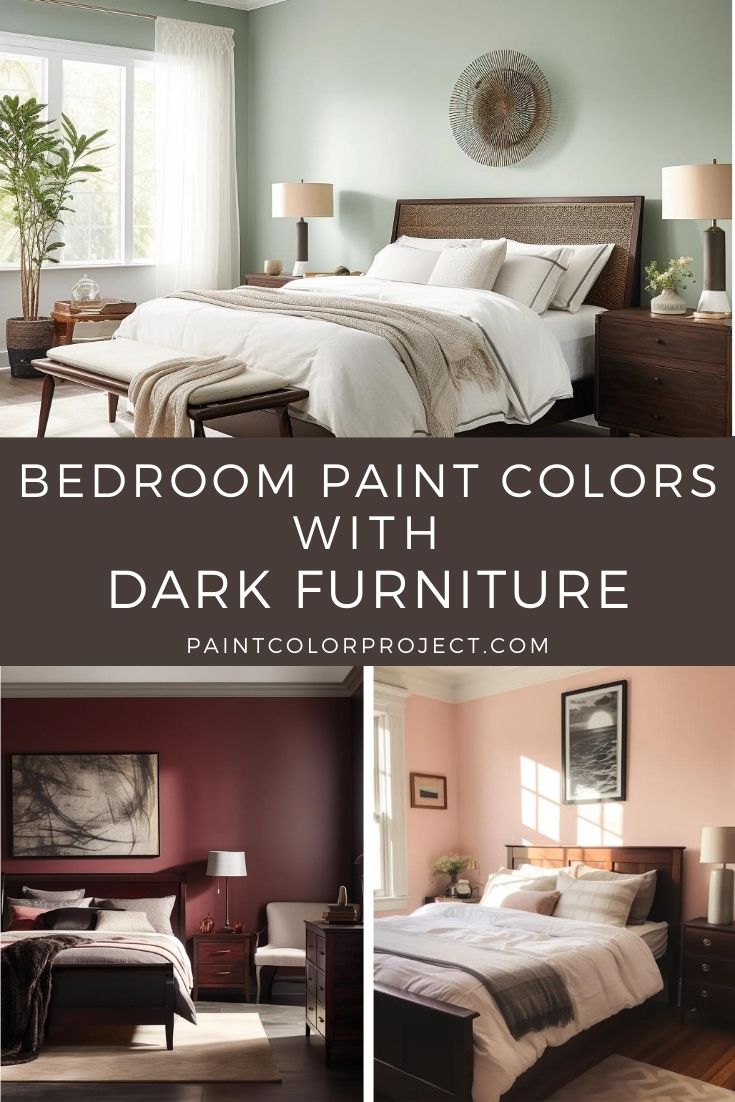
There’s a reason these are go-to choices. A creamy off-white or a soft ivory provides a beautiful, clean canvas that allows your dark brown furniture to truly pop. It reflects light, making the room feel open and expansive. Avoid stark, cold whites, which can feel too jarring against the warmth of brown. Instead, opt for whites with warm undertones (yellow or beige) to maintain a cozy feel. This pairing works beautifully in traditional, farmhouse, or even modern minimalist aesthetics. - Pale Gray: Modern, Sophisticated, Cool Contrast
For a contemporary and sophisticated vibe, a pale, cool-toned gray creates a chic contrast with dark brown. Grays with a hint of blue or green can feel incredibly calming. This combination is inherently modern and clean, preventing the room from feeling dated. Just be mindful of natural light – in a low-light room, a cool gray can sometimes feel a bit drab, so ensure you have ample lighting or consider a slightly warmer greige. - Soft Sage Green: Nature-Inspired Tranquility
Sage green is a muted, earthy tone that brings a sense of calm and connection to nature. It’s incredibly soothing and works harmoniously with dark brown, evoking a serene forest or a peaceful retreat. This color is versatile, fitting well with organic modern, bohemian, or rustic styles. It’s a fantastic choice for those seeking a tranquil and grounding atmosphere. - Light Blue: Serene, Calming, Expansive Feel
Similar to sage, light blues are renowned for their calming properties. A soft sky blue or a muted powder blue creates a serene and airy atmosphere, providing a gentle contrast to dark brown. The blue’s coolness balances the brown’s warmth, resulting in a balanced and relaxing space. This combination can lean coastal, traditional, or even casually elegant, depending on your accents. - Blush Pink: Gentle Warmth, Adds Softness
Don’t dismiss pink! A very pale, desaturated blush pink can introduce a subtle touch of warmth and softness without being overly feminine. It creates a sophisticated, romantic, and gentle backdrop for dark brown furniture, especially when paired with metallic accents like brass or rose gold. This unexpected pairing feels chic and modern, preventing the room from feeling too heavy or stark.
The Moody & Sophisticated Collection: Embrace the Drama
If you’re drawn to a more intimate, dramatic, or luxurious atmosphere, these darker, richer colors can create incredible depth and sophistication when paired with dark brown. The key here is not to overwhelm, but to create a cohesive, cocoon-like feeling.
- Deep Teal/Emerald Green: Jewel-Toned Luxury
For a truly opulent and dramatic effect, consider deep teal or emerald green. These rich jewel tones create a stunning, luxurious backdrop for dark brown, evoking a sense of old-world charm and modern glamour simultaneously. Use these colors on an accent wall or throughout the room if you have ample natural light. They pair beautifully with gold or brass accents. - Charcoal Gray: Urban Chic, Powerful Contrast
Charcoal gray is a powerful, sophisticated choice that creates a bold, modern contrast with dark brown. It’s less stark than black but still delivers a strong visual punch. This pairing feels very urban, industrial, and chic. To avoid a somber feel, ensure you layer in plenty of texture, bright accents (like white bedding), and strategic lighting. - Navy Blue: Classic, Masculine, Deep Elegance
Navy blue is a timeless classic that brings deep elegance and a touch of masculinity when paired with dark brown. It’s a sophisticated alternative to black and creates a rich, enveloping atmosphere. This combination is perfect for a master bedroom aiming for a traditional, nautical, or tailored aesthetic. White or cream accents will help to keep it from feeling too heavy. - Warm Greige (Gray-Beige): Sophisticated Neutral, Modern Warmth
Greige is the ultimate chameleon, blending the coolness of gray with the warmth of beige. A warm greige provides a sophisticated, modern neutral that beautifully complements dark brown furniture without contrasting too harshly. It creates a soft, inviting backdrop that feels contemporary and grounded, perfect for transitional or modern farmhouse styles.
The Unexpected Pop: Accent Colors to Elevate Your Design
Sometimes, the best color isn’t on the walls, but brought in through carefully chosen accents. These colors can inject personality and warmth into a room with dark brown furniture and neutral walls.
- Mustard Yellow/Ochre: Warm, Inviting, Adds Life
A pop of mustard yellow or a deep ochre can bring incredible warmth and a vibrant energy to a room with dark brown. Use it in throw pillows, a blanket, or a piece of art. It’s a fantastic way to add a cheerful, inviting feel without committing to a bold wall color. - Terracotta/Burnt Orange: Earthy, Bohemian Touch
For an earthy, Mediterranean, or bohemian vibe, terracotta or burnt orange accents are ideal. These colors echo the natural warmth often found in dark brown wood and add a rustic, cozy, and grounded feel. Think woven blankets, pottery, or accent chairs. - Rich Plum/Burgundy: Luxurious, Adds Depth
If you crave luxury and depth, rich plum or burgundy can be stunning accent choices. These jewel-toned reds and purples add a regal, sophisticated touch that complements the richness of dark brown. They work wonderfully in fabrics like velvet or silk for throw pillows and curtains.
Beyond the Walls: Harmonizing with Textiles, Lighting & Accents
Choosing the perfect wall color is just the beginning. To truly unlock your bedroom’s potential, you need to think about how other elements interact with your dark brown furniture.
The Power of Layered Lighting: Banish the Gloom
Dark brown furniture, by its nature, can absorb light. Thoughtful lighting is crucial to prevent your bedroom from feeling dim or cave-like. Layer your lighting for maximum effect:
- Ambient Lighting: A central ceiling fixture (flush mount, chandelier) provides overall illumination. Consider a dimmer switch to adjust the mood.
- Task Lighting: Bedside lamps, reading lights, or a desk lamp provide focused light for specific activities.
- Accent Lighting: Up-lights, picture lights, or strategically placed lamps can highlight artwork, architectural features, or simply add warmth and depth to corners of the room.
Pro Tip: Use warm-toned light bulbs (around 2700K-3000K) to enhance the richness of the brown and create a cozy, inviting atmosphere, rather than stark, cool white light.
Textile Talk: Softening the Edges
Fabrics are your secret weapon for adding softness, texture, and additional layers of color, balancing the solidity of dark brown furniture.

- Bedding: This is your largest textile surface. High-contrast choices like crisp white, cream, or pale gray duvet covers can instantly brighten the room and provide a clean break from the dark furniture. Alternatively, choose complementary colors like a deep navy, a soft sage, or even a muted blush to create a more integrated, tonal look. Layer with throw blankets and decorative pillows in varying textures (knits, velvet, linen) and patterns.
- Rugs: An area rug can anchor the entire room, define the sleeping zone, and introduce significant color and texture. Choose a rug with a pattern that incorporates your chosen wall color and a hint of brown or a complementary accent color. A lighter rug can help lift the visual weight of dark furniture, while a patterned rug can add dynamism.
- Curtains: Frame your windows and control light with curtains that complement your wall color. Sheer curtains in a light neutral can soften the light, while heavier drapes in a rich fabric (like linen or velvet) can add luxury and insulation. Ensure the curtain rod extends beyond the window frame to allow curtains to be pulled back fully, maximizing natural light.
The Art of Accessorizing: Adding Personality & Balance
Accessories are the finishing touches that bring your vision to life. They can lighten, brighten, and personalize your space.
- Metallic Accents: Gold, brass, copper, or silver can add a touch of glamour and reflection. Think lamps, picture frames, decorative trays, or drawer pulls. Gold and brass tend to warm up a space, while silver and chrome lean more modern and cool.
- Natural Elements: Incorporate natural textures like woven baskets, ceramic vases, potted plants, or wooden decorative objects. These elements bring an organic, grounding feel that complements the natural essence of brown wood. Greenery, in particular, adds a vibrant burst of life.
- Artwork and Mirrors: Large artwork can be a focal point, introducing color and personality. Choose pieces that pick up on your chosen color palette. Mirrors are excellent for small rooms as they reflect light and make the space feel larger.
Designing for Different Spaces: Small Rooms, Master Suites & More
The size and intended use of your bedroom will influence your color choices and design strategies.
Making Small Bedrooms Feel Bigger with Dark Furniture
Don’t let a small room deter you from dark brown furniture. The trick is strategic lightening and maximizing space:
- Wall Colors: Stick to the lightest colors – crisp whites, pale grays, very light blues, or soft creams. These reflect the most light and create an expansive feel.
- Flooring: Light-colored flooring (light wood, beige carpet) will also contribute to an airy feel.
- Reflective Surfaces: Incorporate mirrors, glass table tops, and metallic accents to bounce light around the room.
- Minimalism: Avoid clutter. Keep decor sparse and functional to prevent the room from feeling visually heavy. Choose furniture with clean lines.
- Leggy Furniture: Opt for dark brown furniture pieces that have legs and are slightly elevated off the floor, allowing light and sightlines to pass underneath, making the room feel less blocked.
Creating a Luxurious Master Retreat
For a master bedroom, you often want a sense of indulgence and calm. Dark brown furniture is perfect for this:

- Rich Color Palettes: Embrace deeper, more sophisticated colors like warm greige, deep navy, or even an accent wall in a muted plum or forest green.
- Layered Textures: Think velvet upholstery, silk throw pillows, a thick wool rug, and sumptuous bedding. These layers add depth and a tactile sense of luxury.
- Statement Lighting: A beautiful chandelier or elegant sconces can elevate the space.
- Symmetry: Often, a symmetrical layout with matching bedside tables and lamps contributes to a feeling of calm and grandeur.
Modern vs. Traditional: Adapting Your Color Scheme
Your chosen aesthetic will guide your color and accessory selections:
- Modern Aesthetic: Lean into cool grays, crisp whites, and muted blues. Opt for clean lines in furniture and minimal, geometric accessories. Metallic accents in chrome or matte black work well. The goal is sleek and uncluttered.
- Traditional Aesthetic: Embrace warm creams, deeper greens, classic blues, and warm greiges. Incorporate rich patterns (florals, damasks) in textiles, ornate details in lamps or mirrors, and metallic accents in brass or antique gold. The focus is on comfort, history, and elegance.
- Transitional Aesthetic: This style blends modern and traditional. Warm grays, light blues, and creams are excellent wall choices. Mix clean-lined furniture with some soft, inviting textiles and a blend of metallic accents (e.g., brushed brass).
Common Pitfalls to Avoid When Decorating with Dark Brown Furniture
Even with the best intentions, it’s easy to make mistakes. Here are some common traps to steer clear of:
- Overdoing Dark Colors: While moody bedrooms can be beautiful, too much dark color (dark walls, dark furniture, dark bedding) without sufficient contrast or lighting can make a room feel oppressive, small, and gloomy.
- Ignoring Lighting: As discussed, dark furniture absorbs light. Neglecting proper lighting will result in a perpetually dim and uninviting space.
- Lack of Contrast: Pairing dark brown with similar mid-tone browns or beige without enough variation can make the room feel bland and monochromatic, lacking visual interest.
- Forgetting Texture: Relying solely on flat colors can make a room feel sterile. Layering different textures (wood, fabric, metal, glass, plants) adds depth and warmth, preventing the space from feeling one-dimensional.
- Skipping Samples: Never commit to a paint color without testing it first. Colors look different in different light conditions and against existing furniture. Paint large swatches on several walls and observe them throughout the day.
Your Step-by-Step Guide to Choosing the Perfect Bedroom Color
Ready to make a confident choice? Follow these steps:
- Evaluate Your Existing Furniture: Note the specific shade of your dark brown furniture. Does it have reddish undertones (mahogany), yellowish (walnut), or cooler, almost black tones (espresso)? This will influence whether you lean towards warmer or cooler wall colors.
- Consider Room Size & Natural Light: Small rooms or those with little natural light will benefit from lighter, brighter wall colors to prevent feeling cramped. Larger rooms or those with ample light can handle deeper, more dramatic hues.
- Define Your Desired Mood: Do you want a calm and serene retreat? A bold and sophisticated statement? A cozy and intimate haven? Your desired mood will guide your color family selection (e.g., blues/greens for calm, jewel tones for drama).
- Test, Test, Test: Buy several paint samples of your top choices. Paint large swatches (at least 2×2 feet) on different walls in your bedroom. Live with them for a few days, observing how they look at different times of day and under artificial light. This is the most crucial step!
- Integrate Accents: Once you’ve narrowed down your wall color, start thinking about bedding, rugs, curtains, and decorative accessories. These elements will complete your palette and soften the overall look.
Choosing the right bedroom color to complement dark brown furniture is an art, not a science. It’s about understanding the principles of balance and contrast, then tailoring them to your personal style and the unique characteristics of your space. With these insights and a little experimentation, you’re well on your way to creating a bedroom that feels perfectly you – a stylish, comfortable haven where your dark brown furniture truly shines.
Frequently Asked Questions
What colors make dark brown furniture look less heavy?
To make dark brown furniture feel less heavy, pair it with light, airy wall colors such as crisp whites, warm creams, pale grays, soft sage greens, or light blues. These colors provide a strong visual contrast, reflecting light and making the room feel more expansive and less dense. Incorporating reflective surfaces like mirrors and strategic lighting also helps.
Can I use dark wall colors with dark brown furniture?
Yes, you absolutely can! Dark wall colors like deep teal, navy blue, charcoal gray, or even a rich forest green can create a sophisticated, dramatic, and intimate atmosphere. The key is to ensure ample natural and artificial lighting, introduce plenty of lighter accents (e.g., white bedding, light rugs), and layer diverse textures to prevent the room from feeling too oppressive or monochromatic.
What accent colors work best with dark brown furniture?
Excellent accent colors for dark brown furniture include mustard yellow or ochre for a warm pop, terracotta or burnt orange for an earthy bohemian feel, and rich plum or burgundy for a luxurious touch. Metallics like gold, brass, or copper also add warmth and sophistication, while natural greenery provides a fresh, vibrant contrast.
How do I choose between warm and cool colors for my bedroom with dark brown furniture?
Consider the undertones of your dark brown furniture. If it has reddish or yellowish undertones (like mahogany or walnut), you might lean towards cooler wall colors (blues, greens, cool grays) to create balance. If your furniture is a very deep, almost black espresso, you have more flexibility and can choose warm whites, greiges, or even deeper jewel tones, depending on the mood you want to create. Ultimately, it also depends on your desired ambiance: warm colors create coziness, while cool colors evoke serenity.
Is gray a good color to pair with dark brown furniture?
Yes, gray is an excellent color to pair with dark brown furniture. Lighter, warmer grays (greige) offer a sophisticated, modern neutral backdrop that harmonizes beautifully. Cooler, pale grays provide a chic, contemporary contrast. The key is to select a gray with the right undertones that complement the brown and to ensure adequate lighting to prevent the room from feeling too stark or cold.
How important is lighting when decorating a bedroom with dark brown furniture?
Lighting is critically important. Dark brown furniture absorbs light, so without proper illumination, the room can feel dim and heavy. Layering ambient, task, and accent lighting is crucial. Use warm-toned light bulbs (2700K-3000K) to create a cozy and inviting glow that enhances the richness of the brown, rather than stark, cool white light which can feel harsh.