The Definitive Guide to Pale Blue Paint for Your Bedroom: Create Your Ultimate Sanctuary
So, you’re dreaming of a pale blue bedroom. Excellent choice. You’ve stumbled upon one of the most serene, versatile, and psychologically soothing colors for a sleep space. But with a seemingly endless spectrum of “pale blues” out there – from icy cool to dusty warm, from subtle green undertones to sophisticated grays – picking the right one can feel overwhelming. Don’t worry, you’re not alone. I’m here to cut through the confusion and help you confidently select the perfect pale blue that transforms your bedroom into the peaceful sanctuary you deserve.
Forget the generic advice. This isn’t just a list of pretty paint names. We’re diving deep into the psychology, the undertones, the lighting, and the expert secrets to ensure your pale blue bedroom is nothing short of perfection.
Why Pale Blue is the Perfect Bedroom Color: Beyond Just Aesthetics
It’s no accident that pale blue is a go-to for bedrooms. Its appeal runs deeper than just looking good; it actively contributes to your well-being. Think about it: the vastness of a clear sky, the calming ripple of ocean waves. These are inherently tranquil visuals that pale blue evokes, bringing that same sense of peace indoors.
The Psychology of Pale Blue: A Sleep Scientist’s Dream
Research consistently shows that blue hues, especially lighter ones, can have a profound impact on our mood and even our sleep quality. Here’s why it’s a sleep scientist’s favorite:
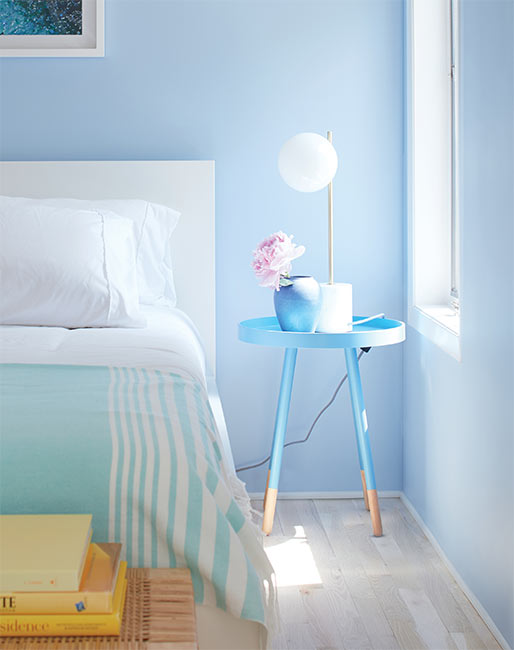
- Calm & Tranquility: Pale blue is intrinsically linked to feelings of calm and peace. It lowers stress and anxiety, creating an environment where your mind can unwind.
- Reduced Heart Rate: Studies suggest that exposure to blue light (and, by extension, blue environments) can help lower heart rate and blood pressure, preparing your body for rest.
- Better Sleep: Some theories suggest that certain photoreceptors in our eyes are more sensitive to blue light, which, in the right context, can signal to our brains that it’s time to slow down. A pale blue bedroom isn’t just about looking good; it’s about actively enhancing your sleep environment.
- Clearer Thinking: Beyond sleep, pale blue is often associated with clarity and focus, making your bedroom a space for calm reflection, not just slumber.
Versatility & Timelessness: A Color That Never Fades
Unlike trendy colors that come and go, pale blue possesses an enduring quality. It’s a classic for a reason. Its adaptability is unmatched:
- Design Styles: Pale blue effortlessly blends with almost any design aesthetic. Coastal, farmhouse, modern minimalist, traditional, Scandinavian, bohemian – you name it, pale blue fits.
- Ages & Genders: It’s a color that transcends age and gender. It’s sophisticated enough for adults, playful enough for children, and universally appealing.
- Future-Proofing: Investing in a pale blue scheme means you won’t feel the urge to repaint in a few years just because it’s “out of style.” It’s a choice that stands the test of time.
Decoding Pale Blue: Understanding Undertones is Key
Here’s where many people stumble. You think you want “pale blue,” but then you paint a swatch, and it looks too purple, too green, or too… baby blue. The secret? Undertones. Every paint color has them, and for pale blues, they dictate the entire mood and how the color interacts with light and other elements in your room. Ignoring them is the biggest blunder you can make.
The Blue-Gray Spectrum: Sophisticated Serenity
When blue meets gray, magic happens. Blue-gray paints are wildly popular for bedrooms because the gray undertone mutes the intensity of the blue, making it feel more sophisticated, mature, and incredibly soothing. These colors often appear soft and ethereal, shifting beautifully with the light throughout the day. They rarely feel cold or stark.
- Vibe: Understated elegance, tranquil, refined, modern yet timeless.
- Best For: Bedrooms seeking a serene adult retreat, contemporary spaces, or when you want to avoid anything that feels too bright or saccharine.
- Watch Out For: Some can lean slightly lavender in certain lights, so always swatch!
The Blue-Green Whisper: Coastal & Refreshing Vibes
A touch of green in your pale blue paint creates a distinctly different feel. These shades evoke the colors of sea glass, tranquil lagoons, or misty mornings in a forest. The green undertone adds a natural warmth and an organic, spa-like quality that is incredibly refreshing and calming.
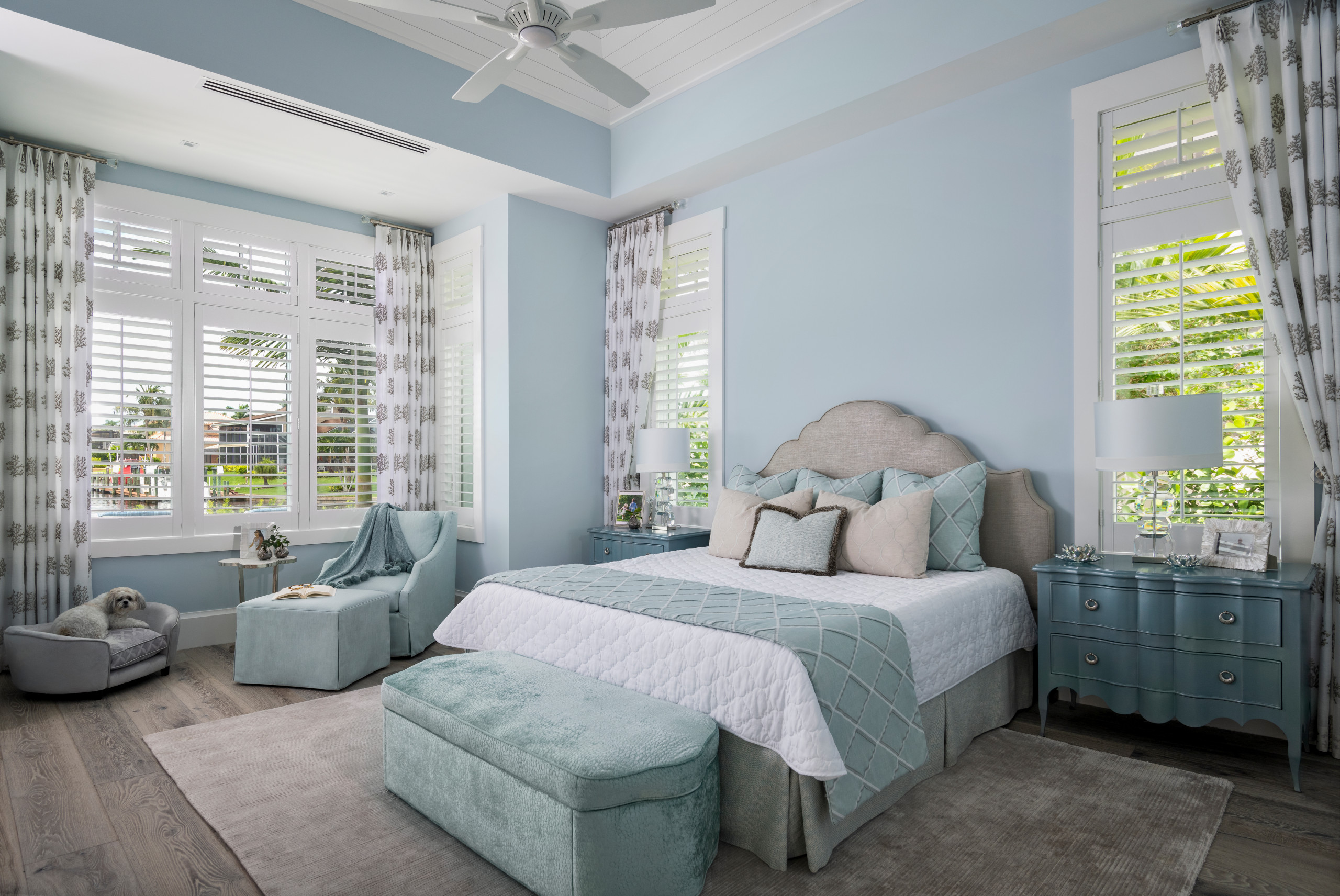
- Vibe: Relaxing, natural, spa-like, coastal, fresh.
- Best For: Bedrooms aiming for a beach house feel, a connection to nature, or those who want a softer, slightly warmer blue.
- Watch Out For: Too much green can make it read more aqua or teal, so ensure the blue remains dominant.
True Pale Blue: Classic Calm
Sometimes, you just want a straightforward, clear pale blue. These are the blues that remind you of a cloudless sky or a perfectly clear swimming pool. They have minimal discernible undertones of gray or green, offering a pure, unadulterated sense of calm. They tend to be brighter and more direct than their blue-gray or blue-green counterparts.
- Vibe: Crisp, clean, uplifting, classic, joyful.
- Best For: Bedrooms where you want a clear, unambiguous blue statement, children’s rooms, or spaces with abundant natural light.
- Watch Out For: Without the tempering effect of gray or green, these can sometimes appear brighter or even a little too “baby blue” if not chosen carefully.
Top Pale Blue Paint Colors for Bedrooms: Expert Picks & Comparisons
Alright, let’s get to the fun part: actual paint colors! Remember, my advice to you will always be: SWATCH, SWATCH, SWATCH. What looks perfect on a screen or a tiny paint chip can look dramatically different on your wall in your home’s unique lighting conditions. Get large peel-and-stick samples or paint big swatches on multiple walls to see how they truly behave.
Benjamin Moore’s Best Pale Blues
Benjamin Moore is renowned for its nuanced colors. Their pale blues are no exception, offering incredible depth and complexity.
- Palladian Blue HC-144: A timeless blue-green, often described as a sophisticated spa color. It’s incredibly versatile and pairs beautifully with warm woods and crisp whites.
- Healing Aloe 1562: Even softer than Palladian Blue, Healing Aloe is a gentle blue-green-gray that feels incredibly airy and ethereal. It’s almost a neutral.
- Quiet Moments 1563: A slightly deeper, more saturated version of Healing Aloe, it’s a tranquil blue-green with a hint of gray, perfect for a truly restful space.
- Ocean Air 2123-50: A clean, clear pale blue with very subtle gray undertones. It’s fresh and uplifting without being overly bright, embodying a classic sky blue.
Sherwin-Williams’ Soothing Pale Blues
Sherwin-Williams offers a fantastic range of pale blues, many with a wonderful balance of cool and warm undertones, making them highly adaptable.
:max_bytes(150000):strip_icc()/BondegatanSodermalmStockholmBedroomlampchairblueFantasticFrank-d4153e01738845caaaab184e2eecf7a7-33429fc42bfa411d988f8233f04fdfde.jpg "30 Light Blue Paint Colors")
- Sea Salt SW 6204: This is a superstar for a reason. A chameleon color, it’s a light blue-green-gray that can lean more green or more blue depending on the light. It’s incredibly calming and natural.
- Tradewind SW 6218: A beautiful, true light blue with a touch of gray, giving it a soft, airy quality. It’s clean, fresh, and wonderfully serene, making it a reliable bedroom choice.
- Niebla Azul SW 9137: As its name suggests (“blue mist” in Spanish), this is a dusty, serene blue with noticeable gray undertones. It’s sophisticated and hushed, perfect for a cozy retreat.
- Upward SW 6239: Sherwin-Williams’ 2024 Color of the Year, Upward is a breezy and blissful blue with a fresh, uplifting feel. It’s a true pale blue that feels both invigorating and calming.
Farrow & Ball’s Elegant Pale Blues
Known for their historical palettes and rich pigments, Farrow & Ball’s pale blues possess an unmatched depth and elegance.
- Parma Gray No. 27: Despite the name, this is a clear, traditional pale blue with a definite lavender undertone that makes it incredibly elegant and sophisticated.
- Lulworth Blue No. 89: A slightly stronger but still delicate blue, it’s a wonderfully fresh and un-fussy option, reminiscent of a summer sky.
- Skylight No. 205: A gentle, ethereal blue that’s almost off-white, with a subtle gray undertone. It’s perfect for creating a sense of increased space and light.
| Paint Color | Brand | Undertone | Vibe/Mood | Ideal Pairing Colors | Notes |
|---|---|---|---|---|---|
| Palladian Blue HC-144 | Benjamin Moore | Green-Gray | Spa-like, Tranquil, Coastal | Cream, Warm Wood Tones, Soft Grays, Sage Green | A chameleon; leans more green in natural light. |
| Healing Aloe 1562 | Benjamin Moore | Green-Gray-Off White | Ethereal, Airy, Almost Neutral | Pure White, Greige, Light Wood | Very subtle, acts as a sophisticated backdrop. |
| Sea Salt SW 6204 | Sherwin-Williams | Green-Gray | Calming, Organic, Beachy | Off-Whites, Natural Wood, Coral, Cream | Highly popular, reads differently in various light. |
| Tradewind SW 6218 | Sherwin-Williams | Soft Gray | Serene, Crisp, Airy | Pure Whites, Medium Grays, Dark Wood Accents | A clear, refreshing blue that’s not too bright. |
| Niebla Azul SW 9137 | Sherwin-Williams | Dusty Gray | Hushed, Sophisticated, Cozy | Warm Whites, Taupes, Rich Browns, Gold Metallics | Great for creating an enveloping, intimate feel. |
| Upward SW 6239 | Sherwin-Williams | Clean, Slight Gray | Breezy, Uplifting, Blissful | Crisp White, Soft Sage, Sandy Neutrals, Light Wood | SW’s 2024 Color of the Year; modern and fresh. |
| Parma Gray No. 27 | Farrow & Ball | Lavender-Gray | Elegant, Historic, Sophisticated | Dark Woods, Deep Cream, White, Berry Tones | A strong character, best in well-lit rooms. |
Beyond the Paint Can: How to Harmonize Your Pale Blue Bedroom
Choosing the perfect pale blue is just the first step. To truly create a cohesive, inviting sanctuary, you need to consider how that color will interact with every other element in your room. This is where your personal style really shines.
Lighting It Up: Natural, Artificial & How It Changes Blue
Light is the ultimate determinant of how any paint color looks. It’s why I stress swatching so much! Pale blues are particularly sensitive to light variations:
- Northern Exposure: Rooms facing north receive cooler, softer light throughout the day. Pale blues here might appear a bit more gray or muted. If you want to prevent it from feeling too cold, opt for blues with green or warm gray undertones.
- Southern Exposure: Rooms facing south are bathed in bright, warm light for most of the day. This light can warm up even the coolest pale blues, making them appear brighter and sometimes more saturated.
- Eastern Exposure: Morning light is bright and clear, but then the light shifts to cooler in the afternoon. A balanced pale blue works well here.
- Western Exposure: Warm, intense afternoon and evening light can make pale blues appear richer or even take on a slightly greenish cast if they have those undertones.
- Artificial Light:
- Incandescent (Warm White): Tends to bring out warmer tones in paint, making blues feel softer or slightly greener/grayer.
- LED (Cool White/Daylight): Mimics natural daylight and will show the truest color, often making blues appear crisp and clean.
- LED (Soft White): A good middle ground, offering a balanced warmth without distorting the color too much.
Expert Tip: Observe your paint swatches at different times of the day and night, with both natural and artificial lights on. This is non-negotiable for finding the right fit.
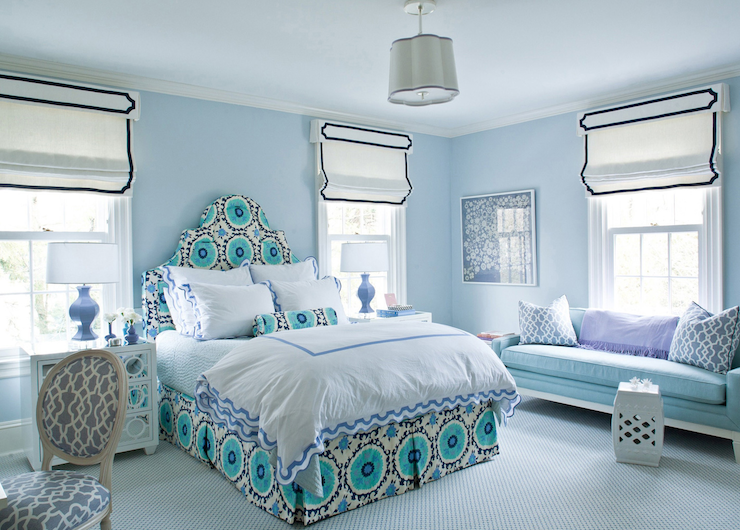
The Perfect Pairing Palette: What Colors Go With Pale Blue?
Pale blue is incredibly versatile when it comes to complementary colors. You can go for serene, dramatic, or even playful depending on your choices:
- Classic Neutrals: You can never go wrong with whites, creams, soft grays, and natural wood tones. They create an effortlessly elegant and serene backdrop, allowing the pale blue to sing without competition. Think crisp white bedding, creamy linen curtains, and light oak furniture.
- Warm Accents: To prevent a pale blue room from feeling too cool, introduce warmth. Soft corals, muted yellows, terracotta, peach, or even a dusty rose can provide a beautiful, gentle contrast. Use these in smaller doses: throw pillows, a decorative vase, or artwork.
- Metallic Accents: Gold, brass, or even copper can add a touch of glamour and warmth. Silver and chrome offer a sleek, modern touch that enhances the cool purity of blue.
- Greens & Earth Tones: Lean into the natural connection. Sage green, olive, or even deeper forest greens, paired with natural textures like jute or rattan, create an earthy, grounded feel.
- Monochromatic & Tonal: Don’t be afraid to use varying shades of blue. A pale blue wall with slightly darker blue bedding, lighter blue decorative objects, and even subtle blue patterns can create a rich, enveloping feel.
Furniture & Textiles: Creating Cohesion
Your furniture and textiles play a crucial role in tying the whole room together.
- Furniture: Light-colored woods (birch, maple, bleached oak) or white-painted furniture enhance the airy feel. Darker woods (walnut, mahogany) provide a grounding contrast and a touch of sophistication. Upholstered pieces in light grays, creams, or even a complementary pale blue can add softness.
- Textiles: This is your chance to layer texture and comfort. Think chunky knit throws, linen bedding, velvet pillows, and plush rugs. Different textures prevent the room from feeling flat, even with a monochromatic palette. Consider patterns – subtle stripes, gentle geometrics, or organic motifs can add visual interest without overwhelming the calm.
Sheen Matters: Choosing the Right Finish
The paint finish isn’t just about durability; it significantly impacts how the color appears and the overall ambiance of your bedroom.
- Matte/Flat: This finish absorbs light, giving colors a rich, velvety depth. It hides imperfections well but is less durable and harder to clean. Ideal for a sophisticated, understated look in low-traffic areas like bedrooms where touch-ups aren’t frequent.
- Eggshell/Satin: The most popular choice for bedrooms, and for good reason. It has a slight, soft sheen that reflects a bit of light, making it more durable and easier to clean than flat paint. It offers a beautiful balance between richness and practicality.
- Semi-Gloss/High-Gloss: Highly durable and reflective, typically reserved for trim, doors, and furniture. While it makes colors pop, it can be too reflective for large wall surfaces in a bedroom and will highlight every imperfection.
Avoiding Common Mistakes When Painting Your Bedroom Pale Blue
Even with the best intentions, it’s easy to make missteps. Here are the most common pitfalls and how to avoid them to ensure your pale blue bedroom is a success.
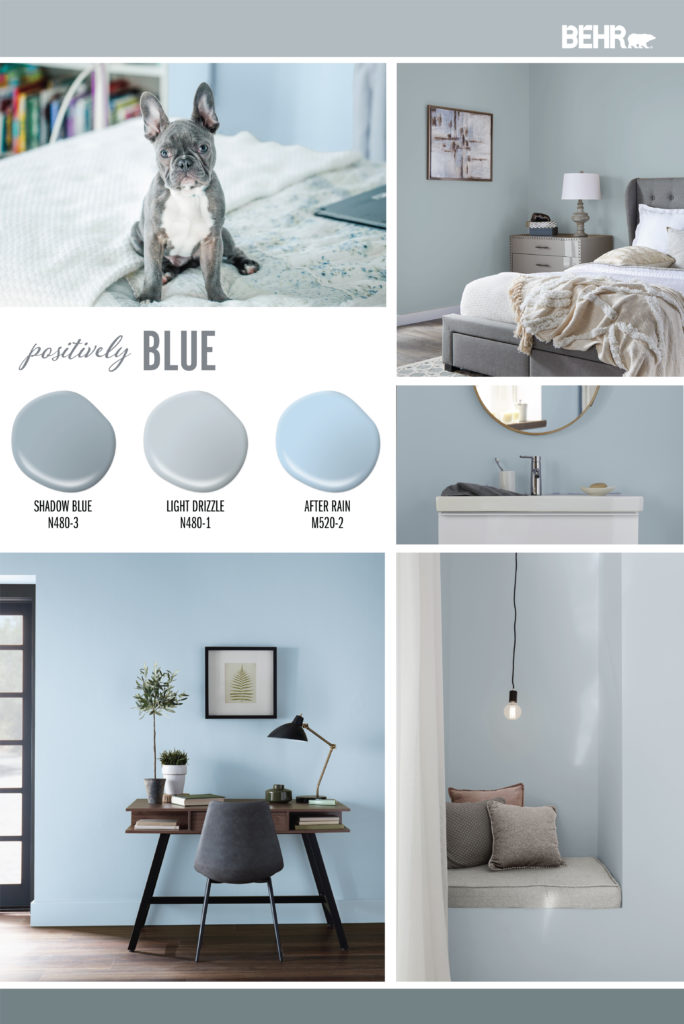
Skipping Samples: The Biggest Blunder
I can’t stress this enough. Relying solely on a small paint chip or an online image is a recipe for disappointment. Paint colors look different in every space due due to varying light, existing furnishings, and even neighboring colors. Invest in several large peel-and-stick samples or paint substantial swatches (at least 2×2 feet) on multiple walls in your bedroom. Observe them throughout the day and night, and make your decision based on what you see in your actual space.
Ignoring Undertones: The “Baby Blue” Trap
This is where many people get burned. You want a sophisticated pale blue, but without understanding undertones, you might end up with a cheerful, childlike baby blue. If you’re aiming for a tranquil adult retreat, actively seek out pale blues with gray or green undertones. These mutes will prevent the color from feeling too saccharine or juvenile. Conversely, if you do want a brighter, clearer blue, choose one with pure blue undertones, but ensure it’s balanced with appropriate decor to maintain sophistication.
Forgetting the Room’s Orientation & Light
As discussed, the direction your room faces and the type of artificial light you use will drastically alter how your pale blue paint appears. A pale blue with a cool gray undertone might feel too icy in a north-facing room with limited natural light. The same color in a south-facing room could feel crisp and refreshing. Always test your samples in the specific lighting conditions of your bedroom.
Overlooking Complementary Colors & Texture
A beautiful wall color is only part of the equation. A room that lacks balance in its palette and texture can feel bland or unfinished. Don’t let your pale blue walls stand alone. Integrate complementary colors through bedding, curtains, rugs, artwork, and decorative objects. Introduce various textures – soft linen, rough jute, smooth ceramic, warm wood – to add depth and interest, making the room feel rich and inviting, not flat.
Your Pale Blue Bedroom: A Space for Wellness and Rejuvenation
Embracing pale blue in your bedroom is more than a design choice; it’s a commitment to creating a space that nurtures your mind and body. By understanding the nuances of undertones, the interplay of light, and the power of complementary elements, you’re well-equipped to select a pale blue that will soothe your senses, calm your spirit, and perhaps even deepen your sleep. Step confidently into your design journey, knowing you’re creating a truly personalized sanctuary that will serve you for years to come. Your ultimate serene retreat awaits.