How to Paint a Living Room with Vaulted Ceilings: The Definitive DIY Guide
Ah, vaulted ceilings. They bring grandeur, light, and an incredible sense of space to your living room. But when it comes to painting them? That’s where the awe can quickly turn into anxiety. The sheer height, the awkward angles, the fear of wobbling on a ladder – it’s enough to make anyone second-guess a DIY attempt. But what if I told you it’s absolutely doable, and you can achieve a professional-looking finish without breaking the bank or your neck?
Painting a living room with vaulted ceilings is undoubtedly more challenging than a standard flat ceiling, but it’s far from impossible for the determined homeowner. This isn’t just about slapping on a new coat of paint; it’s about transforming your space, making it feel fresh, inviting, and truly yours. And I’m here to walk you through every single step, from assessing if it’s a DIY job for you to the final brushstroke. Get ready to conquer those towering angles!
Is Painting Vaulted Ceilings a DIY Project or Pro-Only? (Setting Expectations)
Before you even think about buying a roller, you need to be brutally honest with yourself: Is this a job you can realistically tackle? While saving money is a huge motivator, safety and quality should be your top priorities. Let’s weigh the pros and cons.
| DIY Painting Vaulted Ceilings | Hiring a Professional |
|---|---|
| Pros: Significant cost savings, sense of accomplishment, flexible schedule, control over materials. | Pros: Expertise & experience, specialized equipment (scaffolding, sprayers), insurance, guaranteed results, time-saving, no personal risk of injury. |
| Cons: High safety risk, physically demanding, requires specialized equipment rental/purchase, steep learning curve, potential for uneven finish, time-consuming. | Cons: Higher upfront cost, less control over schedule, finding a trustworthy contractor can be a challenge. |
When to Seriously Consider a Pro:
- Your ceiling height exceeds 15-20 feet, requiring extensive scaffolding.
- The angles are unusually complex, with many nooks, ledges, or irregular shapes.
- You’re uncomfortable working at significant heights or have balance issues.
- You don’t have access to proper safety gear or the budget to rent it.
- You need the job done quickly and perfectly, without the time for learning and redoing.
For most standard vaulted ceilings (under 15 feet), a DIY approach is very feasible with the right preparation and tools. Let’s assume you’re ready to take the plunge!
Safety First: Essential Equipment for High-Altitude Painting
This isn’t just a suggestion; it’s a non-negotiable requirement. Working at height is inherently risky. Your goal isn’t just a beautifully painted ceiling, but also a safe painting experience. Forget the wobbly kitchen chair; you need the right gear.
The Right Ladder
This is your primary tool for reaching those soaring heights. You’ll likely need more than one type.
- Extension Ladder: Crucial for reaching the highest peaks. Look for fiberglass (non-conductive) if there are any electrical hazards. Ensure it’s rated for your weight plus the weight of your paint and tools. Always set it on stable, level ground at a 75-degree angle (1 foot out for every 4 feet up).
- A-Frame (Stepladder): Excellent for lower angles, cutting in, and when you need to stand freely without leaning against a wall. A multi-position ladder can often convert to an A-frame and an extension ladder, offering versatility.
- Platform Ladder: Provides a wider, more stable standing surface, reducing fatigue and the need to constantly reposition. Ideal for sections where you can work for longer periods.
Scaffolding vs. Ladder: When to Use Which
For significant heights or large areas, scaffolding is often safer and more efficient than a ladder. It provides a stable, level platform to work from, reducing strain and the risk of falls.
- Scaffolding: Rentable modular units are perfect for very high ceilings (above 15 feet) or for projects that will take several days. They offer a large, secure workspace, letting you move more freely and carry more supplies. The downside is the cost and the effort of assembly/disassembly.
- Ladders: Best for ceilings up to about 15 feet, for cutting in edges, or for smaller, less accessible areas. They’re more maneuverable for short bursts of work but less stable for prolonged periods.
Essential Safety Gear
- Safety Harness: For extreme heights or when using an extension ladder extensively, a harness anchored to a secure point provides a crucial layer of protection.
- Spotter: Always have someone with you, especially when moving ladders or working on high sections. They can hold the ladder, hand you tools, and call for help if needed.
- Non-Slip Shoes: Shoes with good grip are essential for ladder safety.
- Safety Glasses & Respirator Mask: Protect your eyes from drips and your lungs from paint fumes.
Extension Poles & Specialized Tools
- Telescoping Extension Pole: This is your best friend for rolling large areas without constantly repositioning your ladder. Get a sturdy one that extends to at least twice your standing height.
- Roller with Pivot Head: Makes it easier to maintain even pressure on angled surfaces.
- Corner Roller: A smaller roller designed for tight corners where your main roller can’t reach.
- Long-Handled Angle Brush: Essential for cutting in those precise lines where the ceiling meets the walls without getting dangerously close.
Planning Your Attack: Prep Work is Paramount
No painting project, especially one involving vaulted ceilings, should start without thorough preparation. This is where 80% of your success lies. Skimp here, and you’ll regret it.
Clearing the Room & Protecting Surfaces
Get everything out of the room that you possibly can. Furniture, decor, light fixtures (if removable). For items too large to move, consolidate them in the center of the room and cover them completely with plastic sheeting. Use painter’s tape to secure the plastic to the floor around the perimeter.
- Drop Cloths: Invest in canvas drop cloths. They absorb drips better than plastic, are less slippery, and are reusable. Cover all flooring completely.
- Painter’s Tape: Apply high-quality painter’s tape along the top edge of walls (if painting only the ceiling), around windows, doors, trim, and any fixtures that aren’t removed. Press firmly to create a crisp line.
- Masking Film/Paper: For larger areas you want to protect quickly (like a wall you’re not painting), use masking film or paper with an integrated tape edge.
Cleaning the Ceilings and Walls
Dust, cobwebs, and grime love high places. Painting over them guarantees a poor finish.
- Dusting: Use a vacuum cleaner with a brush attachment or a duster on an extension pole to remove all loose debris.
- Washing: For greasy spots (kitchens, near fireplaces) or general grime, wipe down surfaces with a mild detergent solution (like TSP substitute) and clean water. Rinse thoroughly and allow to dry completely.
Repairing Imperfections
Cracks, nail holes, and dings will be magnified by new paint, especially on such prominent surfaces.
- Patching: Fill small holes and cracks with spackle or joint compound. For larger repairs, you might need drywall patch.
- Sanding: Once dry, sand patches smooth with fine-grit sandpaper (120-150 grit). Feather the edges so they blend seamlessly.
- Texture Matching: If your ceiling has texture, you may need to apply a texture spray or compound to patches to match the existing finish.
Priming for Success
Don’t skip primer, especially on vaulted ceilings where evenness is key.
- When to Prime: Always prime bare drywall, patched areas, stained surfaces (use a stain-blocking primer), or when making a significant color change.
- Types of Primer: Choose an all-purpose latex primer for most situations. For stain blocking, opt for an oil-based or shellac-based primer. A tinted primer (close to your finish color) can improve coverage and reduce the number of paint coats needed.
The Color Conundrum: Choosing the Right Palette for Vaulted Spaces
This is where design strategy meets practical application. The way you handle color on a vaulted ceiling can dramatically impact the feel of your living room.
Same Color Walls & Ceiling: The Seamless Look
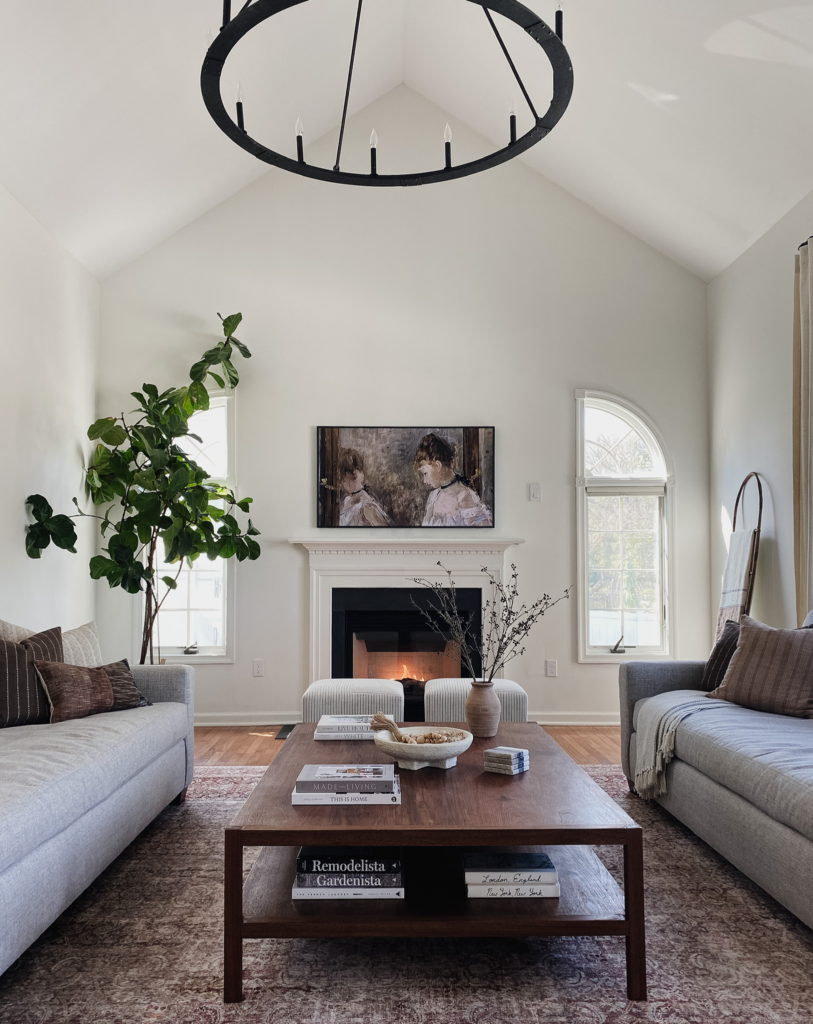
This is a popular and often recommended approach, especially for DIYers, because it simplifies cutting in. Painting the ceiling and walls the same color creates a continuous, unbroken line that visually expands the room. It blurs the distinction between wall and ceiling, making the space feel even larger and more cohesive. This works exceptionally well in smaller rooms with vaulted ceilings, preventing the angles from feeling too busy.
Contrasting Walls & Ceiling: Defining the Space
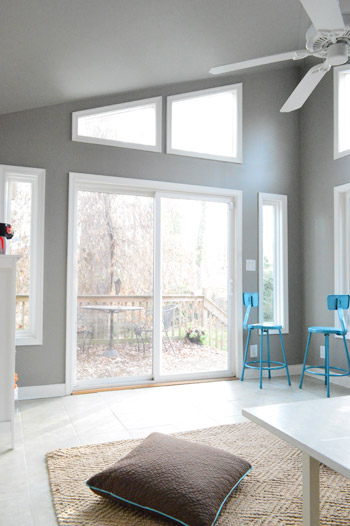
If you want to emphasize the architectural drama of your vaulted ceilings, a contrasting color can be stunning. This approach highlights the angles and defines the ceiling as a distinct feature. Be cautious with very dark ceiling colors, as they can sometimes make a room feel heavy or reduce the perceived height. A lighter color for the ceiling than the walls is a safer bet, or a bold color for the ceiling to really make a statement.
White or Light Ceiling: Maximizing Height and Brightness
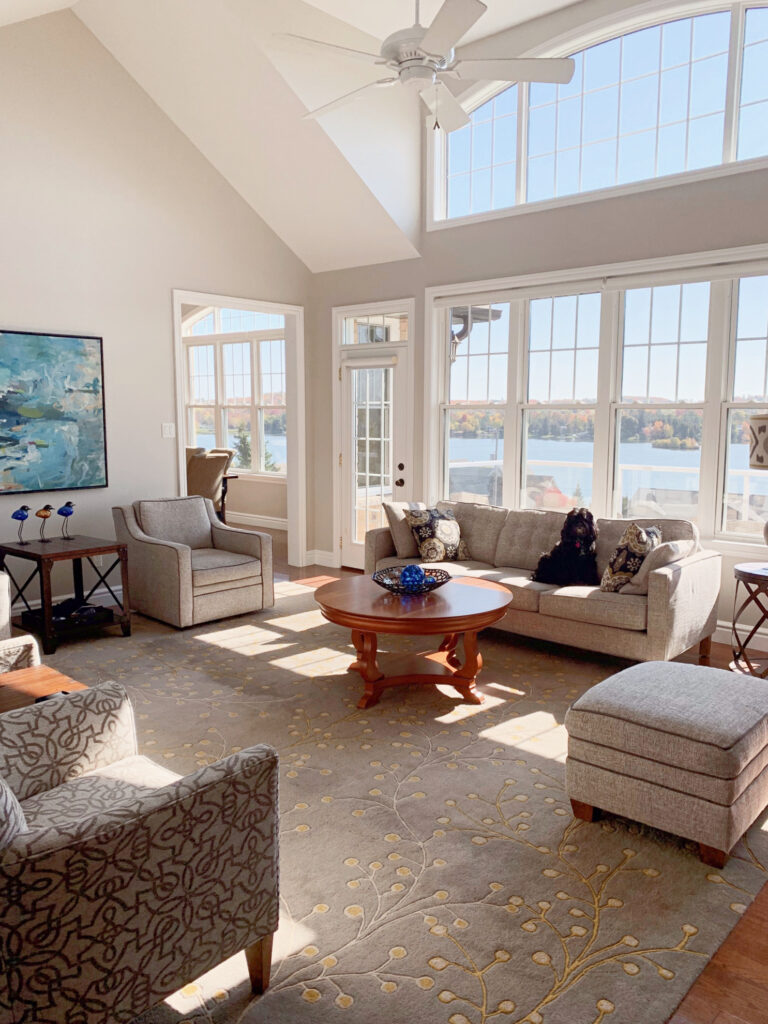
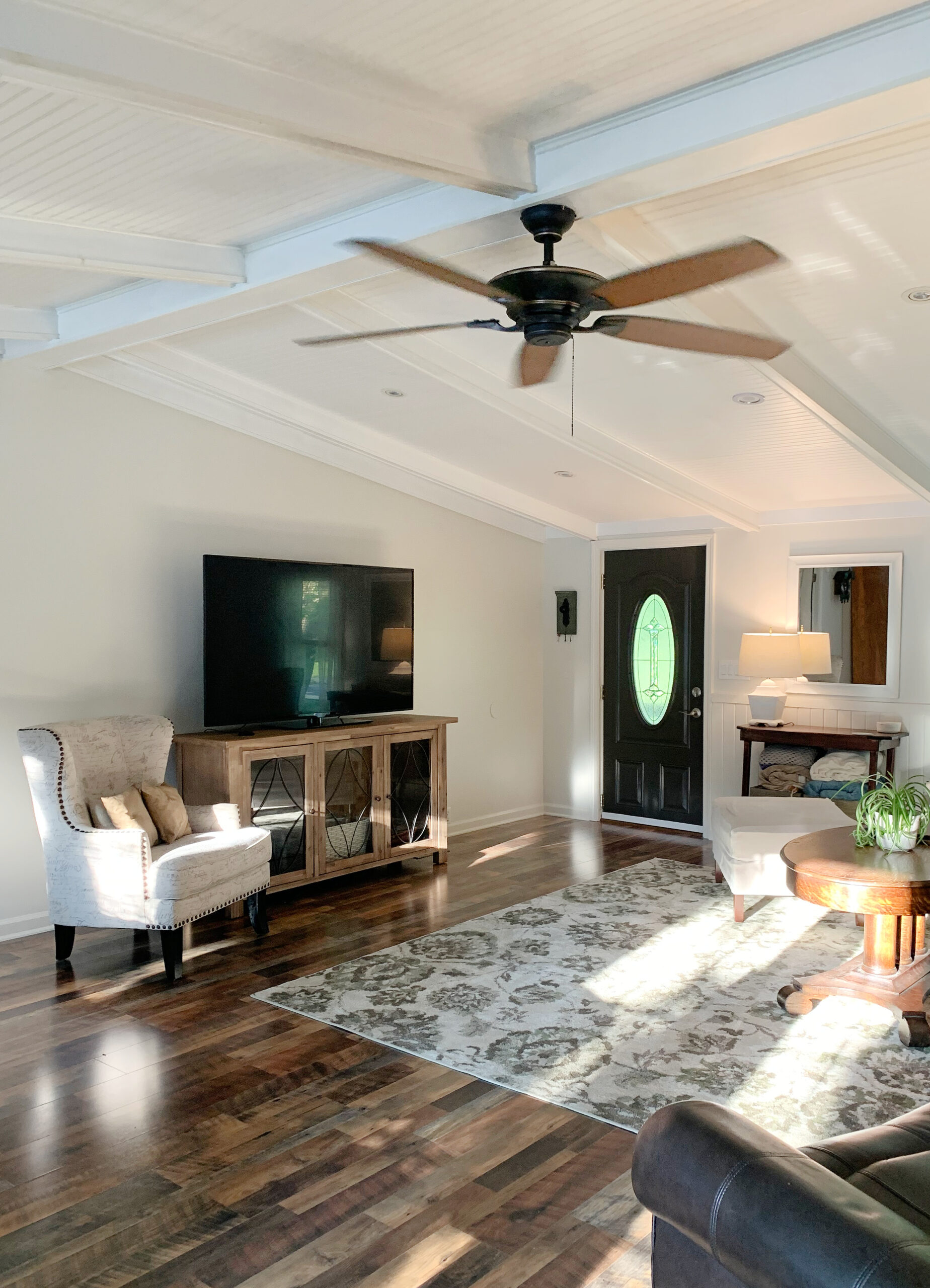
A classic choice for a reason. White or very light-neutral ceilings reflect light, making the room feel brighter and more expansive. This is particularly effective in rooms with limited natural light or where you want the focus to be on other design elements. It creates an airy, open feeling, emphasizing the verticality without drawing too much attention to the angles themselves.
Accent Walls on Angled Surfaces: A Bold Statement
For a truly unique look, consider an accent color on one of the angled ceiling planes or a specific architectural feature within the vault. This can draw the eye upwards and create a focal point. Just be sure the accent color complements the overall palette and doesn’t overwhelm the space. This requires careful planning and precise cutting in.
Sheen Selection: Flat, Eggshell, Satin – What Works Best?
The paint sheen dramatically affects how light interacts with your ceiling and how flaws are perceived.
| Sheen Type | Characteristics & Best Use for Vaulted Ceilings |
|---|---|
| Flat/Matte | Least reflective. Hides imperfections best. Standard choice for ceilings. Can be harder to clean. |
| Eggshell | Slight sheen, more durable and washable than flat. Good for low-traffic walls or if you want a subtle glow. |
| Satin | Moderate sheen, very durable and washable. Generally too shiny for ceilings as it highlights every imperfection. Better for trim or high-traffic walls. |
| Semi-Gloss/High-Gloss | Highly reflective. Extremely durable. Never recommended for large ceiling or wall areas as it magnifies every flaw. Reserved for trim, doors. |
For vaulted ceilings, flat or matte paint is almost always the best choice. Its non-reflective nature helps to camouflage any minor inconsistencies in the surface or application, which can be tricky with high, angled surfaces. If you absolutely need some washability, a very low-sheen eggshell might work, but test it first.
Tools & Materials: Your Vaulted Ceiling Painting Arsenal
Beyond the safety gear and ladders, having the right painting tools makes all the difference in ease of application and the quality of the finish.
Quality Paint: Why It Matters for High Ceilings
This is not the place to skimp. Higher quality paint offers:
- Better Coverage: Reduces the number of coats needed, saving you time and effort on a ladder.
- Less Splatter: Premium paints are formulated to be less prone to dripping and splattering, a huge advantage when painting overhead.
- Even Finish: Higher pigment load and better binders lead to a more uniform, streak-free finish, which is critical on large, well-lit surfaces.
- Specific Ceiling Paints: Many brands offer dedicated ‘ceiling paint‘ which is typically ultra-flat, very low-splatter, and designed to hide imperfections.
Brushes: Angled Sash for Cutting In
- 2.5-3 inch Angled Sash Brush: This is your workhorse for cutting in edges. The angled bristles allow for precise lines, and the size holds enough paint without being unwieldy.
- Extension Pole Brush Adapter: For cutting in those very high lines without being right up against the ceiling, an adapter that holds your brush to an extension pole is invaluable.
Rollers: Naps and Frames for High Coverage
- Roller Frame: A sturdy, comfortable 9-inch roller frame is standard. Consider a lightweight yet durable frame for less fatigue.
- Roller Naps (Covers):
- Smooth to Semi-Smooth Surfaces: Use a 3/8-inch nap for a smooth finish.
- Lightly Textured Surfaces: A 1/2-inch nap is versatile.
- Heavily Textured/Popcorn Ceilings: A 3/4-inch or 1-inch nap will get paint into all the crevices.
- Mini Rollers: For smaller, awkward sections, a 4-inch mini roller can be very handy.
Paint Pails, Guards, and Other Accessories
- Paint Pail with Handle: Much easier to carry up a ladder than a full gallon can. Look for one with a magnetic brush holder.
- Paint Tray & Liners: For roller use. Liners make cleanup a breeze.
- Edging Tool: While good brush technique is best, an edging tool can provide a straight line quickly, but be wary of paint seeping underneath.
- Wet Rag & Sponges: For immediate wipe-ups of drips or mistakes.
- Caulk Gun & Caulk: To fill any remaining gaps where walls meet trim or ceiling before painting.
Step-by-Step: Painting Your Vaulted Living Room Like a Pro
You’ve prepped, you’ve geared up. Now for the actual painting. Take your time, stay safe, and follow these steps.
Step 1: Secure Your Workspace & Gear
Before you even open a can of paint:
- Double-check all drop cloths and tape.
- Set up your ladder or scaffolding securely. Ensure all locks are engaged and it’s on a level, stable surface.
- Have your paint pail, brushes, roller, extension pole, and a wet rag within easy reach. Don’t carry too much up the ladder at once.
- Have your spotter (if you have one) ready.
Step 2: Cut In the Angles (Ceiling-to-Wall Junctions)
This is the most challenging part for vaulted ceilings, requiring precision. Start with the highest points.
- Load your angled sash brush with paint, tapping off excess.
- Carefully paint a 2-3 inch wide strip along all edges where the ceiling meets the wall or any trim. Work in small sections, repositioning your ladder safely.
- For very high sections, use your brush attached to an extension pole. Practice this on a lower wall first to get a feel for the control.
- Remember to ‘cut in’ a little wider than you think you need to, allowing your roller to overlap slightly without hitting the adjacent surface.
Step 3: Roll the Main Ceiling Areas
Once your cut-in lines are complete, you can tackle the large, flat (or angled) expanses.
- Attach your roller to the extension pole.
- Load your roller evenly in the paint tray, removing excess.
- Work in 3×3 or 4×4 foot sections. Start at one end of a ceiling plane and roll in a ‘W’ or ‘M’ pattern, then fill it in with straight, overlapping strokes.
- Maintain a ‘wet edge,’ always rolling into previously painted, still-wet paint. This prevents lap marks, which are especially noticeable on large ceiling surfaces.
- Apply even pressure. Too much pressure can cause streaks; too little won’t provide adequate coverage.
- Work your way down each angled plane of the ceiling, systematically covering all areas.
Step 4: Paint the Walls (If applicable)
If you’re painting both walls and ceiling, do the ceiling first. Once the ceiling has its first coat and is dry enough, proceed to the walls, cutting in along the ceiling line and then rolling the larger wall sections.
Step 5: Second Coats and Touch-Ups
Most paint jobs, especially over a color change or patch repairs, will require a second coat for a uniform, durable finish.
- Allow the first coat to dry completely according to the manufacturer’s recommendations (usually 2-4 hours).
- Inspect the ceiling for any missed spots, streaks, or areas needing more coverage.
- Apply the second coat following the same cutting-in and rolling procedure.
- Once the second coat is dry, gently remove painter’s tape while the paint is still slightly pliable for the cleanest lines. If it’s fully dry, score the edge with a utility knife to prevent paint from peeling with the tape.
- Perform any necessary touch-ups with a small brush.
Step 6: Clean Up & Enjoy
Clean your brushes, rollers, and tools immediately. Store leftover paint properly. Remove all drop cloths and coverings. Step back and admire your handiwork! You’ve successfully painted a vaulted ceiling!
Troubleshooting Common Vaulted Ceiling Painting Problems
Even with the best planning, issues can arise. Here’s how to tackle them.
Uneven Finishes & Flashing
What it is: Uneven sheen or color variation that appears blotchy, often called ‘flashing,’ usually due to inconsistent paint application, poor quality paint, or painting in extreme temperatures.
How to Fix:
- Apply another coat: Often, a third, carefully applied, even coat will solve the issue. Ensure you maintain a wet edge and don’t overwork the paint.
- Use a dedicated ceiling paint: These are formulated to be ultra-flat and provide a very uniform finish, minimizing flashing.
- Prime properly: Especially over patched areas, a good quality primer creates a uniform surface for the topcoat.
- Consistent technique: Ensure even pressure with your roller and uniform paint thickness.
Paint Drips & Splatter Management
What it is: Paint dripping onto floors, furniture, or running down the walls.
How to Fix/Prevent:
- Scrape/wipe immediately: For wet drips, wipe them up quickly with a wet rag. For dried drips on non-painted surfaces, a plastic scraper can gently lift them.
- Don’t overload your brush/roller: A common cause of drips. Tap off excess paint.
- Use quality, low-splatter paint: This is your best defense.
- Proper drop cloth coverage: Essential for protecting everything below.
Reaching Awkward Corners
What it is: Difficult-to-reach areas where different ceiling planes meet, or where the ceiling meets a wall at a sharp angle.
How to Fix:
- Extension pole with brush adapter: Practice controlling this on lower surfaces first.
- Mini rollers: For smaller, tighter areas that a large roller can’t access.
- Step back and assess: Sometimes, a slightly different ladder position or approach can provide the angle you need. Don’t force an uncomfortable position.
Cost Breakdown: DIY vs. Professional Painting Vaulted Ceilings
The cost savings are often the biggest draw for DIY. Here’s a realistic comparison.
| Cost Factor | DIY Project (Estimated) | Professional Service (Estimated) |
|---|---|---|
| Paint (2-3 coats, premium quality) | $200 – $600+ (depending on room size/paint brand) | Included in total bid, often at a contractor rate. |
| Primer | $30 – $100 | Included. |
| Brushes, Rollers, Trays, Tape | $50 – $150 | Included. |
| Drop Cloths, Plastic Sheeting | $30 – $100 | Included. |
| Ladder/Scaffolding Rental (if needed) | $50 – $300 (per project/week) | Professional owns/includes equipment. |
| Safety Gear (glasses, respirator, harness) | $20 – $100 | Professional provides. |
| TOTAL DIY ESTIMATE | $380 – $1350+ | $1500 – $4500+ (depending on location, complexity, size) |
As you can see, the savings are substantial, often 50-75% off professional rates. However, this doesn’t factor in your time, the physical effort, or the peace of mind a professional can provide. Weigh these factors carefully when making your decision.
Conclusion: Embrace the Height, Transform Your Home
Painting a living room with vaulted ceilings is a big project, no doubt about it. It demands respect for safety, meticulous preparation, and a methodical approach. But with the right tools, a clear strategy, and a healthy dose of patience, you absolutely can achieve stunning results.
You’ll not only save a significant amount of money but gain an immense sense of satisfaction from transforming your own space. So, take a deep breath, review these steps, and get ready to elevate your living room to new, beautiful heights. Your vaulted ceilings are about to get the vibrant, fresh look they deserve!
Frequently Asked Questions
Should I paint vaulted ceilings the same color as the walls?
Painting vaulted ceilings the same color as the walls creates a seamless, expansive look, making the room feel larger and more cohesive. It’s also often easier for DIYers as it simplifies the cutting-in process. However, you can also use contrasting colors to highlight architectural features, or white/light colors to maximize brightness.
What is the best type of ladder for painting high vaulted ceilings?
For most vaulted ceilings (up to 15 feet), a sturdy extension ladder or a multi-position ladder is essential. For higher ceilings or larger areas, renting scaffolding is often safer and more efficient, providing a stable platform to work from. Always ensure your ladder is rated for your weight and set up correctly.
Do I need special paint for vaulted ceilings?
While not strictly ‘special,’ using high-quality, dedicated ceiling paint is highly recommended. These paints are often ultra-flat, formulated for low splatter, and designed to hide imperfections and provide a uniform finish, which is crucial for large, overhead surfaces. Premium general interior paints with a flat or matte sheen also work well.
How do I prevent paint drips and splatters on vaulted ceilings?
To prevent drips and splatters, use a high-quality, low-splatter paint, avoid overloading your brush or roller, and use an extension pole to maintain better control. Always have ample drop cloths and painter’s tape to protect your floors and furniture, and a wet rag handy for immediate wipe-ups.
What’s the hardest part about painting vaulted ceilings DIY?
The hardest part is often the safety aspect and maintaining stability while working at height, especially when cutting in precise lines at awkward angles. Fatigue from constantly repositioning ladders and the physical strain of painting overhead also pose significant challenges. Patience and proper equipment are key.
How long does it typically take to paint a living room with vaulted ceilings?
For a DIY project, painting a living room with vaulted ceilings can take anywhere from 3 to 7 full days, depending on the room size, ceiling height, complexity of angles, necessary prep work (patching, priming), and the number of paint coats. This includes setup, painting time, and cleanup.
When should I hire a professional for painting vaulted ceilings?
You should seriously consider hiring a professional if your ceiling height exceeds 15-20 feet, requiring extensive scaffolding; if the angles are unusually complex; if you’re uncomfortable or unable to work at significant heights safely; or if you need guaranteed results without the personal time and physical demands of DIY.