The Definitive Guide to Choosing Paint Colors for Your Living Room with Brown Furniture
Staring at your beautiful brown sofa or heirloom wooden coffee table, wondering which paint color will truly make your living room sing? You’re not alone. Brown furniture, while classic and grounding, can feel tricky to pair. Get it wrong, and your room can feel dark, dated, or just… blah. Get it right, and you unlock a sophisticated, inviting space that feels both timeless and perfectly tailored to you.
I’m here to tell you that brown furniture isn’t a limitation; it’s an incredible foundation. From rich chocolate sectionals to warm oak sideboards, brown brings an inherent sense of warmth and stability. The secret? Understanding how to leverage its depth and undertones with the right wall color. This isn’t just about picking a pretty shade; it’s about creating a harmonious, balanced, and aesthetically pleasing environment.
Forget the endless scrolling and conflicting advice. This guide will arm you with the principles, palettes, and practical steps you need to confidently choose the perfect paint color, transforming your brown-furnished living room into your favorite space.
Stop Guessing: The Core Principles of Pairing Paint with Brown Furniture
Before we dive into specific color recommendations, let’s establish some foundational truths. These principles are your secret weapon, helping you understand *why certain pairings work and empowering you to make informed decisions for your unique space.
Understanding Brown’s Undertones: Your First Step
This is arguably the most crucial concept. Brown isn’t just “brown.” It has hidden undertones that dictate which paint colors will truly harmonize with it. Just like skin tones, brown furniture can lean warm or cool:
- Warm Browns: Think rich chocolate, mahogany, cherry, and reddish-toned woods. These browns often have red, orange, or yellow undertones. They feel cozy, inviting, and traditional.
- Cool Browns: These include espresso, dark walnut, some greyer-toned oaks, and certain leathers. Their undertones might be grey, green, or even a subtle purple. They tend to feel more modern, sophisticated, and sometimes a bit more stark.
Pro Tip: Place a white piece of paper next to your brown furniture. Do you see hints of red, orange, or yellow? That’s a warm brown. Do you see grey, green, or even a hint of purple? That’s a cool brown. Identifying this undertone is your first and most powerful step.
The Power of Contrast: Light, Medium, and Dark
Contrast is essential for creating visual interest and preventing a room from feeling flat or heavy. When working with brown furniture, consider its depth:
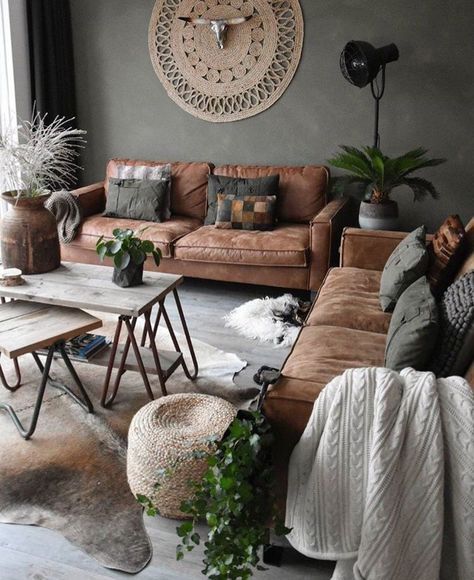
- Dark Brown Furniture: Think chocolate sofas or very dark wood tables. These pieces provide significant visual weight. To balance this, you often want lighter wall colors to create contrast and keep the room from feeling too cavernous. However, strategic dark walls can create dramatic, moody elegance.
- Medium Brown Furniture: Walnut, pecan, or medium-toned leather. These are the most versatile. You can go lighter or darker with your walls, depending on the mood you want to achieve.
- Light Brown Furniture: Oak, light wood tones, or very light tan fabrics. These pieces are less visually demanding. You have more freedom to experiment with bolder wall colors or maintain an airy, neutral palette.
Harmony vs. Pop: What’s Your Vibe?
Before picking a swatch, decide on the overall mood you want to create:
- Harmonious & Serene: If you want a calm, cohesive space, choose paint colors that share similar undertones with your brown furniture or are directly adjacent on the color wheel (e.g., warm brown with warm beige).
- Vibrant & Popping: If you want your brown furniture to stand out, opt for complementary colors (opposites on the color wheel) or colors that provide a strong contrast in value (light walls with dark furniture).
Considering Room Size & Natural Light
These practical elements drastically influence how a paint color will appear and feel:
- Small Rooms: Lighter paint colors tend to expand a small space, making it feel more open and airy.
- Large Rooms: You have more freedom here. Lighter colors will keep it feeling expansive, while darker, richer tones can make a large room feel cozier and more intimate.
- Abundant Natural Light: Rooms with lots of sun can handle deeper, cooler tones without feeling gloomy. Warm colors might appear even warmer.
- Limited Natural Light: Stick to lighter, brighter colors to prevent the room from feeling dim. Be cautious with cool greys, as they can sometimes appear flat or cold in low light.
Your Brown Furniture’s Perfect Match: Color Palettes by Shade
Now, let’s get specific. I’ll break down common brown furniture types and suggest specific paint color categories that beautifully complement them. Remember to always consider the undertones we just discussed!
Dark Chocolate & Espresso Brown Furniture: Dramatic Depth
Think deep, rich, often cool-toned brown sofas, armchairs, or coffee tables. These pieces are substantial and command attention. The goal is to either lighten the space or lean into its dramatic potential.
- Crisp & Creamy Whites: A classic choice that never fails. Whites with a touch of warmth (think ivory, off-white, or a very light greige) will soften the starkness of dark brown and create a fresh, clean contrast. Avoid sterile, blue-tinged whites unless you’re going for a very stark modern look.
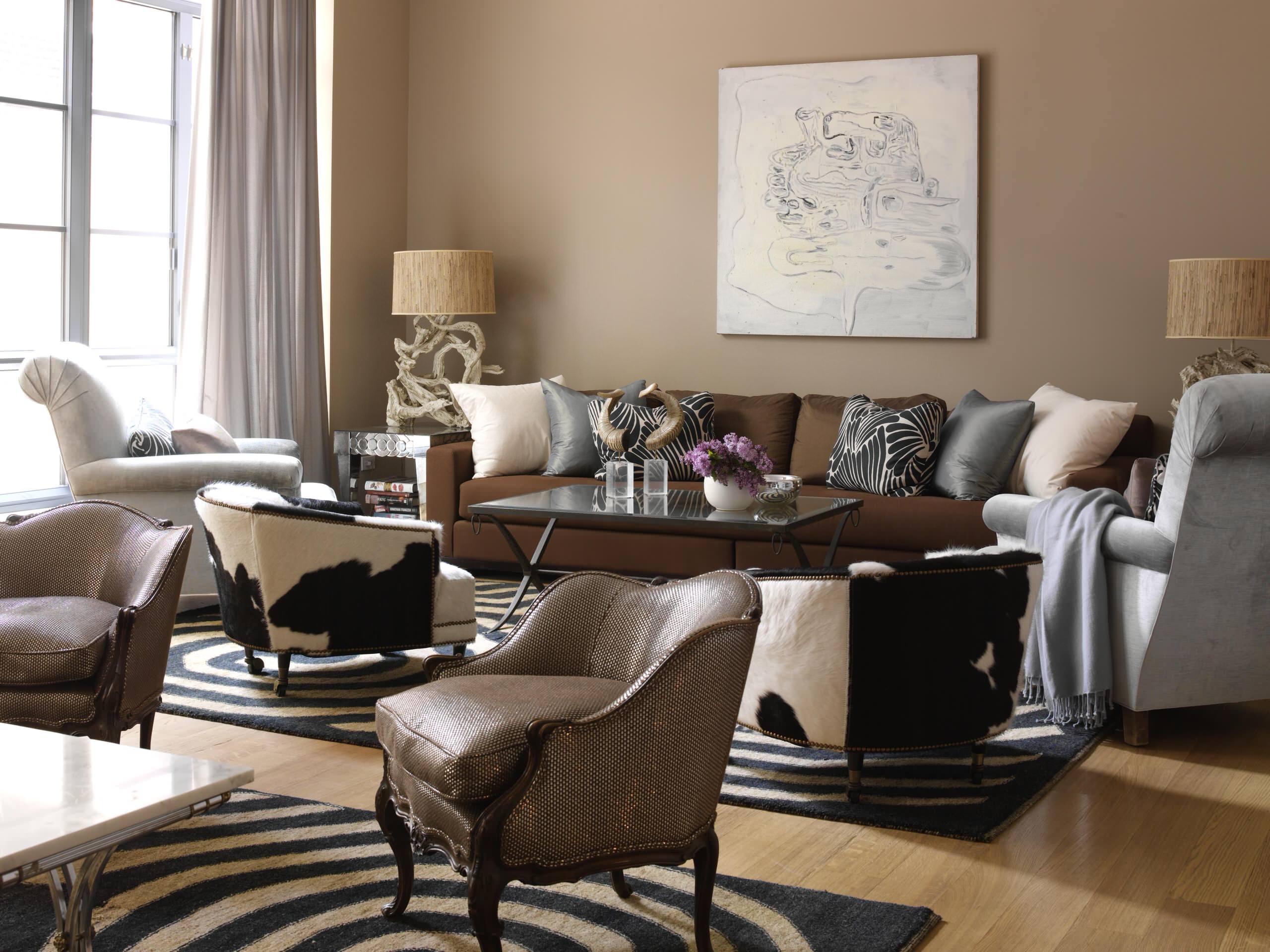
- Soft Greys & Greiges: Look for greys with subtle warm undertones (greige) or cool greys that complement the furniture’s cool tones. These provide a sophisticated, contemporary backdrop without being too jarring. They let the furniture be the star.
- Muted Blues & Greens: Sage green, dusty blue, or even a soft sky blue can create a serene, natural pairing. Greens, especially, are harmonious with brown (think earth and trees). These colors provide a gentle contrast that feels relaxing.
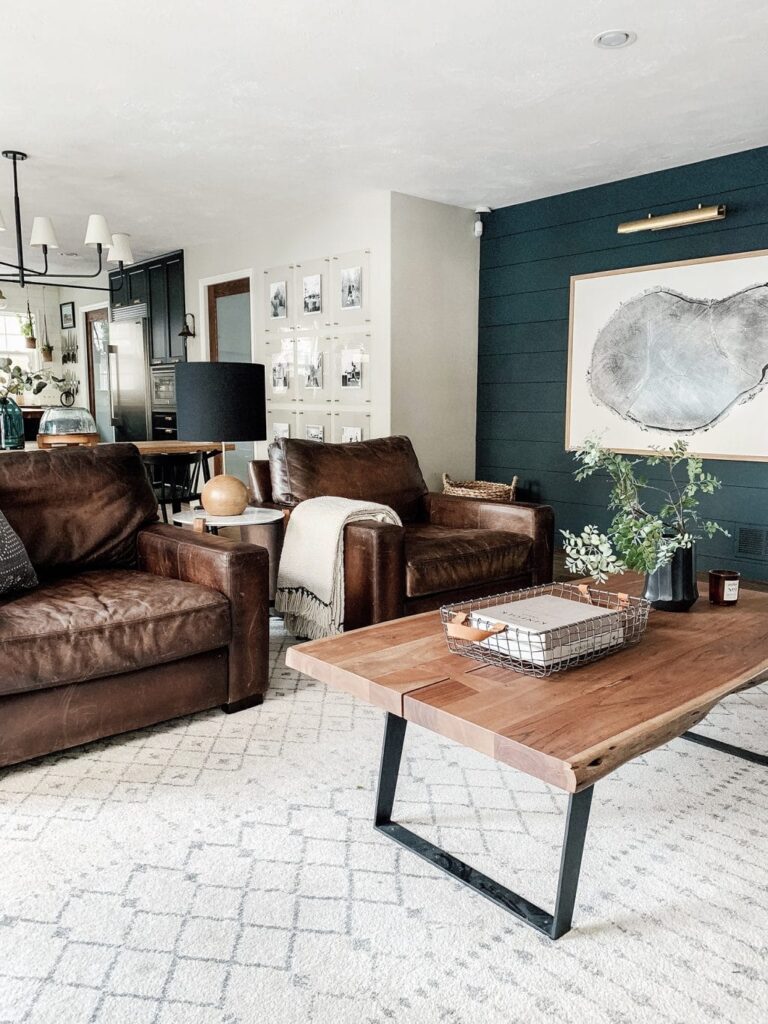
- Deep Teal or Navy (Accent Wall): For a bold, luxurious statement, consider a deep teal or navy blue accent wall. These jewel tones provide a rich, sophisticated contrast that truly makes dark brown pop, especially if the brown has warm undertones.
Medium Walnut & Pecan Brown Furniture: Versatile Warmth
This category often includes furniture with warm, inviting undertones. Walnut and pecan woods are incredibly popular for their natural beauty and adaptability. You have a lot of flexibility here.

- Warm Neutrals (Beiges & Tans): Lean into the warmth! Creamy beiges, soft tans, and even slightly deeper oat shades will create a cozy, monochromatic, and welcoming atmosphere. This is a safe and satisfying choice that never feels dated.
- Earthy Greens: From muted olive to a more vibrant moss, earthy greens are a natural fit for warm brown furniture. They evoke nature and create a calming, organic feel.
- Soft Blues: A medium blue, perhaps with a hint of grey, can provide a beautiful, sophisticated contrast. It cools down the warmth of the brown slightly, creating balance. Think of the sky against a tree trunk.
- Greige with Warm Undertones: A true greige (grey + beige) offers the best of both worlds, providing a contemporary feel while still embracing the warmth of your furniture.
Light Oak & Ash Brown Furniture: Airy & Modern
Light brown furniture often has a more contemporary, minimalist, or Scandinavian feel. It’s less visually heavy, allowing you to play with more vibrant or contrasting colors without overwhelming the space.
- Crisp Whites & Off-Whites: To maintain an airy, modern aesthetic, bright whites or very subtle off-whites are perfect. They enhance the lightness of the furniture and create a clean backdrop.
- Soft Pastels: Think pale blush pink, light mint green, or a serene lavender. These gentle colors add a touch of personality and softness without competing with the furniture. They’re great for a playful yet sophisticated vibe.
- Light Greys (Cool or Warm): Depending on the undertone of your light brown furniture (oak can lean warm or cool), a light grey can provide a sleek, contemporary contrast. A cool grey will emphasize modernity, while a warm grey adds a subtle coziness.
- Muted Blues: A very light, muted blue or even a subtle blue-grey can create a tranquil, coastal, or minimalist feel that complements light wood tones beautifully.
Reddish Cherry & Mahogany Brown Furniture: Rich & Inviting
Furniture with strong red or orange undertones brings a sense of traditional elegance and warmth. The trick is to either lean into that warmth or balance it with cool tones.
- Sage Green: This is a match made in heaven! Sage green is a direct complement to red/orange on the color wheel, creating a balanced and sophisticated contrast that feels natural and earthy.
- Pale Yellow or Golden Hues: If you want to enhance the warmth and create a sunny, inviting atmosphere, a soft, buttery yellow or a muted gold can be stunning. Just be careful not to choose anything too vibrant, which could clash.
- Muted Teal or Aqua: Similar to sage, these blue-green tones are excellent complements to red undertones. They create a vibrant yet harmonious contrast that feels rich and luxurious.
- Greige (Warm): A greige with distinct warm undertones (leaning more beige than grey) can provide a sophisticated neutral backdrop that harmonizes with the reddish hues without being too matchy-matchy.
Beyond Basic Beige: Trend-Forward Paint Colors to Try
While classic neutrals are always a safe bet, current trends offer exciting ways to refresh your living room with brown furniture. Here are some elevated options:
The Timeless Neutrals: Elevated Whites, Greys, and Greiges
- “Warm Whites”: Move beyond stark white. Think about whites with subtle beige, cream, or even a touch of blush undertone. These feel sophisticated, not sterile, and provide a soft, inviting backdrop.
- “Mushroom Greys”: A beautiful blend of grey, brown, and sometimes a hint of purple. These complex greys are incredibly rich and can make brown furniture feel utterly luxurious.
- “Lived-In Greiges”: Greiges that aren’t too cool or too warm, but perfectly balanced. They offer modernity without sacrificing comfort.
Embracing Earth Tones: Sage, Terracotta, and Dusty Blues
- “Deep Sage Greens”: More saturated than a light sage, these greens feel grounding and natural. They pair exceptionally well with warm brown furniture.
- “Muted Terracotta & Rust”: For brown furniture with cool undertones (or even warm for a monochromatic feel), a subtle terracotta or dusty rust can create a bohemian or desert-modern vibe. Use sparingly or on an accent wall for impact.
- “Dusty Blues & Greens”: Not bright primary colors, but softened, sophisticated versions. These calming hues create a serene and balanced environment, especially effective with medium to dark brown furniture.
Bold & Beautiful: Navy, Deep Teal, and Muted Jewel Tones
- “Inky Navy”: A deep, rich navy can make a profound statement, especially when paired with warm, lighter-toned brown furniture or as a dramatic backdrop for dark brown. It feels grand and sophisticated.
- “Rich Teal”: Teal is a fantastic complementary color to many brown undertones. It adds a vibrant yet refined pop, making brown furniture look even more luxurious.
- “Deep Olive”: A sophisticated, earthy alternative to brighter greens, deep olive works incredibly well with most brown furniture, creating a cozy, moody, and natural aesthetic.
The Step-by-Step Process to Nail Your Paint Choice
Theory is great, but execution is key. Follow these steps to ensure you pick a color you’ll love for years.
Step 1: Analyze Your Furniture’s Specific Shade & Undertone
I know I’ve stressed this, but it’s that important. Really look at your brown furniture in different lights throughout the day. Is it more reddish? More yellowish? Does it have a hint of grey? This initial assessment will narrow down your options significantly.
Step 2: Define Your Desired Mood & Style
Do you want the room to feel:
- Cozy & Traditional? (Think warmer neutrals, deeper greens)
- Modern & Minimalist? (Crisp whites, cool greys, light blues)
- Dramatic & Luxurious? (Deep jewel tones, rich greys)
- Light & Airy? (Soft whites, pastels)
Having a clear vision helps filter out unsuitable colors.
Step 3: Gather Samples (Crucial!)
Do NOT skip this step. Paint colors look drastically different on a tiny swatch compared to a large wall in your specific lighting. Get at least 3-5 sample pots of your top contenders.
Step 4: Test, Observe, and Decide in Your Space
Paint large swatches (at least 2’x2′) directly onto your walls, next to your brown furniture. If you can, paint them on a poster board that you can move around. Observe them at different times of day – morning, noon, evening, and with artificial light. Pay attention to:
- How the color interacts with your brown furniture.
- How it changes with natural and artificial light.
- How it makes you feel* when you enter the room.
Live with the samples for a few days. This is the only way to truly understand how a color will perform in your home.
Design Styles & Brown Furniture: Tailoring Your Palette
Brown furniture is incredibly versatile, fitting into almost any design aesthetic. Here’s how to tailor your paint choices to specific styles:
Modern & Contemporary
If your brown furniture has clean lines, minimal embellishment, and perhaps a cooler undertone (like dark walnut or espresso), lean into crisp, understated paint colors. Think pure whites, cool greys, charcoal, or even a sophisticated black accent wall. Keep the palette simple, allowing the forms of the furniture to shine. Pops of vibrant color can come from art or accessories, not necessarily the walls.
Rustic & Farmhouse
Often featuring distressed wood, chunky textures, and warmer browns (like reclaimed wood or medium oak), farmhouse style thrives on inviting, natural tones. Ideal paint choices include creamy whites, soft beiges, sage green, light blue-grey, or even a warm greige. These colors enhance the cozy, lived-in feel without being overly rustic.
Traditional & Classic
Elegant, often ornate brown furniture (think mahogany, cherry, or dark leather) pairs beautifully with rich, timeless paint colors. Consider deep creams, warm beiges, muted golds, traditional sage green, deep dusty blue, or even a sophisticated muted red/terracotta for a truly opulent feel. These colors complement the gravitas of traditional pieces.
Eclectic & Bohemian
Brown furniture in an eclectic setting often serves as a grounding element amidst a mix of patterns, textures, and global finds. You have immense freedom here! Consider muted jewel tones (teal, emerald, mustard), warm terracotta, deep purples, or even a bold, unexpected neutral like a rich olive green. The key is balance—let the brown anchor the space while the walls add personality and depth.
Common Mistakes to Avoid When Pairing Paint with Brown Furniture
Steering clear of these common pitfalls will save you time, money, and potential frustration.
Ignoring Undertones
This is the mistake. Painting warm brown furniture with a cool-toned grey (or vice versa) can make both the furniture and the walls look “off” or muddy. Always ensure your chosen paint color’s undertones either match, complement, or intentionally contrast with your brown furniture’s undertones.
Overlooking Lighting
A color you love in a brightly lit showroom can look entirely different in your living room, especially if it has limited natural light. Always test samples in your actual space and observe them throughout the day.
Skipping Samples
Seriously, don’t do it. A tiny paint chip is not enough. Spend the money on sample pots; it’s far cheaper than repainting an entire room.
Too Much Monotony
While harmony is good, an entire room of mid-tone brown and mid-tone beige can feel flat and uninspired. Introduce contrast through different values (light walls with dark furniture) or subtle complementary colors to create visual interest.
Forgetting the Fifth Wall (Ceiling)
The ceiling is often overlooked. While usually white, painting it a very light tint of your wall color or a soft cream can make the room feel taller and more cohesive, especially with brown furniture that adds visual weight.
Expert Tip: Don’t Forget the Accents!
Even with the perfect wall color, the final magic happens with your accents. Pillows, throws, rugs, curtains, and artwork are crucial for pulling the room together. Use these elements to introduce secondary colors that enhance your chosen paint and brown furniture. Think about textures too – plush velvet, linen, woven fabrics – they add depth and comfort, making your room truly feel complete.
Your Ultimate Brown Furniture & Paint Pairing Guide
To help you visualize and solidify your choices, here’s a comprehensive table summarizing popular brown furniture types and their ideal paint pairings, along with the mood they create.
| Brown Furniture Shade & Type | Dominant Undertone | Best Paint Color Categories | Why It Works / Design Mood |
|---|---|---|---|
| Dark Chocolate / Espresso (e.g., leather sofa, dark wood cabinet) | Cool (Grey, Green, sometimes Reddish) | Crisp Off-Whites, Light Greiges, Muted Blues, Sage Green, Deep Teal/Navy (accent) | Creates elegant contrast, prevents gloom. Sophisticated, modern, sometimes dramatic. |
| Medium Walnut / Pecan (e.g., wood table, medium brown fabric) | Warm (Yellow, Orange, Red) | Warm Beiges, Creamy Whites, Earthy Greens (Olive, Moss), Soft Blues, Warm Greiges | Enhances natural warmth, versatile for many styles. Cozy, inviting, balanced. |
| Light Oak / Ash Wood (e.g., modern Scandinavian furniture) | Neutral to Cool (Subtle Grey, Yellow) | Clean Whites, Light Greys, Soft Pastels (Blush, Mint), Muted Light Blues | Maintains airy, minimalist feel. Fresh, serene, contemporary. |
| Reddish Cherry / Mahogany (e.g., traditional dining set, antique desk) | Warm (Strong Red, Orange) | Sage Green, Muted Teal/Aqua, Pale Golden Yellow, Warm Greige, Deep Cream | Complements red tones, creates balance or enhances richness. Rich, elegant, sophisticated. |
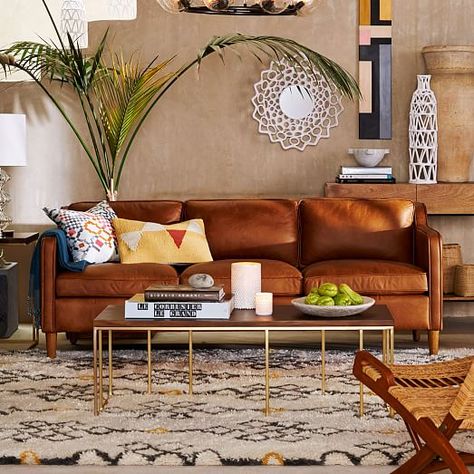
| Camel / Tan Leather (e.g., mid-century modern sofa) | Warm (Orange, Yellow) | Warm Whites, Cream, Olive Green, Deep Navy, Burnt Orange (accent) | Highlights natural warmth, allows for bold accents. Stylish, retro-chic, inviting. |
Choosing the perfect paint color for your living room with brown furniture is less about following rigid rules and more about understanding how colors interact. By identifying your furniture’s undertones, considering your desired mood, and diligently testing samples, you’re well on your way to creating a living room that feels cohesive, stylish, and uniquely yours. Go ahead, transform your space with confidence!