Mastering Your Masterpiece: The Definitive Guide to Bedroom Paint Ideas with Dark Brown Furniture
So, you’ve got stunning dark brown furniture in your bedroom – maybe a grand sleigh bed, a rich dresser, or elegant nightstands. It’s a classic, timeless choice that exudes warmth and sophistication. But here’s the rub: choosing the perfect paint color to complement it can feel like walking a tightrope. Too dark, and your room feels like a cave. Too light, and the furniture might dominate, losing its sophisticated edge.
Don’t sweat it. You’re not alone in this design dilemma. I’ve been there, and I’m here to tell you that pairing paint with dark brown furniture isn’t just possible, it’s an opportunity to create a truly luxurious and inviting sanctuary. This guide will cut through the noise, offering clear, actionable insights to help you transform your bedroom from a question mark to a definitive statement.
The Foundation: Understanding Dark Brown Furniture
Before we dive into color swatches, let’s appreciate what you’re working with. Dark brown furniture isn’t just ‘brown.’ It carries a significant visual weight and often has distinct undertones that influence how it interacts with other colors.
- Richness & Depth: Whether it’s espresso, mahogany, dark walnut, or ebony-stained wood, dark brown furniture absorbs light and grounds a space. This is its power and its challenge.
- Undertones Matter: Look closely at your furniture in natural light. Does it lean red (like cherry or mahogany)? Grey (like some reclaimed woods)? Or is it a true, deep neutral brown? These subtle undertones will guide your paint choices.
- Goal: Balance, Not Battle: Your aim isn’t to make the furniture disappear, but to create a harmonious backdrop that allows its beauty to shine without overwhelming the room.
The Golden Rules: Pairing Paint with Dark Brown Furniture
Consider these principles your compass as you navigate the world of paint colors.
Rule 1: Contrast is King (But Not Always)
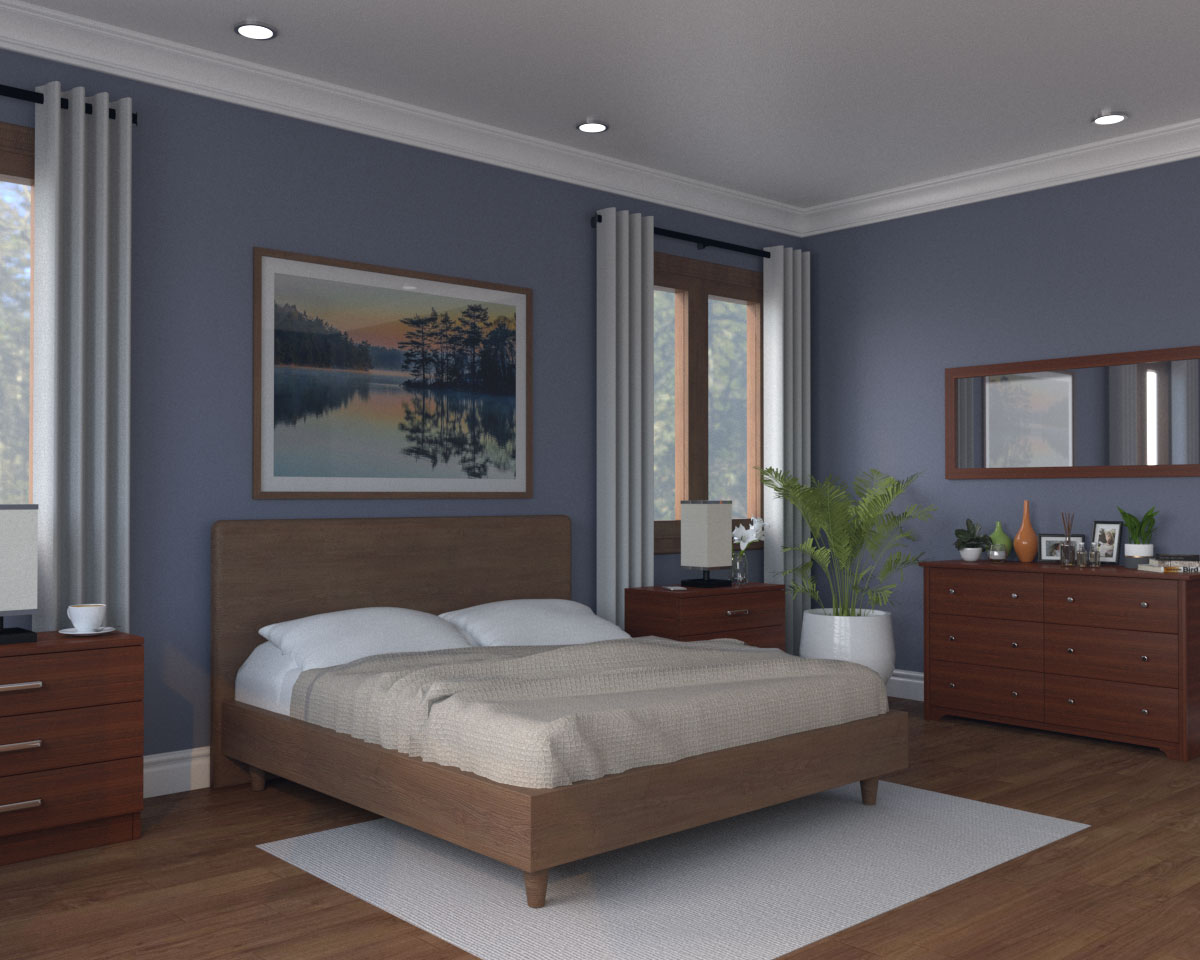
Often, the most impactful pairings involve contrast. Light paint colors provide a crisp backdrop that makes dark furniture pop, preventing the room from feeling heavy. However, a bold, dark paint can also create a luxurious, moody vibe, especially in larger rooms or on an accent wall. The key is thoughtful application.
Rule 2: Consider Your Room’s Light & Size
This is non-negotiable. A small bedroom with limited natural light painted in a very dark color (even with dark furniture) can feel claustrophobic. Conversely, a large, sun-drenched room can handle deeper hues with ease. Always test swatches on multiple walls and observe them throughout the day.
Rule 3: Define Your Desired Mood
What feeling do you want your bedroom to evoke? Calm and serene? Cozy and inviting? Bold and dramatic? Your paint color is the primary driver of this mood.
Rule 4: Think Beyond the Walls (Accents!)
The paint is just one layer. Remember to factor in your bedding, curtains, rugs, and decorative accents. These elements play a crucial role in tying the room together and can introduce complementary or contrasting colors and textures.
Paint Color Palettes That Shine with Dark Brown Furniture
Let’s explore the best categories and specific shades that will elevate your dark brown furniture.
The Sophisticated Neutrals: Timeless Elegance
Neutrals are your safest bet, but ‘safe’ doesn’t mean boring. The right neutral can be incredibly chic, allowing the rich tones of your furniture to be the star.
- Crisp Whites & Off-Whites: A classic pairing. Think bright white for a modern, airy feel, or a warm off-white (with cream or yellow undertones) to soften the contrast and add a cozy touch. Whites make dark furniture stand out beautifully.
- Light Greys: From cool, silvery greys to warmer greiges (grey + beige), these offer a contemporary backdrop. A light grey can mute the intensity of dark brown, creating a sophisticated and understated look. Ensure your grey doesn’t clash with any cool undertones in your brown furniture.
- Taupes & Greiges: These chameleon colors blend grey and beige, offering warmth without going fully beige. They create a soft, inviting atmosphere that pairs beautifully with almost any shade of dark brown, making the room feel grounded and natural.
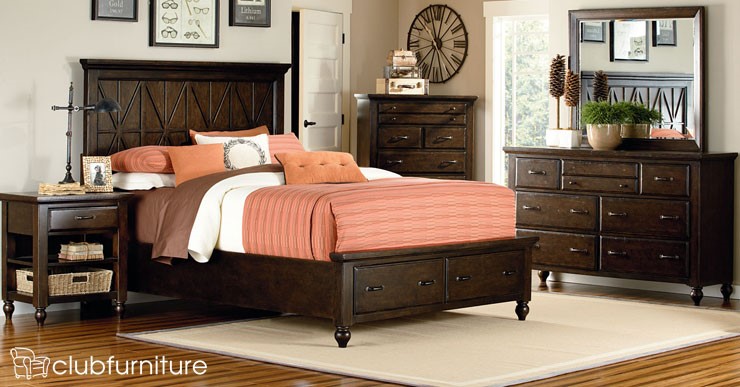
- Warm Beige & Cream: For a truly cozy and inviting space, warm beiges and creamy off-whites are excellent. They bring out the warmth in dark brown wood, creating a traditional or rustic feel. Be cautious not to choose a beige that’s too yellow or too close in value to your furniture, as it can make the room look dated.
The Serene Cool Tones: Calm & Inviting
Cool colors are perfect for creating a tranquil retreat. They offer a refreshing contrast to the warmth of dark brown wood.
- Soft Blues: From dusty blues to spa-like aquas, these colors evoke peace and relaxation. Light to medium blues create a beautiful, calming contrast with dark brown, making the room feel open and airy. Think sky blue, periwinkle, or a muted cadet blue.
- Muted Greens: Sage green, moss green, or a soft olive can bring the outdoors in, creating a natural, grounding effect. Greens are incredibly versatile and pair well with the organic feel of wood, adding a touch of sophisticated calm.
- Lavender & Lilac: For a touch of whimsy and elegance, soft purples like lavender or lilac can be surprisingly effective. They create a serene, romantic atmosphere and beautifully complement the richness of dark brown without being overwhelming.
The Earthy Warm Tones: Cozy & Grounding
If you’re aiming for a snug, enveloping feel, warm earth tones can create a harmonious and inviting space with dark brown furniture.

- Terracotta & Rust: These rich, natural hues can create a bohemian or Southwestern-inspired look. They are warm and inviting, pairing well with the earthy quality of dark brown wood, especially if your furniture has reddish undertones.
- Deep Mustard & Ochre: A surprising pairing, but deep yellows can bring out the golden undertones in certain dark woods, creating a vibrant yet cozy ambiance. Use these sparingly, perhaps on an accent wall, or in a room with abundant natural light.
- Warm Caramel & Toffee: While potentially too close to the furniture color for walls, these shades can be stunning as accents. However, a very light, desaturated caramel could work on walls for an enveloping, monochromatic feel, especially when broken up with lighter textiles.
The Bold & Dramatic: Making a Statement
Don’t shy away from drama if your room (and personality) can handle it. Darker, bolder colors can create incredibly sophisticated and luxurious bedrooms.
- Deep Navy Blue: A classic power duo. Navy blue walls with dark brown furniture create a sophisticated, masculine, or coastal-inspired look. The coolness of the blue provides a strong contrast to the warmth of the brown, making both stand out.
- Charcoal Grey: For a truly modern and dramatic feel, charcoal grey is exceptional. It’s chic, urban, and allows the clean lines of dark brown furniture to take center stage. Pair with crisp white linens and metallic accents for maximum impact.
- Forest Green & Hunter Green: These deep, jewel-toned greens create a rich, enveloping atmosphere. They evoke a sense of nature and luxury, making a striking statement when paired with dark brown wood.
- Black (Accent Wall): While not for every wall, a matte black accent wall behind a dark brown headboard can be incredibly dramatic and chic. It creates depth and allows lighter elements in the room to truly pop.
Side-by-Side: The Best Paint Colors for Dark Brown Furniture
Here’s a quick reference guide to help you visualize the possibilities:
| Color Family | Effect with Dark Brown Furniture | Ideal Mood/Room Type | Pro Tip |
|---|---|---|---|
| Crisp Whites / Off-Whites | High contrast, airy, clean, modern backdrop. | Small rooms, modern aesthetics, minimalist. | Use warm whites (cream/yellow undertone) for less starkness, especially in bedrooms. |
| Light Greys / Greiges | Contemporary, sophisticated, softer contrast than white. | Modern, transitional, spaces needing a subtle cool touch. | Test greiges carefully; ensure undertones complement your furniture, not clash. |
| Soft Blues / Greens | Calming, serene, refreshing contrast. | Relaxing retreats, coastal, natural, spa-like bedrooms. | Opt for muted, desaturated tones to maintain tranquility. |
| Deep Navy / Charcoal | Dramatic, luxurious, sophisticated, powerful contrast. | Larger rooms, masculine, urban, moody, high-impact designs. | Balance with plenty of artificial and natural light, and light bedding. |
| Earthy Warm Tones (e.g., Terracotta) | Cozy, grounding, natural harmony, inviting. | Bohemian, rustic, traditional, naturally lit spaces. | Ensure the warm tone doesn’t make the room feel too heavy; consider lighter versions. |
| Muted Lavender / Plum | Romantic, elegant, unexpected, soft warmth. | Feminine, eclectic, luxurious, medium to large rooms. | Choose muted, desaturated versions to avoid overwhelming the dark furniture. |
Beyond Paint: Completing Your Bedroom’s Look
The walls are just the beginning. To truly integrate your dark brown furniture and chosen paint color, consider these elements:
Lighting Strategies for Dark Furniture Bedrooms
Lighting is paramount when dealing with dark elements. It can dramatically alter how colors appear and how the room feels.
- Layer Your Lighting: Don’t rely on a single overhead light. Combine ambient (general room illumination), task (reading lights), and accent lighting (to highlight artwork or architectural features).
- Warm vs. Cool Bulbs: For a cozy feel, opt for warmer LED bulbs (around 2700K-3000K). If you’ve chosen cooler paint tones, you might experiment with slightly cooler bulbs (3500K-4000K) for a crisper look, but generally, bedrooms benefit from warmth.
- Strategic Placement: Place lamps on nightstands, a floor lamp in a corner, and perhaps sconces to ensure every part of the room is adequately lit, preventing dark corners that make the room feel smaller.
Textiles & Textures: Layering for Depth
Soft furnishings are your secret weapon for adding personality, comfort, and breaking up the visual weight of dark furniture and large paint expanses.
- Bedding: This is your biggest textile opportunity. Crisp white or ivory bedding always works. For a touch of color, choose hues that complement your walls – perhaps a soft blue duvet with grey walls, or a rich cream comforter with green walls. Don’t forget throw pillows in contrasting textures (velvet, linen, knit).
- Curtains: Light, airy curtains (sheers or linen) can soften windows and allow light in, while heavier drapes (velvet or thick cotton) in a complementary color can add luxury and light control.
- Rugs: An area rug can anchor your furniture and introduce color or pattern. A light-colored rug (cream, light grey, or a subtle pattern) can brighten up the floor space and contrast beautifully with dark furniture.
Metallic Accents & Decor: Adding Sparkle
Metals add a touch of glamour and can help bounce light around the room.
- Gold & Brass: For warmth and sophistication, these metals pair beautifully with dark brown furniture and both warm and cool paint colors. Think picture frames, lamp bases, or decorative trays.
- Silver & Chrome: These add a sleek, modern edge. Excellent with cool-toned walls and crisp white linens.
- Matte Black: Provides a subtle, contemporary contrast. Used in hardware, light fixtures, or minimalist decor.
- Mirrors & Artwork: Large mirrors reflect light and make a room feel bigger. Artwork can introduce additional colors, patterns, and visual interest, tying your entire scheme together.
- Greenery: Never underestimate the power of plants! Lush green plants add life, texture, and a natural element that softens any dark furniture and wall combination.
Expert Insights: Avoiding Common Pitfalls
Even with the best intentions, it’s easy to make a few common mistakes. Here’s how to steer clear:
- Too Dark, Too Cave-Like: If you’re going for a dark paint color, ensure you have ample natural and artificial light. Otherwise, even a large room can feel oppressive. Balance dark walls with light ceilings, trim, and textiles.
- Clashing Undertones: This is subtle but critical. A cool grey paint can look ‘off’ with dark brown furniture that has strong warm, reddish undertones. Always test swatches, and observe how they interact in different lights.
- Ignoring Room Size: Dark colors recede, but they also make a room feel cozier, which in a small space can translate to cramped. Lighter colors open up a room. Always consider scale.
- Forgetting the ‘Fifth Wall’: Your ceiling is an opportunity! Painting it a lighter shade than your walls, or even a very soft, complementary color, can lift the room and prevent it from feeling boxed in.
Bringing It All Together: Your Personalized Bedroom Transformation
Choosing the right paint color for a bedroom with dark brown furniture is an art, but it’s one you can absolutely master. Start by understanding the nuances of your furniture, define the mood you want to create, and then confidently explore the palettes that speak to you.

Remember to test, test, test! Paint swatches are your best friend. Live with them for a few days, observing them in morning light, afternoon sun, and evening lamplight. Once you’ve found ‘the one,’ you’re well on your way to creating a bedroom that’s not just beautiful, but perfectly reflects your style and provides the serene sanctuary you deserve.
Frequently Asked Questions
What paint colors make a small bedroom with dark brown furniture feel larger?
For a small bedroom with dark brown furniture, focus on light and airy paint colors. Crisp whites, warm off-whites (with a hint of cream or yellow), or very light greys are excellent choices. These light colors create a visual expanse, reflecting light and preventing the dark furniture from making the room feel enclosed. Ensure ample lighting to further enhance the open feel.
Can I use dark paint colors in a bedroom with dark brown furniture?
Yes, absolutely! While it’s a bolder choice, dark paint colors like deep navy, charcoal grey, or forest green can create a highly sophisticated, luxurious, and moody atmosphere when paired with dark brown furniture. This approach works best in larger rooms or those with abundant natural light. Be sure to balance the darkness with lighter elements in your bedding, curtains, and strategic lighting.
What’s the best way to choose an accent color for a bedroom with dark brown furniture?
When choosing an accent color, consider the overall mood you want to create and whether you prefer harmony or contrast. For harmony, pick a lighter shade from the same color family as your wall paint, or a muted earthy tone. For contrast, vibrant colors like mustard yellow, teal, or even fuchsia can pop beautifully against dark brown. Use accents in textiles (pillows, throws), artwork, or decorative objects, not on large wall areas.
How do I ensure the paint color doesn’t clash with the undertones of my dark brown furniture?
The key is observation. Look at your dark brown furniture in natural light to identify its undertones – does it lean red, grey, or yellow? If it has reddish undertones (like mahogany), avoid cool greys that might clash. Instead, opt for warm neutrals or complementary blues/greens. If it has cool, greyish undertones (like some reclaimed woods), warmer whites or soft taupes can add balance. Always test large paint swatches on your walls next to your furniture before committing.
Are warm paint colors or cool paint colors better with dark brown furniture?
Both warm and cool paint colors can work beautifully with dark brown furniture, depending on the desired aesthetic. Warm colors (creams, beiges, terracottas) create a cozy, inviting, and traditional feel, complementing the inherent warmth of wood. Cool colors (blues, greens, greys) offer a refreshing contrast, creating a serene, modern, or sophisticated ambiance. The best choice depends on the mood you want to evoke and the specific undertones of your furniture.
What role does lighting play in a bedroom with dark brown furniture and chosen paint colors?
Lighting is crucial. Dark brown furniture and certain paint colors absorb light, so thoughtful lighting can prevent the room from feeling dim or small. Layer your lighting with ambient (overall), task (reading), and accent (decorative) fixtures. Use warm-toned bulbs (2700K-3000K) for a cozy atmosphere. Strategically placed lamps and adequate natural light will ensure your chosen paint colors and furniture always look their best, preventing the room from appearing flat or overly dark.