Beyond the Gloom: Unlocking the Best Paint Colors for Your Windowless Laundry Room
Ah, the windowless laundry room. It’s often the hidden workhorse of our homes, tucked away, out of sight, and frequently devoid of natural light. If you’re nodding along, you know the struggle: a space that can feel perpetually dim, cramped, and, let’s be honest, a little uninspiring. But what if I told you that with the right paint color and a few clever design tricks, you could transform that dreary corner into a surprisingly bright, inviting, and even stylish area? You absolutely can.
This isn’t about simply picking a nice color; it’s about understanding how light (or the lack thereof) interacts with paint, and how you can manipulate that interaction to your advantage. We’re going to dive deep into turning your windowless laundry room from a utilitarian afterthought into a space you don’t mind spending time in. Get ready to banish the drab and embrace the fab!
The Core Challenge: Why Windowless Rooms are Different
Let’s face it: a room without windows is fundamentally different from one bathed in sunshine. Here’s why your windowless laundry room presents a unique painting puzzle:
- No Natural Light Source: This is the obvious one. Natural light is dynamic, changing throughout the day, and it reveals true color. Without it, your paint color is entirely at the mercy of artificial lighting.
- Reliance on Artificial Lighting: Every bulb, fixture, and lumen output will dramatically alter how your chosen paint color appears. A color that looks gorgeous in a showroom with bright natural light might fall flat or even look completely different under your laundry room’s standard ceiling fixture.
- Potential for Feeling Small, Dim, or Claustrophobic: Lack of natural light can make any room feel smaller and more enclosed. Our goal is to counteract this psychological effect, making the room feel as open and airy as possible, or, alternatively, embracing its intimacy for a different kind of charm.
Understanding these challenges is the first step to conquering them. Now, let’s talk color!
Immediate Brightening: The Go-To Colors for Maximizing Light
When your primary goal is to make a windowless space feel as bright and expansive as possible, you need colors that are masters of light reflection. These hues don’t just sit on the wall; they actively work to bounce back whatever artificial light you have, creating an illusion of space and lightness.
Why do these colors work? It comes down to two key factors:
- Light Reflectance Value (LRV): This is a number, typically from 0 to 100, that indicates how much visible and usable light a color reflects. A higher LRV means more light reflected. For windowless rooms, aiming for colors with an LRV of 60 or higher is generally a good starting point for brightening.
- Bouncing Light: Lighter colors physically reflect more light into the room, making the space feel more illuminated and open.
Crisp Whites: The Timeless Illuminator
There’s a reason white is a perennial favorite for small or dark spaces. It’s the ultimate reflector, maximizing every ounce of light available. But not all whites are created equal.
- Pros: Pure whites offer the highest LRV, making the room feel incredibly bright, clean, and expansive. They create a crisp backdrop that allows appliances, textiles, and decor to pop.
- Cons: Without careful consideration of undertones and lighting, white can feel stark, sterile, or even dingy in a windowless room. The wrong white can read cold and uninviting.
- Specific Examples:
- Sherwin-Williams Pure White (SW 7005): A truly balanced white with very subtle cool undertones that keeps it from looking too creamy. It’s clean and versatile.
- Benjamin Moore Chantilly Lace (OC-65): A brilliant, crisp white that reads very clean with virtually no discernible undertones. Excellent for a gallery-like feel.
- Benjamin Moore Simply White (OC-117): A slightly warmer white with a hint of yellow, making it feel softer and less stark than pure white, especially under warmer artificial lights.
Soft Grays: Sophistication with Reflection
If pure white feels too stark, soft grays offer a wonderful alternative. They provide a touch more depth while still reflecting significant light.
:max_bytes(150000):strip_icc()/01_21_31409_23_Easytouch_963_Rostrot_M-49f66051046c4081831e1c5fcae40c83.jpg "15 Laundry Room Colors So Pretty, You'll Even Look Forward ...")
- Pros: Grays are sophisticated, calming, and highly versatile. They offer excellent light reflection without the potential harshness of some whites. They’re perfect for creating a modern, spa-like atmosphere.
- Cons: Grays are notorious for shifting undertones. Under artificial light, a gray can unexpectedly pull blue, green, or even purple. Testing is crucial.
- Specific Examples:
- Benjamin Moore Gray Owl (OC-52): A beautiful, light gray with soft green-blue undertones that make it feel fresh and airy. It’s incredibly popular for good reason.
- Sherwin-Williams Light French Gray (SW 0055): A true, neutral gray that reads clean and crisp. It works well with both cool and warm accents.
- Benjamin Moore Revere Pewter (HC-172): A ‘greige’ that leans more gray than beige, offering warmth and sophistication. It’s fantastic if you want a subtle, earthy feel.
Pale Blues & Greens: Nature’s Gentle Lift
Bringing in soft, muted blues and greens can mimic the calming effect of nature, even without a window to look out of. These colors are known for their ability to make spaces feel larger and more serene.
- Pros: They are inherently soothing and refreshing, creating an airy, expansive feeling. Light blues can recede, making walls appear further away, while soft greens connect us to the natural world, promoting a sense of calm.
- Cons: If too cool or vibrant, they can feel chilly or overwhelming. They need to be pale and somewhat desaturated to avoid overpowering the small space.
- Specific Examples:
- Benjamin Moore Sea Salt (CSP-95): A chameleon color that shifts between soft green, blue, and gray depending on the light. It’s incredibly calming and fresh.
- Sherwin-Williams Comfort Gray (SW 6205): Very similar to Sea Salt, a muted green-gray that evokes a spa-like tranquility.
- Benjamin Moore Healing Aloe (1562): A very light, watery green that feels incredibly serene and airy, perfect for a peaceful laundry room.
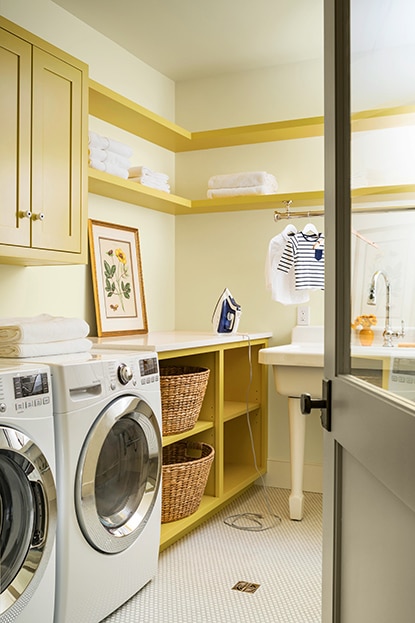
Sunny Yellows & Creams: A Warm Welcome
To inject warmth and mimic the feeling of natural sunlight, pale yellows and creamy off-whites are excellent choices. They can instantly cheer up a windowless space.
- Pros: Infuse genuine warmth and cheerfulness into the room, combating the potential coldness of artificial light. They create an inviting, happy atmosphere.
- Cons: Too much saturation can make the room feel overwhelmingly bright or even sickly. The key is to choose very pale, buttery, or muted versions.
- Specific Examples:
- Benjamin Moore Pale Moon (OC-108): A very soft, ethereal yellow that acts more like a warm glow than a strong color.
- Sherwin-Williams Roman Column (SW 7562): A creamy, slightly warm off-white that adds a subtle hint of inviting warmth without being overtly yellow.
- Benjamin Moore Mayonnaise (OC-85): A rich, but not intense, cream color with yellow undertones, perfect for a cozy, sun-kissed feel.
Beyond Bright: Embracing Bold & Moody Hues for a High-Style Statement
While the conventional wisdom dictates “light and bright” for windowless rooms, there’s a powerful, counter-intuitive approach: embrace the lack of natural light. By leaning into the intimacy and enclosure, you can create a dramatic, luxurious, and highly sophisticated space, almost like a jewel box.
This strategy works best when you commit to it fully, ensuring your artificial lighting is top-notch and complementary design elements are thoughtfully chosen.
:max_bytes(150000):strip_icc()/2163904_2013i0011-d5908c644227473ea30b1fc97da7e474.jpg "23 Best Paint Colors for your Laundry Room")
Deep Blues & Greens: Luxurious & Enveloping
Rich, saturated blues and greens can turn a small, windowless room into a dramatic statement.
- Pros: These colors create a feeling of depth, luxury, and coziness. They can be incredibly enveloping and sophisticated, making the room feel like an intentional design choice rather than a neglected space. They also hide imperfections well.
- Cons: Requires careful planning for lighting to ensure the room isn’t *too dark. It’s a bold move that needs confidence and complementary decor.
- Specific Examples:
- Benjamin Moore Hale Navy (HC-154): A classic, deep navy that is incredibly versatile and sophisticated. It looks stunning with crisp white trim and brass accents.
- Sherwin-Williams Evergreen Fog (SW 9130): A beautiful, muted sage green that is both moody and calming. It creates a tranquil, high-end feel.
- Farrow & Ball Hague Blue (No. 30): A very deep, intense blue with green undertones, perfect for a truly dramatic, cocooning effect.
Rich Charcoal & Black: Unexpected Elegance
Yes, you read that right. Black or very dark charcoal in a windowless room can be surprisingly chic.
- Pros: Creates an incredibly modern, dramatic, and elegant aesthetic. It allows white appliances and bright accents (like gold hardware or vibrant artwork) to truly pop, creating high contrast. It makes the boundaries of the room disappear, creating an almost infinite depth.
- Cons: This is not for the faint of heart. It demands excellent artificial lighting and a clear design vision to avoid feeling oppressive.
- Specific Examples:
- Benjamin Moore Kendall Charcoal (HC-166): A deep, warm gray that is rich and grounding without being quite as intense as pure black.
- Sherwin-Williams Tricorn Black (SW 6258): A pure, deep black that offers unparalleled drama and sophistication. Pair it with reflective surfaces and bright elements for impact.
The Secret Weapon: How Artificial Lighting Dictates Everything
In a windowless room, artificial lighting isn’t just a functional necessity; it’s a critical design element that single-handedly determines how your chosen paint color will appear. You simply cannot ignore it.
Choosing the Right Bulbs: Warm vs. Cool
The color temperature of your light bulbs, measured in Kelvin (K), is paramount:
:max_bytes(150000):strip_icc()/mindy-gayer-neillie-gail-WEB-122-2949cd93a8824a5eb0847014300e63cd-7270e5f96f7047da94a4b994ba700ebb.jpg "23 Best Laundry Room Paint Colors for a Fresh Space")
- Warm Light (2700K-3000K): Produces a cozy, yellowish glow, similar to incandescent bulbs. It enhances warm paint colors (creams, yellows, warm grays) and can make cool colors appear slightly muted or “dirtier.” Good for a cozy, inviting feel.
- Cool Light (4000K-5000K): Emits a crisp, bluish-white light, akin to bright daylight or fluorescent lights. It makes cool colors (blues, greens, cool grays) appear vibrant and true, but can make warm colors look dingy or washed out. Excellent for task lighting and a very clean, modern aesthetic.
- Neutral/Daylight (3500K-4000K): Often the best compromise for a windowless laundry room. It offers a balanced light that renders most colors fairly accurately, without being too yellow or too blue. Aim for this range if you’re unsure or want versatility.
Pro Tip: Always test your paint samples under the exact lighting conditions (bulbs, fixtures) you plan to use in your laundry room.
Layering Light for Maximum Impact
Don’t rely on a single overhead fixture. Think in layers:
- Ambient Lighting: General overhead lighting (recessed lights, flush mounts) to illuminate the entire space. Aim for adequate lumens to brighten the room.
- Task Lighting: Focused light where you need it most, such as under-cabinet lighting above a countertop or sorting area, or specific fixtures above the washer/dryer. This is crucial for visibility.
- Accent Lighting: Decorative elements like sconces, picture lights over artwork, or even LED strips around shelving can add visual interest and depth, preventing the room from feeling flat.
Beyond Paint: Essential Design Tricks for Windowless Laundry Rooms
While paint is powerful, it’s just one piece of the puzzle. These additional design elements can dramatically enhance the feel and functionality of your windowless laundry room:
Mirrors: Your Faux Window
A large mirror is the closest you’ll get to a window in a windowless room. It reflects light, literally doubling its effect, and creates the illusion of depth and space. Consider:
:max_bytes(150000):strip_icc()/whittneyparkinsonlaundry-5a4d362886b14d3293c39b9d9c69a621-efca5d02e9904722a3b20ba008fe01a8.jpeg "23 Best Laundry Room Paint Colors for a Fresh Space")
- Placement: Opposite your primary light source to maximize reflection.
- Size: Go as large as your wall space allows. A full-length mirror can be incredibly effective.
- Framing: A decorative frame can add a touch of elegance or industrial chic, transforming a utilitarian mirror into a design statement.
High-Gloss Finishes: Bouncing Light Like a Pro
The sheen of your paint also plays a significant role in light reflection. The higher the gloss, the more light it bounces.
- Satin or Eggshell: A good balance of durability and subtle sheen, suitable for walls. Reflects a moderate amount of light.
- Semi-Gloss or High-Gloss: Ideal for trim, doors, and cabinets, these finishes are highly reflective and also more durable and washable, which is a bonus in a hardworking laundry room. Using a semi-gloss on walls can create a dramatic, reflective effect, but it will also highlight any wall imperfections.
For a windowless room, consider painting ceilings in a bright white with an eggshell or satin finish to help bounce light downwards.
Strategic Storage & Organization
Clutter makes any room feel smaller and more chaotic. In a windowless laundry room, organized storage is crucial:
- Closed Cabinets: Hide unsightly detergents and supplies.
- Open Shelving: If kept tidy and styled with a few pretty baskets or plants (faux is fine!), open shelves can make the room feel less enclosed than solid cabinets.
- Vertical Space: Utilize walls for shelving, drying racks, or even a pegboard system to keep floors clear.
Bold Accents & Textiles
Don’t be afraid to introduce vibrant colors or interesting textures through your decor, especially if your walls are neutral. This adds personality without overwhelming the space.
- Area Rug: A colorful or patterned rug can ground the space and add softness.
- Artwork: A framed print or canvas can distract from the lack of a window.
- Greenery: Even a small, low-light tolerant plant (or a convincing faux one) brings life to the room.
- Hardware: Swap out plain cabinet pulls for brass, matte black, or brushed nickel for a quick upgrade.
Consistent Flooring & Adjacent Room Flow
If your laundry room opens directly into another space, consider keeping flooring consistent or choosing a color palette that flows seamlessly. This minimizes visual breaks and can make the small room feel like an extension of a larger area.
Pro Tips for Choosing Your Perfect Shade
You’ve got the theory, now for the practical application:
- Get Samples, Always: Purchase peel-and-stick samples or small paint pots. Paint large swatches (at least 2’x2′) directly onto your laundry room walls.
- Test with Your Artificial Lighting: Observe the paint samples at different times of day (even though there’s no natural light, your mood* and ambient light from adjacent rooms might change) and, crucially, under all your planned artificial light sources. Turn lights on and off. See how the color truly appears.
- Consider Your Existing Elements: Your appliances (white, gray, stainless steel), flooring, and any existing cabinets or countertops are fixed elements. Choose a paint color that complements them, rather than clashing.
- Think About the Mood You Want to Create: Do you want a bright, clinical space that makes laundry feel like less of a chore? Or a cozy, dramatic nook that feels intentional and stylish? Your desired mood should guide your color choice.
Paint Color Recommendations for Windowless Laundry Rooms
To help you visualize your options, here’s a detailed comparison of popular color families and specific paint suggestions, tailored for windowless environments.
| Color Family | Specific Examples (BM/SW) | LRV (Approx.) | Mood & Effect in Windowless Room | Best Paired With | Considerations |
|---|---|---|---|---|---|
| Crisp Whites | BM Chantilly Lace (OC-65), SW Pure White (SW 7005) | 90+ | Bright, clean, expansive, minimalist | Bright whites, light wood, metallics, pops of any accent color | Can feel stark; requires warm lighting (3000K-3500K) to avoid coolness |
| Soft Grays | BM Gray Owl (OC-52), SW Light French Gray (SW 0055) | 60-70 | Sophisticated, calming, modern, subtle depth | Stainless steel, white appliances, natural wood, cool blues/greens | Watch undertones (blue/green/purple) under specific artificial light |
| Pale Blues/Greens | BM Healing Aloe (1562), SW Sea Salt (SW 6205) | 60-70 | Fresh, serene, airy, mimics nature | White, light wood, natural textures, silver/gold accents | Can feel cool; balance with warmer lighting or wood elements |
| Sunny Yellows/Creams | BM Pale Moon (OC-108), SW Roman Column (SW 7562) | 75-85 | Warm, cheerful, inviting, mimics sunlight | White, light wood, crisp blues, natural fibers | Must be very pale to avoid overwhelming; test carefully with artificial light |
| Deep Blues/Greens | BM Hale Navy (HC-154), SW Evergreen Fog (SW 9130) | 10-30 | Dramatic, luxurious, cozy, enveloping, sophisticated | Gold accents, crisp white trim, dark wood, metallic elements | Requires strong, well-placed lighting; intentional design for a “jewel box” effect |
| Rich Charcoal/Black | BM Kendall Charcoal (HC-166), SW Tricorn Black (SW 6258) | 5-15 | Modern, bold, edgy, elegant, grounding | Bright white appliances/cabinets, vibrant art, warm wood, metallic | Use sparingly, or as a feature wall; needs high contrast and good lighting |
See? Your windowless laundry room isn’t a design curse; it’s an opportunity! By understanding the unique challenges and strategically applying these paint and design principles, you can transform it from a neglected, gloomy space into a functional, beautiful, and even delightful part of your home. Whether you opt for expansive whites or dramatic charcoals, the key is intentionality in color, lighting, and complementary elements. Go ahead, give your laundry room the glow-up it deserves!
”