Master Your Angled Ceilings: The Definitive Guide on How To Paint A Slanted Ceiling
So, you’ve got a slanted ceiling. Maybe it’s a charming attic conversion, a dramatic vaulted living room, or a cozy bedroom nook. Whatever the space, one thing is certain: painting it isn’t quite like tackling a standard flat ceiling or a straightforward wall. It’s a unique challenge that can feel intimidating, but with the right strategy and a bit of know-how, you can achieve a stunning, professional-looking finish that transforms your room.
Forget the guesswork and the backaches from improper technique. I’m here to walk you through everything, from choosing the perfect color scheme to the precise steps of preparation, cutting in, rolling, and cleanup. By the end of this guide, you’ll not only know how to paint a slanted ceiling, but you’ll also feel confident doing it like a pro.
Why Slanted Ceilings Present a Unique Painting Challenge
Why all the fuss about a slanted ceiling? Well, they’re not just a wall, and they’re not just a ceiling – they exist in a visual limbo, often blurring the lines between the two. This duality creates several considerations:
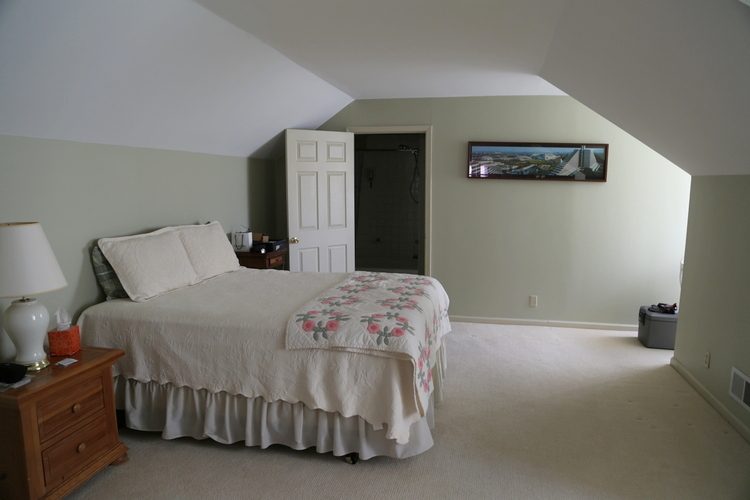
- Visual Perception: The angle itself plays tricks on the eye. How you paint it can make a room feel expansive and airy, or surprisingly cozy and even a little cramped. The goal is to use paint to enhance the space, not detract from it.
- Accessibility: Reaching those high, awkward angles often requires more than just a step stool. Ladders, extension poles, and even scaffolding might come into play, demanding careful safety planning.
- Gravity is Not Your Friend: Paint tends to drip and run more readily on an angled surface than on a flat one. This means meticulous technique and careful paint loading on your brush and roller are paramount.
- Defining Lines: Where does the wall end and the ceiling begin? Or where does one angled plane meet another? Establishing crisp, clean paint lines on these transitions is a key to a polished finish and requires precision taping and cutting-in.
Understanding these challenges is the first step to conquering them. Now, let’s talk about the fun part: making your space sing with color.
Strategic Color Choices for Slanted Ceilings: More Than Just Paint
Before you even think about lifting a brush, you need to decide on your color strategy. This isn’t just about picking a pretty shade; it’s about using color to influence how your slanted room feels and functions. The way you segment or unify your angled surfaces with paint can dramatically alter the perceived height, width, and overall mood of the space. It’s where design meets practicality, and getting it right sets the stage for a stunning transformation.
Option 1: The Monochromatic Flow (Walls & Slant Same Color)
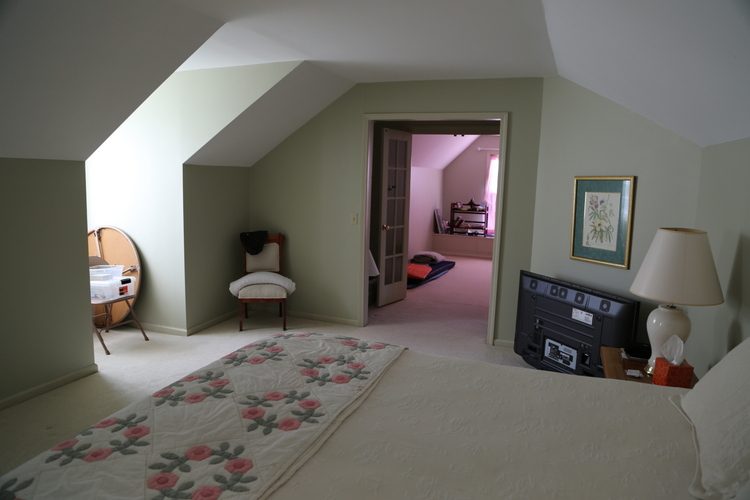
This is a popular and often visually expansive choice. Painting your walls and the entire slanted ceiling the exact same color creates a seamless, enveloping look. It blurs the traditional boundaries, making the room feel larger and more cohesive. This strategy is excellent for modern aesthetics, creating a “cocooning” effect in a bedroom, or simply streamlining a visually busy space. It works particularly well in rooms with lower-slanted ceilings, as it prevents the angle from feeling like a lid pressing down.

Option 2: Defining the Angles (Slant as Ceiling, White or Lighter)
If your room has a distinct flat ceiling portion at its peak, or if you want to visually “lift” the highest point, treating the slanted areas as part of the ceiling (painting them white or a very light color, often a lighter version of the wall color) can work. This traditional approach brightens the upper half of the room and defines the ceiling plane. However, be cautious: if the slant starts very low on the wall, painting it a stark white might visually lower the overall feeling of the room, making it seem shorter than it is. It’s often best when the slant begins higher up.
Option 3: Accentuate the Drama (Slant as an Accent)
Feeling bold? You can turn a slanted ceiling into a dramatic architectural feature by painting it an accent color. This might be a darker, richer hue that draws the eye upward, or even a completely contrasting color that defines the angle as a focal point. This approach is best for rooms where you want to highlight the unique architecture, perhaps in an artist’s studio, a creative child’s room, or a living space designed for strong visual impact. Careful color selection is crucial to ensure it feels intentional and not overwhelming.
Option 4: The Flat Ceiling Definition (Walls & Slant Same, Flat Part Different)
This hybrid approach is incredibly versatile, especially for vaulted ceilings that feature both slanted sections and a flat, horizontal peak. Here, you paint the walls and the slanted portions the same color, creating that seamless wall-to-slope transition. Then, the highest, flat part of the ceiling is painted a different, typically lighter (often white) color. This method elegantly blends the walls and angles while still preserving the traditional “ceiling” feel at the room’s apex, visually lifting the highest point and adding depth without creating abrupt lines lower down.
Comparison Table: Slanted Ceiling Color Strategies
| Strategy | Visual Impact | Best For | Considerations |
|---|---|---|---|
| Walls & Slant Same Color | Expansive, cohesive, modern “cocoon.” | Smaller rooms, low-sloping angles, contemporary design. | Can feel heavy if color is too dark and room lacks natural light. |
| Slant as Ceiling (White/Lighter) | Traditional, brightens, defines upper space. | Rooms where slant starts high, traditional decor, maximizing brightness. | May visually lower ceiling if slant starts very low. |
| Slant as Accent Color | Dramatic, focal point, highlights architecture. | Unique spaces, artistic themes, bold design statements. | Requires careful color selection; can be overwhelming if not balanced. |
| Walls & Slant Same, Flat Part Different | Blends walls/slope, defines highest point, adds depth. | Vaulted ceilings with a distinct flat peak, desire for a subtle lift. | Requires precise taping to create clean lines between two colors. |
No matter which strategy you choose, remember to test your colors! Paint large swatches on the slanted surface and observe them at different times of day to see how the natural and artificial light interacts with your chosen hues. This step is critical, as colors can look very different on an angle compared to a flat wall.
Essential Tools & Materials for Painting a Slanted Ceiling
Having the right gear makes all the difference when tackling a slanted ceiling. Don’t skimp here; a few extra dollars on quality tools will save you hours of frustration and potentially prevent a messy outcome. Here’s your essential checklist:
- High-Quality Paint: Choose a good quality interior paint with the right sheen (flat or matte for ceilings to hide imperfections, eggshell or satin for walls that need more durability).
- Primer: Essential for unpainted drywall, significant color changes, or stain blocking.
- Painter’s Tape: Opt for a reputable brand (like FrogTape or ScotchBlue) for crisp lines, especially crucial on angled transitions.
- Drop Cloths: Heavy-duty canvas or plastic to protect floors and furniture.
- Paint Brushes:
- An angled sash brush (2-2.5 inches) for cutting in precise lines.
- A smaller trim brush (1-1.5 inches) for tight corners.
- Paint Rollers & Covers:
- A standard 9-inch roller frame.
- Roller covers: Choose the right nap for your surface. A 3/8-inch nap is versatile for smooth to semi-smooth surfaces. For textured ceilings, a 1/2-inch or 3/4-inch nap might be needed.
- Extension Pole: Absolutely non-negotiable for reaching high angles without overstretching or moving your ladder constantly. Look for one that extends 4-8 feet.
- Ladders: A sturdy stepladder and potentially an extension ladder or multi-position ladder for very high peaks. Ensure it’s stable on your floor.
- Paint Tray & Liners: To make cleanup easier.
- Stir Stick & Can Opener: To prepare your paint.
- Spackle/Joint Compound & Putty Knife: For minor wall repairs.
- Sandpaper or Sanding Sponge: Fine-grit (120-220) for smoothing repairs.
- Caulk Gun & Paintable Caulk: For filling gaps between trim and walls.
- Cleaning Supplies: Sponges, buckets, mild soap, rags for cleaning surfaces before painting.
- Utility Knife: For trimming tape or opening paint cans.
Safety First: Prepping for a Safe Painting Experience
Painting a slanted ceiling often means working at heights and in awkward positions. Prioritizing safety isn’t just smart; it’s essential to prevent accidents and ensure your project goes smoothly. Don’t skip these critical steps:
- Ladder Safety: This is paramount.
- Always use a sturdy ladder that’s rated for your weight plus the weight of your tools.
- Ensure the ladder is on a flat, stable surface. If your floor isn’t perfectly level, use shims or a ladder leveler.
- Follow the “belt buckle rule”: keep your belt buckle between the ladder rails. Don’t overreach, which can cause the ladder to tip. Instead, climb down and reposition it.
- Never stand on the top step or the paint tray shelf of a stepladder.
- Have a spotter if you’re using an extension ladder or working at extreme heights.
- Ventilation: Paint fumes can be strong and harmful.
- Open windows and doors to ensure good cross-ventilation.
- Use fans to circulate air, but direct them away from freshly painted surfaces to avoid dust adhesion.
- Protective Gear:
- Eye Protection: Paint splatters can happen. Wear safety glasses or goggles.
- Gloves: Protect your hands from paint and chemicals.
- Mask: An N95 mask or a respirator can protect against paint fumes and dust, especially when sanding.
- Old Clothes: Wear long sleeves and pants to protect your skin from paint.
- Clear the Area: Remove anything that could be a tripping hazard or obstruct your movement. A clear workspace is a safe workspace.
- Electrical Safety: Turn off power to outlets and light fixtures you’ll be working near, especially if you plan to remove covers or work close to wires.
Step-by-Step Guide: How to Paint Your Slanted Ceiling Like a Pro
With your strategy set, tools ready, and safety measures in place, it’s time to get down to business. Follow these steps methodically to achieve a flawless finish on your slanted ceiling.
Step 1: Room Preparation (Clear, Clean, Protect)
Proper preparation is half the battle won. Don’t rush this stage; it’s the foundation for a professional-looking job.
- Clear the Room: Move all furniture out of the room if possible. If not, push it to the center and cover it completely with plastic sheeting or old sheets.
- Protect Your Floors: Lay down drop cloths over the entire floor area. Secure them with painter’s tape to prevent slipping and paint seepage.
- Remove Fixtures: Take down any light fixtures, ceiling fans, or wall plates. If you can’t remove them, cover them meticulously with painter’s tape and plastic.
- Clean Surfaces: Dust and cobwebs are common on high ceilings. Use a duster with an extension pole or a damp cloth to wipe down the entire slanted ceiling and adjacent walls. For greasy or very dirty areas (like kitchens), wash with a mild detergent solution (e.g., TSP substitute) and rinse thoroughly. Allow to dry completely.
Step 2: Repair & Prime (Smooth Canvas is Key)
A smooth surface is crucial for a great paint job. Addressing imperfections now will save you headaches later.

- Inspect for Imperfections: Look for nail holes, cracks, dents, or loose drywall tape.
- Repair & Sand: Fill small holes with spackle and larger cracks with joint compound. Allow to dry, then sand smooth with fine-grit sandpaper (120-220 grit). Feather the edges so they blend seamlessly. Wipe away all dust with a damp cloth.
- Caulk Gaps: If there are gaps between trim and the ceiling/wall, apply a thin bead of paintable caulk. Smooth it with a wet finger or damp sponge.
- Apply Primer: If you’re painting over bare drywall, making a significant color change (e.g., dark to light), or covering stains, a coat of primer is essential. Apply it just like you would paint, allowing it to dry according to manufacturer instructions. Primer creates a uniform surface for your topcoat, ensuring better adhesion and truer color.
Step 3: Taping Off (The Precision Edge)
This is where the magic of crisp lines happens. Invest in good quality painter’s tape and take your time.
- Identify Your Lines: Clearly define where your slanted ceiling color will meet your walls or a flat ceiling section.
- Apply Tape Precisely: Press the tape firmly along your chosen line. Use a putty knife or your fingernail to ensure a tight seal, preventing paint from bleeding underneath. For long, straight lines, a laser level can be incredibly helpful to guide your tape application.
- Overlap Corners: When taping around corners or intersecting angles, slightly overlap the tape ends to ensure no gaps.
Step 4: Cutting In (The Art of the Edge)
Cutting in refers to painting along the edges and corners with a brush before rolling. This is particularly important for slanted ceilings where precise lines are essential.
- Load Your Brush: Dip about a third of the brush bristles into the paint. Tap off excess on the side of the can, but don’t wipe it all off. You want a good amount of paint, but not so much that it drips.
- Start Cutting: Begin painting along the taped edges. Hold the brush like a pencil for control. Apply gentle pressure, letting the bristles fan out slightly to create a clean line against the tape. Work in sections, typically 2-3 feet at a time.
- Work with Gravity: When painting upward slants, try to work from the bottom up to control drips. If working from the top down, keep a damp cloth handy to catch any runs immediately. For ceiling lines, keep your brush angled slightly downward.
- Maintain a Wet Edge: As you cut in, try to keep the painted edge wet so that when you roll, the two sections blend seamlessly.
Step 5: Rolling the Slanted Ceiling (Even Coverage is Crucial)
Now for the main event! The roller with an extension pole will be your best friend here.
- Attach Extension Pole: Securely attach your roller frame to the extension pole. Practice maneuvering it dry to get a feel for the reach and balance.
- Load the Roller: Pour paint into your roller tray. Load the roller cover by rolling it back and forth in the paint, then on the textured ramp of the tray to remove excess and ensure even saturation. You want the roller fully loaded but not dripping.
- Rolling Technique:
- Direction: For most slanted ceilings, rolling with the direction of the slant (long strokes from top to bottom or bottom to top) will help achieve a smoother finish and reduce visible lap marks. If your slant is very wide, you might do horizontal passes to maintain a wet edge, but primarily follow the angle.
- Start from the Top: Begin rolling at the highest point of the slanted ceiling and work your way down. This helps gravity work with you, pulling any drips downward into unpainted areas where they can be rolled out.
- “W” or “M” Pattern: Apply paint in a series of overlapping “W” or “M” patterns without lifting the roller. Then, lightly roll over the freshly painted area in one direction (usually with the slant) to smooth out the pattern and ensure even coverage.
- Maintain a Wet Edge: Always work quickly enough to keep a wet edge. This means your new roller strokes should slightly overlap the previously painted, still-wet section. This prevents unsightly lap marks.
- Seamless Transitions: As you roll close to your cut-in lines, roll gently, overlapping the brush strokes slightly to ensure a smooth transition.
Step 6: Second Coat & Touch-Ups (Perfection Takes Patience)
Most painting projects require at least two coats for optimal color depth and durability. Don’t rush this step!
- Drying Time: Allow the first coat to dry completely according to the paint manufacturer’s instructions (usually 2-4 hours).
- Inspect: Once dry, carefully inspect the entire slanted ceiling for any missed spots, uneven patches, or areas where the original color is still showing through.
- Apply Second Coat: Repeat Steps 4 and 5 (cutting in and rolling) for the second coat. This will deepen the color and provide a more uniform, professional finish.
- Remove Tape: This is crucial for clean lines. Carefully pull off the painter’s tape while the paint is still slightly wet (but not dripping). If the paint is completely dry, it can sometimes peel off with the tape, leaving jagged edges. Pull at a 45-degree angle, slowly and steadily. If you wait too long and the paint has cured, you might need to lightly score the edge of the tape with a utility knife before peeling to prevent pulling off dried paint.
- Final Touch-Ups: After the second coat is dry and the tape is removed, step back and examine your work. Use a small artist’s brush for any minor touch-ups or tiny areas where paint might have bled under the tape.
Step 7: Cleanup & Enjoy (The Grand Finale)
You’re almost there! Proper cleanup protects your tools and keeps your space tidy.
- Clean Brushes & Rollers: Immediately clean water-based paints with soap and warm water. For oil-based paints, use mineral spirits. Work the paint out of the bristles and roller nap until the water runs clear. Hang brushes to dry and stand roller covers upright.
- Dispose of Paint: Seal paint cans tightly. Check local regulations for proper disposal of leftover paint and paint-soaked materials.
- Gather Drop Cloths: Carefully fold drop cloths inward to contain any dried paint flakes, then dispose of or store them.
- Reinstall Fixtures: Once everything is completely dry, reinstall your light fixtures and wall plates.
Pro Tips & Troubleshooting for Angled Ceilings
Even with a solid plan, specific challenges can pop up. Here are some insider tips to help you navigate common issues and ensure a truly professional result.
- Dealing with Drips and Runs: These are the bane of any painter, especially on angled surfaces.
- Prevention: Don’t overload your brush or roller. Always tap off excess paint.
- Immediate Fix: If you spot a drip while the paint is still wet, gently smooth it out with your brush or roller. Don’t press too hard.
- Dried Drips: For dried drips, carefully scrape them off with a putty knife or razor blade, then lightly sand the area smooth. You’ll likely need to touch up with a small amount of paint.
- Achieving Smooth Transitions: The key to a professional look is seamless blending, especially if you’re painting the slanted ceiling a different color than the walls or a flat ceiling section.
- Wet Edge: As mentioned, always work quickly enough to maintain a wet edge, allowing new paint to blend smoothly with previously applied paint.
- Feathering: When finishing a section, lighten your pressure on the roller or brush and feather out the paint at the very edge. This helps avoid harsh stop marks.
- Working with Texture: Some slanted ceilings might have popcorn texture or a subtle stippled finish.
- Popcorn Ceilings: These are notoriously tricky. If you’re painting over popcorn texture, use a thicker nap roller cover (1/2-inch to 3/4-inch) to ensure the paint gets into all the crevices. Roll gently to avoid dislodging the texture. You’ll likely need more paint and potentially three coats. Consider having it professionally removed first for a smoother finish.
- Subtle Textures: A slightly thicker nap (e.g., 3/8-inch or 1/2-inch) will generally suffice.
- When to Hire a Professional: While DIY is rewarding, sometimes it’s best to call in the experts.
- Extreme Heights: If your slanted ceiling is excessively high or requires specialized scaffolding that you’re uncomfortable using, a professional painter has the equipment and expertise to do it safely.
- Complex Angles/Features: Very intricate angles, dormers, or multiple intersecting planes can be incredibly challenging to tape and paint cleanly.
- Time Constraints: If you’re short on time or patience, a pro can complete the job efficiently and with guaranteed quality.
- Don’t Rush the Drying: Resist the urge to apply a second coat before the first is fully dry. Rushing leads to peeling, bubbling, and an uneven finish. Patience is a virtue in painting.
Painting a slanted ceiling might seem like a daunting task at first, but with the right preparation, tools, and techniques, it’s an achievable and incredibly rewarding DIY project. By understanding the unique challenges and applying these step-by-step instructions, you’re now equipped to transform your angled space into a beautifully finished room you’ll love. So, grab your brush, load up that roller, and get ready to enjoy the satisfaction of a job well done!