The Ultimate Guide: Best Paint Colors for Low-Light Living Rooms to Brighten & Elevate Your Space
Does your living room feel perpetually dim? Is it a beautiful space that just never seems to catch enough light, leaving it feeling a bit gloomy, cramped, or simply unwelcoming? You’re not alone. Many homes, especially in urban environments or with certain architectural layouts, contend with low natural light. But here’s the secret: you don’t have to resign yourself to a perpetually dim domicile.
As an interior design expert, I’ve seen countless clients struggle with this exact problem. They often jump straight to thinking they need stark white walls, only to find the room feels even colder and less inviting. The truth is, transforming a low-light living room from gloomy to gorgeous isn’t about simply choosing the lightest color; it’s about understanding how color interacts with light, strategically selecting hues that *amplify what little light you have, and even embracing the room’s inherent coziness.
This isn’t just about picking a pretty shade; it’s about creating an atmosphere. In this definitive guide, we’ll dive deep into the science and art of paint color selection for low-light living rooms, offering actionable strategies, specific color recommendations, and expert tips to help you craft a space that feels bright, airy, or wonderfully intimate – whatever your goal may be.
Understanding Your Low-Light Living Room: More Than Just “Dark”
Before you even think about cracking open a paint can, it’s crucial to understand why your living room is low light. Not all low-light situations are created equal, and the type of light (or lack thereof) will significantly influence your best paint choices.
:max_bytes(150000):strip_icc()/paint-colors-for-dark-rooms-yellow-getty-0323-2000-4f775737f9b24feeabf06161269e2ae2.jpg "The Best Paint Colors for Dark Rooms")
What Defines “Low Light” in a Living Room?
Pinpointing the source of darkness is your first step:
- North-Facing Rooms: These rooms receive consistent, indirect, and often cooler light throughout the day. The light is soft but can feel flat and gray, making colors appear more muted.
- Small or Obstructed Windows: Limited window real estate, or windows blocked by trees, neighboring buildings, or even deep eaves, will naturally restrict the amount of daylight entering your space.
- Overhangs, Trees, or Nearby Buildings: External obstructions cast shadows, significantly reducing direct sunlight, even if the windows are large.
- Interior Rooms Without Direct Sunlight: Some living rooms might be nestled deep within a home, relying solely on light filtering in from other rooms or having no exterior windows at all (e.g., basement living areas).
The Science of Light and Color: LRV, Undertones & Sheen
This is where we move beyond guesswork and into informed decision-making. These three elements are your best friends when tackling a low-light space:
Light Reflectance Value (LRV): Your Secret Weapon
Every paint color has an LRV, a number on a scale from 0 to 100. 0 is absolute black (reflects no light), and 100 is pure white (reflects all light). For low-light rooms, you generally want colors with a higher LRV. This doesn’t mean you must pick an LRV of 80+, but it’s a crucial metric to consider. Colors with higher LRVs literally bounce more light around the room, making it feel brighter and more open.
However, an LRV that’s too high in a room that gets zero natural light can sometimes feel sterile. It’s about balance. We’ll explore how to use LRV to your advantage.
Undertones Are Everything: The Hidden Hues
This is perhaps the most critical concept. No color is simply “white” or “gray.” Every paint color has subtle undertones – hints of other colors that reveal themselves in different lighting conditions. In a low-light room, these undertones become incredibly pronounced.
- Cool Undertones (blue, green, purple): Can make a low-light room feel even colder and starker, especially in north-facing rooms.
- Warm Undertones (yellow, red, orange): These are often your best bet. They bring a subtle warmth and glow, even when light is scarce. Think creams, beiges with a hint of gold, or even grays with a touch of green or beige.
Failing to understand undertones is why many people end up with a beautiful gray paint that suddenly looks blue or purple on their walls, or a crisp white that feels institutional.
The Power of Paint Sheen: Reflecting Light Strategically
The finish of your paint also plays a significant role in how light is reflected. Higher sheens (more gloss) reflect more light, while lower sheens (more matte) absorb it.
- Matte/Flat: Absorbs light, creates a soft, velvety look. Can make walls feel richer but may make a very dark room feel even heavier if not chosen carefully. Excellent for hiding imperfections.
- Eggshell/Satin: These are often the sweet spot for low-light living rooms. They offer a subtle sheen that reflects light without being overly glossy, providing durability and a sophisticated look.
- Semi-Gloss/High-Gloss: Highly reflective. While they can bounce a lot of light, they also highlight every imperfection on your walls and can feel too stark or commercial for a living room. Best used sparingly, perhaps on trim or an accent piece, unless you’re aiming for a very specific, modern aesthetic.
The Core Strategy: Maximizing Light & Mood with Paint
Our goal isn’t just to make the room lighter; it’s to make it feel better. This involves two main approaches, often used in combination:

Don’t Just Go White: The Nuance of Brightness
The biggest misconception is that a stark, pure white is the only solution for a dark room. While white is inherently reflective, a true, unadulterated white can often fall flat, feel cold, or even appear dingy in the absence of ample natural light. Why? Because without sunlight to warm it up, a pure white will pick up any cool tones from its surroundings, making the room feel stark, uninviting, or like a blank canvas waiting for life.
Instead, our goal is to create a luminous rather than just a light space. This means choosing colors that have depth, warmth, and the ability to glow or radiate a subtle light of their own, even when the sun isn’t cooperating.
Top Paint Color Families for Low-Light Living Rooms (With Specific Examples)
Let’s get to the fun part: actual colors! Here are the families that consistently perform well in low-light environments, along with specific examples to guide you.
Warm Whites & Off-Whites: Your Luminous Foundation
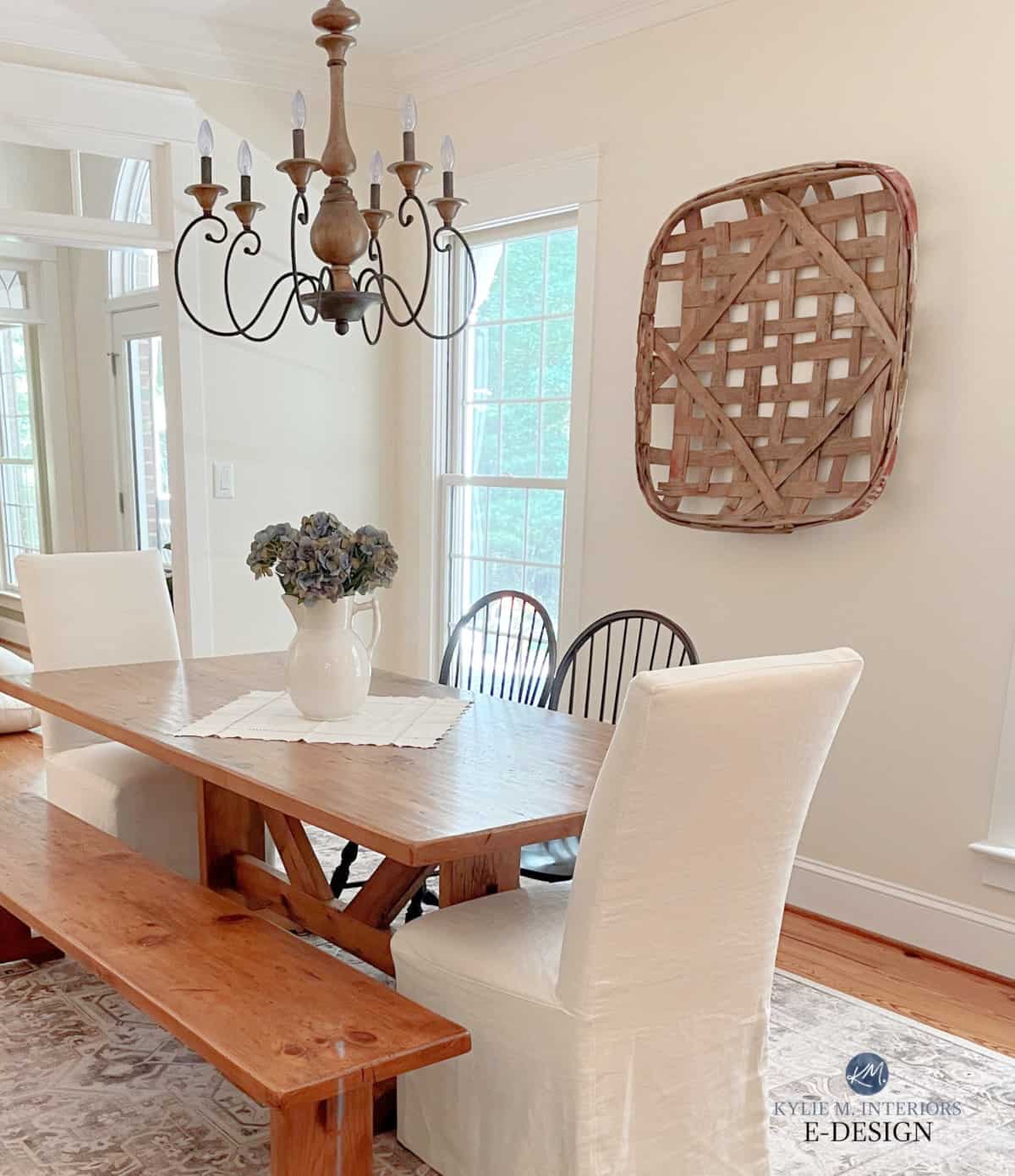
These are not your sterile, gallery whites. These are whites infused with subtle warmth that prevents them from feeling cold or stark. They provide a soft, inviting glow, making the room feel airy and open without being overwhelming.
- Why they work: They bounce available light beautifully but also carry a gentle warmth that makes the room feel cozy rather than clinical. Their subtle yellow, cream, or greige undertones come alive, even in shadow.
- Specific Brand Examples:
- Benjamin Moore White Dove (OC-17): A perennial favorite. It’s a soft, warm white with a hint of gray, making it incredibly versatile. Its LRV of 85.38 makes it highly reflective, but its warmth keeps it from feeling cold.
- Sherwin-Williams Alabaster (SW 7008): A creamy, inviting off-white with warm, slightly yellow undertones. It feels soft and calming, perfect for north-facing rooms that need a touch of sunshine. LRV around 82.
- Farrow & Ball Wimborne White (No.239): A beautiful off-white with a very subtle yellow pigment, giving it a soft, chalky feel. It avoids harshness and creates a gentle, light-filled atmosphere.
- Benjamin Moore Simply White (OC-117): While often described as a clean white, it has a subtle yellow undertone that prevents it from feeling stark. In low light, this warmth becomes more apparent, making it feel bright and fresh. LRV 91.7.
Soft, Warm Neutrals: Embracing Cozy Sophistication
If pure white feels too stark, or you crave a bit more depth, warm neutrals are your answer. These colors provide sophistication and warmth without making the room feel smaller or heavier.
- Why they work: They create a grounding effect while still maintaining a sense of openness. Their inherent warmth counteracts the coolness of low light, making the room feel inviting and comfortable.
- Specific Brand Examples:
- Benjamin Moore Revere Pewter (HC-172): A classic greige (gray + beige) with a prominent warm, almost green undertone. It’s incredibly chameleon-like, adapting to different light, but consistently bringing warmth without being overtly beige. LRV 62.13.
- Sherwin-Williams Accessible Beige (SW 7036): A true, light, warm beige that avoids being overly yellow or muddy. It’s incredibly versatile and pairs well with many decor styles, providing a soft, comforting backdrop. LRV 58.
- Benjamin Moore Balboa Mist (OC-27): A very light greige that leans slightly warmer than some other grays. It’s airy and sophisticated, a beautiful alternative to white if you want a touch more depth but still want to keep things light. LRV 67.
- Sherwin-Williams Agreeable Gray (SW 7029): Another popular greige, it’s slightly warmer than Revere Pewter and offers a beautiful balance between gray and beige. It’s light and airy, working well in a variety of low-light settings. LRV 60.
Gentle Pastels: A Whisper of Color
Don’t be afraid to introduce subtle color! Muted, desaturated pastels can add personality and charm without absorbing too much light. The key is gentle and muted* – nothing too saturated or bright, which can look jarring in low light.
- Why they work: They inject a sense of serenity, playfulness, or subtle energy. When chosen correctly (with warm or neutral undertones), they can actually feel more luminous than a flat white, offering a soft glow.
- Specific Brand Examples:
- Soft Sage Green (e.g., Benjamin Moore Saybrook Sage HC-114 or Sherwin-Williams Sea Salt SW 6204): These muted greens bring the tranquility of nature indoors. Their gray undertones keep them sophisticated, while the green provides a fresh, uplifting feel without being overwhelming. Sea Salt has an LRV of 63, Saybrook Sage 44.
- Pale Robin’s Egg Blue (e.g., Benjamin Moore Palladian Blue HC-144): A delicate, soft blue-green with gray undertones. It evokes calmness and can make a room feel expansive and airy. LRV 60.
- Barely-There Blush/Soft Peach (e.g., Sherwin-Williams Romance SW 6323 or Farrow & Ball Pink Ground No.202): These warm, subtle pinks and peaches are incredibly flattering. They cast a warm, healthy glow on skin tones and make a room feel intimate and inviting, almost like a permanent sunset. Romance has an LRV of 74.
- Muted Lavender (e.g., Benjamin Moore Lavender Mist 2070-60): A very soft, desaturated purple with gray undertones. It’s calming and can add a unique touch of elegance without feeling dark. LRV 71.
Unexpected Deep & Saturated Hues: Strategic Drama
This is where we challenge the conventional wisdom. While typically we aim for light colors, sometimes a dark color can work wonders in a low-light room – but it requires a strategic approach.
- When and how to use them:
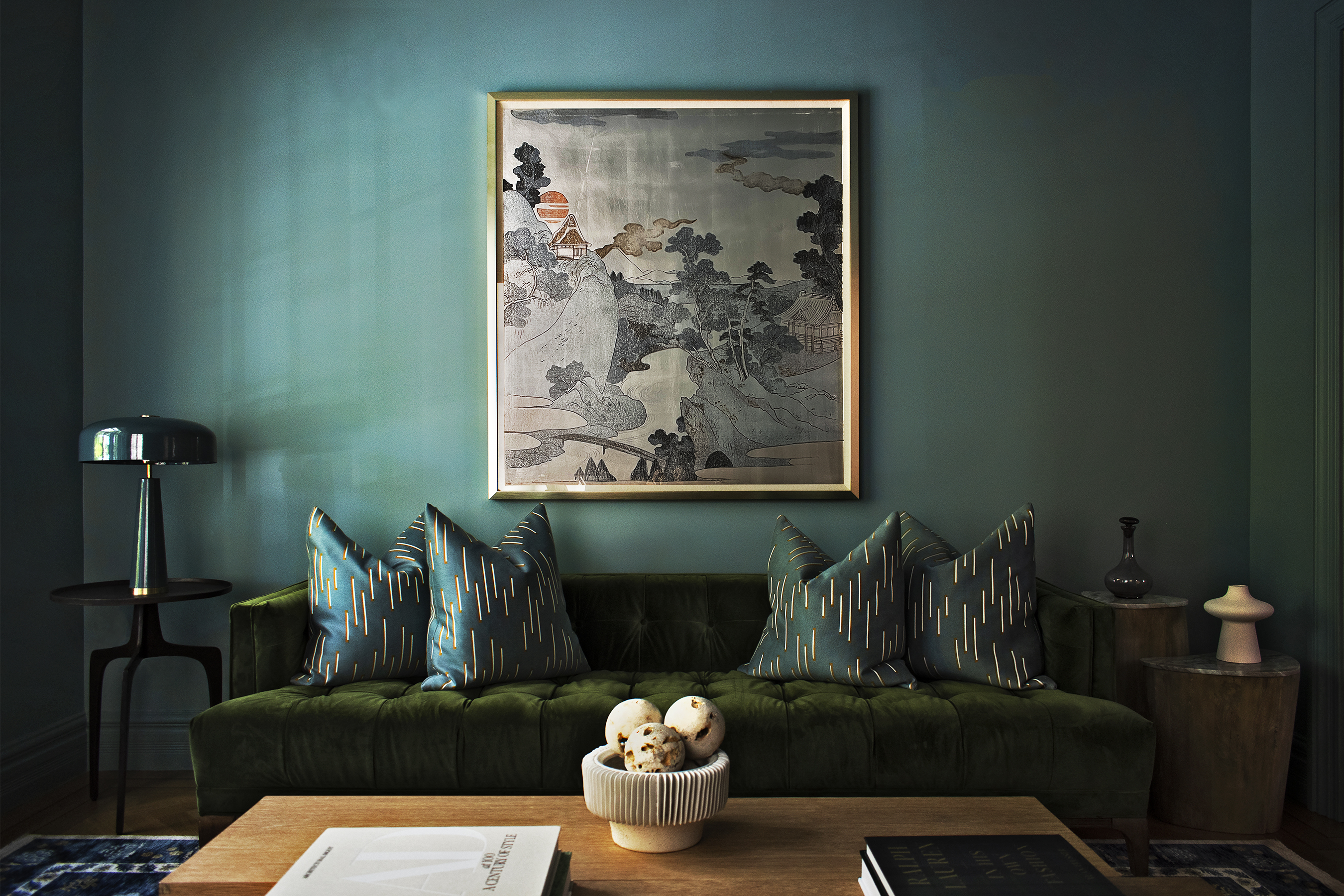
- Embrace the Intimacy: Instead of fighting the darkness, lean into it. A deep, rich color can create a cozy, sophisticated, and intimate cocoon. This works particularly well in smaller living rooms or spaces where you want to create a sense of retreat.
- The “Black Box” Effect: Dark colors can make walls recede, paradoxically making the room feel larger than if you had used a struggling light color. This also allows artwork and furnishings to pop.
- Pair with Ample Artificial Light: This is non-negotiable. If you go dark, you need to layer in plenty of artificial lighting – lamps, sconces, recessed lights – to ensure the room is functional and feels intentional, not just gloomy.
- Use with Warm Undertones: Even dark colors benefit from warmth. A deep charcoal with a green undertone will feel more inviting than a stark black-gray.
- Specific Brand Examples:
- Deep Teal/Navy (e.g., Benjamin Moore Hale Navy HC-154 or Sherwin-Williams Waterloo SW 9141): These rich blue-greens offer depth and sophistication. They are calming and create a strong focal point. Hale Navy has an LRV of 8.
- Rich Charcoal with Warm Undertones (e.g., Farrow & Ball Down Pipe No.26 or Benjamin Moore Kendall Charcoal HC-166): A deep, muted gray that can feel incredibly chic and grounding. Its subtle blue/green undertones prevent it from feeling sterile. Kendall Charcoal has an LRV of 12.99.
- Emerald Green (e.g., Sherwin-Williams Evergreen Fog SW 9130): A deep, sophisticated green that brings nature indoors. It can create a wonderfully dramatic and enveloping atmosphere when paired with warm lighting and natural textures. LRV 30 (more mid-tone, but still impactful).
- Warm Plum/Aubergine (e.g., Benjamin Moore Dark Purple 2073-10): For the bold. A deep, rich purple with red undertones can be incredibly luxurious and cozy, especially when combined with velvet textures and metallic accents.
Beyond the Paint Can: Enhancing Your Low-Light Living Room
Paint is powerful, but it’s part of a larger ecosystem. To truly master your low-light living room, consider these complementary strategies:
Smart Lighting Strategies
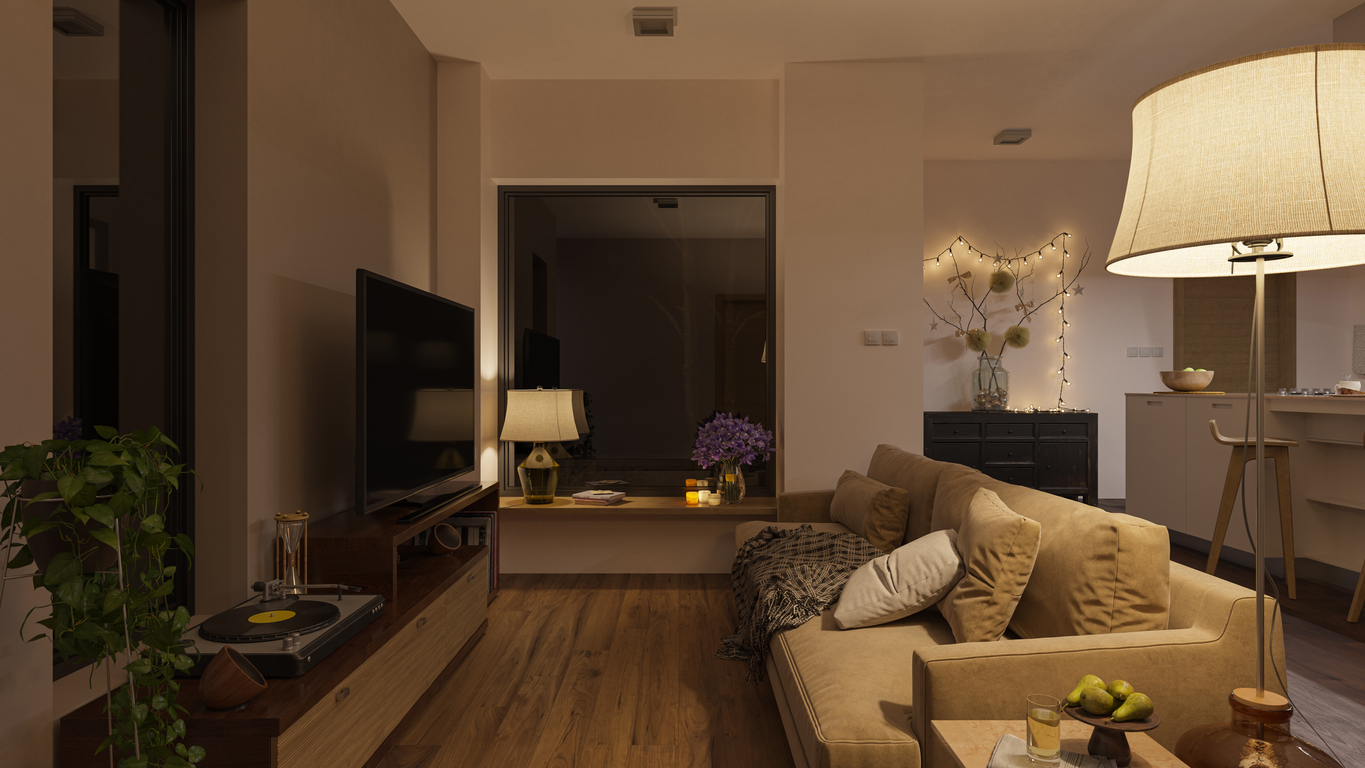
Artificial lighting is paramount in a low-light room. Think in layers:
- Ambient Lighting: Overhead fixtures, recessed lights, or a statement chandelier to provide general illumination.
- Task Lighting: Floor lamps next to reading chairs, table lamps on side tables.
- Accent Lighting: Sconces, picture lights, or uplights to highlight artwork, architectural features, or create mood.
- Warm vs. Cool Bulbs: Opt for warmer color temperatures (2700K-3000K) to enhance the cozy, inviting feel and complement your warm paint colors.
- Mirrors and Reflective Surfaces: Strategically placed mirrors across from windows (even small ones) or light sources can work wonders by bouncing light deeper into the room. Glass, metallics, and polished surfaces also help.
Furniture & Decor Choices
- Light-Colored, Reflective, or Minimalist Furniture: Choose furniture in lighter fabrics or with reflective materials (glass, chrome). Avoid bulky, dark pieces that can absorb light and make the room feel heavy.
- Decluttering: A cluttered room, regardless of paint color, will always feel heavier and smaller. Keep surfaces clear and choose furniture with hidden storage.
- Sheer Curtains: If privacy allows, opt for sheer or light-filtering window treatments that let in maximum light while still offering a finished look. Avoid heavy, dark drapes unless you’re embracing a very specific dramatic aesthetic.
- Art with Light Backgrounds: Choose artwork or prints with lighter backgrounds or colors that pop to add visual interest without absorbing light.
Pro Tips for Painting Your Low-Light Living Room
Even with the perfect color in mind, execution matters. Follow these pro tips for the best results:
Always Sample!
I cannot stress this enough. Never pick a paint color from a tiny swatch. Purchase large peel-and-stick samples or sample pots and paint large swatches (at least 2×2 feet) on multiple walls in your living room. Observe them at different times of day – morning, afternoon, evening, and with artificial lights on. The way a color looks will change dramatically throughout the day based on the available light.
Consider the Existing Elements
Your paint color needs to harmonize with what’s already there: your flooring, existing furniture, trim color, and any artwork or textiles that are staying. Bring your samples home and see how they interact with these elements. For example, a warm beige might clash with cool-toned gray flooring, or a vibrant blue could fight with a patterned rug.
Don’t Forget the Ceiling!
The ceiling is often overlooked but can be a powerful tool. Painting it a slightly lighter shade than your walls, or even a crisp, warm white, can help reflect light downward. Alternatively, in a bold, dark room, painting the ceiling the same deep color can create an incredibly immersive, intimate, and sophisticated “jewel box” effect. It all depends on your desired mood.
Comparison Table: Top Recommended Paint Colors for Low-Light Living Rooms
To help you visualize and compare, here’s a quick reference table of some of our top picks:
| Color Name | Brand | Approx. LRV | Primary Undertone | Best For | Notes/Why it Works |
|---|---|---|---|---|---|
| White Dove (OC-17) | Benjamin Moore | 85 | Greige/Warm Gray | Overall brightening, versatile foundation. | Soft, creamy white that feels inviting, not stark. Reflects light beautifully without feeling cold. |
| Alabaster (SW 7008) | Sherwin-Williams | 82 | Yellow/Cream | North-facing rooms, cozy warmth. | An off-white with distinct warmth; feels like soft sunshine. |
| Revere Pewter (HC-172) | Benjamin Moore | 62 | Green/Warm Gray | Sophisticated depth, earthy warmth. | A popular greige that adds substance without feeling heavy. Adapts well to changing light. |
| Accessible Beige (SW 7036) | Sherwin-Williams | 58 | Beige/Greige | True neutral warmth, grounding. | A versatile, light warm beige that feels inviting and timeless. |
| Sea Salt (SW 6204) | Sherwin-Williams | 63 | Blue/Green/Gray | Subtle color, serene atmosphere. | A gentle, muted blue-green that evokes calm. Can appear more blue or green depending on light. |
| Romance (SW 6323) | Sherwin-Williams | 74 | Peach/Pink | Warm glow, flattering ambiance. | A soft, barely-there blush that creates a wonderfully warm and intimate feel. |
| Hale Navy (HC-154) | Benjamin Moore | 8 | Gray/Black | Dramatic accent, intimate cocooning. | Bold, deep navy that provides sophisticated depth. Requires ample artificial lighting. |
Conclusion: Light Up Your Life, One Paint Stroke at a Time
Transforming a low-light living room is an exciting design challenge, not a limitation. By understanding the unique qualities of your space and applying the principles of LRV, undertones, and sheen, you can select paint colors that don’t just exist in the room, but actively enhance it.
Whether you opt for a luminous warm white, a grounding greige, a whisper of pastel, or a bold, dramatic hue, remember that the goal is always to create a living room that feels inviting, functional, and reflective of your personal style. Don’t be afraid to experiment, trust your instincts (after sampling, of course!), and enjoy the process of bringing more light and life into your home.
n