The Definitive Guide to Painting Interior Doors Like a Pro
Ever look at your interior doors and wish they had that smooth, factory-like finish? You know, the one without brush marks, drips, or that dreaded ‘orange peel’ texture? You’re not alone. Painting interior doors is one of those DIY projects that seems simple but can quickly turn frustrating if you don’t know the pro secrets.
The truth is, achieving a truly professional finish isn’t about expensive equipment (though a sprayer helps!) – it’s about preparation, choosing the right materials, and mastering a few key techniques. If you want doors that look like they were installed by a master craftsman, not just slathered with paint, then you’ve come to the right place. We’re going to break down the best way to paint an interior door, step by step, so you can transform your home with confidence and achieve stunning, durable results.
Choosing Your Battle: Painting Methods Compared
Before you even think about picking up a paintbrush, you need to decide on your approach. There are three primary methods for painting an interior door, each with its own advantages and disadvantages. Your choice will depend on your desired finish, available time, and skill level.
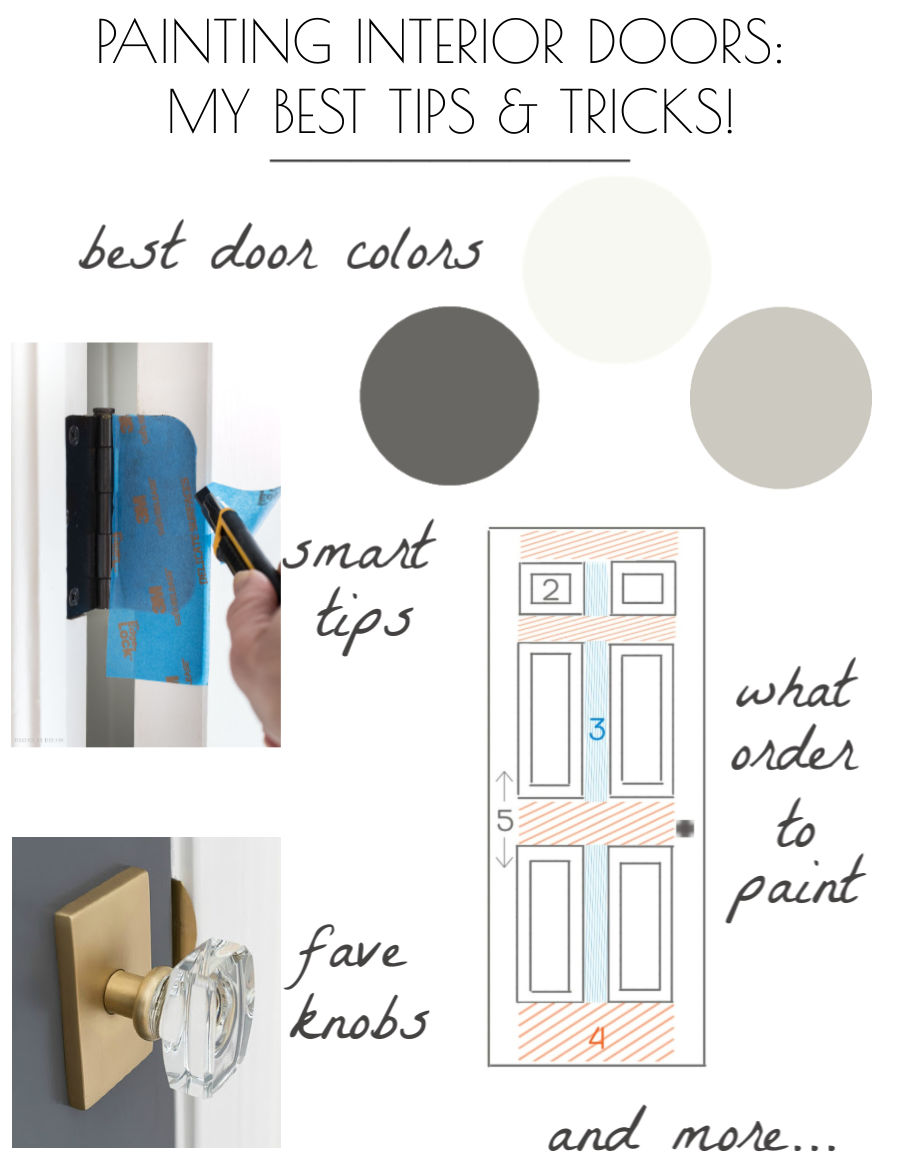
Method 1: Door On Hinges (The “Quick” Way)
This method involves painting the door while it’s still attached to its hinges. It’s often chosen for speed and convenience, as it avoids the hassle of removing and rehanging the door. However, it presents challenges for achieving a flawless finish.
- Pros: Faster setup, no need to remove or rehang heavy doors, less space required.
- Cons: Increased risk of drips and sags (gravity is not your friend), difficulty painting edges evenly, potential for paint on hinges and hardware (even with careful taping), harder to achieve a perfectly smooth finish due to vertical application.
- When to Use: When you’re doing a quick refresh, painting a single door, or if removing the door is simply not feasible. Expect a decent, but not necessarily flawless, finish.
Method 2: Door Removed & Laid Flat (The “Pro” Way)
This is the gold standard for achieving the smoothest, most professional finish without using a sprayer. Removing the door and laying it flat allows gravity to work for you, minimizing drips and allowing paint to level out beautifully.
- Pros: Easiest way to get a perfectly smooth, brush-mark-free finish, excellent control over paint application, allows for thorough painting of all edges, no risk of paint on hinges/hardware (if removed).
- Cons: Requires more setup time (removing/rehanging), needs sawhorses or a stable workbench, takes up more space, you’ll need to paint one side, let it dry completely, then flip and paint the other.
- When to Use: For the best possible hand-painted finish, especially for paneled doors, or when painting multiple doors where quality is paramount.
Method 3: Spraying (The “Fastest, Smoothest” Way)
If you’re painting multiple doors or crave the absolute smoothest, factory-like finish, spraying is your best bet. It requires specialized equipment and significant preparation to avoid overspray, but the results can be stunning.
- Pros: Unmatched smoothness and speed, even coats, no brush marks or roller texture, ideal for multiple doors.
- Cons: Requires purchasing or renting a paint sprayer, significant masking and ventilation needed to prevent overspray, a learning curve to master proper technique, potential for costly mistakes if not done correctly.
- When to Use: For high-volume projects, when you want the absolute best finish possible, and you’re comfortable with the equipment and prep required.
To help you decide, here’s a quick comparison:
| Method | Pros | Cons | Best For |
|---|---|---|---|
| Door On Hinges | Quick setup, less space. | Drips, uneven finish, paint on hardware. | Single door refresh, tight on time. |
| Door Removed & Laid Flat | Smoothest hand-painted finish, excellent control. | More setup, takes up space, two-sided drying. | Professional-grade finish, multiple doors, quality focus. |
| Spraying | Fastest, absolute smoothest finish, no marks. | Equipment cost, extensive prep (masking), learning curve. | High-volume projects, ultimate factory finish. |
The Right Tools & Materials Make All the Difference
You can have the best technique in the world, but if you’re using cheap paint or flimsy brushes, your results will suffer. Investing in quality tools and materials is paramount for a professional-looking finish. Here’s what you’ll need:
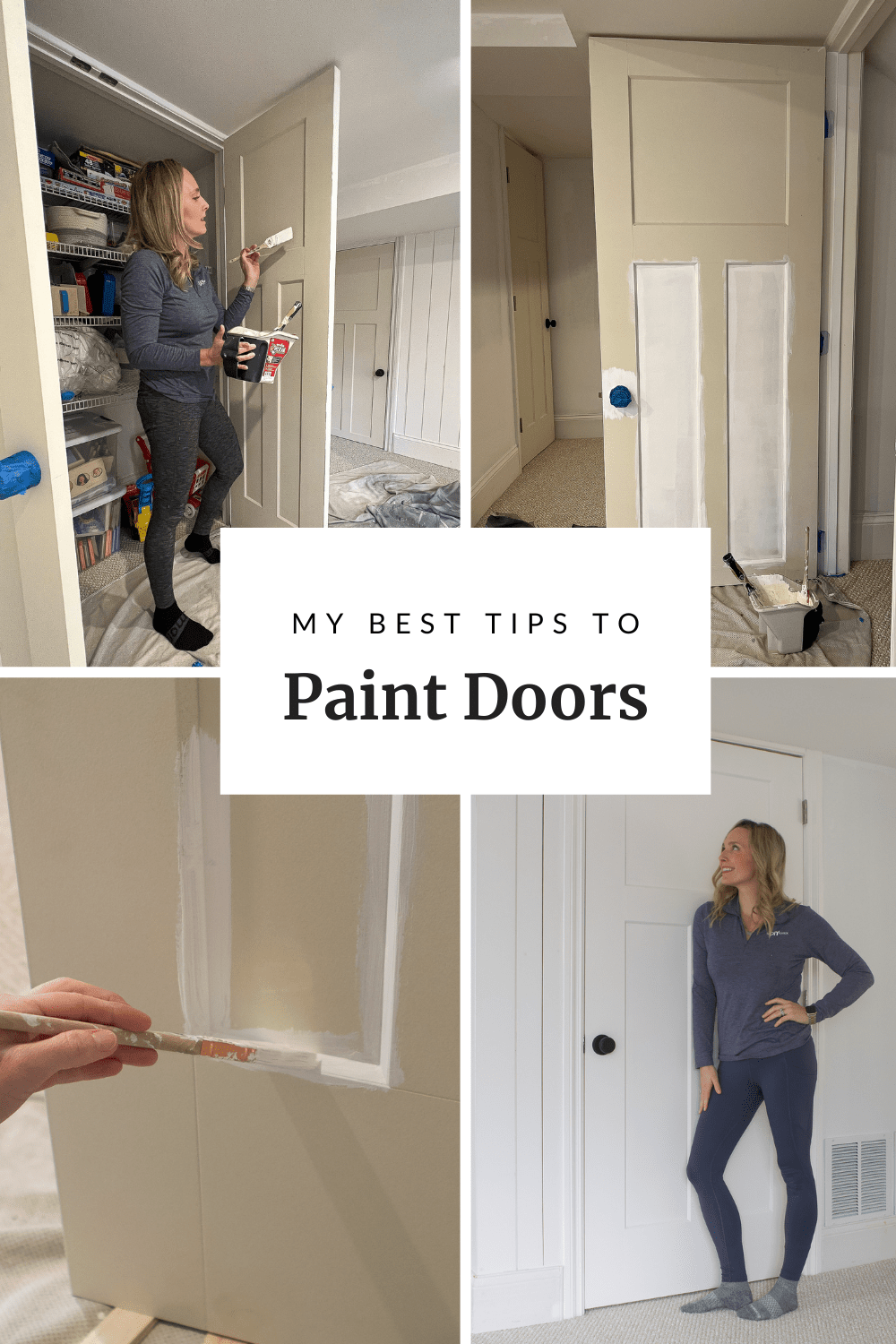
Essential Supplies Checklist
- Protection:
- Drop Cloths: Canvas or plastic to protect floors and furniture.
- Painter’s Tape: High-quality blue or green tape (FrogTape is excellent) for masking trim or the floor.
- Masking Paper/Plastic: For protecting walls/floor if spraying.
- Prep:
- Screwdriver/Drill: For removing hardware.
- Degreaser/Cleaner: TSP substitute or a good household cleaner for removing grime.
- Sanding Sponges/Fine-Grit Sandpaper: 120-grit for rough spots, 220-grit for general sanding, 320-grit for between coats.
- Wood Filler/Spackle & Putty Knife: For repairing dents or holes.
- Caulk Gun & Paintable Caulk: For filling gaps around panels (if applicable).
- Tack Cloths: Absolutely essential for removing sanding dust.
- Application:
- Quality Angled Sash Brush (2-2.5″): Crucial for cutting in and painting paneled areas. Look for synthetic bristles for latex/hybrid paints.
- High-Density Foam Roller (4″-6″): Creates the smoothest finish with minimal stipple. A micro-fiber nap roller (3/8″ nap) can also work well.
- Roller Frame: Sturdy, comfortable to hold.
- Paint Tray/Liner: For roller.
- Paint Pail/Bucket: For brush, makes dipping easier than a full can.
- Paint Sprayer (Optional): If you choose this method, an HVLP (High Volume Low Pressure) sprayer is generally recommended for doors.
- Paint Conditioner/Extender (Optional): Helps paint flow better and stay wet longer, reducing brush marks (e.g., Floetrol for latex, Penetrol for oil).
- Safety:
- Gloves: Protect your hands.
- Safety Glasses: Especially when sanding or spraying.
- Respirator/Mask: For sanding dust and paint fumes, particularly with oil-based or sprayed paints.
Decoding Paint Types: Which Is Best for Your Doors?
Choosing the right paint isn’t just about color; it’s about durability, finish, and ease of application. For interior doors, you need a paint that can withstand frequent touching, bumps, and cleaning. The general consensus among pros points to one type, but let’s look at your options:
- Latex/Acrylic Paint: These are water-based and the most common choice for general interior walls.
- Pros: Easy cleanup with water, low VOCs (less odor), quick drying time, good color retention.
- Cons: Can show brush marks more easily, not as hard or durable as other options, can chip or scratch more readily, may ‘block’ (stick) when doors are closed if not fully cured.
- Best Use: For low-traffic doors, or when budget and quick drying are the top priorities.
- Alkyd/Oil-Based Paint: Historically, oil paints were the go-to for doors and trim due to their superior hardness and smooth finish.
- Pros: Extremely durable, hard finish, excellent leveling (minimizes brush marks), smooth appearance.
- Cons: High VOCs (strong odor, requires good ventilation), long drying and curing times, messy cleanup (requires mineral spirits), tends to yellow over time, especially in white/light colors.
- Best Use: Rarely recommended for interior doors anymore due to VOCs and yellowing, unless extreme durability is required in a commercial setting.
- Water-Based Alkyd/Hybrid Urethane Enamel Paint: This is the modern professional’s choice and our top recommendation. These paints combine the best qualities of both latex and oil-based paints. Brands like Sherwin-Williams Emerald Urethane Trim Enamel or Benjamin Moore Advance are excellent examples.
- Pros: Water cleanup, low VOCs, excellent durability and hardness (approaching oil-based), superb leveling properties for a smooth, brush-mark-free finish, resistant to blocking, non-yellowing.
- Cons: Longer drying and curing times than standard latex (but faster than oil), typically more expensive.
- Best Use: The ideal choice for interior doors and trim where you want a durable, beautiful, and professional-looking finish with easy cleanup.
Here’s a snapshot of the paint types:
| Paint Type | Key Characteristics | Pros | Cons | Recommended Sheens |
|---|---|---|---|---|
| Latex/Acrylic | Water-based, common wall paint. | Easy cleanup, low VOC, fast drying. | Less durable, can show brush marks, prone to blocking. | Satin, Eggshell (if really low traffic). |
| Alkyd/Oil-Based | Solvent-based, traditional trim paint. | Highly durable, excellent leveling, hard finish. | High VOCs, long drying/curing, yellowing, difficult cleanup. | Semi-Gloss, Gloss. |
| Water-Based Alkyd/Hybrid Urethane Enamel | Water-based with oil-like durability. | Durable, excellent leveling, low VOC, easy cleanup, non-yellowing. | Higher cost, slightly longer dry-to-recoat than latex. | Satin, Semi-Gloss, Gloss. |
The Importance of Primer
Primer isn’t always necessary, but it’s often a smart step that contributes significantly to the final finish and durability. Think of it as a crucial bonding agent.
- When You NEED It:
- Bare Wood: If your door is new, unfinished, or you’ve sanded it down to bare wood, primer is essential for proper adhesion and preventing the wood from soaking up too much paint.
- Drastic Color Change: Going from a dark color to a light color (or vice versa) often requires a coat of tinted primer to ensure true color payoff in fewer topcoats.
- Glossy/Oil-Based Surface: If painting over a glossy finish or old oil-based paint with latex/hybrid, a bonding primer is non-negotiable for adhesion.
- Stain Blocking: If your door has water stains, knots, or other bleed-through issues, a stain-blocking primer is vital.
- When You Can Skip It: If your door is already painted with a similar color, in good condition, and you’re using a high-quality paint-and-primer-in-one product (though a dedicated primer is always better for adhesion).
Choosing the Right Sheen
The sheen refers to how glossy or reflective the paint finish is. For interior doors, higher sheens are generally preferred for durability and ease of cleaning.
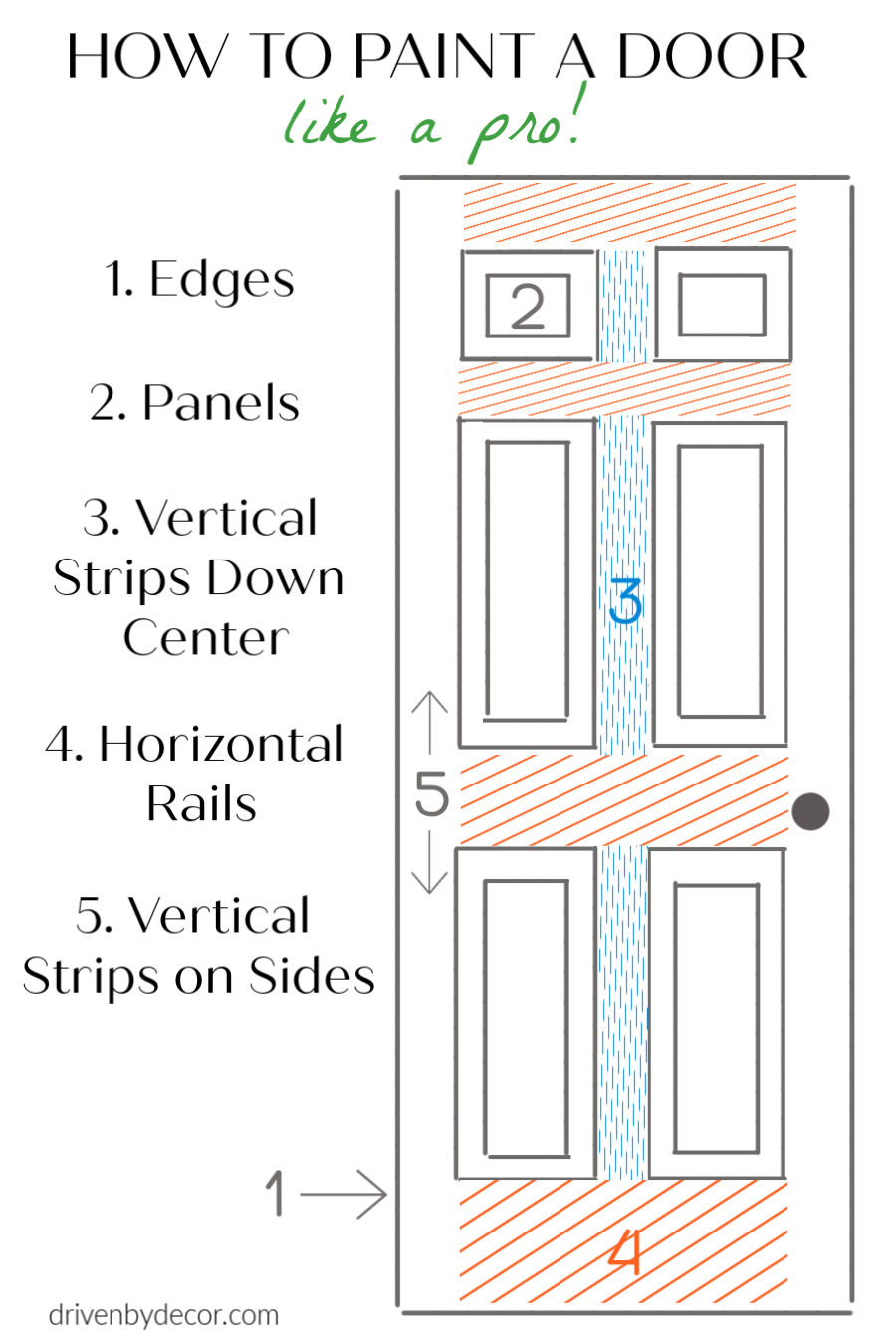
- Satin: Offers a subtle luster, more durable and washable than flat or eggshell. A good choice for a softer look.
- Semi-Gloss: The most common and recommended sheen for interior doors and trim. It’s highly durable, very easy to clean, and provides a classic, polished look that highlights architectural details.
- Gloss: The most reflective and durable option. It’s incredibly easy to clean and makes a bold statement. However, it also highlights every imperfection, so impeccable prep is a must.
Step-by-Step: How to Paint an Interior Door Flawlessly
Now that you’ve chosen your method and gathered your supplies, it’s time to get painting! We’ll focus on the “door removed and laid flat” method, as it yields the best results. If you’re painting on hinges, adjust where necessary, focusing extra hard on minimizing drips.
Step 1: Prep Like a Pro – It’s 80% of the Job!
This is where most DIYers cut corners, and it’s also where the pros spend most of their time. Proper preparation is the single biggest factor in achieving a beautiful, long-lasting finish.
- Remove the Door & Hardware: Carefully remove the door from its hinges. Lay it flat across two sawhorses or a sturdy workbench. Remove the doorknob, latch mechanism, and hinges. Bag and label all hardware so you don’t lose any tiny screws. If you must paint with the door on hinges, at least remove the doorknob and tape off the hinges meticulously.
- Clean It Thoroughly: Doors accumulate grime, fingerprints, and dirt. Use a degreaser (like a TSP substitute) or a good all-purpose cleaner and a damp cloth to thoroughly clean both sides of the door and all edges. Rinse with clean water and let it dry completely. Any lingering grease will prevent paint adhesion.
- Inspect & Repair: Look for any dents, dings, or nail holes. Fill these with wood filler or spackle, smoothing with a putty knife. If there are gaps around door panels, use paintable caulk to fill them for a seamless look. Allow fillers to dry according to manufacturer instructions.
- Light Sanding: Even if your door is already painted, a light sanding is critical for paint adhesion. Use 220-grit sandpaper or a sanding sponge to lightly scuff all surfaces. This creates a “tooth” for the new paint to grab onto. For bare wood or rougher surfaces, start with 120-grit, then move to 220-grit.
- Dust Off with a Tack Cloth: After sanding, wipe down the entire door with a tack cloth. These sticky cloths are excellent at picking up fine dust particles that regular rags miss. Don’t skip this – even tiny dust specks can show in your final finish.
Step 2: Prime Time (If Needed)
If your door requires priming (as discussed above), now’s the time. Apply a thin, even coat of your chosen primer. Use your brush for recessed panels and edges, and your foam roller for flat surfaces. Ensure complete coverage. Let the primer dry completely according to the manufacturer’s instructions. If you’re aiming for a glass-smooth finish, you can do another light sand with 220-grit or 320-grit sandpaper after the primer is dry, then wipe clean with a tack cloth again.
Step 3: Mastering the Paint Application
This is where technique truly shines. The goal is thin, even coats without drips or brush marks.
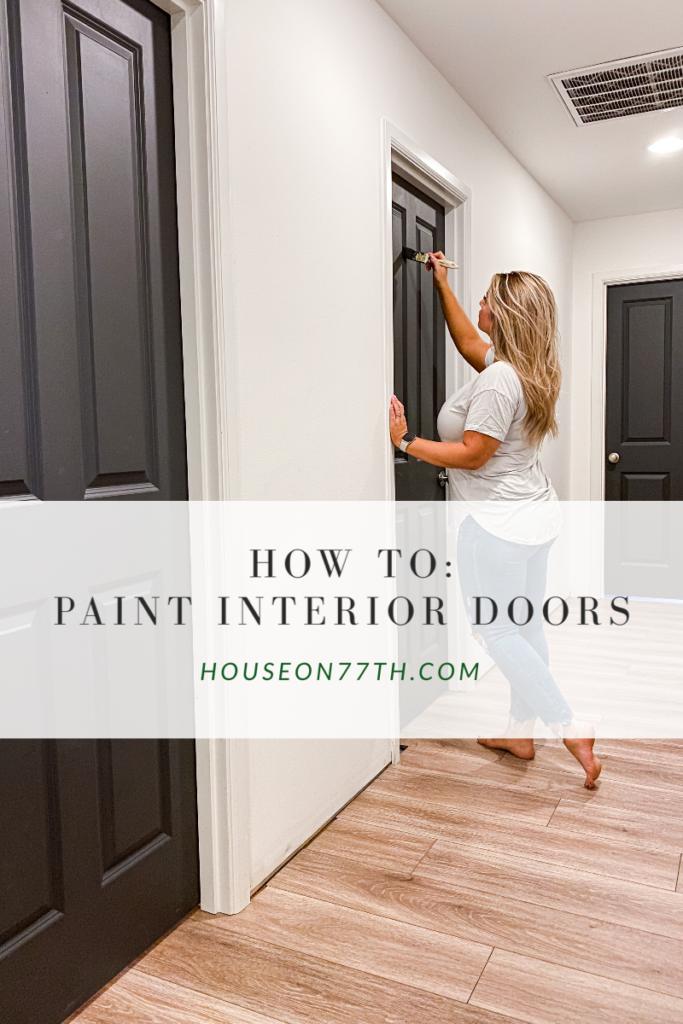
If Painting Flat (Door Removed):
- Start with Panels/Recesses (Brush): For paneled doors, use your angled sash brush to paint the inside edges of the recessed panels first. Work from the inside out, brushing into the corners and along the trim profiles. Don’t overload your brush, and keep your strokes smooth and consistent.
- Paint Rails and Stiles (Roller, Then Back-Brush/Tip-Off): After the panels, move to the horizontal sections (rails) and then the vertical sections (stiles).
- Use your high-density foam roller to apply paint to these flat surfaces. Roll in long, even strokes, ensuring good coverage without too much pressure.
- Immediately after rolling a section, take your (lightly damp, clean) angled brush and lightly drag the tips of the bristles across the freshly rolled paint. This technique, called “tipping off” or “back-brushing,”
- Work Systematically: For a typical paneled door, follow this order: panels, then horizontal rails (top to bottom), then vertical stiles (left to right or right to left, consistent direction). Finish by gently feathering the edges.
- Paint Edges: If your door is removed, paint the top, bottom, and side edges. If painting on hinges, only paint the latch side and hinge side (if exposed) and the bottom.
- Light Coats Are Key: Always apply two (or even three) thin coats rather than one thick coat. Thin coats dry faster, level better, and are less prone to dripping.
If Painting Upright (Door On Hinges):
The principles are similar, but gravity is working against you. Focus intently on thin coats and catching drips immediately. Use the same order (panels first, then rails, then stiles), but work in smaller sections to manage wet edges and quickly smooth any potential drips.
Step 4: Sand Between Coats for a Baby-Smooth Finish
Once your first coat of paint is dry to the touch (check manufacturer’s recommendations, usually 2-4 hours for hybrids), it’s time for another light sanding. This step is often skipped by DIYers but is essential for a professional finish.
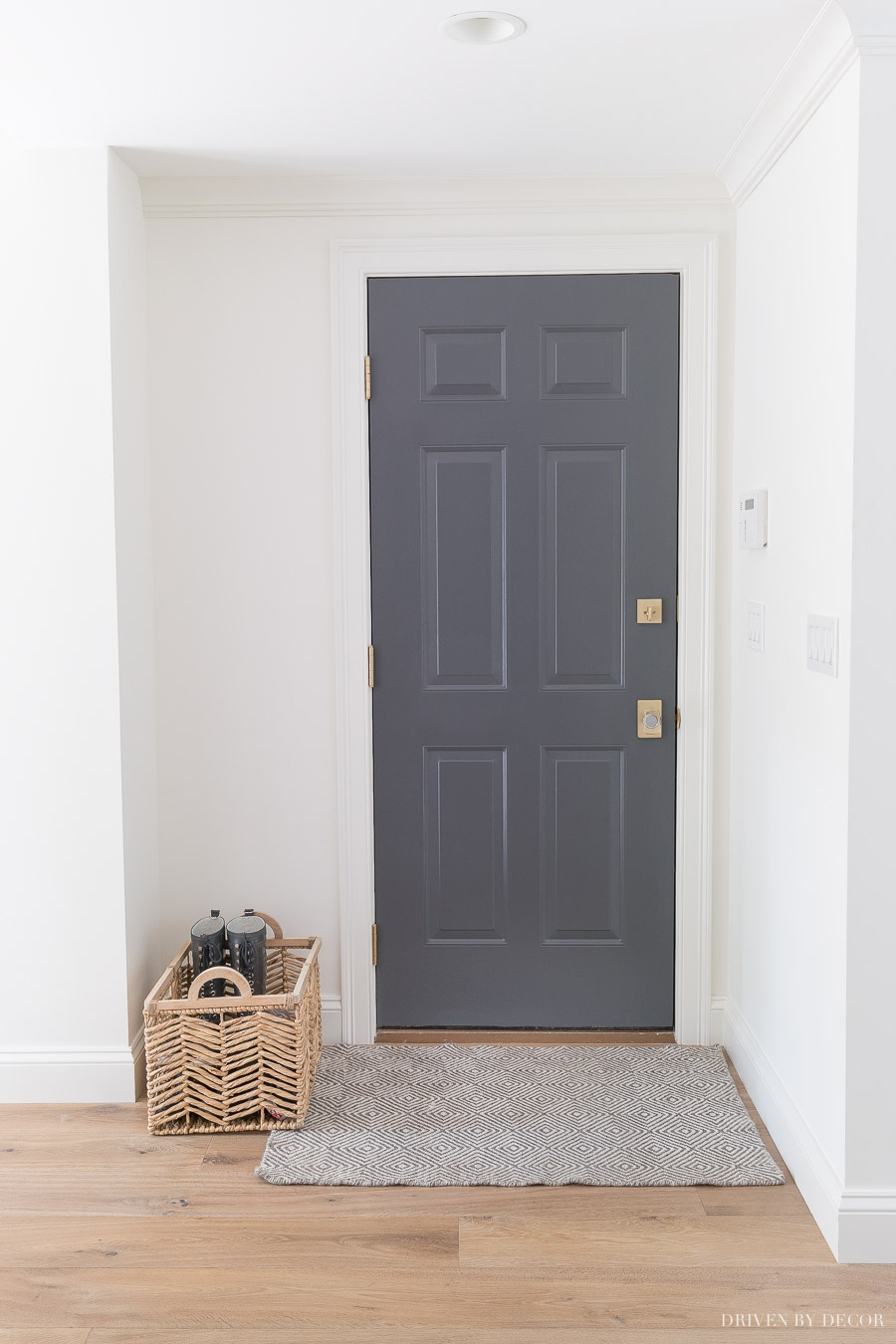
- Use 220-grit or 320-grit sandpaper (or a fine sanding sponge) and very lightly sand the entire door. You’re not trying to remove paint, just knock down any minor imperfections, dust nibs, or raised grain.
- Wipe the door down thoroughly with a tack cloth again to remove all sanding dust.
- Apply your second coat of paint using the same technique as the first. If desired (and for maximum durability), you can repeat the light sanding and apply a third thin coat.
Step 5: Drying, Curing & Reassembly
Don’t rush this! There’s a big difference between paint being dry to the touch and fully cured.
- Dry Time: This is how long it takes for the paint to feel dry and be ready for recoating or light handling.
- Cure Time: This is when the paint has reached its maximum hardness and durability. This can take anywhere from 7 to 30 days, especially for hybrid urethane enamels. While you can rehang your door after it’s fully dry (typically 24-48 hours after the final coat), be gentle with it for the first few weeks.
- Reassembly: Once the door is dry enough to handle without damaging the finish, carefully reattach the hardware and rehang the door. Use a screwdriver rather than a drill for the final tightenings to avoid stripping screws or damaging the fresh paint.
Troubleshooting Common Door Painting Mistakes
Even with the best intentions, things can sometimes go awry. Here’s how to tackle common issues:
- Brush Marks/Roller Stipple (Orange Peel): This is usually caused by using too much paint, not ‘tipping off’ with a brush after rolling, using the wrong type of roller (too high nap), or paint drying too quickly.
Fix: Let the paint cure, lightly sand smooth with 220-320 grit, then apply a thinner coat using proper technique and potentially a paint conditioner. - Drips and Sags: Almost always caused by applying too much paint in one coat.
Fix: If wet, brush out immediately. If dry, carefully scrape off excess with a razor blade or sanding. Sand smooth and repaint. - Poor Adhesion/Peeling: This is a prep issue. The surface wasn’t clean enough, wasn’t sanded, or the wrong primer/paint was used for the underlying surface.
Fix: Scrape off all peeling paint, clean, sand thoroughly, and apply appropriate primer (bonding primer if needed) before repainting. - Grain Raising: When water-based paint or primer is applied to bare wood, the wood fibers can swell and stand up, making the surface rough.
Fix: Lightly sand with 220-grit after the first coat of primer/paint to knock down the raised grain, then proceed with subsequent coats. - Uneven Finish/Sheen: Can be due to inconsistent application, inadequate stirring of paint, or painting in extreme temperatures.
Fix: Ensure paint is thoroughly mixed, apply thin, even coats, and maintain a consistent wet edge. If already dry, light sand and reapply evenly.
Pro Tips for a Flawless Finish
These extra bits of advice can elevate your project from good to gallery-worthy:
- Use Paint Conditioner: Products like Floetrol (for water-based paints) or Penetrol (for oil-based paints) slow down drying time, allowing the paint to level out more smoothly and reducing brush marks. Follow manufacturer’s instructions for mixing.
- Maintain a Wet Edge: Always work in sections, ensuring that as you apply new paint, you’re blending it into paint that is still wet. This prevents lap lines and ensures a continuous, smooth finish.
- Proper Brush & Roller Loading: Don’t overload your brush or roller. Dip only about a third of the brush bristles into the paint, and roll off excess on the tray. For rollers, ensure even saturation without dripping.
- Control the Environment: Avoid painting in direct sunlight, high humidity, or extreme temperatures. Ideal conditions are moderate temperature (65-75°F) and moderate humidity, which allow the paint to dry and cure optimally.
- Don’t Skip Curing Time: The temptation to rehang and use your doors immediately is strong, but resisting it will prevent frustrating nicks, scratches, and blocking. Give your paint ample time to harden.
- Label Your Doors: If you’ve removed multiple doors, label them (e.g., “Bedroom 1 Left”) and their corresponding hardware bags to make reassembly a breeze.
Painting interior doors might seem daunting at first, but by following these detailed steps and embracing the “prep like a pro” mindset, you can achieve results that you’ll be proud to show off. Take your time, pay attention to the details, and enjoy the satisfaction of beautifully transformed doors that enhance your home’s aesthetic and value. Happy painting!