Green Paint Colors For Walls: Your Definitive Guide to Choosing the Perfect Shade
Staring at a dizzying array of green paint swatches, feeling overwhelmed? You’re not alone. Choosing the “right” green for your walls can feel like a monumental task. Is it too minty? Too murky? Will it clash with your sofa? Green, the color of nature, tranquility, and renewal, is undeniably one of the most versatile and beloved hues in interior design. But its very versatility is what makes the decision so tricky.
Forget the guesswork. This guide isn’t just a list of popular greens; it’s your comprehensive roadmap to understanding, selecting, and confidently applying the perfect green paint for any room in your home. We’ll dive deep into color psychology, demystify undertones, and give you the tools to transform your space into the sanctuary or vibrant hub you’ve always dreamed of.
Why Green? The Psychology Behind the Most Versatile Color
Before we even get to shades, let’s understand why green resonates so deeply with us. It’s more than just a “pretty color”; it triggers primal connections to the natural world, influencing our mood and well-being.
The Calming Power of Nature
Think about a lush forest or a serene meadow. Green is instantly associated with nature, growth, and life. Studies have shown that exposure to green can reduce stress, promote relaxation, and even improve concentration. This makes it an ideal choice for spaces where you want to unwind and find peace – bedrooms, living rooms, or quiet nooks.
Energy, Creativity, and Growth
While often seen as calming, green also carries an invigorating energy. Lighter, brighter greens can stimulate creativity and fresh thinking, making them excellent for home offices or creative studios. It’s a color that symbolizes new beginnings and abundance, fostering a sense of optimism and balance in your home.
Decoding Green: Understanding Its Many Faces
Green isn’t just one color; it’s an entire spectrum. Each family of greens offers a unique personality and impact. Understanding these categories is your first step towards narrowing down the options.
Light & Airy Greens (e.g., Mint, Pistachio, Celadon)
These are the delicate, often pastel greens that feel fresh and expansive. They reflect light beautifully, making rooms feel larger and brighter. They’re reminiscent of spring growth and offer a gentle, uplifting presence.

- Ideal for: Small rooms, rooms with limited natural light, bathrooms, children’s rooms, or any space where you want a crisp, clean, and airy feel.
- Key Characteristics: Refreshing, youthful, serene, optimistic.
Muted & Earthy Greens (e.g., Sage, Olive, Moss)
If you’re craving sophistication and a grounded feel, look to muted greens. These shades often have a significant gray or brown undertone, softening their intensity and giving them an organic, timeless quality. They evoke a sense of heritage and connection to the earth.
- Ideal for: Living rooms, dining rooms, bedrooms, traditional or farmhouse-style homes, or spaces where you want a cozy, inviting, and elegant atmosphere.
- Key Characteristics: Sophisticated, grounding, soothing, versatile, natural.
Deep & Dramatic Greens (e.g., Emerald, Forest, Hunter)
For a dose of luxury and drama, deep greens are unmatched. These rich, saturated hues create a moody, enveloping atmosphere that feels both grand and intimate. They absorb light, making them perfect for creating a cozy, jewel-box effect.
- Ideal for: Accent walls, formal dining rooms, libraries, studies, bedrooms, or any space where you want to make a bold statement and create a sense of depth and elegance.
- Key Characteristics: Luxurious, dramatic, intimate, sophisticated, enveloping.
Vibrant & Energetic Greens (e.g., Lime, Apple, Kelly)
These are the playful, punchy greens that command attention. They’re full of life and can inject a burst of energy into any space. Use them judiciously to avoid overwhelming a room, or embrace their exuberance for a truly modern and creative vibe.
- Ideal for: Children’s playrooms, creative studios, accent walls, modern kitchens, or spaces where you want to evoke joy, energy, and a contemporary feel.
- Key Characteristics: Playful, energetic, modern, bold, cheerful.
The Secret Ingredient: Undertones and Why They Matter
This is where many people get tripped up. An undertone is the subtle color lurking beneath the surface of a dominant shade. It dictates whether a green feels “warm” or “cool” and how it interacts with other colors and light in your room. Ignoring undertones is like trying to cook without seasoning – you might get close, but it won’t be quite right.
Green with Blue Undertones (Cool)
These greens lean towards the cooler side of the spectrum, like seafoam or teal-greens. They evoke a sense of calm, spaciousness, and serenity. They work wonderfully in sun-drenched rooms to balance warmth or in north-facing rooms to enhance their naturally cool light.
- When to choose: To create a tranquil, spa-like, or sophisticated atmosphere. Great for bedrooms, bathrooms, or rooms with lots of natural light.
- Feelings evoked: Peaceful, crisp, refreshing, elegant.
- Best pairings: Cool grays, crisp whites, deep blues, silver accents, natural wood tones.
Green with Yellow Undertones (Warm)
These greens feel vibrant, inviting, and often quite earthy, like olive or moss green. The yellow undertone adds a sunny, sometimes golden, glow that can make a room feel cozy and welcoming. They can brighten up darker spaces or add warmth to rooms that feel a bit sterile.
- When to choose: To create a cozy, organic, traditional, or cheerful ambiance. Excellent for living rooms, kitchens, or rooms that need a boost of warmth.
- Feelings evoked: Inviting, cheerful, grounded, comfortable.
- Best pairings: Creamy whites, warm grays, terracotta, gold accents, deep browns, natural textiles.
Green with Gray/Brown Undertones (Muted/Earthy)
Many of the popular sage, olive, and moss greens fall into this category. The gray or brown undertone mutes the intensity of the green, making it incredibly versatile and sophisticated. These are the “chameleon” greens that can adapt to many styles and palettes.

- When to choose: For a timeless, sophisticated, and soothing backdrop. Ideal for almost any room – from bedrooms to living rooms – when you want a versatile neutral that still has personality.
- Feelings evoked: Tranquil, sophisticated, organic, adaptable.
- Best pairings: True grays, off-whites, black, charcoal, natural wood, leather, linen.
Choosing Your Green: A Room-by-Room Breakdown
The function and typical “mood” of a room are critical factors in choosing your green.
Living Rooms: From Serene Sanctuaries to Lively Hubs
For a relaxed, inviting space, consider a muted sage or a soft moss green. These provide a sophisticated backdrop without overwhelming. If you want more drama, a deep forest green on an accent wall can create a cozy, luxurious feel, especially paired with rich textures like velvet or leather. Lighter greens can keep a smaller living room feeling open and airy.
Bedrooms: Creating Your Personal Oasis
This is where green truly shines for its calming properties. Opt for soft, muted greens with gray or blue undertones like celadon or a gentle seafoam. These colors promote tranquility and good sleep. If you prefer a bolder look, a dark emerald can create a luxurious, enveloping “cocoon” effect, especially when combined with warm lighting.
Kitchens: Fresh, Inviting, and Functional
Kitchens benefit from greens that feel fresh and clean. Mint green or a bright pistachio can create a cheerful, retro-inspired vibe. For a more modern or farmhouse aesthetic, a sage green or a muted olive pairs beautifully with white cabinetry, natural wood, or brass hardware, offering a sophisticated warmth.
Bathrooms: Spa-Like Retreats
Transform your bathroom into a tranquil spa with a soft aqua-green or a pale seafoam. These cool greens evoke water and cleanliness. Even a deeper, more saturated green like a hunter green can work in a larger bathroom to create a luxurious, hotel-like feel, especially with white marble and gold fixtures.
Home Offices & Creative Spaces: Focus and Inspiration
Green’s ability to improve concentration makes it excellent for work environments. A slightly stimulating yet grounded green, like a mid-tone emerald or a vibrant lime-tinged green, can foster creativity and focus. Balance it with warm wood tones and plenty of natural light.
Kids’ Rooms: Playful Yet Peaceful
For children’s spaces, a playful but not overstimulating green is key. A cheerful apple green or a soft pistachio can be energetic without being overwhelming. Pair it with pops of brighter colors or keep it calm with neutral furnishings. The restorative nature of green can also help balance energetic little ones.

Lighting & Exposure: How Natural Light Changes Everything
Natural light is your room&rsquos most powerful “color shifter.” The same green paint will look drastically different depending on the direction your windows face.
North-Facing Rooms: Embracing the Cool
These rooms receive indirect, cooler light throughout the day. Greens with yellow undertones (like olive or moss) can bring much-needed warmth and vibrancy. Alternatively, embrace the cool with crisp blue-greens (like celadon) for a truly ethereal and sophisticated feel, but be aware it might feel colder.
South-Facing Rooms: Softening the Warmth
Bathed in abundant, warm, and bright light, south-facing rooms can handle a wide range of greens. Cooler greens with blue or gray undertones (like seafoam or muted sage) can help balance the warmth and create a refreshing ambiance. Deeper greens will appear truer and less muted here.
East-Facing Rooms: Morning Glow
East-facing rooms get bright, warm light in the morning, which shifts to cooler light later in the day. A balanced green, perhaps with subtle gray undertones, can look beautiful throughout this transition. Mint or light sage greens work well, appearing crisp in the morning and softer in the afternoon.
West-Facing Rooms: Evening Drama
These rooms receive intense, warm, golden light in the afternoon and evening. This is a fantastic opportunity to use deep, dramatic greens like forest or emerald, which will truly come alive and glow in the evening light. Lighter greens might appear washed out or overly bright during peak sun.
Pairing Perfection: Colors That Love Green
No paint color exists in a vacuum. How it harmonizes with other colors in your decor is crucial.
Neutrals: Timeless Companions (Creams, Whites, Grays, Taupes)
You can never go wrong with neutrals. Crisp whites make greens pop, especially cooler, blue-tinged shades. Creamy off-whites or warm grays are perfect for earthy or warm greens, creating a soft, organic feel. Taupes and browns enhance the natural, grounding qualities of most greens.
Warm Accents: Bold and Inviting (Pinks, Oranges, Golds, Terracottas)
For a dynamic and inviting palette, introduce warm accent colors. Soft pinks or muted terracottas with sage green create a bohemian, earthy vibe. Hints of gold or brass hardware add warmth and luxury to both light and dark greens. Burnt orange can provide a vibrant contrast without clashing.
Cool Complements: Harmonious Duos (Blues, Purples)
Green and blue are a classic, harmonious combination found everywhere in nature. Lighter blue-greens pair beautifully with deeper navy blues, creating a serene coastal or sophisticated palette. Small touches of lavender or deep plum can add unexpected depth and richness to a green scheme.
Wood Tones & Natural Materials: Earthy Elegance
Green absolutely sings alongside natural wood – from light oak to dark walnut. Incorporate rattan, jute, linen, and wool to enhance green’s organic feel. Plants, of course, are a natural “accessory” that amplify the living energy of green walls.
Popular Green Paint Colors: An Expert’s Selector Guide
Ready for some specific inspiration? Here’s a curated selection of popular and highly-rated green paint colors, with insights into their characteristics and best uses. While brand names are mentioned for clarity, remember to always test swatches in your own space!
| Color Name / Type | Brand (or Common Type) | Characteristics | Undertones | Best Room/Use | Pairs Well With |
|---|---|---|---|---|---|
| Evergreen Fog | Sherwin-Williams | A subtle, sophisticated chameleon green. Relaxing and organic, it shifts with light. | Gray, hint of blue | Living rooms, bedrooms, offices, open-concept spaces | Warm whites, creams, natural wood, deep blues, charcoal |
| October Mist | Benjamin Moore | A gentle, earth-inspired sage that anchors a room. Soft, calm, and highly versatile. | Gray, touch of yellow | Bedrooms, living rooms, kitchens, hallways | Creamy whites, taupes, wood tones, soft pinks, terracotta |
| Forest Green / Hunter Green | Generic Deep Green | Rich, dramatic, and luxurious. Creates depth and an enveloping, intimate atmosphere. | Blue, black | Accent walls, dining rooms, libraries, formal living rooms | Creamy whites, gold, brass, deep reds, navy, dark wood |
| Palladian Blue | Benjamin Moore | A serene and airy green-blue that feels like a clear sky. Very light and refreshing. | Blue, gray | Bedrooms, bathrooms, sunrooms, rooms with abundant natural light | Crisp whites, light grays, silver, natural linen, pale yellow |
| Farrow & Ball “Vert de Terre” | Farrow & Ball | A muted, earthy green that feels grounded and tranquil. Less gray than some sages. | Subtle yellow, brown | Kitchens, utility rooms, traditional living spaces, cozy corners | Off-whites, terracotta, warm wood, antique brass |
| Mint Green | Generic Light Green | A bright, cheerful pastel green. Fresh, clean, and invigorating. | Blue, white | Bathrooms, children’s rooms, kitchens, small spaces needing brightness | Coral, lavender, crisp white, light gray, pale yellow |
| Olive Green | Generic Muted Green | Earthy, sophisticated, and warm. Evokes vintage charm and natural elegance. | Brown, yellow | Living rooms, dining rooms, studies, spaces with natural wood | Cream, rust, gold, charcoal, deep red, walnut wood |
Pro Tips for Painting with Green
You’ve done the hard work of choosing. Now, let’s ensure your green vision comes to life flawlessly.
Sample, Sample, Sample!
This cannot be stressed enough. Buy sample pots and paint large swatches (at least 2×2 feet) on several walls in your room. Observe them at different times of day and in various lighting conditions. Live with them for a few days. The color will look different on a small swatch than on an entire wall, and different from one room to another.
Consider Your Sheen
- Flat/Matte: Offers a sophisticated, velvety finish that hides imperfections, but is less durable and harder to clean. Ideal for low-traffic areas like bedrooms.
- Eggshell/Satin: Most popular choice for walls. Offers a soft luster, is more durable and washable than flat, and hides minor imperfections. Versatile for living rooms, hallways.
- Semi-Gloss/Gloss: Highly durable and reflective, but highlights imperfections. Best for trim, doors, and high-moisture areas like bathrooms (if applied properly with appropriate paint).
Don’t Forget the Trim
White trim is a classic pairing for green walls, creating a crisp contrast. However, don’t be afraid to experiment! A deeper green wall might look stunning with a slightly lighter green trim in the same family for a monochromatic, sophisticated look. Black trim can add a modern, dramatic edge.
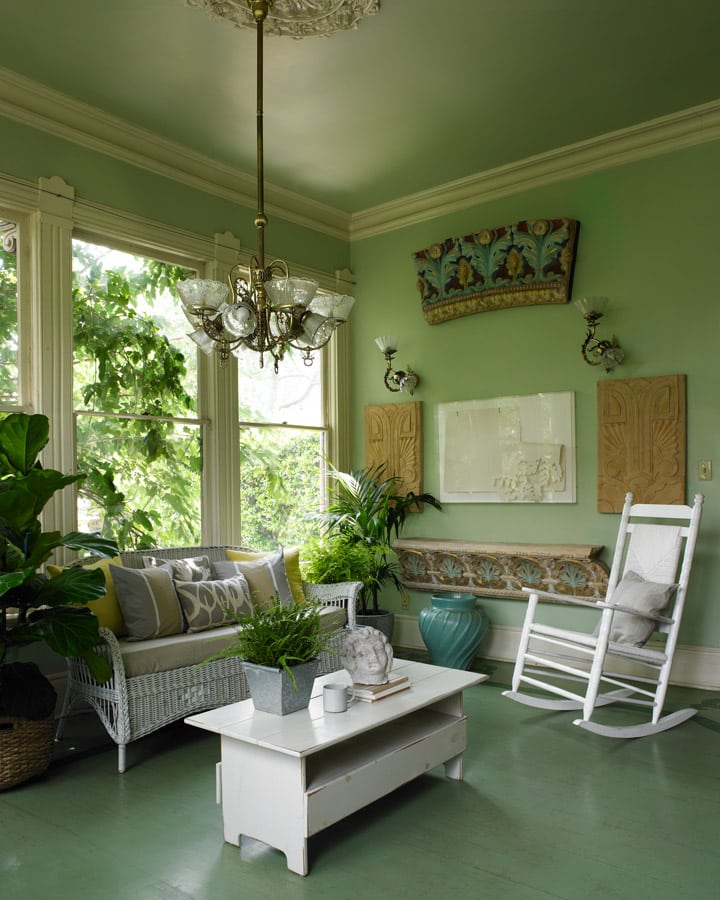
:max_bytes(150000):strip_icc()/220428_TLenz_Barrett1438-c62b48459ed04361ba48a5e2ccbcd0c1.jpeg "38 Best Sage Green Paint Colors for a Soothing Space")
Balance with Other Elements
Green walls are a fantastic foundation, but they need companions. Use furniture, textiles, artwork, and plants to complete your room’s story. Introduce different textures to add depth and warmth, and ensure your lighting (both natural and artificial) works with your chosen green.
Ready to Go Green?
Choosing green paint for your walls is an investment in your home’s aesthetic and your personal well-being. By understanding the psychology of green, deciphering its undertones, considering your room’s unique characteristics, and embracing the power of light, you’re no longer guessing. You’re making an informed, confident decision.
So, take a deep breath, pick up those swatches, and get ready to transform your home with the unparalleled beauty and versatility of green. Your perfect shade awaits!
Frequently Asked Questions
What’s the best green paint color for a small room?
For small rooms, opt for light and airy greens like mint, pale celadon, or a soft sage with significant gray undertones. These shades reflect light, making the room feel more expansive and open rather than enclosed. Avoid very deep or vibrant greens, which can make a small space feel even smaller.
How do undertones affect green paint colors?
Undertones are the subtle colors (blue, yellow, gray, brown) that peek through the dominant green hue, dictating its overall warmth or coolness. Green with blue undertones will feel cooler and crisper, while yellow undertones will make a green feel warmer and more inviting. Gray or brown undertones create a muted, sophisticated, and earthy feel. These undertones profoundly influence how the green interacts with your furniture, lighting, and other decor elements.
What colors pair well with green walls?
Green is incredibly versatile. It pairs beautifully with classic neutrals like crisp whites, creamy off-whites, warm grays, and natural wood tones for a timeless look. For more vibrant schemes, consider warm accents like soft pinks, terracotta, gold, or muted oranges. Cool complements like blues (especially navy or aqua) also create harmonious, nature-inspired palettes.
Is green a good color for a bedroom?
Yes, green is an excellent choice for bedrooms due to its calming and restorative psychological effects. Soft, muted greens like sage, moss, or celadon promote relaxation and tranquility, aiding in better sleep. Even deeper greens, like forest or emerald, can create a luxurious and enveloping ‘cocoon’ effect, perfect for a cozy retreat.
How does natural light impact green paint colors?
Natural light significantly alters how green paint appears. North-facing rooms with cool light benefit from warm greens (yellow undertones). South-facing rooms with abundant warm light can handle cooler greens to balance the warmth. East-facing rooms, bright in the morning, suit balanced greens. West-facing rooms, intense in the afternoon, are perfect for deep, dramatic greens that glow in the evening light.
Should I choose a warm green or a cool green for my walls?
The choice between warm and cool green depends on the mood you want to create and your room’s existing light. Warm greens (with yellow or brown undertones) create a cozy, inviting, and grounded atmosphere, great for brightening cool rooms. Cool greens (with blue or gray undertones) evoke a sense of calm, freshness, and sophistication, often used to balance bright, warm rooms or enhance naturally cool spaces.
What’s the difference between sage green and olive green?
While both are muted, earthy greens, sage green typically has more gray undertones, giving it a softer, often slightly cooler, and more silvery-green appearance. Olive green, on the other hand, tends to have stronger yellow or brown undertones, making it warmer, richer, and more reminiscent of a ripe olive. Both are versatile but create slightly different moods – sage is often more tranquil, while olive can feel more grounded and rustic.