The Ultimate Guide to Best Bedroom Paint Colors For Couples: Crafting Your Shared Sanctuary
Ah, the bedroom. It’s more than just a place to sleep; it’s your shared sanctuary, your private escape, and often, the silent witness to your deepest connections. For couples, choosing the perfect bedroom paint color isn’t just about aesthetics; it’s about crafting an environment that nurtures intimacy, fosters relaxation, and truly feels like home for both of you. But let’s be real: combining two individual tastes into one harmonious color choice can feel like a relationship challenge in itself!
You’re probably here because you’ve either hit a wall (pun intended!) with differing opinions, or you’re simply overwhelmed by the sheer number of options. Don’t worry, you’re not alone. I’m going to guide you through the process, not just by listing beautiful colors, but by helping you understand the psychology behind them and how to make a joint decision that truly elevates your shared space. My goal is to help you find that sweet spot – a color that both of you adore, creating a bedroom that’s a haven for your unique love story.
Why Your Bedroom Color Matters to Your Relationship
Think about it: the colors surrounding you have a profound impact on your mood, energy levels, and even your interactions. In a space as personal as a bedroom, this effect is amplified, especially for couples.
The Psychology of Color in Shared Spaces
Colors are silent communicators. Soft blues can evoke feelings of peace and calm, while deep reds might ignite passion. A bright yellow could feel energizing to one person but anxiety-inducing to another. When two people share a space, the chosen color needs to resonate positively with both partners’ subconscious. It’s not just about what looks good; it’s about how it feels to both of you.
Beyond Aesthetics: Mood, Intimacy, and Relaxation
Your bedroom color plays a huge role in setting the stage for everything that happens there. Do you want a space that encourages deep, restful sleep? A color that subtly enhances intimacy? Or perhaps a vibrant hue that kickstarts your mornings with positive energy? The right color scheme can help you:
- Enhance Relaxation: Certain colors are scientifically proven to lower heart rates and promote a sense of calm, crucial for winding down together.
- Foster Intimacy: Warm, inviting tones can create a sense of closeness and comfort, setting a romantic mood.
- Improve Sleep Quality: Avoiding overly stimulating colors can lead to better sleep for both partners.
- Reflect Your Shared Personality: Your bedroom should feel like ‘you’ – both of you.
Navigating the “Couples’ Color Compromise”: Finding Your Joint Vibe
This is often where the real challenge lies. One loves bold, the other prefers subtle. One dreams of blue, the other insists on green. Here’s a strategic approach to finding common ground:

Step 1: Identify Individual Preferences (and Non-Negotiables)
Before you even look at paint chips, have an open conversation. What colors do you each genuinely love? What colors do you absolutely detest? Are there any colors that evoke strong negative memories for either of you? Knowing your ‘deal-breakers’ upfront can save a lot of debate later. Focus on the feelings certain colors evoke for each of you.
Step 2: Focus on the Desired Mood, Not Just the Color
Instead of saying, “I want blue!” and “I want green!”, try this: “I want our bedroom to feel calm and serene.” or “I want it to feel cozy and intimate.” This shifts the discussion from specific hues to shared feelings. Once you agree on the overall mood, finding colors that achieve that mood for both of you becomes much easier. Often, a color that isn’t either partner’s first choice can still be loved if it creates the desired atmosphere.
Step 3: Explore the Middle Ground: Accent Walls & Dual Tones
If you genuinely can’t agree on a single all-encompassing color, don’t despair! There are elegant solutions. An accent wall allows one partner’s preferred bold color to shine without overwhelming the space, while the other three walls can be a more universally agreed-upon neutral. Similarly, a two-tone wall can blend two complementary colors seamlessly, symbolizing your two tastes coming together.
Top 10 Best Bedroom Paint Colors for Couples: Curated by Mood & Harmony
Now that we’ve set the stage for collaboration, let’s dive into some of the most beautiful and harmonious colors for couples’ bedrooms. I’ve grouped them by the mood they evoke, offering specific brand examples to help you visualize.
Serene & Soothing: Colors for a Peaceful Retreat
These colors are perfect for couples who prioritize relaxation, mindfulness, and a tranquil escape from daily stresses. They promote restful sleep and a calm environment.
- Soft Blues: Universally loved for their calming properties, soft blues evoke the tranquility of the sky or ocean. They reduce stress and create a refreshing atmosphere. Look for muted, slightly desaturated blues rather than vibrant ones for a truly serene feel.
- Examples: Benjamin Moore Palladian Blue, Sherwin-Williams Sea Salt, Behr Light French Gray (with blue undertones)
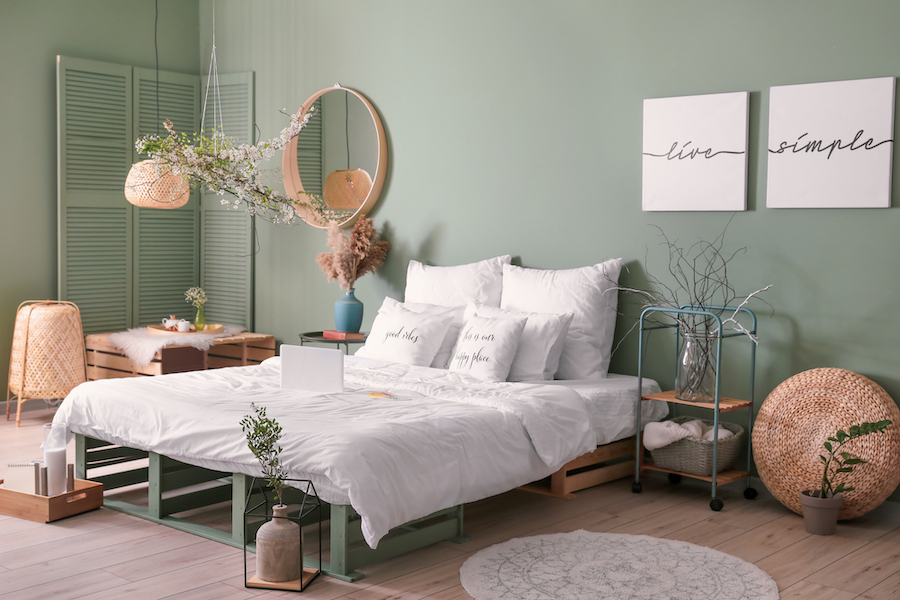
- Calming Greens: Inspired by nature, greens bring a sense of balance, harmony, and renewal. Sage, eucalyptus, or muted olive tones are particularly soothing and can help reduce anxiety.
- Examples: Benjamin Moore Sage Mountain, Sherwin-Williams Evergreen Fog, Farrow & Ball Mizzle
- Gentle Greys & Greiges: These sophisticated neutrals offer a clean, contemporary backdrop that’s incredibly versatile. Greys with warm undertones (greiges) prevent the space from feeling cold and provide a quiet elegance that allows other elements (like bedding or art) to shine. They are excellent compromise colors.
- Examples: Sherwin-Williams Agreeable Gray, Benjamin Moore Revere Pewter, Behr Swiss Coffee (a warm greige)
Warm & Inviting: Hues for Coziness & Connection
If you and your partner dream of a snug, comfortable haven that encourages closeness and warmth, these colors will wrap your bedroom in an inviting embrace. They’re excellent for creating a feeling of security and tenderness.

- Blush & Dusty Rose: Far from overly feminine, modern blush tones are sophisticated and subtle. They offer a gentle warmth, evoking tenderness and soft romance without being overtly dramatic. They pair beautifully with creams, grays, and even deeper greens.
- Examples: Farrow & Ball Setting Plaster, Benjamin Moore Hint of Pink, Sherwin-Williams Romance
- Creamy Whites & Off-Whites: These are not your stark, sterile whites! Warm whites have subtle undertones of yellow, beige, or greige, creating an incredibly cozy, inviting, and airy feel. They are perfect for reflecting light and making a space feel larger and brighter, while still being soft.
- Examples: Sherwin-Williams Alabaster, Benjamin Moore Swiss Coffee, Behr Linen White
- Earthy Neutrals: Think terracotta, muted rust, or rich mushroom tones. These colors ground a space, bringing the warmth and stability of the natural world indoors. They feel comforting, organic, and incredibly chic.
- Examples: Behr Kilim Beige, Sherwin-Williams Accessible Beige, Benjamin Moore Classic Gray (warm, earthy gray)
Romantic & Sophisticated: Deep Tones for Intimacy
For couples who desire a luxurious, intimate, and perhaps a touch dramatic bedroom, these deeper hues create a cocoon-like effect. They are perfect for setting a sensual mood and making a strong design statement.
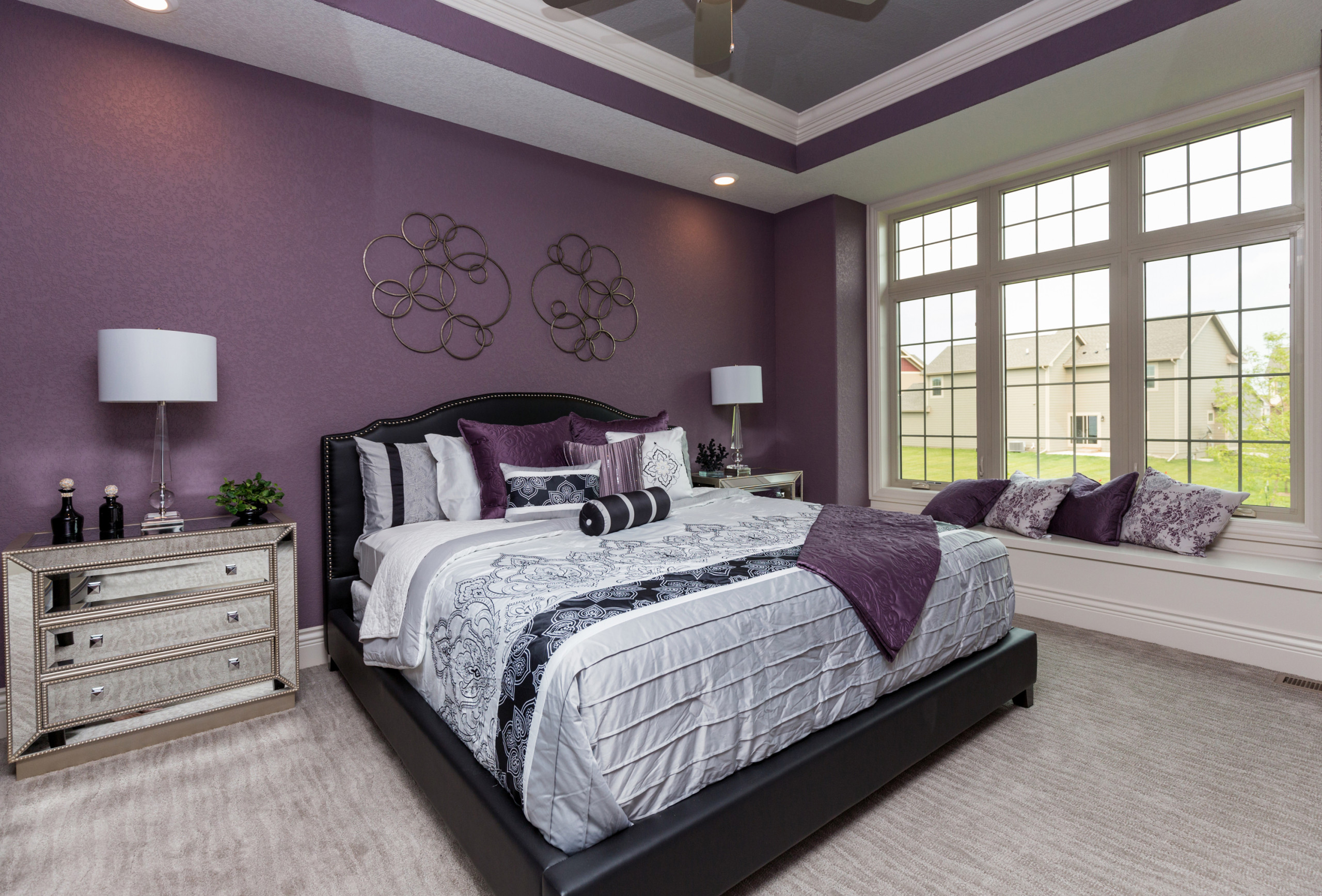
- Deep Plums & Burgundies: These rich, jewel-toned colors exude opulence and passion. Deep plum can be surprisingly soothing and sensual, while burgundy creates a truly romantic, sophisticated backdrop. They are bold but incredibly warm.
- Examples: Benjamin Moore Autumn Purple, Sherwin-Williams Marea Baja, Farrow & Ball Pelt
- Midnight Blues & Rich Teals: Dark blues like navy or deep sapphire are incredibly sophisticated and calming, yet also feel intimate and luxurious. Teals, with their blend of blue and green, add an element of exotic richness and depth. They’re like wrapping your room in the night sky.
- Examples: Benjamin Moore Hale Navy, Sherwin-Williams Cyberspace, Behr Midnight Blue
- Warm Charcoals & Deep Browns: Don’t fear the dark! Deep, warm charcoals and rich chocolates can create an incredibly cozy, enveloping, and sophisticated atmosphere. They recede into the background, making other elements pop, and feel incredibly intimate, especially with soft lighting.
- Examples: Farrow & Ball Down Pipe, Benjamin Moore Wrought Iron, Sherwin-Williams Urbane Bronze
Bright & Uplifting: Light Hues for Positive Energy
If you and your partner love to wake up feeling refreshed and energized, or simply prefer a light and airy feel, these colors can bring a positive, cheerful vibe to your shared space. They prevent gloom and promote a sense of openness.
- Pale Lavenders: A soft, muted lavender can be surprisingly versatile. It offers a touch of romance and whimsy, and is known for its soothing properties, promoting tranquility and imagination. It’s a great choice for a unique yet calming space.
- Examples: Sherwin-Williams Amethyst Cream, Benjamin Moore Lavender Ice, Behr Celestial Light
- Soft Corals & Peaches: These gentle, sun-kissed hues bring warmth and a subtle energy. They are inviting and optimistic, creating a cheerful yet soft environment. Think of a warm sunset glow that makes the room feel alive without being overpowering.
- Examples: Sherwin-Williams Romance, Behr Peach Preserve, Benjamin Moore Custis Salmon
Beyond the Hue: Expert Tips for a Harmonious Bedroom
Choosing the color is a huge step, but a few other considerations can make all the difference in how that color truly performs in your shared space.
The Impact of Lighting: Day vs. Night Perception
This is critical! A color can look entirely different under natural daylight versus artificial evening light. Always observe your paint samples at various times of the day and night. Pay attention to:
- Natural Light: How much light does your room get? North-facing rooms tend to have cooler, duller light, while south-facing rooms get warmer, brighter light.
- Artificial Light: Are your bulbs warm (yellowish) or cool (bluish)? This will drastically alter the perception of your chosen paint color.
- Time of Day: The morning sun, midday brightness, and evening lamps will each cast a different glow, changing your wall color’s appearance.
Choosing the Right Sheen: Comfort Meets Practicality
The finish (sheen) of your paint is just as important as the color. It impacts durability, cleanability, and the overall look and feel.
- Matte/Flat: Best for hiding wall imperfections and creating a soft, velvety look. It absorbs light, giving colors a rich, deep appearance. However, it’s less durable and harder to clean, making it best for low-traffic areas like bedrooms. Ideal for a cozy, sophisticated feel.
- Eggshell/Satin: The most popular choice for bedrooms. It offers a subtle, soft sheen (like an eggshell) that’s more durable and easier to clean than flat paint, while still maintaining a warm, inviting look. It’s a great balance of aesthetics and practicality.
- Semi-Gloss/Gloss: Highly durable and easy to clean, with a noticeable shine. Generally too reflective and intense for entire bedroom walls, but excellent for trim, doors, and accent features where you want a crisp, clean look.
The Power of Accent Walls: Compromise Without Concession
As mentioned, accent walls are a brilliant solution for couples with differing color preferences. They allow you to incorporate a bolder color or a shade one partner adores, without committing to all four walls. Choose the wall you want to highlight – often the one behind the bed – and paint it a rich, deeper version of your main wall color, or a complementary contrasting hue. This creates a focal point and adds depth without overwhelming the space.
:strip_icc()/JetStream814-e85aa25624124da2a51aa16be0d25c8d.jpg "25 Calming Bedroom Paint Colors for a Restful Retreat")
Harmonizing with Decor: Furniture, Textiles, and Art
Your wall color is just one element of your bedroom’s design. Consider how it will interact with your existing or planned furniture, bedding, curtains, and artwork. A neutral wall color provides a versatile backdrop for vibrant textiles, while a bolder wall color might call for more subdued decor. Ensure your chosen paint color works with your bedding, which is a significant visual element in a bedroom. Creating a cohesive look will amplify the effect of your chosen color.
Your Couples’ Color Journey: An Actionable Step-by-Step Guide
Ready to make your dream bedroom a reality? Follow these steps to ensure a smooth, enjoyable decision-making process with your partner.
Step 1: Dream Together – Define Your Shared Vision
Sit down and talk. What emotions do you want your bedroom to evoke? “Relaxing?” “Romantic?” “Energetic?” Collect images you both like from magazines or Pinterest – not just of paint colors, but of entire rooms. Notice patterns in colors, textures, and moods that appeal to both of you.
Step 2: Collect & Compare – Swatches, Samples, and Apps
Once you have a general idea, head to the paint store! Pick up physical paint swatches of colors that fit your agreed-upon mood. Don’t be shy; grab several variations of each. Many paint brands also have apps that let you virtually ‘paint’ your room. Use these as a preliminary filter, but remember they are not 100% accurate.
Step 3: Test in Your Space – The Wall is the Ultimate Judge
This is the most crucial step! Buy small sample pots of your top 2-3 choices. Paint large (at least 2’x2′) swatches directly onto your walls, on at least two different walls if possible. Don’t just paint one coat; do two to get a true representation of the color.
Step 4: Live With It Before You Commit – Trust Your Instincts (Both of You!)
Observe your painted swatches for a few days. See how the colors change with natural light throughout the day and how they appear under your artificial lighting at night. Discuss your feelings about each color. Does it feel right? Does it match the mood you both desired? This ‘test drive’ is invaluable in preventing expensive mistakes and ensuring mutual satisfaction.
Step 5: Make the Joint Decision – Celebrate Your Choice!
Once you’ve both agreed, shake hands, high-five, or even clink glasses! You’ve successfully navigated the couples’ color compromise. Now, enjoy the process of transforming your shared space into the sanctuary you’ve both envisioned.
Couples’ Color Matchmaker: A Quick Reference Table
To help you quickly identify the best direction for your shared bedroom, here’s a comparison table summarizing our top recommendations:
| Color Family | Mood Evoked | Best For Couples Who… | Key Considerations |
|---|---|---|---|
| Soft Blues & Greens | Serene, Calm, Refreshing | Want a peaceful retreat, prioritize sleep, often feel stressed. | Cooler tones; pair with warm accents. Universally appealing. |
| Warm Greys & Greiges | Sophisticated, Balanced, Neutral, Cozy | Seek versatility, a modern feel, or need a strong compromise color. | Very adaptable; check undertones in different lighting. |
| Blush Pinks & Dusty Rose | Tender, Romantic, Gentle Warmth | Desire a soft, modern romantic vibe without traditional ‘red’. | Needs careful pairing to avoid feeling overly sweet. |
| Creamy Whites & Off-Whites | Airy, Bright, Clean, Subtly Cozy | Prefer minimalism, want a bright space, or love layered textures. | Warm undertones are key; avoid stark white for coziness. |
| Earthy Neutrals | Grounded, Organic, Stable, Natural | Are drawn to nature, appreciate rustic or bohemian styles. | Pair with natural materials like wood and linen. |
| Deep Plums & Burgundies | Luxurious, Passionate, Intimate, Dramatic | Seek a bold, romantic statement, enjoy a dramatic setting. | Best in well-lit rooms; requires careful lighting & decor. |
| Midnight Blues & Rich Teals | Sophisticated, Calming, Intimate, Deep | Want a refined, serene yet bold sanctuary; love jewel tones. | Can make small rooms feel larger; balances light & dark. |
| Warm Charcoals & Deep Browns | Cozy, Enveloping, Sophisticated, Masculine/Feminine Balance | Prefer a modern, minimalist, or highly intimate atmosphere. | Great for accent walls; pair with soft lighting. |
| Pale Lavenders & Corals | Uplifting, Gentle, Unique, Energetic (subtly) | Seek a distinct, cheerful yet soft, and refreshing space. | Can be surprisingly neutral; avoid overly saturated versions. |
Final Thoughts: Paint Your Love Story
Choosing the best bedroom paint color for you and your partner is a journey, not a race. It’s an opportunity to collaborate, compromise, and create a space that truly reflects your unique bond. Remember, there’s no single “perfect” color; the best color is the one that makes both of you feel most at ease, most connected, and most yourselves.
Embrace the process, have fun with it, and trust your shared instincts. When you walk into your beautifully painted bedroom, you won’t just see a color on the walls; you’ll feel the love and intention that went into creating your ultimate shared sanctuary. Happy painting!
Frequently Asked Questions
What are the most popular bedroom paint colors for couples?
Soft blues, calming greens, and warm greiges are consistently popular for their ability to create serene, relaxing environments that appeal to most couples. Blush pinks, creamy whites, and deep charcoals are also gaining traction for their sophisticated yet intimate appeal.
How do we choose a bedroom color when we have different tastes?
Focus on the ‘mood’ you both want to create (e.g., calm, romantic, cozy) rather than specific colors. Explore neutral base colors that can be accented with elements of each partner’s preferred hues. An accent wall is also a fantastic compromise, allowing one partner’s favorite bold color on one wall while the rest are a more neutral, agreed-upon shade.
Do dark colors work in a couple’s bedroom?
Absolutely! Deep, rich colors like midnight blue, burgundy, or warm charcoal can create an incredibly intimate, sophisticated, and cocoon-like atmosphere, perfect for fostering closeness and deep relaxation. They work best when balanced with ample lighting and lighter textiles to prevent the room from feeling too small or oppressive.
What paint sheen is best for a couple’s bedroom?
Eggshell or satin finishes are generally recommended for bedrooms. They offer a subtle, soft sheen that’s elegant and less reflective than gloss, while also being more durable and easier to clean than flat/matte paint. Flat paint can be beautiful for a velvety look but is less practical for cleaning.
How important is lighting when choosing a bedroom paint color?
Extremely important! Lighting drastically changes how a color appears. Always test paint samples on your walls and observe them throughout the day (natural light) and night (artificial light). North-facing rooms may make colors appear cooler, while south-facing rooms can make them warmer. Consider your light bulbs’ warmth or coolness too.
Should we avoid bright or energetic colors in a bedroom for couples?
Generally, highly stimulating or very bright colors (like vibrant reds, oranges, or yellows) are not ideal for a bedroom as they can interfere with relaxation and sleep. However, muted or pale versions of these colors (e.g., soft coral, pale lavender) can add warmth and subtle energy without being overwhelming, creating an uplifting yet calm space.
How can we make a small bedroom feel more romantic with paint?
For small rooms, opt for lighter, airier colors like creamy whites, soft blues, or pale greens, which can make the space feel larger and more open. If you want intimacy, consider a single deep accent wall behind the bed, contrasting it with lighter tones on the other walls. Use mirrors strategically to reflect light and expand the perception of space.