Bedroom Color Ideas With Wood Floors: Your Definitive Guide to Harmonious Hues
Ah, the bedroom. Your personal sanctuary. The place where you start and end your day. And if you’ve got beautiful wood floors, you’ve already laid down a timeless, character-rich foundation. But here’s where the magic – and sometimes the headache – begins: what wall color will truly make your wood floors sing, rather than just coexist?
Choosing the right paint color isn’t just about what looks pretty on a swatch. It’s about understanding the nuances of your wood, the light in your room, and the mood you want to create. Get it right, and your bedroom becomes a haven. Get it wrong, and it can feel disjointed or bland. Don’t worry, you’re not alone in this. I’m here to guide you through the maze of color choices, transforming your bedroom from ‘just fine’ to ‘absolutely stunning’.
Why Your Wood Floors Dictate Your Color Palette (It’s Not Just a Suggestion!)
Think of your wood floors as the largest piece of ‘furniture’ in your bedroom. They set the stage, carrying significant visual weight and unique undertones. Ignoring them when choosing wall colors is like trying to compose a symphony with one instrument playing a different key – it just won’t harmonize.
Understanding Undertones: The Secret to Success
Every piece of wood, whether light maple or dark walnut, has an inherent undertone. This is the subtle color lurking beneath the surface that influences how the wood interacts with other colors in the room. Ignoring these undertones is the mistake people make. Here’s a quick cheat sheet:
- Warm Undertones: Yellow, orange, red (common in oak, cherry, some pines).
- Cool Undertones: Gray, sometimes a hint of purple or blue (common in ash, some maples, gray-washed woods).
- Neutral Undertones: A balance of warm and cool, often beige or light brown (versatile, common in many light oaks).
Your goal is to either complement these undertones (choose colors that share a similar warmth/coolness) or contrast them (choose colors on the opposite side of the color wheel to create a dynamic balance). Understanding this fundamental principle is your ticket to a cohesive and sophisticated space.

The Visual Weight of Wood: How Light vs. Dark Floors Impact Your Space
Beyond undertones, the sheer lightness or darkness of your wood floors plays a massive role in how spacious or cozy your bedroom feels. Light floors tend to make a room feel larger and airier, reflecting light. Dark floors absorb light, creating a more dramatic, intimate, and grounded feel. Your wall color choice must respect this visual weight to achieve the desired effect.
Decoding Your Wood Floor: Light, Medium, Dark, or Red?
Let’s get specific. What kind of wood floors do you have? This section will break down the best color strategies for each common category, giving you actionable ideas tailored to your unique space.
Light Wood Floors (e.g., Maple, Ash, Light Oak, Birch, Scandinavian Pine)
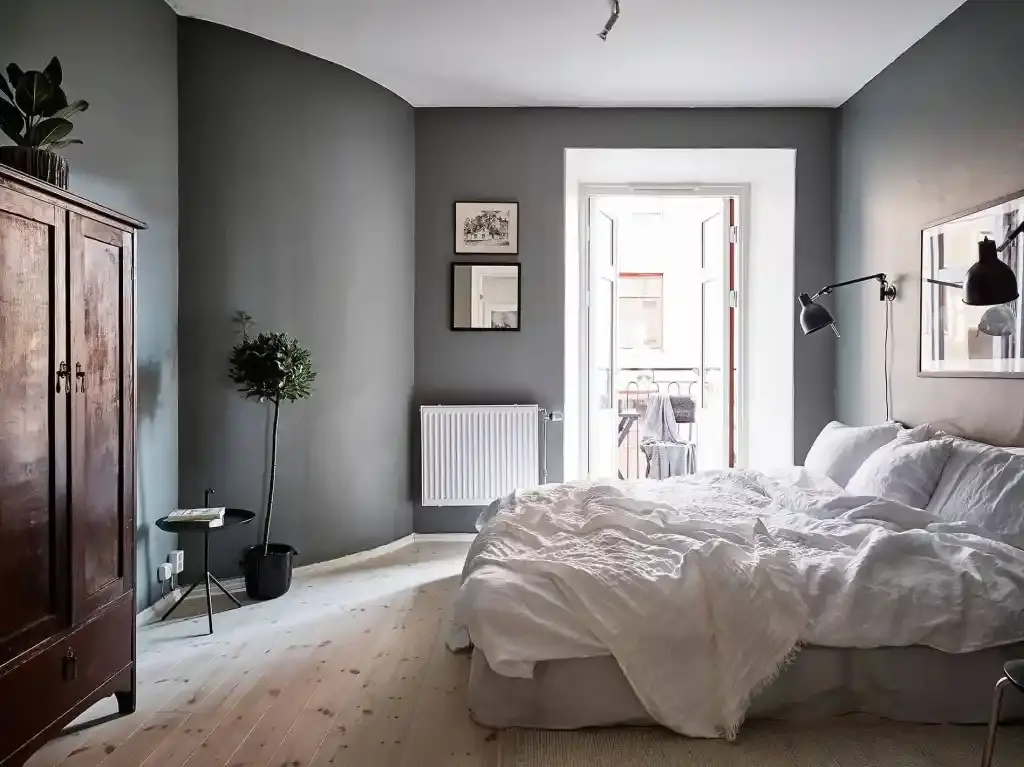
Light wood floors are champions of brightness and airiness. They instantly make a room feel larger and more open, often carrying cool or neutral undertones that lend themselves beautifully to a range of palettes. If you’re going for a fresh, spacious, or minimalist vibe, light woods are your best friend.
Best Color Palettes for Light Wood Floors:
- Coastal & Scandinavian: Think crisp, clean, and serene. Soft blues (sky blue, duck egg), muted greens (seafoam, sage), cool grays, and pure or off-whites work beautifully. These colors enhance the airy feel of light woods, creating a tranquil retreat.
- Modern Minimalist: Greiges, muted pastels (blush, very light lavender), and charcoal accents create a sophisticated, uncluttered look. The neutrality of the floors provides a perfect canvas for subtle color variations.
- Warm & Inviting (Counter-balance): To prevent a room from feeling too cool, introduce soft terracotta, creamy whites, or light sage. These warmer tones provide a gentle contrast, adding coziness without overwhelming the floor’s lightness.
| Color Family | Specific Hues | Mood Created | Rationale |
|---|---|---|---|
| Cool Neutrals | Light Gray, Greige, Crisp White | Spacious, Modern, Calm | Enhances the lightness of the floor, creating a bright and expansive feel. Timeless and versatile. |
| Soft Blues/Greens | Sky Blue, Seafoam Green, Sage | Serene, Tranquil, Coastal | Complements cool undertones, bringing a touch of nature and relaxation into the space. |
| Muted Pastels | Blush Pink, Pale Lavender, Butter Yellow | Soft, Romantic, Whimsical | Adds a delicate pop of color without overwhelming the light floor. Creates a gentle, inviting atmosphere. |
Medium Wood Floors (e.g., Standard Oak, Lighter Cherry, Some Walnut, Bamboo)
Medium-toned wood floors are incredibly versatile. They offer a balance of warmth and character without being too light or too dark. They can lean warm (yellow/orange/red undertones) or more neutral brown. The key here is to identify your floor’s dominant undertone to create the most harmonious pairing.
Best Color Palettes for Medium Wood Floors:
- Earthy & Organic: Sage greens, muted blues (denim, slate), warm greys, and off-whites are fantastic. These colors echo the natural origins of the wood, creating a grounding and soothing environment.
- Transitional Charm: Deep blues (navy, cadet blue) or sophisticated taupes and creamy beiges offer a refined look. These colors provide enough depth to stand up to the medium tone of the wood without feeling heavy.
- Rich & Cozy: For a more intimate feel, consider deep mustard, olive green, or even warm burgundy as accent walls or through textiles. These colors pull out the warmth in the wood, making the room feel enveloped and secure.
| Color Family | Specific Hues | Mood Created | Rationale |
|---|---|---|---|
| Warm Neutrals | Taupe, Greige, Creamy Beige | Balanced, Inviting, Timeless | Harmonizes with the inherent warmth and versatility of medium woods, providing a calm backdrop. |
| Deep Blues/Greens | Navy, Forest Green, Olive Green | Sophisticated, Grounding, Natural | Creates depth and interest, offering a beautiful contrast or complementary richness to the wood. |
| Soft Grays | Warm Gray, Pewter | Modern, Understated Elegance | Provides a contemporary edge, allowing the wood’s warmth to stand out without competing. |
Dark Wood Floors (e.g., Dark Walnut, Mahogany, Wenge, Espresso Stained Oak)
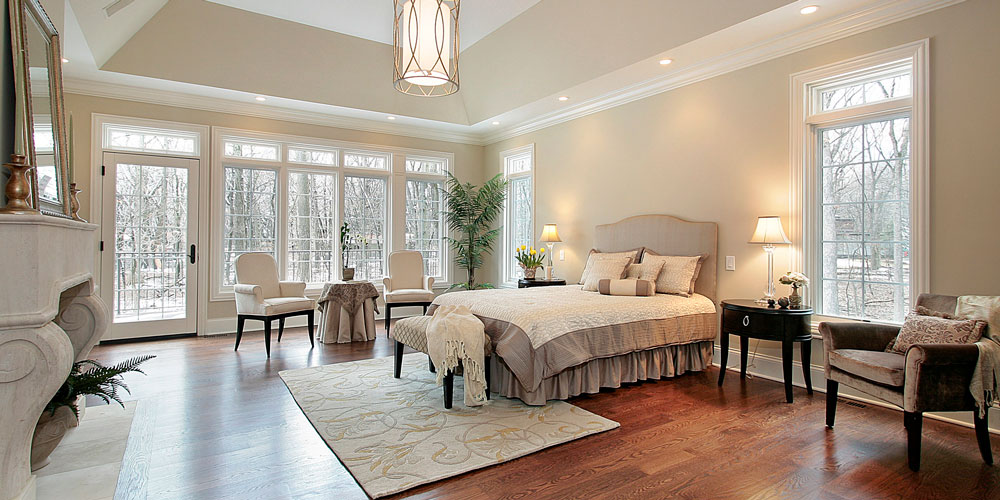
Dark wood floors exude luxury, drama, and a grounding presence. They can make a room feel incredibly sophisticated and intimate, but they also absorb a lot of light, making careful color choices essential to prevent the space from feeling too heavy or small.
Best Color Palettes for Dark Wood Floors:
- Elegant & Dramatic: To truly make dark floors pop, embrace contrast. Crisp whites, cool grays (charcoal, slate), deep navies, and even emerald greens create a striking visual. The light colors make the room feel brighter, while the dark floors anchor the space.
- Luxurious Contrast: Creamy off-whites, metallic accents (gold, brass), and jewel tones (sapphire, ruby) in decor elements can elevate the room. These choices enhance the inherent richness of dark woods.
- Cozy Retreat: If you want a more cocooning effect, warm grays, rich charcoal, deep plum, or forest green walls can create a sophisticated, enveloped feel. Pair with plenty of soft lighting and textures to avoid oppressive darkness.
| Color Family | Specific Hues | Mood Created | Rationale |
|---|---|---|---|
| Crisp Whites | Pure White, Off-White (Cool) | High Contrast, Elegant, Spacious | Creates a striking contrast, making the floors stand out and the room feel airy. |
| Cool Grays | Charcoal, Slate Gray, Light Gray (Cool) | Sophisticated, Modern, Balanced | Offers a softer contrast than white, maintaining a contemporary feel while adding depth. |
| Deep Jewel Tones | Emerald Green, Sapphire Blue, Deep Plum | Luxurious, Dramatic, Rich | Complements the richness of dark wood, creating a vibrant yet refined aesthetic. Best for accent walls or decor. |
Red & Orange Toned Wood Floors (e.g., Cherry, Brazilian Cherry, Red Oak, Pine with orange stain)
These floors bring undeniable warmth and vibrancy to a room, but their strong undertones can be tricky. The goal is often to balance or complement their inherent intensity without creating a ‘clash’ or overwhelming the space. You’ll either want to cool them down or lean into their warmth strategically.
Best Color Palettes for Red & Orange Toned Wood Floors:
- Cooling & Calming: Sage green, muted blues (robin’s egg, steel blue), and cool grays are your best friends here. Green is directly opposite red on the color wheel, making it a natural complement that neutralizes the warmth and creates a harmonious balance. Blues also offer a soothing contrast.
- Sophisticated Neutrals: Opt for greiges, warm whites (with a hint of cream, but not yellow), and taupes that have subtle cool or neutral undertones. These colors allow the wood’s richness to shine without fighting it, creating an elegant backdrop.
- Earthy Harmony (Careful Use): If you love warmth, deep olive green or rich browns can create a beautiful, enveloping monochrome effect. Use terracotta sparingly, perhaps as an accent, to avoid too much ‘heat’ in the room.
| Color Family | Specific Hues | Mood Created | Rationale |
|---|---|---|---|
| Cool Greens | Sage Green, Mint Green, Deep Olive | Balanced, Calming, Organic | Green directly neutralizes red/orange, creating a sophisticated and harmonious balance. |
| Muted Blues | Steel Blue, Duck Egg Blue, Gray-Blue | Serene, Crisp, Modern | Provides a refreshing contrast to warm floors, making the room feel calm and contemporary. |
| Neutral Grays | Greige, Light Taupe (with cool undertone) | Sophisticated, Understated | Allows the wood’s warmth to be the star without creating competition, a safe and elegant choice. |
Beyond the Walls: Considering Ceilings, Trim, and Accents
Your bedroom’s color story doesn’t end with the walls. Every surface and textile contributes to the overall feeling. Thinking about these elements holistically will elevate your design from good to truly exceptional.
Ceiling Colors: The Fifth Wall
While often overlooked, your ceiling plays a huge role. The classic choice is white, which reflects light and creates an open feel. However, you can also paint the ceiling a lighter tint of your wall color for a more enveloped, cozy, or sophisticated look. This technique can make the room feel taller if the color is light, or more intimate if it’s a medium tone.
Trim & Molding: Framing Your Space
Your baseboards, door frames, and window casings are crucial details. For a crisp, clean look, bright white trim provides a classic contrast against colored walls, making the wall color pop. If you prefer a seamless, modern aesthetic, consider painting your trim the same color as your walls (often in a different sheen, like semi-gloss for durability and subtle contrast) to blur the lines and create a cohesive envelope.
Textiles & Furniture: The Crucial Layer
This is where you bring in softness, texture, and personal flair. Your bedding, curtains, area rugs, and upholstered furniture are opportunities to reinforce your chosen color palette or introduce complementary accent colors. If your walls are neutral, textiles can inject vibrant color. If your walls are bold, use textiles to soften and layer the look. Ensure furniture finishes (e.g., bedside tables, dressers) also harmonize with your wood floors and wall colors. For example, dark wood furniture on dark wood floors can disappear; light furniture can provide contrast.
Rug Strategy: Defining Zones and Adding Softness
Area rugs are more than just decor; they are strategic design tools. They can:
- Define Zones: Especially in larger bedrooms or open-concept spaces, a rug under the bed clearly delineates the sleeping area.
- Add Softness & Warmth: Crucial for bedrooms with hard wood floors, rugs provide comfort underfoot and absorb sound.
- Introduce Color & Pattern: A rug is an excellent way to bring in an accent color or a complementary pattern that ties the room together. Choose a rug that contrasts with your wood floor in terms of lightness/darkness and color temperature to prevent it from blending in too much.
The Secret Ingredient: Lighting & Room Size
No color exists in a vacuum. How light interacts with your chosen hues and the physical dimensions of your room will dramatically alter the final perception of your space.
Natural Light: North-Facing vs. South-Facing Rooms
- North-Facing Rooms: Tend to receive cooler, indirect light throughout the day. Colors here can appear muted or even dull. To counteract this, choose warmer paint colors (creamy whites, soft yellows, warm greiges) to add a sense of cheer, or embrace the coolness with deeper, saturated hues.
- South-Facing Rooms: Bathed in warm, direct light for most of the day. Colors here will appear brighter and more vibrant. Cooler tones (blues, greens, cool grays) can feel refreshing, while warmer tones might become too intense.
- East-Facing Rooms: Get bright, warm light in the morning, which turns cooler in the afternoon. Versatile for many colors.
- West-Facing Rooms: Receive warm, intense light in the afternoon and evening. Can handle both warm and cool tones, but be mindful of how colors shift throughout the day.
Artificial Lighting: Warm vs. Cool Bulbs, Dimmers
The type of light bulbs you use is incredibly important. Warm white bulbs (2700K-3000K) enhance warm tones and create a cozy atmosphere, while cool white bulbs (3500K-5000K) emphasize cool tones and make a room feel brighter and more modern. Invest in dimmers for ultimate flexibility, allowing you to adjust the mood from bright and functional to soft and romantic.
Room Size Illusion: How Color Can Expand or Contract a Space
- To Make a Room Feel Larger: Use light, cool colors on the walls and ceiling. These colors recede, creating an expansive feeling. Keep furniture proportionate and uncluttered.
- To Make a Room Feel Cozier/Smaller: Opt for darker, warmer colors. These colors advance, making the walls feel closer and creating an intimate, cocoon-like atmosphere.
- Low Ceilings: Paint the ceiling a lighter color than the walls to make it feel higher.
- High Ceilings: Paint the ceiling a darker color or the same color as the walls to bring it down, creating coziness.
Your Personal Style & Mood: The Ultimate Decider
Ultimately, your bedroom should reflect *you*. The best color scheme is one that makes you feel relaxed, happy, and truly at home. Don’t chase trends blindly if they don’t resonate with your personal aesthetic.
What Vibe Do You Want?
- Calm & Serene: Think soft blues, greens, cool grays, muted neutrals.
- Energetic & Uplifting: Consider brighter pastels, subtle yellows, or invigorating blues (for smaller doses).
- Romantic & Intimate: Rich plum, warm blush, deep charcoal, creamy off-whites.
- Modern & Sophisticated: Crisp whites, sleek grays, deep navies, minimalist palettes.
- Cozy & Rustic: Earthy tones, warm browns, deep greens, creamy textures.
Creating a Mood Board
Before you commit to a single drop of paint, gather inspiration! Create a physical or digital mood board with images of bedrooms you love, fabric swatches, photos of your wood floors, and paint chips. This visual exercise helps you see how all the elements come together and ensures a cohesive vision.
Test, Test, Test: Paint Samples Are Your Best Friends
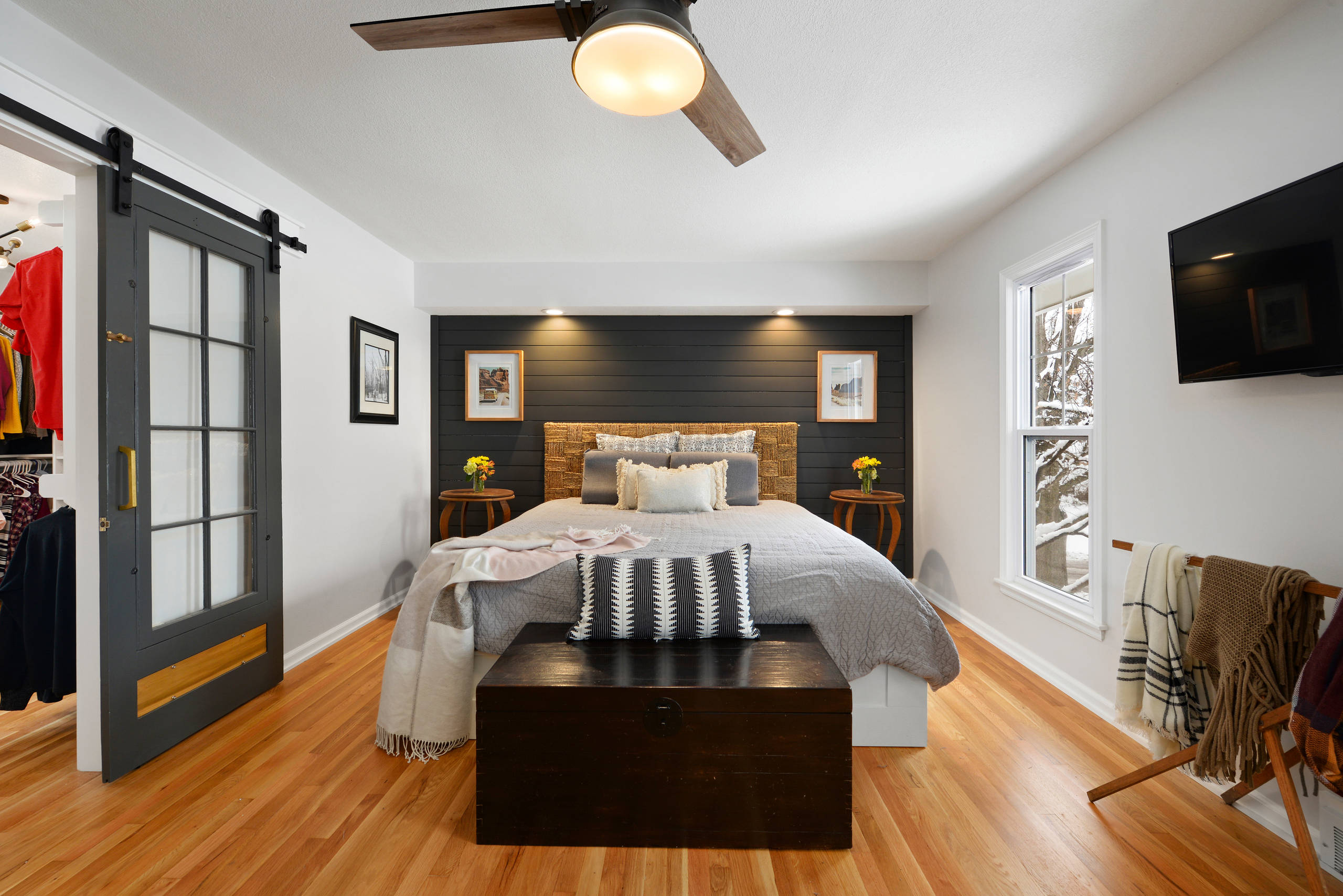
I cannot stress this enough: buy paint samples! Paint large swatches on several walls in your bedroom, observing them at different times of day and under various lighting conditions (natural light, bedside lamps, overhead lighting). What looks perfect in the store might be completely different in your room. Live with the samples for a few days before making your final decision.
Common Pitfalls to Avoid When Pairing Colors with Wood Floors
Even with all this guidance, it’s easy to stumble. Here are the most common mistakes and how to avoid them:
- Ignoring Undertones: We’ve covered this, but it bears repeating. A cool gray with a very warm, yellow-toned oak floor can look jarring. Always consider the inherent warmth or coolness of your wood.
- Choosing Colors that Clash with Existing Furniture: If you have a large upholstered headboard or significant pieces of furniture that aren’t changing, ensure your wall color complements them as well as the floor.
- Overlooking Lighting: A color can look drastically different in natural daylight versus artificial evening light. Always test samples in your actual room.
- Being Afraid of Contrast (or Using Too Much): Sometimes a bold contrast is exactly what a room needs (e.g., crisp white with dark floors). Other times, a softer, more complementary approach is better (e.g., sage green with red-toned floors). Balance is key. Don’t be too safe, but don’t overdo it either.
- Not Considering Sheen: The finish of your paint (matte, eggshell, satin) impacts how light is reflected and how the color appears. Matte hides imperfections but can make a room feel flat; eggshell/satin offer a subtle sheen and are more durable.
Conclusion
Your bedroom with wood floors is a canvas of immense potential. By understanding the character of your floors – their tone, their undertones, and their visual weight – you’re empowered to choose a wall color that doesn’t just ‘go’ with them, but truly elevates your entire space. Step beyond generic recommendations and lean into the art and science of color. Trust your instincts, embrace the process of sampling, and create a bedroom that not only looks beautiful but feels like a genuine reflection of comfort and style. Happy decorating!
Frequently Asked Questions
What’s the best wall color for a bedroom with light wood floors?
For light wood floors (like maple or light oak), opt for cool neutrals such as light gray, greige, or crisp white to enhance the airy, spacious feel. Soft blues, seafoam greens, or muted pastels (like blush pink) also create a serene and tranquil atmosphere, complementing the floor’s brightness.
How do I choose paint colors for dark wood floors in my bedroom?
Dark wood floors (e.g., walnut, mahogany) lend themselves well to contrast. Crisp whites, cool grays (charcoal, slate), or deep navies create an elegant and dramatic look. For a cozier feel, consider rich jewel tones like emerald green or deep plum, or warm grays, ensuring to balance with ample lighting.

What colors should I avoid with red or orange-toned wood floors?
With red or orange-toned wood floors (e.g., cherry, red oak), avoid overly warm colors with strong yellow or orange undertones on the walls, as they can clash or make the room feel too ‘hot’ and overwhelming. Instead, lean into cooling complements like sage green, muted blues, or neutral greiges with cool undertones to balance the warmth.
Should my trim be the same color as my walls or white?
It depends on the desired aesthetic. White trim offers a classic, crisp contrast that makes wall colors pop and defines architectural features. Painting trim the same color as your walls (often in a slightly different sheen, like satin) creates a seamless, modern, and enveloping look that can make a room feel larger.
How does natural light affect my bedroom wall color choice with wood floors?
Natural light significantly impacts how colors appear. North-facing rooms receive cooler light, so warmer wall colors can add cheer. South-facing rooms get bright, warm light, making cooler wall tones feel refreshing. Always test paint samples on different walls and observe them throughout the day to see how colors shift in your specific lighting conditions.
Can I use bold colors with wood floors in a bedroom?
Absolutely! Bold colors can create a stunning impact with wood floors. The key is balance. With light or medium floors, a bold accent wall in a deep blue, emerald green, or even a rich charcoal can provide an anchor. With dark floors, a contrasting bold color can add drama. Always consider the room’s size and natural light, and use bold colors strategically to avoid overwhelming the space.
How important are undertones when choosing a wall color for wood floors?
Understanding undertones is paramount. Every wood floor has subtle cool (gray, blue) or warm (yellow, orange, red) undertones. Choosing wall colors that either complement (share similar undertones) or cleverly contrast (opposite undertones) these will create a harmonious and sophisticated look. Ignoring undertones often leads to color clashes and an unbalanced feel in the room.