Ever found yourself staring at a wall of gray paint swatches, feeling completely overwhelmed? You’re not alone. Choosing the perfect gray for your bedroom can feel like navigating a minefield of confusing undertones and varying light conditions. But here’s the secret: when you get it right, a soft gray paint can transform your bedroom into the serene, sophisticated sanctuary you’ve been dreaming of.n
Forget the cold, sterile grays of yesteryear. We’re talking about those nuanced, gentle shades that wrap your room in a calming embrace, promoting relaxation and enhancing your sleep environment. I’m here to cut through the noise and give you the definitive guide to finding that elusive, perfect soft gray. I’ll share my top picks, demystify those tricky undertones, and give you the actionable steps to choose a color that feels tailor-made for your space.n
The Definitive Guide to the Best Soft Gray Paint Colors for Your Serene Bedroom
My Top Picks: Soft Gray Paints That Transform Bedrooms
Let’s get straight to the good stuff. These are the soft gray paints that consistently deliver warmth, serenity, and timeless style in bedrooms. I’ve chosen them for their versatility and their ability to create a calming atmosphere, often with that coveted ‘barely there’ quality.n
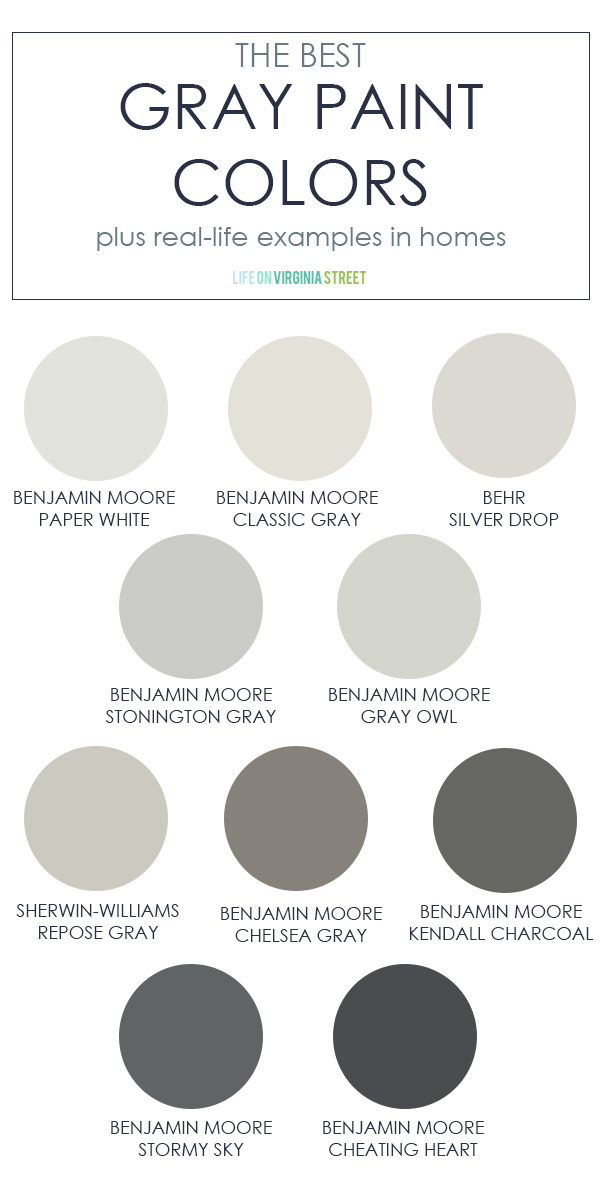
Benjamin Moore Classic Gray OC-23: The Master of Subtlety
If you’re after a gray that’s so light it almost reads as an off-white, Classic Gray is your champion. It’s a true soft gray with very little discernible undertone, which is precisely why it’s so beloved. In a bright room, it feels crisp and clean, while in a dimmer space, it retains its warmth without turning cold. It’s incredibly versatile, acting as a beautiful backdrop for any decor style.n
Sherwin-Williams Repose Gray SW 7015: The Perfect Greige Balance
Repose Gray is a superstar for a reason. It’s a fantastic greige, meaning it perfectly balances gray with beige. This gives it an inherent warmth that pure grays sometimes lack, making it incredibly cozy and inviting for a bedroom. It has a slight green/brown undertone that keeps it grounded and sophisticated, adapting beautifully to different lighting conditions. If you’re nervous about gray feeling too cold, Repose Gray is a safe and stunning bet.n
Benjamin Moore Edgecomb Gray HC-173: A Warm Embrace
Another beloved greige, Edgecomb Gray leans a bit more into the beige side than Repose Gray, offering a definite warmth that’s perfect for creating a cocooning bedroom. It’s soft, creamy, and works wonderfully in rooms that need a touch of natural warmth. This color will never feel stark or cold; it’s pure comfort and elegance, especially beautiful in rooms with natural wood tones or cream-colored bedding.n
Sherwin-Williams Agreeable Gray SW 7029: Universally Loved
There’s a reason this color is often cited as one of the most popular grays out there. Agreeable Gray is another fantastic greige, similar to Repose Gray but often perceived as slightly warmer due to a touch more beige. It’s incredibly adaptable and plays well with both warm and cool palettes. It’s a safe, soft, and sophisticated choice that consistently makes bedrooms feel inviting and calm.n
Benjamin Moore Gray Owl OC-52: A Touch of Cool Sophistication
If you lean towards a slightly cooler, more contemporary aesthetic, Gray Owl is an excellent choice. It’s a beautiful light gray with a very subtle green/blue undertone. This undertone gives it a fresh, airy quality without feeling icy. It’s crisp without being stark, making it perfect for bedrooms where you want a clean, minimalist feel, especially when paired with white trim and natural textures.n
:strip_icc()/AMADesigns_Wallington_byMariahTexidor_006-372b5a1f183940ce83502e677acdb4fd.jpg "12 Light Gray Paint Colors for the Perfect Neutral")
Farrow & Ball Pavilion Gray No. 242: European Elegance
For those who appreciate the depth and sophistication of Farrow & Ball, Pavilion Gray is a truly elegant soft gray. It’s a mid-tone gray with a very subtle blue undertone, giving it a classic, timeless feel. It creates a wonderfully calm and serene atmosphere, evoking a sense of heritage and understated luxury. It pairs beautifully with both traditional and modern furnishings.n
Behr Chic Gray PPU26-10: Modern Versatility
Behr’s Chic Gray is a versatile mid-tone gray that brings a contemporary yet serene vibe to any bedroom. It has a slight warm beige note, making it an excellent bridge between cool and warm, preventing it from feeling stark. It’s incredibly adaptable and works well in various lighting conditions, making it a reliable choice for a calming bedroom retreat without being overly dark or light.n
To help you compare these fantastic options, here’s a quick overview:n
| Paint Color | Brand | LRV (Approx.) | Primary Undertone | Ideal Bedroom Mood/Light |
|---|---|---|---|---|
| Classic Gray OC-23 | Benjamin Moore | 75 | None / Very Subtle | Crisp, airy, versatile; great in bright or dim rooms. |
| Repose Gray SW 7015 | Sherwin-Williams | 58 | Green/Brown (Greige) | Cozy, warm, sophisticated; adaptable to various lights. |
| Edgecomb Gray HC-173 | Benjamin Moore | 63 | Beige/Brown (Warm Greige) | Soft, creamy, inviting; perfect for natural warmth. |
| Agreeable Gray SW 7029 | Sherwin-Williams | 60 | Beige/Green (Greige) | Universally appealing, calm; very flexible with decor. |
| Gray Owl OC-52 | Benjamin Moore | 66 | Green/Blue (Cool Gray) | Clean, airy, modern; great for crisp, fresh feel. |
| Pavilion Gray No. 242 | Farrow & Ball | 48 | Blue (Cool Mid-Tone) | Sophisticated, classic, serene; works in various lights. |
| Chic Gray PPU26-10 | Behr | 50 | Warm Beige Note | Contemporary, versatile, serene; good for bridging warmth/coolness. |
Decoding Soft Gray: Understanding Undertones is Key
This is where most people get tripped up with gray. Gray is rarely just “gray.” It almost always has an underlying hue that influences how it appears in your home. Understanding these undertones is the single most important factor in choosing a soft gray that you’ll love, not regret. In a bedroom, these subtle shifts can completely change the mood.n
Blue Undertones: Cool and Calm
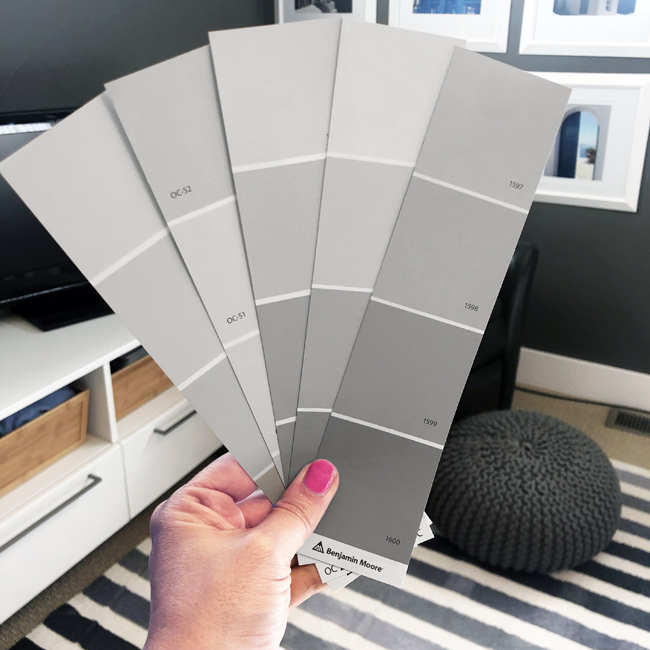
Grays with blue undertones tend to be cooler and can create a very calming, almost ethereal atmosphere. Think of a cloudy sky or the muted tones of a winter morning. These are great for bedrooms where you want a very crisp, clean, and modern feel. They pair beautifully with cool whites, silver accents, and blues or greens in your decor. However, in rooms with very little natural light, they can sometimes lean too cold.n
Example: Benjamin Moore Gray Owl OC-52 (subtle blue-green)
Green Undertones: Organic and Grounded
Green undertones in gray bring a natural, earthy feel to a space. These grays feel grounded and sophisticated, often appearing very balanced because green is a neutral in many contexts. They’re excellent for creating a serene, organic bedroom retreat. They pair wonderfully with natural wood tones, plants, and other muted earthy colors. They rarely feel stark and can be surprisingly warm, even if they are technically ‘cooler’ grays.n
Example: Sherwin-Williams Repose Gray SW 7015 (subtle green-brown)
Purple Undertones: Subtle Sophistication
Purple undertones are the trickiest and often the most surprising. They can appear as a sophisticated blush or a muted lavender in certain lighting. These grays can add a touch of romance and subtle luxury to a bedroom. They tend to be softer and more delicate than blue or green grays, and can be quite beautiful with rich textures and jewel tones in accents. The key is finding a gray where the purple is just a whisper, not a shout.n
Example: Benjamin Moore Balboa Mist OC-27 (known to show faint purple in some lights)
Beige/Warm Undertones (Greige): The Best of Both Worlds
Ah, greige! This is the sweet spot for many who want gray but fear the cold. Greige colors perfectly blend gray with beige, offering a warm, inviting quality without committing to a full beige. They are incredibly versatile, making them ideal for bedrooms where you want coziness and flexibility with decor. Greiges are often described as ‘chameleon colors’ because they adapt so well to different lighting and existing furnishings.n
Examples: Sherwin-Williams Repose Gray SW 7015, Agreeable Gray SW 7029, Benjamin Moore Edgecomb Gray HC-173
:max_bytes(150000):strip_icc()/shades-of-gray-on-your-bedroom-walls-350785-hero-01-55d5d26725fd4f58b8f60a16dec4519a.jpg "The 11 Best Gray Paint Colors for a Stylish Bedroom")
How to Choose the PERFECT Soft Gray for Your Bedroom
Now that you understand undertones, let’s put it all together to select the gray that’s right for *your* unique space. This isn’t about finding a universal “best,” but finding the best for you.n
Assess Your Room’s Natural Light (North, South, East, West Facing)
- North-Facing Rooms: These rooms typically receive cooler, indirect light throughout the day. A soft gray here can look very stark or even blue/purple. I recommend choosing a warmer greige (like Edgecomb Gray or Repose Gray) to counteract the cool light and add a much-needed cozy feel.
- South-Facing Rooms: Blessed with bright, warm light all day, south-facing rooms can handle almost any gray. A slightly cooler gray (like Gray Owl) can help temper the warmth, while a greige will feel incredibly inviting and luxurious.
- East-Facing Rooms: These rooms get beautiful, warm morning light, which then turns cooler in the afternoon. A balanced greige or a soft gray with a subtle green undertone will look lovely in both morning warmth and afternoon coolness.
- West-Facing Rooms: West-facing rooms have cool light in the morning and intense, warm light in the afternoon/evening. Again, a versatile greige is often a safe bet, as it can adapt to both extremes.
Consider Your Existing Decor & Furnishings (Warm vs. Cool Tones)
Your bedroom isn’t just paint; it’s furniture, flooring, textiles, and art. Take stock of these elements:n
- Warm Wood Tones (Cherry, Walnut), Cream Upholstery, Gold Accents: Lean towards greiges or soft grays with subtle green or brown undertones. This will create a harmonious, cohesive look.
- Cool Tones (Silver, Chrome, Crisp White Bedding, Light Oak): You can opt for a slightly cooler gray with blue or green undertones, or a very neutral gray like Classic Gray, to maintain that fresh, contemporary feel.
- Flooring: If you have warm-toned hardwood, a slightly cooler gray can provide a beautiful contrast. If you have cool-toned carpet or tile, a warmer greige can prevent the room from feeling too cold.
Evaluate the Light Reflectance Value (LRV)
LRV stands for Light Reflectance Value, and it measures how much light a paint color reflects. It ranges from 0 (absolute black) to 100 (pure white).n
- For a soft gray bedroom, I generally recommend an LRV between 50 and 75.
- Higher LRV (65-75): These grays will feel lighter and airier, almost off-white, and are excellent for smaller rooms or rooms that need brightening. (e.g., Benjamin Moore Classic Gray OC-23 at LRV 75).
- Mid-Range LRV (50-65): These are true soft grays that provide more depth and noticeable color without feeling dark. They create a cozy, enveloping feel. (e.g., Sherwin-Williams Repose Gray SW 7015 at LRV 58).
Define Your Desired Mood (Relaxing, Modern, Cozy)
- Relaxing & Serene: Almost any soft gray will contribute to this, but particularly those with subtle blue or green undertones, or balanced greiges.
- Modern & Crisp: Lean towards cooler grays with blue or very minimal undertones, paired with clean lines and minimalist decor.
- Cozy & Inviting: Greiges are your best friend here. Their inherent warmth makes a room feel like a comforting hug.
The Essential “Try Before You Buy” Guide
I cannot stress this enough: do not skip samples! Paint colors look drastically different on a tiny swatch compared to a large wall, and they change throughout the day with varying light. This step will save you from costly mistakes and endless frustration.n

Why Samples are Non-Negotiable
That perfect gray you saw online or in a magazine? It was photographed under specific lighting, with specific surrounding colors. Your room is unique. The amount of natural light, the direction of your windows, your flooring, and even the color of your trim will all influence how the gray appears.n
How to Properly Test Paint Samples
- Buy Large Swatches: Most paint stores offer large adhesive paint samples (like Samplize) or traditional liquid samples. Go for at least three to five potential grays.
- Apply to Multiple Walls: Paint generous 2’x2′ squares on at least two different walls in your bedroom, especially walls that receive different amounts of light. If using peel-and-stick, place them on multiple walls.
- Observe Throughout the Day: Watch the samples at different times: morning, midday, and evening. Pay attention to how the color shifts and if any undesirable undertones (like a surprising purple or sickly green) become apparent.
- Check Against Your Decor: Hold up your bedding, curtains, and even a piece of furniture (if movable) against the samples. Ensure they harmonize.
- Live with It for a Few Days: Don’t rush the decision. A good soft gray should feel effortless and calming, not jarring or questionable.
Pro Tips for Painting Your Bedroom Like a Designer
Choosing the color is half the battle; applying it correctly is the other. A flawless finish will make even the simplest gray look luxurious.n
Prep Work is Power Work
- Clean Walls: Dust and wipe down your walls thoroughly. Any grime will show through, especially on a lighter paint.
- Repair Imperfections: Fill holes, sand rough spots, and repair any cracks. A smooth surface is key to a professional finish.
- Tape Carefully: Use good quality painter’s tape along baseboards, ceiling lines, and around windows/doors. Press firmly to ensure a clean line.
- Prime: If you’re going from a dark color to a light gray, or if your walls are uneven, a coat of primer is non-negotiable for true color representation and even coverage.
Choosing the Right Sheen (Flat, Eggshell, Satin)
The sheen you choose dramatically impacts how your gray looks and performs in a bedroom:n
- Flat/Matte: This is often my top recommendation for bedrooms. It has a velvety, soft appearance that absorbs light, making a room feel incredibly cozy and elegant. It hides imperfections well but is less durable and harder to clean.
- Eggshell: A popular choice that offers a slight luster, making it a bit more durable and washable than flat, while still maintaining a soft look. A great balance.
- Satin: Offers a noticeable sheen and is very durable and washable. I typically reserve satin for trim or high-traffic areas, as it can be a bit too reflective for a truly serene bedroom wall.
The Magic of Two Coats
Almost every paint job benefits from two coats of color. The first coat can look streaky or uneven, especially with lighter colors. The second coat is where the true color depth and consistency come through, giving you that rich, even finish that looks professional and lasting.n
Beyond the Walls: Complementary Colors & Decor for Soft Gray Bedrooms
A soft gray bedroom is a blank canvas, but it doesn’t have to be boring. Here’s how to layer in other elements to create a cohesive and inviting space.n
Pairing with Warm Neutrals (Creams, Off-Whites, Wood Tones)
This is a foolproof combination. Creamy whites for bedding, drapes, or trim provide a soft contrast to gray without feeling stark. Natural wood furniture (dressers, nightstands) adds warmth and texture, grounding the space. Consider an off-white rug or a chunky knit throw to enhance the cozy factor.n
Adding Pops of Color (Blues, Greens, Dusty Pinks)
Soft gray is an incredible partner for subtle pops of color. Think muted tones rather than vibrant ones for a bedroom:n
- Soft Blues and Greens: These are natural complements, reinforcing the calming, natural vibe. Think dusty blue throw pillows or a sage green ceramic lamp.
- Dusty Pinks and Lavenders: For a touch of romance or subtle femininity, these hues can add warmth and charm without being overwhelming.
- Deep Charcoal or Black: A few carefully placed black accents (e.g., a picture frame, a slim lamp base) can add a sophisticated edge and definition.
Texture, Lighting, and Accessories
- Texture: This is key to making a gray room feel rich and inviting. Layer different textures like linen bedding, velvet throw pillows, a jute rug, or woven baskets.
- Lighting: Good lighting is crucial. Include ambient lighting (ceiling fixture), task lighting (bedside lamps), and accent lighting (a small uplight in a corner) to create a warm, inviting glow that enhances your gray paint.
- Accessories: Incorporate personal touches like framed art, cherished photographs, and fresh greenery. These elements bring personality and life to your serene gray sanctuary.
Choosing the best soft gray paint for your bedroom doesn’t have to be a guessing game. By understanding undertones, assessing your room’s unique conditions, and taking the time to sample, you’ll confidently select a color that truly transforms your space into a peaceful, stylish haven. Happy painting!n