Unlock the Potential of Your Small Home: Choosing the Perfect Paint Colors for Every Interior Space
Got a small home or apartment? You know the struggle: you want it to feel spacious, inviting, and uniquely yours, not cramped or cluttered. The good news? You don’t need to knock down walls or buy new furniture to make a huge impact. The secret weapon, my friend, is paint. The right paint color can transform a shoebox into a sanctuary, making rooms feel larger, brighter, or wonderfully cozy, depending on your vision.
Forget the old-school rule that small spaces demand only white walls. While light colors certainly have their place, modern interior designers are getting bolder, proving that deep, rich hues can create an unexpected sense of depth and luxury in compact areas. It’s all about understanding how color, light, and sheen interact to trick the eye and elevate your everyday living. Ready to ditch the drab and embrace the fab? Let’s dive in.
The Core Principle: Understanding How Paint Transforms Small Spaces
Before we even pick up a swatch, let’s talk about the magic behind paint. It’s not just about aesthetics; it’s about psychology and physics.
Light & Reflectivity: The Illusion of More Space
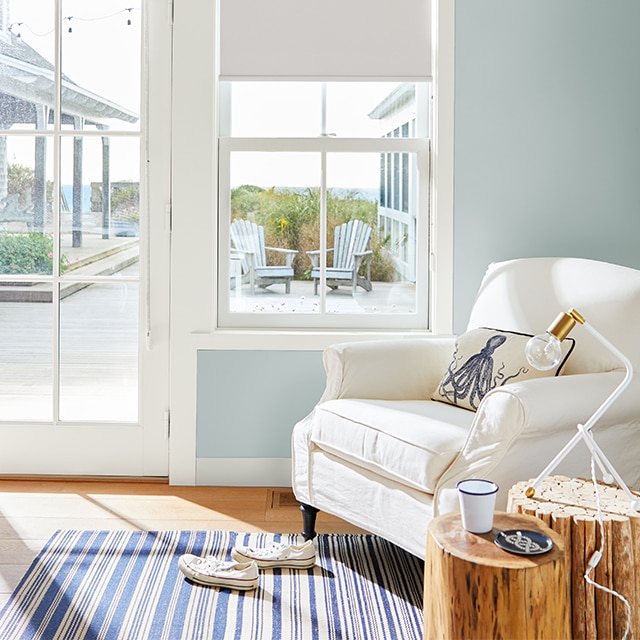
This is the classic trick. Lighter colors, especially those with higher Light Reflectance Values (LRVs), bounce light around a room more effectively. This reflectivity brightens the space and makes the walls seem to recede, creating an illusion of openness and expansiveness. Think of it like a mirror – the more light it reflects, the brighter and more open the area appears. This is why whites, pale grays, and light pastels are often recommended.
:max_bytes(150000):strip_icc()/Normandy_Blue_for_Megan_Molten-2000-7c40fd3f24d64fa8a438c619ec493953.jpg "12 Paint Colors That Will Make Small Rooms Feel Bigger")
Depth & Coziness: Embracing the “Jewel Box” Effect
Here’s where we challenge the conventional wisdom. Darker, more saturated colors don’t make walls disappear; instead, they create an immersive, almost limitless feel. By blurring the edges of a room, a deep color can make the space feel like a luxurious jewel box or a cozy cocoon. This strategy works particularly well in spaces where you want to evoke intimacy, such as a small bedroom, a powder room, or a dedicated reading nook. It’s about making a small space feel intentional and sophisticated, rather than just trying to fake a larger one.
The Psychology of Color in Compact Interiors
Colors don’t just affect light; they affect mood. In a small space, this impact is amplified:
- Cool Colors (Blues, Greens): Tend to recede, making walls feel further away. They also evoke calm and tranquility, perfect for a peaceful small bedroom or bathroom.
- Warm Colors (Reds, Oranges, Yellows): Tend to advance, making walls feel closer. While great for coziness, use them sparingly in very small spaces or opt for muted, lighter versions to avoid overwhelming the eye.
- Neutrals (Whites, Grays, Greiges, Taupes): Offer versatility and a sense of calm. They act as a sophisticated backdrop, allowing your furniture and decor to shine, and often create a seamless flow between compact rooms.
The Best Paint Colors for Small Spaces: A Curated Palette
Let’s get to the fun part: specific colors! Remember, every home’s light is different, so these are starting points. Always swatch!
Whites & Off-Whites: The Classic Expansive Choice
You can’t go wrong with white, but not all whites are created equal. The right white can make a small room feel crisp, clean, and expansive. The trick is to identify its undertones – warm (yellow, pink) or cool (blue, gray) – and match them to your home’s natural light and existing decor.
- Benjamin Moore Chantilly Lace OC-65: A pure, crisp white with virtually no discernible undertones. It’s fantastic for maximizing brightness and creating a gallery-like feel. Ideal for modern spaces with good natural light.
- Sherwin-Williams Alabaster SW 7008: A soft, warm white that provides a gentle glow without being stark. It’s incredibly versatile and works well in rooms needing a touch of warmth.
- Benjamin Moore White Dove OC-17: A perennial favorite, White Dove is a creamy, slightly off-white with a hint of gray, making it incredibly soft and inviting. It avoids feeling sterile and pairs beautifully with various decor styles.
- Farrow & Ball Dimity No. 217: A gentle, chalky off-white with a subtle red-based undertone. It creates a warm, feminine feel without being overly sweet, perfect for a cozy small bedroom.
Here’s a quick guide to some popular white and off-white paints:
| Paint Color | Brand | Key Undertone | Effect in Small Rooms | Best Use Cases |
|---|---|---|---|---|
| Chantilly Lace OC-65 | Benjamin Moore | None (Pure White) | Maximum brightness, crisp, modern feel. | Modern homes, areas with abundant natural light, minimalist aesthetics. |
| Alabaster SW 7008 | Sherwin-Williams | Soft Yellow/Greige | Warm, inviting, gentle glow, not stark. | Any room needing warmth, traditional or farmhouse styles. |
| White Dove OC-17 | Benjamin Moore | Slight Gray/Greige | Soft, elegant, avoids sterility, versatile. | Most popular choice, pairs with various decor, living rooms, bedrooms. |
| Natural Choice SW 7011 | Sherwin-Williams | Greige/Warm Beige | Subtly warm, sophisticated neutral. | Rooms needing a gentle lift, transitional design. |
Light Grays & Greiges: Sophistication Without Sacrificing Size
Grays and ‘greiges’ (a mix of gray and beige) offer the versatility of white but with a bit more depth and sophistication. They are fantastic for creating a calm, cohesive backdrop that makes small spaces feel polished and larger.
- Benjamin Moore Revere Pewter HC-172: A hugely popular greige that adapts beautifully to different lighting conditions. It has enough warmth to prevent it from feeling cold and works wonderfully to connect spaces in an open-concept small home.
- Sherwin-Williams Agreeable Gray SW 7029: Another beloved greige, slightly warmer than Revere Pewter. It’s a fantastic neutral that complements almost any decor style and brightens small rooms without being stark.
- Sherwin-Williams Accessible Beige SW 7036: If you lean more towards warm tones, Accessible Beige is a greige with a stronger beige influence. It’s welcoming and comfortable, perfect for creating a cozy yet open feel.
- Benjamin Moore Gray Owl OC-52: A light, crisp gray with subtle blue/green undertones. It feels fresh and airy, making it a great choice for small bathrooms or bedrooms.
Pale Blues & Greens: Serene Hues for Tranquil Retreats
Cool colors inherently recede, making them excellent choices for small spaces, particularly bedrooms and bathrooms where you desire a calming atmosphere. These hues evoke nature and tranquility.
- Sherwin-Williams Sea Salt SW 6204: This chameleon color shifts between a soft blue, green, and gray depending on the light. It’s incredibly soothing and refreshing, perfect for a small bathroom or bedroom.
- Benjamin Moore Palladian Blue HC-144: A beautiful, light blue-green that feels clean and uplifting. It’s vibrant enough to add personality but soft enough to keep a small room feeling airy.
- Farrow & Ball Light Blue No. 22: Despite its name, this color can read as a delicate blue-gray with a hint of green, especially in south-facing rooms. It creates a surprisingly spacious and ethereal feel.
- Sherwin-Williams Evergreen Fog SW 9130: While a bit deeper, this muted green-gray can work beautifully in a small space, creating a sophisticated, calming vibe without feeling overwhelming, especially when paired with warm whites.
Warm Neutrals: Inviting Comfort in Compact Areas
Beyond greige, other warm neutrals like light taupes and sandy beiges can add immediate comfort and sophistication to a small home. They provide a grounding effect without weighing down the space.
:strip_icc()/cdn.cliqueinc.com__cache__posts__261477__small-living-room-paint-colors-261477-1529967323467-image.700x0c-d075a6a1d53448379872711739ff7600.jpg "10 Best Paint Colors for Small Living Rooms")
- Benjamin Moore Muslin OC-12: A soft, warm beige with a hint of gray. It’s incredibly versatile and creates a welcoming atmosphere without making a small room feel smaller.
- Sherwin-Williams Kilim Beige SW 6106: A classic warm beige that adds a golden glow, making small, naturally lit rooms feel sunnier and more inviting.
- Farrow & Ball Elephants Breath No. 229: A beautiful, warm mid-gray with a hint of magenta that gives it a unique character. In smaller, darker spaces, it can take on a more comforting, enveloping feel.
The Bold & Unexpected: Dark, Rich Colors for Dramatic Depth
Ready to break the rules? Dark colors can be incredibly effective in small spaces. They blur the lines of the room, creating an enveloping, intimate atmosphere – the “jewel box” effect. This is about making a statement, not making the room feel bigger. It makes the smallness feel intentional and luxurious.
- Benjamin Moore Hale Navy HC-154: A timeless, deep navy that evokes sophistication and calm. In a small dining room, powder room, or bedroom, it creates a cozy, dramatic enclosure. Pair it with crisp white trim and metallics for a luxurious feel.
- Sherwin-Williams Tricorn Black SW 6258: Yes, black! In a small room with ample natural light, or a tiny powder room, black can be incredibly chic and dramatic. It makes the boundaries disappear, creating a surprisingly expansive feel, much like looking into a night sky.
- Farrow & Ball Down Pipe No. 26: A strong, dark lead gray with blue undertones. It creates a bold and elegant statement, perfect for a small study or a moody bedroom.
- Benjamin Moore Salamander 2050-10: A deep, rich green that can bring the outdoors in, creating a sophisticated and calming retreat in a small space.
- Benjamin Moore Gravel Gray 2127-30: As suggested by designers, a deep, saturated gray like this can create a wonderful cocooning effect, making a small space feel intentional and comforting.
When going dark, consider painting the ceiling the same color for an even more enveloping effect, or a very light contrasting color for height.
Beyond Color: Strategic Painting Techniques for Small Interiors
The color is just one piece of the puzzle. How you apply it and what finish you choose makes a massive difference in how a small space feels.
Ceilings & Trim: Extending Visual Height and Flow
Don’t neglect the fifth wall (your ceiling) and the architectural details (trim, baseboards). They play a critical role in how big or small a room feels.
:strip_icc()/cdn.cliqueinc.com__cache__posts__261477__small-living-room-paint-colors-261477-1529967321524-image.700x0c-9b26e5add14347c8afccb7ec90432aab.jpg "10 Best Paint Colors for Small Living Rooms")
- Same Color as Walls: Painting the ceiling the same color as the walls (especially in lighter hues) creates a seamless, continuous flow. This blurs the line where the wall ends and the ceiling begins, making the room feel taller and more expansive. This works wonderfully with white, light gray, or even a bold, enveloping dark color.
- Lighter Ceiling: A ceiling painted a few shades lighter than the walls (or a crisp white) can draw the eye upwards, giving the impression of greater height. This is a classic trick for low ceilings.
- Crisp White Trim: White trim against colored walls provides a sharp contrast, defining the room’s edges and making the walls feel further away. It’s a clean, timeless look that can elevate any small space.
- Matching Trim: Painting the trim the same color as the walls (or a slightly lighter/darker shade in the same color family) creates a sophisticated, monochromatic look. This can make the walls feel continuous and expansive, rather than breaking up the visual flow.
Playing with Sheen: The Impact of Finish on Perception
The finish, or sheen, of your paint can dramatically alter how a color appears and how much light it reflects. This is especially critical in small spaces.
| Paint Sheen | Reflectivity | Durability/Cleanability | Effect in Small Rooms | Best Use Cases |
|---|---|---|---|---|
| Flat/Matte | Very Low | Low (less washable) | Absorbs light, creates a soft, rich, velvety look. Great for hiding imperfections. | Bedrooms, low-traffic areas, ceilings, for a sophisticated, deep color effect. |
| Eggshell/Satin | Medium-Low | Medium (more washable) | Subtle sheen, reflects some light without being distracting. Common choice for walls. | Living rooms, dining rooms, hallways – versatile for most small interior walls. |
| Semi-Gloss | High | High (very washable) | Reflects significant light, can make a small room feel brighter and more open. | Trim, doors, cabinets, bathrooms, kitchens – high-traffic or moisture-prone areas. |
| High-Gloss | Very High | Very High (extremely washable) | Mirror-like finish, creates drama and amplifies light. | Accent walls, furniture, specific architectural features. Use sparingly in small spaces. |
For walls in a small space, an eggshell or satin finish is usually a safe bet, offering a gentle luminosity without highlighting every imperfection. For a really modern, sleek look, especially with darker colors, a matte finish can be incredibly sophisticated as it absorbs light and makes the color feel richer.
Accent Walls & Zones: Defining Areas Without Overwhelming
In a small, open-concept home, paint can cleverly define zones without the need for physical barriers. An accent wall in a bolder color or a darker shade can create a focal point and delineate an area like a dining nook or a cozy reading corner within a larger small room.
- Strategic Placement: Choose a wall that you want to highlight, perhaps one with a window or a piece of art.
- Connecting with Neutrals: Ensure the accent color harmonizes with the surrounding neutral walls to maintain flow.
- Ceiling Continuity: For a bold accent, consider painting the ceiling of that zone in the same accent color or a slightly lighter version to create a more enclosed, intimate feel.
Seamless Transitions: Connecting Open-Concept Small Spaces
In small homes, rooms often flow into one another. Choosing a cohesive color palette that guides the eye from one space to the next is crucial for avoiding a choppy, disjointed feel. Consider using the same light neutral (like Revere Pewter or White Dove) in hallways and connecting spaces, then introducing subtle variations or a bolder accent in individual rooms.
:max_bytes(150000):strip_icc()/megan-molten-chantilly-lace-2000-639fd028bd5b455c87f602f27d57eaff.jpg "12 Paint Colors That Will Make Small Rooms Feel Bigger")
- Monochromatic Scheme: Use varying shades and tints of the same color throughout your home for a sophisticated, unified look.
- Related Hues: Select colors that share similar undertones or are adjacent on the color wheel to ensure a harmonious transition.
- Flow Through Hallways: Keep hallways and transitional areas light and consistent to act as a visual bridge between rooms.
Practical Considerations Before You Paint
Choosing a color is just the first step. To ensure your small home transformation is a success, keep these practical tips in mind.
Understanding Natural Light: North, South, East, West Facing Rooms
The direction your room faces dictates the quality and quantity of natural light it receives, which profoundly impacts how a paint color appears.
- North-Facing Rooms: Receive cooler, softer light throughout the day. Warm whites (like Alabaster), creamy neutrals, or colors with warm undertones will prevent the space from feeling too cold.
- South-Facing Rooms: Bathed in warm, bright light. Almost any color works here. Cooler tones (blues, greens, cool grays) can balance the intensity, while warm tones will feel extra vibrant.
- East-Facing Rooms: Get bright, warm morning light, which turns cooler in the afternoon. Embrace morning light with cheerful colors, or use a balanced neutral that looks good throughout the day.
- West-Facing Rooms: Receive intense, warm afternoon and evening light. Colors that might look muted in other light can really pop here. Be mindful of overly warm colors that might become too intense.
The Importance of Sampling: Don’t Skip the Swatches!
This is arguably the most critical step. What looks perfect on a tiny chip or on your phone screen will look entirely different on your wall.
- Large Swatches: Buy sample pots and paint large (at least 2’x2′) swatches on multiple walls in the room.
- Live with It: Observe the colors at different times of day (morning, noon, evening) and under various lighting conditions (natural light, lamps, overhead fixtures).
- Check Against Furniture: See how the color interacts with your existing furniture, flooring, and textiles.
Furniture & Decor: Harmonizing with Your Color Choice
Your paint color should complement your existing decor, not fight it. If you have a beloved sofa or artwork, choose a paint color that enhances its tones. For small spaces, consider:
- Light Furniture: In a small room, lighter-colored furniture helps maintain an airy feel, especially against light walls.
- Leggy Furniture: Pieces with exposed legs allow light and air to flow underneath, preventing a heavy, grounded look.
- Reflective Surfaces: Mirrors, glass, and metallic accents bounce light around, further enhancing the sense of space.
Test Your Vision: Live Samples & Lighting
Take pictures of your samples at different times and compare them. Ask friends or family for their unbiased opinions. Even better, invest in peel-and-stick samples if painting directly on the wall isn’t feasible. These are great for visualizing without the mess.
Your Small Home, Amplified: Final Thoughts on Color Confidence
Painting a small house interior isn’t about magical tricks; it’s about smart design. By understanding the interplay of color, light, and finish, you can transform your compact living spaces into areas that feel intentional, comfortable, and beautifully designed. Whether you opt for an expansive white, a sophisticated greige, a tranquil blue-green, or a daring, dramatic dark hue, the goal is to create a home that feels perfectly tailored to you.
Don’t be afraid to experiment. Your small home is a canvas, and with the right paint, you can create a masterpiece that feels much bigger than its square footage suggests. Happy painting!