Master the Angles: Your Definitive Guide to Painting a Room with Slanted Walls
Let’s be real: rooms with slanted walls can feel like a design puzzle. Whether it’s an attic conversion, a charming dormer, or a modern architectural feature, those angles often leave people scratching their heads. The internet is full of advice on what color to paint them, but not nearly enough on how to actually paint them effectively and beautifully.
If you’ve ever stared up at those tricky slopes, wondering how to get a crisp line or avoid drips, you’re not alone. The unique geometry of slanted walls presents distinct challenges that standard room painting simply doesn’t. From achieving seamless transitions to tackling hard-to-reach peaks, it demands a different approach than your typical square room.
But here’s the good news: with the right strategy, tools, and techniques, painting a room with slanted walls isn’t just doable; it’s an opportunity to transform what some see as an obstacle into your home’s most striking feature. This isn’t just about applying paint; it’s about understanding how to work with your space’s unique character to create a harmonious and inviting environment.
In this guide, I’m going to walk you through everything you need to know. We’ll cover not just the most impactful color strategies, but also the practical, step-by-step process of preparation, precision painting, and those crucial finishing touches. Get ready to turn your ‘problem’ room into a showstopper.
Before You Dip That Brush: Essential Planning & Preparation for Slanted Walls
Painting slanted walls successfully starts long before you even open a can of paint. It’s all about strategic planning and meticulous preparation. Skimp on these steps, and you’ll spend twice as long fixing mistakes later. Trust me on this one.

The Ultimate Color Strategy: Embrace, Extend, or Define?
This is where the magic really begins. How you choose to paint your slanted walls and ceilings can drastically alter the perception of space, light, and coziness in the room. There are three main approaches, each with its own visual impact:
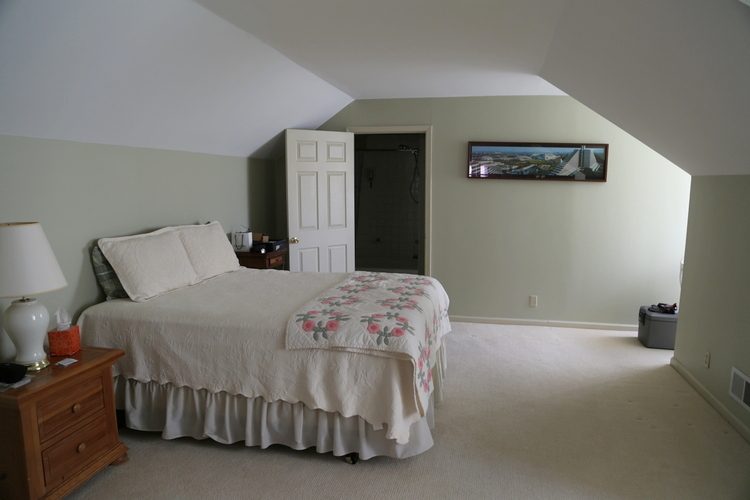
Option 1: Embrace & Expand (Paint Slanted Walls & Flat Ceiling the Same Color as Vertical Walls)
- Visual Effect: This strategy creates a seamless, enveloping feel. By blurring the lines between wall and ceiling, it makes the room feel significantly larger and more cohesive. It’s like wrapping the room in a single, calming embrace.
- When to Use: Ideal for smaller rooms, attics, or spaces where you want to maximize the feeling of openness and unity. Great for bedrooms or cozy nooks where a singular color palette enhances relaxation. It minimizes visual breaks, making the architecture less ‘choppy’.
- Best Paint Sheen: Often best with a matte or eggshell finish to minimize reflections and maintain that continuous, soft look.
Option 2: Define & Delineate (Paint Slanted Walls the Same as Vertical Walls, Flat Ceiling White or Lighter)
- Visual Effect: This approach clearly distinguishes the flat ceiling from the angled walls. It grounds the room while still allowing the angles to feel integrated with the main wall color. The flat, higher ceiling often feels taller due to the contrast.
- When to Use: Excellent for rooms with a distinct flat ceiling section that you want to highlight or maintain as a traditional ceiling element. It can add a sense of structure and definition, preventing the room from feeling like a ‘tent’. Works well in living areas or larger bedrooms where you want to emphasize the room’s height.
- Best Paint Sheen: Flat white on the ceiling and eggshell/satin on the walls and slants.
Option 3: Create a Feature (Paint Slanted Walls a Different, Often Contrasting, Color or Accent)
- Visual Effect: This bold strategy turns your slanted walls into an architectural focal point. It can add depth, drama, or a playful element to the room. The angles become a design statement rather than a blending element.
- When to Use: Perfect for rooms where you want to add character, highlight an interesting architectural detail, or introduce an accent color. Think kids’ rooms, creative studios, or spaces where you want a unique, modern edge. Be mindful that this can sometimes make a small room feel busier.
- Best Paint Sheen: Depends on the desired effect; matte for subtle depth, satin for a bit more pop.
Here’s a quick comparison to help you visualize:
| Painting Strategy | Visual Effect on Room Size | Defining Lines Needed? | Best For |
|---|---|---|---|
| Embrace & Expand (All walls & ceiling same color) |
Feels larger, cohesive, ‘cocooning’ | Minimal, primarily around trim | Small rooms, bedrooms, maximizing openness |
| Define & Delineate (Slants match walls, flat ceiling is different) |
Adds structure, can make flat ceiling appear higher | Crucial, where slanted meets flat ceiling | Larger rooms, living areas, traditional feel |
| Create a Feature (Slants are accent color/texture) |
Draws attention, can make room feel cozier/dramatic | Highly important, around all edges of the accent | Kids’ rooms, creative spaces, unique architectural statements |
Gathering Your Arsenal: Tools & Materials for Angled Spaces
Painting slanted walls isn’t just about technique; it’s about having the right gear. Some standard tools are always necessary, but for those tricky angles, a few specialized items will be your best friends.
Standard Painting Tools:
- High-Quality Paint: Don’t skimp here. Good paint offers better coverage and durability, saving you time and frustration. Consider a low-VOC option for better indoor air quality.
- Primer: Essential for new drywall, dark-to-light color changes, or stain blocking. Tinting your primer can also help with coverage.
- Paint Trays & Liners: Makes cleanup a breeze.
- Rollers & Roller Covers: Choose the right nap for your surface texture (e.g., 3/8-inch nap for smooth walls).
- Paint Brushes: A good 2-2.5 inch angled sash brush is a must for cutting in.
- Drop Cloths: Canvas or plastic to protect floors and furniture.
- Cleaning Supplies: Sponges, mild detergent, buckets.
- Spackle & Sandpaper: For repairing imperfections.
Specialized Tools for Slanted Walls:
- Extension Pole for Rollers: Absolutely essential for reaching high slants and ceilings without overstretching or constantly moving a ladder. Look for one with a good locking mechanism.
- Painter’s Tape (Delicate & Medium Adhesion): For crisp lines. The delicate blue tape is great for freshly painted surfaces, while the green or yellow frog tape works wonders for super sharp lines on cured paint. For complex angles, consider a flexible curve tape.
- Angled Sash Brush: While a standard brush is fine, a high-quality angled sash brush gives you more control for cutting in along those sharp, often awkward angles where walls meet slants, or slants meet ceilings.
- Sturdy Step Ladder or Scaffolding: Depending on the height and complexity of your slanted walls, a stable step ladder is vital. For very high ceilings or large slanted areas, renting scaffolding might be safer and more efficient than constantly repositioning a ladder.
- Utility Knife & Straight Edge: For perfectly cutting painter’s tape to size, especially when creating intricate lines.
- Headlamp: Sounds silly, but good lighting is crucial for spotting missed spots, drips, and ensuring consistent coverage, especially in shadowed angles.
Prepping for Perfection: The Critical First Steps
Think of prep as the foundation of your painting project. A solid foundation means a smooth, long-lasting finish.
- Clear the Room: Move out as much furniture as possible. Cover anything left behind with plastic sheeting.
- Protect Your Floors: Lay down canvas or plastic drop cloths. Overlap them slightly and tape them together to prevent gaps.
- Clean Surfaces Thoroughly: Slanted walls, especially in attics, can accumulate dust, cobwebs, and grime. Use a mild detergent solution and a sponge or soft cloth to clean all surfaces. Rinse with clean water and allow to dry completely. Paint won’t adhere well to dirty surfaces!
- Repair Imperfections: Fill any holes or cracks with spackle. Once dry, sand smooth. Don’t forget to wipe away any sanding dust.
- Tape Off with Precision: This is paramount for slanted walls.
- Trim & Baseboards: Tape off all trim, windows, and doorframes as you normally would.
- The Crucial Angle: If you’re painting your slanted wall a different color from an adjacent wall or a flat ceiling, carefully apply painter’s tape along that intersection. Use a putty knife or a 5-in-1 tool to press down the tape firmly, preventing bleed-through. For especially long or tricky angles, a laser level can help you establish a perfectly straight line for your tape.
- Switch Plates & Outlets: Remove all switch plates and outlet covers. Tape around the openings.
- Prime (if Necessary): If you’re painting over a dark color, going from gloss to flat, or dealing with new drywall or repairs, apply a coat of primer. Let it dry completely according to manufacturer instructions.
The Art of the Angle: Step-by-Step Painting Process
Okay, prep is done, your tools are ready, and you’ve got your color strategy locked down. Now for the satisfying part: applying paint. Remember, patience and methodical work are your best allies here.

Cutting In: Mastering the Tricky Edges
This is where most people get nervous with slanted walls. Crisp lines make all the difference, especially on those unique angles.
- Load Your Brush Correctly: Dip about 1/3 to 1/2 of your angled sash brush into the paint. Tap off excess on the side of the can, don’t wipe it completely clean.
- Start from the Top (If Applicable): If you have a flat ceiling that meets a slanted wall, start cutting in that flat ceiling first. Then move to the point where the flat ceiling transitions to the slant.
- Technique for Straight Lines: When cutting in along trim or where two colors meet (like a slanted wall meeting a vertical one, or a slant meeting a flat ceiling), use a steady hand. Apply light pressure to the brush, letting the bristles fan out slightly against the taped line or corner. Work in 1-2 foot sections, maintaining a consistent line.
- Internal Angles (Corners): For inside corners where two slanted walls meet, or a slant meets a vertical wall, apply paint generously but carefully into the corner with your brush. Then, feather the paint out slightly.
- Take Your Time: Don’t rush. A slow, steady hand will give you the best results. If you need to, take breaks.
Rolling the Slopes: Technique for Even Coverage
Those big, open slanted surfaces are where an extension pole truly shines. It allows you to cover large areas efficiently and safely.
- Attach Your Roller to an Extension Pole: Securely attach your roller cage and cover to the extension pole. Make sure it’s tight.
- Load the Roller Evenly: Roll your roller in the paint tray until it’s fully saturated but not dripping.
- Work in Manageable Sections: Don’t try to paint the entire slant at once. Break it down into 3×3 or 4×4 foot sections.
- Apply Paint in a ‘W’ or ‘M’ Pattern: Start in a corner of your section. Apply paint in a ‘W’ or ‘M’ shape, then fill in the empty spaces by rolling horizontally and vertically, without lifting the roller. This ensures even coverage and helps blend strokes.
- Dealing with Gravity/Drips: Slanted surfaces are prone to drips. Work from top to bottom where possible. Keep an eye out for runs and immediately roll over them or brush them out before the paint sets. Lighter coats are better than one thick, drippy one.
- Overlap Wetted Edges: Always roll into the previously painted, still-wet edge of your last section. This prevents visible roller marks and ensures a smooth, consistent finish.
- Two-Coat Strategy: For most colors, two coats are essential for full, rich color and durability. Allow the first coat to dry completely according to manufacturer instructions before applying the second.
Tackling the Vertical Walls & Flat Ceilings
Once your slanted areas are done (or if you’re doing them last, depending on your strategy), the vertical walls and any flat ceiling sections can be painted using standard techniques.
- Cut in First: Use your angled brush to cut in along all edges, corners, and around windows/doors, just as you did for the slanted walls.
- Roll Evenly: Use your roller (with or without an extension pole, depending on height) to apply paint to the larger wall sections using the ‘W’ or ‘M’ pattern. Maintain consistent pressure for an even finish.
- Don’t Forget the Two Coats: Again, two thin coats are almost always better than one thick one.
The Drying Game: Patience is Key
This is where many DIYers get impatient, but it’s crucial for a professional finish.
- Allow Adequate Drying Time: Always follow the paint manufacturer’s recommendations for drying time between coats and for complete curing. Humidity and temperature can affect this.
- Removing Tape Correctly: For crisp lines, remove painter’s tape when the paint is still slightly wet (but not dripping). This prevents the paint from drying and adhering to the tape, leading to tearing or jagged edges. If the paint is already dry, score the edge of the tape with a utility knife before pulling to prevent paint from peeling off with the tape. Pull the tape at a 45-degree angle slowly and steadily.
- Clean Up: Clean your brushes and rollers immediately with warm, soapy water (for latex/water-based paints).
Common Pitfalls & How to Avoid Them
Even with the best intentions, painting slanted walls can present unique challenges. Knowing what to watch out for can save you a lot of headaches.
Uneven Lines and Bleeds
The primary culprit here is usually improperly applied painter’s tape or paint seeping underneath. To avoid this:
- Press Tape Firmly: After applying tape, run a putty knife or credit card along the edge to create a tight seal.
- Use the Right Tape: For very delicate areas or if you’re painting over fresh paint, use a ‘delicate surface’ tape. For super sharp lines on cured surfaces, FrogTape is often recommended as it has a paint-blocking technology.
- Seal the Edge: For critical lines, paint a thin coat of your *base color* (or a clear caulk) over the edge of the tape first. Let it dry. This seals the tape, so if any paint bleeds through, it’s the base color, not your new color. Then apply your new color.
Drips and Runs on Slanted Surfaces
Gravity is not your friend on a slant! Drips are more common here than on vertical walls. Prevent them by:
- Don’t Overload Your Roller/Brush: This is the number one cause. It’s better to apply two thin coats than one thick, drippy one.
- Roll Out Excess: Always roll off excess paint in your tray. For brushes, tap, don’t wipe.
- Work from Top to Bottom: If possible, start your rolling stroke higher on the slant and work your way down.
- Watch for Them: Continuously scan your freshly painted area for drips. If you see one, gently roll or brush it out immediately before it starts to dry.
Misjudging Paint Quantity for Unique Dimensions
Calculating paint for standard rooms is easy, but slants throw a wrench in the math. To get it right:
- Measure Accurately: Don’t just eyeball it. Measure the length and width of each distinct surface (vertical walls, each slanted section, flat ceiling). Calculate the area for each (Length x Width = Area).
- Add a Buffer: Always buy about 10-15% more paint than your calculations suggest. You’ll thank yourself later if you need touch-ups or an unexpected third coat.
- Consider Manufacturer Coverage: Check the paint can for its estimated coverage per gallon.
Safety First: Working at Heights
Painting high slanted walls or ceilings means working on ladders or scaffolding. Don’t take risks!
- Stable Footing: Always ensure your ladder or scaffolding is on a firm, level surface.
- Don’t Overreach: Never stretch too far from your ladder. Descend and reposition it instead. Overreaching is a common cause of falls.
- Spotter (Optional but Recommended): If working on very high or tricky areas, have someone nearby to steady the ladder or assist.
- Appropriate Footwear: Wear non-slip shoes.
Beyond the Brush: Decorating Tips for Rooms with Slanted Walls
Once the paint is dry and those beautiful angles are gleaming, it’s time to furnish and accessorize. Painting the room is just the first step in unlocking its full potential. The unique architecture of slanted walls means you can be incredibly creative with how you furnish and light the space.

Lighting Up Angled Spaces
Traditional overhead lighting can sometimes feel lost or awkward with slanted ceilings. Think about how to illuminate the room to enhance its features and functionality:
- Wall Sconces: These are fantastic for slanted walls. They can be mounted at a consistent height on vertical sections or even directly onto a slant (with proper planning for wiring) to provide ambient light without competing with the ceiling’s geometry.
- Recessed Lighting: If you’re undertaking a more extensive renovation, recessed lights can be installed in flat ceiling sections or even some slants, offering clean, unobtrusive illumination.
- Floor Lamps & Table Lamps: Utilize portable lighting to create warm pools of light in corners or near seating areas. This adds coziness and flexibility.
- Pendant Lights: In rooms with a flat ceiling section, a statement pendant light can draw the eye and act as a focal point. Ensure it hangs appropriately without feeling squashed by the angles.
Furniture Placement for Slanted Rooms
The angles can dictate furniture choices and placement, but this isn’t a limitation; it’s an opportunity for clever design:
- Low-Profile Furniture: Sofas, beds, and shelving with lower profiles often work best, fitting snugly under the lower parts of a slanted wall without feeling crammed.
- Built-Ins & Custom Storage: This is where slanted rooms truly shine! Custom built-in shelving, cupboards, or window seats can perfectly fill awkward nooks and low-ceiling areas, turning ‘dead space’ into highly functional and attractive storage or seating.
- Embrace the Wall: Position beds with headboards against the tallest vertical wall. For desks or reading nooks, consider placing them under a lower slant if there’s enough headroom, creating an intimate, focused zone.
- Avoid Tall Pieces: Generally, avoid placing very tall bookcases or armoires directly against the lowest part of a slanted wall, as it can look awkward and unbalances the room.
Embracing Architectural Features
Your slanted walls are a unique design element. Don’t hide them; celebrate them!
- Artwork & Decor: Use the slanted walls for unique artwork placement. A gallery wall climbing up a slant can be incredibly dynamic. Consider smaller pieces or groupings that work with the angle.
- Mirrors: Strategically placed mirrors can bounce light around and create the illusion of more space, especially effective on vertical walls in an otherwise angular room.
- Exposed Beams: If your slanted ceiling features exposed beams, highlight them! Paint them a contrasting color or simply clean and seal them to enhance their architectural beauty.
Final Thoughts: Your Transformed Slanted Oasis
Painting a room with slanted walls might seem intimidating at first, but with a solid plan, the right tools, and a dash of patience, it’s a completely achievable and incredibly rewarding DIY project. You’re not just applying paint; you’re reimagining your space, playing with light and perception, and truly making your home unique.
Remember, the goal isn’t just to cover the walls, but to create an environment that feels balanced, intentional, and uniquely yours. Whether you choose to embrace the angles with a unified color, define them with subtle contrasts, or make them a bold feature, you’re now equipped with the knowledge to execute your vision like a pro.
So, take a deep breath, trust the process, and get ready to enjoy a beautifully transformed space that celebrates its unique character. You’ve got this!
Frequently Asked Questions
How do you tape off a slanted wall for painting?
For a precise line, first ensure the surface is clean and dry. Apply painter’s tape (a good quality, medium adhesion tape is ideal) along the desired line. Then, use a putty knife or a credit card to firmly press down the edge of the tape, sealing it completely to prevent paint bleed-through. For extra protection, especially if painting a light color over a dark one, you can paint a thin coat of your base color or clear caulk over the tape edge first and let it dry before applying your new color.
What’s the best strategy for painting slanted walls to make a room feel bigger?
The most effective strategy to make a room with slanted walls feel bigger is to paint all the walls (vertical and slanted) and the flat ceiling the same color. This creates a seamless, enveloping effect, blurring the architectural lines and giving the impression of an expanded, cohesive space. Lighter, neutral colors generally enhance this effect even further.
What tools are essential for painting high slanted ceilings?
Key tools for high slanted ceilings include a sturdy extension pole for your roller (with a good locking mechanism), a reliable step ladder or scaffolding for safety and reach, and a high-quality angled sash brush for precise cutting in along edges and corners. A headlamp can also be surprisingly useful for spotting missed spots and drips in shadowed areas.
How do I prevent drips and runs when painting a slanted surface?
To prevent drips and runs on slanted surfaces, avoid overloading your roller or brush. It’s always better to apply two thin, even coats rather than one thick, heavy one. When rolling, work in manageable sections, using a ‘W’ or ‘M’ pattern, and always keep an eye out for any paint building up. Immediately roll or brush out any drips as soon as you see them before the paint starts to set.
Should I prime slanted walls before painting?
Yes, priming is often highly recommended for slanted walls. It’s essential if you’re painting over new drywall, making a significant color change (e.g., dark to light), or trying to cover stains. Primer helps create a uniform surface for the topcoat, improves paint adhesion, and ensures a more vibrant, even color finish with fewer coats.
When should I remove painter’s tape from slanted walls?
For the crispest lines, remove painter’s tape when the paint is still slightly wet (but no longer tacky or dripping). This prevents the paint from fully curing and bonding to the tape, which can cause peeling or jagged edges when removed. If the paint has already dried, score the edge of the tape with a utility knife before slowly pulling it away at a 45-degree angle.
What paint sheen is best for slanted walls and ceilings?
For a cohesive and spacious feel, a matte or eggshell sheen is often preferred for slanted walls and ceilings, as they minimize reflections and hide minor imperfections. If you want a more durable, washable surface (like in a child’s room), a satin finish can work, but be aware it will highlight imperfections more. Flat paint is ideal for ceilings for its ability to hide flaws.