How To Paint A Metal Interior Door: Your Ultimate DIY Guide
Got a metal interior door that’s seen better days? Maybe it’s a utilitarian garage entry, a laundry room portal, or even a dated closet door that sticks out like a sore thumb. Whatever its purpose, a tired metal door can drag down the aesthetic of an entire room. But here’s the good news: painting it yourself is one of the most impactful, budget-friendly DIY projects you can tackle.
Forget the myth that painting metal is overly complicated or requires special equipment. With the right prep, the correct materials, and a bit of know-how, you can transform that dull, chipped, or mismatched metal door into a smooth, vibrant focal point. I’m going to walk you through every step, ensuring your newly painted door isn’t just pretty, but also durable and long-lasting.
Why Paint Your Metal Interior Door? It’s More Than Just Color
You might think painting is purely about aesthetics, and while a fresh coat of paint can dramatically improve a door’s look, there are several other compelling reasons to undertake this project:
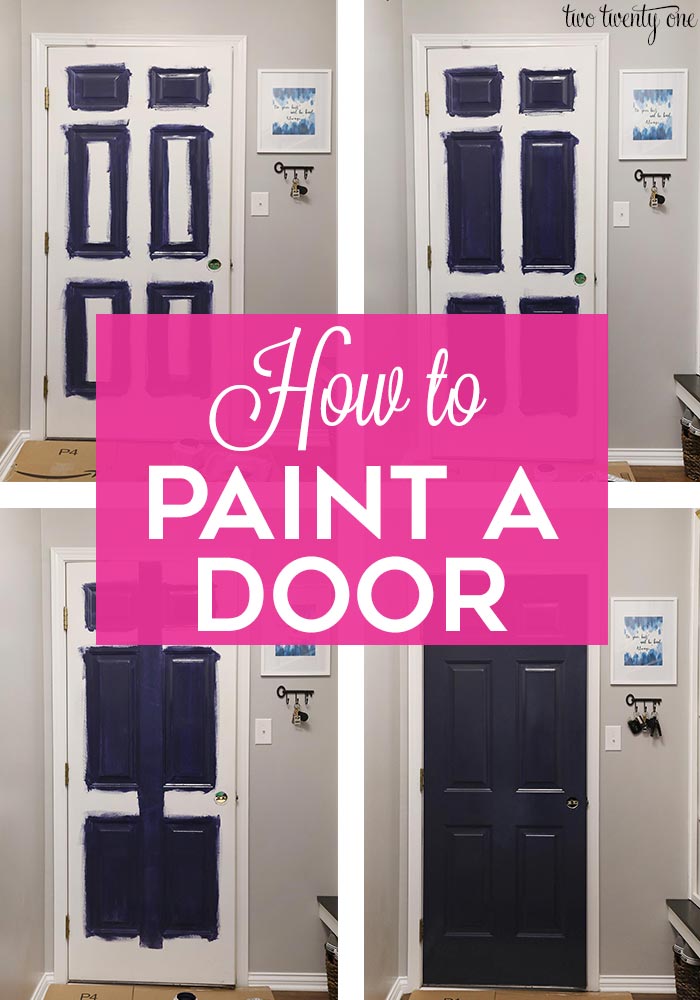
- Aesthetic Upgrade: This is the obvious one. A new color can seamlessly blend the door with your existing decor or make it pop as a deliberate design element.
- Protection: Paint acts as a barrier, protecting the metal from moisture, scratches, and everyday wear and tear. This is especially crucial for steel doors prone to rust.
- Increased Durability: A well-painted door resists scuffs and dings better, extending its lifespan.
- Boosted Home Value: Believe it or not, cohesive and well-maintained interior elements, even doors, contribute to the overall perceived value of your home.
- Cost-Effective Refresh: Rather than replacing an otherwise functional door, painting offers a dramatic change at a fraction of the cost.
Is Your Metal Interior Door Paintable? Assessing Its Condition
Most interior metal doors are made of steel, though some might be aluminum. Both are excellent candidates for painting. Before you grab your brush, take a moment to assess the door’s current state. This will dictate how much prep work you’ll need to do.
- Rust: This is common, especially on older steel doors or those in humid areas (like a bathroom or laundry room). Surface rust is usually treatable; deep, structural rust might be a sign it’s time for a new door.
- Dents & Scratches: Minor imperfections can be filled and sanded.
- Peeling or Chipping Paint: This requires thorough scraping and sanding to ensure a smooth, adhesive base for your new paint.
- Shiny/Smooth Surface: Even if the door is in good condition, a slick surface needs to be dulled with light sanding to allow primer to grip.
Pro Tip: If your door is severely rusted, warped, or has structural damage, painting might be a temporary fix. Sometimes, replacement is the more economical long-term solution.
Essential Supplies & Materials: Gathering Your Arsenal
Success in painting a metal door is 80% preparation and 20% actual painting. Having the right tools and materials makes all the difference. Don’t skimp here; quality supplies save time and yield better results.
| Category | Item | Why You Need It |
|---|---|---|
| Prep & Cleaning | Drop Cloths/Plastic Sheeting | Protect floors and surrounding areas. |
| Painter’s Tape (Blue Tape) | Mask off hinges, door frame, hardware you can’t remove. | |
| Degreaser/TSP Substitute | Removes grease, grime, and residue for proper adhesion. | |
| Clean Cloths/Sponges | For cleaning and wiping dust. | |
| Repair & Sanding | Wire Brush/Steel Wool | To remove loose rust or peeling paint. |
| Sandpaper (120-220 grit) | Dulls surface, smooths imperfections, helps primer adhere. | |
| Auto Body Filler/Epoxy Filler | For filling dents and deep scratches. | |
| Painting Tools | High-Quality Angled Paint Brush (2-2.5 inch) | For cutting in edges, panels, and intricate areas. |
| Smooth Finish Foam Roller (4-6 inch) & Tray | For smooth, even application on flat surfaces, minimizes texture. | |
| Paint Mixer/Stir Stick | Ensures consistent paint color and consistency. | |
| Primers & Paints | High-Adhesion Primer (e.g., Zinsser B-I-N, Kilz Adhesion) | Crucial for metal; ensures paint sticks and prevents rust bleed-through. |
| High-Quality Interior Paint (Acrylic Latex or Alkyd/Oil-based) | Your chosen color; durable finish for high-traffic areas. | |
| Paint Conditioner/Extender (Optional) | Helps paint flow smoother, reducing brush marks. | |
| Safety Gear | Gloves | Protects hands from chemicals and paint. |
| Safety Glasses | Protects eyes from dust, paint splatters. | |
| Respirator Mask | Recommended for strong fumes from oil-based products or sanding dust. |
Choosing the Right Primer for Metal Interior Doors
This is where many DIYers go wrong. You can’t just slap any old primer on metal. You need a primer designed specifically for superior adhesion to slick, non-porous surfaces like metal. Look for primers labeled as “bonding primer,” “multi-surface primer,” or “stain-blocking primer” with rust-inhibiting properties if your door has existing rust.
- Water-based (Acrylic) Primers: Easy cleanup, low VOCs (ideal for interior), quick drying. Modern acrylic bonding primers offer excellent adhesion.
- Oil-based (Alkyd) Primers: Excellent adhesion, good stain blocking, very durable. Stronger fumes and harder cleanup (mineral spirits required). If you’re dealing with serious rust, an oil-based rust-inhibiting primer might be superior.
My Recommendation: For most interior metal doors, a high-quality water-based bonding primer (like Zinsser B-I-N Shellac-Based or Kilz Adhesion) will do the trick. It provides excellent grip and ensures your topcoat sticks without issue.
Selecting the Best Paint for Interior Metal Doors
Once your primer is sorted, it’s time for the fun part: picking your paint! For interior metal doors, you want a paint that’s durable, washable, and ideally has low VOCs for better indoor air quality.

- Acrylic Latex Paint: This is generally my go-to for interior projects. It’s water-based, meaning easy cleanup, low odor, and quick drying times. High-quality acrylic latex paints offer great durability and flexibility, resisting cracking. Look for a 100% acrylic or acrylic-urethane blend for maximum toughness.
- Alkyd (Oil-based) Paint: While super durable and providing a hard, smooth finish, oil paints have stronger fumes, longer drying times, and require mineral spirits for cleanup. They are less common for interior DIY painting nowadays due to these factors, but some still prefer their traditional hard finish, especially for trim and doors.
- Enamel Paint: This term generally refers to any paint that dries to a very hard, durable, and usually glossy finish. Both acrylic latex and alkyd paints can be formulated as enamels.
Sheen Levels:
- Satin or Semi-Gloss: These are the most popular choices for interior doors. They offer a balance of durability, easy cleaning, and a subtle sheen that reflects light nicely without being overly reflective. Semi-gloss is slightly more durable and reflective than satin.
- High-Gloss: Very durable and highly reflective, making imperfections more noticeable. Best for a very modern, dramatic look.
- Flat or Eggshell: While beautiful on walls, these sheens are generally not recommended for doors as they lack the durability and washability needed for high-traffic surfaces.
Brushes, Rollers, and Sprayers: What to Use When
- Angled Paint Brush: Essential for “cutting in” around panels, edges, and hardware. A good quality synthetic brush (2-2.5 inches) will give you crisp lines and smooth application.
- Foam Roller: For flat surfaces, a high-density foam roller (4-6 inches) is your best friend. It leaves a super smooth, almost spray-like finish with minimal texture. Avoid nappy rollers, which can leave lint or an orange-peel texture.
- Paint Sprayer (Advanced): If you have a sprayer, know how to use it, and have a well-ventilated area for setup, this will give you the most factory-smooth finish. However, it requires significant masking and practice. For most DIYers, a brush and foam roller combination is perfectly adequate.
The Step-by-Step Process: Painting Your Metal Interior Door Like a Pro
This is where we bring it all together. Follow these steps meticulously, and you’ll be thrilled with the results.
Step 1: Prep Like a Pro – Remove Hardware & Clean Thoroughly
- Remove the Door (Optional but Recommended): While you can paint the door in place, removing it and laying it flat on sawhorses in a well-ventilated area gives you the best control, minimizes drips, and allows for easier access to all edges. If you remove it, label the hinges to make reinstallation easier.
- Remove Hardware: Take off the doorknob, latch plates, and any other hardware. This prevents paint from getting on them and gives you a cleaner finish. If you absolutely can’t remove something, mask it off meticulously with painter’s tape.
- Clean the Door: This is crucial. Use a degreaser or TSP substitute (follow manufacturer instructions) mixed with water. Wipe down every inch of the door to remove all grease, dirt, grime, and oils from fingerprints. Rinse thoroughly with clean water and allow the door to dry completely. Any residue will prevent paint adhesion.
- Protect the Area: Lay down drop cloths or plastic sheeting under your door and tape off the floor or surrounding walls if painting in place.
Step 2: Repair & Sand – The Foundation for Flawless Finish
- Address Rust: If you have surface rust, use a wire brush, steel wool, or 120-grit sandpaper to aggressively remove all loose rust. For more stubborn rust, a rust-converter primer can be applied before your regular primer.
- Fill Dents & Scratches: For any significant dents, dings, or deep scratches, use an auto body filler or epoxy filler. Apply according to product instructions, typically in thin layers. Allow it to dry completely.
- Sand for Smoothness:
- If the door is unpainted or has severe imperfections: Start with 120-grit sandpaper to smooth out filler and level the surface.
- If the door has existing paint in good condition: Lightly scuff sand the entire door surface with 180-220 grit sandpaper. This creates a fine texture for the primer to grip onto. You’re not trying to remove all the old paint, just dull the shine.
- Clean Dust: After sanding, thoroughly wipe down the door with a tack cloth or a damp (not wet) cloth to remove all sanding dust. This step is vital for paint adhesion.
Step 3: Prime Time – Creating the Perfect Canvas
- Stir Primer: Thoroughly stir your chosen bonding primer.
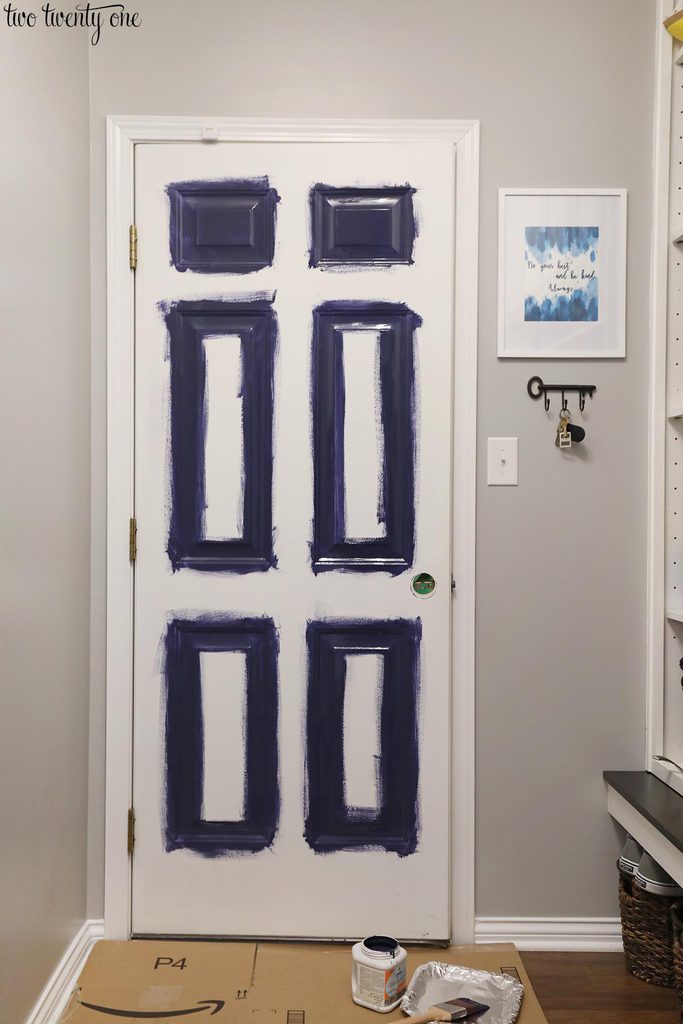
- Apply First Coat: Using your angled brush, cut in around any recessed panels, edges, or intricate details first. Then, immediately follow with your foam roller on the flat surfaces. Apply a thin, even coat. Avoid overloading the brush or roller, which can lead to drips.
- Work in Sections: If your door has panels, work on them first, then the horizontal rails, and finally the vertical stiles. This ensures you maintain a wet edge and avoid lap marks.
- Allow to Dry: Check the primer can for recommended drying times between coats (usually 1-2 hours for water-based primers).
- Light Sand (Optional): For an ultra-smooth finish, you can lightly sand the dried primer with 220-grit sandpaper, then wipe clean with a tack cloth. This knocks down any minor imperfections or roller texture.
- Apply Second Coat (if needed): Depending on the door’s original color and the primer’s coverage, a second coat of primer might be beneficial, especially if covering dark colors or treating rust.
Pro Tip: When using a foam roller, roll from the top to the bottom of the door in even, overlapping strokes. Finish with a light, downward stroke across the entire section to lay off the paint smoothly.
Step 4: Paint with Precision – Achieving a Smooth Finish
- Stir Paint: Thoroughly stir your chosen interior paint.
- Apply First Topcoat: Using the same technique as the primer (brush for details, foam roller for flats), apply your first thin, even coat of paint.
- Start with Panels: If your door has recessed panels, paint these areas first using your brush.
- Horizontal Rails: Next, paint the horizontal sections (rails) of the door frame.
- Vertical Stiles: Finish by painting the vertical sections (stiles).
- Edges: Don’t forget the top, bottom, and side edges of the door.
- Avoid Overworking: Don’t keep rolling or brushing paint once it starts to set. This can create texture and brush marks. Apply, smooth, and move on.
- Allow to Dry: Refer to your paint can for specific recoat times. This is typically 2-4 hours for water-based paints but can be longer for oil-based. Ensure the paint is completely dry to the touch before applying the next coat.
- Apply Second Topcoat: Once the first coat is dry, apply a second thin, even coat using the same method. Most doors will require two coats for full coverage and durability. Sometimes a third coat is needed, especially if you’re making a dramatic color change or using a lighter color.
- Check for Coverage: Once dry, inspect the door in good light for any missed spots or unevenness. Touch up as needed.
Step 5: Cure & Rehang – The Final Touches
- Cure Time vs. Dry Time: Paint might be “dry to the touch” in a few hours, but it takes much longer to “cure” – meaning it has reached its full hardness and durability. Avoid heavy handling or scuffing for several days, ideally a week or more, after the final coat.
- Remove Tape: If you masked off hardware, carefully remove the painter’s tape while the paint is still slightly wet (but not gooey) or fully dry. Pulling it when partially dry can cause peeling.
- Reattach Hardware: Once the paint is fully dry (at least 24 hours), reattach your doorknob, hinges, and other hardware.
- Rehang the Door: Carefully rehang the door, ensuring it closes smoothly without sticking.
Troubleshooting Common Issues
Even seasoned painters encounter issues. Here’s how to tackle a few common problems:
- Brush Strokes/Roller Marks: Often caused by using too much paint, overworking the paint, or using the wrong type of roller (too nappy). Lightly sand the dried surface with 220-grit sandpaper, clean, and reapply a thinner coat using a high-density foam roller and a paint extender.
- Runs and Drips: This happens when too much paint is applied in one area. If still wet, lightly brush or roll it out. If dry, carefully sand the drip smooth with fine-grit sandpaper, clean, and touch up.
- Poor Adhesion/Peeling: Almost always a prep issue (improper cleaning, no sanding, wrong primer). You’ll need to sand off the peeling paint, clean, re-prime with the correct bonding primer, and repaint.
- Uneven Finish/Bare Spots: Likely due to insufficient coats or uneven application. Apply additional thin coats until you achieve uniform coverage.
Maintenance & Longevity: Keeping Your Painted Door Looking New
Your newly painted door can look fantastic for years with a little care:
- Regular Cleaning: Wipe down your door periodically with a soft cloth dampened with mild soap and water. Avoid abrasive cleaners or harsh chemicals, which can damage the paint finish.
- Gentle Handling: Encourage family members to use door handles rather than pushing or pulling directly on the painted surface.
- Touch-ups: Keep a small amount of your leftover paint. For minor scuffs or chips, you can carefully touch up the affected areas with a small artist’s brush.
Estimated Costs & Time Investment
Painting an interior metal door is a rewarding project that won’t break the bank. Here’s a realistic breakdown:

| Category | DIY Cost Range (Approx.) | Professional Cost Range (Approx.) |
|---|---|---|
| Primer (Quart) | $20 – $40 | Included in overall service (typically $150 – $400 per door, depending on prep needed) |
| Paint (Quart) | $25 – $50 | |
| Tools & Supplies (Brush, Roller, Sandpaper, Tape, etc.) | $30 – $70 (many are reusable) | |
| Repair Materials (Filler, Rust Converter – if needed) | $15 – $30 | |
| Total DIY Cost per Door | $90 – $190 (for all new supplies, less if you have some already) | $150 – $400+ |
Time Investment:
- Prep Work (Cleaning, Sanding, Repairs, Taping): 2-4 hours
- Priming (1-2 coats with drying time): 3-6 hours
- Painting (2-3 coats with drying time): 6-12 hours
- Reassembly & Cleanup: 1 hour
Expect to dedicate at least a full day (or two half-days) to complete the project, mostly due to drying times. The actual “active” painting time is much less.
Ready to Transform Your Door?
Painting a metal interior door is an incredibly satisfying project that yields professional-looking results when done right. By focusing on meticulous preparation, selecting the appropriate materials, and following these step-by-step instructions, you’ll not only save money but also gain immense satisfaction from enhancing your home. So, gather your supplies, put on some music, and get ready to give that metal door a stunning new lease on life!
”