The Definitive Guide to the Best White Paint Colors for Rooms with Little Natural Light
Staring at a dim, window-starved room, desperately wishing it felt brighter, airier, and more inviting? You’re not alone. Many of us grapple with spaces that just don’t get enough natural light, making them feel small, drab, or even a little gloomy. The good news? The right white paint isn’t just a solution; it’s a transformation.
Forget the myth that white paint will make a dark room feel sterile or stark. When chosen correctly, white paint is your most powerful ally in bouncing light, expanding visual space, and creating an atmosphere of calm sophistication. But with thousands of whites out there, how do you pick THE ONE? That’s exactly what we’re going to uncover.
Quick Picks: Our Top 3 White Paints for Low-Light Rooms (The Cheat Sheet)
Before we dive deep into the science and art of selecting white paint for your dim room, here are our top three recommendations that consistently perform wonders:
- Benjamin Moore White Dove OC-17: A timeless, soft white with a touch of greige undertone that keeps it from feeling cold. It reflects light beautifully without being stark.
- Sherwin Williams Alabaster SW 7008: A warm, inviting off-white with subtle creamy undertones. It brings a cozy glow to rooms lacking natural brightness.
- Sherwin Williams Greek Villa SW 7551: A bright yet creamy white, slightly warmer than Alabaster, perfect for making a room feel open and sophisticated.
The Low-Light Dilemma: Why White Paint Is Your Best Ally
You know the feeling: you walk into a room, and despite all your efforts, it just feels… heavy. Dark. Uninspiring. This isn’t just about aesthetics; it affects your mood, your productivity, and how you experience your home. Rooms with minimal natural light present a unique challenge, but also a fantastic opportunity for strategic design.
Why white? It’s simple physics and psychology. White is the most reflective color on the spectrum. It literally bounces any available light around the room, maximizing its impact. Psychologically, white is associated with cleanliness, spaciousness, and calm. In a low-light room, a well-chosen white paint can:
- Amplify Light: Reflects even the weakest natural or artificial light, making the room feel brighter.
- Expand Space: Creates the illusion of larger walls and a more open layout, combating claustrophobia.
- Provide a Clean Canvas: Allows furniture, art, and textiles to pop without competing with a dominant wall color.
- Boost Mood: A bright, airy space can significantly improve your mental well-being.
The common misconception is that any white will do, or that white will look too cold. Not true! The secret lies in understanding undertones and light reflectance, which we’ll explore next.
Understanding Light Reflectance Value (LRV): Your Secret Weapon
When selecting paint for a low-light room, you need to understand one crucial metric: Light Reflectance Value (LRV). This isn’t just a fancy term; it’s the scientific measure of how much light a paint color reflects and absorbs.
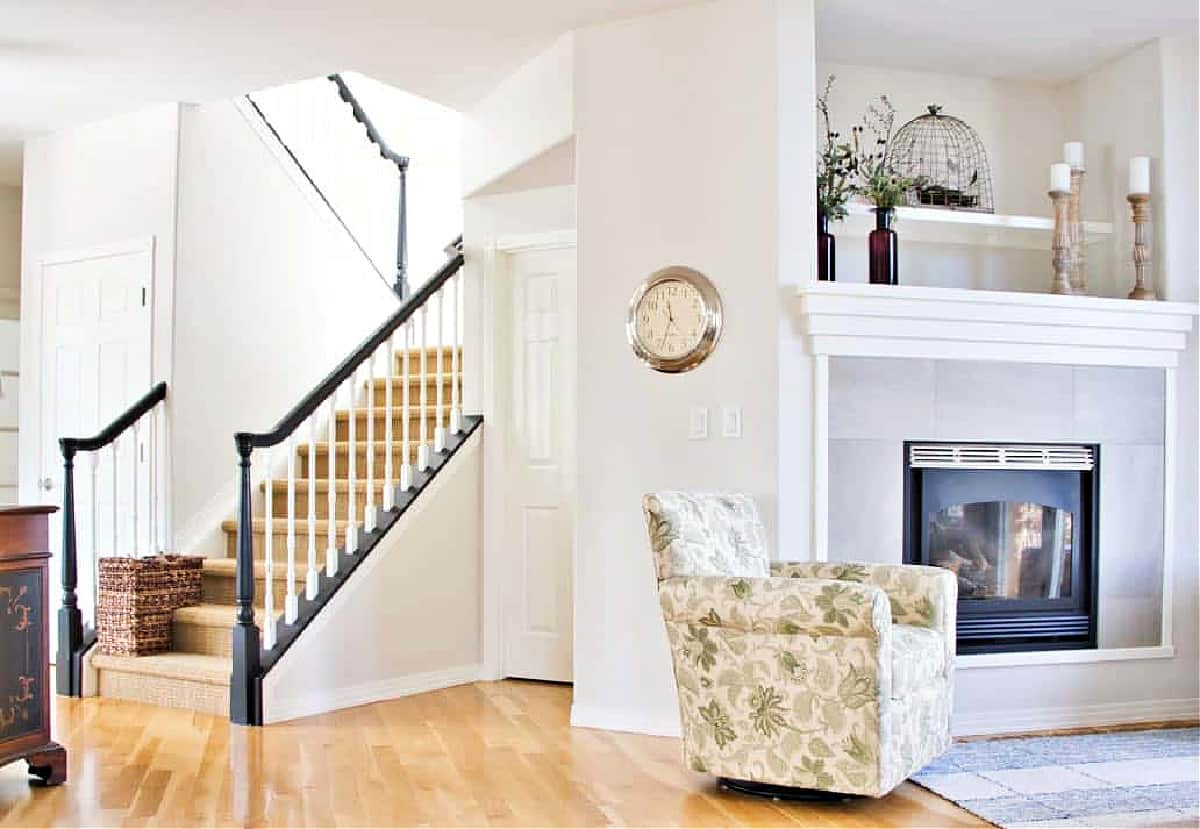
LRV is expressed as a number between 0 (absolute black, absorbing all light) and 100 (pure white, reflecting all light). In simple terms, the higher the LRV, the more light the paint reflects, and the brighter your room will appear.
For rooms with little natural light, you want to aim for whites with a high LRV, generally above 75-80. This ensures maximum light amplification. However, a very high LRV (like 90+) can sometimes feel stark if the paint has cool undertones and receives *no light, making it crucial to balance LRV with the right undertone.
Think of it this way: even if there’s only a trickle of light entering your room, a high LRV paint will grab that trickle and scatter it, making the most of what little you have.
The Nuance of Undertones: Warm, Cool, and Neutral Whites
Here’s where many people go wrong. White isn’t just ‘white.’ Every white paint, even the purest looking ones, has subtle undertones that become pronounced in different lighting conditions, especially in low light. These undertones determine the warmth, coolness, and overall feel of your room.
Warm Whites: Your Best Friend in Dim Rooms
Warm whites have undertones of yellow, beige, pink, or greige (gray + beige). These are typically your go-to choices for low-light rooms because they:
- Create Coziness: They prevent the room from feeling stark or cold, instead offering an inviting glow.
- Mimic Natural Light: The yellow/creamy undertones can simulate the warmth of sunlight, even when none is present.
- Soften Shadows: They tend to soften harsh shadows that can appear in poorly lit spaces.
Cool Whites: Proceed with Caution
Cool whites carry undertones of blue, gray, or green. While beautiful in sun-drenched rooms, they can be problematic in low-light environments:
- Can Feel Stark: Without ample natural light to balance them, cool whites can make a room feel clinical, unwelcoming, or even bluish-gray.
- Amplify Coldness: If your room already feels chilly or gets northern exposure, a cool white will only exacerbate that feeling.
There are rare exceptions, like a very light cool white used to contrast with warm wood tones, but generally, steer clear of heavily cool-toned whites for dark rooms.
True/Neutral Whites: The Balancing Act
These whites have very minimal discernible undertones. They aim for a crisp, pure white. They can work in low-light rooms if:
- They have a very high LRV: To ensure maximum reflection.
- You pair them with warm artificial lighting: To prevent them from feeling too flat or institutional.
Neutral whites are trickier than warm whites in low-light situations because they lack the inherent warmth to compensate for the absence of natural sun.
Remember: Low light conditions tend to pull out and exaggerate undertones. A subtle yellow undertone might look quite buttery, and a hint of gray could appear significantly darker. This is why testing samples is non-negotiable!
Our Top White Paint Colors for Illuminating Low-Light Rooms
Now, let’s get to the stars of the show. These white paints have proven themselves time and again in rooms that desperately need a lift. We’ve selected them for their balance of high LRV and carefully considered undertones that thrive in minimal light.
Benjamin Moore White Dove OC-17
This is a designer favorite for a reason, especially in challenging lighting. White Dove is a soft, creamy white that leans slightly off-white, with a hint of greige (gray-beige) undertone. Its LRV typically hovers around 85.
- Why it works in low light: The subtle warmth prevents it from feeling stark, while its high LRV ensures excellent light reflection. The greige undertone keeps it sophisticated and avoids looking yellow or too creamy. It adds a gentle luminosity.
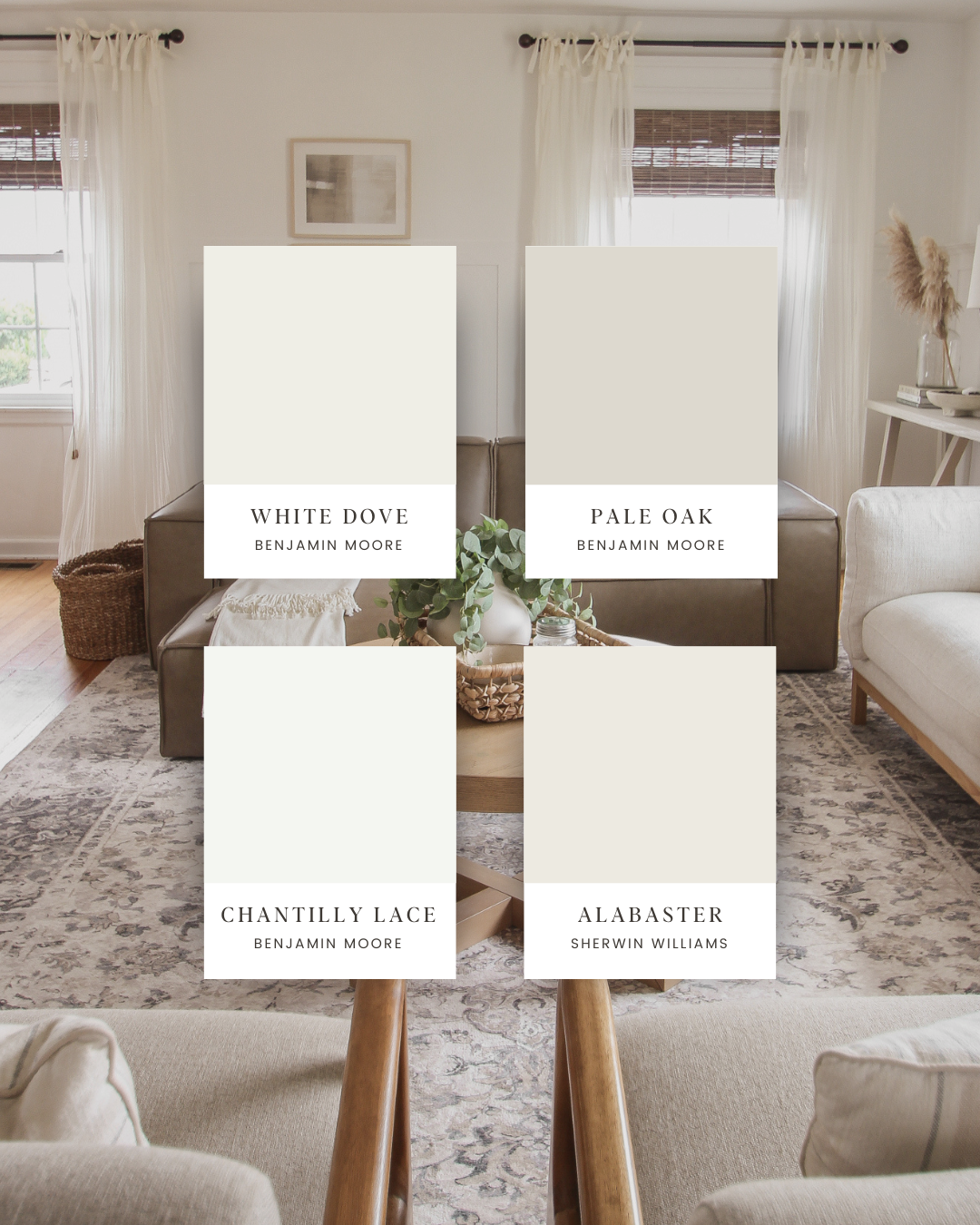
- What to pair it with: Works beautifully with almost any decor style. Pair with natural wood tones, crisp white trim (like BM Chantilly Lace for contrast, or White Dove on trim for a seamless look), and varied textures.
Sherwin Williams Alabaster SW 7008
Named Sherwin Williams’ Color of the Year in 2016, Alabaster remains incredibly popular. It’s a very soft, warm off-white with creamy, slightly beige undertones. Its LRV is usually around 82.
- Why it works in low light: Alabaster brings a serene, cozy warmth without ever looking yellow or dingy. Its gentle creamy base creates a soft glow, making a dark room feel instantly more inviting and less shadowy. It’s often described as a ‘hug in a paint can.’
- What to pair it with: Excellent for creating a relaxed, farmhouse, or traditional aesthetic. It pairs well with warm wood furniture, natural fibers, and even a crisp contrasting white on trim for definition.
Sherwin Williams Greek Villa SW 7551
If you’re looking for a bright, creamy white that feels exceptionally clean and fresh, Greek Villa is an outstanding choice. It has warm, slightly yellow/beige undertones, but less pronounced than some deeper creams. Its LRV is around 84.
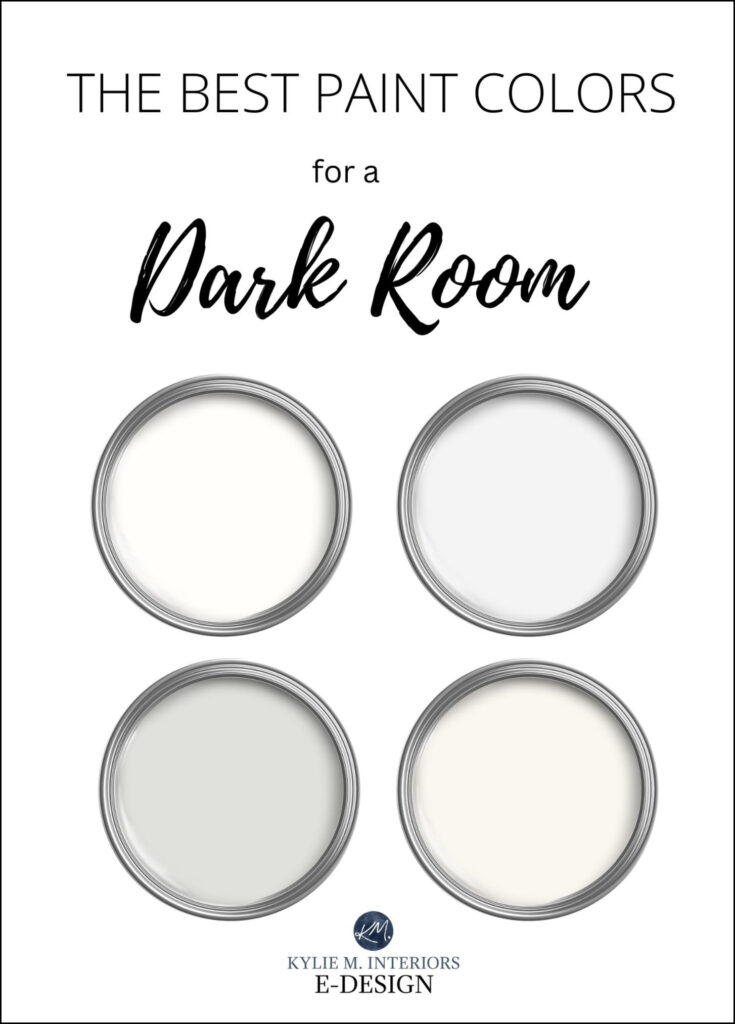
- Why it works in low light: Greek Villa has enough warmth to prevent it from falling flat in the absence of natural light, yet it maintains a bright, airy feel. It’s a fantastic option for those who want a white that feels truly ‘white’ but still provides a gentle warmth rather than coldness. It brings an elegant lightness.
- What to pair it with: Perfect for modern or transitional spaces. Pair with contrasting dark elements or other light neutrals.
Benjamin Moore Swiss Coffee OC-45
Swiss Coffee is a highly versatile and popular creamy white that sits comfortably between a true white and a subtle beige. It has noticeable warm, yellow-beige undertones. Its LRV is typically around 81-83, depending on the specific formula.
- Why it works in low light: This paint provides a beautiful depth and softness in dimmer rooms. The creamy undertones help it feel established and warm, preventing it from appearing washed out or stark. It’s fantastic for creating a cozy, lived-in feel while still maintaining brightness.
- What to pair it with: Excellent in spaces with warm wood tones, natural textures, and traditional or rustic decor. It’s also fantastic for creating a seamless, monochromatic look when used on walls, trim, and ceilings.
Farrow & Ball Wimborne White No. 239
For those who appreciate the nuanced beauty of Farrow & Ball paints, Wimborne White is a superb choice for low-light rooms. It’s a very soft, pure off-white with the smallest amount of warm yellow pigment. Its LRV is around 89.
- Why it works in low light: Despite its high LRV, Wimborne White avoids feeling cold thanks to its subtle warmth. It’s incredibly illuminating and creates a beautifully soft, timeless backdrop. It has a magical quality of making a room feel elegantly bright and expansive.
- What to pair it with: Ideal for classic, traditional, or even contemporary spaces seeking an understated elegance. Pairs well with rich fabrics, antique furniture, or minimalist decor.
Benjamin Moore Simply White OC-117
Named Benjamin Moore’s Color of the Year in 2016, Simply White is known for its incredible crispness and versatility. It’s a very clean, bright white with a tiny whisper of yellow undertone. Its LRV is very high, around 91.
- Why it works in low light: The slight yellow undertone is just enough to keep it from going cold or sterile in a dim room, while its exceptionally high LRV ensures maximum light reflection. It truly brightens a space, making it feel fresh and airy without being overly stark.
- What to pair it with: Excellent for modern, minimalist, or Scandinavian designs. Pairs beautifully with light wood, crisp linens, and bold accent colors in decor.
Sherwin Williams Pure White SW 7005
If you’re after a very clean, neutral white but still need it to perform in low light, Pure White is a strong contender. It has minimal undertones but often leans just slightly warm, with a very faint greige or yellow hint that prevents it from feeling too cold. Its LRV is around 84.
- Why it works in low light: While not as overtly warm as Alabaster or Greek Villa, Pure White’s subtle undertone and high LRV allow it to maintain its brightness without turning drab in the absence of sun. It offers a crisp, gallery-like feel that still feels inviting.
- What to pair it with: Great for contemporary or transitional spaces where you want a true white backdrop. It’s perfect for letting artwork or colorful furnishings take center stage.
Compare and Contrast: Top White Paints for Dark Rooms
To help you visualize and choose, here’s a detailed comparison of our top picks, focusing on their performance in low-light conditions:
| Paint Name | Brand | LRV (Approx.) | Primary Undertone | Best Use in Low Light | Notes for Dark Rooms |
|---|---|---|---|---|---|
| Benjamin Moore White Dove OC-17 | Benjamin Moore | 85 | Greige / Soft Yellow | Versatile, soft luminosity | Reflects light without feeling stark, maintains warmth. |
| Sherwin Williams Alabaster SW 7008 | Sherwin Williams | 82 | Creamy / Beige | Cozy, inviting warmth | Excellent for adding a soft, sun-kissed glow. |
| Sherwin Williams Greek Villa SW 7551 | Sherwin Williams | 84 | Creamy / Yellow | Bright, sophisticated airy feel | Maintains brightness without feeling cold, very clean. |
| Benjamin Moore Swiss Coffee OC-45 | Benjamin Moore | 81-83 | Yellow-Beige / Creamy | Depth, softness, established feel | Prevents wash-out, feels cozy and substantial. |
| Farrow & Ball Wimborne White No. 239 | Farrow & Ball | 89 | Subtle Yellow | Elegantly bright, expansive | High LRV with just enough warmth to avoid starkness. |
| Benjamin Moore Simply White OC-117 | Benjamin Moore | 91 | Hint of Yellow | Crisp, airy, fresh brightness | Excellent light reflection, feels clean without being cold. |
| Sherwin Williams Pure White SW 7005 | Sherwin Williams | 84 | Very Subtle Greige / Warm | Clean, neutral, gallery-like feel | Stays bright and true, doesn’t get dingy in low light. |
Beyond the Gallon: Maximizing Brightness in Your Low-Light Room
Choosing the perfect white paint is a huge step, but it’s just one piece of the puzzle. To truly transform a dim room, you need to think holistically. Here’s how to supercharge the brightness in your low-light space:
Artificial Lighting: Layering is Key
Since natural light is scarce, artificial light needs to work overtime. Don’t rely on a single overhead fixture! Think in layers:
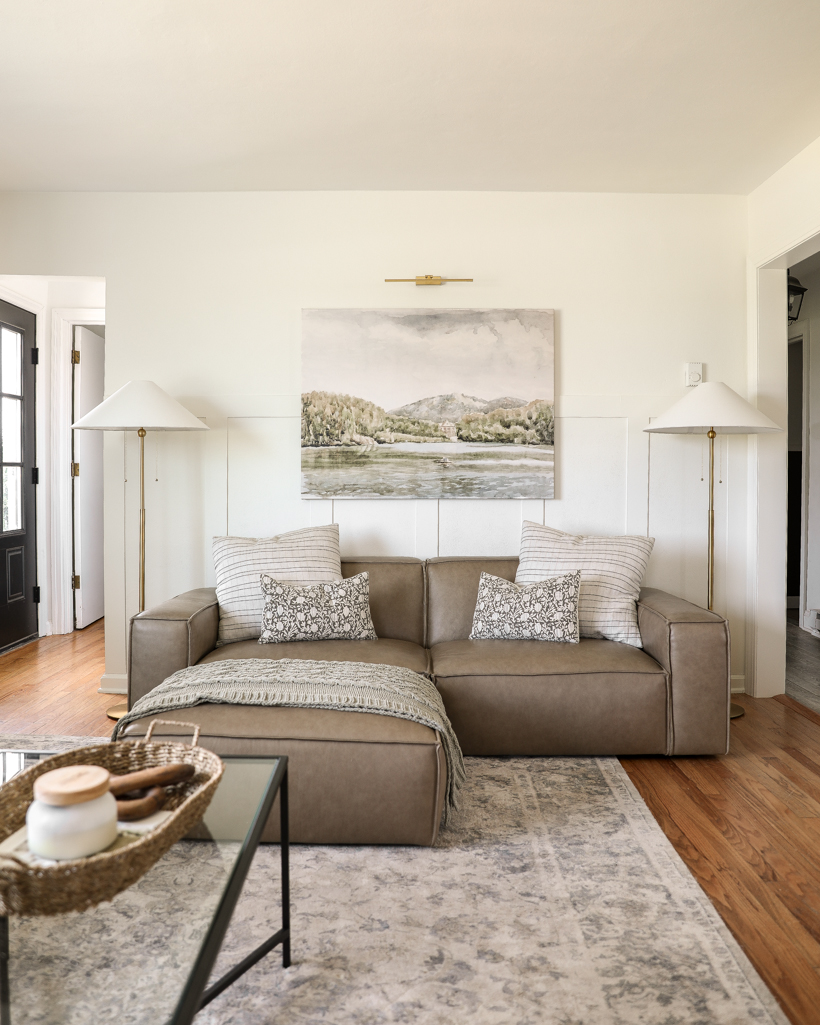
- Ambient Lighting: General light that fills the room. (e.g., ceiling fixtures, recessed lights).
- Task Lighting: Focused light for specific activities. (e.g., reading lamps, under-cabinet lighting).
- Accent Lighting: Highlights features and creates mood. (e.g., picture lights, uplights).
Color Temperature: Opt for bulbs in the 2700K to 3000K range (soft white to warm white). This mimics the warmth of natural daylight and will prevent your chosen white paint from looking too stark or cool.
Trim and Ceiling: Creating Crispness and Height
- Crisp White Trim: Using a slightly brighter, cleaner white for your trim (e.g., Benjamin Moore Chantilly Lace or Sherwin Williams High Reflective White) than your wall color can create a beautiful contrast. This contrast helps define the space and makes your walls appear further back, enhancing the sense of spaciousness.
- White Ceiling: Always paint the ceiling a bright white. This draws the eye upward, making the room feel taller and maximizing light reflection from above.
Mirrors and Reflective Surfaces: Strategic Placement
Mirrors are a low-light room’s best friend. Place large mirrors strategically opposite windows or near light sources (even artificial ones) to literally double the light and expand the visual depth of the room. Glass, polished metals, and glossy finishes on furniture also help bounce light around.
Furniture and Decor: Keep it Light and Bright
- Light-Colored Furniture: Choose sofas, chairs, and rugs in lighter tones. This prevents visual heaviness that can absorb light.
- Metallic Accents: Silver, gold, or brass elements (lamps, decorative objects, hardware) reflect light and add sparkle.
- Sheer Window Treatments: If you have a window, even a small one, opt for sheer curtains or blinds that allow maximum light penetration while still offering privacy. Avoid heavy, light-blocking drapes.
Decluttering: Visual Lightness
A cluttered room, even a bright one, can feel heavy. In a low-light space, clutter can absorb precious light and make the room feel even smaller and more oppressive. Embrace minimalism and thoughtful organization to create a sense of visual calm and openness.
How to Choose the PERFECT White for YOUR Low-Light Room (Step-by-Step Guide)
You now have the knowledge and a list of stellar options. But how do you confidently make the final choice? Follow these crucial steps:
Step 1: Assess Your Room’s Existing Light
Even a low-light room has some light. What direction does it face? A north-facing room will typically get cool, indirect light throughout the day. East-facing rooms get bright morning sun, west-facing rooms get warm afternoon light, and south-facing rooms get consistent, warm light. Understand how these subtle shifts affect undertones.
Step 2: Understand Your Room’s Mood
Do you want the room to feel:
- Cozy and Warm? Lean towards whites with more creamy, beige, or greige undertones (e.g., Alabaster, Swiss Coffee, White Dove).
- Crisp and Airy? Opt for brighter whites with minimal, warm undertones (e.g., Simply White, Greek Villa, Pure White).
Step 3: Sample, Sample, Sample! (This is Critical)
I cannot stress this enough: DO NOT skip this step. Paint colors look drastically different on a tiny swatch than they do on a large wall, and especially so in challenging lighting conditions. Here’s how to sample effectively:
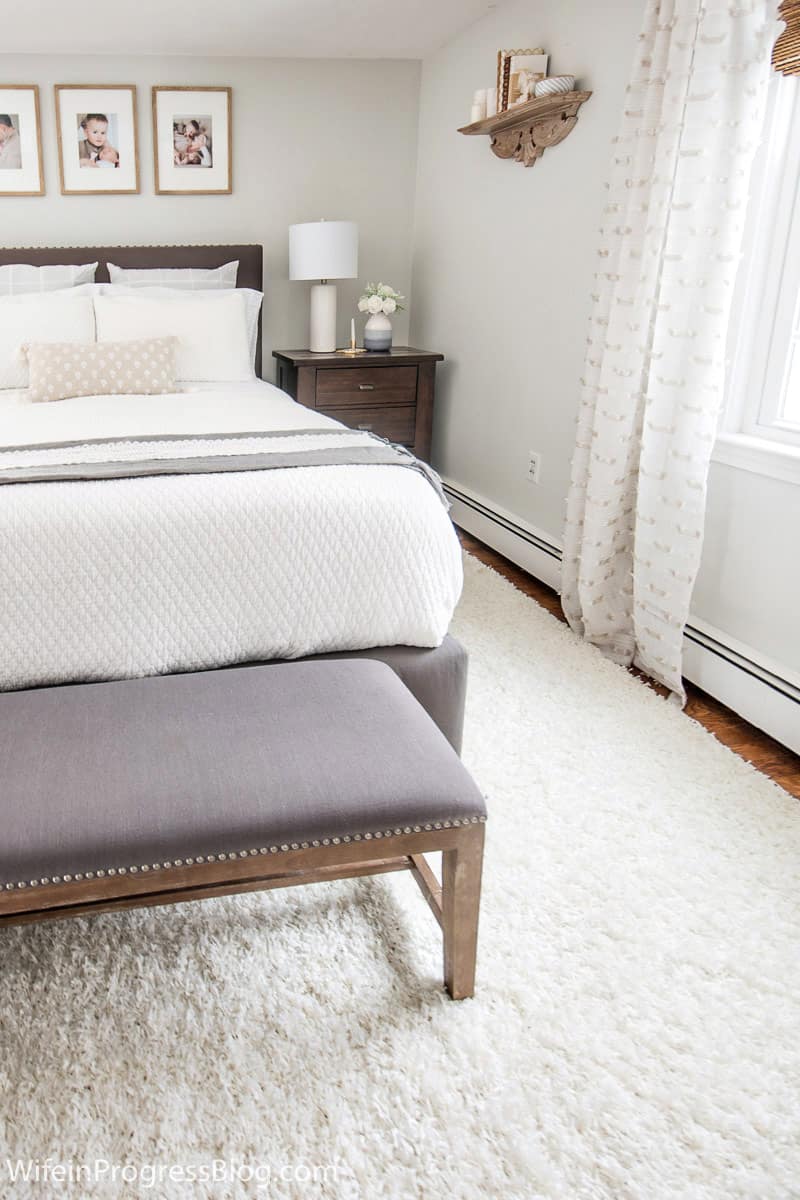
- Buy Sample Pots: Get a few of your top contenders.
- Paint Large Swatches: Apply two coats of each color onto large white poster boards (at least 2’x2′). Do not paint directly on your wall unless you prime over the old color first, as the old color will influence the new.
- Place Them on Different Walls: Stick your samples on at least two different walls in your room – one that gets some* light and one that is darkest.
- Observe Throughout the Day: Watch how the colors change from morning to afternoon to evening, and under both natural and artificial light. You’ll be amazed at the shifts in undertones.
- Compare Directly: Place the samples next to each other. Which one truly sings in your space?
Step 4: Consider Adjacent Colors
Think about the colors in adjoining rooms or the fixed elements in your low-light room (flooring, existing cabinetry, fireplace stone). Your chosen white paint needs to harmonize with these elements. For example, if you have warm-toned wood floors, a warm white will likely be a more cohesive choice than a cool white.
Step 5: Don’t Forget the Sheen
The finish (sheen) of your paint also affects light reflection:
- Matte/Flat: Absorbs the most light, gives a sophisticated, velvety look, but can make dark rooms feel even darker.
- Eggshell/Satin: Most popular for walls. Offers a soft glow, reflects some light, and is durable. Excellent choice for low-light rooms.
- Semi-Gloss/High-Gloss: Highly reflective, but usually reserved for trim, doors, and cabinetry due to its sheen highlighting imperfections. Use sparingly on walls in low-light rooms to avoid an overly shiny or cheap look.
For walls in a low-light room, an eggshell or satin finish is typically your best bet for maximizing light reflection without excessive shine.
Transforming a room with little natural light can feel like a daunting task, but with the right white paint, it’s entirely achievable. By understanding LRV, appreciating undertones, and following a methodical sampling process, you can select a white that will not only brighten your space but also infuse it with warmth, character, and an undeniable sense of calm. Take your time, trust your instincts (after sampling!), and get ready to enjoy a room that finally feels bright, open, and utterly inviting.
Frequently Asked Questions
What is the best type of white paint for a room with little natural light?
For rooms with little natural light, the best white paints are typically those with a high Light Reflectance Value (LRV, ideally above 80) and warm undertones (like yellow, beige, or greige). These properties help the paint reflect any available light, preventing the room from feeling stark or cold, and instead giving it a soft, inviting glow.
Why do undertones matter in low-light rooms?
Undertones are crucial because low light conditions tend to exaggerate them. A cool white (with blue or gray undertones) can appear icy or dingy in a dim room, making it feel colder. Warm whites, on the other hand, provide a much-needed warmth and luminosity, mimicking the effect of natural sunlight and making the room feel cozier and more inviting.
What is LRV, and what range should I look for?
LRV stands for Light Reflectance Value, a scale from 0 (absolute black) to 100 (pure white) that indicates how much light a paint color reflects. For rooms with little natural light, aim for whites with an LRV generally above 75-80 to maximize light reflection and make the space feel brighter and more open.
Should I use a bright white or an off-white in a dark room?
While it might seem counterintuitive, an off-white with warm undertones often performs better than a pure, stark white in a dark room. Pure whites can sometimes look flat or sterile without ample natural light to bring them to life. Off-whites with creamy, beige, or greige undertones provide a subtle warmth that prevents the room from feeling cold while still reflecting light effectively.
How can I test white paint colors effectively in my low-light room?
To test effectively, purchase sample pots of your top 2-3 choices. Paint large swatches (at least 2’x2′) onto white poster boards (not directly on the wall initially, to avoid color interference). Place these boards on different walls in your room and observe them throughout the day and under artificial lighting. This will reveal how the undertones shift and how the color truly appears in your specific lighting conditions.
What sheen is best for white paint in a low-light room?
An eggshell or satin finish is generally recommended for walls in low-light rooms. These finishes offer a soft, subtle sheen that helps reflect light more effectively than a flat or matte finish, without being overly glossy. They also provide better durability and are easier to clean.
Besides paint, what else can make a dark room brighter?
Beyond paint, maximizing brightness involves strategic artificial lighting (layered ambient, task, and accent lighting with warm color temperature bulbs), using mirrors and reflective surfaces to bounce light, choosing light-colored furniture and decor, keeping window treatments sheer, and decluttering the space to create visual openness.