How to Paint a Bedroom Fast (Without Cutting Corners You’ll Regret)
Your bedroom. It’s your sanctuary, your escape, your personal canvas. But let’s be honest, sometimes that canvas feels more like a stale, muted backdrop than a vibrant retreat. You dream of a fresh new look, a pop of color, a mood shift – and you want it now. The thought of days spent prepping, painting, and cleaning up can feel overwhelming, right?
You’re not alone. The desire to transform a bedroom quickly is universal. The good news? You absolutely can paint your bedroom fast. But here’s the kicker: “fast” doesn’t mean “sloppy.” It means smart. It means leveraging professional techniques, high-quality tools, and a laser-focused approach to minimize downtime and maximize impact. Forget those weekend-long sagas; with the right strategy, you can reclaim your freshly painted bedroom sooner than you think.
Ready to unlock the secrets to a rapid bedroom makeover? Let’s dive in.
The Core Philosophy: Speed Through Smart Preparation, Not Sloppiness
If you’re looking for a quick win, you might think the painting itself is where you save time. Wrong. Professional painters will tell you: 80% of a great, fast paint job is in the preparation, and only 20% is in the actual painting. Skimp on prep, and you’ll pay for it dearly in extra coats, messy clean-up, and a finish you’re not proud of. Our goal here is efficiency, not cutting corners that lead to regret.
Think of it like building a house. A strong foundation is non-negotiable, and it makes the rest of the build go smoothly. The same goes for painting. Every minute you invest in intelligent prep saves you five in painting and ten in touch-ups and clean-up.
The Ultimate Time-Saving Toolkit: Your Gear for Speed
Trying to paint fast with subpar tools is like trying to win a race with flat tires. It’s a non-starter. Investing in the right supplies might seem like an upfront cost, but believe me, it will drastically reduce your painting time and give you a far superior finish.
Essential High-Quality Supplies (They Actually Save Time)
- Paint: Opt for a high-quality paint-and-primer-in-one formula. This is your number one speed hack, often eliminating a separate priming step. Look for brands known for good coverage and fast drying times. Lighter colors often cover better in fewer coats than dark, vibrant hues.
- Rollers: Use a high-quality roller cover with the correct nap (pile) for your wall type (e.g., 3/8-inch nap for smooth to lightly textured walls). A good cover holds more paint, reduces splatter, and applies paint more evenly. Crucially, get an extension pole for your roller – it’s non-negotiable for speed and avoiding back pain.
- Brushes: An angled sash brush (2-2.5 inch) is your cutting-in best friend. A good quality brush holds its shape, loads paint efficiently, and gives you a clean, crisp line. Cheaper brushes splay, streak, and make detail work agonizingly slow.
- Painter’s Tape: The debate rages: to tape or not to tape? While some pros can skip it, for most of us, blue painter’s tape or FrogTape is a time-saver. It protects surfaces and ensures clean lines, preventing costly mistakes and rework. We’ll discuss when it’s okay to skip later.
- Drop Cloths/Tarps: Canvas drop cloths are superior to plastic. They absorb spills, don’t slip, and are reusable. Plastic tarps are cheaper but can be slippery and paint will just sit on top, increasing the risk of tracking.
- Cleaning Supplies: A bucket of warm water, a mild detergent or TSP substitute, sponges, and clean rags are essential for wall prep.
- Spackle & Sanding Block: For quick wall repairs.
- Lightweight Ladder/Step Stool: Safe and efficient access to ceilings and high corners.
- Paint Pail/Bucket with Grid: Far more efficient for cutting in than dipping a brush into the main paint can. A small pail allows you to carry only what you need.
- Screwdriver/Drill: For removing outlet covers, switch plates.
| Supply Item | Why It Saves Time | Pro Tip for Maximum Speed |
|---|---|---|
| High-Quality Paint+Primer | Fewer coats, better coverage, often faster drying. | Choose a paint known for its high solids content and excellent hide. Test a small patch if unsure. |
| Roller with Extension Pole | Covers large areas rapidly, reduces fatigue. | Use a sturdy, lightweight pole. Avoid flimsy ones that wobble. Keep a wet edge on the roller at all times. |
| Angled Sash Brush (2-2.5″) | Precision cutting-in, holds more paint, reduces drips. | Load only the first 1/3 to 1/2 of the bristles. Use long, steady strokes along edges. |
| Painter’s Tape (e.g., FrogTape) | Ensures clean lines, prevents bleeding, eliminates rework. | Apply in long, continuous strips. Press down firmly with a putty knife or credit card to seal edges. |
| Canvas Drop Cloths | Non-slip, absorbent, reusable, protects floors completely. | Lay them flat and secure edges near baseboards to prevent tripping hazards and paint getting underneath. |
| Paint Pail with Grid | Easy to carry, provides a consistent paint load for brushes. | Don’t overfill. The grid helps remove excess paint, preventing drips and overloading your brush. |
Phase 1: Rapid Room Prep – The Foundation for a Fast Finish
This is where real speed is gained. A meticulously prepped room means you can paint without interruption, worry, or tedious touch-ups later. Don’t skip these steps; they’re the bedrock of a fast, professional-looking job.
Clear the Canvas (5-10 minutes)
The less in the room, the faster you can move. It’s that simple.
- Remove everything you can: Pictures, wall art, curtains, curtain rods, small furniture, lamps, rugs, and anything else portable. Move it all out of the bedroom.
- Center large furniture: If you have heavy pieces like a bed frame or dresser that can’t easily leave, push them to the center of the room. This creates a clear perimeter for painting.
- Cover securely: Drape your canvas drop cloths over any remaining furniture. Don’t skimp here; paint splatter can travel. Use painter’s tape to secure the edges of the drop cloths to the furniture if necessary.
- Remove hardware: Take off all outlet covers, switch plates, and vent covers. Place screws back into the plates or tape them to the back so you don’t lose them.
Protect Your Precious Floors (5-10 minutes)
This is critical. A single misplaced splatter can ruin your day (and your flooring).
- Lay down drop cloths: Cover the entire floor, especially along the baseboards where drips are most likely. Overlap sections slightly to ensure full coverage.
- Tape down edges: Secure the drop cloths to the baseboards with painter’s tape. This prevents them from shifting and exposing your floor.
Wall Inspection & Quick Fixes (15-30 minutes, depends on wall condition)
A smooth surface is easier and faster to paint. Don’t neglect minor repairs.

- Patch small holes: Use lightweight spackle for nail holes or small dings. Apply with a putty knife, scrape smooth, and let dry. For speed, ensure it’s a fast-drying spackle.
- Light sanding: Once the spackle is dry, give it a quick, light sand with a fine-grit sanding block (120-150 grit). You’re not sanding for perfection, just to ensure a smooth transition.
- Wipe down walls: This is a step often skipped by DIYers, and it’s a huge mistake for speed. Dust, cobwebs, and grime can prevent paint from adhering properly, leading to uneven coats or peeling later. Use a damp cloth with a mild cleaner (or TSP substitute) to wipe down the walls from top to bottom. Follow with a clean, damp cloth to remove any residue. Let the walls dry completely before moving on. This ensures optimal paint adhesion and fewer coats.
The Taping Debate: To Tape or Not to Tape? (0-60 minutes)
This is a major point of contention for speed. Here’s the honest truth:
- When to skip: If you are an experienced painter with a very steady hand, excellent brush control, and simple, straight trim, you *might be able to skip tape. Some pros freehand their cuts because they are so practiced it’s faster than taping.
- When it’s essential (and usually faster for most): For beginners, intricate trim, or if you’re painting a dramatic color against a light trim (where any bleed-through will be highly visible), taping is your friend. Taping correctly takes time, but it saves you far more time (and frustration) on touch-ups and repainting errors.
- Pro technique for fast, effective taping: Use high-quality painter’s tape (like FrogTape, which creates a micro-barrier). Apply it in long, continuous strips, not short pieces. Press down firmly along the edge with a putty knife, credit card, or even your thumbnail to create a tight seal. This prevents paint from bleeding underneath.
Ventilation Strategy (Crucial for Speed & Health)
Don’t underestimate this. Good airflow helps paint dry faster, reduces VOCs (Volatile Organic Compounds), and makes the painting experience more pleasant.
- Open windows: Get cross-ventilation going.
- Use fans: Place fans strategically to pull air out of the room or circulate it, but don’t aim them directly at wet paint, as this can cause uneven drying.
Phase 2: The Painting Blitz – Techniques for Rapid Application
Now that your stage is set, it’s time for the main event. These techniques are designed to help you apply paint efficiently and effectively.
The Right Order: Ceiling, Walls, Trim (Your Speed Workflow)
Working in the correct sequence minimizes drips, overlaps, and rework.
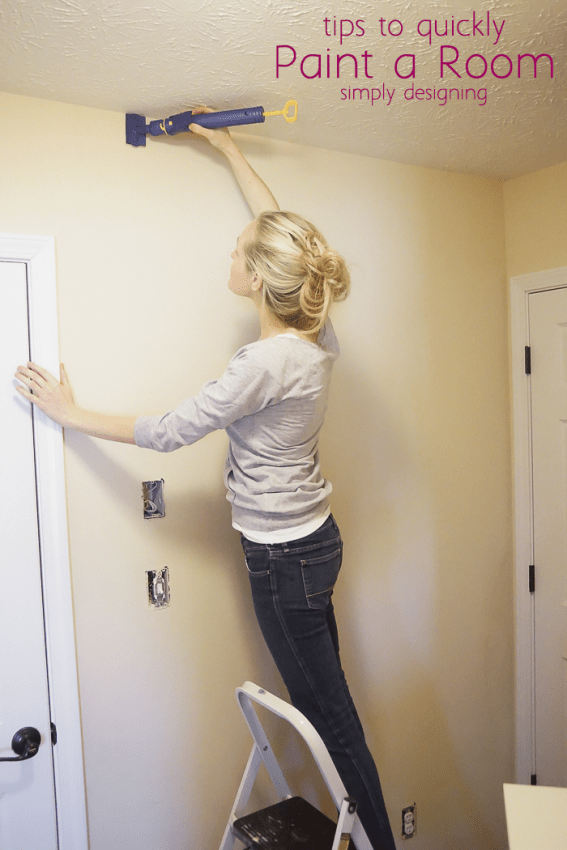
- 1. Ceiling First: Always start with the ceiling. Gravity is not your friend, and any drips will fall onto unpainted walls or protected floors, making clean-up minimal.
- 2. Walls Second: Once the ceiling is dry, move to the walls. You’ll cut in around the ceiling line and then roll the main wall surfaces.
- 3. Trim Last: Paint baseboards, door frames, and window frames last. This allows you to overlap slightly onto the wall paint (which will be dry), ensuring a perfectly clean line on the trim.
Cutting In: Precision at Pace
This is where your good angled brush and paint pail come in handy.
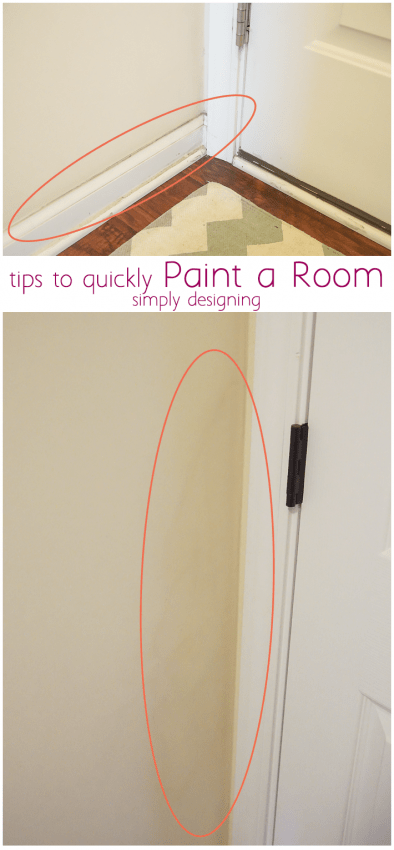
- Load the brush correctly: Dip only the first 1/3 to 1/2 of your brush bristles into the paint. Tap off excess on the pail’s grid, don’t wipe it against the rim, as this can push paint into the ferrule (metal part), making it harder to clean.
- Work in sections: Cut in one wall at a time. Paint a strip about 2-3 inches wide along the ceiling, corners, and around trim/windows.
- Long, steady strokes: Use smooth, controlled strokes. Instead of constantly redipping, try to load enough paint for a longer pass. The goal is to lay down enough paint to be rolled over easily, not to finish the job with the brush alone.
Rolling: Maximum Coverage, Minimum Time
This is where you cover the most ground quickly. Your roller with an extension pole is your power tool.
- Keep a wet edge: This is crucial for avoiding lap marks and achieving a seamless finish. Once you start rolling a wall, don’t stop until that wall is done (or at least a large section of it).
- The “W” or “M” technique: Load your roller, then apply paint to the wall in a large “W” or “M” pattern. Without lifting the roller, fill in the shape by rolling vertically. This ensures even distribution.
- Overlap wet edges: As you move across the wall, overlap the previous wet section by about half the roller width. This blends the paint seamlessly.
- Roll top to bottom: Start near the ceiling line and roll down towards the baseboard. This helps prevent drips and ensures consistent coverage.
- Maintain pressure: Apply enough pressure to release the paint but don’t press so hard that the roller frame scrapes the wall or creates ridges.
Two Coats, One Day? (The Fast-Drying Paint Advantage)
Many high-quality paints today boast fast drying times, making it possible to apply two coats in a single day, dramatically speeding up your project.
- Understand recoat times: Always check the paint can label for the recommended recoat time. This is the minimum time you must wait before applying the next coat. It’s usually 2-4 hours for modern latex paints.
- Importance of drying between coats: Resist the urge to apply a second coat too soon. Applying wet paint over still-tacky paint can lift the first coat, create an uneven texture, and ultimately prolong drying and curing.
- When paint+primer works wonders: A good quality paint+primer-in-one is designed to offer excellent coverage. For minor color changes or painting over a similar light color, you might achieve sufficient coverage in one coat. For significant color changes (e.g., dark to light), two coats are almost always necessary for a rich, uniform finish.
| Task | Estimated Time (Small/Medium Bedroom) | Speed Hack to Shave Minutes |
|---|---|---|
| Room Clearing & Furniture Protection | 15-30 minutes | Clear the room completely if possible. Use large canvas drop cloths for quick coverage. |
| Wall Prep (Patch, Sand, Clean) | 30-60 minutes | Use fast-drying spackle. Wipe down walls systematically with large sponges. |
| Taping (if applicable) | 30-60 minutes | Use long strips of quality tape. Press firmly with a putty knife for a secure seal. |
| First Coat – Ceiling | 30-60 minutes | Use a roller with an extension pole. Cut in around perimeter quickly. |
| First Coat – Walls (Cut In & Roll) | 60-90 minutes | Work systematically, maintaining a wet edge. Use paint pail for cutting in. |
| Drying Time between Coats | 2-4 hours (check paint can) | Maximize ventilation with open windows and fans. |
| Second Coat – Ceiling (if needed) | 30-60 minutes | Same as first coat – apply quickly and evenly. |
| Second Coat – Walls (Cut In & Roll) | 60-90 minutes | Focus on achieving full coverage. |
| Trim (if applicable) | 30-60 minutes | Use a small angled brush for precision. |
| Clean-Up & Tape Removal | 15-30 minutes | Remove tape while paint is still slightly wet. Clean tools immediately. |
| TOTAL ESTIMATED TIME (Active Painting + Drying) | ~5-10 hours active work + 2-4 hours drying | A well-prepped small-to-medium bedroom can be painted in a single day. |
Phase 3: The Swift Wrap-Up – Clean-Up That Doesn’t Drag You Down
You’re almost there! Don’t let a sloppy clean-up undermine your speed efforts. This phase is quick if you do it right.
Peel Tape Smart, Not Sloppy
This is crucial for preventing peeled paint along your crisp lines.
- While paint is still slightly wet: For the cleanest lines, remove painter’s tape while the paint is still slightly tacky (but not wet enough to smear). This prevents the paint from fully bonding with the tape, which can cause it to tear when removed. If the paint is completely dry, you risk peeling off small bits of your new paint. If it’s too dry, you can score the edge of the tape with a utility knife before peeling.
- Pull at a 45-degree angle: Gently pull the tape slowly, away from the freshly painted surface, at a 45-degree angle.
Tool Cleanup Hacks
Clean your tools immediately; dried paint is a nightmare.

- Brushes: Rinse under warm running water until water runs clear. Use a wire brush or paint comb to remove stubborn paint from the bristles. Hang brushes to dry, bristles down, to help them retain their shape.
- Rollers: Scrape off excess paint with a 5-in-1 tool or the edge of a putty knife. Rinse thoroughly under warm water. For speed, you might consider disposing of roller covers if they are inexpensive, but good quality covers are worth cleaning for reuse.
- Store paint properly: Seal paint cans tightly. If the lid doesn’t fit perfectly, place plastic wrap over the opening before securing the lid. Store cans upside down for an even better seal.
- Dispose of drop cloths: If using disposable plastic, gather them up carefully. If using canvas, allow any wet paint to dry, then fold and store for next time.
Common Mistakes That Kill Your Speed (and How to Avoid Them)
Knowing what not* to do is just as important as knowing what to do when painting a bedroom fast.
- Not prepping properly: This is the cardinal sin of painting. Dust, grime, and unpatched holes will lead to a shoddy finish that requires more coats or frustrating touch-ups. Solution: Dedicate ample time to cleaning and patching.
- Using cheap tools/paint: It’s a false economy. Cheap brushes streak, cheap rollers shed lint, and cheap paint requires more coats. Solution: Invest in quality from the start.
- Overloading brushes/rollers: Too much paint leads to drips, runs, and uneven coverage, slowing you down. Solution: Load your tools properly – half-dip brushes, roll off excess on a tray grid.
- Not maintaining a wet edge: If paint starts drying before you overlap it with your next stroke, you’ll get unsightly lap marks. Solution: Work systematically, especially with rollers, to always blend into wet paint.
- Ignoring ventilation: Poor airflow means longer drying times, prolonging your entire project. Solution: Open windows, use fans, and create cross-ventilation.
- Rushing between coats: Applying a second coat before the first is properly dry can lift paint, create texture, and compromise adhesion. Solution: Always adhere to the manufacturer’s recommended recoat times.
- Not removing tape correctly: Removing tape too late or too aggressively can peel off fresh paint. Solution: Remove tape while the paint is still slightly tacky and pull at a 45-degree angle.
Pro Secrets for Even MORE Speed
Want to push the envelope even further? These tips are what experienced pros use to shave off even more time.
- Teamwork: Two painters = exponentially faster. If you have a partner, assign roles. One person cuts in, the other follows immediately with the roller. This ensures a constant wet edge and drastically reduces the overall time. One person can also manage clean-up and fetching supplies.
- Batching tasks: Even if you’re solo, you can batch tasks. For example, tape all areas, then patch all holes, then clean all walls, then cut in all edges, then roll all walls. This workflow minimizes switching between tools and mindsets.
- Using a paint sprayer (for experienced DIYers): For ultimate speed, a paint sprayer can cover walls in minutes. However, sprayers require extensive masking (far more than just tape), expertise to avoid overspray, and thorough cleaning. For a single bedroom, the extra prep and cleanup might outweigh the speed benefit unless you’re very comfortable with one.
- Magnetic paint pail liner: A simple magnetic liner in your paint pail can hold your brush upright and out of the paint when you step away for a moment, keeping the bristles saturated but preventing them from resting on the bottom and bending.
- Pre-wetting roller covers: For latex paint, lightly dampen a new roller cover with water and wring it out completely before loading with paint. This helps the cover accept the paint better and reduces initial splatter.
Beyond Speed: Maintaining Your Freshly Painted Bedroom
You’ve painted your bedroom fast, but remember that paint needs time to fully cure, not just dry. Drying means the water has evaporated and the paint feels dry to the touch. Curing is when the paint hardens and reaches its full durability.
- Curing time: This can take anywhere from a few days to a month, depending on the paint type, humidity, and ventilation. During this time, be gentle with your freshly painted walls. Avoid heavy scrubbing or bumping.
- Gentle cleaning: For light marks, use a soft cloth with plain water or a very mild, non-abrasive cleaner.
- Touch-up paint storage: Keep a small amount of leftover paint for future touch-ups. Store it in a tightly sealed container (a small jar works well) in a cool, dark place, away from extreme temperatures.
Your Bedroom, Transformed. Fast.
Painting a bedroom doesn’t have to be a dreaded, multi-day ordeal. By focusing on smart preparation, employing efficient techniques, and using the right tools, you can dramatically cut down your painting time without sacrificing quality. You’ll gain a beautifully refreshed space, and the satisfaction of knowing you did it both quickly and skillfully.
So grab your supplies, put on some music, and transform your bedroom from drab to fab – fast!

Frequently Asked Questions
How long does it *really* take to paint a bedroom fast?
With smart preparation, quality tools, and efficient techniques, an average-sized bedroom can be painted in a single day, including two coats and drying time. Active painting time typically ranges from 5-7 hours, with an additional 2-4 hours for paint to dry between coats.
Can I truly skip painter’s tape to save time?
While experienced painters with steady hands can sometimes skip tape, for most DIYers, using painter’s tape is actually a time-saver. It ensures clean, crisp lines, preventing costly mistakes and rework. Applying it quickly and correctly (long strips, firm seal) is faster than painstaking touch-ups later.
Is paint+primer in one sufficient for painting fast?
Yes, a high-quality paint+primer-in-one is an excellent speed hack. It often provides great coverage, potentially reducing the need for a separate primer coat and sometimes even allowing for a single paint coat for minor color changes. Always choose a reputable brand and check for good ‘hide’ properties.
What’s the best tool for painting a bedroom quickly?
For walls, a high-quality roller with an extension pole is paramount for speed, covering large areas efficiently. For cutting in and edges, an angled sash brush (2-2.5 inches) is essential for precision and avoiding drips. Investing in quality tools directly translates to faster, better results.
How can I make paint dry faster between coats?
Maximize ventilation by opening windows and using fans to circulate air. Ensure the room temperature is comfortable, as extreme cold or humidity can slow drying. Avoid applying paint too thickly, as thinner, even coats dry much quicker than heavy ones.
Should I paint the ceiling first or last?
Always paint the ceiling first. This prevents any drips or splatters from falling onto freshly painted walls or trim, which would require rework. Once the ceiling is dry, you can move on to the walls, and then finally the trim.
How do I avoid streaks when painting fast?
To avoid streaks, always maintain a ‘wet edge’ when rolling. This means overlapping your fresh paint strokes onto the previous wet section. Work systematically across each wall, using a ‘W’ or ‘M’ pattern to distribute paint, then filling in. Also, avoid overloading your roller or brush.