Finding Your Perfect Serene Sanctuary: The Ultimate Guide to Good Gray Bedroom Colors
Staring at a dizzying array of gray paint swatches, wondering which one will transform your bedroom into the calming retreat you’re dreaming of? You’re not alone. Choosing the ‘right’ gray for a bedroom can feel like navigating a maze of subtle undertones and light conditions. But here’s the secret: when picked thoughtfully, gray isn’t just a safe choice; it’s a design superpower, offering unparalleled versatility, sophistication, and a profoundly tranquil ambiance perfect for sleep and relaxation.
Forget the myth that gray is cold or boring. The truth is, gray is a chameleon, capable of adapting to almost any style, from minimalist modern to cozy farmhouse. It provides a neutral backdrop that allows other elements – your bedding, art, and furniture – to truly sing. In a bedroom, this translates to a space that feels both grounded and airy, helping to quiet the mind after a long day.
I’m here to cut through the confusion and guide you to the perfect gray for your sanctuary. We’ll explore the nuances of this incredible color, helping you understand how to harness its power for the ultimate bedroom escape.
Decoding Gray: Understanding Undertones is Key
The single most important concept to grasp when choosing a gray is its undertone. This subtle hue lurking beneath the surface is what determines if a gray feels warm, cool, or truly neutral. Ignore undertones, and you risk a gray that clashes with your existing decor or feels unexpectedly flat. Embrace them, and you unlock a world of sophisticated possibilities.
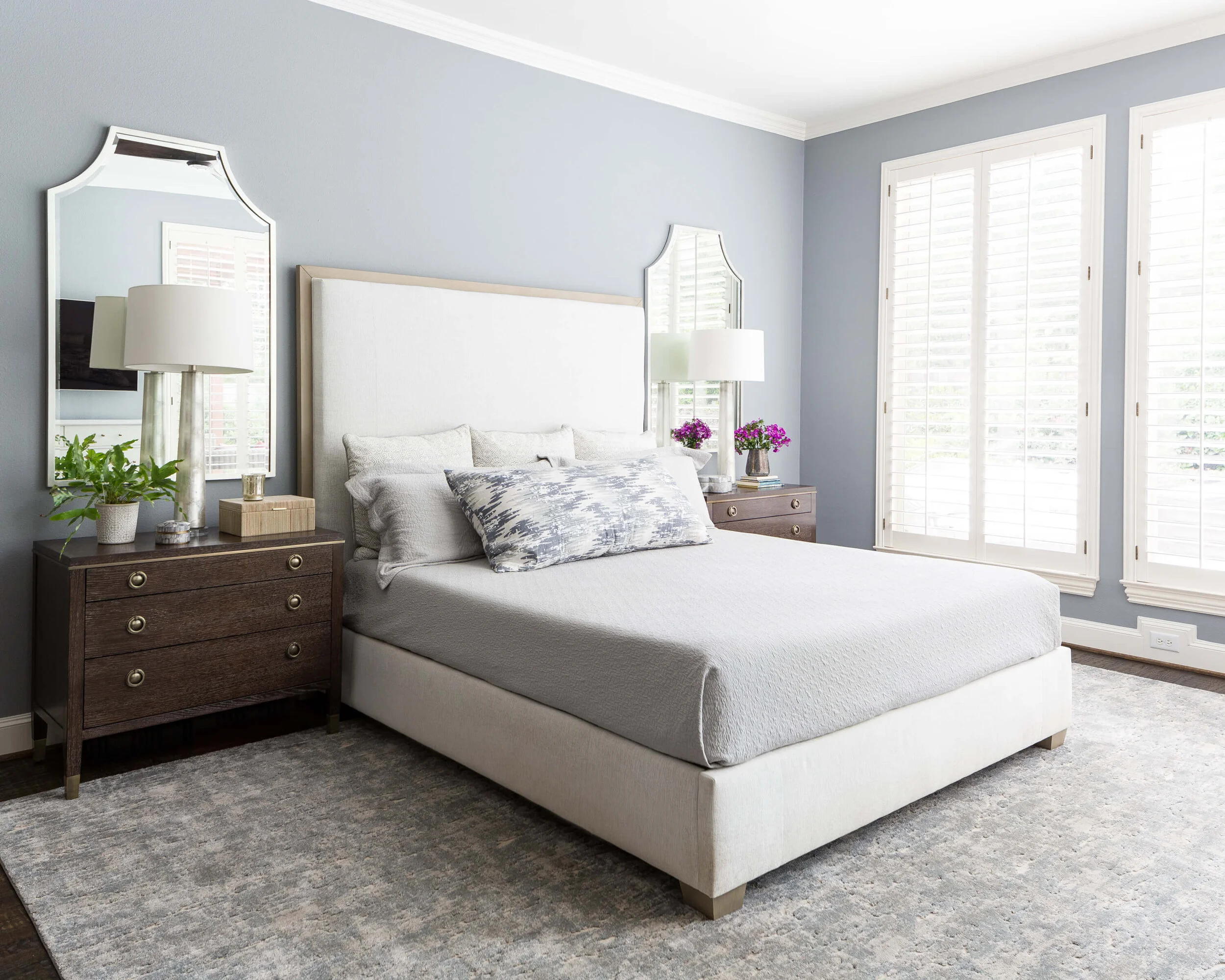
The Cool Grays: Soothing & Serene (Blue & Green Undertones)
Cool grays are the masters of tranquility. They evoke feelings of calm, peace, and serenity, making them ideal for a bedroom where relaxation is paramount. These grays often have discernible blue or green pigments that come alive under natural light.
- Blue-Grays: If your goal is a truly tranquil, spa-like atmosphere, a blue-gray is your best friend. The blue undertone leans into the calming spectrum, creating a sophisticated coolness without feeling stark. They pair beautifully with crisp whites, deep navy accents, natural wood tones, and even soft pastel pinks for a touch of warmth. Think of a misty morning by the ocean.
- Examples: Benjamin Moore Gray Cashmere, Sherwin-Williams Light French Gray, Farrow & Ball Parma Gray.
- Green-Grays: For a more grounded, earthy serenity, look to green-grays. These hues connect us to nature, offering a quiet, organic feel. They work wonderfully in rooms with lots of natural light and pair well with muted greens, browns, creams, and materials like linen and rattan. They can be incredibly sophisticated and less overtly ‘cool’ than blue-grays.
- Examples: Farrow & Ball Mizzle, Magnolia Chime Gray, Benjamin Moore Gray Owl.
The Warm Grays: Cozy & Inviting (Brown & Purple Undertones – Greige)
If you crave coziness and warmth in your bedroom but still want the sophistication of gray, warm grays are your answer. These grays infuse your space with an inviting embrace, banishing any hint of coldness.
- Greige (Gray + Beige): This hybrid is perhaps the most popular warm gray, offering the best of both worlds. Greige provides the grounding quality of gray with the inviting warmth of beige or brown. It’s incredibly versatile and pairs effortlessly with almost any color, making it perfect for existing furniture that might have warm wood tones or cream upholstery. It creates a soft, sophisticated backdrop that feels instantly welcoming.
- Examples: Sherwin-Williams Repose Gray, Benjamin Moore Revere Pewter, Farrow & Ball Pavilion Gray, Sherwin-Williams Agreeable Gray.
- Grays with Purple/Pink Undertones: Less common but equally stunning, these grays offer a subtle, sophisticated warmth and a hint of romance. The purple or pink undertone can lend a unique depth and softness, especially in bedrooms. They pair beautifully with deeper jewel tones, soft pastels, and metallic accents.
- Examples: Farrow & Ball Elephant’s Breath, Sherwin-Williams Incredible White (leans greige with a subtle purple hint in some lights).
The True Grays: Crisp & Modern (No Obvious Undertones)
Sometimes called ‘pure’ grays, these colors have very little discernible undertone, presenting as a clean, crisp blend of black and white. They offer a modern, architectural feel and provide a stark contrast for vibrant accents or a minimalist canvas for layered textures.
- Effects & Pairings: True grays are excellent for contemporary spaces. They demand more intentional pairing to avoid feeling flat. Crisp whites, bold blacks, and bright, saturated accent colors (like yellow, red, or emerald green) really pop against them. They’re not inherently warm or cool, so lighting and accompanying colors become even more critical to dictating the room’s mood.
- Examples: Benjamin Moore Stonington Gray, Behr Pure Gray, Sherwin-Williams On the Rocks.
Factors to Consider When Choosing Your Bedroom Gray
Selecting the perfect gray isn’t just about picking a pretty swatch; it’s about understanding how that color will behave within the unique conditions of your bedroom. These factors are your secret weapons for success.
Natural Light: The Ultimate Game Changer
Light is everything when it comes to paint color. A gray that looks stunning in a brightly lit showroom can look entirely different in your bedroom.
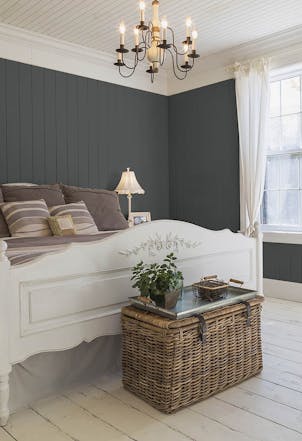
- North-Facing Rooms: These rooms tend to receive cooler, indirect light throughout the day, which can make colors appear duller or bring out blue/green undertones. To combat this, opt for warm grays or greiges to introduce warmth and prevent the room from feeling chilly.
- South-Facing Rooms: Bathed in abundant, warm, golden light, south-facing rooms can handle cooler grays beautifully. The warm light will balance the cool undertones, preventing them from feeling icy. You can also go darker here without fear of the room feeling too dim.
- East-Facing Rooms: These rooms get beautiful, bright morning light, which turns cooler and dimmer as the day progresses. Consider a versatile greige or a balanced true gray that can transition well from morning brightness to evening coziness.
- West-Facing Rooms: They get cooler morning light and intense, warm afternoon/evening light. A medium-value gray with a subtle cool undertone can look stunning, as the strong afternoon sun will warm it up beautifully.
Room Size & Ceiling Height
The scale of your room plays a significant role in how gray will be perceived.
- Small Bedrooms: Generally, lighter grays will make a small bedroom feel more expansive and airy. A very pale gray, almost an off-white, can work wonders. However, a bold, deep charcoal gray on one accent wall can create drama and depth, making the room feel more curated and sophisticated rather than cramped.
- Large Bedrooms: You have more freedom here! You can experiment with medium to darker grays to create a cozy, enveloping feel. A rich charcoal or a deep green-gray can add immense sophistication and intimacy to a large space.
- Low Ceilings: To visually lift a ceiling, consider painting it a lighter shade of gray than your walls, or even a crisp white. This tricks the eye into perceiving more height.
Existing Furniture & Decor
Your gray paint needs to harmonize with what’s already in the room. Don’t pick your gray in isolation!
- Wood Tones: If you have warm cherry or oak furniture, a warm greige will typically complement it better than a stark blue-gray. Cooler grays can beautifully highlight blonde or whitewashed wood.
- Metals: Silver, chrome, and cool-toned metals pair naturally with cool grays. Gold, brass, and copper shine against warm grays and greiges.
- Bedding & Textiles: Bring swatches of your duvet, curtains, and throw pillows when selecting paint samples. A cohesive palette means thinking about everything together.
Your Personal Mood & Sleep Goals
Ultimately, your bedroom should feel good to *you*.
:max_bytes(150000):strip_icc()/shades-of-gray-on-your-bedroom-walls-350785-hero-01-55d5d26725fd4f58b8f60a16dec4519a.jpg "The 11 Best Gray Paint Colors for a Stylish Bedroom")
- For Deep Relaxation: Lean into soft, muted blue-grays or gentle green-grays. These tones are psychologically proven to promote calm.
- For Coziness & Warmth: Greiges are unparalleled for creating an inviting, hug-like atmosphere.
- For Modern Sophistication: Crisp, true grays or darker charcoals provide a sleek, contemporary edge.
Expert Tips for Nailing Your Gray Bedroom Palette
Ready to move from theory to execution? These practical tips will ensure your gray bedroom vision becomes a beautiful reality.
Don’t Skip the Samples!
This is arguably the most crucial step. Never buy gallons of paint based solely on a tiny swatch. Paint large (at least 12×12 inch) samples directly on your walls, or use large peel-and-stick samples. Observe them throughout the day and night, under different lighting conditions. See how they react to natural light, overhead lights, and bedside lamps. This will reveal the true undertones and how the color shifts.
The Power of Contrast & Texture
Gray can be the ultimate backdrop, but it needs partners to truly shine. Introduce contrast and texture to add depth and personality to your bedroom.
- Crisp White Trim: White trim (baseboards, crown molding, door frames) makes any gray wall color pop, creating a clean, finished look.
- Layered Bedding: Mix and match different textures – a chunky knit throw, linen sheets, velvet pillows – in complementary colors.
- Wood & Natural Elements: Warm wood furniture, woven baskets, or a plant can soften cooler grays and add an organic touch.
- Art & Mirrors: Use artwork with pops of color or large mirrors to reflect light and add visual interest.
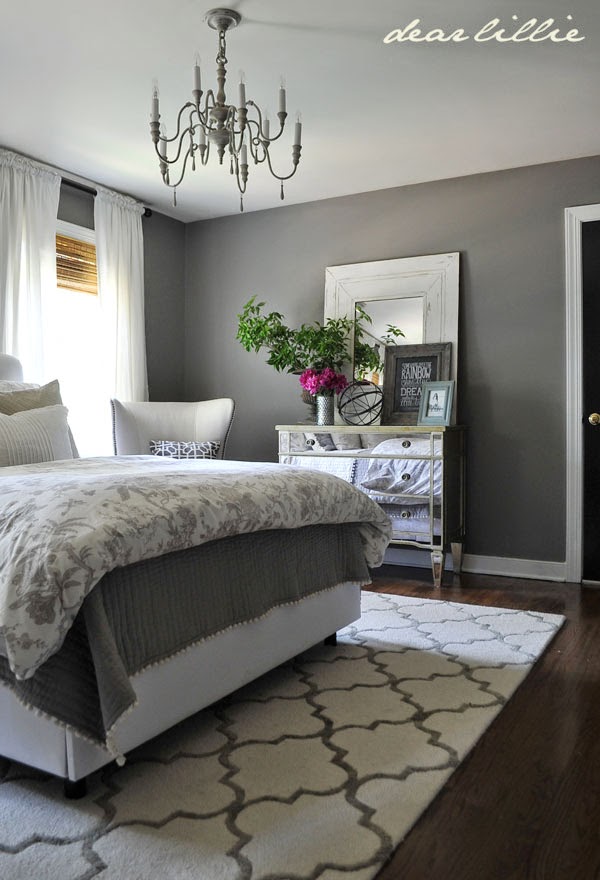
Here’s a quick guide to help you visualize pairings:
| Gray Type | Primary Mood | Best Accent Colors | Ideal Materials/Textures |
|---|---|---|---|
| Blue-Gray | Calm, Serene, Spa-like | White, Navy Blue, Soft Pink, Cream, Silver, Green | Linen, Cotton, Silks, Glass, Polished Chrome |
| Green-Gray | Grounded, Organic, Natural | Cream, Earth Tones, Muted Greens, Bronze, Terracotta, Wood | Woven, Rattan, Wood, Stone, Matte Finishes |
| Greige (Warm Gray) | Cozy, Inviting, Versatile | White, Cream, Beige, Gold, Bronze, Deep Blue, Sage Green | Velvet, Wool, Faux Fur, Polished Wood, Brass |
| True Gray | Modern, Crisp, Sophisticated | Black, White, Bright Yellow, Emerald Green, Hot Pink, Chrome | Leather, Concrete, Sleek Metals, Geometric Patterns |
| Dark Charcoal Gray | Dramatic, Intimate, Luxurious | White, Cream, Jewel Tones (Emerald, Ruby, Sapphire), Gold, Copper | Velvet, Silk, Dark Wood, Metallics, Textured Wall Coverings |
Lighting Matters: Artificial Light’s Impact
Just as natural light affects your gray, so does your artificial lighting. Consider the color temperature of your light bulbs:
- Warm White (2700K-3000K): These bulbs emit a yellowish light that will bring out the warmer undertones in your gray paint and make cooler grays feel less stark. Excellent for creating a cozy, inviting bedroom.
- Cool White/Daylight (3500K-5000K+): These bulbs emit a bluer, brighter light. They will enhance the cool undertones in blue-grays and green-grays, and can make warm grays appear flatter. Often too harsh for a relaxing bedroom.
It’s a good idea to test your paint samples with the type of bulbs you intend to use in your bedroom.
Common Mistakes to Avoid
Even seasoned decorators can stumble with gray. Here are a few pitfalls to sidestep:
- Choosing Gray in Isolation: As we discussed, consider your room’s light, furniture, and textiles. Gray is a team player; it rarely looks its best alone.
- Ignoring Undertones: This is the biggest culprit for an ‘off’ looking gray. A gray with a green undertone will clash with pink bedding if not carefully balanced.
- Too Much Gray: While gray is versatile, an entire room covered in the exact same shade of gray, without variations in texture or accent colors, can feel monotonous. Layer different shades of gray and introduce complementary colors to create depth.
- Not Enough Contrast: Sometimes a gray can feel bland if there’s no contrasting element. A dark gray needs light accents, and a light gray benefits from some deeper tones to ground the space.
Top Gray Paint Color Recommendations for Bedrooms (Brand-Agnostic Examples)
To give you a head start, here are some incredibly versatile and popular gray paint colors that consistently perform well in bedrooms, offering a range of undertones and moods. Remember to always sample them in your own space!

- Benjamin Moore Revere Pewter (HC-172): The ultimate greige. It’s a warm, light gray with soft beige undertones, making it incredibly versatile. It shifts beautifully with light and pairs well with almost anything. Perfect for a cozy yet sophisticated bedroom.
- Sherwin-Williams Agreeable Gray (SW 7029): Another beloved greige, slightly cooler than Revere Pewter but still very much on the warm side. It’s a fantastic whole-house color that translates wonderfully into bedrooms for a soft, inviting feel.
- Benjamin Moore Classic Gray (OC-23): Don’t let the name fool you; this is a very light, almost off-white gray. It has a subtle warm undertone that keeps it from feeling cold, offering a sophisticated alternative to white without committing to a darker gray. It’s airy and serene.
- Sherwin-Williams Light French Gray (SW 0055): A beautiful, true cool gray with a very subtle blue undertone. It’s clean, crisp, and provides a sophisticated backdrop for a serene, spa-like bedroom without being icy.
- Farrow & Ball Elephant’s Breath (No. 229): This is a highly sophisticated warm gray with a unique, subtle magenta/lilac undertone that comes alive in certain light. It’s incredibly elegant and creates a soft, enveloping atmosphere that feels luxurious.
- Benjamin Moore Kendall Charcoal (HC-166): If you’re bold enough for a dark gray, this is an excellent choice. A rich, deep charcoal with a slight green undertone, it’s dramatic, intimate, and provides a sophisticated backdrop for light bedding and metallic accents, making a bedroom feel like a luxurious cocoon.
There you have it. Gray, far from being just a simple neutral, is a nuanced, powerful color capable of transforming your bedroom into a deeply personal sanctuary. By understanding undertones, respecting your room’s unique conditions, and testing your choices diligently, you’re well on your way to selecting the ‘good gray’ that will invite tranquility and stylish slumber into your home. Happy painting!
Frequently Asked Questions
What is the best undertone for a gray bedroom?
The ‘best’ undertone depends on the mood you want to create and your room’s lighting. Blue-grays and green-grays create a cool, serene, spa-like feel. Warm grays (greiges) with beige or brown undertones offer a cozy, inviting atmosphere. Pure grays provide a crisp, modern look. Consider your existing decor and natural light to decide which undertone will best complement your space.
Does gray paint make a bedroom feel cold?
Not necessarily! While some cool grays can feel colder, especially in north-facing rooms, warm grays (greiges) with subtle beige or brown undertones are excellent for creating a cozy and inviting bedroom. Pairing any gray with warm lighting, soft textiles, and wood tones can prevent it from feeling sterile or cold.
How do I choose the right gray for a small bedroom?
For small bedrooms, lighter shades of gray or very pale greiges are generally recommended as they make the room feel more expansive and airy. Avoid very dark grays on all walls, which can make a small space feel even smaller. However, a dark gray accent wall can add depth and sophistication without overwhelming the room.
What colors pair well with gray in a bedroom?
Gray is incredibly versatile! Crisp whites and creams create a classic, clean look. Blues (especially navy) and greens enhance a serene, spa-like vibe. Yellows, pinks, or coral add pops of warmth and personality. For sophistication, pair with metallics like silver, gold, or brass. Natural wood tones and leather also complement gray beautifully.
Should I use light or dark gray in my bedroom?
This depends on the size of your room, natural light, and desired mood. Light grays create an airy, spacious, and serene atmosphere, ideal for smaller rooms or those with less light. Dark grays offer a dramatic, intimate, and luxurious cocoon-like feel, best suited for larger rooms or accent walls, especially when balanced with plenty of light accents.
How do lighting conditions affect gray paint?
Lighting has a profound effect on gray paint. Natural light (north, south, east, west) will pull out different undertones and make the color appear warmer or cooler throughout the day. Artificial lighting, particularly the color temperature of your bulbs (warm white vs. cool white), can also enhance or mute undertones. Always test paint samples in your room under all typical lighting conditions.
What’s the difference between greige and gray?
Gray is a blend of black and white, often with cool (blue, green) or warm (purple) undertones. Greige is a specific type of warm gray that blends gray with beige (or brown). This combination gives greige a softer, warmer, and more inviting feel than traditional cool grays, making it a highly popular and versatile choice for many interior spaces, especially bedrooms.