You’ve seen it: that perfectly painted trim in magazines or professionally staged homes. Crisp, clean lines. A smooth, even finish. It just looks… expensive. Then you look at your own trim, perhaps with its tell-tale brush strokes, a few errant drips, or edges that look like they were drawn by a toddler.
The good news? Achieving that professional, flawless look for your interior trim isn’t some secret reserved for high-end contractors. It boils down to understanding the right techniques, using the right tools, and, most importantly, having patience with the prep work.
This isn’t just about slapping on a fresh coat of paint. This is about transforming your space, elevating its aesthetic, and making your trim a subtle, yet powerful, design element. I’m going to walk you through every single step, from the exact tools you need to the pro-level techniques that eliminate brush marks and give you those razor-sharp edges.
Ready to ditch the amateur mistakes and paint interior trim like a true pro? Let’s dive in.
How To Paint Interior Trim Like A Pro: Your Definitive Step-by-Step Guide
Why “Pro” Trim Painting Matters: Beyond Just a Fresh Coat
You might think, “It’s just trim, who really notices?” But trust me, everyone notices. Subconsciously, perhaps, but they do. Perfectly painted trim is one of those subtle details that instantly elevates a room.
The Visual Impact: Crisp Lines, Defined Spaces
Imagine a beautifully framed photograph. The frame doesn’t just hold the picture; it enhances it, drawing your eye to the subject and providing a finished, polished look. Your trim does the same for your walls, windows, and doorways. Clean, consistent trim lines create a visual boundary that makes your walls feel more intentional and your entire room look more cohesive and professionally finished. Sloppy trim, on the other hand, distracts the eye and cheapens the overall appearance, no matter how good your wall paint looks.
Durability & Longevity: Paint That Stands the Test of Time
Pro-level painting isn’t just about looks; it’s about performance. Proper surface preparation ensures that the paint adheres correctly, reducing chipping, peeling, and scuffing over time. Trim takes a lot of abuse – kicks from shoes, bumps from vacuums, daily wear and tear. A professional finish isn’t just a pretty face; it’s a durable shield that will stand up to the rigors of everyday life, meaning you won’t be repainting every couple of years.
Property Value: Small Details, Big Returns
If you’re ever thinking of selling your home, every detail counts. Flawless interior trim signals attention to detail throughout the house. It tells potential buyers that the home has been well-maintained and cared for. This isn’t just anecdotal; studies consistently show that well-maintained interiors, right down to the trim, can positively impact perceived value and desirability.
The Pro’s Arsenal: Tools and Materials You’ll Actually Need
Before you even think about opening a paint can, you need to gather your gear. Here’s a secret: professionals don’t have magic hands; they have the right tools and know how to use them. Don’t skimp on quality here; it makes a monumental difference in the final outcome and your sanity.
Essential Tools Checklist
- Brushes: An excellent quality 2-inch or 2.5-inch angled sash brush (synthetic bristles for latex paint) is your best friend. A smaller 1.5-inch angled brush can be useful for very narrow or intricate trim.
- Rollers: A 4-inch foam roller (high-density) with a mini roller frame for wider, flat trim like baseboards. This helps achieve a super smooth finish quickly.
- Prep Supplies:
- Sanding Sponges/Paper: Medium (120-grit) and Fine (220-grit) for smoothing and adhesion.
- Painter’s Tape: High-quality painter’s tape, like Frog Tape, which is designed to prevent bleed-through for crisp lines.
- Caulk Gun & Caulk: Acrylic latex caulk with silicone (paintable) for filling gaps between trim and walls.
- Wood Filler & Spackle Knife: For repairing nail holes, dents, and minor imperfections.
- Cleaning Supplies: Degreaser (like TSP substitute), sponges, clean rags, and a bucket of warm water.
- Safety Gear: Nitrile gloves, safety glasses, and a dust mask (especially for sanding).
- Other Necessities: Drop cloths or plastic sheeting, paint pail or cutting pot, stir sticks, screwdriver (for removing outlet covers), utility knife (for cutting tape).
Choosing the Right Paint & Finish for Trim
This is where many DIYers go wrong. The type and sheen of paint you choose for your trim are critical for both aesthetics and durability.
| Feature | Latex/Acrylic Paint | Oil-Based Paint |
|---|---|---|
| Drying Time | Dries quickly (1-4 hours between coats). | Dries slowly (6-24+ hours between coats). |
| Clean-Up | Water and soap. | Mineral spirits or paint thinner. |
| Durability | Very durable, flexible, resistant to cracking. Modern formulations are excellent. | Historically very hard and durable, but can yellow over time and become brittle. |
| Fumes/VOCs | Low VOC options widely available. Less odor. | High VOCs, strong odor. |
| Best Use | Most interior trim applications. Versatile. | Over existing oil-based paint, high-traffic areas where extreme hardness is needed (less common now). |
My Recommendation: For most interior trim projects today, a high-quality acrylic-latex enamel is the way to go. It offers excellent durability, easy cleanup, fast drying times, and significantly fewer fumes than oil-based paints. Look for paints specifically labeled “trim paint” or “door and trim enamel” for the best results.
Sheen Levels:
- Semi-Gloss: This is the gold standard for trim. It’s highly durable, easy to clean, and provides a subtle sheen that contrasts beautifully with flatter wall paints, making the trim pop.
- High-Gloss: Even more reflective and durable than semi-gloss. Can be stunning in modern or dramatic spaces but highlights every imperfection, so prep needs to be absolutely flawless.
- Satin: Offers a softer, less reflective look than semi-gloss. Still durable enough for trim, but might blend more with walls if they’re also satin.
Pro Tip: Additives! Consider using a paint conditioner like Floetrol (for latex paints) or XIM Extender (for oil or latex). These additives slow down drying time slightly, allowing the paint to level out more smoothly, virtually eliminating brush marks. It’s a game-changer for a truly professional finish.
Phase 1: Meticulous Preparation (Where Pros Win)
I cannot stress this enough: preparation is 80% of a professional paint job. If you skimp here, no amount of fancy brushwork will save you. This is the stage where you lay the foundation for a flawless finish.
Clear the Area: Protecting Your Space
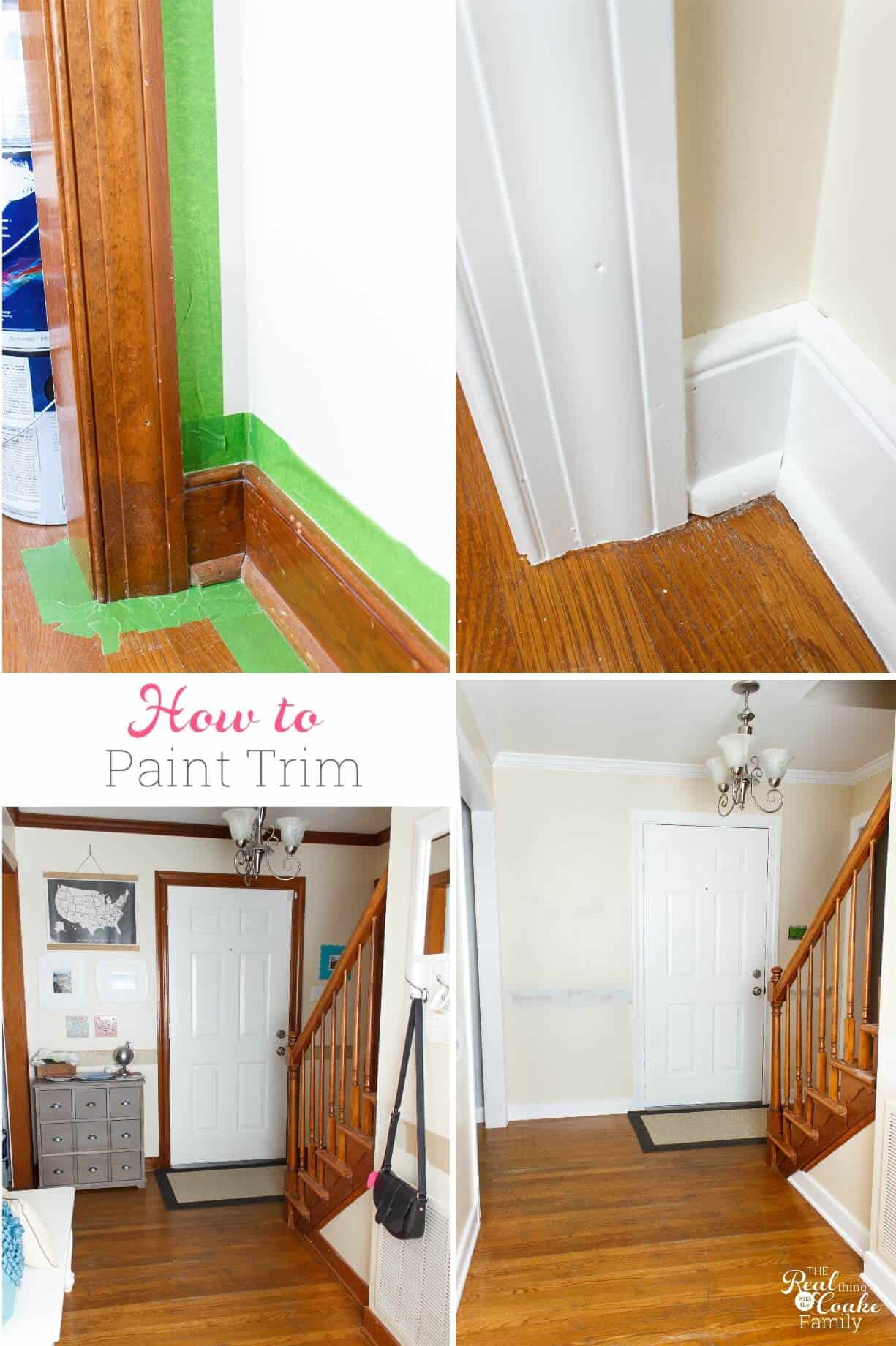
First, clear the room of furniture or move it to the center and cover it with plastic sheeting. Lay down drop cloths or old sheets to protect your floors. If you have carpet, tuck the edges of the drop cloth under the baseboards as much as possible. Remove any outlet covers, switch plates, or hardware from doors and windows that you don’t want painted.
The Deep Clean: Removing Dirt, Grease, and Grime
Trim, especially baseboards, collects an incredible amount of dirt, dust, and grime. If you paint over this, the paint won’t adhere properly and will chip or peel prematurely. Use a degreasing cleaner (like a TSP substitute or even just warm water with a little dish soap) and a clean sponge to thoroughly wash all trim surfaces. Rinse with clean water and a fresh sponge, then allow it to dry completely. Don’t skip this, even if the trim looks clean.
Repair & Refine: Filling Holes, Smoothing Imperfections
Now’s the time to fix any damage. Use a small spackle knife to apply wood filler or spackle to nail holes, dents, or gouges. Overfill slightly, then smooth it as much as possible. Allow it to dry completely, following the manufacturer’s instructions. This might take a few hours.
Sanding for Adhesion & Smoothness: The Right Grit, The Right Way
Sanding isn’t just about making things smooth; it’s also about creating a microscopic texture for the new paint to grip onto, ensuring excellent adhesion. Don’t go crazy here, but be thorough.
- Existing Paint in Rough Shape (peeling, very bumpy): Start with 120-grit sandpaper or sanding sponge to knock down major imperfections.
- Mostly Good Condition (or after wood filler): Use 220-grit sandpaper or a fine-grit sanding sponge. Lightly sand all surfaces of the trim. Focus on smoothing out any filled areas and dulling the existing sheen. The goal isn’t to remove all the old paint, but to scuff the surface.
After sanding, vacuum up all dust, then wipe down the trim with a tack cloth or a damp, clean microfiber cloth. Ensure no dust particles remain, as they will show up in your finished paint.
Caulk Like a Pro: Sealing Gaps for Seamless Lines
This is a big one for a professional look. Gaps between the trim and the wall, or between different pieces of trim, are common. Use a high-quality paintable acrylic latex caulk with silicone to fill these gaps. Cut the tip of your caulk tube at a 45-degree angle, making a small opening. Apply a thin, consistent bead of caulk into the gap. Then, immediately smooth the caulk with a wet finger, a caulk tool, or a damp sponge. Wipe away any excess. This creates a seamless, built-in look. Allow the caulk to dry completely before painting (usually a few hours, but check the product label).
:max_bytes(150000):strip_icc()/how-to-cut-in-interior-trim-paint-1822824-hero-3b6304dca8784579ae708214da4753f5.jpg "How to Cut-In Paint Like a Pro")
Taping Off: Achieving Razor-Sharp Edges
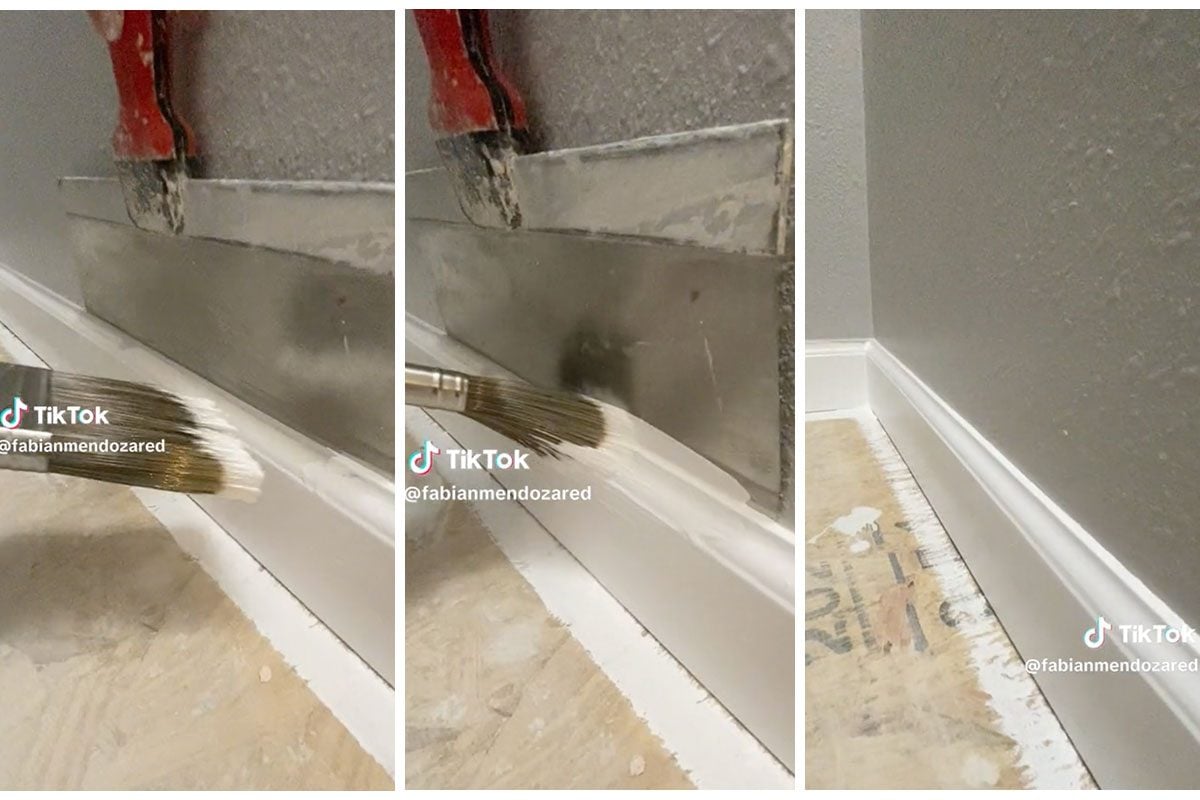
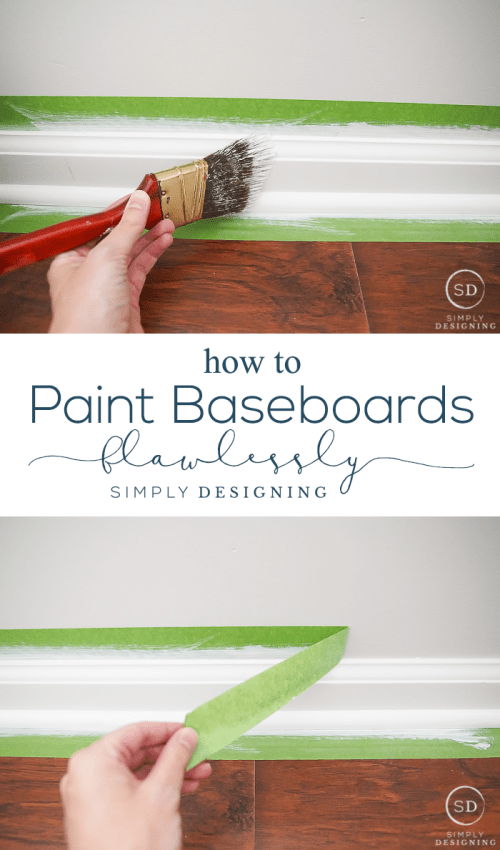
While pros often freehand, for most DIYers, painter’s tape is your best friend. But use it correctly! Use high-quality tape like Frog Tape. Press the tape firmly against the wall where it meets the trim, ensuring a straight line. Use a spackle knife or your fingernail to press down the edge of the tape closest to the trim firmly. This activates the tape’s seal, preventing paint bleed. For extra assurance, apply a very thin bead of clear acrylic caulk along the edge of the tape that touches the trim (this is a pro trick!) and wipe smooth. Let it dry completely before painting.
Priming: The Foundation for a Flawless Finish
Do you always need to prime? Not always, but when in doubt, prime. It’s essential if:
- You’re painting bare wood (always!).
- You’re making a significant color change (e.g., dark trim to white).
- There are stains (water, smoke, marker) that might bleed through the new paint. Use a stain-blocking primer.
- You’ve used wood filler extensively.
Apply a thin, even coat of a high-quality interior primer. Let it dry completely, then do a very light sanding with 220-grit sandpaper and wipe off dust before your first topcoat.
Phase 2: Painting Techniques for a Flawless Finish
Alright, all that prep work has led us here. Now, let’s talk about applying the paint itself. This is where your technique will shine.
Proper Paint Loading: Not Too Much, Not Too Little
Pour a manageable amount of paint into your cutting pot or a smaller bucket. Dip your brush about 1/3 to 1/2 of the way into the paint. Tap (don’t wipe!) off excess paint against the side of the pot. You want enough paint to flow smoothly, but not so much that it’s dripping off the brush.
The “Cutting-In” Technique: Precision at the Edges
This is crucial for those crisp lines, especially where the trim meets the wall or another surface. Hold your angled sash brush like a pencil, with your fingers closer to the bristles. Place the brush gently on the trim, about an eighth of an inch away from the taped edge. As you push the brush forward, gently apply pressure, allowing the bristles to fan out slightly and guide the paint toward the tape. Maintain a steady hand and a consistent, straight line. Move in long, smooth strokes, reloading your brush as needed.
Laying On & Laying Off: Eliminating Brush Marks
This is the secret to a smooth, factory-like finish. It’s a two-step process for each section of trim:
- Laying On: Apply paint to a section of trim (e.g., a 2-3 foot section of baseboard). Don’t overwork it, just get an even coat on the surface.
- Laying Off: Immediately after laying on, use a clean, almost dry brush (or the same brush, unloaded of paint and gently wiped) and make one very light, long stroke across the freshly painted section. Use minimal pressure, just enough to gently smooth out any brush marks. This allows the paint to settle and level beautifully. Always work in one direction (e.g., left to right) for consistency.
If you’re using a small roller for wider trim, roll it on, then immediately follow with a light pass of your brush to smooth out any roller stipple and ensure paint gets into grooves.
Section by Section: Maintaining a Wet Edge
Always work in manageable sections, typically 2-4 feet at a time. The key is to always paint into a “wet edge.” This means that as you move to a new section, you slightly overlap with the paint you just applied, before it has a chance to start drying. This prevents lap marks, which are visible lines where dried paint meets wet paint. Keep your eye on the drying time of your specific paint, and adjust your pace accordingly.
Painting with a Small Roller: Speed and Smoothness
For flat, wider trim like baseboards or window sills, a 4-inch high-density foam roller can save you a lot of time and provide an incredibly smooth finish. Roll on the paint evenly, then immediately follow with your angled brush to catch any drips, ensure full coverage in corners, and perform the “laying off” technique for that ultra-smooth look.
Dealing with Multiple Coats: Drying Times & Light Sanding
Most trim projects will require two coats of paint for full coverage and durability. Allow the first coat to dry completely according to the manufacturer’s instructions (usually 2-4 hours for latex). Before applying the second coat, perform a very light sanding with 220-grit sandpaper or a fine sanding sponge. This removes any minor imperfections or dust nibs that settled in the first coat, creating an even smoother surface for the next coat. Wipe off all dust with a tack cloth before proceeding.
The Critical Moment: Removing Painter’s Tape
This is where many people panic, but it’s simple if you know the trick. Remove the tape when the paint is dry to the touch, but not fully cured and hard. If you wait too long, the paint can adhere to the tape and peel off with it. If you remove it too soon, wet paint can smudge. A good rule of thumb is within a few hours of your final coat. Pull the tape slowly, at a 45-degree angle, away from the painted surface. If you see any paint trying to lift, lightly score the edge of the tape with a utility knife before pulling.
Common Trim Painting Mistakes & How to Fix Them
Even pros run into issues. Here’s how to troubleshoot common problems.
Drips and Sags: Too Much Paint
Cause: Overloading your brush or roller, or applying too thick of a coat. Gravity pulls the excess paint down, creating drips.
Fix: If caught wet, gently feather the drip out with a clean, dry brush. If dry, carefully sand the drip smooth with 220-grit sandpaper and repaint the area.
Visible Brush Strokes: Technique and Product
Cause: Not performing the “laying off” technique, paint drying too quickly, or using poor quality paint/brush.
Fix: For wet paint, use a clean, almost dry brush to lightly make a final pass over the area. If dry, lightly sand the brush strokes with 220-grit sandpaper, clean, and reapply a thinner coat using the “laying on/laying off” method. Consider adding a paint conditioner.
Peeling Paint: Poor Prep
Cause: The surface wasn’t cleaned, sanded, or primed properly, leading to poor adhesion.
Fix: The most frustrating. You’ll likely need to scrape off the peeling areas, sand thoroughly, clean meticulously, prime, and then repaint. This highlights why prep is so critical.
Uneven Edges: Taping and Cutting-In Issues
Cause: Tape wasn’t pressed down firmly, paint bled under, or inconsistent brush control during cutting-in.

Fix: Carefully touch up any bleed with a small artist’s brush and the wall color. For wavy lines, re-tape (if possible) and meticulously re-cut with the trim color. Patience is key here.
Sticky Trim: Drying Time or Poor Paint Choice
Cause: Not allowing enough drying time before handling, or using a paint not designed for trim (e.g., flat wall paint).
Fix: Often, time is the only cure. Ensure proper ventilation to help paint cure. If it remains sticky after days, it might indicate a paint incompatibility issue and require sanding and repainting with a suitable trim enamel.
Pro Tips & Advanced Tricks for That Extra Edge
Want to go from good to truly great? These are the little things pros do.
Add a Paint Conditioner: The Secret to Smoother Finishes
As mentioned earlier, a product like Floetrol (for latex) or XIM Extender (for both) slows down the drying time just enough to allow the paint to self-level beautifully. This drastically reduces visible brush marks and gives you more time to work before the paint skins over. Follow the product’s mixing instructions carefully.
Use a Wet Rag for Tape Edges: The “Seal” Trick
After applying painter’s tape to protect your walls, take a slightly damp rag and run it firmly along the edge of the tape that meets the trim. This presses the tape down even more, and the moisture can help create a tiny seal, further preventing paint from bleeding underneath. Some pros will even apply a thin clear coat of the wall paint over the tape first, let it dry, then paint the trim. Any bleed will be the wall color, sealing the tape, leaving a perfect line for the trim color.
Keep a “Wet Edge” Going: Prevent Lap Marks
This is fundamental. If you let a section of paint dry before you paint the adjacent section, you’ll get a noticeable lap mark. Always work swiftly and systematically, ensuring your brush or roller always meets paint that is still wet. This allows the paint to flow together seamlessly.
Proper Brush Care: Extend the Life of Your Tools
A good brush is an investment. Clean your brushes immediately and thoroughly after use. For latex paint, use warm water and soap until all paint is removed. Reshape the bristles and hang them to dry or store them in their original wrapper to maintain their shape. A well-maintained brush will perform better and last for years.
Consider a Paint Sprayer for Large Projects
For very extensive trim painting (e.g., an entire house with miles of baseboards and crown molding), a paint sprayer can provide an unparalleled smooth finish and incredible speed. However, it comes with a steep learning curve, requires meticulous masking (far more than taping), and thorough cleanup. It’s a professional tool that can be a DIY option for the truly ambitious, but it’s overkill for a few rooms.
Maintaining Your Masterpiece: Post-Painting Care
You’ve put in the work, now protect your investment.
Curing Times: Don’t Rush It
While paint may be dry to the touch in a few hours, it takes weeks (sometimes up to a month) to fully “cure” or harden. During this curing period, the paint is still vulnerable. Be gentle. Avoid bumping, scratching, or aggressively cleaning the new paint during this time.
Cleaning Painted Trim: Gentle Does It
Once cured, your trim will be durable. For cleaning, use a soft cloth, warm water, and a mild, non-abrasive cleaner (like diluted dish soap). Avoid harsh chemicals or abrasive sponges, which can dull the sheen or damage the paint.
Painting interior trim like a pro isn’t a myth; it’s a methodical process built on careful preparation, the right tools, and practiced techniques. It might seem like a lot of steps, but each one contributes significantly to that crisp, clean, durable finish that elevates your home. Take your time, follow these steps, and you’ll be amazed at the professional results you can achieve.
Happy painting!
Frequently Asked Questions
What is the best type of paint and sheen for interior trim?
For interior trim, a high-quality acrylic-latex enamel paint is generally recommended due to its durability, easy cleanup, and good adhesion. For sheen, semi-gloss is the most popular choice as it offers excellent durability, is easy to clean, and provides a beautiful contrast with flatter wall paints. High-gloss can also be used for a more dramatic, reflective look, but it highlights imperfections more.
Do I need to sand trim before painting?
Yes, sanding is a crucial step for a professional finish. Lightly sanding existing painted trim with 220-grit sandpaper creates a microscopic texture that helps the new paint adhere better. It also smooths out any minor imperfections, ensuring a truly smooth final finish. Always clean off all dust thoroughly after sanding.
How do I prevent brush marks on my painted trim?
To prevent brush marks, use a high-quality angled sash brush, avoid overloading it, and master the ‘laying on and laying off’ technique (applying paint, then making a very light, long stroke with a nearly dry brush to smooth). Additionally, consider adding a paint conditioner like Floetrol to your latex paint; it slows drying time, allowing the paint to self-level more effectively.
When should I remove painter’s tape for the cleanest lines?
The best time to remove painter’s tape is when the paint is dry to the touch but not fully cured. This is typically within a few hours of applying your final coat. Removing it too soon can lead to smudges, while waiting too long can cause the paint to bond with the tape and potentially peel off with it. Pull the tape slowly at a 45-degree angle away from the painted surface.
Is priming necessary for interior trim?
Priming is often necessary and always a good idea for trim. It’s essential if you’re painting bare wood, making a significant color change (e.g., dark to light), covering stains that might bleed through, or if you’ve done extensive repairs with wood filler. Primer helps with adhesion, provides a uniform base, and ensures true color rendition of your topcoats.
How long does trim paint take to fully cure?
While paint can be dry to the touch in a few hours, it takes much longer to fully cure and harden, typically 2-4 weeks, sometimes even up to a month. During this curing period, the paint is still somewhat vulnerable to scratches, dings, and aggressive cleaning. It’s best to handle freshly painted trim gently during this time.