Dark Blue Paint For Bedroom Walls: Your Ultimate Guide to a Dreamy Retreat
Tired of a bedroom that feels… just *there? A space that lacks personality, depth, or that undeniable hug of comfort you crave at the end of a long day? I get it. We spend a third of our lives in our bedrooms, yet they’re often the last place we truly invest in creating a sanctuary.
But what if I told you there’s a single, powerful design choice that can transform your bedroom into a sophisticated, serene, and deeply comforting retreat? The secret is a rich, enveloping dark blue paint on your walls. Yes, dark blue. It’s more than just a color; it’s a mood, an experience, a quiet revolution for your sleep space.
Forget the old adage that dark colors make rooms feel small. When applied thoughtfully, dark blue paint for bedroom walls can create incredible depth, elegance, and a sense of peaceful enclosure. This isn’t just about picking a pretty shade; it’s about harnessing the psychological power of color to create a truly restorative environment.
In this guide, we’re not just listing paint names. We’re diving deep into why dark blue works so well, how to choose the perfect shade for your unique space, and what to pair it with to complete your dream bedroom. Let’s create a space you’ll never want to leave.
Why Dark Blue Belongs on Your Bedroom Walls
Before we even touch a paint chip, let’s explore the undeniable magic of dark blue. It’s not just a trend; it’s a timeless choice with profound benefits, especially for a bedroom.
The Psychology of Dark Blue: Calm, Serenity, and Sleep
Color psychology tells us a lot about how different hues impact our mood and well-being. Blue, in general, is associated with tranquility, peace, and stability. Darker shades of blue amplify these qualities, creating an environment that actively encourages relaxation.

- Promotes Better Sleep: Dark colors, especially blues, mimic the night sky. This can signal to your brain that it’s time to wind down, creating a natural inclination towards sleep. Think of it as a gentle lullaby for your eyes.
- Reduces Stress: The deep, cool tones of dark blue have a calming effect on the nervous system. Stepping into a dark blue bedroom can feel like exhaling after a long day, instantly lowering your stress levels.
- Creates a Sense of Security: Enveloping dark walls can feel like a protective cocoon, offering a sense of security and intimacy that lighter, airier colors often lack. It’s like being wrapped in a soft, comforting blanket.
A Touch of Sophistication and Drama
Beyond its calming properties, dark blue injects an undeniable elegance and drama into a bedroom. It’s a statement color without being overtly loud or aggressive. It speaks of quiet confidence and refined taste.
- Elevates the Space: Dark blue instantly makes a room feel more luxurious and thoughtfully designed. It’s a backdrop that makes everything else—your furniture, artwork, and textiles—pop with renewed importance.
- Versatile Style: Whether your aesthetic is modern minimalist, classic traditional, cozy coastal, or eclectic bohemian, there’s a dark blue that fits. Its adaptability is one of its greatest strengths, acting as a sophisticated anchor for almost any design scheme.
- Creates Depth: Rather than shrinking a room, dark blue can create an illusion of depth, making walls recede and offering a feeling of expansive intimacy. It’s a trick designers use all the time to add character to a space.
Navigating the Nuances: Choosing Your Perfect Dark Blue
So, you’re convinced. Dark blue is the way to go. But wait! Not all dark blues are created equal. This is where we get strategic. Choosing the right dark blue for your bedroom involves understanding undertones, light, room size, and paint finishes.
Understanding Undertones: The Secret to Success
This is crucial. The undertone of a dark blue paint is what gives it its unique character and determines how it interacts with other colors and light in your room. Get this wrong, and your perfect blue might look muddy or just ‘off’.
- Green Undertones: These blues tend to be slightly more muted and earthy, often reminiscent of deep ocean waters or stormy skies. They feel very organic, soothing, and sophisticated, pairing beautifully with natural wood tones and crisp whites. Think of a deep teal or a blue-green navy.
- Gray Undertones: A dark blue with a hint of gray is inherently cooler and more sophisticated. It creates a very moody, elegant, and modern feel. These blues are often called ‘denim blues’ or ‘slate blues’ and work well with metallic accents and minimalist decor.
- Purple Undertones: Rich and luxurious, blues with purple undertones often lean towards jewel tones. They can feel very regal and dramatic, pairing wonderfully with warm woods, gold accents, and plush fabrics. Think of a deep indigo or a subtle blurple.
- Black Undertones: These are the deepest, most dramatic dark blues, bordering on black. They offer incredible depth and create a truly enveloping, luxurious feel. They are often used in high-contrast schemes with bright whites or vibrant pops of color.
Pro Tip: Always look at paint chips in different lighting conditions and next to other elements in your room (flooring, existing furniture) to discern its true undertone.
The Role of Light: Natural vs. Artificial
Light is the ultimate chameleon for paint colors. A dark blue can look entirely different at various times of the day or under different light sources.
- Natural Light:
- North-Facing Rooms: Receive cooler, indirect light. A blue with green or purple undertones can feel warmer and more inviting here, preventing the room from feeling too cold.
- South-Facing Rooms: Bathed in warm, direct light. Almost any dark blue will sing here, but blues with gray or black undertones will feel particularly crisp and sophisticated, balancing the warmth.
- East-Facing Rooms: Get bright morning light, then cooler light later. A balanced dark blue (not too warm, not too cool) is best.
- West-Facing Rooms: Experience warm afternoon and evening light. Blues with cooler undertones can help temper the intense warmth.
- Artificial Lighting: The Kelvin (K) temperature of your light bulbs matters. Warm bulbs (2700K-3000K) will bring out any warm undertones in your blue, while cooler bulbs (4000K+) can make it appear crisper or even slightly colder. Opt for warm bulbs in a dark blue bedroom to maintain that cozy, inviting atmosphere.
Room Size and Ceiling Height: Dispelling the Myth
The biggest hesitation people have with dark colors is the fear of making a room feel small. Let me debunk that myth right now: dark colors don’t necessarily make a room feel smaller; they make it feel deeper and more intimate.
:max_bytes(150000):strip_icc()/LPotarazuCenturion-09-AngelaNewtonRoyPhotography-c5fdb70f201c40178b22b94eb4662445.jpg "15 Perfect Dark Blue Paint Colors for Any Interior")
- For Small Rooms: Instead of feeling cramped, a cohesive, deep blue can create a jewel-box effect – luxurious and intentional. Consider painting all four walls for an immersive experience. If that feels too bold, use dark blue on an accent wall (the wall behind your headboard is perfect) and a lighter neutral on the others. Ensure your ceiling is a crisp white to maintain a sense of height.
- For Large Rooms: Dark blue is a dream. It brings down the perceived scale of cavernous spaces, making them feel cozier and more welcoming without losing their grandeur. You can absolutely paint all four walls and even extend the color onto the ceiling for a truly immersive, celestial effect.
Paint Finishes: Beyond Flat
The sheen of your paint also impacts how dark blue appears and performs.
- Matte/Flat: This is my go-to for bedrooms. It absorbs light, giving the dark blue a velvety, sophisticated look. It minimizes imperfections on walls and creates a very soft, enveloping feel, ideal for sleep. However, it’s less durable and harder to clean.
- Eggshell/Satin: Offers a slight sheen, making it more durable and easier to wipe clean than flat paint. It reflects a bit more light, which can make the dark blue appear slightly brighter. A good compromise for high-traffic bedrooms or if you prefer a subtle glow.
- Semi-Gloss: Very durable and highly reflective. Best reserved for trim, doors, and accent furniture. Using semi-gloss on all walls in a dark blue would likely be too reflective and less restful for a bedroom.
Top Dark Blue Paint Colors for Bedrooms (and why they work)
Now for the fun part! Based on extensive research and designer favorites, here are some of the most beloved and effective dark blue paint colors for bedroom walls. Remember, these are starting points – always swatch!
| Paint Color | Brand | Primary Undertone | Vibe/Feeling | Ideal Pairing |
|---|---|---|---|---|
| Hale Navy HC-154 | Benjamin Moore | Gray/Green | Classic, sophisticated, enduring. A true navy. | Crisp whites, natural wood, brass accents. |
| Hague Blue No. 30 | Farrow & Ball | Green/Black | Dramatic, luxurious, incredibly deep. | Warm off-whites, velvet, dark wood, gold. |
| Naval SW 6244 | Sherwin-Williams | Gray/Black | Bold, timeless, deep sea elegance. Slightly cleaner. | Beiges, light grays, silver, contrasting patterns. |
| Deep Navy M510-7 | Behr | True Blue/Slight Black | Vibrant, pure navy. A strong, confident blue. | White trim, warm grays, pops of yellow or coral. |
| Deep Twilight 5003-8C | Valspar | Green/Gray | Muted, earthy, sophisticated. Almost a blue-grey. | Taupes, natural textures, sage green, cream. |
| Deep Sapphire GLB22 | Glidden | Purple/True Blue | Regal, jewel-toned, vibrant without being overwhelming. | Rich browns, gold, deep plum, crisp white. |
Benjamin Moore Hale Navy: The Classic Choice
Ask almost any designer for a go-to dark blue, and Hale Navy will likely be at the top of their list. It’s incredibly balanced, with subtle gray-green undertones that keep it from feeling too cold. It’s a deep, rich navy that feels both classic and contemporary. It works beautifully in almost any lighting condition, offering a sophisticated backdrop that complements everything from rustic wood to polished brass.
Farrow & Ball Hague Blue: Sophisticated & Deep
If you’re looking for drama and depth, Hague Blue is your answer. It’s an exceptionally strong, dark blue with significant green and even black undertones, giving it an almost inky quality. It responds beautifully to light, appearing brighter and more blue in direct sunlight, and almost black in shadow. It evokes a timeless, luxurious feel, perfect for a sumptuous, moody bedroom.
Sherwin-Williams Naval: Bold & Timeless
Named their 2020 Color of the Year, Naval is a confident, strong navy with subtle gray and black undertones. It’s a cleaner, more straightforward dark blue than some, offering a clear, sophisticated statement. It feels incredibly balanced and serene, making it a fantastic choice for a bedroom where you want a bold color that still feels calming and grounding.
Behr Dark Navy: Accessible & Rich
For those looking for a vibrant, pure navy that leans less into green or gray, Behr’s Deep Navy is an excellent choice. It’s a strong, true blue that feels confident and energizing yet still possesses that calming depth. It’s widely accessible and offers a fantastic depth of color for its price point. It works beautifully with crisp white trim and brighter accent colors.
:max_bytes(150000):strip_icc()/best-blue-bedroom-paint-colors-350787-hero-4646e69438894375b2d45184763054da.jpg "55 Blue Bedroom Ideas for a Calming Retreat")
Valspar Deep Twilight: Muted & Earthy
If you prefer a dark blue that feels a bit more muted and organic, Deep Twilight is worth considering. It carries stronger gray and green undertones, giving it a softer, more earthy quality. It’s less ‘naval’ and more ‘stormy sky,’ creating a sophisticated backdrop that feels very natural and serene. It pairs wonderfully with other muted tones and natural materials.
Glidden Deep Sapphire: Vibrant & Regal
For a dark blue with a rich, jewel-toned quality, Glidden’s Deep Sapphire is a stunning choice. It leans slightly into purple undertones, giving it a regal and luxurious feel without being overtly bright. It’s a confident, captivating blue that works beautifully in bedrooms where you want to evoke a sense of grandeur and deep comfort. Pairs well with metallics and other deep, rich colors.
Designing Your Dark Blue Bedroom: Beyond the Walls
Painting your walls is just the beginning. The real magic happens when you thoughtfully design the rest of the room around your chosen dark blue. This is where your bedroom truly transforms into a cohesive, inviting sanctuary.
Complementary Color Palettes
Dark blue is incredibly versatile and pairs well with a surprising range of colors. Here are some winning combinations:
- Crisp Whites & Creamy Off-Whites: The ultimate classic pairing. White trim, bedding, or a bright rug will pop against dark blue, creating a fresh, clean contrast. Creamier whites soften the look, adding warmth.
- Warm Neutrals (Beiges, Taupes, Greys): These shades provide a gentle balance, preventing the room from feeling too stark. They add a sophisticated, layered look.
- Metallic Touches (Gold, Brass, Silver): Metallics instantly elevate dark blue. Gold and brass add warmth and luxury, while silver and chrome bring a cooler, modern edge. Think lamp bases, picture frames, or decorative accents.
- Earthy Tones (Sage Green, Terracotta, Rust): For a more natural, bohemian, or grounded feel, these colors offer a beautiful, organic contrast, adding warmth and visual interest.
- Pops of Color (Mustard, Blush Pink, Coral): Don’t be afraid to introduce vibrant accents! A throw pillow, a piece of art, or a small decorative item in a complementary bright color can energize the space without overwhelming the calm.
Furniture Selection: What Works Best?
Your furniture choices will significantly impact the overall feel of your dark blue bedroom.
- Light Woods: Oak, maple, or light-stained woods provide a beautiful contrast against dark blue walls, keeping the room feeling airy and grounded.
- Dark Woods: Walnut, mahogany, or espresso-stained pieces will create a richer, more traditional, or dramatic look, seamlessly blending with the wall color for a cohesive, enveloping feel.
- Upholstered Beds: A bed with a fabric headboard in a contrasting neutral (cream, light gray, beige) or even a rich jewel tone (emerald green, deep plum) can be a stunning focal point.
- Minimalist vs. Ornate: Dark blue can support both. Sleek, modern furniture will emphasize the sophistication, while ornate, traditional pieces will enhance a luxurious, classic aesthetic.
Lighting Up the Mood: Layering Light Sources
Lighting is paramount in a dark blue room. You need to layer it to ensure functionality and mood.
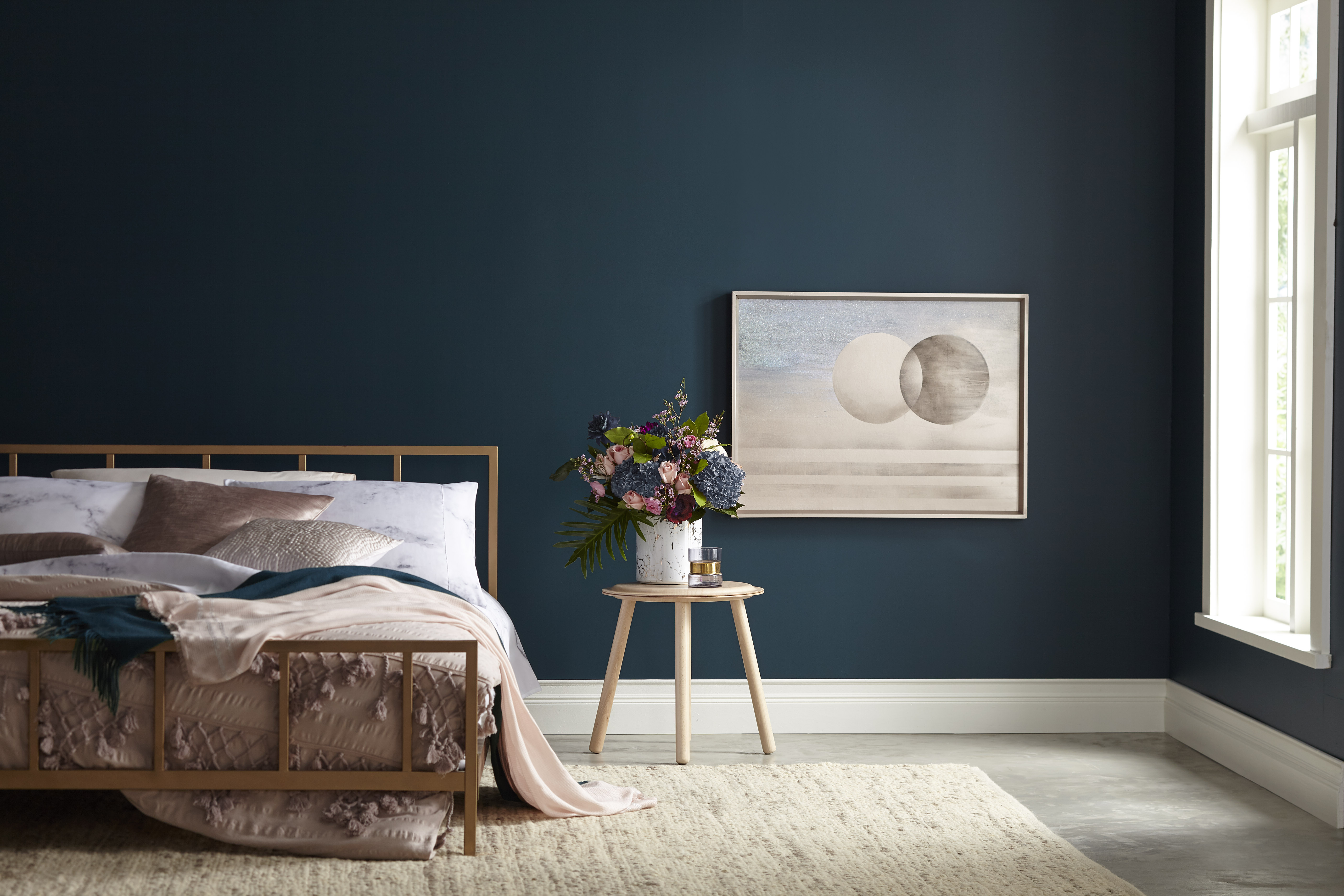
- Ambient Lighting: A central ceiling fixture (dimmable!) provides overall illumination.
- Task Lighting: Bedside lamps or sconces are essential for reading. Ensure they have warm bulbs to enhance the cozy atmosphere.
- Accent Lighting: Up-lights, picture lights, or floor lamps can highlight architectural features or artwork, adding depth and visual interest.
- Warm Bulbs are Key: Stick to bulbs in the 2700K-3000K range to avoid making your beautiful dark blue feel cold or sterile.
Textiles and Textures: Adding Depth and Comfort
Don’t underestimate the power of fabrics! They add warmth, comfort, and visual interest.
- Bedding: Crisp white bedding is a classic choice, offering a clean contrast. Layer with textured throws (knit, faux fur, linen) in complementary colors or deeper blues.
- Rugs: A large area rug in a natural fiber (jute, wool), a geometric pattern, or a soft, plush material can anchor the room and add warmth underfoot.
- Curtains: Consider blackout curtains in a similar dark blue for ultimate sleep, or opt for contrasting sheer curtains in a light neutral to filter light gently while maintaining privacy. Velvets or linens add luxurious texture.
Artwork and Decor: Personalizing Your Space
This is where your personality truly shines through.
- Statement Art: A large piece of art with white space or bright colors will pop against a dark blue wall.
- Gallery Wall: Create a curated gallery with different frame styles and art pieces. Metallic frames look particularly striking.
- Mirrors: Strategically placed mirrors can reflect light and make the room feel larger and brighter. Choose a frame that complements your chosen metallic accents.
- Greenery: Plants bring life and a fresh contrast to dark walls. Consider snake plants, ZZ plants, or a hanging pothos for a touch of natural vitality.
Common Pitfalls to Avoid When Painting with Dark Blue
Even with the perfect color, painting with dark hues requires a bit more care. Avoid these common mistakes for a flawless finish and a truly stunning bedroom.
Not Testing Swatches: The Cardinal Sin
I cannot stress this enough. A tiny paint chip at the store will never* accurately represent how a color looks on your wall in your specific lighting. Buy sample pots and paint large swatches (at least 2’x2′) on a few different walls in your bedroom. Live with them for a few days, observing them in morning, afternoon, and artificial light. This is the single most important step to prevent disappointment.
Ignoring Your Room’s Light: A Blueprint for Disappointment
As discussed, light completely transforms color. If you pick a blue with strong gray undertones for a north-facing room without much natural light, it might look colder or even duller than you envisioned. Conversely, a very warm dark blue might feel too intense in a south-facing room. Always consider your room’s orientation and current lighting setup.
Forgetting Ceiling and Trim: The Unsung Heroes
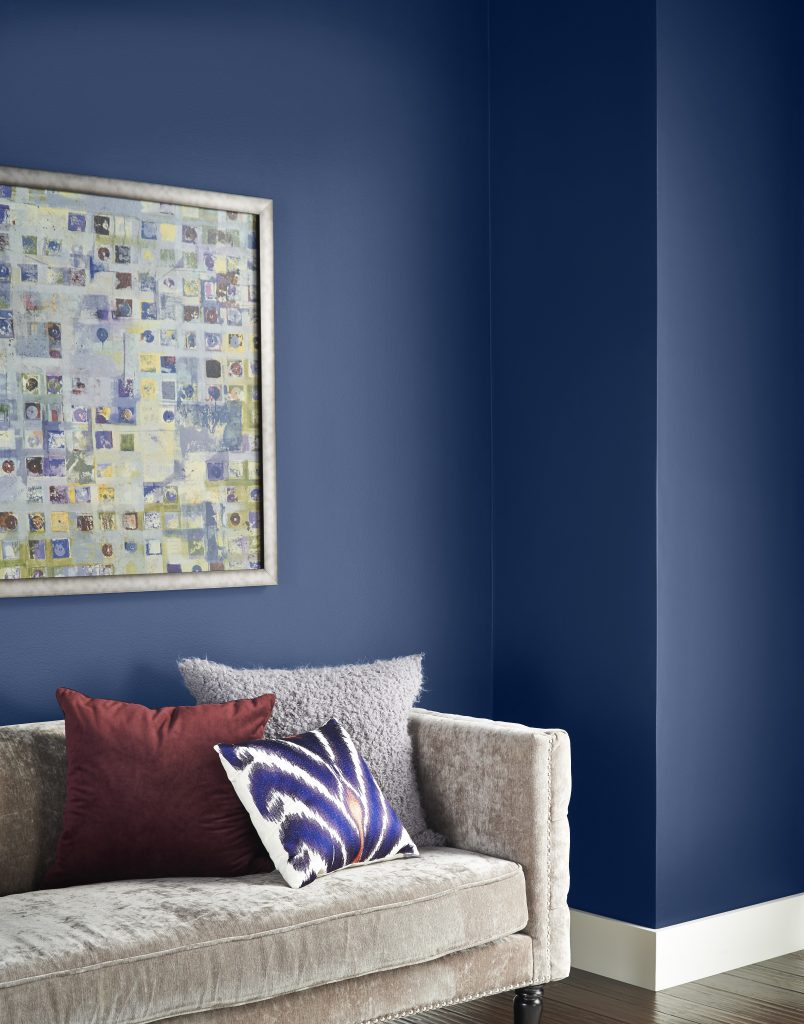
Your ceiling and trim are not afterthoughts, especially with a dark wall color. A crisp white ceiling can lift the room and provide a visual break. White trim (baseboards, window frames, door frames) acts like a frame, making your dark blue walls look even more sophisticated and finished. Don’t just paint them the same color as the walls unless you’re intentionally going for a super moody, immersive look that can sometimes feel a bit heavy.
Overlooking Prep Work: Smooth Finish, Happy Walls
Dark paints are less forgiving of imperfections. Any bumps, holes, or uneven surfaces will be more noticeable with a deep, rich color. Take your time with prep work: clean your walls thoroughly, patch any holes, sand uneven spots, and use painter’s tape for crisp lines. A good quality primer is also essential, especially if you’re painting over a significantly lighter color, to ensure true color saturation and fewer coats.
Your Dark Blue Bedroom Awaits
Choosing dark blue paint for your bedroom walls is a bold, beautiful decision that promises a wealth of rewards. From the calming psychology it imparts for better sleep to the sophisticated drama it effortlessly adds, dark blue is a transformative force in interior design.
By understanding undertones, appreciating the role of light, and thoughtfully curating your complementary elements, you’re not just painting a room – you’re crafting an experience. You’re creating a haven, a personal sanctuary where rest comes easy and style reigns supreme.
So, take the leap. Embrace the deep, captivating beauty of dark blue. Your dream bedroom is just a few brushstrokes away.
Frequently Asked Questions
Does dark blue paint make a bedroom look smaller?
Not necessarily! While it’s a common misconception, dark blue paint can actually create a sense of depth and intimacy, making a bedroom feel more like a cozy, sophisticated cocoon rather than smaller. If used strategically with light trim and ceiling, or as an accent wall, it can add character without overwhelming the space.
What colors pair best with dark blue bedroom walls?
Dark blue is incredibly versatile. It pairs beautifully with crisp whites and creamy off-whites for a classic look, warm neutrals like beige and taupe for softness, and metallic accents like gold or brass for luxury. For pops of color, consider mustard yellow, blush pink, or even earthy greens and terracotta.
What type of paint finish is best for a dark blue bedroom?
For bedrooms, a matte or flat finish is generally recommended. It absorbs light, giving dark blue a velvety, sophisticated look and helping to hide wall imperfections. It creates a soft, enveloping feel ideal for rest. Eggshell or satin finishes offer a slight sheen and more durability but might be too reflective for some.
How does natural light affect dark blue paint in a bedroom?
Natural light significantly impacts how dark blue appears. In north-facing rooms with cooler light, a blue with green or purple undertones might feel warmer. In south-facing rooms with warm, direct light, almost any dark blue will look great, with grayer undertones balancing the warmth. Always test swatches on your walls to see how the color changes throughout the day.
Should I paint the ceiling and trim in a dark blue bedroom?
Typically, leaving the ceiling a crisp white or a very light off-white will help lift the room and provide a visual break, preventing it from feeling too enclosed. Painting trim (baseboards, window frames, door frames) in a contrasting white or light neutral also highlights the dark blue walls and creates a polished, finished look. You can paint the ceiling dark for an intentional, ultra-moody ‘jewel box’ effect, but it’s a bolder choice.
Do dark blue walls help with sleep?
Many interior designers and color psychologists believe that dark blue can promote better sleep. Its deep, calming tones mimic the night sky, signaling to the brain that it’s time to relax and wind down. This can contribute to a more serene and restful sleep environment.