How Much Does It Really Cost to Paint a House Interior in Canada? Your Definitive Guide
Thinking about giving your Canadian home’s interior a fresh new look? Painting is one of the most impactful ways to transform a space, but before you dive into color swatches, you’re likely wondering about the bottom line: how much will it cost? It’s a common question, and frankly, the answer isn’t a simple one-size-fits-all number. Whether you’re in Vancouver, Toronto, Montreal, or a smaller community, interior painting costs in Canada can vary significantly based on a multitude of factors.
Expect to budget anywhere from $2,000 to $8,000+ CAD for a professional interior paint job for an average-sized Canadian home (roughly 1,200 to 2,000 square feet). This estimate typically covers walls, trim, and ceilings. But let’s be honest, that’s a broad range. To help you nail down a more precise figure for your specific project, we’re going to dissect every cost factor, give you concrete numbers, and equip you with the knowledge to make informed decisions.
The Quick Answer: Average Interior Painting Costs in Canada
Let’s start with some general figures to give you an immediate benchmark. Most professional painters in Canada price their services based on square footage, room type, or a flat project rate. On average, you can expect to pay between $1.50 to $4.00 per square foot for interior painting, which usually includes two coats of a standard quality paint on walls.

However, this can quickly climb if you include ceilings, trim, doors, or if extensive prep work is needed. Here’s a general overview of average costs for different house sizes:
| House Size (Square Feet) | Estimated Cost Range (CAD) | Notes |
|---|---|---|
| 750 – 1,000 sq ft (Small Condo/Apartment) | $1,500 – $3,500 | Typically walls only, standard paint, minimal prep. |
| 1,000 – 1,500 sq ft (Average Townhouse/Smaller Home) | $2,500 – $5,500 | Walls, some trim/doors, minor prep. |
| 1,500 – 2,000 sq ft (Average Detached Home) | $4,000 – $8,000 | Most walls, ceilings, trim, doors; moderate prep. |
| 2,000 – 3,000 sq ft (Larger Home) | $6,000 – $12,000+ | Extensive work, potentially multiple colors, significant trim. |
| 3,000+ sq ft (Very Large Home) | $10,000 – $20,000+ | Complex projects, high ceilings, custom finishes. |
Remember, these are rough estimates. Your final quote will depend on the specifics we’re about to dive into.
Breaking Down the Numbers: What Influences Your Painting Quote?
That “average” figure we just looked at? It’s merely a jumping-off point. The true cost of painting your Canadian home’s interior is a mosaic of many individual factors. Understanding these elements is key to getting an accurate quote and managing your budget effectively.
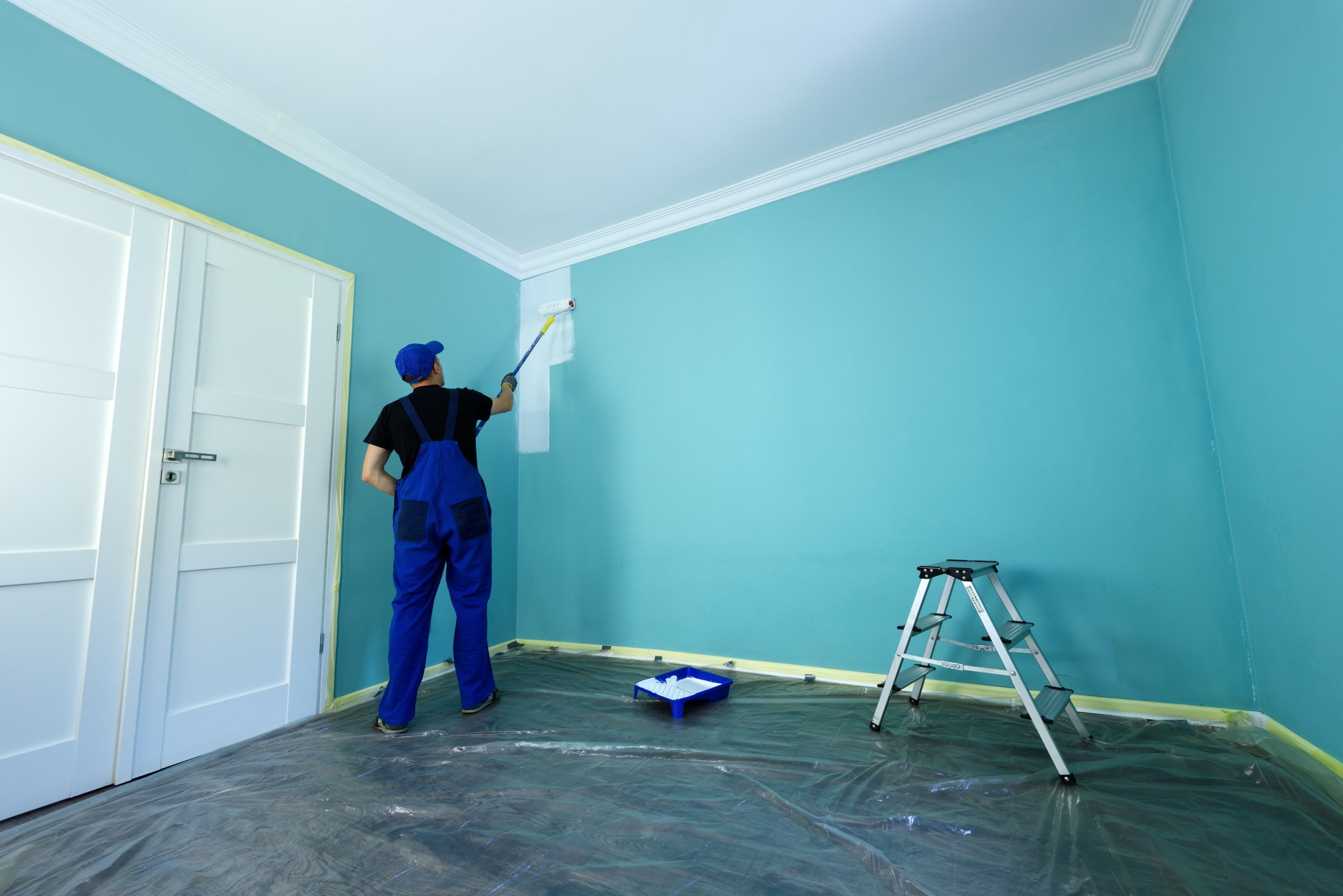
1. Size and Scope of the Project
This is probably the most obvious factor, but it’s more nuanced than just square footage:
- Square Footage: While the overall square footage matters, the paintable surface area is what painters truly quote on. This includes walls, but also doors, trim, and ceilings, which are often overlooked by homeowners.
- Number of Rooms: Painting several small rooms can sometimes cost more than painting one large open-concept space of the same total square footage. Why? More corners, more cut-ins, more doors, and more windows mean more detail work and slower progress.
- Ceilings, Trim, and Doors: Many initial quotes might only include walls. Adding ceilings, baseboards, crown molding, window frames, and doors significantly increases the cost. These elements require precision, different brushes, and often different paint types (e.g., semi-gloss for trim). Expect an additional 25% to 50% on top of wall-only prices to include these details.
- Multi-story Homes: Homes with high ceilings or multiple stories might require scaffolding, specialized ladders, or lifts, adding to labor time and equipment costs.
2. Labor Costs & Location, Location, Location
Professional painters primarily charge for their time and expertise. This is where geographical differences across Canada become very apparent.
- Hourly Rates vs. Project Rates: Many painters quote a flat project rate, but it’s often based on their internal calculation of hours required. Hourly rates for experienced Canadian painters can range from $30 to $80 per hour per painter, depending on their skill level and location.
- Geographic Variations: Major metropolitan areas like Vancouver, Toronto, and Calgary generally have higher labor costs due to higher living expenses and demand. Smaller cities or rural areas might offer more competitive rates.
- Experience and Reputation: Highly experienced, reputable painting companies with good reviews and insurance will typically charge more than new or less experienced individuals. You’re paying for peace of mind, quality, and often, a warranty on their work.
Here’s an illustrative table showing potential differences in labor rates:

| Canadian City/Region | Estimated Hourly Labor Rate Range (CAD) | Notes |
|---|---|---|
| Greater Toronto Area (GTA) | $45 – $80 | Highest rates due to high demand and cost of living. |
| Metro Vancouver | $40 – $75 | Similar to GTA, high cost of living. |
| Calgary/Edmonton | $35 – $65 | Slightly lower than coastal cities, still competitive. |
| Montreal/Ottawa | $30 – $60 | Moderate rates for large Eastern Canadian cities. |
| Smaller Cities/Rural Areas | $25 – $50 | Potentially lower rates, but fewer options. |
3. Type and Quality of Paint & Materials
The paint itself is a significant line item, and there’s a huge difference in cost and performance.
- Paint Grades:
- Builder-grade/Standard: Cheaper ($30-$50 per gallon CAD), offers basic coverage. Fine for rental properties or quick flips.
- Mid-grade: Good balance of price and durability ($50-$75 per gallon CAD). Often a great choice for homeowners.
- Premium/Designer: More expensive ($75-$100+ per gallon CAD), offers superior durability, washability, and often better coverage, meaning fewer coats. Brands like Benjamin Moore, Sherwin-Williams, and Farrow & Ball fall into this category.
- Paint Finishes (Sheens):
- Flat/Matte: Least reflective, best for hiding imperfections. Usually the least expensive.
- Eggshell/Satin: Slightly more durable and washable, popular for living areas and bedrooms. Mid-range cost.
- Semi-Gloss/High-Gloss: Most durable and reflective, ideal for trim, doors, and high-traffic areas like kitchens and bathrooms. Often slightly more expensive per gallon and harder to apply perfectly.
- Specialty Paints: Low VOC (Volatile Organic Compounds) paints, mold-resistant paints, or paints with built-in primers can cost more but offer health or application benefits.
- Colors: Believe it or not, the color choice can affect cost. Dramatic color changes (e.g., dark to light or vice versa) often require an extra coat of paint or a special tinted primer, increasing both paint and labor costs.
- Associated Materials: Beyond paint, factors like painter’s tape, drop cloths, rollers, brushes, patching compounds, and primer are all part of the material cost, typically bundled into the quote but contributing to the total.
4. Wall Condition & Preparation Work
This is often where unexpected costs can creep in. Professional painters don’t just slap on paint; they prepare the surface meticulously.
- Minor Repairs: Filling nail holes, small cracks, and minor dents is usually included in standard prep.
- Extensive Repairs: Significant drywall patching, repairing large holes, water damage, or textured surface leveling will add to the labor time and material cost. This can add hundreds to thousands of dollars depending on severity.
- Wallpaper Removal: If you have old wallpaper, removing it is a labor-intensive, often messy job. This can add $1-$3 per square foot to your overall cost, plus the cost of wall repair that may be needed after removal.
- Cleaning and Priming: Walls need to be clean and dry. Sometimes a specific primer is needed for stain blocking or to ensure proper adhesion, especially for drastic color changes or new drywall.
- Lead Paint Testing and Removal: For older Canadian homes (pre-1960s), there’s a possibility of lead-based paint. Testing is crucial for safety, and if present, abatement (removal or encapsulation) adds a significant cost due to specialized procedures and safety protocols. Always discuss this with your painter for older properties.
5. Number of Coats Required
While most quotes assume two coats for good coverage, certain situations demand more:

- Drastic Color Changes: Going from a very dark color to a very light one (or vice-versa) almost always requires three or even four coats, sometimes with a tinted primer, to achieve true color and hide the previous shade.
- Low-Quality Paint: Cheaper paints often have less pigment and require more coats for solid coverage, negating some of the initial cost savings.
- Porous Surfaces: Unprimed drywall or heavily textured surfaces can absorb more paint, potentially requiring extra coats.
6. Furniture Moving & Protection
Is your home empty, or is it furnished? Moving heavy furniture, covering belongings, and ensuring floors are protected is part of the painter’s prep work. If you handle this yourself, you might save a little on labor. If the painters do it, factor in the time. Most professional services include basic furniture shifting and comprehensive covering.
7. Time of Year / Seasonality
Demand for painters in Canada can fluctuate seasonally. Spring and summer are typically peak times, so you might find slightly higher prices or longer wait times. Fall and winter (excluding holidays) might offer a window for better rates or more flexibility, especially for interior work where weather isn’t a major hindrance.
DIY vs. Professional: Is Saving Money Worth the Effort?
The allure of saving money by DIY painting is strong, but it’s crucial to understand the full picture before committing. Here’s a quick comparison:

| Factor | DIY Painting | Professional Painting |
|---|---|---|
| Cost (Materials Only) | $0.50 – $1.50 per sq ft (paint, brushes, tape, etc.) | Included in total quote (often better bulk rates) |
| Time Commitment | Significantly more time (prep, painting, cleanup), often spreads over weekends. | Faster completion, minimal disruption to your schedule. |
| Skill & Quality | Varies widely based on experience; risk of drips, uneven coats, messy lines. | High-quality, professional finish; expertise in techniques and problem-solving. |
| Convenience | High effort, requires planning, physical exertion. | Hassle-free, painters handle everything from prep to cleanup. |
| Hidden Costs/Risks | Buying wrong tools, paint spills, re-doing mistakes, personal injury. | Generally none, as reputable pros are insured. |
For a small powder room or a single accent wall, DIY might be perfectly fine. But for a whole house interior, especially if you have high ceilings, intricate trim, or simply value your time and a flawless finish, hiring professionals is almost always the better investment.
Getting an Accurate Quote: What to Ask Your Canadian Painter
Once you understand the factors, the next step is to get clear, comprehensive quotes. Don’t just settle for the first price you hear. Here’s what you should demand and discuss with any potential Canadian painter:
- Detailed Breakdown: Insist on a line-item quote. This should specify:n
- Cost per room or per square foot for walls, ceilings, and trim separately.
- Type and brand of paint to be used (e.g., Benjamin Moore Regal Select Eggshell).
- Number of coats included.
- Any specific prep work (e.g., minor hole filling, sanding, primer application).
- Inclusion of materials (tape, drop cloths, etc.).
- Estimated timeline for completion.
- Any extra charges for color changes, specialty finishes, or extensive repairs.
- Get Multiple Quotes: Aim for at least three detailed quotes from different reputable companies. This helps you compare not just price, but also what’s included and the proposed approach.
- References & Portfolio: Ask for references from recent clients and look at their portfolio. This gives you an idea of their quality and reliability.
- Insurance & Warranty: Ensure the painter has proper liability insurance (essential in Canada) and WSIB coverage (for Ontario, similar provincial bodies elsewhere) for their workers. Ask about any warranty on their workmanship. This protects you in case of accidents or issues with the paint job down the line.
- Payment Schedule: Understand when payments are due (e.g., deposit upfront, remaining balance upon completion). Avoid paying the full amount before the work is done.
Budgeting Strategies for Your Interior Painting Project
Even with a professional job, there are ways to manage and potentially reduce your costs:
- Do Your Own Prep (Carefully): If you’re handy and have the time, you could do some of the basic prep work yourself: moving furniture, removing outlet covers, patching small holes. However, be honest about your skill level; poor prep can lead to a poor finish.
- Choose Fewer Colors: Sticking to one or two colors throughout your home can reduce labor costs associated with cutting in multiple colors.
- Paint During Off-Peak Seasons: As mentioned, scheduling your project in late fall or winter (excluding holidays) might offer slightly lower rates or more flexibility with scheduling.
- Prioritize Rooms: If a full house paint isn’t in the budget, prioritize high-impact areas like the living room, master bedroom, or entryways first, and tackle other rooms later.
- Consider “Paint Ready” Homes: If you’re moving into a new build, it might be more cost-effective to paint before you move in or before furniture is delivered.
The Value of a Fresh Coat: Beyond Just Aesthetics
While the cost is a major consideration, remember the significant benefits a professional interior paint job brings:
- Enhanced Property Value: A freshly painted interior can significantly boost your home’s appeal and resale value, especially if you choose neutral, appealing colors. Buyers often appreciate a move-in ready home.
- Improved Mood & Ambiance: The right colors can transform the feel of a room, making it feel brighter, cozier, or more sophisticated. It truly impacts daily living.
- Protection & Longevity: Paint acts as a protective layer for your walls, safeguarding them from wear and tear, moisture, and even some types of mold. Quality paint lasts longer.
- Better Air Quality: Especially with low-VOC paints, a fresh coat can contribute to cleaner indoor air, an important consideration for healthy living.
Ready to Refresh Your Canadian Home?
Painting your home’s interior is a rewarding investment that pays dividends in aesthetics, protection, and potentially, property value. While the costs in Canada can vary widely, understanding the factors involved—from square footage and location to paint quality and prep work—empowers you to make informed decisions and budget effectively.
Don’t shy away from getting multiple detailed quotes and asking questions. A reputable painter will be transparent about their pricing and happy to explain what goes into their estimate. With the right information and a clear plan, you’ll be enjoying your beautifully refreshed Canadian home in no time.