How to Paint Bedroom Walls Two Different Colors: The Definitive Guide to a Stylish & Serene Space
Tired of bland, single-color bedroom walls that just… exist? Your bedroom should be a sanctuary, a place that reflects your personal style and promotes relaxation. If you’ve been craving a fresh, dynamic look but feel stuck in a paint rut, painting your bedroom walls with two different colors isn’t just a trend – it’s a powerful design tool that can completely transform your space. It’s about creating visual interest, defining zones, and even influencing your mood and the perceived size of the room.
I’m here to tell you that this isn’t some high-level interior designer secret. With the right approach, the proper tools, and a bit of confidence, you can achieve a stunning, professional-looking two-tone bedroom. Forget the fear of wobbly lines or mismatched hues. We’re going to break down everything you need to know, from choosing the perfect palette to executing that flawless, crisp dividing line. Let’s turn your bedroom into the stylish, serene retreat you deserve.
Why Two-Tone Walls Are Perfect for Your Bedroom
Before we dive into the ‘how-to,’ let’s talk about the ‘why.’ A two-tone wall in a bedroom offers so much more than just a pretty face. It’s a strategic design choice that can solve common decorating dilemmas and elevate your space’s functionality and aesthetic appeal.
Instant Visual Interest & Depth
Imagine walking into a room with a single, uniform color. Now picture one with two perfectly complementary or contrasting shades. The difference is palpable. Two-tone walls instantly break up monotony, adding visual interest and a sense of depth that makes the room feel more intentional and sophisticated. It keeps the eye moving, preventing the space from feeling flat.
Defining Zones & Moods
Your bedroom often serves multiple purposes: sleeping, reading, maybe even a quiet work nook. Two-tone walls are brilliant for subtly defining these different areas without needing physical dividers. A darker color on the lower half might create a grounded, cozy sleeping zone, while a lighter shade above keeps the room feeling airy. Or perhaps a vertical block of color behind your headboard accentuates the sleeping area, making it a focal point.
Making Small Rooms Feel Bigger (or Large Rooms Cozier)
This is where color psychology and placement truly shine. If you have a small bedroom, a lighter color on the top half of the wall can draw the eye upwards, making the ceiling appear higher and the room feel more expansive. Conversely, if your bedroom feels too vast and impersonal, a darker, cozier color on the top half (like a ‘cocoon’ effect) or even a rich tone on the lower portion can bring the walls in, creating a more intimate and comforting atmosphere.
Highlighting Architectural Features
Does your bedroom have beautiful wainscoting, a picture rail, or unique alcoves? Two-tone painting is an excellent way to emphasize these existing architectural elements. By using one color above a chair rail and another below, you draw attention to the detailing, enhancing the room’s character and elegance.
:max_bytes(150000):strip_icc()/HAVENHOMELLC_photoby_ABIGAILJACKSON-f462614e5203404bb11e4880e5197fa7.jpg "31 Two-Color Combinations for Bedroom Walls That Double the ...")
Choosing Your Bedroom’s Two-Tone Style: More Than Just Horizontal
When most people think ‘two-tone,’ they picture a horizontal split. And while that’s a classic for a reason, it’s far from your only option! Exploring different styles can unlock unique design potential for your bedroom.
The Classic Horizontal Split
This is the most popular choice for a reason – it’s versatile and visually impactful. The key here is the dividing line’s height.
- High Dividing Line: Placing the split higher up, leaving more of the lighter color on top, can make a room feel taller and airier, drawing the eye upwards. Think of it as extending the ceiling.
- Low Dividing Line: A lower dividing line, with more of the darker color on the bottom, creates a more grounded, cozier feel. It can also be great for disguising scuffs or marks closer to the floor.
- 50/50 Split: While seemingly balanced, a true 50/50 split can sometimes feel visually unsettling or chopped. It rarely brings the best out of either color. Generally, aiming for a 1/3 to 2/3 ratio (either top or bottom) is more aesthetically pleasing and sophisticated. For example, two-thirds lighter color on top, one-third darker on the bottom often feels very natural and serene.
Modern Vertical Stripes or Color Blocking
Don’t limit yourself to horizontal! Vertical applications can be incredibly striking, especially for an accent wall.
- Vertical Color Blocking: Instead of splitting the wall horizontally, you could paint a wide vertical stripe of a contrasting color behind your headboard, effectively creating a built-in focal point or ‘zone’ for your bed. This works wonderfully for defining the sleeping area.
- Asymmetrical Divisions: Think outside the box! You could have a larger block of one color on one side of a wall, meeting a narrower block of the second color. This creates a contemporary, artistic feel.
Architectural Highlights (Wainscoting, Picture Rails)
If your bedroom already has existing architectural features like wainscoting, beadboard, or a picture rail, these are natural dividing lines just waiting for a two-tone treatment. Simply paint one color above and another below the feature. This highlights the architectural detail itself, adding elegance and character with minimal effort in measuring and taping.
To help you visualize, here’s a quick comparison:
| Two-Tone Style | Visual Effect | Best For | Complexity |
|---|---|---|---|
| Classic Horizontal Split (Low Line) | Grounded, cozy, intimate | Large rooms, creating warmth, hiding lower wall wear | Medium (precise leveling) |
| Classic Horizontal Split (High Line) | Expansive, airy, taller ceiling perception | Smaller rooms, modern aesthetics | Medium (precise leveling) |
| Vertical Color Blocking | Bold focal point, defining zones | Accent walls, behind headboard, modern designs | Medium (precise vertical lines) |
| Architectural Highlight | Elegant, traditional, emphasizes features | Rooms with wainscoting, chair rails, paneling | Low (existing lines as guide) |
Mastering Color Selection for Your Bedroom Sanctuary
This is where your bedroom truly comes alive. Choosing the right two colors isn’t just about what looks good; it’s about what feels good and promotes the atmosphere you want for sleep and relaxation. This isn’t just picking two random colors; it’s about creating an atmosphere.
Understanding Color Psychology for Sleep
- Cool Colors (Blues, Greens, Purples): Generally calming, serene, and conducive to sleep. Blues are often associated with tranquility, while greens evoke nature and freshness. Muted purples can add a touch of luxury and calm.
- Warm Colors (Reds, Oranges, Yellows): These are stimulating and energetic. While a touch of a muted warm tone can be inviting, vibrant reds and oranges are typically avoided in bedrooms as they can interfere with relaxation. Soft, dusty pinks or earthy terracotta can be exceptions, offering warmth without intensity.
- Neutrals (Grays, Beiges, Whites): Excellent foundations. They offer versatility and create a calm backdrop, allowing other elements (like your second paint color or decor) to shine.
Complementary vs. Analogous vs. Monochromatic
Let’s briefly touch on some basic color theory to guide your choices:
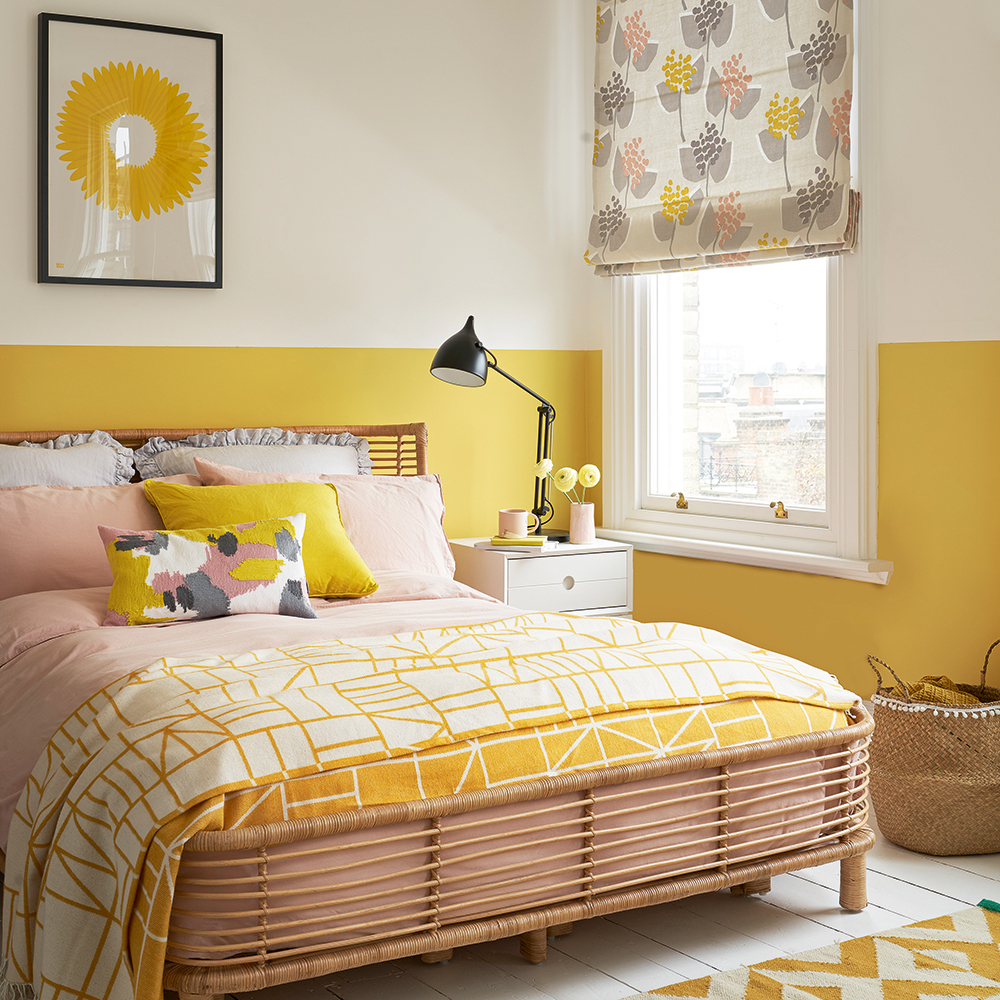
- Complementary: Colors opposite each other on the color wheel (e.g., blue and orange, green and red). These create high contrast and vibrancy. Use them with caution in bedrooms – perhaps a muted version of each, or one as a dominant color and the other as a very subtle accent.
- Analogous: Colors next to each other on the color wheel (e.g., blue, blue-green, green). These create harmonious, serene schemes with less contrast, perfect for a calming bedroom.
- Monochromatic: Different shades, tints, and tones of a single color. This creates incredible depth and sophistication while maintaining ultimate serenity. Think deep navy with a soft sky blue, or charcoal gray with a pale silver.
Light & Dark: Where to Place Them?
The placement of your lighter and darker shades has a significant impact on the mood and perception of your room:
- Darker on Bottom, Lighter on Top: This is a very common and grounding approach. The darker color anchors the room, making it feel stable and secure, while the lighter color lifts the eye, preventing the space from feeling heavy. It’s often compared to how natural landscapes appear.
- Lighter on Bottom, Darker on Top: This creates a ‘cocoon’ effect, making the room feel incredibly cozy and intimate. It can make the ceiling feel lower (in a good way, for larger rooms) and is excellent for fostering a sense of warmth and enclosure.
The Role of Sheen: Flat vs. Eggshell vs. Satin
Don’t overlook paint sheen! It impacts how light reflects, the durability, and even the perceived richness of your colors.
- Flat/Matte: Absorbs light, hiding imperfections. Creates a soft, sophisticated look. Best for ceilings or walls you want to recede, but less durable and harder to clean.
- Eggshell/Satin: Most popular for bedrooms. Offers a subtle sheen, making it more durable and washable than flat, while still maintaining a soft appearance. Eggshell is slightly less shiny than satin.
- Semi-Gloss/Gloss: Highly reflective and durable, best for trim, doors, or furniture. Generally too shiny for large wall areas in a bedroom as it can be distracting and highlight imperfections.
For two-tone walls, I often recommend using the same sheen for both colors to maintain visual consistency, unless you’re intentionally trying to create textural contrast (e.g., matte on top, eggshell on bottom).
| Color Scheme | Colors to Consider | Effect | Best For |
|---|---|---|---|
| Cool Serenity (Analogous) | Muted blues, soft greens, pale grays | Calming, restful, expansive | Promoting sleep, small rooms, contemporary design |
| Warm & Welcoming (Monochromatic) | Dusty rose, blush pink, muted terracotta | Cozy, intimate, inviting | Creating warmth, larger rooms, bohemian or traditional styles |
| Sophisticated Contrast (Muted Complementary) | Deep teal & burnt orange, forest green & soft mauve | Dramatic, elegant, stimulating (use sparingly) | Accent walls, bold personalities, larger spaces |
| Earthy Neutrals (Analogous) | Greige, sage green, warm white, mushroom | Organic, calming, versatile | Any bedroom, creating a natural feel, minimalist design |
Essential Supplies for a Flawless Finish
Before you even think about opening a paint can, gather your tools. Using the right supplies is half the battle to achieving those super crisp lines and a professional finish. Don’t skimp on quality here; it makes a huge difference.
High-Quality Painter’s Tape (Crucial!)
This is not the place for cheap, generic tape. Invest in brand-name, professional-grade painter’s tape designed for sensitive surfaces and crisp lines. My go-to is FrogTape Multi-Surface or ScotchBlue Platinum. These tapes have unique technologies that help seal the edges, preventing paint bleed. Ensure you get the right width for your comfort – usually 1.5 to 2 inches is good.
Measuring Tools: Laser Level or Tape Measure & Pencil
- Laser Level: If you’re serious about perfectly straight lines, a self-leveling laser level is a game-changer. It projects a perfectly horizontal (or vertical) line across your wall, taking the guesswork out of measuring.
- Tape Measure & Pencil: For a more traditional approach, you’ll need a reliable tape measure (at least 25 ft), a straight edge (like a 4-foot level or a long ruler), and a pencil.
Brushes, Rollers, & Paint Trays
- Angled Sash Brush (1.5-2.5 inches): Essential for ‘cutting in’ along edges, ceilings, and your dividing line. A good quality brush will hold more paint and give you better control.
- Paint Rollers (9-inch with appropriate nap): Choose a roller nap (thickness of the fibers) suitable for your wall texture. A 3/8-inch nap is standard for smooth to lightly textured walls; go for 1/2-inch for more textured surfaces.
- Paint Roller Frame: A comfortable, sturdy frame makes a difference.
- Paint Trays & Liners: Get a few for different colors and easy cleanup.
- Extension Pole: Save your back and neck! An extension pole for your roller frame is invaluable for painting larger wall areas.
Drop Cloths, Rags, & Cleaning Supplies
- Drop Cloths: Canvas drop cloths are superior to plastic as they absorb drips and are less slippery. Cover your floors and any furniture you can’t remove.
- Painter’s Plastic/Masking Film: Useful for covering larger furniture or fixtures.
- Wet Rags & Bucket of Water: For immediate clean-up of spills or errant brush strokes.
- Screwdrivers: For removing switch plates and outlet covers.
- Spackle & Sandpaper: For wall prep (filling holes, smoothing imperfections).
Primer (if necessary) & Your Chosen Paints
- Primer: Use a high-quality primer if you’re painting over a dark color with a lighter one, or if your walls are new/patchy. Tinting your primer towards your final paint color can reduce the number of topcoats needed.
- Your Two Chosen Paint Colors: Ensure you have enough! Calculate your square footage carefully and always buy a little extra for touch-ups.
Your Step-by-Step Guide to Painting Two-Tone Bedroom Walls
Alright, you’ve got your colors, your style, and all your gear. Now, let’s get down to the actual painting. Follow these steps meticulously, and you’ll be amazed at the professional finish you can achieve.
Step 1: Prep Your Space Like a Pro
This is the most tedious but most crucial step. Don’t skip it!
:strip_icc()/black-white-wall-behind-bed-38ebe8f5-2a1117dbc7ac463ba9961e493271216a.jpg "Two-Tone Walls Are a Low-Lift, Big-Impact Paint Option")
- Clear the Room: Move all furniture out or to the center of the room and cover it with drop cloths. Remove all wall decor.
- Remove Fixtures: Take off switch plates, outlet covers, and any wall-mounted light fixtures (turning off power at the breaker first!).
- Clean & Patch Walls: Wash your walls with a mild cleaner (like TSP substitute) to remove dirt, grease, and dust. Fill any nail holes or imperfections with spackle, sand smooth once dry, and wipe away dust.
- Tape Off Trim & Ceiling: Use your high-quality painter’s tape to mask off baseboards, door frames, window frames, and the ceiling where it meets the walls. Press firmly to ensure a good seal.
- Lay Drop Cloths: Cover your entire floor area.
Step 2: Apply Your First Color (Often the Lighter One)
It’s generally easier to start with the lighter of your two colors, especially if you’re doing a horizontal split where the darker color will be taped over the lighter one. This minimizes the risk of the darker pigment showing through if there’s any bleed.
- Cut In: Using your angled sash brush, carefully ‘cut in’ along the edges of the walls, ceiling, and around any windows or doors. Extend this first color over the entire area that will eventually be this color, including the portion where your dividing line will be.
- Roll the Walls: Using your roller and extension pole, apply the first coat of paint to the main wall sections. Work in a ‘W’ or ‘M’ pattern, overlapping strokes to ensure even coverage.
- Apply Second Coat (if needed): Allow the first coat to dry completely according to the manufacturer’s instructions (usually 2-4 hours). Apply a second coat if the coverage isn’t opaque, especially if you’re covering a darker existing color.
- Let it FULLY Dry: This is absolutely critical. Before you even *think about taping for your dividing line, your first color must be completely cured. This usually means 24-48 hours, not just touch-dry. If you tape too soon, the tape can pull off your freshly applied paint.
Step 3: Measure and Mark Your Dividing Line
Precision is paramount here for that professional look.
- Determine Height: Decide on the exact height for your dividing line. Remember the 1/3 to 2/3 rule for visual balance.
- Mark Points: Starting from a corner, use your tape measure to mark several points along the desired height on the wall with a light pencil. Do this every 1-2 feet across the wall.
- Use a Laser Level (Recommended): If you have one, set it up to project a perfectly straight line connecting your pencil marks.
- Use a Long Level/Straight Edge: If no laser level, connect your pencil marks using a long level or straight edge, drawing a continuous, faint pencil line. For very long walls, you can snap a chalk line for speed, but be gentle so it doesn’t leave a deep mark.
Step 4: Apply Painter’s Tape for a Crisp Edge
This is the secret sauce for preventing paint bleed.
- Apply Tape: Carefully apply your high-quality painter’s tape along the outside edge of your pencil/laser line. The line itself should be visible on the side that will receive the second color. Ensure the tape is straight and completely covering the area you want protected.
- Burnish the Edge: Once the tape is in place, use a 5-in-1 painter’s tool, a credit card, or even your fingernail to firmly press along the entire edge of the tape that will meet the second color. This creates a tight seal.
- The Bleed-Proof Trick (CRITICAL): This is the game-changer. Take a small amount of your first color (the one already on the wall) and lightly paint a thin coat over the edge of the freshly applied painter’s tape. If any paint is going to bleed under the tape, it will be this first color, effectively sealing the tape’s edge. Once this coat is dry (give it an hour or two), any subsequent paint will hit this sealed barrier, leaving a perfectly crisp line underneath.
Step 5: Paint Your Second Color
Now for the exciting part – seeing your vision come to life!
- Cut In: Using a clean angled brush, cut in along the taped dividing line, going slightly over the tape, and around any untaped edges (like corners, or around windows/doors that will receive the second color).
- Roll the Walls: Apply your second color to the remaining wall areas using your roller. Again, work in ‘W’ or ‘M’ patterns, ensuring even coverage.
- Apply Second Coat (if needed): Allow the first coat of the second color to dry for 2-4 hours, then apply a second coat if necessary.
Step 6: The Big Reveal: Removing the Tape
This is often the most nerve-wracking but satisfying step.
- Remove While Wet (Recommended for critical edges): For the cleanest, sharpest line, it’s best to remove the painter’s tape for the dividing line when the final coat of the second color is still slightly wet. This prevents the paint from fully curing and potentially creating a ‘skin’ over the tape, which can tear and leave jagged edges when removed.
- Pull at an Angle: Gently pull the tape slowly, at a 45-degree angle, away from the freshly painted wall. If you pull straight out, you risk tearing.
- Clean Up: Don’t forget to remove all other painter’s tape (from trim, ceiling) after the walls are dry enough not to smudge.
Troubleshooting & Advanced Tips for Perfect Two-Tone Walls
Even with the best intentions, things can sometimes go slightly off-plan. Here’s how to tackle common issues and some pro tips to elevate your game.
How to Fix Paint Bleed Under Tape
Despite your best efforts with the ‘bleed-proof trick,’ sometimes a tiny bit of paint still seeps under. Don’t panic!
:max_bytes(150000):strip_icc()/two-tonebedroomclassiccoastal-3312057ef3414446aee6bd6d4d5307f8.png "31 Two-Color Combinations for Bedroom Walls That Double the ...")
- Small Bleeds: If it’s just a tiny fuzz, wait for the paint to fully dry. Then, carefully take a utility knife or razor blade and gently scrape along the edge to remove the excess. Be extremely gentle to avoid scratching the wall.
- Larger Bleeds: For more noticeable bleeds, dip a small, fine artist’s brush into the original color of the wall that bled onto. Carefully paint over the bleed mark. This requires a steady hand and patience.
Dealing with Uneven Walls or Textures
Older homes or highly textured walls can make getting a perfect straight line challenging.
- Textured Walls: For heavily textured walls, tape alone might not be enough. After applying and burnishing the tape, you can use a small bead of paintable caulk along the tape’s edge (on the side that will get the second color). Smooth it with your finger, then paint over it. The caulk will fill the gaps in the texture, preventing paint bleed. Remove tape while wet, before the caulk fully cures.
- Uneven Walls: If your wall itself isn’t perfectly flat, your line might look straight but still follow the slight undulations. There’s little you can do about structural unevenness beyond skim-coating the wall (a much bigger project). Focus on making the line as visually consistent as possible with your laser level, and accept minor imperfections as part of the room’s character.
The Best Way to Get Crisp Corners
When two different colors meet in an interior corner, the technique differs from taping a straight line.
- Method 1 (Pro-Recommended): Paint one wall completely in its chosen color, extending slightly into the corner. Let it dry fully*. Then, apply painter’s tape tightly into the corner, masking off the freshly painted wall. Paint the adjacent wall. Remove the tape while the second wall’s paint is still wet. This ensures one perfectly straight edge.
- Method 2 (Steady Hand): If you have a very steady hand and a good quality angled brush, you can ‘cut in’ the corner by hand without tape. This requires practice but can yield excellent results.
Speeding Up Drying Time (Carefully)
Patience is a virtue in painting, but sometimes you need to speed things up.
- Ventilation: Open windows and use fans to circulate air. Good airflow is the most effective and safest way to accelerate drying.
- Humidity Control: If it’s humid, consider running a dehumidifier in the room.
- Avoid Overloading: Applying too thick a coat of paint will significantly increase drying time and can lead to drips and uneven texture. Stick to thin, even coats.
Don’t Forget the Ceiling & Trim!
Often overlooked, the ceiling and trim play a huge role in the final look. A fresh coat of white (or a complementary color) on the ceiling can make your two-tone walls pop. Crisp white trim provides a clean break and frames your new wall colors beautifully. Always paint ceilings first, then walls, then trim.
Beyond the Paint: Integrating Your New Look
Your walls are done, but the transformation isn’t over! To truly make your two-tone bedroom shine, integrate your new wall colors with the rest of your decor.
Complementary Decor & Textiles
Choose bedding, curtains, and throw pillows that pick up on either of your wall colors, or introduce a third accent color that harmonizes with your chosen palette. For example, if you have a navy and light gray wall, consider throw pillows with a subtle pattern that includes both navy and gray, or introduce a soft mustard yellow for a pop of warmth.
Lighting Considerations
The type and temperature of your lighting (warm vs. cool bulbs) can drastically change how your paint colors appear. Experiment with different light sources – bedside lamps, floor lamps, overhead fixtures – to see how they interact with your new walls. Soft, warm lighting generally enhances bedroom coziness.
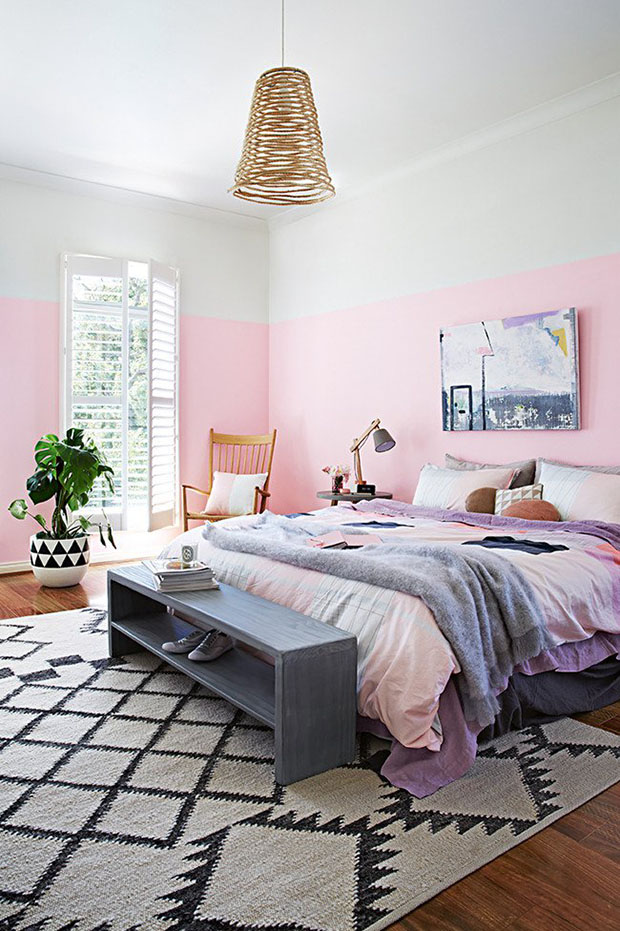
Personal Touches & Art
Hang artwork that complements your new color scheme. Consider pieces that incorporate both of your wall colors, or choose art that introduces a contrasting element to draw the eye. Remember, the two-tone walls are now a statement; your art should enhance, not compete with, that statement. Personal photos, plants, and cherished objects will bring warmth and personality to your stylish new space.
Painting your bedroom walls with two different colors is more than just a painting project; it’s an opportunity to create a truly personalized, sophisticated, and calming sanctuary. By carefully planning your colors and style, meticulous preparation, and following these step-by-step instructions, you’ll achieve a professional finish that will make you fall in love with your bedroom all over again. Go ahead, unleash your inner designer, and transform your space!
Frequently Asked Questions
What are the best two-tone color combinations for a bedroom?
For bedrooms, calming combinations work best. Consider analogous schemes (colors next to each other on the color wheel, like muted blues and greens) or monochromatic schemes (different shades of the same color, like dark gray and light gray). Light and dark versions of the same neutral, or a neutral paired with a soft, muted cool color (e.g., warm white with sage green), are always safe and serene choices.
How do I choose the dividing line height for a two-tone wall?
The height significantly impacts the room’s feel. A line placed lower (e.g., one-third up the wall) makes a room feel more grounded and cozy. A higher line (e.g., two-thirds up the wall) can make the ceiling appear taller and the room feel more expansive and airy. Avoid a perfect 50/50 split, as it can sometimes feel visually unbalanced. Consider existing architectural features like window sills or chair rails for natural dividing points.
How do I get a perfectly straight line when painting two-tone walls?
Achieving a crisp line requires precision and the right technique. First, use a laser level or carefully measure and mark your line with a pencil. Apply high-quality painter’s tape (like FrogTape) along this line, ensuring the tape covers the color you want to protect. The critical step is to then paint a thin coat of the *first color* (the one already on the wall) over the tape’s edge. This seals any gaps, preventing the second color from bleeding underneath. Let it dry, then apply your second color. Remove the tape while the second color is still slightly wet for the cleanest edge.
Should I paint the lighter or darker color first?
It’s generally recommended to paint the lighter color first. This allows for easier coverage if you need multiple coats and helps prevent the darker pigment from showing through if there’s any slight bleed under the tape when applying the second color. Ensure the first color is completely dry and cured (24-48 hours) before taping for the second color.
What type of paint sheen is best for two-tone bedroom walls?
For bedrooms, an eggshell or satin finish is generally preferred. These sheens offer a subtle luster, are more durable and washable than flat paint, and effectively hide minor imperfections without being too reflective. Using the same sheen for both colors helps maintain visual consistency, though a matte top with an eggshell bottom can offer a subtle textural contrast.
How long should I wait before removing painter’s tape?
For the crispest line, remove the painter’s tape for your dividing line when the final coat of the second color is still slightly wet. This prevents the paint from curing and potentially tearing or lifting along with the tape. For tape used on trim or ceilings, you can wait until the paint is dry to the touch, but avoiding full cure often yields better results.
Can I paint two-tone walls if my walls are textured?
Yes, but it requires an extra step. After applying and firmly burnishing your painter’s tape, apply a thin bead of paintable caulk along the edge of the tape (on the side you’ll be painting). Smooth the caulk with your finger to fill in the texture gaps. Once the caulk is dry, proceed with painting your second color. Remove the tape (and any uncured caulk) while the paint is still wet.