How Much Is Labor For Painting A House? Your Definitive Guide to Professional Painting Costs
Thinking about painting your house? You’re probably picturing fresh colors and a renewed vibe, but then the practical question hits: “How much is this actually going to cost?” Specifically, how much of that cost goes directly into the labor?
It’s a smart question, because labor is often the single largest component of a professional painting project, typically making up 70-85% of the total bill. Understanding these labor costs is key to budgeting effectively and ensuring you’re getting a fair price for quality work. You’re not just paying for paint on walls; you’re paying for skill, precision, experience, and the significant time investment required to transform your home.
On average, homeowners in the USA can expect to pay anywhere from $1.50 to $6.00 per square foot for labor for interior painting, and $1.75 to $8.00 per square foot for labor for exterior painting. If you’re looking at hourly rates, a professional painter’s labor can range from $30 to $80 per hour, depending heavily on location, painter experience, and job complexity. But these are just starting points. Let’s break down what truly influences these numbers.
Understanding Painting Labor Costs: What You’re Really Paying For
When you hire professional painters, you’re investing in more than just a brush and a bucket. You’re paying for their expertise in surface preparation, attention to detail, efficient application, and the ability to achieve a flawless finish. The “labor” component covers:

- Skill & Experience: The precision of cutting lines, smooth finishes, and knowing how different paints behave.
- Time: From setup and prep to painting and cleanup.
- Physical Effort: Moving furniture, climbing ladders, reaching high ceilings, and countless brush strokes.
- Tools & Equipment: While material costs cover paint, labor includes the use and maintenance of specialized brushes, rollers, sprayers, drop cloths, tape, and safety gear.
- Insurance & Overhead: Reputable painters carry liability insurance and often have business overheads like worker’s compensation, transportation, and administrative costs, all factored into their labor rates.
The Core Numbers: Average Labor Costs for House Painting
Let’s dive into the typical cost structures you’ll encounter for painting labor. Keep in mind these are averages, and your specific project may fall outside these ranges due to unique circumstances.
Labor Cost Per Square Foot: Interior Painting
This is one of the most common ways painters quote for interior work. It’s calculated based on the total square footage of the surfaces to be painted (walls, ceilings, trim). For interior painting, labor alone typically costs:
| Project Type | Average Labor Cost Per Sq. Ft. (USD) | Notes |
|---|---|---|
| Walls Only (Simple, Good Condition) | $1.50 – $3.00 | Minimal prep, single color, standard height. |
| Walls & Ceilings | $2.00 – $4.00 | Includes taping, two coats. |
| Walls, Ceilings & Trim | $2.50 – $5.00 | More intricate detail work, multiple surfaces. |
| Complex Interiors (High Ceilings, Detailed Trim) | $4.00 – $6.00+ | Extensive prep, multiple colors, difficult access. |
Labor Cost Per Square Foot: Exterior Painting
Exterior painting labor per square foot is often higher than interior due to factors like working at heights, extensive prep work on weather-exposed surfaces, and the need for specialized equipment. This calculation is typically based on the home’s footprint (the base area) and the number of stories.
| Project Type | Average Labor Cost Per Sq. Ft. (USD) | Notes |
|---|---|---|
| Single Story Home (Simple Siding) | $1.75 – $3.50 | Standard prep, easy access. |
| Two-Story Home (Standard Siding) | $3.00 – $5.50 | Requires ladders/scaffolding, more complex prep. |
| Multi-Story / Complex Exterior | $5.00 – $8.00+ | Extensive prep, difficult angles, specialty finishes. |
Hourly Rates for Professional Painters
Some painters, especially for smaller jobs, touch-ups, or when the scope isn’t clearly defined, will charge by the hour. This rate can vary significantly based on the painter’s experience level, whether they are an independent contractor or part of a larger company, and your geographic location.

| Painter Experience Level | Average Hourly Labor Rate (USD) | Notes |
|---|---|---|
| Apprentice/Entry-Level | $25 – $40 | Often supervised, for simpler tasks. |
| Experienced Professional | $40 – $65 | Skilled, efficient, capable of complex work. |
| Master Painter/Specialist | $65 – $80+ | Highly sought after, for intricate or high-end projects. |
Project-Based Labor: Cost Per Room or Per Day
For specific projects, painters might offer a fixed price per room or per day. This is particularly common for interior rooms or smaller exterior sections. It provides clarity but requires a very clear scope of work upfront.
| Project Element | Average Labor Cost (USD) | Notes |
|---|---|---|
| Standard 12×12 Bedroom (Walls, Trim, Door) | $400 – $800 | Includes prep, two coats, minor repairs. |
| Living Room / Dining Room (Larger, more detail) | $700 – $1,500+ | Can vary widely based on size and architectural features. |
| Daily Rate Per Painter | $250 – $600 | Often used for smaller jobs or when specific tasks are outlined. |
Key Factors That Drive Painting Labor Costs
The numbers above are ranges for a reason. Many variables can significantly impact the final labor cost of your painting project. Understanding these will help you interpret quotes and anticipate expenses.
Home Size and Architectural Complexity
This is a big one. A larger home simply means more surface area to paint, requiring more time and thus more labor. But it’s not just square footage. Architectural elements play a huge role:
- Multi-Story Homes: Require more setup time for ladders, scaffolding, or lifts, increasing risk and effort.
- High Ceilings: Elevating equipment and working above standard heights takes more time and specialized tools.
- Intricate Trim & Moldings: Detailed woodwork, crown molding, or wainscoting demand meticulous cutting-in and hand-painting, which is labor-intensive.
- Windows & Doors: Each window and door requires careful masking and painting, adding to the labor time, especially if multiple panes or intricate designs are present.
Surface Condition and Prep Work
This is often where the bulk of labor goes, and it’s invisible until the paint is applied. Good prep work is non-negotiable for a lasting finish. If your surfaces aren’t pristine, expect higher labor costs for:
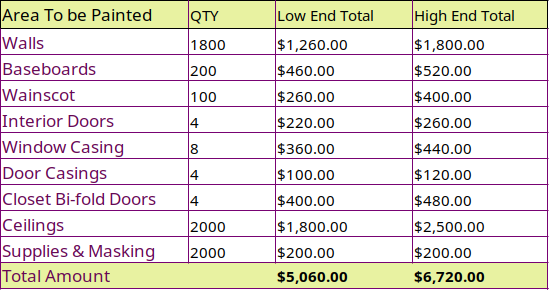
- Cleaning: Power washing exterior surfaces, degreasing kitchen walls.
- Sanding: Smoothing rough surfaces, old paint lines, or patching.
- Patching & Repairs: Filling nail holes, cracks, dents in drywall, or repairing minor wood rot on exteriors.
- Scraping & Peeling Paint Removal: This is extremely time-consuming and often necessary for older homes, especially if lead paint is a concern.
- Wallpaper Removal: A notoriously labor-intensive task.
- Priming: Necessary for new drywall, drastic color changes, or stain blocking.
| Prep Work Task | Average Additional Labor Cost | Notes |
|---|---|---|
| Minor Drywall Patching / Hole Filling | Included in base rate to minor degree; beyond that, $20 – $50 per patch. | Small nail holes are usually free; larger damage is extra. |
| Extensive Surface Scraping (Exterior) | $0.50 – $1.50 per sq. ft. | Can significantly increase labor time for older homes. |
| Wallpaper Removal | $1.00 – $3.00 per sq. ft. | Highly variable based on paper type and adhesive. |
| Extensive Caulking / Minor Wood Repair | $50 – $200+ per area | Dependent on linear footage and severity. |
Type of Paint and Number of Coats
While the paint itself is a material cost, the type of paint and how many coats are required affect labor:
- Specialty Finishes: Faux finishes, textures, or murals require highly skilled labor and much more time.
- Dark Color Over Light: Often requires an extra coat of paint or primer, increasing application time.
- Multiple Colors/Accent Walls: More colors mean more cutting-in, taping, and careful application, thus more labor.
Accessibility and Equipment Needs
If reaching certain areas is difficult, it adds to labor time and the need for specialized equipment:
- Tall Ladders & Scaffolding: More time for setup, breakdown, and moving.
- Power Lifts: Necessary for very high or hard-to-reach exterior areas, often rented, adding to overall project cost and requiring skilled operation.
- Tight Spaces: Working in cramped areas can be slower and more challenging.
Geographic Location and Local Market Rates
Just like real estate, painting labor costs vary significantly by region. Painters in high cost-of-living areas (e.g., major metropolitan cities like New York, San Francisco, Los Angeles) will charge more than those in rural areas or smaller towns to cover their operating costs and living expenses.
Painter Experience and Reputation
You often get what you pay for. Highly experienced and reputable painters command higher labor rates, but they also offer:

- Superior Quality: Flawless finishes, attention to detail.
- Efficiency: They work faster without sacrificing quality.
- Reliability: Punctual, professional, and complete the job on time.
- Guarantees: Often back their work with warranties.
A newer or less experienced painter might offer lower rates, but you could risk a less polished finish or a longer project timeline.
Time of Year and Project Urgency
Demand can influence pricing. Peak painting seasons (spring and summer for exteriors, fall for interiors) might see slightly higher rates due to high demand. If you need a rush job, expect to pay a premium for expedited labor.
Interior vs. Exterior Painting Labor: A Deeper Dive
While we’ve touched on this, it’s worth a closer look at the unique labor considerations for inside and outside jobs.
Interior Labor Considerations
Interior painting demands meticulous care for your living space. The labor involves:

- Furniture Moving & Protection: Shifting heavy items and meticulously covering everything with drop cloths and plastic sheeting.
- Masking & Taping: Protecting floors, windows, light fixtures, and non-painted surfaces. This precision work can take considerable time.
- Detail Work on Trim & Doors: Intricate cutting-in where walls meet ceilings, around windows, doors, and baseboards.
- Ceiling Work: Often requires specific techniques and tools to avoid drips and ensure an even finish, which can be more strenuous.
- Ventilation: Ensuring proper airflow, especially with low-VOC paints.
| Interior Element | Average Labor Cost (USD) | Notes |
|---|---|---|
| Walls Only (per room) | $300 – $700 | Based on standard 12×12 room, minimal prep. |
| Ceilings Only (per room) | $150 – $400 | More difficult, often requires multiple coats. |
| Trim & Doors Only (per room) | $100 – $300 | High detail, often includes baseboards, window/door frames. |
Exterior Labor Considerations
Exterior painting labor is a beast of its own, heavily influenced by weather and the sheer scale of the project:
- Extensive Prep: Power washing, scraping, sanding, caulking, and sometimes minor carpentry for wood repair are standard and labor-intensive.
- Weather Dependency: Painters must work around weather conditions (temperature, humidity, rain), which can extend project timelines.
- Landscaping Protection: Covering plants, bushes, and outdoor fixtures takes significant time.
- Working at Heights: Ladders, scaffolding, and safety protocols add time and require skilled labor.
- Different Surfaces: Painters might contend with various siding materials (wood, stucco, vinyl, brick), each requiring specific prep and application techniques.
| Exterior Element | Average Labor Cost (USD) | Notes |
|---|---|---|
| Siding Only (per sq. ft.) | $1.50 – $4.00 | Main body of the house, depends on material and stories. |
| Trim & Doors (linear foot or per item) | $1.00 – $3.00 per linear ft.; $50 – $150 per door/window | Highly detailed, often a separate line item. |
| Deck/Porch Staining/Painting (per sq. ft.) | $1.00 – $3.00 | Includes cleaning, sanding, and application. |
Getting an Accurate Labor Estimate: What to Ask Your Painter
To avoid surprises and ensure transparency, you need to ask the right questions when getting quotes. A good painter will be happy to provide a detailed, itemized estimate.
- “Please provide an itemized breakdown of labor vs. material costs.” This is crucial for understanding where your money is going.
- “What specific prep work is included in the labor estimate?” Ask about cleaning, patching, sanding, and especially for exteriors, power washing and scraping.
- “How many painters will be on the job, and what’s the estimated timeline?” This gives you an idea of the total labor hours involved.
- “What kind of paint are you using, and how many coats are you applying?” While material, this impacts labor if extra coats are needed.
- “Is cleanup and debris removal included in the labor?” Most professionals include this, but always confirm.
- “Do you offer a warranty or guarantee on your labor?” A sign of confidence in their work.
- “Are you licensed and insured?” Absolutely critical for your protection.
How to Potentially Save on Painting Labor Costs
While you don’t want to cut corners on quality, there are ways you can reduce the labor component of your painting project:
- DIY Prep Work: If you’re handy, you can save significantly by doing some of the less skilled, but time-consuming, prep yourself. This includes cleaning surfaces, filling small nail holes, removing outlet covers, or even light sanding. Be honest with yourself about your capabilities, though; shoddy prep will show through the paint.
- Move Furniture & Decor: Relocating furniture, taking down curtains, and removing wall hangings before painters arrive can save them hours of labor.
- Be Flexible with Timelines: If you can schedule your project during a painter’s slower season or off-peak times, they might offer a slightly better rate.
- Get Multiple Quotes: Always obtain at least three detailed quotes from different reputable painters. This helps you compare not just the price, but also what’s included in the labor.
- Choose Simpler Color Schemes: Fewer colors and less intricate cutting-in (e.g., painting walls and trim the same color) reduces labor time.
- Clear the Exterior: For exterior jobs, trim back bushes, clear pathways, and remove any obstacles from around the house.
The Value of Professional Painting Labor
While DIY painting can save on labor costs, it often comes at the expense of time, quality, and your own sanity. Investing in professional labor offers several key benefits:
- Superior Finish: Professionals have the tools, techniques, and experience to deliver a smooth, even, and long-lasting finish that DIY efforts often can’t match.
- Efficiency: They can complete projects significantly faster than a homeowner, minimizing disruption to your life.
- Safety: Especially for exterior or high-ceiling interior jobs, professionals are equipped and trained to work safely at heights, reducing the risk of accidents.
- Proper Preparation: They understand the critical importance of prep work and execute it meticulously, which is vital for paint adhesion and durability.
- Problem Solving: Encountering unexpected issues (like water damage or mildew) is common. Professionals know how to identify and address these problems correctly.
- Increased Home Value: A professionally painted home looks better, lasts longer, and can increase your property’s curb appeal and resale value.
Conclusion: Investing Wisely in Your Home’s Finish
Understanding how much labor costs for painting a house is the first step toward a successful and satisfying project. While the figures can seem high, remember you are paying for expertise, efficiency, and a durable, beautiful result that protects and enhances your home for years to come. By being informed, asking the right questions, and choosing a reputable professional, you can ensure your investment in painting labor is money well spent.