Transform Your Sanctuary: The Ultimate Guide to Light Blue Bedroom Wall Paint
Dreaming of a bedroom that feels like a serene escape? A calm haven where stress melts away the moment you step inside? If you& ;re nodding along, then you& ;re in precisely the right place. Light blue wall paint isn& ;t just a color; it& ;s a mood, a feeling, a promise of tranquility. It& ;s been a beloved choice for bedrooms for decades, and for good reason.
But choosing the *right* light blue can be surprisingly tricky. Will it feel too cold? Too babyish? Will it clash with your furniture? Don& ;t worry. As an expert in color and design, I& ;m here to cut through the confusion and guide you to your perfect shade. We& ;re going beyond just names on a paint chip; we& ;re diving into the psychology, the undertones, the lighting, and the ultimate pairings to help you create a bedroom that& ;s truly yours.
Get ready to uncover the secrets to selecting and styling light blue bedroom walls that will make your space feel like a breath of fresh air.
Why Light Blue is the Perfect Choice for Your Bedroom
Let& ;s start with the "why." There& ;s a profound reason why light blue consistently tops the charts for bedroom colors. It& ;s not just a trend; it& ;s deeply rooted in how we perceive and react to color.
The Psychology of Light Blue: Serenity on Your Walls
Imagine gazing up at a clear sky or watching gentle waves lap at the shore. What do you feel? Calm, peace, perhaps a sense of expansiveness. This isn& ;t accidental. Blue, especially in its lighter shades, is scientifically proven to evoke feelings of tranquility and relaxation. Here& ;s why it& ;s a superstar for bedrooms:
- Stress Reduction: Light blue lowers heart rate and blood pressure, creating an environment conducive to unwinding after a long day.
- Promotes Better Sleep: Many studies suggest blue light (the color, not LED type) is associated with restful sleep, making it an ideal choice for the room where you rejuvenate.
- Sense of Openness: Light blues can make a room feel larger and more airy, preventing that "cramped" feeling, even in smaller spaces.
- Connection to Nature: It mirrors the colors of the sky and water, grounding us and bringing a touch of the outdoors in.
Versatility and Timeless Appeal
Beyond its calming effects, light blue is incredibly versatile. It& ;s not a "faddy" color that will feel dated in a few years. It has a timeless quality that adapts to almost any design aesthetic:
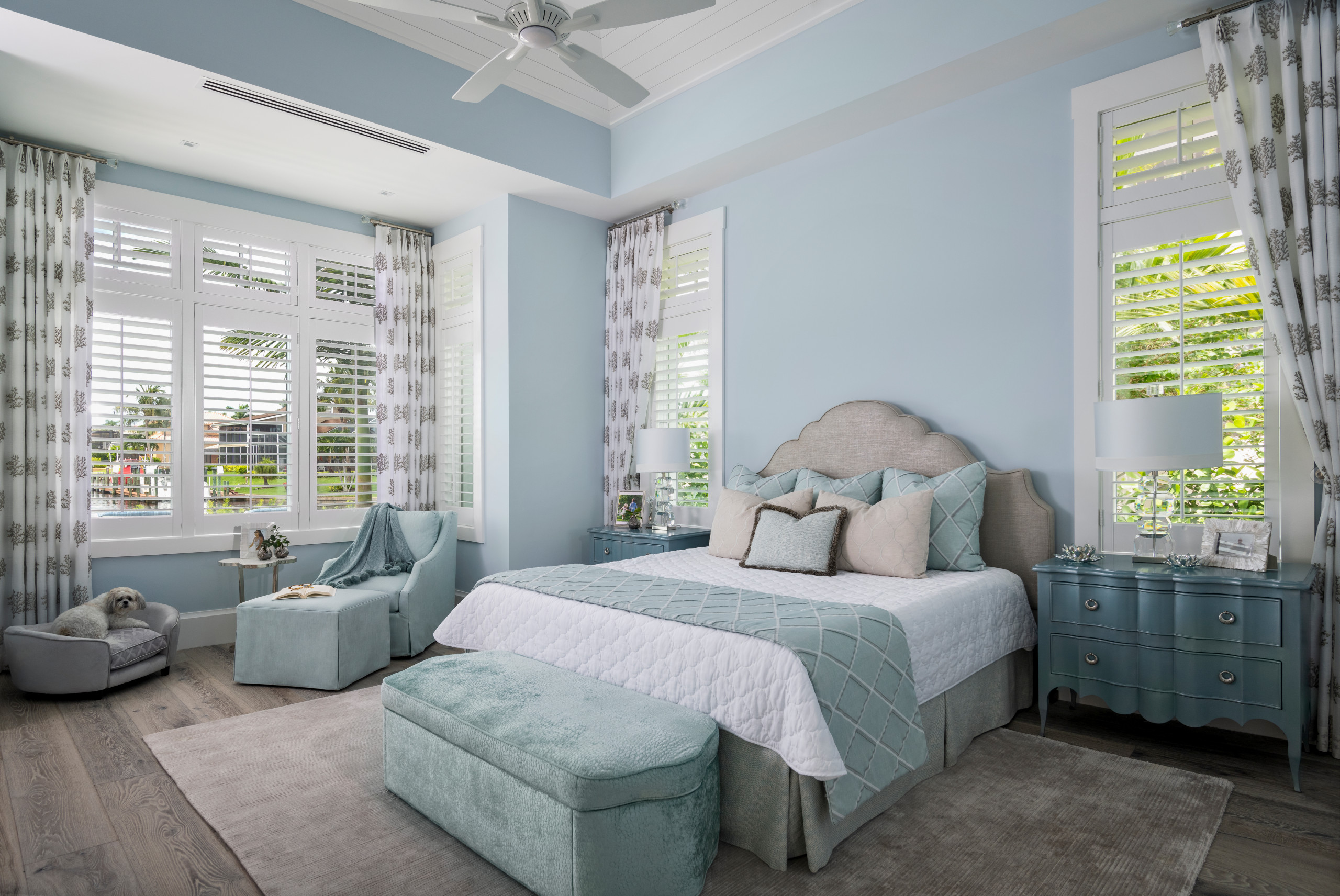
- Modern & Minimalist: Crisp, cool light blues provide a clean backdrop.
- Coastal & Beachy: Aqua and sky blues are obvious, beautiful choices.
- Traditional & Classic: Muted, sophisticated light blues offer elegance.
- Farmhouse & Rustic: Dusty, gray-leaning blues complement natural textures.
Whether your style is chic and contemporary or cozy and traditional, there& ;s a light blue waiting to elevate your bedroom.
Decoding the Shades: Finding Your Perfect Light Blue
Here& ;s where many people stumble. "Light blue" isn& ;t just one color. It& ;s a vast spectrum, each shade with its own personality. The key to success lies in understanding undertones.
Understanding Undertones: The Secret to the Right Blue
Every paint color has a dominant hue, but it also carries subtle undertones – hints of other colors that reveal themselves in different lighting conditions. Ignoring these can lead to a blue that feels "off."
- Green Undertones: These blues lean towards aqua or turquoise. They feel fresh, lively, and often evoke a coastal vibe. Think Caribbean waters. If you want a blue that feels more vibrant and less cold, a touch of green is often the answer.
- Gray Undertones: These are the sophisticated, muted blues. They appear softer, less intense, and often more modern. They can take on a chameleon-like quality, shifting beautifully throughout the day. If you& ;re worried about blue feeling too "babyish," a gray undertone is your best friend.
- Violet/Purple Undertones: Blues with hints of purple or lavender can feel serene, ethereal, and slightly romantic. Think periwinkle or soft iris. They add a touch of warmth to blue without making it feel overly vibrant.
- True Blue (Clear Blue): These are crisp, classic blues with minimal other colors influencing them. They are straightforward and pure, often resembling a clear sky. They can be beautiful but sometimes risk feeling too cool if not balanced with warm elements.
Popular Light Blue Sub-Shades for Bedrooms (with Brand Examples)
Let& ;s break down some common categories of light blue and see how they can transform your bedroom:
-
Icy & Crisp Blues: These are bright, clean, and often have cool, sometimes almost invisible, undertones. They make a room feel expansive and incredibly fresh. Great for modern spaces or rooms that get a lot of warm natural light.
-
Muted & Gray-Blue: Often called "dusty blues," these shades are sophisticated and calming. The gray undertone softens the blue, making it less intense and more adaptable. They are incredibly popular for creating a tranquil, grown-up sanctuary.
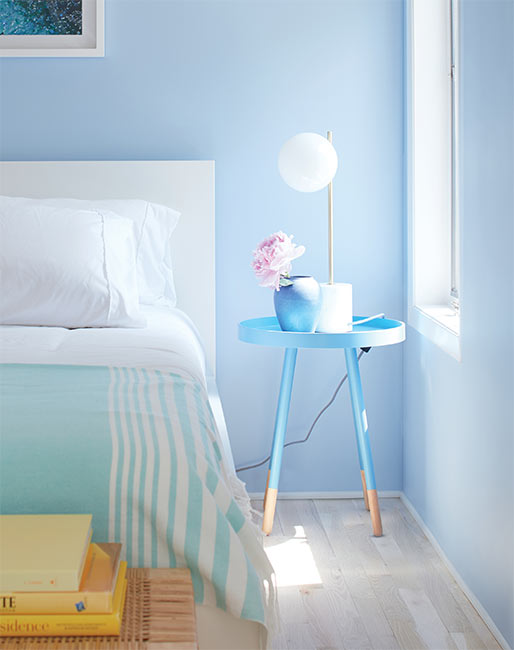 Image Source: benjaminmoore.com
 -
Aqua & Teal-Leaning Blues: These blues carry noticeable green undertones, giving them a vibrant, refreshing feel. They& ;re perfect for bringing a coastal or bohemian vibe to your bedroom and pair beautifully with natural textures.
-
Powder & Baby Blues: These are the classic, softer blues often associated with nurseries but can be incredibly elegant when used thoughtfully. They evoke a sense of innocence and calm, but you& ;ll want to balance them to avoid a childish look.
-
Sky Blues: As the name suggests, these mimic the color of a clear daytime sky. They are uplifting, airy, and can make a room feel open and bright. They tend to be purer blues with fewer strong undertones.
To give you a clearer picture, here& ;s a breakdown:
| Light Blue Shade Type | Common Undertone | Mood & Feeling | Best For | Popular Brand Examples |
|---|---|---|---|---|
| Icy & Crisp Blue | Cool/Slight Green | Fresh, Expansive, Modern | Sunny rooms, minimalist styles, large spaces | Benjamin Moore "Iceberg," Sherwin-Williams "Hinting Blue" |
| Muted & Gray-Blue | Gray | Sophisticated, Calming, Timeless | Any bedroom, especially those needing a subtle touch of color | Sherwin-Williams "Sea Salt" (reads blue), Benjamin Moore "Gray Owl" (often reads blue) |
| Aqua & Teal-Leaning Blue | Green | Vibrant, Refreshing, Coastal | Coastal themes, bohemian styles, spaces with natural wood | Sherwin-Williams "Waterscape," Benjamin Moore "Soft Chinchilla" |
| Powder & Baby Blue | Slight Violet/Cool | Gentle, Sweet, Classic | Nurseries, traditional rooms, when paired with sophisticated decor | Benjamin Moore "Whispering Spring," Sherwin-Williams "Lullaby" |
| Sky Blue | True Blue/Slight Warmth | Uplifting, Airy, Pure | Rooms needing brightness, to evoke outdoor feeling | Sherwin-Williams "Upward," Benjamin Moore "Celestial Blue" |
Factors to Consider Before You Paint
A paint color never exists in a vacuum. Its appearance will dramatically shift based on the environment it& ;s in. Before you commit to a can, let& ;s look at what influences your chosen light blue.
The Impact of Natural Light: North, South, East, West Facing Rooms
The direction your bedroom windows face is a game-changer for paint color:
:max_bytes(150000):strip_icc()/BondegatanSodermalmStockholmBedroomlampchairblueFantasticFrank-d4153e01738845caaaab184e2eecf7a7-33429fc42bfa411d988f8233f04fdfde.jpg "30 Light Blue Paint Colors")
- North-Facing Rooms: Receive cooler, softer light throughout the day. Light blues here can sometimes appear colder or more muted. You might lean towards blues with a slight green or warm gray undertone to prevent them from feeling too icy.
- South-Facing Rooms: Bathed in bright, warm light all day. These rooms can handle cooler, crisper light blues beautifully, as the warm light will balance any potential coolness.
- East-Facing Rooms: Get bright, warm morning light, which turns cooler and shadier in the afternoon. A versatile light blue with gray or subtle green undertones often works well here, as it can adapt to both light shifts.
- West-Facing Rooms: Experience soft morning light, then intense, warm afternoon and evening light. Blues here will look different at various times. A muted or slightly grayed blue can be stunning as it catches the golden hour light.
Artificial Lighting: Bulb Temperature Matters
Don& ;t forget your lamps and overhead fixtures! The temperature of your light bulbs plays a significant role:
- Warm White (2700K-3000K): Creates a cozy, inviting glow. It can bring out warmer undertones in your light blue, making it feel less stark.
- Cool White/Daylight (3500K-5000K+): Mimics natural daylight and can make blues appear truer or even cooler. This is great for accentuating crisp, icy blues but might make a gray-blue feel slightly stark.
Consider the ambiance you want to create and choose bulbs accordingly. Most bedrooms benefit from warm white lighting for relaxation.
Room Size and Ceiling Height: Visual Tricks with Light Blue
Light blue is a master of illusion:
- Making Small Rooms Larger: Its airy quality can make compact bedrooms feel more spacious and open.
- Lifting Ceilings: Painting your ceiling a very pale shade of your wall color (or even a lighter light blue) can create the illusion of higher ceilings.
Existing Decor & Furnishings: Harmony is Key
Your walls are one piece of the puzzle. Consider what& ;s already in your room:
- Furniture: Dark wood, light wood, painted pieces?
- Flooring: Carpet, hardwood, tile?
- Textiles: Bedding, curtains, rugs – what colors and patterns are present?
- Artwork: Will the new wall color complement your cherished pieces?
The goal is harmony, not competition. Choose a light blue that allows your existing pieces to shine.
Complementary Colors and Decor Pairings
Once you& ;ve nailed down your perfect light blue, the fun of decorating begins! Here& ;s how to build a cohesive and beautiful space around your new walls.
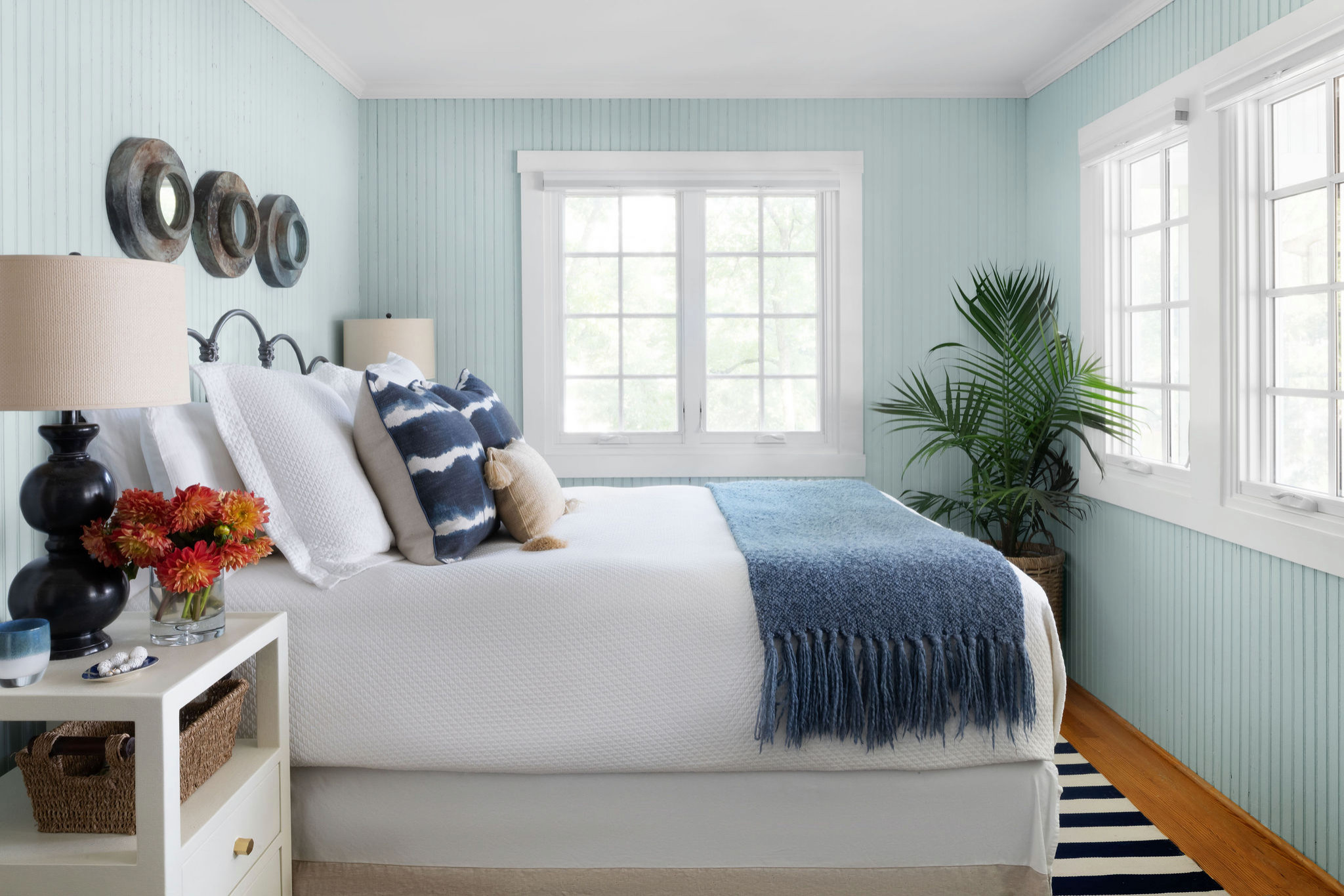
Neutral Companions: Whites, Grays, and Creams
You can never go wrong with neutrals. They provide a sophisticated balance to light blue:
- Crisp Whites: For trim, doors, and ceilings, a clean white creates a fresh, bright contrast that makes the blue pop.
- Soft Off-Whites & Creams: If crisp white feels too stark, warmer off-whites or creams can soften the look, adding a cozy, inviting layer.
- Sophisticated Grays: Light or medium grays pair beautifully with light blue, especially those with gray undertones. They create a modern, elegant, and understated palette.
Warm Accents: Wood Tones, Gold, Copper, Earthy Browns
To prevent a light blue room from feeling too cold, inject warmth through accents:
- Natural Wood: From light oak to rich walnut, wood furniture and flooring add warmth and texture, creating a grounded, natural feel.
- Metallics: Gold, brass, or copper accents (think lamps, picture frames, drawer pulls) bring a touch of glamour and warmth.
- Earthy Browns: Elements like jute rugs, woven baskets, leather accents, or terracotta pots introduce organic warmth.
Contrasting Pops: Navy, Coral, Yellow, Green
For a bit more personality, consider bolder accent colors:
- Navy Blue: A deep, rich navy can provide a sophisticated contrast, adding depth without straying from the blue family.
- Soft Coral or Peach: These warm, inviting hues offer a gentle yet distinct pop of color against light blue, creating a vibrant yet serene feel.
- Pale Yellow or Mustard: A touch of sunny yellow can energize the space and complement the cool blue beautifully, especially in coastal or modern designs.
- Sage Green or Mint: Shades of green, particularly muted ones, can enhance the natural feel of light blue, creating a refreshing and harmonious palette.
Textures and Materials: Elevating the Blue
Texture adds depth and interest. Think about layering:
- Soft Linens: For bedding and curtains, linen provides a relaxed, natural elegance.
- Velvet: A velvet throw pillow or headboard in a complementary color can add luxury and warmth.
- Woven Rugs: Jute, sisal, or wool rugs add grounding texture and softness underfoot.
- Ceramics & Glass: Decorative vases or lamps can add subtle color and shine.
Here& ;s a quick guide to pairing your light blue:
| Light Blue Shade | Complementary Neutrals | Accent Colors | Recommended Materials/Textures |
|---|---|---|---|
| Icy & Crisp Blue | Pure White, Light Gray, Silver | Navy, Emerald Green, Lemon Yellow | Glass, Chrome, High-gloss finishes, Crisp cotton |
| Muted & Gray-Blue | Off-White, Warm Gray, Beige, Greige | Sage Green, Dusty Rose, Burnt Orange, Bronze | Linen, Woven fabrics, Light woods, Matte ceramics |
| Aqua & Teal-Leaning Blue | Cream, Sandy Beige, Warm White | Coral, Mustard, Terra Cotta, Dark Teal | Rattan, Jute, Driftwood, Lush plants, Tropical prints |
| Powder & Baby Blue | Warm White, Cream, Soft Gray | Lavender, Pale Pink, Butter Yellow, Silver | Velvet, Silk, Sheer curtains, White painted furniture |
| Sky Blue | Crisp White, Medium Gray, Tan | Navy, Grass Green, Sunshine Yellow, Copper | Natural wood, Cotton, Ceramics, Metallic accents |
Selecting the Right Paint Finish (Sheen)
The sheen of your paint isn& ;t just about how shiny it is; it also impacts durability and how the color is perceived.

- Matte/Flat: This finish has virtually no sheen. It& ;s excellent for hiding wall imperfections and provides a velvety, sophisticated look. However, it& ;s generally less durable and harder to clean, making it a less ideal choice for high-traffic areas but acceptable for a bedroom if you& ;re careful.
- Eggshell/Satin: These are the most popular choices for bedrooms. They offer a subtle, soft sheen that& ;s easy on the eyes and reflects just enough light to make colors feel rich. They are significantly more durable and easier to clean than flat paints, standing up well to everyday life.
- Semi-Gloss: Highly durable and easy to clean, semi-gloss has a noticeable shine. It& ;s typically reserved for trim, doors, and cabinets, as it can be too reflective and accentuates every imperfection if used on entire walls.
For most bedrooms, an eggshell or satin finish is the sweet spot, balancing beauty with practicality.
Your DIY Painting Checklist: From Prep to Perfection
Ready to roll up your sleeves? A flawless paint job starts long before you open the can.
Preparation is Paramount: Cleaning, Patching, Taping
Don& ;t skip these vital steps:
- Clear the Room: Move furniture out or to the center and cover it with drop cloths. Remove artwork, switch plates, and outlet covers.
- Clean the Walls: Dust and dirt can prevent paint from adhering properly. Wash walls with a mild cleaner (like TSP substitute) and water, then rinse thoroughly. Let them dry completely.
- Patch & Sand: Fill any holes or cracks with spackle, sand smooth, and wipe away dust.
- Tape Off: Use painter& ;s tape along baseboards, ceiling lines, and around window/door frames to create crisp edges.
Priming: When and Why it& ;s Essential
Primer isn& ;t always necessary, but it& ;s often a smart move:
- When to Prime:
- If you& ;re painting over a dark color with a light blue.
- If your walls are stained or very unevenly painted.
- If you& ;re painting new, bare drywall.
- If you want the truest color representation of your light blue.
- Why Prime: Primer creates a uniform, adhesion-friendly surface for your paint, ensuring better color coverage (often saving you a coat of expensive paint) and a more durable finish.
Testing, Testing, 1-2-3: The Power of Swatches
This is arguably the most crucial step in color selection:
- Buy Samples: Get samples of your top 2-3 light blue choices.
- Paint Large Swatches: Apply each sample to a large poster board (at least 2& ;x2& 😉 or directly to different walls in your bedroom. Don& ;t just paint a tiny square!
- Observe Over Time: Live with the swatches for a few days. Observe them in natural light (morning, midday, evening) and artificial light. See how they interact with your existing furniture and decor. The color you love at 10 AM might look completely different at 8 PM.
Application Tips: Tools and Techniques for a Flawless Finish
- Quality Tools: Invest in good quality brushes (for cutting in) and rollers. They make a huge difference in application and finish.
- "Cutting In": Use an angled brush to paint a clean line along the edges of ceilings, baseboards, and corners before rolling the main wall sections.
- Multiple Thin Coats: Two thin coats of paint are almost always better than one thick coat. It provides better coverage, a smoother finish, and prevents drips. Allow each coat to dry completely per manufacturer& ;s instructions.
- W-Motion: When rolling, apply paint in a "W" pattern, then fill it in without lifting the roller. This ensures even coverage.
Common Mistakes to Avoid with Light Blue Bedroom Paint
Even with the best intentions, it& ;s easy to make missteps. Here& ;s what to watch out for:
- Choosing Without Testing: As mentioned, paint samples are non-negotiable. What looks great online or on a tiny chip can be vastly different on a large wall.
- Ignoring Undertones: A blue that looks pure on the chip might reveal unexpected green or purple undertones in your lighting, leading to disappointment.
- Overlooking Lighting: Natural and artificial light are powerful influencers. Don& ;t just look at the color once; observe it throughout the day and with your actual light bulbs.
- Making the Room Too Cold: While blue is cool, you don& ;t want your bedroom to feel sterile. Balance it with warm wood tones, cozy textiles, and inviting lighting.
- Not Considering Existing Elements: Your carpet, furniture, and window treatments are part of the equation. Ensure your chosen blue complements them, rather than clashing.
- Skimping on Prep: Rushing through cleaning, patching, and priming will result in a less-than-professional finish, no matter how good your paint is.
Beyond the Walls: Integrating Light Blue Throughout Your Bedroom
If you& ;re not quite ready for light blue walls, or you want to enhance your painted walls, here are other ways to weave this calming hue into your bedroom:
- Bedding: A light blue duvet cover, throw blanket, or accent pillows can bring in the color.
- Curtains or Blinds: Sheer light blue curtains can filter light beautifully and add a soft touch.
- Artwork: Choose pieces with light blue elements to echo the wall color or introduce the shade if walls are neutral.
- Decorative Objects: Vases, lamps, decorative bowls, or even books in shades of light blue can tie the room together.
- Rugs: An area rug with light blue patterns or a solid light blue can anchor the space.
Embrace Your Serene Light Blue Sanctuary
Light blue wall paint is a timeless, versatile, and profoundly calming choice for any bedroom. It promises a retreat, a haven from the everyday hustle, and a boost to your overall well-being. By understanding the nuances of undertones, the impact of light, and the art of pairing, you& ;re now equipped to select a shade that truly resonates with you and your space.
Take your time, trust your instincts, and most importantly, enjoy the process. Soon, you& ;ll be stepping into a bedroom that not only looks beautiful but feels like a continuous, peaceful sigh. Your serene sanctuary awaits.
”