Revitalize Your Home Decor: The Ultimate Guide to Spray Painting Lamp Shades Like a Pro
Let’s be real: buying new lampshades can be shockingly expensive. You’ve got that perfect lamp base, but the shade is either stained, outdated, or just plain boring. Before you toss it or shell out big bucks, what if I told you there’s a simple, affordable, and incredibly satisfying way to give it a complete makeover? Enter spray paint. Yes, you can absolutely spray paint a lampshade, and with the right approach, you can transform it into a custom piece that looks anything but DIY.
This isn’t just about saving money; it’s about unleashing your inner designer, breathing new life into old items, and creating something truly unique for your home. Forget drab and dull; we’re about to dive into everything you need to know to achieve a flawless, professional-looking finish on your lampshade with nothing more than a can of spray paint and a little know-how. From choosing the right paint for your material to mastering the spraying technique and troubleshooting common issues, consider this your definitive guide.
Why Spray Paint Your Lampshade? More Than Just a Pretty Color
Why bother with a can of paint when you could just buy new? The reasons go beyond just aesthetics and touch on practicality, sustainability, and personal expression.
Budget-Friendly Makeover
Let’s face it, home decor can be a money pit. A new, stylish lampshade can easily cost you anywhere from $30 to $100 or more, depending on the size and brand. A can of high-quality spray paint, on the other hand, typically runs between $5 and $15. For a fraction of the cost, you can achieve a dramatic transformation, freeing up your budget for other home improvements or, let’s be honest, more spray paint projects!
Unleash Your Creativity
Are you tired of the limited color options at your local home goods store? Want to match a specific accent pillow or bring a bold new hue into your space? Spray painting gives you an almost infinite palette. You can create custom colors, experiment with finishes (matte, gloss, metallic), or even try patterns and textures. This is your chance to infuse your personality directly into your decor.
Sustainable Style
In a world increasingly focused on reducing waste, upcycling is a powerful tool. Instead of sending an old, perfectly functional lampshade to the landfill, you’re giving it a second life. This eco-conscious approach not only helps the planet but also allows you to feel good about your decor choices.
Modernizing Dated Decor
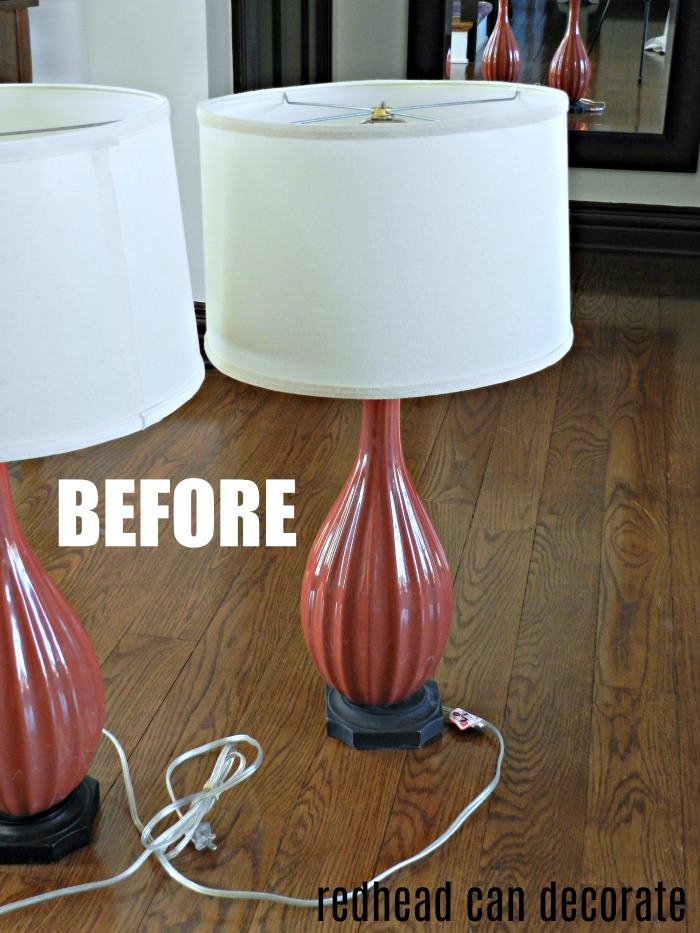
Sometimes, a lamp base is perfect, but its shade screams 1990. Spray paint is a magic wand for dated items. A fresh coat of a modern neutral, a vibrant pop of color, or a sleek metallic finish can instantly update a lampshade, making an entire lamp look contemporary and chic without needing to replace the whole fixture.
Is Your Lampshade a Good Candidate for Spray Paint? The Material Matters
Before you grab that can of paint, it’s crucial to understand what your lampshade is made of. Different materials react differently to spray paint, and choosing the right paint for the job is key to a lasting, professional finish.

Fabric Lampshades: A Classic Canvas
Most lampshades are made from fabric – cotton, linen, silk, or even burlap – stretched over a wire frame. Fabric is generally very receptive to spray paint, but there are nuances. Thin fabrics might become stiffer or, in extreme cases, allow paint to bleed through if applied too heavily. For fabric, look for spray paints specifically designed for fabric or all-surface paints that adhere well to textiles. Some people even mix fabric medium into regular acrylic paint and brush it on, but for spray application, a dedicated spray solution is best.
Paper & Parchment Lampshades: Handle with Care
Paper and parchment shades can be spray painted, but they require a lighter touch. Heavy application can warp the material or make it overly brittle. Opt for very light, even coats and allow ample drying time between applications. A clear sealer can help protect the finish and prevent future discoloration.
Plastic & Acrylic Lampshades: Smooth Operator
Plastic or acrylic shades are often found on modern or children’s lamps. These smooth, non-porous surfaces can be challenging for paint adhesion. The trick here is often a specialty spray paint formulated for plastics, or using a plastic primer first. This will ensure the paint grips the surface instead of flaking off later. Look for paints that explicitly state they bond to plastic.
Metal Lampshades: Durability & Shine
Metal lampshades (often industrial or vintage styles) are excellent candidates for spray paint. The key is proper preparation: clean thoroughly, and if there’s any rust, treat it first. A metal primer will ensure maximum adhesion and a smooth finish, especially for high-gloss or metallic paints. Rust-inhibiting spray paints are a bonus for metal shades.
Woven/Rattan/Natural Fibers: Textural Transformations
Shades made from woven materials like rattan, bamboo, or wicker offer a beautiful texture. They can be spray painted, but achieving even coverage can be trickier due to their uneven surfaces. Expect to apply multiple, very light coats from various angles to ensure the paint gets into all the nooks and crannies. These materials often absorb more paint, so have extra cans on hand.
To help you decide, here’s a quick guide:
| Lampshade Material | Recommended Spray Paint Type | Key Preparation Tips | Expected Outcome |
|---|---|---|---|
| Fabric (Cotton, Linen, Canvas) | Fabric spray paint, All-surface enamel, Chalk paint spray | Lint roll, ensure fabric is taut. | Slightly stiffer, even color, maintains texture. |
| Paper / Parchment | Light coats of all-surface, specialty paper paint | Gentle cleaning, minimal moisture, avoid heavy coats. | Even color, slight rigidity, prone to warping if over-saturated. |
| Plastic / Acrylic | Plastic-bonding spray paint, Fusion spray paint | Clean with mild degreaser, light sanding (optional), plastic primer. | Smooth, durable finish; excellent adhesion with proper prep. |
| Metal | Metal-specific spray paint, Rust-Oleum, high-heat enamel | Degrease, sand if rusty/chipped, metal primer. | Durable, smooth finish, good rust protection. |
| Woven (Rattan, Wicker) | All-surface enamel, general purpose spray paint | Thorough cleaning to remove dust/debris, consider more paint cans. | Maintains texture, even color with multiple coats, can use more paint. |
Essential Supplies: Your Spray Painting Toolkit
Successful spray painting is all about preparation. Gathering the right tools before you start will save you frustration and ensure a smoother, more enjoyable process.
The Right Spray Paint
This is obviously the star of the show. Based on your lampshade material (see the table above!), select a high-quality spray paint. Brands like Rust-Oleum, Krylon, and Montana Cans offer excellent options. Consider the finish you want: matte, satin, gloss, metallic, or even textured options like hammered or stone effects.
Primer & Sealer
- Primer: Essential for difficult surfaces like plastic or glossy metals, or when making a drastic color change (e.g., dark to light). A good primer creates a uniform base and helps paint adhere better.
- Sealer/Topcoat: An optional but recommended clear topcoat can protect your painted lampshade from scratches, UV damage, and moisture, prolonging its life and enhancing its finish. Choose a matte, satin, or gloss sealer to match your desired look.
Cleaning Supplies
- Mild Soap and Water: For general cleaning.
- Lint Roller or Microfiber Cloth: Crucial for fabric shades to remove dust and pet hair.
- Degreaser (e.g., Rubbing Alcohol): For plastic or metal shades to remove oils and residues.
Protection Gear
Safety first! Spray paint fumes can be strong, and you don’t want paint on your skin or clothes.
- Respirator or N95 Mask: Essential for protecting your lungs from fumes and fine paint particles.
- Disposable Gloves: Keeps your hands clean.
- Safety Glasses: Protects your eyes from overspray.
- Old Clothes or Coveralls: Don’t wear your Sunday best.
Setup Essentials
A proper setup makes the spraying process much easier and cleaner.
- Drop Cloths or Cardboard: To protect your workspace from overspray.
- Well-Ventilated Area: Outdoors is ideal. If indoors, open windows, use fans, and ensure excellent airflow.
- Rotating Stand or Turntable: This is a game-changer! It allows you to rotate the lampshade evenly as you spray, preventing drips and ensuring uniform coverage. A lazy Susan or even an upside-down bucket can work.
- Cardboard Box or Painter’s Pyramid: To elevate the lampshade and prevent it from sticking to your drop cloth, allowing you to paint the bottom edge.
- Painter’s Tape (Delicate Surface): For masking off areas you don’t want painted, like trim, seams, or the inside of the shade.
Optional Embellishments
- Stencils: For creating patterns.
- Painters Tape (Standard): For creating crisp lines and geometric designs.
- Exacto Knife: For precise trimming of tape or stencils.
Step-by-Step Guide: Spray Painting Your Lampshade Flawlessly
Now that you’ve got your supplies and know your material, let’s get down to business. Follow these steps for a professional-looking finish every time.
Step 1: Prep Your Workspace & Yourself
This isn’t a step to rush. Choose a well-ventilated area, preferably outdoors on a non-windy day. Lay down drop cloths or old newspapers to protect your surfaces. Put on your safety glasses, gloves, and respirator. Trust me, you’ll thank yourself later.
Step 2: Clean Your Lampshade Thoroughly
Any dust, grease, or grime will prevent the paint from adhering properly, leading to an uneven or flaky finish. Use a lint roller for fabric shades to pick up every last bit of dust and pet hair. For plastic or metal, wipe them down with a mild degreaser or rubbing alcohol, then a clean, damp cloth, and let them dry completely. Paper shades can be gently wiped with a dry microfiber cloth – avoid water which can warp them.
Step 3: Remove Hardware & Mask Off Areas
If possible, remove any finials, harp, or other hardware that isn’t meant to be painted. For the interior of the lampshade, especially if it’s lined with a light-blocking material, use delicate surface painter’s tape to mask off the inner edge. You don’t want paint bleeding through or changing the interior’s reflective properties. If there’s trim you want to keep original, mask it off meticulously.
Step 4: Apply Primer (If Needed)
If you’re painting plastic, glossy metal, or making a significant color change, now’s the time for primer. Hold the can 8-12 inches away from the surface and apply a very light, even coat. Don’t try to get full coverage in one go; thin is always better to avoid drips. Allow the primer to dry according to the manufacturer’s instructions, typically 15-30 minutes for a second coat, and longer before applying your topcoat.
Step 5: The Spraying Technique – Mastering the Art
This is where patience and technique pay off. Remember, multiple thin coats are always superior to one thick coat.
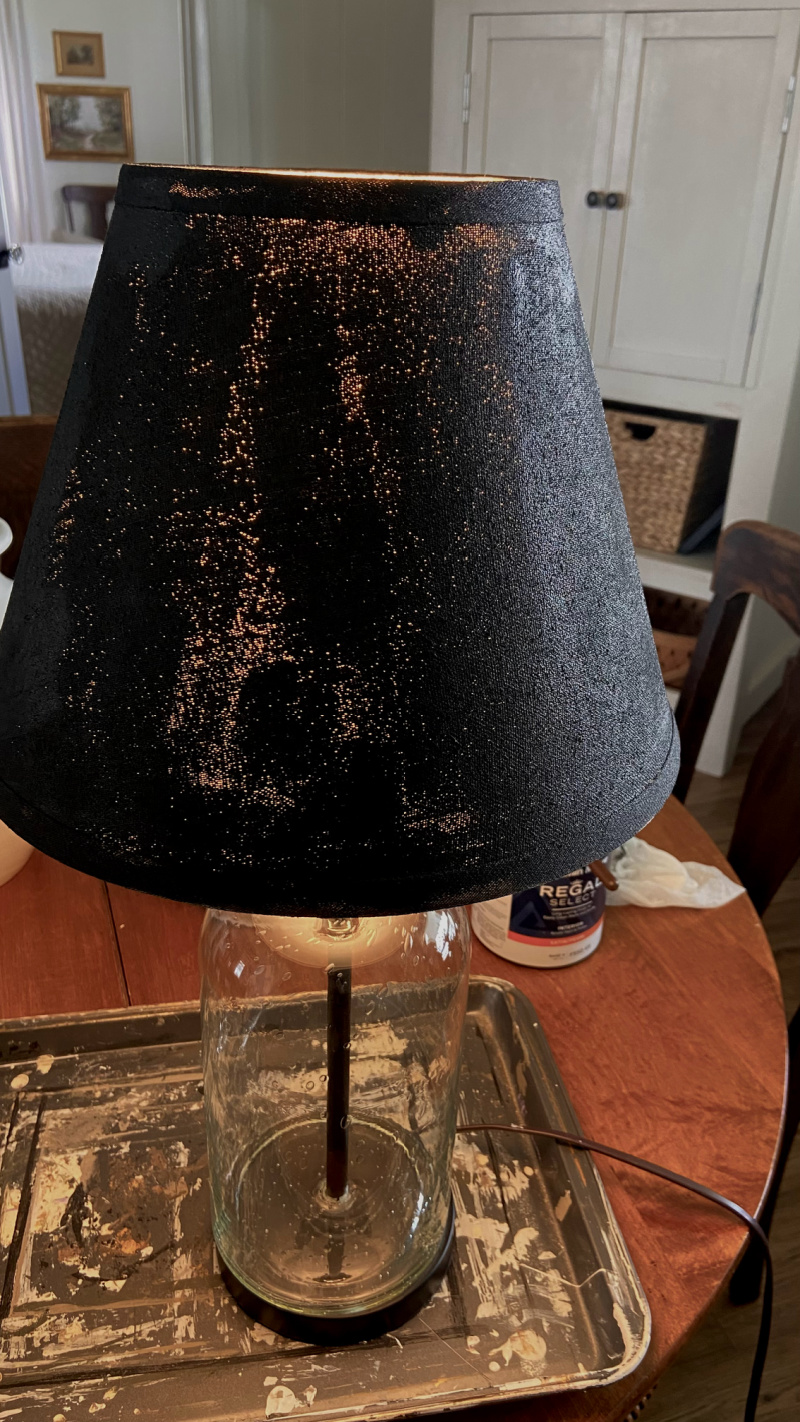
- Shake It Up: Shake your spray paint can vigorously for at least 1-2 minutes to ensure the pigments are well mixed.
- Test Spray: Always do a quick test spray on a piece of cardboard or scrap material. This helps clear the nozzle and get a feel for the spray pattern.
- Consistent Distance: Hold the can consistently 8-12 inches away from the lampshade. Too close, and you’ll get drips; too far, and you’ll get a dusty, uneven finish.
- Light, Even Sweeps: Start spraying off the lampshade, move across in a smooth, continuous motion, and release the nozzle off the other side. Overlap each pass by about 50%. You can spray vertically, horizontally, or both for even coverage.
- Rotate the Shade: If you have a rotating stand, use it! Slowly spin the lampshade as you spray to maintain an even application around its circumference.
- Don’t Oversaturate: Your first coat should be thin, allowing some of the original color to show through. This is normal. Resist the urge to drench it.
Step 6: Multiple Coats & Drying Time
Follow the manufacturer’s instructions for recoat times. This is usually within a specific window (e.g., ‘recoat within 1 hour or after 24 hours’). Applying a second coat too soon outside this window can lead to wrinkling or poor adhesion. Typically, you’ll need 2-4 thin coats for full, opaque coverage. Allow each coat to dry to the touch before applying the next.
Step 7: Apply Sealer/Topcoat (Optional but Recommended)
Once your final color coat is completely dry (usually after a few hours), you can apply a clear protective sealer. Use the same light, even spraying technique as with your paint. A clear coat adds durability, protects against UV fading, and can enhance the finish (e.g., making a matte paint look truly matte or adding a glossy sheen).
Step 8: Cure & Reassemble
While your lampshade may feel dry to the touch in an hour or two, spray paint needs a longer time to fully ‘cure’ and harden. This can take anywhere from 24 hours to several days, or even a week, depending on the paint type, humidity, and temperature. Refer to your paint can’s instructions. During this time, handle the lampshade carefully. Once fully cured, carefully remove any masking tape and reassemble your lamp. Step back and admire your handiwork!
Common Pitfalls & How to Avoid Them
Even with the best intentions, things can go wrong. Here’s how to sidestep common spray painting mishaps.
Drips and Runs: The Enemy of Smooth Finishes
This is the most common beginner mistake. Drips happen when you apply too much paint at once, hold the can too close, or spray too slowly.How to avoid: Always apply multiple thin coats. Keep the can 8-12 inches away and maintain a steady, sweeping motion. If you get a drip while the paint is still wet, you might be able to dab it gently with a soft brush and then re-spray after it’s dried. If it dries, you may need to sand it down and reapply.
Uneven Coverage: Patchy Problems
If your lampshade looks splotchy or uneven, you likely didn’t overlap your passes enough or applied inconsistent coats.How to avoid: Ensure each spray pass overlaps the previous one by about 50%. Use a rotating stand to keep your distance and angle consistent around the entire shade. Be patient and apply enough thin coats until you achieve uniform color.
Paint Bleeding Through Fabric: The Dreaded ‘Shadow’ Effect
Especially with lighter, thinner fabrics, heavy spray paint application can soak through, creating unsightly dark spots or changing the shade’s translucency.How to avoid: Use spray paint specifically formulated for fabric or light coats of all-surface paint. Consider a very light, thin coat of fabric stiffener or Mod Podge before priming, which can create a barrier. Most importantly, apply extremely thin, quick coats and allow ample dry time.
Tackiness or Flaking: When Paint Doesn’t Adhere
If your paint remains sticky or starts peeling off, it’s usually due to improper surface prep (grease, dirt) or using the wrong type of paint for the material. Humidity can also play a role.How to avoid: Always clean your lampshade thoroughly. Use a primer on challenging surfaces like plastic or glossy metal. Ensure you’ve chosen a paint compatible with your lampshade’s material. Avoid painting in high humidity, and always allow adequate curing time.
Fading or Discoloration: Longevity Concerns
Some paints can fade or yellow over time, especially if exposed to direct sunlight.How to avoid: Use a high-quality paint that offers UV protection. Apply a clear topcoat with UV inhibitors to add an extra layer of defense against sun damage.
Beyond a Solid Color: Creative Ideas for Your Painted Lampshade
Once you’ve mastered the basic technique, the creative possibilities are endless. Here are a few ideas to get your inspiration flowing:
Two-Tone & Ombré Effects
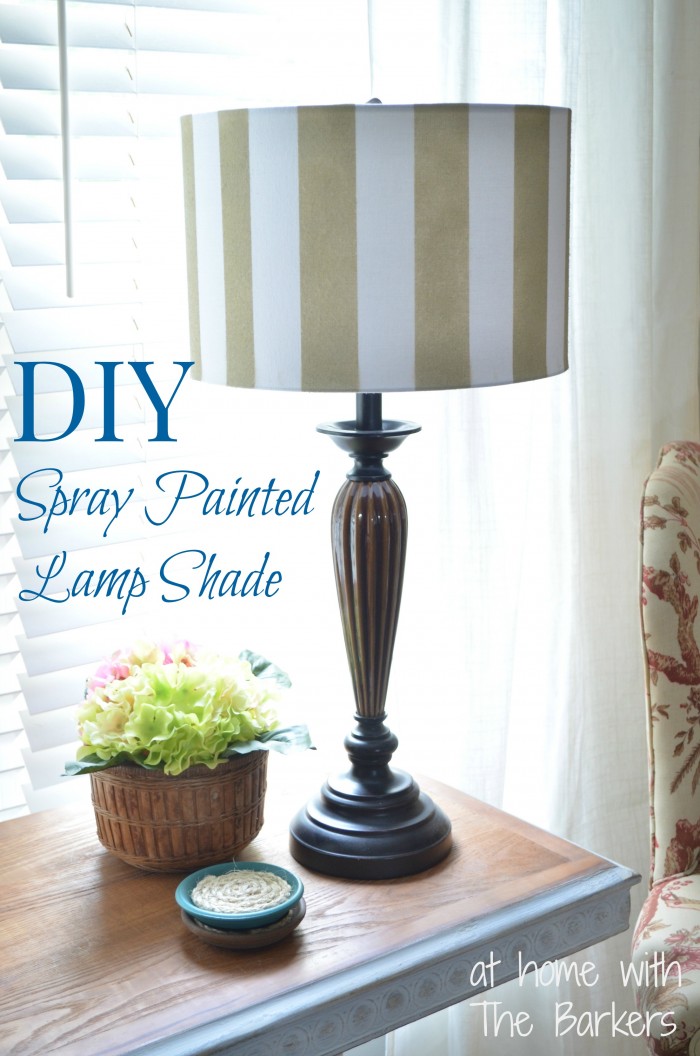
Use painter’s tape to create a crisp line for a two-tone effect. For an ombré, start with one color at the top or bottom, then gradually introduce a second color, allowing them to blend softly in the middle. Practice this technique on scrap material first!
Stenciling & Geometric Patterns
Mask off stripes, chevrons, or other geometric shapes with painter’s tape for a modern look. You can also use stencils for intricate designs. Apply the base color, let it cure, then apply your stencil and spray a contrasting color. Peel tape or stencil off carefully while the paint is still slightly tacky for the cleanest lines.
Metallic Accents & Speckles
Add a touch of glam with metallic spray paints (gold, silver, copper). You can spray the entire shade or just sections. For a speckled effect, hold a contrasting color can further away and lightly mist, allowing small droplets to fall onto the surface.
Matte vs. Gloss Finishes
Play with different sheens. A matte finish can give a sophisticated, modern look, while a high-gloss finish can add a vibrant, reflective pop. You can achieve this with your choice of spray paint or a clear topcoat.
Maintaining Your Newly Painted Lampshade
To keep your revitalized lampshade looking its best, a little care goes a long way. Dust it regularly with a soft, dry microfiber cloth. Avoid harsh chemical cleaners, as they can damage the paint finish. If necessary, a very lightly damp cloth with plain water can be used for spot cleaning, but always test in an inconspicuous area first. Protect your lampshade from prolonged, direct sunlight, especially if you didn’t use a UV-protective topcoat, to prevent fading.
Transforming an old lampshade with spray paint is a rewarding project that combines creativity, sustainability, and serious cost savings. With the right preparation, supplies, and technique, you can achieve results that rival high-end decor. So go ahead, grab that can of paint, and give your lamps a dazzling new lease on life!
Frequently Asked Questions
Can you spray paint any lampshade?
Most lampshades can be spray painted, including those made of fabric, paper, plastic, and metal. The key is choosing the right type of spray paint for your specific material and proper preparation. Very delicate or antique shades might require a more cautious approach.
What kind of spray paint should I use for a fabric lampshade?
For fabric lampshades, look for ‘fabric spray paint’ or a high-quality ‘all-surface’ enamel spray paint. Chalk paint spray can also work well, offering a matte finish. Ensure the paint is flexible enough to avoid cracking or excessive stiffness once dry. Always apply very light coats to prevent oversaturation and stiffness.
How many coats of spray paint do I need?
Typically, you’ll need 2-4 thin coats for full, opaque coverage. The exact number depends on the original color of the lampshade, the new paint color, and the specific paint’s opacity. Always apply thin, even coats, allowing each to dry to the touch before applying the next, rather than trying to achieve full coverage in one heavy coat.
How long does spray paint take to dry on a lampshade?
While spray paint often feels dry to the touch within 15-60 minutes, it needs a much longer time to fully ‘cure’ and harden. This can take anywhere from 24 hours to several days, or even a week, depending on the paint type, humidity, and temperature. Always refer to the paint can’s instructions for specific recoat and full cure times before handling extensively or reassembling.
Will spray paint make my lampshade stiff?
Fabric lampshades can become slightly stiffer after spray painting, especially if too much paint is applied. Using thin, even coats and selecting a paint designed for fabric can minimize stiffness. Paper shades may also become more rigid. Plastic and metal shades will retain their original rigidity.
How do I prevent paint from bleeding through thin lampshade fabric?
To prevent bleeding, apply extremely light, mist-like coats, allowing each to dry completely before the next. Avoid holding the can too close or saturating the fabric. Some people use a very thin coat of fabric stiffener or even a light spray of clear sealer as a primer to create a barrier before applying the color, though testing on an inconspicuous area is advised.
Is it safe to spray paint lampshades?
Yes, it is safe as long as you take proper precautions. Always work in a well-ventilated area (preferably outdoors), wear a respirator or N95 mask to protect your lungs from fumes, and use gloves and safety glasses. Ensure the paint is completely cured before prolonged use of the lamp, as some lingering odors may occur until fully off-gassed.