The Definitive Guide to the Best Interior Paint Colors for Your Home: Choose Wisely, Live Beautifully
Staring at dozens of paint swatches, feeling overwhelmed? You’re not alone. Choosing the “best” interior paint colors for your home can feel like a monumental task, but it’s one of the most impactful decisions you’ll make for your living space. The right colors don’t just decorate; they transform, define mood, enhance light, and tie your entire home together. Forget chasing fleeting trends; this guide will equip you with a strategic roadmap to select colors that truly resonate with your style, your home’s unique character, and your lifestyle.
There’s no single “best” color, but there’s definitely a best approach. We’re going to cut through the noise, helping you understand the foundational principles that allow you to pick colors with confidence, ensuring a cohesive and beautiful home interior you’ll love for years.
Beyond the Hype: Understanding the Core Principles of Color Selection
Before we dive into specific color recommendations, let’s establish the bedrock of intelligent color choice. These principles are what separate a truly successful palette from a collection of random good ideas.
The Psychology of Color: Setting the Mood in Every Room
Colors are more than just pigments on a wall; they’re powerful psychological triggers. Understanding their impact is crucial for creating the right atmosphere in each space:
- Warm Colors (Reds, Oranges, Yellows, Warm Browns): These hues are invigorating, cozy, and can make a large room feel more intimate. They stimulate conversation and appetite, making them great for dining rooms or lively living spaces. However, too much warmth can feel overwhelming or make a room seem smaller.
- Cool Colors (Blues, Greens, Purples): Known for their calming, serene, and spacious qualities. Blues are excellent for bedrooms and bathrooms, promoting relaxation. Greens connect us with nature and can be very balancing. Cool colors can make smaller rooms feel larger and bring a sense of tranquility. Overuse can sometimes feel cold or impersonal.
- Neutrals (Whites, Grays, Beiges, Greiges): The ultimate chameleons, neutrals provide a versatile backdrop that allows your furniture, art, and decor to shine. They create a sense of sophistication and flow, making them ideal for whole-house palettes. Their subtle undertones dictate whether they lean warm or cool.
Decoding Light: Your Home’s Truest Color Influencer
Light is the single most important factor affecting how a paint color appears in your home. It’s why a color you love in one room might look entirely different in another, or even change drastically throughout the day.
- Natural Light:
- North-Facing Rooms: Receive cooler, softer, indirect light. Colors here can look dull or grayed out. Opt for warmer colors or colors with warm undertones to counteract the coolness.
- South-Facing Rooms: Bathed in bright, warm light all day. Most colors will look great here, but very warm colors can become overpowering. Cooler colors can help balance the warmth.
- East-Facing Rooms: Get bright, warm light in the morning, which shifts to cooler, shadier light in the afternoon. Consider colors that can transition well, or embrace the morning warmth with a balanced neutral.
- West-Facing Rooms: Receive warm, intense light in the afternoon and evening. Colors will look much warmer later in the day. Cooler colors can help tame this intensity.
- Artificial Light:
- Incandescent/Warm White LEDs: Emit a yellowish glow, enhancing warm colors and making cool colors appear duller.
- Cool White/Daylight LEDs: Emit a bluer light, making cool colors crisper and warm colors appear flatter or cooler.
- Dimmable lighting allows you to control the mood, but be aware of how the color temperature affects your paint.
Undertones are Everything: The Secret to Avoiding “Wrong” Colors
This is where many people get tripped up. A paint color isn’t just “gray” or “white”; it has subtle underlying hues, called undertones, that reveal themselves under different lighting conditions or when placed next to other colors. Ignoring undertones is how you end up with a “gray” wall that suddenly looks purple, or a “white” that feels sickly yellow.
:strip_icc()/BEHR_LIVINGROOM_KM_004_CottonKnit-8a73e4b0ebc54f74b6098bdf3696c5fc.jpg "50 Living Room Paint Colors")
- Cool Undertones: Blue, green, violet. These are often present in grays, some whites, and certain cool-leaning neutrals.
- Warm Undertones: Yellow, red, orange, brown. You’ll find these in beiges, warmer whites, and greiges.
The key is to identify the undertones in your existing fixed elements (flooring, cabinetry, countertops) and choose paint colors that complement them, either by harmonizing (matching undertones) or providing a pleasing contrast.
The Reign of Neutrals: Your Whole-House Palette Foundation
Neutrals aren’t boring; they’re the sophisticated backbone of a beautiful home. They provide cohesion, allow your decor to shine, and create a calm, expansive feel. When chosen correctly, they are anything but bland.
The Art of White: More Than Just “White”
White is incredibly versatile, but it’s also the most complex neutral. There are thousands of whites, each with distinct undertones that dictate its warmth or coolness.
- Bright, Crisp Whites: Think Benjamin Moore’s Chantilly Lace (OC-65) or Sherwin-Williams’ Pure White (SW 7005). These have very subtle cool or no discernible undertones and are perfect for modern spaces, trim, and ceilings when you want a clean, gallery-like feel. They can sometimes feel stark in north-facing rooms.
- Soft, Creamy Whites: Sherwin-Williams’ Alabaster (SW 7008) or Valspar’s Swiss Coffee (7002-16) fall into this category. They carry warm, often yellow or cream undertones, making them feel inviting and soft, preventing a room from feeling sterile. Excellent for farmhouse, traditional, or cozy aesthetics.
- Off-Whites: These whites have a touch more pigment, often leaning towards a very light greige or beige. Benjamin Moore’s Classic Gray (OC-23) is a fantastic example – it’s so light it often reads as a soft, warm off-white. Behr’s Blank Canvas (DC-003) is another popular warm off-white. They offer depth without being a strong color.
Gray Areas: Navigating the Most Popular Neutral
Gray has dominated interiors for years, and for good reason: it’s chic, modern, and provides a soothing backdrop. But gray is notorious for its sneaky undertones.
- True Grays: These are rare and can often feel cold. Most popular grays have discernible undertones.
- Warm Grays (Greige): These are the crowd-pleasers. Colors like Sherwin-Williams’ Agreeable Gray (SW 7029) or Benjamin Moore’s Revere Pewter (HC-172) blend gray with beige, creating a balanced, versatile neutral that rarely feels too cold or too warm. They often have green or subtle violet undertones.
- Cool Grays: Grays with blue or green undertones, such as Sherwin-Williams’ Repose Gray (SW 7015) (which can read as a slightly cooler greige) or even Sea Salt (SW 6204) (which is really a green-blue-gray chameleon). These are fantastic for serene bedrooms or bathrooms but can feel chilly in rooms lacking natural light.
Beige is Back (But it’s Different Now)
Forget the dated, yellow-orange beiges of the 90s. Today’s beiges are sophisticated, muted, and often lean towards greige. Sherwin-Williams’ Accessible Beige (SW 7036) is a prime example: a true greige that offers warmth without being overly yellow, making it incredibly versatile and a favorite for open-concept homes.
Greige: The Best of Both Worlds
Greige is the gold standard for many homeowners seeking a balanced neutral. It takes the best qualities of gray (modern, sophisticated) and beige (warm, inviting) and blends them seamlessly. It’s the ultimate choice for creating a cohesive flow throughout an entire home, as it adapts well to different lighting conditions and existing finishes.

Popular Neutral Paint Colors: A Cross-Brand Comparison
| Color Name | Brand | Primary Undertone | Best Use Case | Notes |
|---|---|---|---|---|
| Agreeable Gray (SW 7029) | Sherwin-Williams | Warm Gray / Greige (green/tan) | Whole Home, Living Areas, Bedrooms | Extremely versatile, adapts well to most lighting. |
| Repose Gray (SW 7015) | Sherwin-Williams | Cool Greige (blue/green) | Modern Spaces, Bathrooms, Offices | Can lean slightly cooler than Agreeable, very sophisticated. |
| Accessible Beige (SW 7036) | Sherwin-Williams | Warm Beige / Greige (green/gray) | Traditional & Cozy Homes, Open Concepts | A true greige that leans more beige, but not overly yellow. |
| Alabaster (SW 7008) | Sherwin-Williams | Soft Warm White (yellow/cream) | Walls, Trim, Cabinetry, Farmhouse/Boho | Not stark, very inviting and gentle. Popular choice for ceilings. |
| Chantilly Lace (OC-65) | Benjamin Moore | Crisp Clean White (hint of blue) | Modern, Bright Spaces, Trim, Ceilings | Considered one of the cleanest, truest whites available. |
| Revere Pewter (HC-172) | Benjamin Moore | Warm Gray / Greige (green/yellow/brown) | Living Areas, Historic Homes, Entryways | A classic, sophisticated greige with good depth. |
| Classic Gray (OC-23) | Benjamin Moore | Soft Warm Gray (violet/greige) | Bedrooms, Bathrooms, Transitional Spaces | Reads as a very light, elegant off-white in many lights. |
| Blank Canvas (DC-003) | Behr | Warm Off-White (cream/greige) | Contemporary, Inviting Spaces, Whole Home | Behr’s 2023 Color of the Year, versatile and comforting. |
| Swiss Coffee (7002-16) | Valspar | Creamy Off-White (yellow/gold) | Bohemian, Farmhouse, Cozier Interiors | Richer, warmer off-white that feels very natural and welcoming. |
Color by Room: Strategic Choices for Every Space
While a cohesive whole-house palette is excellent, certain rooms benefit from specific color considerations to enhance their function and feel.
Living Room: The Heart of the Home
Your living room is where people gather, relax, and socialize. Colors here should be inviting and versatile. Soft greiges like Agreeable Gray or Revere Pewter provide an elegant backdrop. Warm whites like Alabaster or a gentle sage green can create a calm, sophisticated atmosphere. If you have an open concept, ensure your living room color flows smoothly into adjacent spaces.
Bedrooms: Your Sanctuary
The bedroom is for rest and rejuvenation. Focus on calming and relaxing hues. Soft blues (think a muted sky blue or a dusty blue), serene greens (like a light sage or eucalyptus), and gentle grays are perfect. Warm whites can also create a tranquil, spa-like environment. Avoid overly stimulating reds or bright yellows.
Kitchen & Dining: Energy Meets Appetite
Kitchens should feel fresh, clean, and functional. Crisp whites like Chantilly Lace or light grays often work beautifully, especially with popular white or gray cabinetry. For dining areas, warmer tones (subtle yellows, creams, or even a soft terra cotta) can stimulate conversation and appetite, while deep blues or greens offer a more sophisticated, intimate dining experience.
Bathrooms: Spa-like Retreats
Aim for serene and clean in the bathroom. Light blues, greens (Sherwin-Williams’ Sea Salt is a perennial favorite for its spa-like qualities), and crisp whites are excellent choices. Consider the lighting carefully, as bathrooms often have limited natural light. A higher sheen paint (satin or semi-gloss) is recommended for durability and moisture resistance.
Home Office: Focus & Productivity
For a home office, colors that promote calm and concentration are key. Muted blues and greens can reduce stress and enhance focus. Sophisticated neutrals, even a deeper charcoal gray, can create a serious yet stylish workspace. Avoid overly distracting or vibrant colors.
Hallways & Entryways: First Impressions & Flow
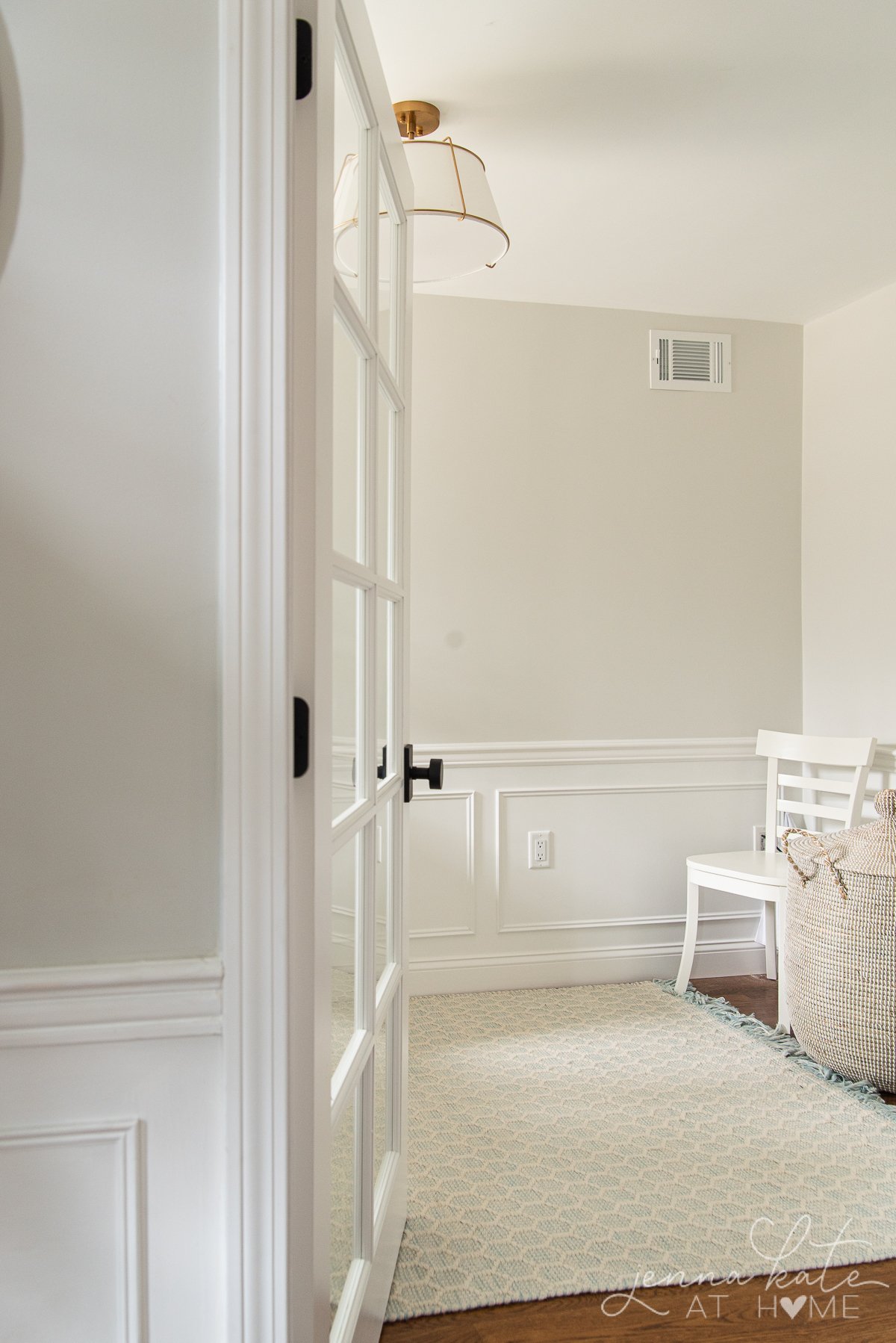
These transitional spaces are crucial for setting the tone and ensuring good flow. A consistent neutral (your chosen whole-house color) is often the best choice to connect different rooms. Opt for a more durable sheen like eggshell or satin, as these areas experience high traffic.
Putting It All Together: Your Step-by-Step Selection Process
Now that you understand the principles and popular choices, here’s how to confidently select the best paint colors for your home.
Step 1: Gather Inspiration (Not Just Swatches!)
Start broad. Scroll through Pinterest, browse interior design magazines, look at homes you admire. Don’t just look for colors; look for rooms that evoke the feeling you want to create. Pay attention to how colors interact with furniture, textiles, and art.
Step 2: Consider Your Fixed Elements
Your walls don’t exist in a vacuum. Take stock of your home’s existing fixed elements: flooring (hardwood, carpet, tile), countertops, cabinetry, trim, and large pieces of furniture. Do they have warm or cool undertones? Your paint color should harmonize or provide a thoughtful contrast with these elements. For instance, if you have warm oak floors, a cool gray paint might clash unless thoughtfully balanced.
Step 3: Analyze Your Lighting
We’ve stressed this, but it bears repeating. Observe how the natural light enters each room throughout the day. Turn on your artificial lights. Do your bulbs emit a warm or cool glow? This will profoundly impact how your chosen color appears.
Step 4: Pick a Few Contenders (And Their Undertones)
Based on your inspiration, fixed elements, and lighting analysis, narrow down your choices to 3-5 potential colors. For each, research its primary undertone. This will help you predict how it might behave in your space.
Step 5: Sample, Sample, Sample!
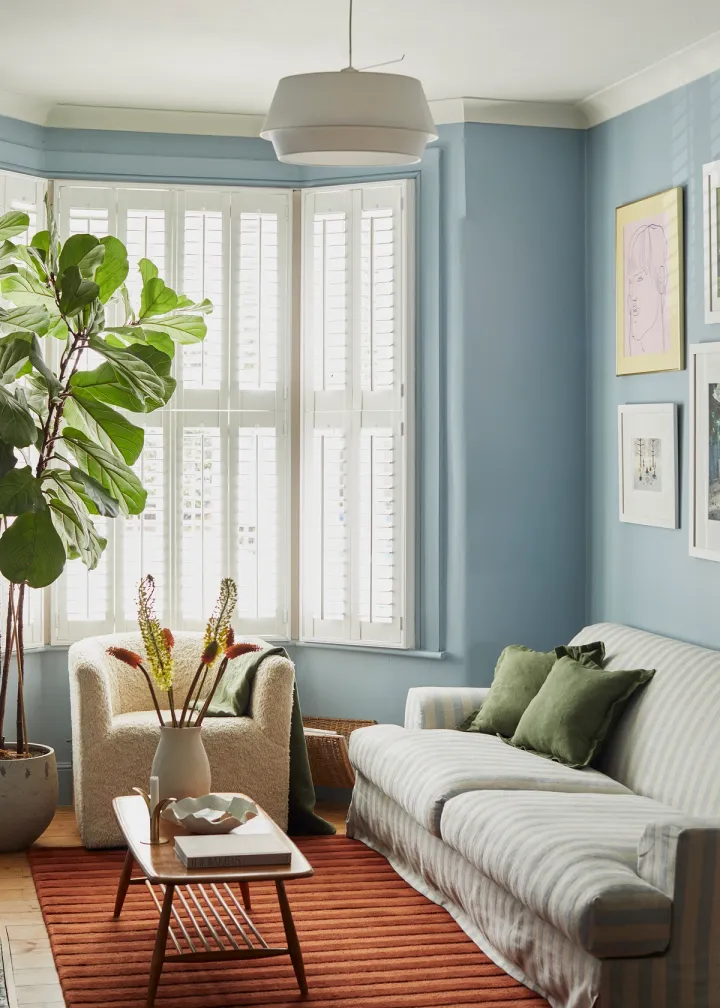
This is the most critical step. DO NOT rely on tiny paint chips. Purchase sample pots of your top contenders. Paint large swatches (at least 2’x2′) directly on your walls, or on large poster boards you can move around the room. Paint two coats. Observe them throughout different times of day and under both natural and artificial light. See how they look against your trim, furniture, and flooring. What looks perfect at noon might be a disaster under evening lamps.
Step 6: Choose Your Sheen Wisely
The finish, or sheen, of your paint impacts both its appearance and durability.
- Flat/Matte: Offers a sophisticated, non-reflective look that hides wall imperfections beautifully. Ideal for low-traffic areas like formal dining rooms or ceilings. Less durable and harder to clean.
- Eggshell/Satin: The most popular choice for interior walls. It has a slight sheen, is more durable than flat, and much easier to clean. Excellent for living rooms, bedrooms, and hallways.
- Semi-Gloss/Gloss: Highly durable with a noticeable shine. Perfect for trim, doors, cabinetry, and high-moisture areas like bathrooms or kitchens where easy cleaning is paramount.
Timeless vs. Trendy: Investing in Longevity
While it’s fun to keep an eye on current paint color trends (like the resurgence of earthy greens or subtle terracotta hues), building your home’s foundational palette around them can be risky. Trends fade, and repainting your entire home every few years is neither practical nor cost-effective.
Our advice: Invest in a timeless neutral backdrop. This allows you to incorporate trends through more easily changeable elements like throw pillows, artwork, rugs, and decor. A classic greige, a warm white, or a soft, unobtrusive gray will provide a sophisticated canvas that adapts to evolving styles, ensuring your home feels current without being dated.
The Best Paint Colors for Your Home’s Interior: Top Picks and Popular Choices
Pulling from designer favorites and homeowner successes, here are some of the most consistently lauded interior paint colors that provide both beauty and versatility.
Top Neutral Picks (Universally Loved)
- Sherwin-Williams Agreeable Gray (SW 7029): The reigning champion of versatile greiges. It truly is agreeable, working well in almost any light and complementing a wide range of decor styles.
- Sherwin-Williams Repose Gray (SW 7015): A slightly cooler greige than Agreeable Gray, with subtle blue/green undertones. Fantastic for a more modern, serene feel.
- Sherwin-Williams Accessible Beige (SW 7036): If you prefer a beige that isn’t too yellow and has a touch of gray sophistication, this is your go-to. It’s warm, inviting, and highly adaptable.
- Sherwin-Williams Alabaster (SW 7008): A beautiful, soft, warm white that avoids being stark. Perfect for creating a cozy yet bright atmosphere, whether on walls or trim.
- Sherwin-Williams Pure White (SW 7005): A crisp, clean white that works as an excellent trim color or for walls where you want maximum brightness without strong undertones.
- Benjamin Moore Revere Pewter (HC-172): A classic, slightly darker greige with a sophisticated feel. It has a beautiful depth and plays well in both traditional and transitional homes.
- Benjamin Moore Chantilly Lace (OC-65): Often cited as one of the purest, brightest whites. Use it when you want a truly clean, crisp white for walls, ceilings, or trim.
- Benjamin Moore Classic Gray (OC-23): A very light, soft gray that often reads as a warm off-white. It’s incredibly elegant and perfect for a subtle, ethereal look.
- Behr Blank Canvas (DC-003): Behr’s 2023 Color of the Year, this is a warm off-white with subtle greige undertones, offering a comforting and versatile backdrop.
- Valspar Swiss Coffee (7002-16): A rich, creamy off-white that brings warmth and coziness without being overly yellow. Great for a natural, inviting feel.
Our Favorite Undertone Chameleon: Sherwin-Williams Sea Salt (SW 6204)
While often categorized as a cool gray or green, Sea Salt is a magical color that shifts beautifully depending on the light. It’s a soft, muted green-blue-gray that evokes a spa-like tranquility. It can look more green, more blue, or more gray, making it incredibly captivating and perfect for bathrooms, bedrooms, or any space where you want a serene, fresh feel.

Bold Accents & Deeper Hues (Used Strategically)
Don’t be afraid to introduce bolder colors, but do so thoughtfully. Deep blues (like navy), rich forest greens, or sophisticated charcoal grays can create stunning accent walls, define a specific zone in an open concept, or add drama to a powder room or study. These colors work best when balanced with lighter neutrals and ample lighting.
Choosing interior paint colors is a journey, not a sprint. By understanding the interplay of light, psychology, and undertones, and by thoroughly testing your choices, you’re not just picking a color – you’re crafting an experience. Trust your instincts, lean on these principles, and create a home that truly reflects you.
Frequently Asked Questions
What are the most popular neutral paint colors for a whole house interior?
The most popular neutral paint colors for a whole house interior tend to be versatile greiges, soft grays, and warm off-whites. Top picks include Sherwin-Williams Agreeable Gray (SW 7029) and Accessible Beige (SW 7036), Benjamin Moore Revere Pewter (HC-172), and Sherwin-Williams Alabaster (SW 7008). These colors adapt well to different lighting conditions and blend seamlessly from room to room.
How do I choose the right white paint color for my walls?
Choosing the right white paint involves understanding its undertones. For a crisp, modern look, opt for whites with cool or no discernible undertones like Benjamin Moore Chantilly Lace (OC-65). For a softer, cozier feel, go for warm whites with yellow or cream undertones, such as Sherwin-Williams Alabaster (SW 7008) or Valspar Swiss Coffee (7002-16). Always consider your room’s natural light, as it significantly impacts how white appears.
What is the difference between flat, eggshell, and semi-gloss paint finishes?
Paint finishes, or sheens, vary in reflectivity and durability. Flat (or matte) paint has no shine, hides imperfections well, but is less durable and harder to clean, ideal for low-traffic areas or ceilings. Eggshell and satin have a slight sheen, are more durable, and easier to clean, making them popular for walls in living rooms and bedrooms. Semi-gloss and gloss have a high sheen, are very durable, and are best for trim, doors, and high-moisture areas like bathrooms and kitchens.
How important are undertones when selecting paint colors?
Undertones are critically important! They are the subtle hues (blue, green, yellow, red, violet) within a main color that become apparent in different lighting or next to other colors. Ignoring undertones can lead to a ‘gray’ looking purple or a ‘white’ appearing yellow. Always identify the undertones in your existing fixed elements (flooring, cabinetry) and choose paint colors that complement them to create a harmonious space.
Should I choose different paint colors for every room or a consistent whole-house palette?
This depends on your preference and home’s layout. A consistent whole-house palette, often using a versatile neutral like greige or a warm off-white, creates a cohesive flow and makes your home feel larger and more connected, especially in open-concept layouts. You can introduce variations in different rooms through accent walls or by using slight shifts in tone. However, for distinct rooms like bedrooms or bathrooms, choosing specific colors that enhance their function (e.g., calming blues for a bedroom) is also a popular and effective strategy.
How can I effectively test paint colors before committing?
To effectively test paint colors, purchase sample pots and paint large swatches (at least 2’x2′) directly onto your walls or on large poster boards that can be moved around. Paint two coats. Observe these samples throughout the day and evening, under both natural and artificial light. See how they look against your existing furniture, flooring, and trim. This allows you to experience the color’s true appearance in your specific home environment.
What are some good paint colors for a small room to make it feel larger?
To make a small room feel larger, opt for lighter, cooler colors. Crisp whites, very light grays, soft blues, and muted greens can visually expand a space and make it feel more airy. Using a single light color on both walls and trim can also create a seamless look, enhancing the illusion of space.