The Definitive Guide to Choosing the Best Paint Colours for Your Bedroom Walls
Ever walked into your bedroom, looked at the walls, and felt… *underwhelmed? Or worse, actively stressed? Your bedroom isn’t just a place to sleep; it’s your personal sanctuary, your retreat from the world, and the right paint colour can transform it from just a room into a truly restorative haven. But with an endless spectrum of shades out there, how do you pick ‘the one’?
Choosing the best paint colour for your bedroom walls can feel overwhelming. You want a shade that promotes relaxation, reflects your personality, and perhaps even makes your space feel bigger or brighter. Forget fleeting trends for a moment, and let’s dive into the timeless principles of colour psychology, practical considerations, and expert insights that will help you find the absolute perfect hue for your sleep space.
Ready to unlock the secrets to a beautifully painted bedroom? Let’s get started.
Discover Your Perfect Sanctuary: Matching Colours to Moods
The single most important factor in choosing your bedroom paint is the mood you want to evoke. Do you crave a tranquil escape, an energizing morning start, or a cozy, romantic hideaway? Your walls are the biggest canvas, so let’s paint the scene.
Creating a Calming Oasis: Colours for Relaxation & Better Sleep
For most of us, the bedroom’s primary function is rest and rejuvenation. These colours are scientifically proven to promote calm and help you unwind.
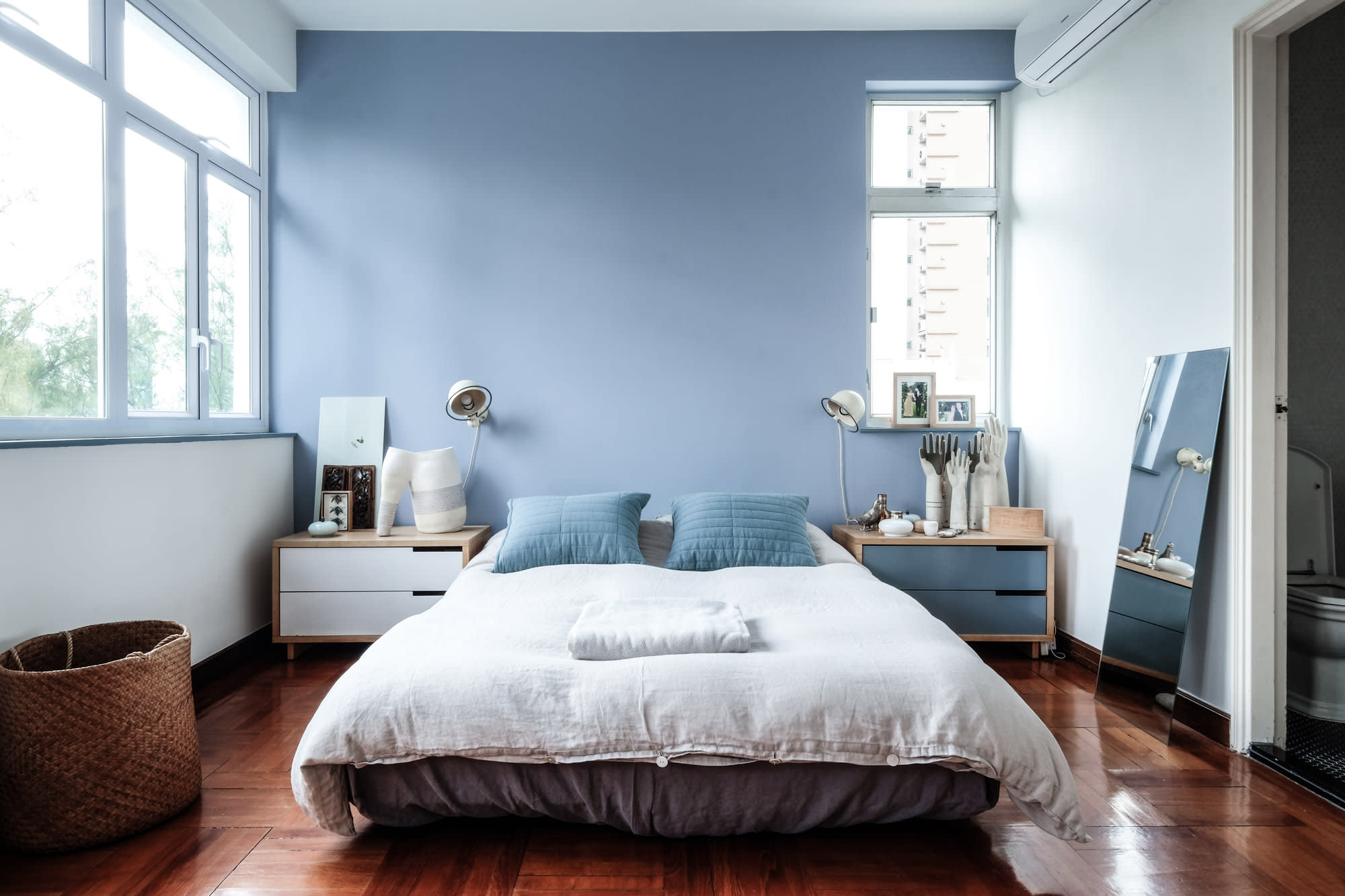
- Soft Blues: Think of the vast sky or a tranquil lake. Soft, muted blues, like a hazy sky blue, dusty periwinkle, or a gentle robin’s egg, are phenomenal for promoting feelings of peace and serenity. They lower heart rate and blood pressure, making them ideal for a restful sleep environment. Avoid overly vibrant or dark blues that can feel cold or somber.
- Sage Greens: Nature’s most calming hue. Sage, eucalyptus, or a muted olive green connects us to the outdoors, bringing a sense of balance and harmony. Greens are universally relaxing and can reduce anxiety. They’re incredibly versatile and pair beautifully with both warm and cool accents.
- Warm Grays & Greiges: While true grays can sometimes feel cold, ‘greige’ (a mix of gray and beige) or grays with warm undertones (think slight brown or yellow hints) offer sophisticated tranquility. They provide a neutral backdrop that feels grounded and serene without being stark. They allow other elements in the room, like textiles and artwork, to shine.
- Gentle Lavenders & Lilacs: These soft purples, particularly those with a strong gray undertone, are known for their calming properties. Lavender is often associated with aromatherapy for sleep and relaxation. In its muted forms, it can create a dreamy, soft, and slightly romantic atmosphere without being overly feminine.
Infusing Energy & Optimism: Brighter Hues for a Morning Lift
If you struggle to wake up or want your bedroom to feel bright and cheerful, certain colours can offer a subtle boost without being overly stimulating.
- Soft Yellows: A buttery or pale lemon yellow can bring sunshine into your room, even on a cloudy day. It’s uplifting and cheerful without being jarring. Use it sparingly or opt for the palest tints to avoid overstimulation, especially if you’re sensitive to light.
- Muted Corals & Peaches: These warm, inviting shades are softer alternatives to traditional oranges. They evoke a feeling of warmth, happiness, and friendliness. A dusty coral or a light apricot can make your bedroom feel cozy and embraceable, perfect for a gentle morning wake-up.
- Light Teal: A captivating blend of blue and green, light teal can be both invigorating and calming. It’s reminiscent of tropical waters and can infuse a room with a fresh, crisp energy that’s still conducive to relaxation. It’s a fantastic choice for those who want a colour that feels vibrant yet sophisticated.
Romance & Intimacy: Shades for a Cozy Retreat
For a bedroom that feels luxurious, intimate, and deeply personal, consider colours that wrap you in warmth.
:strip_icc()/JetStream814-e85aa25624124da2a51aa16be0d25c8d.jpg "25 Calming Bedroom Paint Colors for a Restful Retreat")
- Blush Pinks: Not just for nurseries! A sophisticated blush pink, often with a hint of beige or peach, can be incredibly elegant and romantic. It’s warm, inviting, and fosters a sense of comfort and intimacy. Pair it with deeper tones like charcoal or even a dark green for a truly elevated look.
- Deep Burgundies & Plums: For a bold, dramatic statement, these rich, jewel-toned colours can create an incredibly luxurious and intimate atmosphere. Best used on an accent wall or in bedrooms with ample natural light to prevent the room from feeling too dark or enclosed. They add a touch of old-world charm and depth.
- Warm Taupes: A slightly darker, richer cousin to greige, warm taupe is a sophisticated neutral with a hint of brown or purple. It feels grounding, cozy, and incredibly inviting, making it perfect for a cocoon-like bedroom retreat.
The Power of Neutrals: Versatility for Any Style
Never underestimate the timeless appeal and versatility of neutrals. They provide a blank canvas, allowing you to play with textures, art, and furniture, and can create a truly serene space.
- Crisp Whites: From bright optic white to softer, creamy whites, this classic choice is clean, fresh, and makes any room feel larger. The key is to pay attention to undertones: a white with a yellow or beige undertone will feel warmer and softer, while a blue or gray undertone will feel crisper and more modern.
- Cream & Ivory: These are warmer alternatives to pure white, offering a softer, more inviting glow. They evoke comfort and classic elegance, providing a gentle backdrop that won’t compete with other decor. Perfect for a cozy, traditional, or farmhouse aesthetic.
- Light Grays (Cool vs. Warm): Light gray is undeniably chic. Cool grays (with blue or violet undertones) are sophisticated and modern, while warm grays (with green or brown undertones) are softer and more inviting. Consider your existing furniture and lighting when choosing.
- Beiges & Taupes: The original warm neutrals. Modern beiges and taupes have moved away from overly yellow or pink hues, offering sophisticated, earthy tones that are incredibly grounding and relaxing. They create a cozy, organic feel that pairs well with natural materials.
Beyond the Hue: Practical Factors That Shape Your Choice
Colour isn’t the only consideration. Your bedroom’s unique characteristics, like its size, natural light, and even the type of paint finish, will significantly impact how your chosen colour looks and feels.
Understanding Your Room’s Lighting: Natural vs. Artificial
Light is a game-changer. What looks perfect in the paint store might look completely different in your room. This is due to both natural and artificial light sources.
- North-Facing Rooms: These rooms typically receive cooler, indirect light throughout the day. To counteract this, opt for warmer colours (creams, warm grays, soft yellows, peachy tones) to prevent the space from feeling too cold.
- South-Facing Rooms: These rooms are bathed in warm, bright light all day. You have more flexibility here. Cooler tones (blues, greens, cool grays) can feel refreshing, while warmer tones will feel even cozier.
- East-Facing Rooms: Enjoy bright, warm morning light, which then fades to cooler light in the afternoon. Colours that look great in natural light (like soft blues or greens) will transition well, perhaps appearing a bit more muted later in the day.
- West-Facing Rooms: Get soft, indirect light in the morning, followed by intense, warm light in the afternoon/evening. This is where warm neutrals and soft, earthy tones can truly glow, while cooler colours might feel washed out in the morning and vibrant in the evening.
- Impact of Artificial Light: LED bulbs come in various colour temperatures (warm white, cool white, daylight). Warm white bulbs (2700K-3000K) enhance warm paint colours, while cool white/daylight bulbs (4000K+) can bring out cooler undertones and make colours appear crisper.
Maximizing Space: Colours for Small Bedrooms
Want your bedroom to feel larger and more open? Colour can be your secret weapon.
- Light, Airy Colours: Pale shades reflect more light, making walls recede and creating an illusion of space. Think whites, light grays, soft blues, and very pale greens.
- Monochromatic Schemes: Using varying shades of the same colour (e.g., a lighter shade on walls, a slightly deeper shade on bedding) blurs lines and creates a seamless flow, making the room feel less chopped up and thus larger.
- Strategic Use of Feature Walls: While generally not recommended for small rooms, a very subtle feature wall (e.g., a slightly darker shade of the main wall colour) can add depth without overpowering. Avoid dark, bold feature walls in tiny spaces.
The Magic of Undertones: Why Your Paint Looks Different at Home
This is where many people get tripped up! Every colour has an undertone – a subtle hint of another colour that influences how it appears. A ‘gray’ can have blue, green, or even purple undertones. A ‘white’ can be warm (yellow/beige undertone) or cool (blue/gray undertone).
- Identifying Undertones: Look at the darkest shade on a paint strip; it often reveals the undertone. Or, compare it to a pure primary colour. Does it lean a bit yellow? A bit blue?
- How Undertones Interact: Your wall colour’s undertone needs to harmonize with the undertones of your flooring, furniture, and existing decor. A cool gray paint with a warm beige carpet can create an unsettling visual clash.
Choosing the Right Paint Finish: Sheen Matters
The finish (or sheen) of your paint affects durability, how light reflects off the wall, and the overall aesthetic.
- Matte/Flat: Has no sheen, provides a velvety, sophisticated look. It’s excellent for hiding imperfections on walls but is less durable and harder to clean. Ideal for low-traffic bedrooms.
- Eggshell/Satin: Offers a subtle, low-level sheen. More durable and easier to clean than flat, making it a popular choice for bedrooms. It still provides a soft look but holds up better to daily life.
- Semi-Gloss: High sheen, very durable, and highly washable. Generally too shiny for entire bedroom walls, but perfect for trim, doors, and baseboards, where durability and easy cleaning are key.
The Role of Existing Decor & Furniture
Your paint colour shouldn’t exist in a vacuum. Consider what you already have:
:max_bytes(150000):strip_icc()/Haywoodmade-7_11_23-9-9862376265fd401f87ace8fc1c5f45b0.jpg "18 Bedroom Paint Colors That Will Turn Your Space Into a Haven")
- Working with What You Have: Do you have a beloved headboard, a patterned rug, or artwork that you can’t part with? Pull colours from these existing elements to create a cohesive palette.
- Creating a Cohesive Palette: Your paint colour is just one piece of the puzzle. Ensure it harmonizes with your bedding, curtains, floor, and furniture to create a unified and calming space.
Your Bedroom Paint Colour Cheat Sheet: Quick Reference Table
Here’s a handy guide to help you quickly narrow down your choices based on common bedroom needs.
| Colour Family | Primary Mood Achieved | Best for Room Size | Best for Light (Direction) | Ideal Finish | Key Considerations |
|---|---|---|---|---|---|
| Soft Blues | Calm, Serene, Peaceful | All sizes (especially small) | South/East (can cool warm light), North (choose warmer blues) | Matte, Eggshell | Avoid overly bright/cold blues. Pair with warm neutrals. |
| Sage Greens | Balanced, Natural, Restorative | All sizes | All directions (very versatile) | Matte, Eggshell | Ensure it has a muted, earthy quality, not too vibrant. |
| Warm Grays/Greiges | Sophisticated, Grounding, Tranquil | All sizes | North (adds warmth), South (provides balance) | Matte, Eggshell | Check undertones carefully to match existing decor. |
| Gentle Lavenders | Dreamy, Soothing, Romantic | Medium to large | East/South (can handle warmer light) | Matte, Eggshell | Opt for muted, grayed-down versions to avoid childish feel. |
| Soft Yellows | Cheerful, Uplifting, Inviting | All sizes (especially North-facing rooms) | North (adds warmth), West (amplifies evening glow) | Eggshell, Satin | Choose very pale, creamy shades; avoid neon or primary yellows. |
| Blush Pinks | Warm, Intimate, Elegant | All sizes | North (adds warmth), South (balances intense light) | Matte, Eggshell | Look for dusty or beige-toned blushes for sophistication. |
| Crisp/Warm Whites | Clean, Fresh, Expansive | All sizes (excellent for small rooms) | Warm whites for North; crisp whites for South. | Matte, Eggshell | Crucial to test for undertones (yellow, blue, gray). |
Seamless Selection: My Expert Tips for Picking Paint with Confidence
With all this information, you’re better equipped than ever. But here are a few final, crucial tips from a designer’s playbook to make your decision truly foolproof.
Test, Test, Test: The Swatch Strategy
This is non-negotiable. Do NOT pick a colour from a tiny paint chip. Buy sample pots of your top 2-3 choices. Paint large (at least 2’x2′) swatches on different walls in your bedroom. Observe them throughout the day and night under various lighting conditions. See how they interact with your existing furniture and flooring. This small step saves huge headaches and potential re-painting costs.
Don’t Forget the Ceiling!
Most people default to white ceilings, which is fine, but don’t limit yourself! Painting the ceiling a slightly lighter tint of your wall colour can create a more enveloping, cozy, and cohesive feel, making the room seem taller or simply more intentional. For truly dramatic effect, a dark ceiling can make a large room feel more intimate, but use with caution.
Complementary Colours & Accent Walls
If you love a bold colour but fear it might be too much for all four walls, an accent wall is your friend. Choose the wall you want to highlight (often the wall behind the headboard) and paint it in your daring shade. Then, select a complementary, softer colour for the other three walls. This adds personality without overwhelming the space. Consider colours from different families (e.g., a warm blush with a cool sage green) for dynamic contrast.
Trust Your Gut (and Your Sleep Needs)
Ultimately, this is your bedroom. While psychological principles and design rules are great guides, your personal comfort is paramount. If a colour makes you feel happy and relaxed, even if it’s not on every ‘best of’ list, then it’s the best colour for you. Prioritize your sleep and well-being above all else.
Steer Clear: Common Bedroom Paint Mistakes to Avoid
Before you grab that brush, let’s quickly review some pitfalls to sidestep.

- Overly Bright, Stimulating Colours: Think neon green, fiery red, or electric orange. While fun in a living room, these colours are too stimulating for a space meant for rest. They can disrupt sleep and make relaxation difficult.
- Ignoring Undertones: As discussed, undertones are critical. A seemingly ‘neutral’ gray can look purple or green if its undertones clash with your existing furnishings. Always test!
- Choosing Paint First: It’s easier to find a paint colour to match your existing bedding, curtains, and artwork than to find decor that matches a specific paint. Treat paint as the supporting character, not always the star.
- Forgetting the Mood: Don’t just pick a colour because it’s trendy. Always bring it back to the core question: what mood do I want to create in this room?
Ready to Transform Your Bedroom?
Your bedroom is more than just a room; it’s a personal retreat. The right paint colour has the power to soothe your mind, invite restorative sleep, and set a peaceful tone for your entire day. By considering the mood you desire, understanding the nuances of light and space, and confidently testing your choices, you’re now equipped to create a bedroom that truly feels like your sanctuary. Go forth, experiment, and enjoy the transformative power of paint!
”
}
{ “content”: “
The Definitive Guide to Choosing the Best Paint Colours for Your Bedroom Walls
Ever walked into your bedroom, looked at the walls, and felt… underwhelmed*? Or worse, actively stressed? Your bedroom isn’t just a place to sleep; it’s your personal sanctuary, your retreat from the world, and the right paint colour can transform it from just a room into a truly restorative haven. But with an endless spectrum of shades out there, how do you pick ‘the one’?
Choosing the best paint colour for your bedroom walls can feel overwhelming. You want a shade that promotes relaxation, reflects your personality, and perhaps even makes your space feel bigger or brighter. Forget fleeting trends for a moment, and let’s dive into the timeless principles of colour psychology, practical considerations, and expert insights that will help you find the absolute perfect hue for your sleep space.
Ready to unlock the secrets to a beautifully painted bedroom? Let’s get started.
Discover Your Perfect Sanctuary: Matching Colours to Moods
The single most important factor in choosing your bedroom paint is the mood you want to evoke. Do you crave a tranquil escape, an energizing morning start, or a cozy, romantic hideaway? Your walls are the biggest canvas, so let’s paint the scene.
Creating a Calming Oasis: Colours for Relaxation & Better Sleep
For most of us, the bedroom’s primary function is rest and rejuvenation. These colours are scientifically proven to promote calm and help you unwind.
- Soft Blues: Think of the vast sky or a tranquil lake. Soft, muted blues, like a hazy sky blue, dusty periwinkle, or a gentle robin’s egg, are phenomenal for promoting feelings of peace and serenity. They lower heart rate and blood pressure, making them ideal for a restful sleep environment. Avoid overly vibrant or dark blues that can feel cold or somber.
- Sage Greens: Nature’s most calming hue. Sage, eucalyptus, or a muted olive green connects us to the outdoors, bringing a sense of balance and harmony. Greens are universally relaxing and can reduce anxiety. They’re incredibly versatile and pair beautifully with both warm and cool accents.
- Warm Grays & Greiges: While true grays can sometimes feel cold, ‘greige’ (a mix of gray and beige) or grays with warm undertones (think slight brown or yellow hints) offer sophisticated tranquility. They provide a neutral backdrop that feels grounded and serene without being stark. They allow other elements in the room, like textiles and artwork, to shine.
- Gentle Lavenders & Lilacs: These soft purples, particularly those with a strong gray undertone, are known for their calming properties. Lavender is often associated with aromatherapy for sleep and relaxation. In its muted forms, it can create a dreamy, soft, and slightly romantic atmosphere without being overly feminine.
Infusing Energy & Optimism: Brighter Hues for a Morning Lift
If you struggle to wake up or want your bedroom to feel bright and cheerful, certain colours can offer a subtle boost without being overly stimulating.
:max_bytes(150000):strip_icc()/SPR-best-bedroom-paint-colors-4587561-hero-dee444c6b57c4394be3aa48a74e84d06.jpg "46 Best Bedroom Paint Colors in Every Shade")
- Soft Yellows: A buttery or pale lemon yellow can bring sunshine into your room, even on a cloudy day. It’s uplifting and cheerful without being jarring. Use it sparingly or opt for the palest tints to avoid overstimulation, especially if you’re sensitive to light.
- Muted Corals & Peaches: These warm, inviting shades are softer alternatives to traditional oranges. They evoke a feeling of warmth, happiness, and friendliness. A dusty coral or a light apricot can make your bedroom feel cozy and embraceable, perfect for a gentle morning wake-up.
- Light Teal: A captivating blend of blue and green, light teal can be both invigorating and calming. It’s reminiscent of tropical waters and can infuse a room with a fresh, crisp energy that’s still conducive to relaxation. It’s a fantastic choice for those who want a colour that feels vibrant yet sophisticated.
Romance & Intimacy: Shades for a Cozy Retreat
For a bedroom that feels luxurious, intimate, and deeply personal, consider colours that wrap you in warmth.
- Blush Pinks: Not just for nurseries! A sophisticated blush pink, often with a hint of beige or peach, can be incredibly elegant and romantic. It’s warm, inviting, and fosters a sense of comfort and intimacy. Pair it with deeper tones like charcoal or even a dark green for a truly elevated look.
- Deep Burgundies & Plums: For a bold, dramatic statement, these rich, jewel-toned colours can create an incredibly luxurious and intimate atmosphere. Best used on an accent wall or in bedrooms with ample natural light to prevent the room from feeling too dark or enclosed. They add a touch of old-world charm and depth.
- Warm Taupes: A slightly darker, richer cousin to greige, warm taupe is a sophisticated neutral with a hint of brown or purple. It feels grounding, cozy, and incredibly inviting, making it perfect for a cocoon-like bedroom retreat.
The Power of Neutrals: Versatility for Any Style
Never underestimate the timeless appeal and versatility of neutrals. They provide a blank canvas, allowing you to play with textures, art, and furniture, and can create a truly serene space.
- Crisp Whites: From bright optic white to softer, creamy whites, this classic choice is clean, fresh, and makes any room feel larger. The key is to pay attention to undertones: a white with a yellow or beige undertone will feel warmer and softer, while a blue or gray undertone will feel crisper and more modern.
- Cream & Ivory: These are warmer alternatives to pure white, offering a softer, more inviting glow. They evoke comfort and classic elegance, providing a gentle backdrop that won’t compete with other decor. Perfect for a cozy, traditional, or farmhouse aesthetic.
- Light Grays (Cool vs. Warm): Light gray is undeniably chic. Cool grays (with blue or violet undertones) are sophisticated and modern, while warm grays (with green or brown undertones) are softer and more inviting. Consider your existing furniture and lighting when choosing.
- Beiges & Taupes: The original warm neutrals. Modern beiges and taupes have moved away from overly yellow or pink hues, offering sophisticated, earthy tones that are incredibly grounding and relaxing. They create a cozy, organic feel that pairs well with natural materials.
Beyond the Hue: Practical Factors That Shape Your Choice
Colour isn’t the only consideration. Your bedroom’s unique characteristics, like its size, natural light, and even the type of paint finish, will significantly impact how your chosen colour looks and feels.
Understanding Your Room’s Lighting: Natural vs. Artificial
Light is a game-changer. What looks perfect in the paint store might look completely different in your room. This is due to both natural and artificial light sources.
- North-Facing Rooms: These rooms typically receive cooler, indirect light throughout the day. To counteract this, opt for warmer colours (creams, warm grays, soft yellows, peachy tones) to prevent the space from feeling too cold.
- South-Facing Rooms: These rooms are bathed in warm, bright light all day. You have more flexibility here. Cooler tones (blues, greens, cool grays) can feel refreshing, while warmer tones will feel even cozier.
- East-Facing Rooms: Enjoy bright, warm morning light, which then fades to cooler light in the afternoon. Colours that look great in natural light (like soft blues or greens) will transition well, perhaps appearing a bit more muted later in the day.
- West-Facing Rooms: Get soft, indirect light in the morning, followed by intense, warm light in the afternoon/evening. This is where warm neutrals and soft, earthy tones can truly glow, while cooler colours might feel washed out in the morning and vibrant in the evening.
- Impact of Artificial Light: LED bulbs come in various colour temperatures (warm white, cool white, daylight). Warm white bulbs (2700K-3000K) enhance warm paint colours, while cool white/daylight bulbs (4000K+) can bring out cooler undertones and make colours appear crisper.
Maximizing Space: Colours for Small Bedrooms
Want your bedroom to feel larger and more open? Colour can be your secret weapon.
- Light, Airy Colours: Pale shades reflect more light, making walls recede and creating an illusion of space. Think whites, light grays, soft blues, and very pale greens.
- Monochromatic Schemes: Using varying shades of the same colour (e.g., a lighter shade on walls, a slightly deeper shade on bedding) blurs lines and creates a seamless flow, making the room feel less chopped up and thus larger.
- Strategic Use of Feature Walls: While generally not recommended for small rooms, a very subtle feature wall (e.g., a slightly darker shade of the main wall colour) can add depth without overpowering. Avoid dark, bold feature walls in tiny spaces.
The Magic of Undertones: Why Your Paint Looks Different at Home
This is where many people get tripped up! Every colour has an undertone – a subtle hint of another colour that influences how it appears. A ‘gray’ can have blue, green, or even purple undertones. A ‘white’ can be warm (yellow/beige undertone) or cool (blue/gray undertone).
- Identifying Undertones: Look at the darkest shade on a paint strip; it often reveals the undertone. Or, compare it to a pure primary colour. Does it lean a bit yellow? A bit blue?
- How Undertones Interact: Your wall colour’s undertone needs to harmonize with the undertones of your flooring, furniture, and existing decor. A cool gray paint with a warm beige carpet can create an unsettling visual clash.
Choosing the Right Paint Finish: Sheen Matters
The finish (or sheen) of your paint affects durability, how light reflects off the wall, and the overall aesthetic.
- Matte/Flat: Has no sheen, provides a velvety, sophisticated look. It’s excellent for hiding imperfections on walls but is less durable and harder to clean. Ideal for low-traffic bedrooms.
- Eggshell/Satin: Offers a subtle, low-level sheen. More durable and easier to clean than flat, making it a popular choice for bedrooms. It still provides a soft look but holds up better to daily life.
- Semi-Gloss: High sheen, very durable, and highly washable. Generally too shiny for entire bedroom walls, but perfect for trim, doors, and baseboards, where durability and easy cleaning are key.
The Role of Existing Decor & Furniture
Your paint colour shouldn’t exist in a vacuum. Consider what you already have:
- Working with What You Have: Do you have a beloved headboard, a patterned rug, or artwork that you can’t part with? Pull colours from these existing elements to create a cohesive palette.
- Creating a Cohesive Palette: Your paint colour is just one piece of the puzzle. Ensure it harmonizes with your bedding, curtains, floor, and furniture to create a unified and calming space.
Your Bedroom Paint Colour Cheat Sheet: Quick Reference Table
Here’s a handy guide to help you quickly narrow down your choices based on common bedroom needs.
| Colour Family | Primary Mood Achieved | Best for Room Size | Best for Light (Direction) | Ideal Finish | Key Considerations |
|---|---|---|---|---|---|
| Soft Blues | Calm, Serene, Peaceful | All sizes (especially small) | South/East (can cool warm light), North (choose warmer blues) | Matte, Eggshell | Avoid overly bright/cold blues. Pair with warm neutrals. |
| Sage Greens | Balanced, Natural, Restorative | All sizes | All directions (very versatile) | Matte, Eggshell | Ensure it has a muted, earthy quality, not too vibrant. |
| Warm Grays/Greiges | Sophisticated, Grounding, Tranquil | All sizes | North (adds warmth), South (provides balance) | Matte, Eggshell | Check undertones carefully to match existing decor. |
| Gentle Lavenders | Dreamy, Soothing, Romantic | Medium to large | East/South (can handle warmer light) | Matte, Eggshell | Opt for muted, grayed-down versions to avoid childish feel. |
| Soft Yellows | Cheerful, Uplifting, Inviting | All sizes (especially North-facing rooms) | North (adds warmth), West (amplifies evening glow) | Eggshell, Satin | Choose very pale, creamy shades; avoid neon or primary yellows. |
| Blush Pinks | Warm, Intimate, Elegant | All sizes | North (adds warmth), South (balances intense light) | Matte, Eggshell | Look for dusty or beige-toned blushes for sophistication. |
| Crisp/Warm Whites | Clean, Fresh, Expansive | All sizes (excellent for small rooms) | Warm whites for North; crisp whites for South. | Matte, Eggshell | Crucial to test for undertones (yellow, blue, gray). |
Seamless Selection: My Expert Tips for Picking Paint with Confidence
With all this information, you’re better equipped than ever. But here are a few final, crucial tips from a designer’s playbook to make your decision truly foolproof.
Test, Test, Test: The Swatch Strategy
This is non-negotiable. Do NOT pick a colour from a tiny paint chip. Buy sample pots of your top 2-3 choices. Paint large (at least 2’x2′) swatches on different walls in your bedroom. Observe them throughout the day and night under various lighting conditions. See how they interact with your existing furniture and flooring. This small step saves huge headaches and potential re-painting costs.
Don’t Forget the Ceiling!
Most people default to white ceilings, which is fine, but don’t limit yourself! Painting the ceiling a slightly lighter tint of your wall colour can create a more enveloping, cozy, and cohesive feel, making the room seem taller or simply more intentional. For truly dramatic effect, a dark ceiling can make a large room feel more intimate, but use with caution.
Complementary Colours & Accent Walls
If you love a bold colour but fear it might be too much for all four walls, an accent wall is your friend. Choose the wall you want to highlight (often the wall behind the headboard) and paint it in your daring shade. Then, select a complementary, softer colour for the other three walls. This adds personality without overwhelming the space. Consider colours from different families (e.g., a warm blush with a cool sage green) for dynamic contrast.
Trust Your Gut (and Your Sleep Needs)
Ultimately, this is your bedroom. While psychological principles and design rules are great guides, your personal comfort is paramount. If a colour makes you feel happy and relaxed, even if it’s not on every ‘best of’ list, then it’s the best colour for you. Prioritize your sleep and well-being above all else.
Steer Clear: Common Bedroom Paint Mistakes to Avoid
Before you grab that brush, let’s quickly review some pitfalls to sidestep.
- Overly Bright, Stimulating Colours: Think neon green, fiery red, or electric orange. While fun in a living room, these colours are too stimulating for a space meant for rest. They can disrupt sleep and make relaxation difficult.
- Ignoring Undertones: As discussed, undertones are critical. A seemingly ‘neutral’ gray can look purple or green if its undertones clash with your existing furnishings. Always test!
- Choosing Paint First: It’s easier to find a paint colour to match your existing bedding, curtains, and artwork than to find decor that matches a specific paint. Treat paint as the supporting character, not always the star.
- Forgetting the Mood: Don’t just pick a colour because it’s trendy. Always bring it back to the core question: what mood do I want to create in this room?
Ready to Transform Your Bedroom?
Your bedroom is more than just a room; it’s a personal retreat. The right paint colour has the power to soothe your mind, invite restorative sleep, and set a peaceful tone for your entire day. By considering the mood you desire, understanding the nuances of light and space, and confidently testing your choices, you’re now equipped to create a bedroom that truly feels like your sanctuary. Go forth, experiment, and enjoy the transformative power of paint!