The Ultimate Guide: Best Paint Colors for Bedrooms with Cherry Furniture
You’ve got beautiful cherry furniture in your bedroom. Maybe it’s a family heirloom, a treasured antique, or a sleek, modern set that caught your eye. Whatever its origin, that rich, warm cherry wood brings a certain gravitas and beauty to your space. But then comes the big question: what paint color will truly make it sing?
If you’ve ever felt stuck, staring at paint swatches, wondering if you’ll clash with those gorgeous reddish undertones, you’re not alone. Cherry furniture can be a showstopper, but it also demands a thoughtful approach to color. The good news? Pairing paint with cherry wood isn’t about limitations; it’s about unlocking a world of stunning possibilities. And I’m here to walk you through it.
My goal is simple: to help you transform your bedroom into a sanctuary that feels harmonious, stylish, and utterly you. We’ll dive into why certain colors work best, explore a spectrum of options, and give you the confidence to choose the perfect hue.
Understanding Cherry Wood: More Than Just “Brown”
Before we pick up a paint brush, let’s get acquainted with your star player: cherry wood. It’s often categorized as a “red wood,” but its character is far more nuanced. Cherry wood can range from a light, reddish-brown to a deep, dark mahogany, often developing a richer patina over time. The key is its inherent warmth and those beautiful red, orange, or even purple undertones.
The Color Theory Basics: Why Cherry’s Undertones Matter
Think back to the color wheel. Colors opposite each other are complementary, creating a vibrant contrast. For cherry wood’s dominant red/orange tones, the complementary colors are greens and blues. This is why you’ll often hear recommendations for greens with cherry – they create a natural balance that feels both sophisticated and calming.
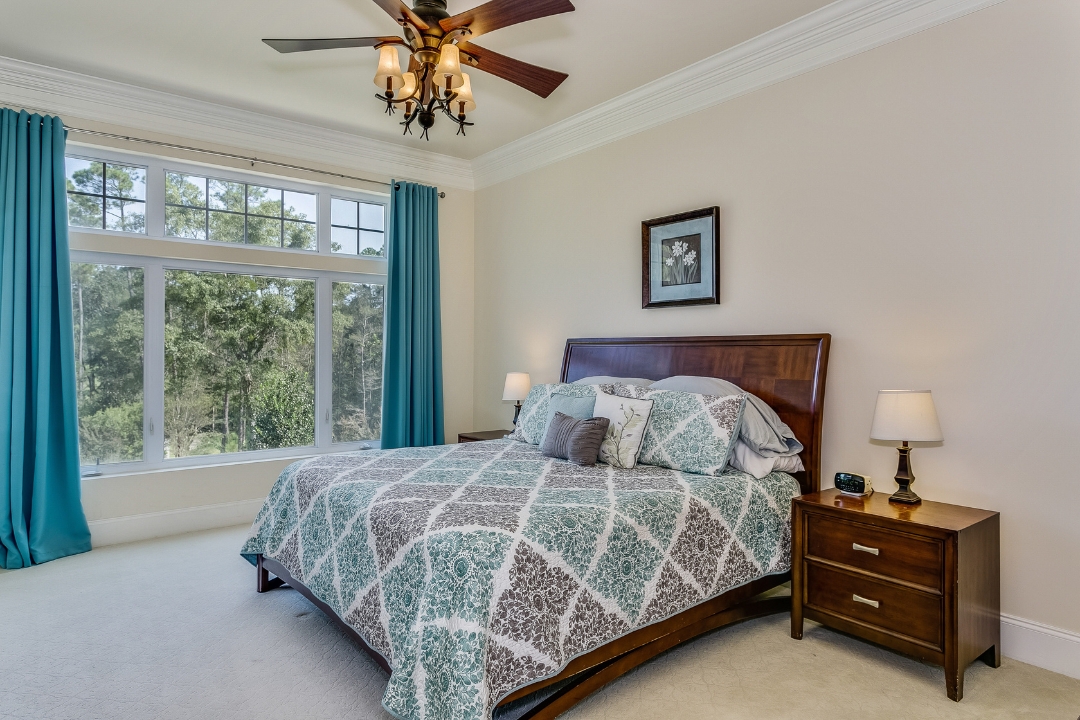
But it’s not just about opposites. Analogous colors (next to each other on the wheel, like reds, oranges, and yellows) can create a harmonious, warm, and inviting scheme. And neutrals, of course, provide a timeless backdrop, allowing the furniture to be the focal point without competition.
Top Paint Color Picks for Cherry Furniture: Quick Recommendations
Let’s cut to the chase. You want to know what colors work. Here are some of the most universally appealing and effective paint choices that consistently pair beautifully with cherry wood furniture:
- Soft Greens (Sage, Olive, Celery): These are often the first recommendation for a reason. They provide a natural, calming counterpoint to cherry’s warmth.
- Light Grays & Greiges: Modern and versatile, grays (especially those with warm undertones) offer a sophisticated contrast.
- Creams & Off-Whites: For a crisp, clean, and classic look that keeps the room feeling airy.
- Muted Blues: Think soft blue-grays or muted denim blues for a serene and elegant atmosphere.
- Warm Taupes & Beiges: These provide an earthy, grounded feel that enhances cherry’s natural beauty without competing.
Now, let’s explore these and more in detail, helping you pinpoint the exact shade for your dream bedroom.
The “Go-To” Neutrals: Timeless Elegance
Neutrals are never boring when chosen correctly. With cherry wood, they provide a sophisticated foundation, allowing the furniture’s rich tones to truly shine. They offer versatility, making it easy to change out bedding and accessories.
- Light Grays & Greiges: Forget cold, sterile grays. Look for grays with a hint of warmth – a touch of beige or even a subtle green or blue undertone. A light greige (a blend of gray and beige) is particularly fantastic, offering the best of both worlds. It creates a modern feel without clashing with cherry’s warmth. Sherwin Williams’ Agreeable Gray or Revere Pewter by Benjamin Moore are popular choices for a reason.
- Creams & Off-Whites: Pure, stark white can sometimes feel too harsh against the depth of cherry. Instead, opt for creamy whites, off-whites, or ivories. These have warmer, softer undertones that harmonize beautifully. They keep the room feeling bright and expansive, while still offering a gentle contrast. Think of colors like Benjamin Moore’s Swiss Coffee or White Dove.
- Beiges & Taupes: These earthy neutrals are perfect for creating a cozy, inviting atmosphere. Beiges with slightly golden or sandy undertones enhance the warmth of cherry, while taupes (a gray-brown blend) offer a sophisticated, grounded look. They’re excellent for a traditional or transitional style bedroom.
Calming & Serene: Bringing Nature Indoors
If your bedroom is your retreat, leaning into calming nature-inspired hues is an excellent strategy. Greens and blues naturally create a tranquil environment, especially when paired with the grounding presence of cherry wood.

- Sage Green & Olive Green: As mentioned, greens are a natural complement to cherry’s red undertones. Sage green is muted, soft, and sophisticated, invoking a spa-like tranquility. Olive green offers a slightly deeper, earthier vibe that feels incredibly organic and grounded. These colors feel fresh yet timeless. Sherwin Williams’ Evergreen Fog is a beautiful example of a green-gray that works wonderfully.
- Soft Blues (Light Blue-Gray, Muted Sky Blue): While green is directly opposite red, blues sit next to green on the color wheel, making them analogous and harmonious with green, and thus still complementary to red tones. A light blue-gray offers a sophisticated coolness that balances cherry’s warmth, creating a calm, airy, and elegant space. Muted sky blues can feel optimistic and expansive.
Bold & Sophisticated: Making a Statement
Don’t shy away from deeper colors if you want to create a dramatic, luxurious, or intensely cozy bedroom. When done right, they can be absolutely stunning with cherry furniture.
- Deep Greens (Hunter Green, Forest Green): For a truly opulent and dramatic look, rich, deep greens can be spectacular. They create a moody, enveloping atmosphere that feels incredibly luxurious, especially when paired with cherry wood. This combination evokes a classic, library-like richness.
- Dark Blues (Navy, Charcoal Blue): Similar to deep greens, dark blues offer a profound sophistication. Navy blue creates a sophisticated and classic backdrop, while a charcoal blue (a deep gray-blue) provides a more contemporary edge. These colors lend themselves well to a masculine or dramatically chic bedroom design.
- Muted Teal: Teal, a beautiful blend of blue and green, offers a sophisticated jewel-toned option. A muted teal can introduce color and personality without overwhelming the space, providing a rich, unexpected complement to cherry’s warmth.
Unexpected Delights: Unique Pairings
Sometimes, the magic happens outside the usual suspects. If you’re feeling adventurous, these options can deliver a unique and personalized aesthetic.
- Soft Yellows (Creamy, Buttery Tones): I’m not talking about bright, primary yellow here! Think of the gentle, warm glow of a creamy or buttery yellow. These analogous colors enhance cherry’s warmth without clashing, creating a cheerful, inviting, and surprisingly sophisticated atmosphere. It’s like a soft sunrise in your room.
- Warm Gray-Purples (Muted Lavenders, Dusty Mauves): This is a more subtle and sophisticated choice. Look for purples that lean heavily into gray, almost a dusty lavender or muted mauve. Purple is another color that can be complementary to cherry, creating a rich, somewhat regal, yet incredibly serene feel. It’s unexpected but elegant.
Choosing Your “Best”: Factors to Consider
The “best” color isn’t a universal truth; it’s the one that’s perfect for your space and your preferences. Here’s what to consider as you narrow down your choices:
Room Size & Natural Light: Maximizing Space and Brightness
- Small Rooms: Lighter colors will make a small room feel larger and airier. Creams, off-whites, light grays, and soft pastels (like sage or light blue) are your friends here.
- Large Rooms: Larger rooms can handle deeper, bolder colors more easily. Dark greens, navy blues, or richer taupes can create a cozy, enveloping feel without making the room feel cramped.
- Natural Light:
- North-facing rooms tend to have cooler, indirect light. Warm paint colors (creams, warm grays, buttery yellows) can help balance this.
- South-facing rooms receive abundant warm light. Almost any color works here, but cool colors (blues, greens) can help temper the intensity if desired.
- East-facing rooms get bright morning light, which turns cooler in the afternoon. Consider colors that look good in both warm and cool light.
- West-facing rooms have soft morning light and intense, warm afternoon light. Deep, rich colors can look stunning in the evening glow.
Your Desired Mood & Aesthetic: Crafting Your Sanctuary
What feeling do you want your bedroom to evoke?
- Relaxing & Serene: Think soft blues, muted greens, light grays, creams.
- Luxurious & Dramatic: Consider deep greens, navy blue, rich charcoal.
- Cozy & Inviting: Warm grays, beiges, taupes, creamy yellows.
- Modern & Sophisticated: Crisp whites, cool grays, greiges, charcoal.
- Traditional & Timeless: Classic creams, sage green, taupe, soft blue-gray.
Existing Decor & Textiles: Harmony is Key
Take stock of what’s already in your room. Do you have a specific color in your bedding, curtains, or artwork that you love? Use these as cues. The paint color should tie everything together, not compete with it. If your bedding has strong patterns, a neutral wall color might be best. If your bedding is neutral, you can go bolder with the walls.

Cherry Wood Tone: Light, Medium, or Dark?
Not all cherry wood is created equal. Lighter, younger cherry wood has more subtle reddish hues, while older, darker cherry often deepens into a rich, almost mahogany-like color. Consider:
- Lighter Cherry: Can handle slightly bolder or cooler colors for contrast.
- Medium Cherry: Very versatile, works with most recommendations.
- Dark Cherry: Often benefits from lighter, contrasting wall colors to prevent the room from feeling too heavy or cave-like, but can also look stunning with deep, dramatic hues in well-lit rooms.
Expert Tips for a Flawless Finish
Don’t Skip the Swatches: Testing in Your Space
This is arguably the most crucial step. Paint colors look drastically different on a tiny chip in a store versus a large swatch on your wall. Why? Because of lighting, surrounding colors, and even the texture of your walls. Buy several sample pots of your top contenders. Paint large squares (at least 2’x2′) on different walls in your room. Live with them for a few days, observing them in natural light, artificial light, morning, and evening. This will save you from costly mistakes.
Consider Undertones: The Unsung Hero of Color Matching
Every color has an undertone. Whites can have pink, yellow, blue, or gray undertones. Grays can lean green, blue, or purple. Understanding a paint’s undertone, and how it interacts with the red/orange undertones of your cherry furniture, is vital. For example, a gray with a green undertone will harmonize beautifully with cherry, while a gray with a strong blue undertone might offer a sharper, cooler contrast.
The Magic of Sheen: Matte, Eggshell, Satin?
The finish of your paint also impacts how the color appears and how it interacts with light. For bedrooms, matte or eggshell finishes are usually preferred:
- Matte: Offers a velvety, sophisticated look that hides imperfections well. It absorbs light, making colors appear richer and softer.
- Eggshell: Slightly more durable than matte, with a very subtle sheen. It’s a popular choice for bedrooms, offering a good balance of durability and aesthetic.
- Satin: Has a noticeable sheen and is more durable and washable, often used in high-traffic areas or on trim. Generally too shiny for bedroom walls if you’re aiming for softness.
Complementary Decor: Pulling It All Together
The paint color is just one piece of the puzzle. To truly make your bedroom sing, think about other elements:

- Linens & Textiles: White, cream, or oatmeal linens always look crisp against cherry. Introduce accent colors in throw pillows, blankets, or curtains that echo your wall color or provide a harmonious contrast.
- Metallics: Brushed gold, brass, or antique bronze hardware and lighting fixtures can beautifully complement the warmth of cherry wood and your chosen paint color. Brushed nickel or black iron can also provide a sophisticated contrast.
- Artwork & Accessories: Choose pieces that either feature colors from your palette or introduce a pop of a complementary color. Plants also bring life and freshness, especially if you’ve chosen a green-based palette.
Paint Color Pairing Chart for Cherry Furniture
To help you visualize and compare your options, here’s a curated list of top paint color recommendations, categorized by the mood they create, along with their benefits and considerations when paired with cherry furniture.
| Color Family | Specific Shades / Mood | Why it Works with Cherry Furniture | Considerations & Best For… |
|---|---|---|---|
| Neutrals | Warm Grays / Greiges (e.g., SW Agreeable Gray, BM Revere Pewter) Creamy Whites / Off-Whites (e.g., BM White Dove, SW Alabaster) Taupes / Beiges (e.g., BM Manchester Tan, SW Kilim Beige) |
Provide a sophisticated, versatile backdrop. They allow the rich tones of cherry to be the focal point without competing. Greiges bridge cool and warm. Creams soften the space. Taupes enhance warmth. | Best For: Modern, Traditional, Transitional styles; bright, airy rooms; creating a flexible base for decor changes. Considerations: Ensure the gray has warm undertones to avoid coldness; off-whites avoid starkness. |
| Greens | Sage Green / Olive Green (e.g., SW Evergreen Fog, BM Sage Mountain) Deep Forest / Hunter Green (e.g., BM Forest Green, SW Secret Garden) |
Green is the complementary color to red, creating immediate harmony and balance. Sage and olive offer natural serenity. Deep greens create a luxurious, dramatic contrast that feels opulent. | Best For: Calming, nature-inspired retreats; luxurious, traditional, or masculine aesthetics. Considerations: Muted greens for serenity; deep greens for drama, ensure ample lighting to prevent a cave-like feel. |
| Blues | Soft Blue-Gray (e.g., BM Palladian Blue, SW Sea Salt) Navy / Charcoal Blue (e.g., BM Hale Navy, SW Naval) |
Blues offer a cooling contrast to cherry’s warmth, promoting relaxation. Soft blue-grays are airy and elegant. Darker blues are sophisticated and dramatic, creating a powerful, classic pairing. | Best For: Serene, coastal, traditional, or dramatic modern bedrooms. Considerations: Lighter blues for small rooms; deeper blues need sufficient light and balanced decor to avoid heaviness. |
| Warm Hues | Soft Yellows / Buttery Creams (e.g., BM Hawthorne Yellow, SW Honied White) Muted Teal (e.g., SW Riverway, BM Aegean Teal) |
Soft yellows create a cheerful, inviting warmth that harmonizes with cherry without competing. Muted teal offers a rich, jewel-toned sophistication, leveraging blue and green undertones. | Best For: Inviting, cheerful, or uniquely sophisticated bedrooms. Adds personality and a touch of unexpected charm. Considerations: Stick to very soft, desaturated yellows; ensure teal is muted to avoid overwhelming the space. |
Beyond the Walls: Creating a Cohesive Bedroom Design
Your paint color is the stage, but the props matter! To truly make your bedroom shine, consider how these elements tie into your chosen wall color and cherry furniture:
- Bedding: This is your largest textile. White or cream bedding is always a safe, elegant choice. If your walls are neutral, you can introduce pops of color here. If your walls are a strong color, opt for more subdued bedding.
- Lighting: Good lighting is crucial. A mix of ambient (overhead), task (reading lamps), and accent (mood lighting) will make your room functional and beautiful. Warm light bulbs (2700K-3000K) enhance the warmth of cherry and create a cozy atmosphere.
- Window Treatments: Curtains or blinds should complement the wall color. Sheer curtains allow light while maintaining privacy, while heavier drapes can add drama or softness.
- Area Rugs: A rug can anchor the room and introduce texture and color. Choose one that harmonizes with your paint color and offers a soft landing for your feet.
Your Bedroom, Your Rules: Trust Your Instincts
Ultimately, your bedroom is your personal sanctuary. While these guidelines are designed to help you make informed decisions, the most important factor is how a color makes you feel. Don’t be afraid to break a few “rules” if a particular shade truly speaks to you. If you love it, you’ll live with it happily.
By understanding the nuances of cherry wood and applying a little color theory, you’re now equipped to choose a paint color that will not only complement your beautiful furniture but also transform your bedroom into the comfortable, stylish haven you deserve. Happy painting!
Frequently Asked Questions
Does gray paint go with cherry wood furniture?
Yes, absolutely! Gray paint can be a fantastic choice for cherry wood furniture, especially warm grays or ‘greiges’ (gray with beige undertones). These shades provide a sophisticated, modern contrast that balances cherry’s inherent warmth without making the room feel cold. Look for grays with subtle green or beige undertones for the most harmonious pairing.

What colors should I avoid with cherry furniture?
Generally, it’s best to avoid bright, saturated reds, oranges, or purples that clash with cherry’s dominant undertones. While certain muted versions of these colors can work, vibrant, primary versions can make the room feel overwhelming or make the wood appear muddied. Also, be wary of very cold, stark whites or blues without any warm undertones, as they can create a jarring contrast.
How does room lighting affect paint color choices for cherry wood?
Lighting significantly impacts how a paint color appears. North-facing rooms with cool light benefit from warmer paint colors to prevent a drab look. South-facing rooms with abundant warm light can handle cooler shades like blues and greens. Always test paint swatches on your walls and observe them throughout the day in both natural and artificial light to see how they truly interact with your cherry furniture.
Can I use white paint with cherry wood furniture?
Yes, but opt for creamy whites or off-whites rather than stark, pure white. Creamy whites have a subtle warmth that harmonizes beautifully with cherry wood, creating a fresh, clean, and elegant look without being overly harsh. This combination keeps the room feeling bright and open while allowing the furniture to stand out.
What are some modern paint colors that pair well with cherry furniture?
For a modern aesthetic, consider warm grays, greiges, muted teals, or soft blue-grays. These colors offer a contemporary feel while still respecting the traditional richness of cherry wood. Crisp off-whites can also create a modern, minimalist look, especially when paired with clean lines in your decor.
Should I match my wall color to my cherry wood’s undertones or contrast them?
Both approaches can work beautifully! Matching (or harmonizing) with analogous colors (like soft yellows or warm beiges) creates a cohesive, warm, and inviting space. Contrasting with complementary colors (like greens or blues) creates a dynamic, balanced, and often more sophisticated look. The best choice depends on the mood you want to create and your personal style.
How can I make a small bedroom with cherry furniture feel larger with paint?
To make a small bedroom feel larger, opt for light and airy paint colors. Creams, off-whites, very light grays, soft sage greens, or muted sky blues are excellent choices. These lighter hues reflect more light, making the walls recede and the room feel more expansive. Ensure good lighting to enhance the effect.