How to Paint an Interior Door Without Brush Marks: The Ultimate Guide to a Flawless Finish
There’s nothing quite as satisfying as a freshly painted interior door. It can instantly refresh a room, boost curb appeal from within, and make your home feel brand new. But let’s be honest: seeing those tell-tale brush marks or roller stipple can utterly ruin the effect. You want that smooth, factory-like finish, right?
I hear you. The good news? Achieving a professional, brush-mark-free finish on your interior doors isn’t just for the pros. With the right tools, materials, and a bit of technique, you can absolutely banish those unsightly lines and enjoy a perfectly smooth door. Forget the frustration; I’m going to walk you through exactly how to do it.
The Secret Weapon: Why Brush Marks Happen and How to Conquer Them
Before we dive into the ‘how,’ let’s understand the ‘why.’ Brush marks aren’t a sign of failure; they’re usually a sign of incorrect technique, wrong materials, or a rushed job. Here’s a quick breakdown:
- Too Much Paint: Loading your brush or roller with too much paint leads to thick layers that don’t level out properly.
- Wrong Brush or Roller: Cheap brushes leave bristles, and rollers with too high a nap create excessive texture.
- Improper Technique: Overworking the paint, going against the grain, or not maintaining a ‘wet edge’ can leave lines.
- Fast-Drying Paint: Some paints dry too quickly, not allowing enough time for the paint to flow and level itself.
- Poor Paint Quality: Lower-quality paints often lack the self-leveling properties found in premium formulations.
To conquer these issues and achieve that coveted smooth finish, we’ll focus on a few core principles:
- Self-Leveling Paint: This is your absolute best friend.
- Proper Tools: Specific rollers and sprayers are key.
- Meticulous Prep: A smooth surface to start with means a smooth finish.
- Controlled Environment: Temperature and humidity play a huge role.
Essential Tools & Materials for a Brush-Mark-Free Door
Success begins with the right arsenal. Skimping here is a false economy that will cost you in frustration and a less-than-perfect result.
Choosing the Right Paint: Self-Leveling is Key
This is arguably the most crucial decision. You need paint that wants to smooth itself out as it dries. Look for terms like ‘self-leveling,’ ‘enamel,’ or ‘door and trim paint.’

- Acrylic-Latex Enamel (Water-Based): This is my go-to recommendation for interior doors. Modern acrylic-latex enamels are incredibly durable, clean up with water, and have excellent self-leveling properties. They also tend to dry faster, which can be a pro (less dust attraction) or a con (less open time for leveling if you’re slow). Look for premium brands specifically designed for trim and doors.
- Oil-Based Enamel (Alkyd): While they offer exceptional hardness and a super-smooth finish, oil-based paints have a strong odor, require mineral spirits for cleanup, and yellow over time (especially whites). They have a longer open time, which aids leveling, but their downsides often outweigh the benefits for the average DIYer.
Sheen Matters: For doors, I generally recommend satin, semi-gloss, or gloss. Higher sheens reflect more light, making imperfections (and excellent finishes!) more noticeable. Semi-gloss is a popular choice for its durability and subtle sheen.
Paint Extender: This is liquid gold for brush-mark prevention, especially with faster-drying latex paints. Products like Floetrol for latex paints or Penetrol for oil-based paints slow down drying time, allowing the paint more time to flow out and level before it sets. Mix according to the manufacturer’s directions.
The Tools of the Trade: Rollers, Sprayers & Brushes (Yes, Brushes!)
Your application method is just as important as your paint choice.
- Foam Rollers: These are your primary weapon against brush marks. Look for high-density foam rollers, typically 4-6 inches, with absolutely no nap. They apply paint thinly and evenly, leaving minimal texture.
- Microfiber Rollers (1/4″ nap): As an alternative to foam, a very fine 1/4″ nap microfiber roller can also deliver a smooth finish with a very subtle, almost unnoticeable stipple. Ensure it’s a high-quality, lint-free variety.
- HVLP Sprayer (High Volume Low Pressure): For the ultimate, factory-smooth finish, nothing beats a sprayer. HVLP models are great for DIYers as they produce less overspray than traditional airless sprayers. This requires more masking and setup, but the finish is unparalleled.
- High-Quality Angled Brush (2-2.5 inches): Wait, I thought we weren’t using brushes? You still need one! A good quality, angled sash brush is essential for cutting in around hinges, reaching inside paneled door recesses, and getting into tight corners where a roller can’t go. The trick is how you use it, often followed immediately by a roller.
- Other Essentials: Drop cloths, painter’s tape (high-quality, low-tack), fine-grit sandpaper (220-320 grit), wood filler, cleaning supplies (degreaser like TSP substitute, tack cloth), sturdy sawhorses.
Here’s a quick comparison of the main application methods:
| Method | Finish Quality | Ease of Use | Time Investment | Cleanup | Best For |
|---|---|---|---|---|---|
| Foam Roller | Excellent, nearly sprayed-on look | Moderate | Moderate | Easy | DIYers, paneled/flat doors, budget-conscious |
| HVLP Sprayer | Professional, factory-smooth finish | High (setup & masking) | High (setup & masking) | Moderate (sprayer cleaning) | Perfectionists, multiple doors, advanced DIYers |
| Quality Angled Brush (for details, followed by roller) |
Good, for details; minimal marks if carefully rolled | Easy (for details) | Low (for details) | Easy | Detail work on paneled doors, cutting in, not for entire door |
Step-by-Step: Achieving a Flawless, Brush-Mark-Free Finish
This is where the magic happens. Don’t rush any of these steps!
Step 1: Meticulous Preparation – The Foundation of Flawless
This cannot be overstated: 90% of a great paint job is prep.
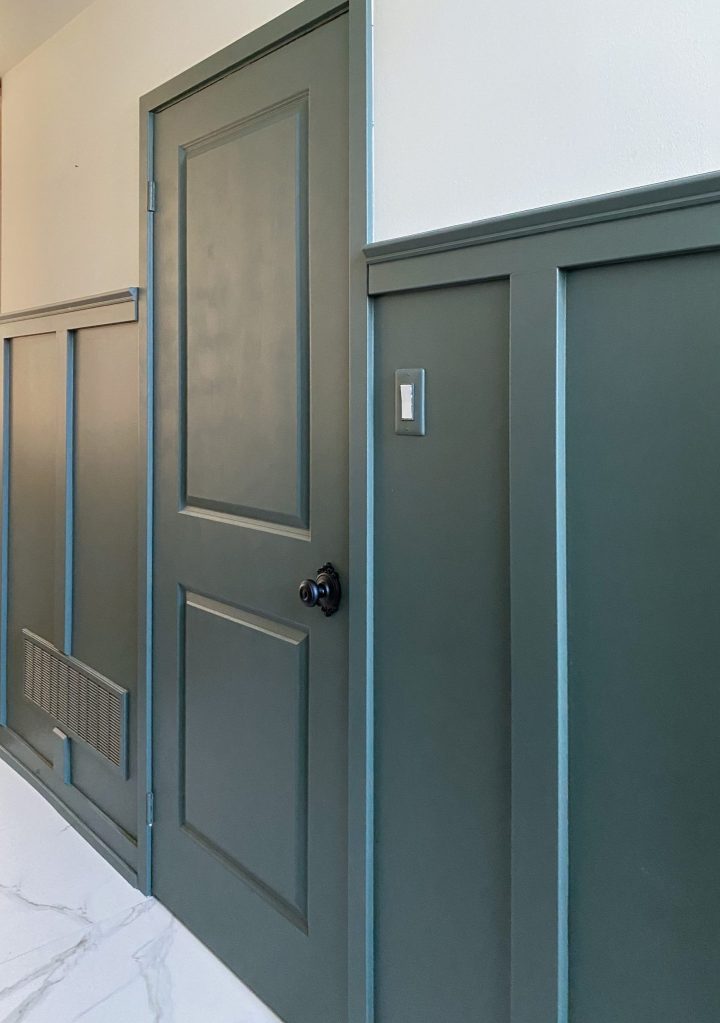
- Remove All Hardware: Take off hinges, door knobs, strike plates, and any other hardware. Trust me, painting around them is far more frustrating and produces a messier result than simply removing them.
- Clean the Door Thoroughly: Doors accumulate grime, grease, and fingerprints. Use a good degreaser (like a TSP substitute) and a damp cloth to clean both sides of the door. Rinse with clean water and let it dry completely.
- Fill Imperfections: Inspect the door for any dings, dents, or holes. Fill them with wood filler, allow it to dry, and then sand smooth with 220-grit sandpaper.
- Sand for Adhesion: Even if your door looks smooth, a light sanding is crucial for paint adhesion. Use 220-grit sandpaper (or a sanding sponge) and lightly scuff the entire surface. This creates a microscopic ‘tooth’ for the paint to grip.
- Clean Dust: After sanding, wipe the door down with a tack cloth or a slightly damp cloth to remove all sanding dust. Dust is the enemy of a smooth finish!
- Prime (If Necessary): You’ll need to prime if you’re painting bare wood, going from a dark color to a very light one, painting over oil-based paint with latex, or if there are significant stains. A good quality primer will block stains and provide a uniform base. Lightly sand with 320-grit sandpaper after priming and wipe with a tack cloth.
Step 2: Setting Up for Success – Environment Matters
The conditions under which you paint significantly impact the final finish.
- Ventilation is Key: Open windows or use fans to ensure good airflow, but avoid direct drafts that can dry the paint too quickly.
- Ideal Temperature & Humidity: Aim for a room temperature between 65-75°F (18-24°C) and moderate humidity (around 50%). High humidity slows drying, while very low humidity speeds it up too much, not allowing paint to level.
- Set Up Sawhorses: Lay the door flat on two sturdy sawhorses. This provides a stable, horizontal surface, allowing gravity to assist in leveling the paint and preventing drips. Place cardboard or wax paper on your sawhorses to protect them and prevent the door from sticking.
- Protect the Area: Lay down drop cloths, and if you’re spraying, mask off everything nearby with painter’s tape and plastic sheeting.
Step 3: Application Technique – The Heart of No Marks
This is where your chosen tools come into play. Remember: thin, even coats are always better than one thick coat.
Option A: The Foam Roller Method (Most Common)
This is the most popular and effective DIY method for a brush-mark-free finish.
- Prepare Your Paint: Stir your paint thoroughly. If using paint extender, mix it in according to the manufacturer’s instructions. This is a critical step for maximizing self-leveling.
- Load the Roller Properly: Don’t overload your foam roller. Roll it gently in a paint tray, ensuring even saturation but no dripping.
- Paneled Doors First: If your door has recessed panels, use your high-quality angled brush to paint the recesses first. Apply paint carefully, working it into the corners. Don’t worry about perfect smoothness here; we’ll fix it.
- Immediately Roll Over Brushwork: As soon as you’ve brushed a panel, take your foam roller and gently roll over the brushed area. This will smooth out any brush marks. Work quickly!
- Paint Stiles and Rails: After the panels, move to the horizontal (rails) and then vertical (stiles) sections. Apply paint with long, overlapping, even strokes.
- Maintain a Wet Edge: This is crucial. Always work from a wet edge, meaning your roller always overlaps slightly into paint that is still wet. This prevents lap marks and ensures a seamless transition. Work systematically across the door.
- Feather the Edges: For your final pass on each section, lightly ‘feather’ the edges with the roller, using minimal pressure to smooth any potential roller lines.
- Thin Coats: Apply two to three thin coats rather than one thick one. This allows each layer to level beautifully.
- Light Sanding Between Coats: After each coat dries completely (check manufacturer’s recommendations), lightly sand the entire door with 320-grit sandpaper. This removes any tiny imperfections or dust nibs and helps the next coat adhere better. Wipe thoroughly with a tack cloth before applying the next coat.
Option B: The HVLP Sprayer Method (Professional Finish)
If you’re aiming for perfection and have the equipment, spraying is the way to go.
- Thinning Paint: Most paints need to be thinned for an HVLP sprayer. Follow your paint and sprayer manufacturer’s guidelines precisely. Too thick, and it won’t spray; too thin, and it will drip. Test on scrap material first.
- Sprayer Settings: Adjust your sprayer’s fan pattern and fluid flow. Again, test on scrap to get an even, consistent spray pattern.
- Mask Everything: This is critical. Sprayers create a fine mist that travels. Mask off walls, floors, and anything else you don’t want painted.
- Application Technique: Hold the sprayer a consistent distance (usually 6-10 inches) from the door. Move in smooth, overlapping passes. Start spraying off the door, move across, and stop spraying off the door. Each pass should overlap the previous one by about 50%.
- Multiple Light Coats: Apply several very thin coats, allowing adequate flash-off time between coats as recommended by the paint manufacturer. This minimizes drips and allows for a perfectly smooth build-up.
Step 4: Drying and Curing – Patience is a Virtue
- Understand Drying vs. Curing: Paint can be ‘dry to the touch’ in a few hours, but it needs significantly longer to ‘cure’ – meaning it reaches its full hardness and durability. Avoid heavy handling for several days, or even weeks for full cure.
- Recoat Windows: Pay close attention to the recoat window on your paint can. Applying a second coat too soon can cause issues; applying it too late might require another light sanding.
- Careful Reinstallation: Once the door is fully dry to the touch, you can carefully reattach the hardware. Avoid overtightening screws, which can cause paint to crack.
Troubleshooting Common Issues & Expert Tips
Even with the best intentions, things can go awry. Here’s how to address common problems and some pro tips.
My Paint Has Orange Peel/Texture!
This looks like the bumpy skin of an orange. It’s usually caused by:
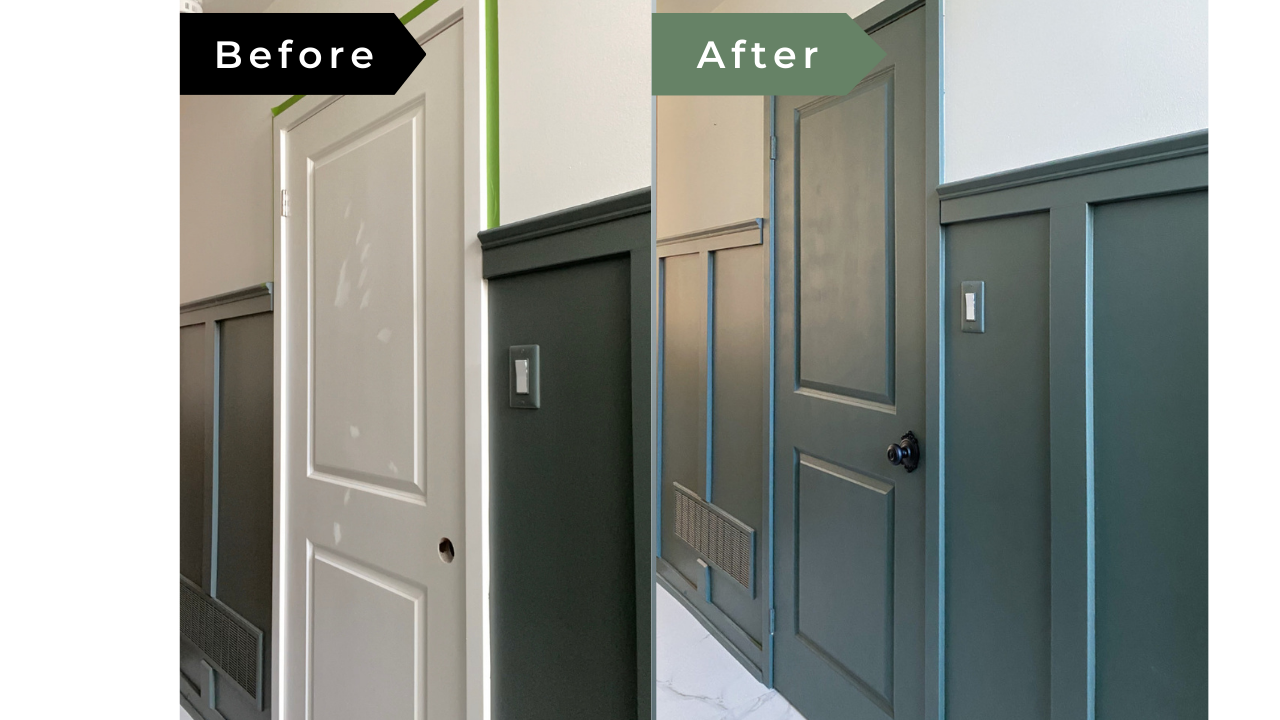
- Too Thick Paint: Not enough extender, or using paint not suitable for smooth finishes.
- Wrong Roller Nap: Using a standard napped roller instead of a foam or 1/4″ microfiber.
- Overworking the Paint: Rolling back and forth too many times, especially as the paint starts to set.
Fix: Let the paint cure for a few days, then sand it smooth with 220-grit, then 320-grit sandpaper. Clean thoroughly and apply thinner coats with the correct roller and plenty of paint extender.
I Have Drips and Sags!
This happens when you apply too much paint at once.
- Too Much Paint: Overloading your roller or sprayer.
- Wrong Angle: Holding a sprayer incorrectly.
- Too Many Coats Too Fast: Not allowing enough flash-off time between coats.
Fix: For minor drips, you can often gently re-roll them while the paint is still wet. If dry, carefully scrape them off with a razor blade (use extreme caution!) or sand them down after the paint has cured. Then reapply a thin coat.
My Door Feels Sticky!
A sticky door surface can be frustrating.
- High Humidity: Paint dries slowly in humid conditions, extending the tack-free time.
- Insufficient Drying/Curing: You might be handling it too soon.
- Too Thick: A very thick layer of paint takes ages to dry fully.
Fix: Increase ventilation and airflow. If it persists, it might need more cure time. In rare cases, a top coat of clear, non-yellowing polyurethane (check compatibility with your paint) can seal it, but this should be a last resort.
Expert Tip: The “Brush-Out” for Tricky Spots
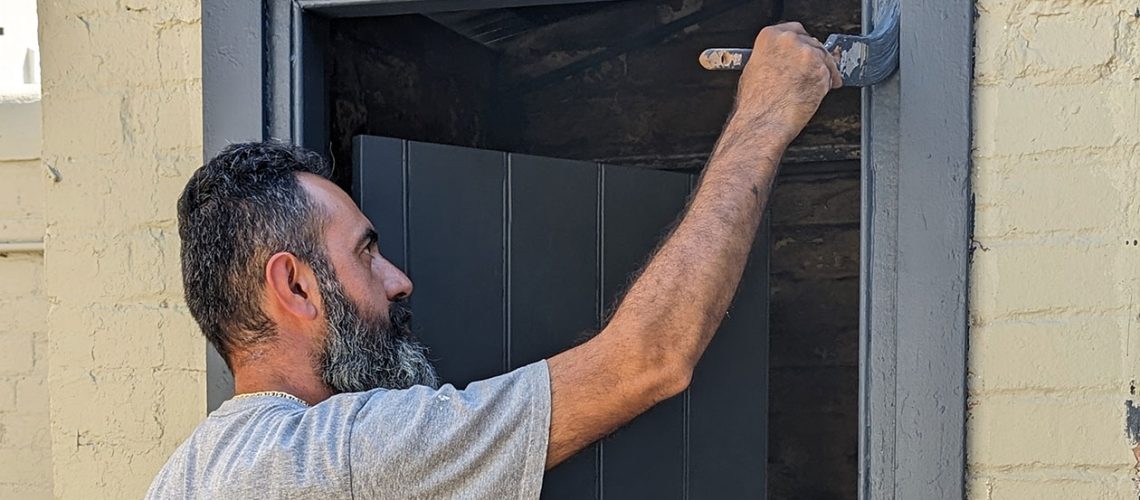
When you have a detailed area, like the inside of a door panel, use your high-quality angled brush to apply the paint precisely. But here’s the trick: immediately after brushing, take your dry foam roller and gently roll over the brushed area. This essentially ‘knocks down’ any brush marks, leaving a much smoother finish. Work one small section at a time so the paint doesn’t dry before you can roll it.
Expert Tip: Adding a Touch of Water/Extender
If your latex paint feels a bit too thick straight from the can, carefully add a small amount of water (up to 10% for latex) or, even better, a paint extender. Mix it in thoroughly. This thins the paint slightly, allowing it to flow and level better. Always test on scrap first to ensure consistency.
Expert Tip: Work in Sections, Quickly
Especially with paneled doors and faster-drying latex paints, you need to be efficient. Paint the panels, then the horizontal rails, then the vertical stiles. Work quickly but meticulously within each section to maintain that crucial wet edge. Don’t let sections dry before you blend them.
Maintenance for Lasting Beauty
Once your door is perfectly painted, keep it looking great:
- Gentle Cleaning: Use a soft, damp cloth and mild soap (if necessary) to clean your painted doors. Avoid harsh abrasives or chemicals.
- Touch-Ups: Keep a small amount of leftover paint for quick touch-ups of minor dings.
The Final Stroke: Your Flawless Door Awaits
Painting an interior door without brush marks is a rewarding project that elevates the look and feel of your home. By investing in the right materials, meticulously preparing your surface, and mastering the application techniques – especially with a quality foam roller and self-leveling paint – you’re set to achieve a finish that looks like it was done by a seasoned professional. Take your time, trust the process, and soon you’ll be admiring your perfectly smooth, beautiful doors.
Frequently Asked Questions
Can I really paint a door without any brush marks at all?
Yes, absolutely! By using high-quality self-leveling paint, a dense foam roller (or an HVLP sprayer), meticulous surface preparation, and specific application techniques like maintaining a wet edge, you can achieve a finish so smooth it looks factory-sprayed, completely free of brush marks.
What’s the absolute best type of paint for a smooth door finish?
For a truly smooth finish, choose a premium acrylic-latex enamel specifically formulated for doors and trim. These paints have excellent self-leveling properties. Adding a paint extender like Floetrol can further enhance their ability to flow out and minimize marks.
Is it better to remove the door or paint it while it’s still hanging?
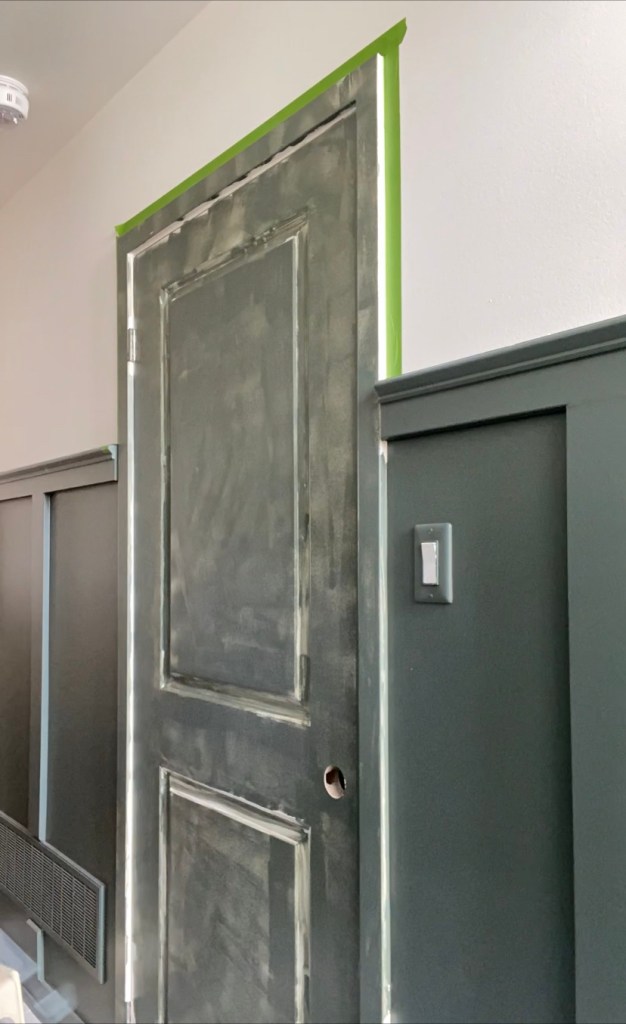
For the best, brush-mark-free finish, it is always recommended to remove the door from its hinges and lay it flat on sawhorses. This allows gravity to help the paint level out, prevents drips, and gives you easier access to all surfaces without needing to paint around hinges or door frames.
How do I prevent ‘orange peel’ texture when rolling?
Orange peel is often caused by applying paint that’s too thick, using a roller with too high a nap, or overworking the paint as it starts to dry. Prevent it by using a high-density foam roller, ensuring your paint has self-leveling properties (and possibly an extender), and applying thin, even coats with minimal passes.
How many coats of paint do I need for a smooth door?
Typically, two to three thin coats are ideal for achieving a smooth, durable finish. Thin coats level better than one thick coat, reduce the chance of drips, and allow for light sanding between coats to eliminate any dust or minor imperfections, creating a glass-like surface.
Can I use a regular roller instead of a foam roller?
While you *can* use a regular roller, it’s not recommended if you want a truly brush-mark-free finish. Standard napped rollers tend to leave a textured ‘stipple’ effect, which is exactly what you’re trying to avoid. A high-density foam roller or a very fine 1/4″ nap microfiber roller is essential for the smoothest result.
What’s the biggest mistake people make when trying to avoid brush marks?
The biggest mistake is skipping or rushing the preparation steps, especially sanding and cleaning. A dirty or uneven surface will telegraph through even the best paint job, making it impossible to achieve a truly smooth, flawless finish. The second biggest mistake is applying paint too thickly or overworking it as it dries.